
-
May 14, 2027
Event date:
-
May 30, 2027
Event end:
What to expect
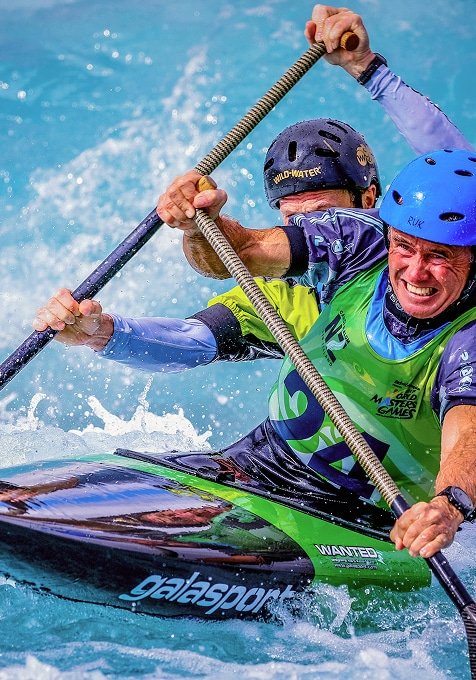
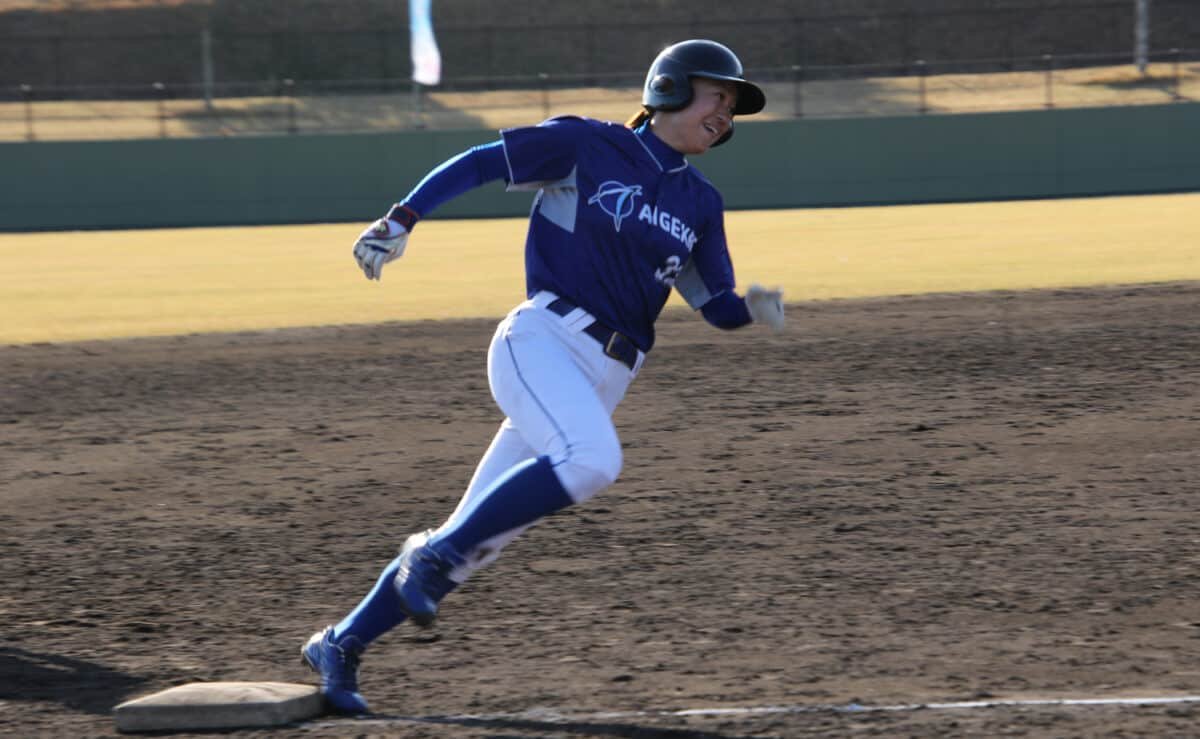
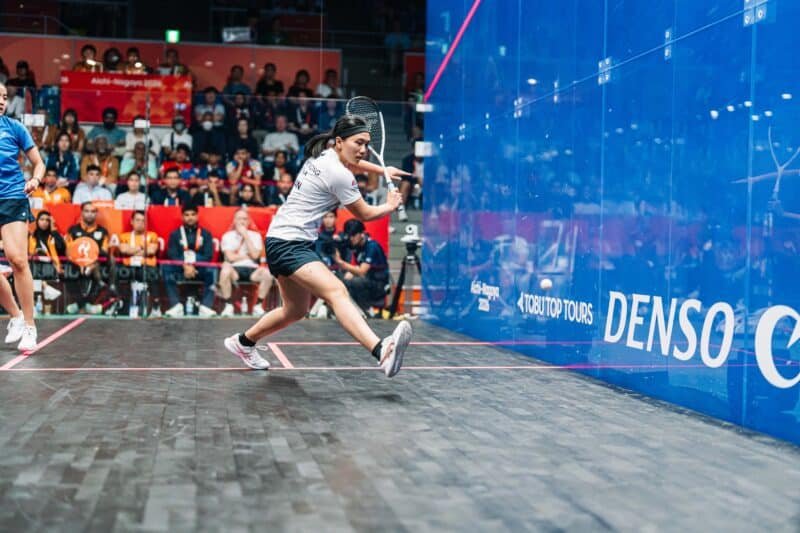
World Masters Games 2027 Kansai is the world’s largest sporting festival, aiming for 50,000 people from 150 countries, with target of 30,000 in Japan and 20,000 overseas. It is an international multi-sport event held every four years which, in terms of competitor numbers, has developed into the largest of its kind in the world. The upcoming edition will be held in Kansai region of Japan featuring 59 disciplines across 35 sports for athletes aged 30 and over, with no qualifying standard required.
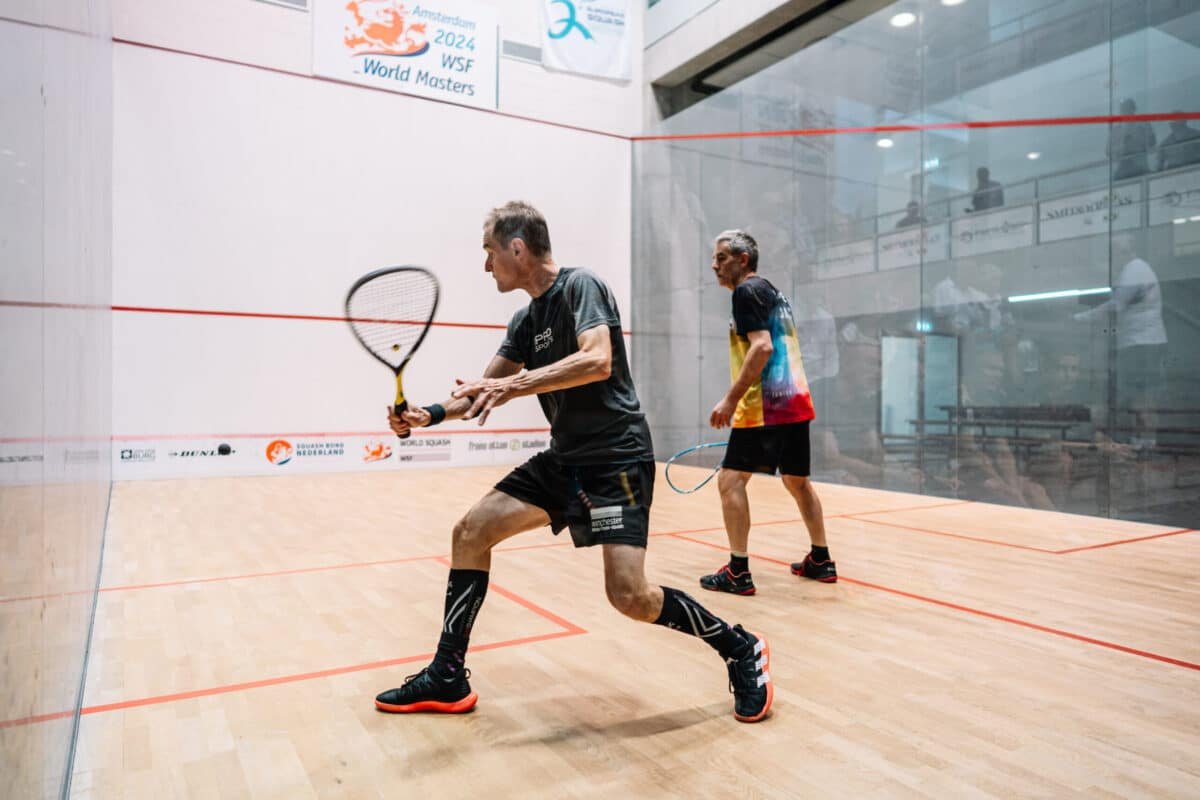
The Games are open to anyone who is a sports enthusiast aged 30 or older, with some sports setting their own age groups. There are 59 disciplines altogether in World Masters Games 2027 Kansai, including baseball, judo, tennis, football, rowing, squash, athletics, swimming, cycling, tennis, badminton, golf, basketball, football, volleyball, triathlon, orienteering, canoe, handball, soft tennis, hockey, bowling, DanceSport, jump rope, lifesaving, and showcase sports.
Organized by Public Interest Incorporated Foundation World Masters Games 2021 Kansai Organizing Committee, Prefectural ordinance-designated city executive committee, host municipality executive committee, and Union of Kansai Governments. The Games hope to contribute to solving social issues through inclusivity, and to ensure that open, welcoming mindset and systems are carried on even after Games conclude.
Enjoy Your Event Stress-Free with Japan Travelo
Do you know? Planning events, festivals, concerts, and cultural experiences in Japan can be overwhelming. Japan Travelo brings everything together in one place, helping you manage your itinerary, transport, and accommodation with ease—so you can enjoy Japan without the stress of planning.
Expect spectacular venues in stunning scenery from cutting-edge urban stadiums in Osaka and Kobe, serene mountain settings in Kyoto and Shiga, to white beaches with crystal-clear water in Fukui and Tokushima. The region promises participants not only top-quality competition venues but also unforgettable cultural and scenic backdrop. Take a break from games and explore uniqueness of Kansai – Osaka is not just for fun, Kyoto offers sea, forests, tea with beautiful nature.
The Games place strong emphasis on participation, lifelong engagement in sport, and celebration of athletic endeavour at every stage of life.
Match/event dates
Event Dates: May 14th (Fri) – May 30th (Sun), 2027 (17 days)
Event Name: World Masters Games 2027 Kansai
Official Website: https://wmg2027.jp/
Duration: 17 days total
Organizer: Public Interest Incorporated Foundation World Masters Games 2021 Kansai Organizing Committee
Co-organizers: Prefectural executive committees across Kansai region
Target Participants: 50,000 from 150 countries, 30,000 domestic, 20,000 overseas
Sports and Disciplines: 35 sports and 59 disciplines plus showcase sports
Opening Ceremony: Planned in Kyoto City
Closing Ceremony: Planned in Osaka City
Entry Window: General entries opened in March 2026 and close on February 28, 2027
Welcome Reception: Planned at Suimeiso, free finger food, optional participation via questionnaire in entry system
Competition Venue Check-in: At each sport venue on days before competition
Exact sport-specific competition dates vary per discipline, with each sport allocated 2 to 9 days within overall Games period.
Visiting this event? Don’t miss out on these amazing activities and local experiences while you’re here.
Stadium & sports venue
Venue Region: Kansai Region comprising 9 prefectures and 4 cities: Fukui Prefecture, Shiga Prefecture, Kyoto Prefecture, Osaka Prefecture, Nara Prefecture, Wakayama Prefecture, Tottori Prefecture, Tokushima Prefecture, Hyogo Prefecture for orienteering, plus Kyoto City, Osaka City, Sakai City, Kobe City.
Osaka Prefecture Venues: Cycling BMX in Kishiwada City, rugby in Higashi-Osaka City, swimming open water in Sennan City, futsal and soccer in Sakai City at J-GREEN Sakai, closing ceremony in Osaka City.
Kyoto Prefecture Venues: Handball at Kyoto Prefectural Yamashiro Sports Park Gymnasium Taiyogaoka in Kyotanabe City, Tanabe Central Gymnasium, soft tennis in Fukuchiyama City at Izaki, Kyoto Citizen Sports Hall at Nishikyogoku Sports Park, Nishikyogoku Shinmeicho, Ukyoku.
Shiga Prefecture Venues: Rowing on Lake Biwa in Shiga, hockey in Maibara City, serene mountain settings.
Fukui and Tokushima Venues: White beaches with crystal-clear water for open water swimming, triathlon, canoe slalom in Nakacho, Tokushima.
Hyogo Venues: Orienteering in Hyogo Prefecture.
Tottori, Nara, Wakayama Venues: Additional sports spread across region to showcase local attractions.
Urban Stadiums: Cutting-edge urban stadiums in Osaka and Kobe for athletics, football, rugby.
Venue Access: Each sport provides transportation information guide via official files, including train and bus access, with detailed address for each competition venue.
Cultural Backdrop: Venues provide athletes opportunity to perform in truly stunning surroundings, from urban to mountain to beach.
Full fixture or event schedule
Overall Games Schedule:
Opening Ceremony: Opening ceremony in Kyoto City marks start of Games with parade of athletes from 150 countries.
Competition Days: Each sport has its own competition window within 17-day period. For example, triathlon competition typically 2 days, rowing 2 days, canoe slalom 2 days, hockey 9 days from mid-period to late period, bowling 4 days, DanceSport single day, jump rope, and other sports allocated accordingly.
Sample Sport Schedules Based on Published Guides: Triathlon in Tokushima scheduled over Friday to Sunday window with 2 competition days, canoe slalom in Tokushima Thursday to Sunday with 2 days, hockey in Shiga Saturday to Sunday across 9 days, bowling Friday to Monday 4 days, and other sports similarly spread.
Welcome Reception: Welcome reception Thursday 27th, 17:00 to 18:00 at Suimeiso planned, free finger food only, optional participation, application via questionnaire in entry system.
Daily Competition: Multiple sports running simultaneously across different prefectures, with participants able to compete in up to 5 types of competition across all sports within same registration fee.
Closing Ceremony: Closing ceremony in Osaka City marks end of Games, celebrating inclusivity and lifelong sport.
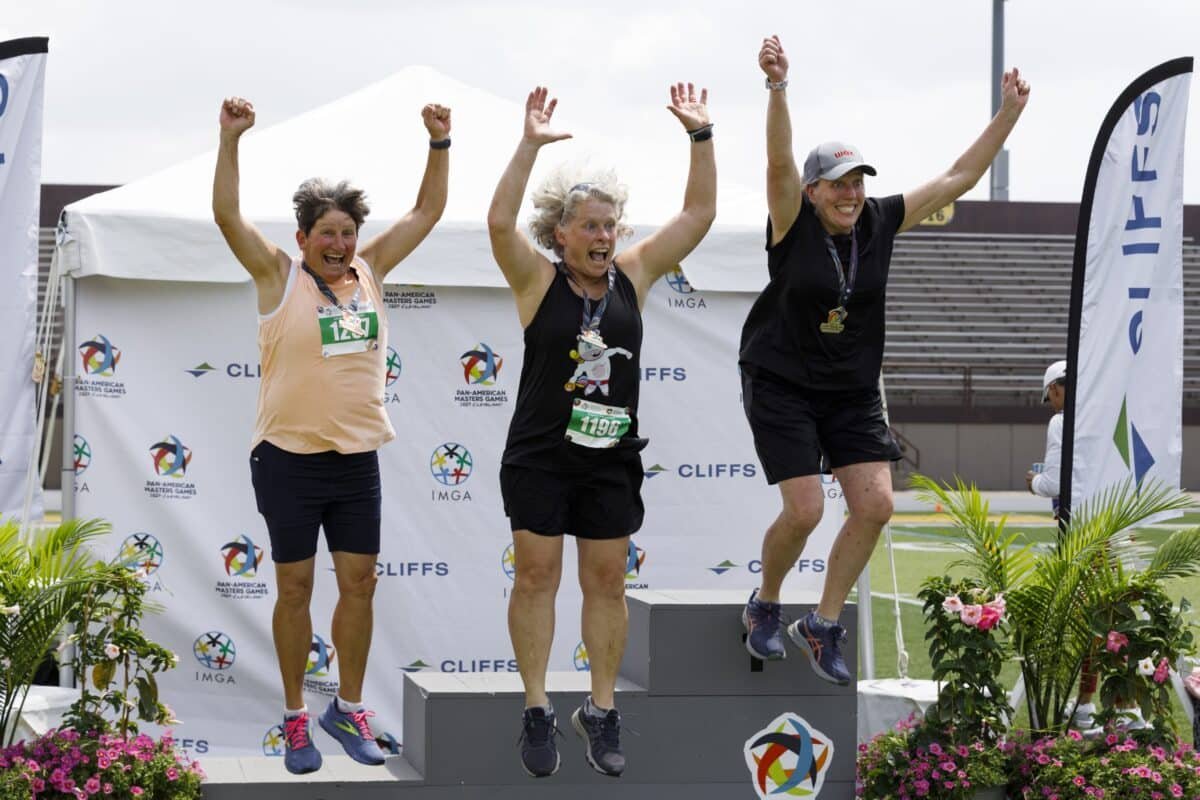
Medal Ceremonies: Medal ceremonies at each venue after competition, with medals for each age category.
Rest Days: Athletes encouraged to arrive early to rest after long flight before competition, and add short tour after Games to explore Kansai.
Teams, athletes & participants
Eligibility: In general, anyone who is sports enthusiast aged 30 or older can participate. Age determined as of December 31, 2027. Some sports set own age groups, for example athletics may have 5-year bands from 30 to 100+, swimming similar, so check rules for each sport.
No Qualifying Standard: There is no qualifying standard, making Games accessible to all levels from recreational to former Olympians. This is group market with fixed date and no qualifying standard.
Participant Numbers: Target 50,000 participants from 150 countries, including 30,000 domestic and 20,000 overseas. Largest multi-sport festival in world by competitor numbers.
Team Composition: Athletes may compete individually, with partner, or as part of club team. Many athletes travel with partner or family, so room count often larger than team. List kit such as bikes, boats, large bags changes vehicle needed and storage.
Age Categories: Typically 5-year age groups for most sports, for example 30-34, 35-39, 40-44, etc., allowing fair competition across lifespan.
Companions: Many athletes travel with partner or family, with companion programs including day tours and cultural visits while athletes compete.
International Representation: Athletes from 150 countries expected, with large contingents from USA, Australia, Europe, and Asia.
Registration: Each athlete enters with organizers via entry system on official website dedicated to application via PC or smartphone. DMC plans rooms, transfers, programmes but does not register athletes.
Tournament format & competition structure
Sports: 35 sports and 59 disciplines plus showcase sports. Core sports include athletics track and field, swimming, cycling, tennis, badminton, golf, basketball, football soccer, volleyball, baseball, judo, rowing, squash, orienteering, triathlon, canoe, handball, soft tennis, hockey, bowling, DanceSport, jump rope, lifesaving.
Discipline Format: Each discipline follows international federation rules for masters categories, with modified distances or durations for older age groups where appropriate.
Participation Limit: Competitor can compete in 5 disciplines including lifesaving within same registration fee, allowing multi-sport participation. There are 59 disciplines altogether.
Competition System: Typically round-robin or pool play followed by knockout for team sports, timed finals or heats for athletics and swimming, match play for racket sports.
Medal System: Medals awarded for each age category in each discipline, with gold, silver, bronze for top 3 in each age group.
Lifesaving Inclusion: Lifesaving counted as discipline within 5-discipline limit.
Showcase Sports: Additional showcase sports may be included to promote local sports.
No National Team: Unlike Olympics, participants compete as individuals or clubs, not national teams, though opening ceremony includes parade.
Inclusivity Focus: Games hope to contribute to solving social issues through inclusivity, ensuring open welcoming mindset and systems carried on after Games.
Match/event times
Daily Competition Hours: Competition typically runs from morning to late afternoon, with some sports having evening sessions for finals.
Sport-Specific Times: Each sport publishes its own detailed schedule with start times for heats, semi-finals, finals. For example, athletics track events morning to afternoon, swimming heats morning finals afternoon, cycling road races morning.
Opening Ceremony Time: Evening ceremony to allow all athletes to attend.
Welcome Reception Time: 17:00 to 18:00 for welcome reception.
Check-in Times: Competition venue check-in typically day before competition, with times published in sport information guides.
Medal Ceremony Times: After each age category final, immediate medal ceremony at venue.
Transportation: Transportation information guides provide access times for trains and buses to venues.
Ticket types
World Masters Games is primarily participant-focused, with free spectator access for most venues, but registration fees apply for athletes.
Registration Fees Converted to USD Based on Official Documents:
Competition Participants Basic Fee – Allowed to Participate in 5 Types of Competition Across All Sports:
Overseas Participants: 34,000 Yen per person, approximately $227, including tax and handling fee. Check World Masters Games 2027 Kansai Participation Terms and Conditions for detail.
Domestic Participants: 15,000 Yen per person, approximately $100, including tax and handling fee.
Official, Coach, Helper, Partner Basic Fee:
Overseas: 20,000 Yen per person, approximately $133
Domestic: 5,000 Yen per person, approximately $33
Additional Charges: Extra fee for additional disciplines beyond 5, rental fee for competition equipment, etc., as per sport-specific guides.
Spectator Access: Most competition venues free for spectators, with some venues possibly charging small entry for premium seating, typically $5 to $15 per day.
Travel Packages: Travel agencies like Japanholidays and Explera DMC offer travel packages including accommodation near venue, transfers for kit, programmes for days around competition, ranging from $1,000 to $3,000 depending on length and services.
USA Registration: USA registration for 2027 World Masters Games via Humanitix site for USA registration only, with three-part entry: this site no fee, IMWA registration no fee, Japan registration pay all fees.
Ticket release phases
General Entry Opening: General entry opened on March 2, 2026 via entry system on official website.
Entry Closing: Entry closes on February 28, 2027, as per official guides and Explera DMC information.
Registration Phases: Early registration encouraged due to accommodation demand in Kyoto and Osaka during busy month.
Welcome Reception Application: Application for welcome reception via questionnaire in entry system, free finger food only.
Competition Venue Check-in: Check-in at each venue on days before competition, with no additional fee.
Equipment Rental: Rental fee for competition equipment to be booked during entry.
Extra Discipline Addition: Additional charges for extra disciplines beyond 5 types can be added during entry period.
Companion Registration: Official, Coach, Helper, Partner registration via same entry system with basic fee.
VIP & hospitality options
Welcome Reception: Free finger food reception at Suimeiso planned, optional participation, finger food only, offering networking with international masters athletes.
Hospitality Lounges: Some venues offer hospitality areas for officials, coaches, helpers, partners with catering.
Sponsor Hospitality: Sponsors may host hospitality areas with traditional Kansai hospitality including Osaka and Kyoto specialties.
VIP Seating: Some urban stadiums in Osaka and Kobe offer VIP seating with better views for opening and closing ceremonies.
Travel Package Hospitality: DMCs offer hospitality including rooms near venue, transfers for kit and programmes for days around competition, day tours for companions.
Cultural Hospitality: Kansai region offers cultural experiences as hospitality, including tea ceremony in Kyoto, food tours in Osaka, nature experiences in Shiga and Nara.
Accommodation Hospitality: Hotels near venues may offer special rates and hospitality for athletes, with storage for bikes, boats, large bags.
Stadium & event rules
Participation Terms and Conditions: All participants required to read World Masters Games 2027 Kansai Participation Terms and Conditions before applying.
Age Determination: Age determined as of December 31, 2027, for all sports.
Registration Rules: Application via entry system on official website via PC or smartphone, no change of event after application in some sports, false declarations not accepted.
Equipment Rules: Each sport follows international federation rules for equipment, with rental available for some sports.
Health and Safety: Participants encouraged to have medical checkup before competition, follow health and safety guidelines.
Insurance: Accident insurance included in participation fee, but those who want more compensation should take out own insurance.
Personal Information: Organizer handles personal information in strict compliance with privacy law, images may be used for publication.
Competition Rules: Each sport follows its own rules, with competition precautions stipulated separately by organizer.
Emergency Procedures: Emergency procedures follow local regulations, with medical support at each venue.
How to get there
Kansai Region Access: Kansai region accessible via Kansai International Airport, Osaka International Airport Itami, and Kobe Airport, plus Shinkansen via Kyoto and Shin-Osaka stations.
Kyoto City Access: Kyoto City accessible via JR Tokaido Shinkansen from Tokyo, approximately 2 hours 15 minutes, plus local transport to venues like Nishikyogoku Sports Park.
Osaka City Access: Osaka City accessible via Shinkansen to Shin-Osaka, then JR or subway to venues like Kishiwada, Higashi-Osaka, Sennan, Sakai.
Fukui, Shiga, Nara, Wakayama, Tottori, Tokushima Access: Each prefecture accessible via JR lines and highway buses from Kyoto and Osaka, with detailed transportation information guides providing specific routes.
Venue-Specific Directions: For example, Kyoto Citizen Sports Hall at Nishikyogoku Shinmeicho, Ukyoku, Kyoto City, accessible via Hankyu Kyoto Line to Nishikyogoku Station then walk, Tanabe Central Gymnasium at 19 Tanabe Maruyama, Kyotanabe City, Kyoto, accessible via JR Gakkentoshi Line.
International Access: For overseas participants, Kansai International Airport offers direct flights from many international cities, then train or bus to respective prefecture.
Local Transport: Local buses, trains, and shuttle buses operated for Games to connect venues within same prefecture.
Public transport & parking
Public Transport Strongly Recommended: May is busy month in Kyoto and Osaka, and Games add athletes and companions to demand, so public transport recommended over driving.
Train: JR lines, private railways like Kintetsu, Hankyu, Keihan, and subway systems in Kyoto, Osaka, Kobe provide extensive coverage of venues.
Bus: Highway buses and local buses connect prefectures, with special Games shuttle buses planned for some venues.
Parking: Limited parking at some venues, especially urban stadiums in Osaka and Kobe, with parking on first-come first-served basis requiring registration at time of entry in some sports. Avoid driving where possible.
Bicycle and Kit Transport: Bikes, boats, large bags change vehicle needed and storage required, DMCs plan transfers for kit.
Accessibility Transport: Most stations have elevators, but some rural venues may have limited accessibility, check transport information guide for each venue.
Companion Transport: Companions can use same public transport, with day tour buses for cultural visits.
Accommodation areas
Best Areas to Stay:
Kyoto City: For sports in Kyoto Prefecture, hotels near Nishikyogoku, Kyotanabe, Fukuchiyama ranging $80 to $200 per night. Kyoto is busy in May, book early.
Osaka City and Sakai: For Osaka Prefecture sports including cycling BMX Kishiwada, rugby Higashi-Osaka, swimming Sennan, futsal soccer Sakai, hotels near Osaka Namba, Sakai, Kishiwada ranging $70 to $180 per night. J-GREEN Sakai area has limited hotels but Osaka City offers many options.
Shiga Prefecture: For rowing on Lake Biwa and hockey Maibara, hotels near Otsu, Maibara ranging $60 to $150 per night, with serene mountain settings.
Fukui and Tokushima: For open water swimming, triathlon, canoe slalom, hotels near beach venues ranging $60 to $130 per night, white beaches with crystal-clear water.
Hyogo, Nara, Wakayama, Tottori: For orienteering and other sports, local business hotels and ryokans ranging $50 to $120 per night.
Club Booking: Agent who confirms team list, dates, companions first secures rooms near venue, as club that books early gets rooms near venue, club that books late may sleep far.
Budget Options: Toyoko Inn, Super Hotel, APA Hotel chains across Kansai offer $45 to $80 per night.
Post-Games Touring: Kansai makes day trips easy, some clubs add few days elsewhere in Japan after Games, such as Tokyo or Hiroshima.
Food & drink at the venue
Venue Catering: Most venues offer bento boxes, hot drinks, snacks, with indoor areas for athletes and spectators.
Kansai Specialties: Osaka offers takoyaki, okonomiyaki, kushikatsu, Kyoto offers yudofu, matcha, kaiseki, Shiga offers Omi beef, Nara offers kakinoha sushi, Wakayama offers ramen, Tokushima offers Awa Odori chicken, providing diverse food experience.
Welcome Reception Food: Finger food only at welcome reception Suimeiso, free.
Companion Food: Day tours for companions include local food experiences while athletes compete.
Local Hospitality: Local community groups provide water and small snacks at venues, showcasing Kansai hospitality.
Post-Competition: Hotels near venues offer recovery meals and local cuisine for celebration after competition.
Accessibility
Venue Accessibility: Cutting-edge urban stadiums in Osaka and Kobe are fully barrier-free with elevators, accessible restrooms, wheelchair spaces. Serene mountain settings in Kyoto and Shiga and beach venues in Fukui and Tokushima may have limited accessibility, check sport-specific guides.
Age-Friendly: Games designed for athletes aged 30 and over, with many participants in 60s, 70s, 80s, so venues prepared for older athletes with medical support.
Transport Accessibility: Most major stations have elevators, but rural venues may require assistance.
Contact for Accessibility: Contact World Masters Games 2027 Kansai Organizing Committee via official website inquiry form for specific accessibility needs.
Companion Support: Companion program includes accessible tours for partners with mobility needs.
Best matches/events to attend
Opening Ceremony in Kyoto: Best event to experience parade of 50,000 athletes from 150 countries, cultural performances showcasing Kyoto traditions.
Athletics Track and Field: Classic masters athletics with age groups from 30 to 100+, often held in cutting-edge urban stadium in Osaka or Kobe, with inspiring performances from older athletes.
Swimming Open Water in Sennan: Spectacular venue in Sennan City, Osaka Prefecture, with white beach and crystal-clear water, offering beautiful backdrop.
Rowing on Lake Biwa: Serene mountain setting in Shiga, with rowing on Japan’s largest lake, beautiful scenery.
Football at J-GREEN Sakai: High-quality football at J-GREEN Sakai, one of Japan’s largest football training centers, with multiple age categories.
Closing Ceremony in Osaka: Final celebration in Osaka City marking end of 17-day festival, with emphasis on inclusivity and lifelong sport.
Previous year’s highlights
World Masters Games History: World Masters Games is international multi-sport event held every four years which, in terms of competitor numbers, has developed into largest of its kind. Previous editions held in Toronto, Sydney, Edmonton, Osaka, etc., with thousands of participants.
Kansai Bid: Kansai region bid emphasizes solving social issues through inclusivity, ensuring open welcoming mindset and systems carried on after Games conclude, with 9 prefectures and 4 cities collaborating.
2021 Postponement: World Masters Games 2021 Kansai postponed due to COVID-19 pandemic, rescheduled for 2022 then ultimately for 2027, marking third change to Games schedule, with dates and venues finalized in recent years.
Promotional Activities: Promotion of 2027 Games priority on agenda for organizers, with both sides emphasizing importance of raising awareness, spectacular venues in stunning scenery await.
DanceSport and Jump Rope Addition: DanceSport included via WDSF, jump rope confirmed for 2027 World Masters Games in Kyoto after application to change competition from Double Dutch to Jump Rope approved in June 2026, showing evolving sport program.
Travel Package Interest: Travel agencies report strong interest from sports clubs planning group travel, with agents advised to start from each athlete’s sport and competition days, count travelling companions, add rest days and post-Games touring.
Official tickets
Official Website: https://wmg2027.jp/
Entry System: Entry via official website entry system dedicated to application for entry to competition via PC or smartphone, available at wmg2027.jp
Registration Fees: Competition participants basic fee allowed to participate in 5 types of competition across all sport – overseas participants 34,000 Yen approximately $227 per person, domestic 15,000 Yen approximately $100, Official Coach Helper Partner basic fee overseas 20,000 Yen approximately $133, domestic 5,000 Yen approximately $33
General Entry Period: Opened March 2, 2026, closes February 28, 2027
USA Registration: USA registration via Humanitix site for USA registration only, three-part entry: this site no fee, IMWA registration no fee, Japan registration pay all fees, address Tokushima 772-0017 Kansai Japan
Welcome Reception: Free finger food, optional, application via questionnaire in entry system, Thursday 27th 17:00 to 18:00 at Suimeiso planned
Contact: World Masters Games 2027 Kansai Organizing Committee via official website inquiry form, plus prefectural executive committees
Transportation Information: Transportation information guides available via microcms-assets files for each sport discipline venue
Video
Location
FAQ
Who can participate in World Masters Games 2027 Kansai?
In general, anyone who is a sports enthusiast aged 30 or older can participate in tournament, with age determined as of December 31, 2027, and some sports setting own age groups. There is no qualifying standard, making Games accessible to all levels from recreational to former Olympians. Target is 50,000 people from 150 countries, with 30,000 domestic and 20,000 overseas, across 35 sports and 59 disciplines plus showcase sports, allowing participation in up to 5 types of competition within same registration fee.
How much does it cost to enter World Masters Games 2027 Kansai?
Competition participants basic fee allowed to participate in 5 types of competition across all sport is 34,000 yen per person approximately $227 for overseas participants and 15,000 yen approximately $100 for domestic participants, including tax and handling fee. Official, Coach, Helper, Partner basic fee is 20,000 yen approximately $133 overseas and 5,000 yen approximately $33 domestic. Additional charges apply for extra disciplines beyond 5, rental fee for competition equipment, and travel packages ranging $1,000 to $3,000 via DMCs for rooms near venue and transfers.
Where are World Masters Games 2027 Kansai venues located?
Venues spread across Kansai region comprising 9 prefectures and 4 cities: Fukui, Shiga, Kyoto, Osaka, Nara, Wakayama, Tottori, Tokushima, Hyogo for orienteering, plus Kyoto City, Osaka City, Sakai City, Kobe City. Sports and disciplines held within Osaka Prefecture include cycling BMX in Kishiwada City, rugby in Higashi-Osaka City, swimming open water in Sennan City, futsal and soccer in Sakai City at J-GREEN Sakai, with cutting-edge urban stadiums in Osaka and Kobe, serene mountain settings in Kyoto and Shiga, white beaches in Fukui and Tokushima.
How do I register for World Masters Games 2027 Kansai?
Application is made through entry system on official website dedicated to application for entry to competition via PC or smartphone at wmg2027.jp, with general entry opened March 2, 2026 and closing February 28, 2027. Each athlete enters with organizers, DMCs plan rooms, transfers, programmes but do not register athletes. Three-part entry for USA registration via Humanitix includes this site no fee, IMWA registration no fee, Japan registration pay all fees, plus questionnaire for welcome reception application.
What sports are included in World Masters Games 2027 Kansai?
There are 35 sports and 59 disciplines plus showcase sports, including athletics track and field, swimming, cycling, tennis, badminton, golf, basketball, football soccer, volleyball, baseball, judo, rowing, squash, orienteering, triathlon, canoe, handball, soft tennis, hockey, bowling, DanceSport, jump rope, lifesaving, with rowing on Lake Biwa in Shiga and football at J-GREEN Sakai. Competitor can compete in 5 disciplines including lifesaving within same registration fee, with 5-year age groups for fair competition, and medal ceremonies for each age category.

Leave a Reply