
What to expect
The Setouchi Triennale is an international art festival that, as its name suggests, takes place every three years. Established in 2010, the event is held across the Seto Inland Sea region, with the island of Naoshima and the ports of Takamatsu in Kagawa Prefecture and Uno in Okayama Prefecture among the major venues. The program includes exhibitions, performances, and many other events, and the line-up of participants always features a number of internationally acclaimed artists.
Expect a celebration of art and community centered around culture and art, combined with island tourism, conveying universal value of a beautiful life. Travel by boat to islands that haven’t been fully developed as tourist destinations, learn about their history and culture through contemporary art, and connect with local people, this is the kind of trip you can only experience at Setouchi Triennale.
The festival features installations across islands and coastal areas, each offering its own charm and artistic allure. Seven islands host the triennale during three seasonal sessions, with two ports having art installations during three seasonal sessions. The existing Naoshima infrastructure including Tadao Ando-designed Chichu Art Museum, Lee Ufan Museum, Benesse House Museum and Hotel, and Art House Project across village of Honmura serves as institutional anchor.
Enjoy Your Event Stress-Free with Japan Travelo
Do you know? Planning events, festivals, concerts, and cultural experiences in Japan can be overwhelming. Japan Travelo brings everything together in one place, helping you manage your itinerary, transport, and accommodation with ease—so you can enjoy Japan without the stress of planning.
You can expect about 638 artists and 725 artworks in recent edition, with confirmed exhibits from renowned figures like architect Tadao Ando, Sou Fujimoto, and artist Yayoi Kusama among artists and groups.
Event dates
Event Dates: 2028, scheduled triennially across spring, summer, and autumn seasons, dates TBD
Official Site: https://setouchi-artfest.jp/
Contact: +81 87-813-0853, info@setouchi-artfest.jp
The Setouchi Triennale is scheduled triennially across spring, summer, and autumn seasons, with 2028 being next edition after 2025. The 2025 edition included spring, summer, and autumn sessions with total 107 days, with venues across 17 islands and coastal areas.
Visiting this event? Don’t miss out on these amazing activities and local experiences while you’re here.
Venue & exhibition site
Primary Venues: Naoshima, Teshima, Megijima, Ogijima, Shodoshima, Oshima, Inujima, Shamijima spring, Honjima autumn, Takamijima autumn, Awashima autumn, Ibukijima autumn, Takamatsu Port and Uno Port areas, Kagawa Prefecture coastal areas including Nio Town in summer, Higashi Kagawa, Takamatsu Airport, Yashima Shikokumura, Ryuozan, Ougoshi Goshikidai, Takamatsu Port wide area.
Seven islands host the triennale during three seasonal sessions, with two ports having art installations during three seasonal sessions. Takamatsu is main hub of Setouchi Triennale, with many ferries to islands departing from Takamatsu Port, with art installation at Takamatsu Port.
Island Details:
Naoshima: Central island, with Benesse House Museum and Hotel 1992, Chichu Art Museum 2004, Lee Ufan Museum 2010, Art House Project across Honmura village, and Tadao Ando’s 10th architectural work as highlight.
Teshima: Known for Teshima Art Museum and returning artist Lin Shuen-Long who debuted in 2013.
Shodoshima: Largest island, with townscape designated as Important Preservation District for Groups of Traditional Buildings.
Megijima and Ogijima: Small islands near Takamatsu with intimate installations.
Inujima: With Inujima Seirensho Art Museum.
Oshima: With historical and community projects.
Awashima: Autumn only, most art projects based around Awashima Maritime Museum.
Honjima, Takamijima, Ibukijima: Autumn venues with traditional townscapes.
Port Venues: Takamatsu Port wide area and Uno Port area, with Setouchi Container Gallery touch from MOON at Takamatsu Port Area.
Full exhibition programme
The programme is designed as three seasonal sessions with exhibitions, performances, and many other events.
Spring Session Programme: Opening session across main islands including Naoshima, Teshima, Megijima, Ogijima, Shodoshima, Oshima, Inujima, Shamijima, plus Takamatsu Port and Uno Port. Artworks, events, and artists viewable, with some artworks viewable when triennale not in session.
Summer Session Programme: Summer installations including Shamijima, Honjima, Takamijima, and coastal areas like Nio Town, with performances and community events. Artworks, events, and artists continuing, with call for art proposals and complete list of participating artists announced.
Autumn Session Programme: Autumn includes Awashima, Ibukijima, Takamijima, Honjima, and coastal areas, with total 107 days across all seasons in 2025 edition. Townscape designated as Important Preservation District for Groups of Traditional Buildings as highlight, plus Tomari area and Kasashima area exhibitions.
Special Programmes: Artworks such as DAIDARAURUTORABOU at Mito Peninsula exhibition period 2022 onward, Staying in past days 2022 exhibition period 2019,2022 onward, and The Dreaming of Things at Ibukijima former elementary school.
Community Programme: Celebration of art and community, with local people involvement and universal value of beautiful life.
Featured artists & designers
Setouchi Triennale features number of internationally acclaimed artists and architects.
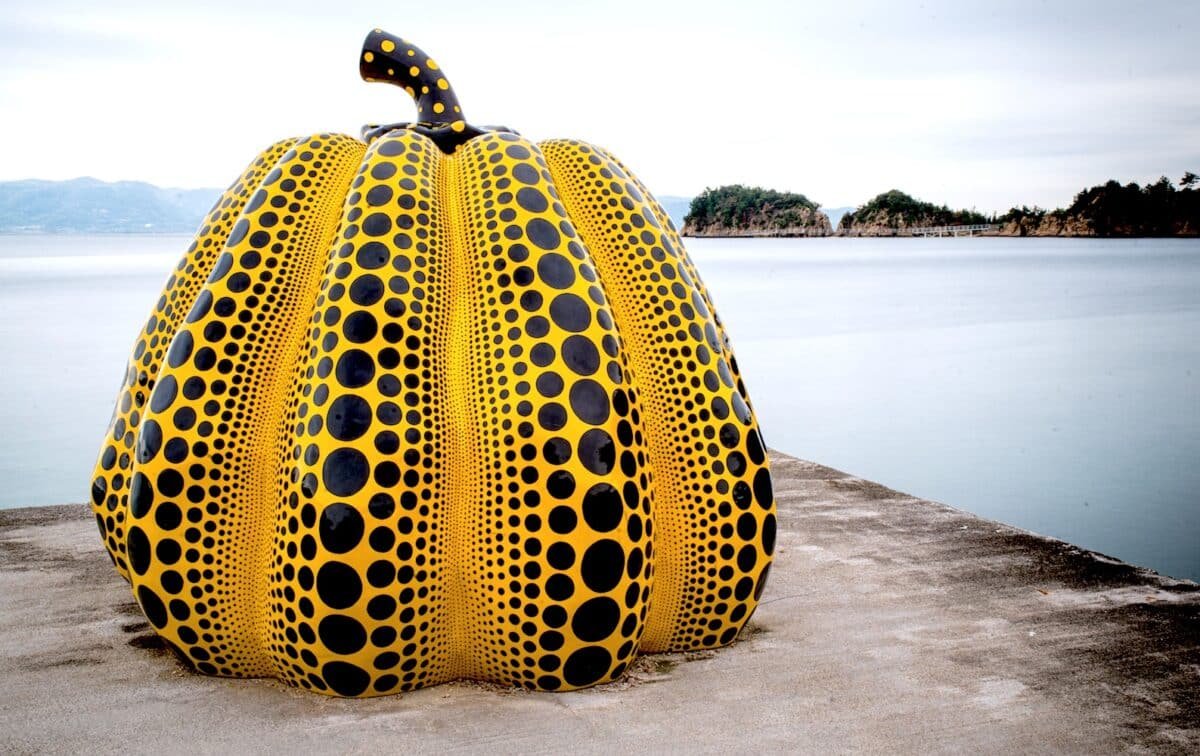
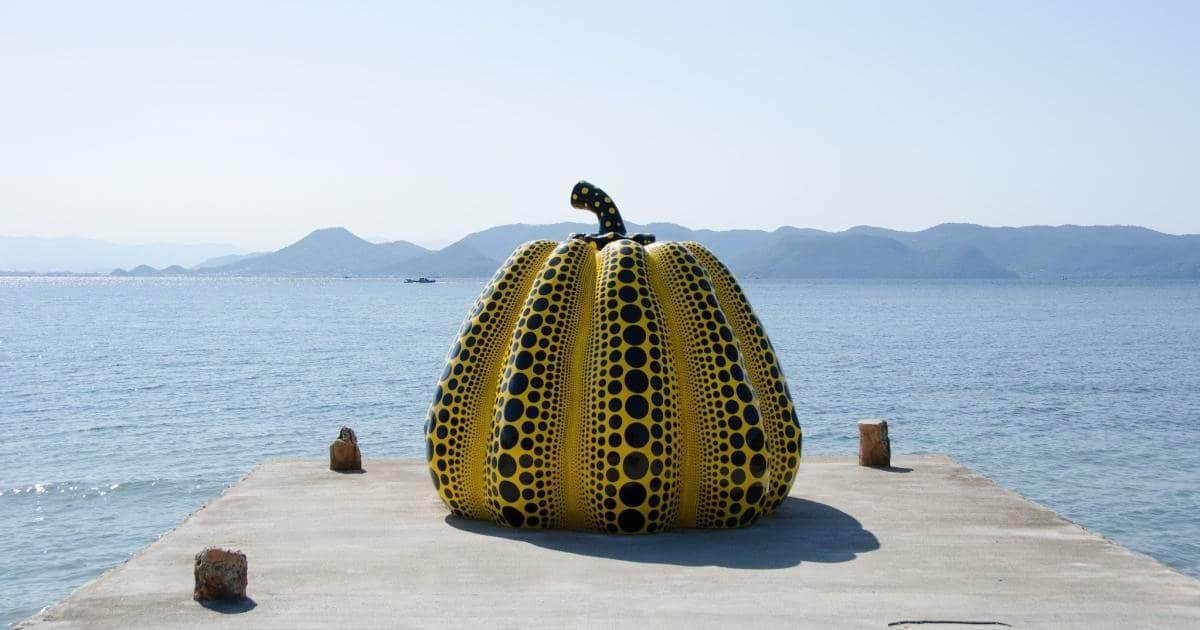
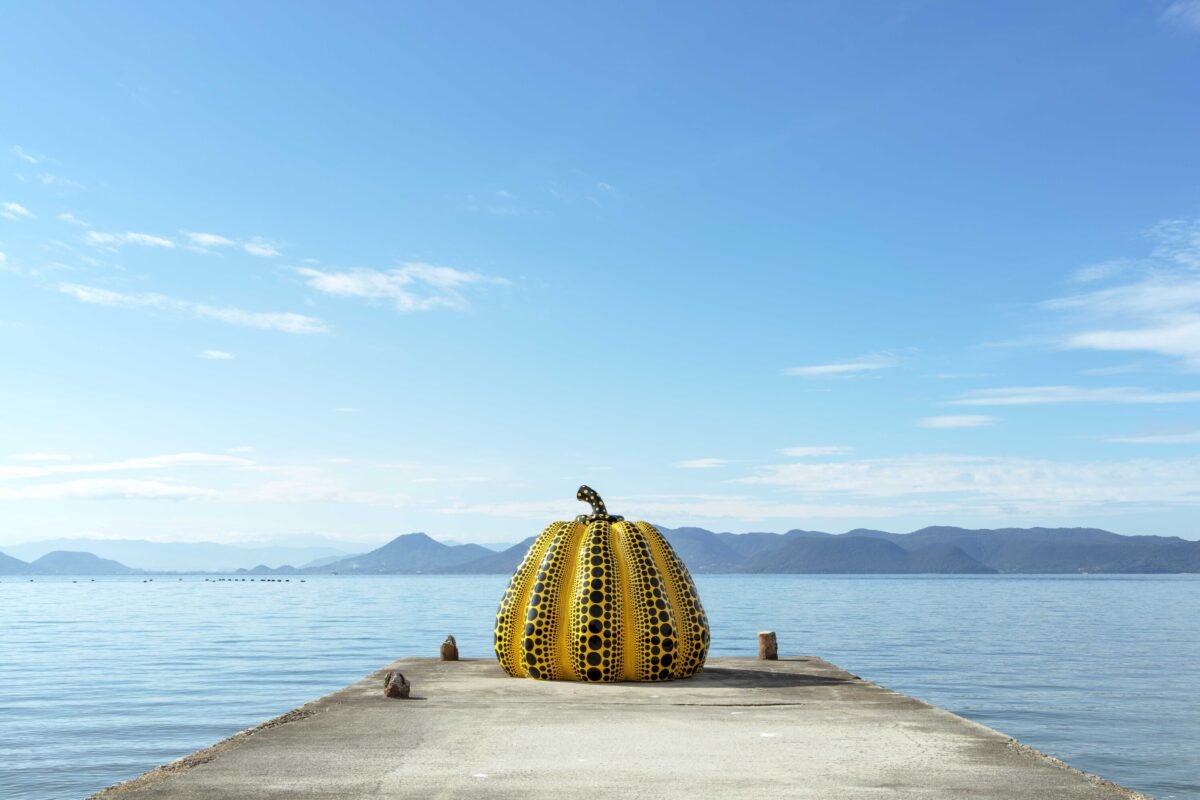
Famous Artists: Yayoi Kusama, Shigeru Ban, Olafur Eliasson, Chiharu Shiota will share unique creations, with Chiharu Shiota’s Memory of Lines as highlight on island even outside triennale period, deep connection with region since 2010 triennale.
Architects: Tadao Ando with 10th architectural work on Naoshima, Sou Fujimoto, and other architects contributing to institutional anchor.
Returning Artists: Lin Shuen-Long returning after being absent in 2022, returning on Teshima just like debut in 2013, in 2019 on Shodoshima.
Emerging Artists: Aleksandra Kovaleva and Kei Sato with The Dreaming of Things at Ibukijima, and other artists from over 10 countries showcasing creations.
Complete List: Complete list of participating artists available via official site, with 638 artists and 725 artworks submitted in 2025 edition, including 13 artists groups.
Local Artists: Local island artists and community projects, with preservation of island communities existence at core.
Galleries & exhibitors
Galleries and exhibitors are integrated with island infrastructure.
Museum Galleries:
Chichu Art Museum: Tadao Ando-designed, 2004, institutional anchor.
Lee Ufan Museum: 2010, anchor.
Benesse House Museum and Hotel: 1992, anchor.
Art House Project: Across village of Honmura, anchor.
Teshima Art Museum: On Teshima.
Inujima Seirensho Art Museum: On Inujima.
Island Galleries: Small galleries on Megijima, Ogijima, Shodoshima, Oshima, and other islands, with artworks integrated into traditional houses and abandoned schools.
Port Galleries: Takamatsu Port wide area galleries, Uno Port area galleries, and Setouchi Container Gallery.
Community Galleries: Awashima Maritime Museum based art projects, former elementary schools on Ibukijima, and traditional buildings designated as Important Preservation District.
Exhibition halls & sections
Sections by Venue:
Naoshima Section: Benesse area, Honmura area, Miyanoura area, with major installations.
Teshima Section: Karato area and other areas.
Shodoshima Section: Tonosho, Obe, Sakate areas, with large island coverage.
Megijima and Ogijima Sections: Small island sections with ferry access.
Inujima Section: Seirensho area.
Oshima Section: Community and history focused.
Shamijima Spring Section: Spring only.
Honjima Autumn Section: Autumn only, with Kasashima and Tomari areas.
Takamijima and Awashima Autumn Sections: Autumn only, with Awashima Maritime Museum.
Ibukijima Autumn Section: Autumn only, with former elementary school venue.
Takamatsu Port Section: Port wide area, art installation at Takamatsu Port, Setouchi Container Gallery.
Uno Port Section: Port area with ferry terminal installations.
Thematic Sections: Preservation District sections, Mito Peninsula section, and Other sections including Takamatsu Airport, Yashima Shikokumura, Ryuozan, Ougoshi Goshikidai.
Talks, workshops & special events
Talks, workshops, and special events include exhibitions, performances, and many other events.
Talks: Artist talks by Yayoi Kusama, Tadao Ando, Sou Fujimoto, Chiharu Shiota, and other renowned figures, plus architect talks on Naoshima infrastructure.
Workshops: Community workshops with local people, learning about history and culture through contemporary art, and preservation workshops in Important Preservation District townscape.
Performances: Performances across islands, including traditional performances in Nio Town and other coastal areas.
Special Events: Setouchi Container Gallery touch from MOON event, The Dreaming of Things small art piece discovery events, and DAIDARAURUTORABOU events.
Community Events: Celebration of art and community events, with local festivals integrated into triennale program.
Ferry Tours: Boat tours to islands that haven’t been fully developed as tourist destinations, connecting with local people.
Ticket types
General Passport: Triennale passport allowing access to multiple islands and venues across all three seasonal sessions. Previous edition pricing around $35.00 USD to $50.00 USD for general passport.
Single Island Tickets: Tickets for individual islands such as Naoshima, Teshima, Shodoshima, with prices $5.00 USD to $12.00 USD per island.
Port Tickets: Takamatsu Port and Uno Port area installations often free or low cost $3.00 USD.
Ferry Pass: Combined ferry and art pass for island hopping, with pricing $80.00 USD to $120.00 USD for multi-day use.
Student and Group Discounts: Discounts for students, seniors, and groups, with child pricing free or reduced.
Museum Tickets: Separate tickets for anchor museums like Chichu Art Museum $15.00 USD, Lee Ufan Museum $10.00 USD, Benesse House Museum $10.00 USD, based on previous editions.
All pricing converted to USD, with previous edition pricing used if 2028 pricing not announced.
VIP & collector access
Collector Access: Collector pass for complete artwork documentation, guidebooks, and exclusive prints by artists such as Yayoi Kusama.
VIP Tours: Private tours with curators and artists, including Tadao Ando architecture tours and Chiharu Shiota studio visits.
Ferry Charter: VIP ferry charter for island hopping with private guide.
Accommodation Packages: Benesse House Museum and Hotel packages offering VIP access to Naoshima installations, rates $300.00 USD to $600.00 USD per night.
Early Access: Early morning access to popular installations like Chichu Art Museum and Teshima Art Museum.
Artist Meet: Meet and greet with returning artists such as Lin Shuen-Long and emerging artists.
Event rules
Admission: Passport required for most installations, with some outdoor installations free. Follow island community rules.
Conduct: Respect island communities existence, no touching of artworks unless interactive, no littering on islands, and follow ferry schedules.
Photography: Photography allowed in most outdoor installations, but some museums such as Chichu Art Museum restrict photography.
Ferry Rules: Follow ferry schedules, as many islands have limited ferry connections, especially autumn only islands like Awashima and Ibukijima.
Language: Japanese is primary, with English support at main venues and official site https://setouchi-artfest.jp/ providing English information.
Children: Family friendly, but some installations may have age restrictions and ferry travel requires supervision.
Preservation: Respect Important Preservation District for Groups of Traditional Buildings townscape and Awashima Maritime Museum.
How to get there
Seto Inland Sea region, with Takamatsu and Uno as main ports.
By Air: Takamatsu Airport with direct flights from Tokyo Haneda, plus nearby Okayama Airport and Kansai International Airport for international visitors. Takamatsu Airport venue includes art installations.
By Train: JR Shikoku to Takamatsu Station, then walk to Takamatsu Port. JR Okayama to Uno Station for Uno Port.
By Ferry to Islands: Ferries from Takamatsu Port to Naoshima, Teshima, Megijima, Ogijima, Shodoshima, Oshima, Inujima. Ferries from Uno Port to Naoshima, Teshima, and other islands.
By Car: Via Seto Ohashi Bridge to Kagawa Prefecture, then to Takamatsu Port and Uno Port. Car can be taken to Shodoshima via ferry.
By Bus: Highway buses from Osaka, Kyoto, and Hiroshima to Takamatsu.
Shuttle: Special shuttle buses during triennale from Takamatsu Station to Takamatsu Port wide area.
Public transport & parking
Public Transport:
Ferries: Main transport between islands, with schedules varying by season. Takamatsu Port is main hub with many ferries departing.
Buses: Local buses on larger islands like Shodoshima and Naoshima, connecting ferry terminals to art sites.
Trains: Kotoden trains in Takamatsu area and JR lines.
Parking:
Port Parking: Takamatsu Port and Uno Port parking, rate approximately $6.00 USD to $10.00 USD per day.
Island Parking: Limited parking on islands, especially small islands like Megijima and Ogijima, rate free or $3.00 USD.
Museum Parking: Benesse House and Chichu Art Museum parking, free for guests.
Recommendation: Ferry is recommended as primary transport, with island hopping requiring planning due to limited connections to autumn only islands. Travel by boat is core experience.
Accessibility: Ferry terminals have barrier-free access, but some small islands and traditional buildings may have limited accessibility.
Accommodation areas
Takamatsu City Area: Best hub for island hopping, with hotels such as JR Hotel Clement Takamatsu, Takamatsu Tokyu REI Hotel, and Rihga Hotel Zest Takamatsu offering rates $70.00 USD to $150.00 USD per night. Many ferries depart from Takamatsu Port.
Naoshima Area: Benesse House Museum and Hotel offering $300.00 USD to $600.00 USD per night, plus minshuku guesthouses $60.00 USD to $100.00 USD per night for immersive experience.
Uno Port Area: Uno Port area hotels such as Uno Hotel and Uno Port area guesthouses, rates $60.00 USD to $120.00 USD per night, convenient for ferries to Naoshima and Teshima.
Shodoshima Area: Hotels and ryokan on Shodoshima such as Shodoshima International Hotel, rates $80.00 USD to $160.00 USD per night, with bus access to art sites.
Okayama City Area: For those using Uno Port, Okayama City hotels such as Hotel Granvia Okayama, rates $70.00 USD to $130.00 USD per night, 30 minutes by train to Uno.
Early booking essential as festival attracts large crowds, especially during spring, summer, and autumn sessions.
Food & refreshments
Island Cafes:
Naoshima Cafes: Benesse House cafes, Chichu Art Museum cafe, and local cafes with Setouchi seafood.
Teshima Cafes: Teshima Art Museum cafe and local island cafes.
Shodoshima Cafes: Olive and soy sauce themed cafes, with local specialty olive oil and somen noodles.
Port Area Food: Takamatsu Port area restaurants offering Sanuki udon, famous Kagawa specialty, rates $6.00 USD to $12.00 USD per bowl. Uno Port area seafood restaurants.
Local Specialties: Setouchi region famous for seafood, olives from Shodoshima, and citrus fruits.
Festival Food Stalls: During triennale, special food stalls at main venues with local products.
Nearby Restaurants: Takamatsu City has wide range of restaurants from budget to fine dining, rates $8.00 USD to $30.00 USD per meal.
Accessibility
Organizers aim for inclusive access while respecting island communities.
Venue Access: Main museums such as Chichu Art Museum, Lee Ufan Museum, and Benesse House Museum have barrier-free entrances, accessible restrooms, and elevators. Small island venues and traditional buildings may have limited accessibility.
Transport Access: Takamatsu Port and Uno Port ferry terminals have elevators and accessible routes. Some ferries have accessible cabins, but small island ferries may have limited accessibility.
Exhibition Access: Outdoor installations generally accessible, but some installations in abandoned schools and traditional houses may have stairs.
Communication: Japanese and English signage, with official site https://setouchi-artfest.jp/ providing English information. Some venues have English-speaking volunteers.
Service Animals: Service dogs permitted in outdoor areas and most exhibition halls with prior notification.
Must-see exhibitions
Naoshima Anchor Museums: Chichu Art Museum, Lee Ufan Museum, Benesse House Museum, Art House Project across Honmura village, and Tadao Ando’s 10th architectural work as highlight of 2025 edition.
Teshima Art Museum: Iconic museum on Teshima, plus returning artist Lin Shuen-Long installation.
Chiharu Shiota Memory of Lines: Highlight on island even outside triennale period, deep connection with region since 2010.
Inujima Seirensho Art Museum: On Inujima, combining industrial heritage and art.
Shodoshima Preservation District: Townscape designated as Important Preservation District for Groups of Traditional Buildings, with installations across Tonosho, Obe, Sakate areas.
Awashima Maritime Museum Projects: Autumn only, most art projects based around museum, showcasing maritime history.
Ibukijima Dreaming of Things: Small art piece in former elementary school loved by visitors, by Aleksandra Kovaleva and Kei Sato.
Setouchi Container Gallery touch from MOON: At Takamatsu Port Area, innovative container gallery.
Previous year’s highlights
Previous editions show growth and community focus.
Setouchi Triennale 2010 first edition opened summer 2010 with commissioned site-specific works across seven islands Naoshima, Teshima, Megijima, Ogijima, Shodoshima, Inujima, Oshima and port city Takamatsu, using existing Naoshima infrastructure as institutional anchor. Existence of island communities at core theme.
Setouchi Triennale 2013 Four Seasons of the Seto Inland Sea, Exploring Art and Islands, with autumn October 5 Saturday to November 4 Monday holiday, venues Naoshima, Teshima, Megijima, Ogijima, Shodoshima, Oshima, Inujima, Shami Island, Honjima, Takamijima, Kurashijima, Ibukijima, Takamatsu Port, Uno Port area.
Setouchi Triennale 2025 sixth edition celebrated unique charm of Seto Inland Sea islands, with total 638 artists and 725 artworks submitted, confirmed exhibits from renowned figures like architect Tadao Ando, Sou Fujimoto, and artist Yayoi Kusama among 13 artists groups. Festival venues across 17 islands and coastal areas, all seasons including spring, summer, autumn with total 107 days, autumn October 3 to November 9. Highlights included Tadao Ando’s 10th architectural work on Naoshima, Chiharu Shiota Memory of Lines, and Lin Shuen-Long return.
Call for art proposals for 2025 edition and complete list of participating artists announced via official site.
Official tickets
All tickets via official channels.
Official Website: https://setouchi-artfest.jp/ – Provides exhibition information, artist lineup, venue information, and program outlines for three seasonal sessions.
Contact: +81 87-813-0853, info@setouchi-artfest.jp, organizer Setouchi Triennale Executive Committee.
Passport: Triennale passport available via official site and at Takamatsu Port and Uno Port.
Important: Check official site for ferry schedules, as seven islands host during three seasonal sessions and two ports have installations during three sessions, with some islands autumn only.
Video
Location
FAQ
Is Setouchi Triennale free to attend?
Some outdoor installations and port area art are free, but most island installations and museums require passport or single island tickets. The festival is celebration of art and community across Seto Inland Sea region, with Takamatsu as main hub and many ferries departing to islands. Passport allows access to multiple islands across spring, summer, and autumn sessions, with single island tickets available. Official site provides ferry schedules and ticket information, and some artworks are viewable when triennale not in session.
What islands are included?
Seven islands host during three seasonal sessions, with total 17 islands and coastal areas in 2025 edition including Naoshima, Teshima, Megijima, Ogijima, Shodoshima, Oshima, Inujima, Shamijima spring, Honjima autumn, Takamijima autumn, Awashima autumn, Ibukijima autumn, plus Takamatsu Port and Uno Port areas and coastal areas like Nio Town. Takamatsu is main hub with many ferries to islands departing from Takamatsu Port. Some islands are autumn only such as Awashima with Maritime Museum and Ibukijima with former elementary school venue.
How do I travel between islands?
Travel by boat is main transport, with ferries from Takamatsu Port and Uno Port to islands, and local buses on larger islands like Shodoshima and Naoshima connecting ferry terminals to art sites. Seven islands host during three seasonal sessions, with schedules varying by season, and two ports have installations during three sessions. Ferry schedules are available via official site, and special shuttle buses operate during triennale from Takamatsu Station to port areas. Boat travel to islands not fully developed as tourist destinations is core experience.
Can international visitors attend?
Yes, international visitors can attend via official site https://setouchi-artfest.jp/ with English information, and Takamatsu Airport with direct flights from Tokyo plus Okayama Airport and Kansai International Airport for international connections. The festival has featured about 80 artists from over 10 countries in some editions and 638 artists in 2025 edition, with famous artists like Yayoi Kusama, Tadao Ando, and Olafur Eliasson. English support at main venues and ferry terminals, with guidebooks available. Benesse House Museum and Hotel offers VIP access for immersive experience.
What is best way to plan island hopping?
Plan around three seasonal sessions with seven islands hosting during each session, with Takamatsu as main hub and main anchor museums on Naoshima. Start with Naoshima for institutional anchor museums like Chichu Art Museum, Lee Ufan Museum, Benesse House Museum, and Art House Project, then expand to nearby Teshima, Megijima, and Ogijima via short ferries. Larger islands like Shodoshima require bus transport and full day, while autumn only islands like Awashima and Ibukijima require checking ferry schedules due to limited connections. Official site provides complete guide with model itinerary and essential info.

Leave a Reply