
-
September 1, 2026
Event date:
-
September 3, 2026
Event end:
Overview
The tranquil mountain town of Yatsuo undergoes a magical transformation each September for one of the most hauntingly beautiful folk celebrations in Japan. This ancient gathering dates back over three hundred years, originating as a heartfelt spiritual ritual to appease the autumn winds and protect local rice crops from devastating typhoons. Against a backdrop of preserved wooden houses and steep stone walls, the community unites to create a serene, dreamlike environment that feels entirely removed from modern urban life.
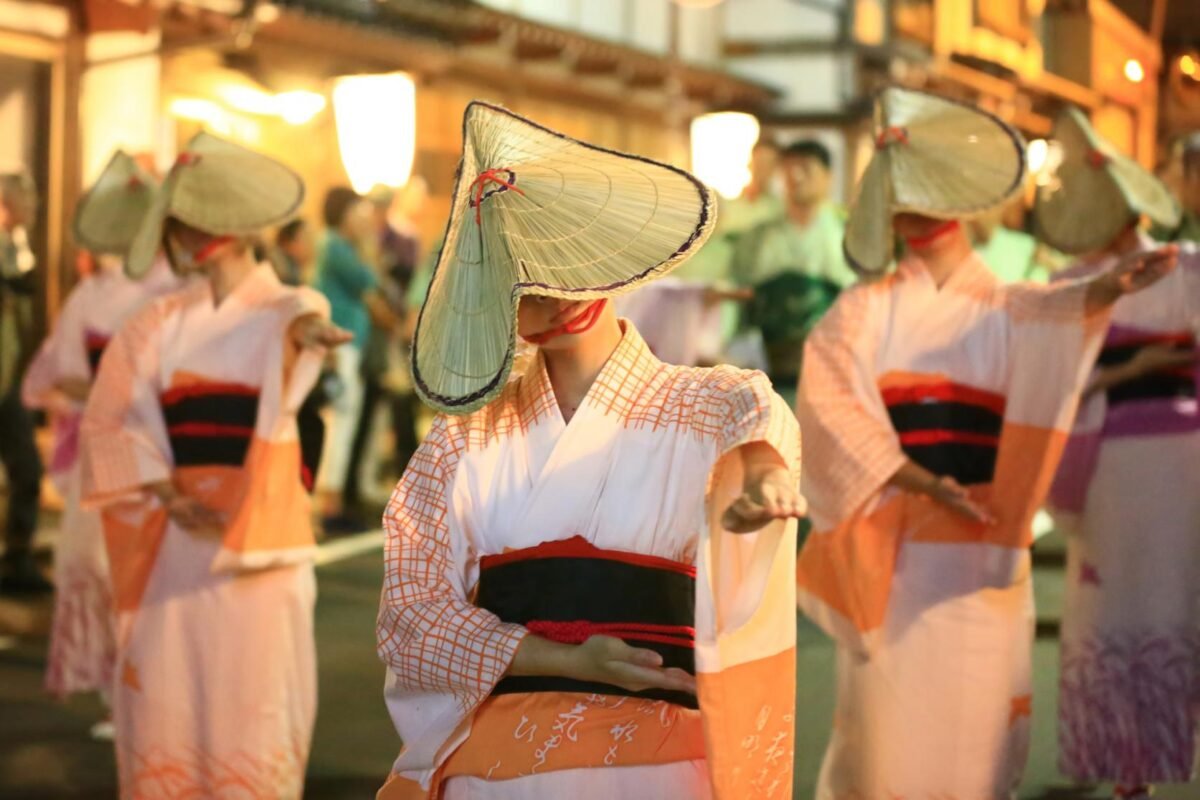
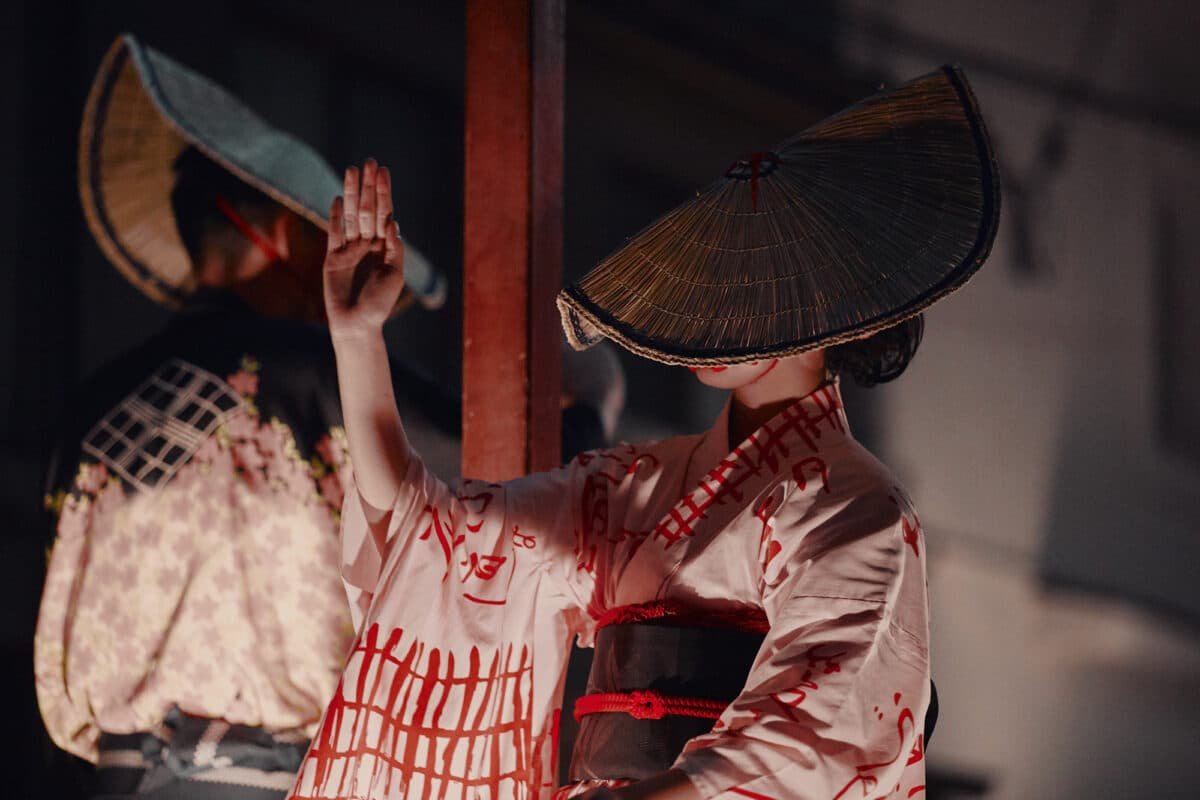
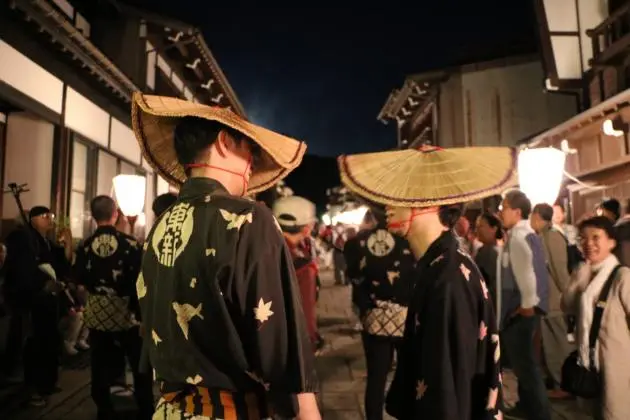
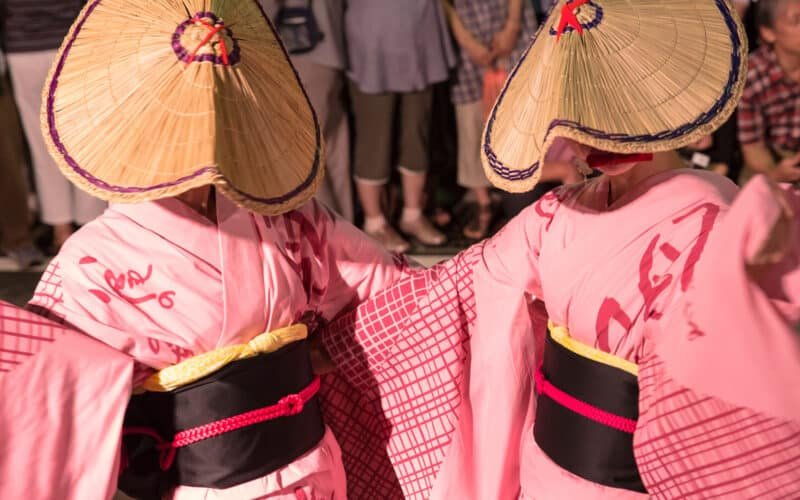
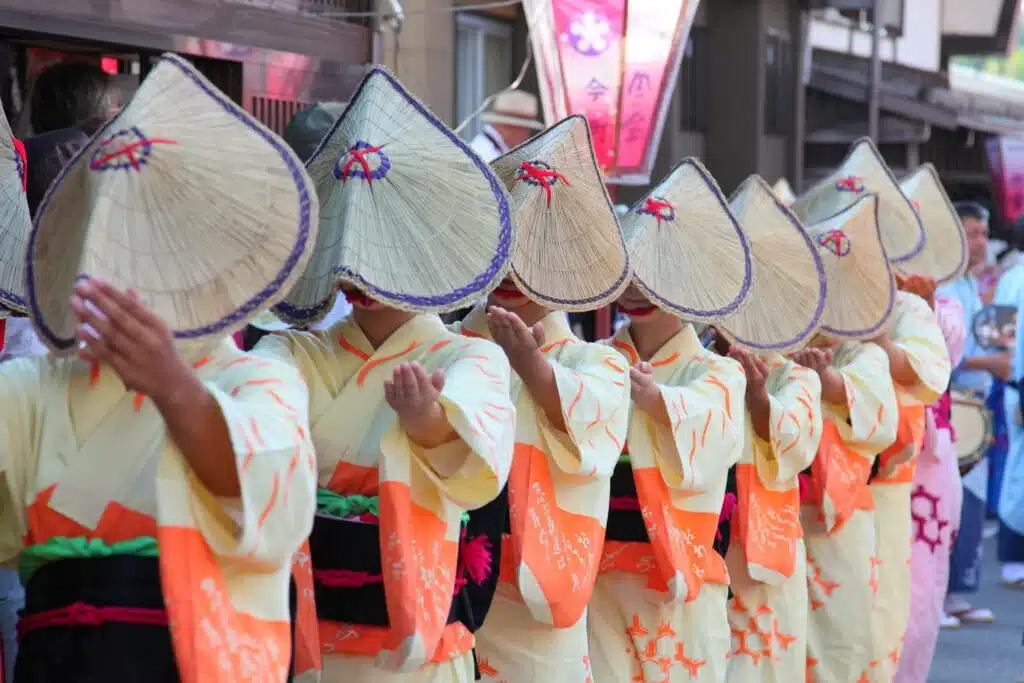
The defining characteristic of this celebration is its striking, sorrowful elegance, which stands in sharp contrast to the high-energy drumming of most regional summer festivals. As darkness falls, thousands of handmade paper lanterns cast a soft, amber glow across the narrow cobblestone streets. Dancers dressed in identical traditional attire glide silently through the neighborhoods, their faces partially obscured by low-brimmed straw hats to emphasize anonymity and unified grace.
The musical accompaniment is equally captivating, featuring the melancholic, high-pitched melodies of the kokyu, a rare traditional bowed instrument. Accompanied by the resonant strumming of the three-stringed shamisen and solemn chanting, the acoustic echo creates a deeply nostalgic soundtrack that reverberates through the hills. This exquisite union of shadow, movement, and song creates an evocative atmosphere that keeps spectators completely spellbound until the early hours of the morning.
Enjoy Your Event Stress-Free with Japan Travelo
Do you know? Planning events, festivals, concerts, and cultural experiences in Japan can be overwhelming. Japan Travelo brings everything together in one place, helping you manage your itinerary, transport, and accommodation with ease—so you can enjoy Japan without the stress of planning.
Event Highlights
- The Midnight Street Processions: Dancers move in perfect unison through eleven distinct historical neighborhoods, continuing their slow, rhythmic processions well into the quiet pre-dawn hours.
- The Melancholic Musical Performance: Local musicians play haunting folk melodies utilizing the kokyu, a traditional Japanese stringed instrument played with a horsehair bow.
- The Eleven Unique Town Styles: Each participating district showcases its own specific variations in choreography, rhythmic timing, and custom-designed yukata patterns.
- The Paper Lantern Illumination: Several thousand soft, hand-painted paper lanterns illuminate the historic wooden facades and winding hillside slopes of the town.
Why Attend
This gathering provides a rare opportunity to witness an uncommercialized, deeply authentic slice of Japanese rural heritage. Visitors are treated to a masterclass in minimalist grace, where the focus remains strictly on emotional depth, community continuity, and spiritual preservation. It offers a powerful sensory escape from typical tourist tracks, making it an extraordinary journey for cultural historians, acoustic music lovers, and seekers of atmospheric beauty.
The festival is ideal for independent travelers, couples, musicians, and anyone looking to experience a quiet, deeply evocative side of traditional folk culture. Attendees will benefit from seeing specialized, ancient regional dances up close, hearing incredibly rare acoustic instrumentation live, and experiencing the legendary hospitality of Toyama mountain communities. It is an unforgettable evening that captures the quiet, soulful essence of rural Japan at harvest time.
Date & Duration
- Event Date: September 1 to September 3, 2026
- Event Duration: Three consecutive days and nights of continuous street performances
Visiting this event? Don’t miss out on these amazing activities and local experiences while you’re here.
Ticket Information
- How Tickets Are Sold: Public street viewing across the entire town area is open to everyone without reservations, while special indoor stage showcase tickets can be bought via regional tourism associations.
- Admission Type: Free general admission for all outdoor streets and hillside neighborhood processions, with entry fees charged only for the dedicated exhibition pavilion showcases.
- Ticket Pricing: Access ranges from 0 USD for public street viewing areas to 26 USD for reserved indoor pavilion seating and special dance presentations.
- Special Seating Options: Unreserved benches are arranged inside the Yao Hikiyama Exhibition Hall for spectators who want to view the intricate movements comfortably away from weather elements.
- VIP Options: Comprehensive premium viewing plans offer private access to second-story historic townhouses, gourmet regional bento boxes, specialized interpreters, and private vehicle transfers.
Venue / Location
- City and Country: Toyama City, Japan
- Venue Name: Yatsuo District
- Google Maps Address: 2898-1 Yatsuomachi Kamishinmachi, Toyama, 939-2342, Japan
Contact Information
- Email: kankou02@cty8.com
- Phone Number: +81-76-454-5138
- Official Website: owara-kazenobon.com
Getting There
- Nearest Airport: Toyama Airport is located roughly 11 miles from the festival center, while Komatsu Airport is situated approximately 68 miles away.
- Nearest Train/Metro Station: Etchu-Yatsuo Station on the JR Takayama Main Line serves as the principal railway gateway for the event.
- Bus Routes or Public Transport Options: Dedicated event shuttle buses depart directly from Toyama Station, and local transit links operate frequently between the train station and the hillside town.
- Parking Availability: Temporary parking lots are established around the outskirts of the mountain district, but personal vehicles are prohibited inside the historic core due to complete pedestrian priority.
- Directions by Car: Motorists can navigate using the Hokuriku Expressway, taking the Toyama West interchange and proceeding south along Prefectural Route 7 into the valleys.
What is this event?
This unique cultural gathering is a three-hundred-year-old folk dance festival held annually in a historic mountain settlement in central Japan. It functions as a collective prayer to calm seasonal winds, ward off natural disasters, and ensure a bountiful autumn rice harvest.
The celebration features hundreds of unmarried town residents parading through lantern-lit streets in identical straw hats and summer robes. Their movements are completely synchronized to old, melancholic acoustic music.
Why is it popular?
The festival is immensely popular because of its distinct, dreamlike atmosphere and the sorrowful beauty of its signature string music. It offers a poetic, quiet alternative to the rowdy and loud energy found at most mainstream summer events.
It is also highly favored for its beautiful historical aesthetic, as the sight of hidden faces dancing past old wooden homes is incredibly cinematic. The late-night impromptu performances create an intimate bond between locals and visitors.
Tips before you go
- Make sure to secure your return train or shuttle bus tickets early in the day because public transport gets exceptionally busy after the main evening dances.
- Wear comfortable, sturdy walking shoes because the historic town is built on a steep hill with narrow, sloping cobblestone streets.
- Maintain complete silence while watching the neighborhood processions out of respect for the performers and the deeply spiritual nature of the songs.
- Check the weather forecast and pack a compact umbrella, as outdoor dances are immediately paused if rain threatens to damage the delicate paper instruments.
- Book your local accommodation in Toyama City many months in advance since rooms in the immediate mountain district sell out almost instantly.
Attendee Experiences
- The sound of the string instruments echoing through the dark, lantern-lit streets was the most magical thing I have ever heard.
- It felt like stepping back in time because the dancing was so graceful and the entire town was completely silent.
- Staying until midnight allowed us to escape the day crowds and see the truly authentic, intimate neighborhood processions.
Video
Location
FAQ
What happens to the festival if it starts to rain?
The delicate skin of the traditional string instruments and the paper lanterns cannot withstand moisture, so outdoor street processions are put on hold immediately if it rains. Spectators can still view indoor performances at the exhibition hall, and street dances resume as soon as the weather clears up.
Are there specific places where visitors can learn the steps to the dance?
Several neighborhood groups host casual public dance circles later in the evening where visitors are welcome to join in and learn the basic movements. Some afternoon viewing packages at the exhibition pavilion also include a brief instructional workshop led by experienced local performers.
Why do the dancers wear their straw hats so low over their eyes?
The traditional braided straw hats are worn low to intentionally hide the individual faces of the participants during the processions. This custom helps create a unified, selfless appearance among the dancers and honors old traditions regarding spiritual anonymity during harvest rituals.
Is it easy to find food options in the mountain town during the event?
Numerous local food stalls and small family-run shops operate throughout the historic district, offering simple regional dishes, skewered meats, and refreshments. Visitors should note that lines can get very long during dinner hours, so eating an early meal is highly recommended.
Can I use a tripod to take photos of the nighttime processions?
The use of tripods, monopods, and large camera setups is strictly banned on the narrow streets to ensure pedestrian safety and prevent crowding. Photographers are expected to shoot handheld without using any artificial flash, as bright lights ruin the traditional candlelit ambiance of the town.

Leave a Reply