
-
April 25, 2026
Event date:
-
November 8, 2026
Event end:
Overview
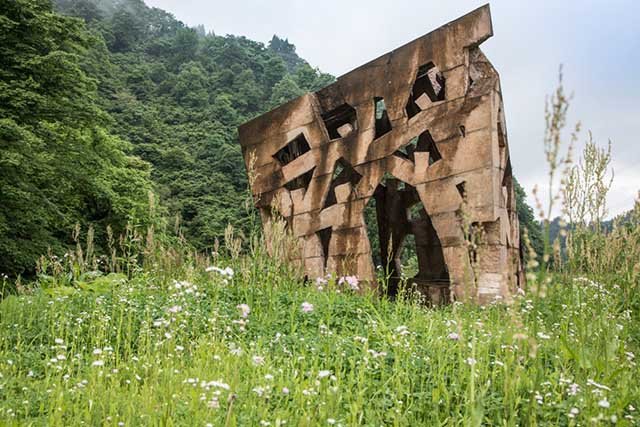
The Echigo-Tsumari Art Field 2026 presents one of the largest and most groundbreaking open-air contemporary art exhibitions in the world. Staged across a vast rural region of Niigata Prefecture, this expansive cultural initiative uses the stunning natural satoyama landscape as a collaborative canvas. World-renowned international creators and local communities work side by side to install hundreds of striking artwork installations throughout local forests, terraced rice fields, and empty historic structures, celebrating a harmonious relationship between human creativity and nature.
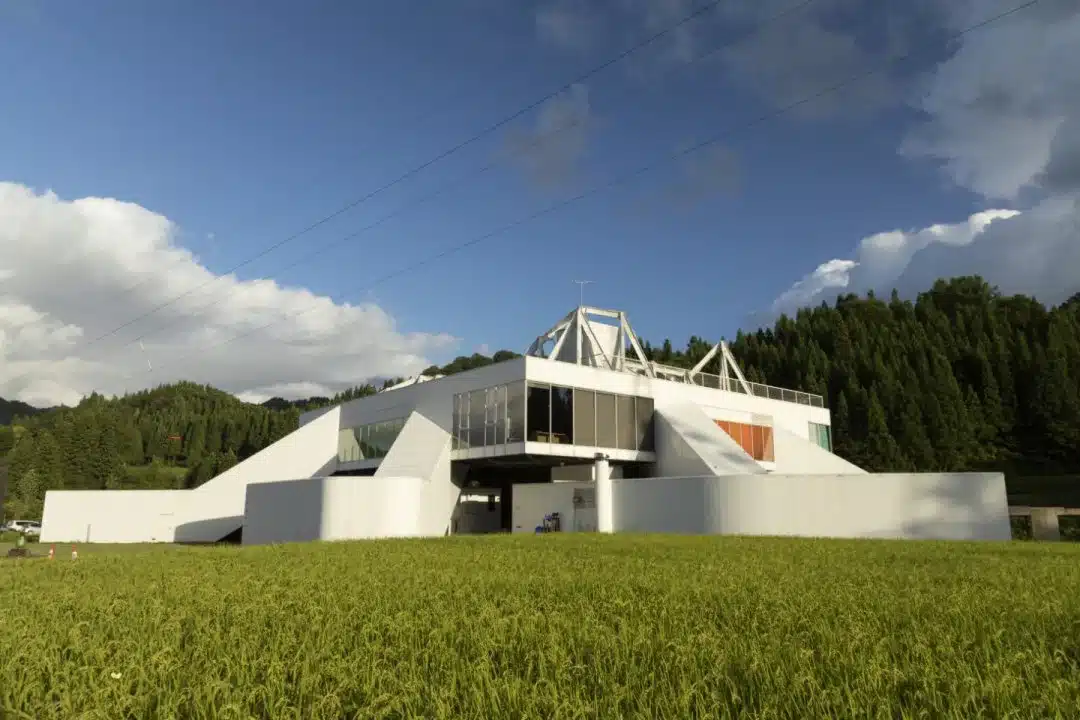
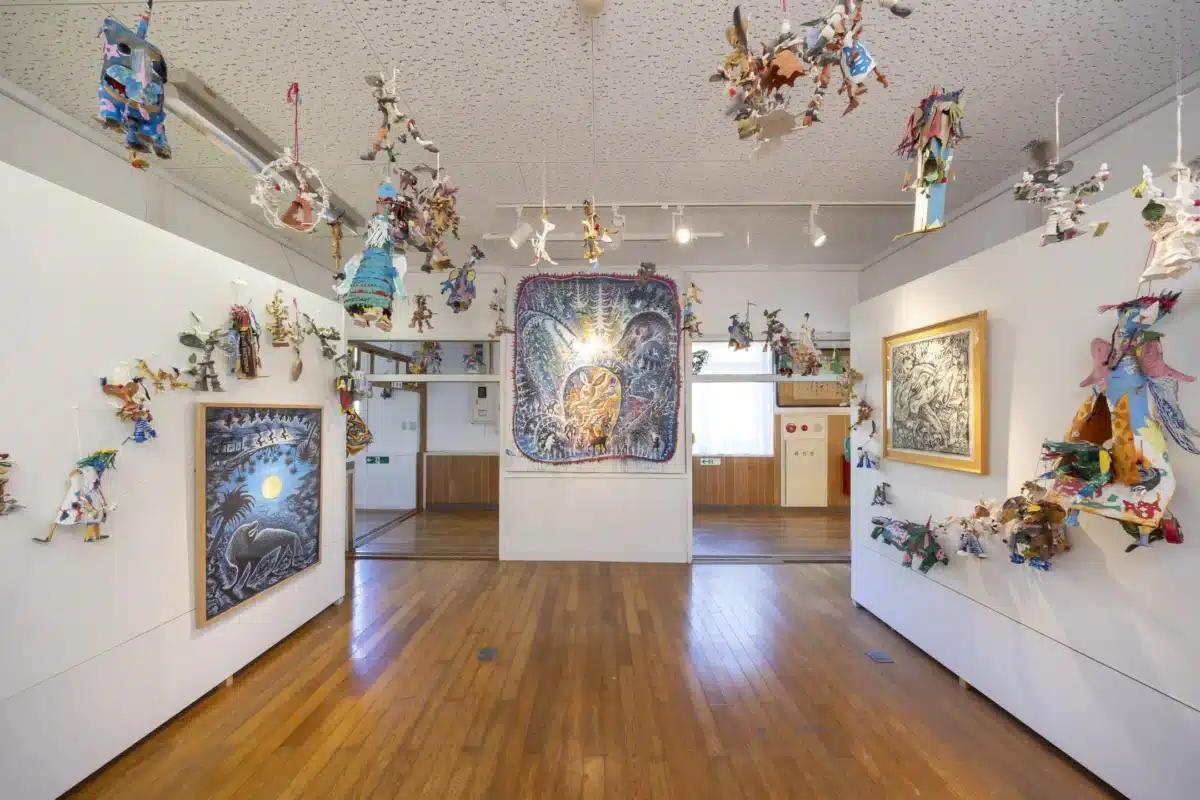
The extensive exhibition covers roughly 760 square kilometers of mountainous countryside, revitalizing an area deeply impacted by depopulation and heavy winter snowfalls. Visitors are encouraged to embark on an artistic treasure hunt across six distinct regional zones, navigating past pristine rivers and terraced agricultural plots. Abandoned schoolhouses and traditional thatched-roof homes are dynamically repurposed into immersive art galleries, community-run cafes, and unique overnight theater accommodations that breathe fresh energy into the rural landscape.
This multi-month triennale festival acts as a crucial global pioneer for regional art-led revitalization, inspiring similar cultural projects across Asia and beyond. The incredible scale of the presentation shifts contemporary art away from restrictive city galleries and places it directly into the open elements, where changing weather and seasonal growth alter how each piece is viewed. It offers an incredible, meditative journey that challenges standard perceptions of art while honoring the quiet resilience of rural Japanese heritage.
Enjoy Your Event Stress-Free with Japan Travelo
Do you know? Planning events, festivals, concerts, and cultural experiences in Japan can be overwhelming. Japan Travelo brings everything together in one place, helping you manage your itinerary, transport, and accommodation with ease—so you can enjoy Japan without the stress of planning.
Event Highlights
- Vast Landscape Installations: Discover over 300 permanent and seasonal contemporary art installations spread across forests, valleys, and active agricultural fields.
- Repurposed Architecture Galleries: Explore dozens of closed schools and abandoned historic homes transformed into permanent interactive design spaces and community hubs.
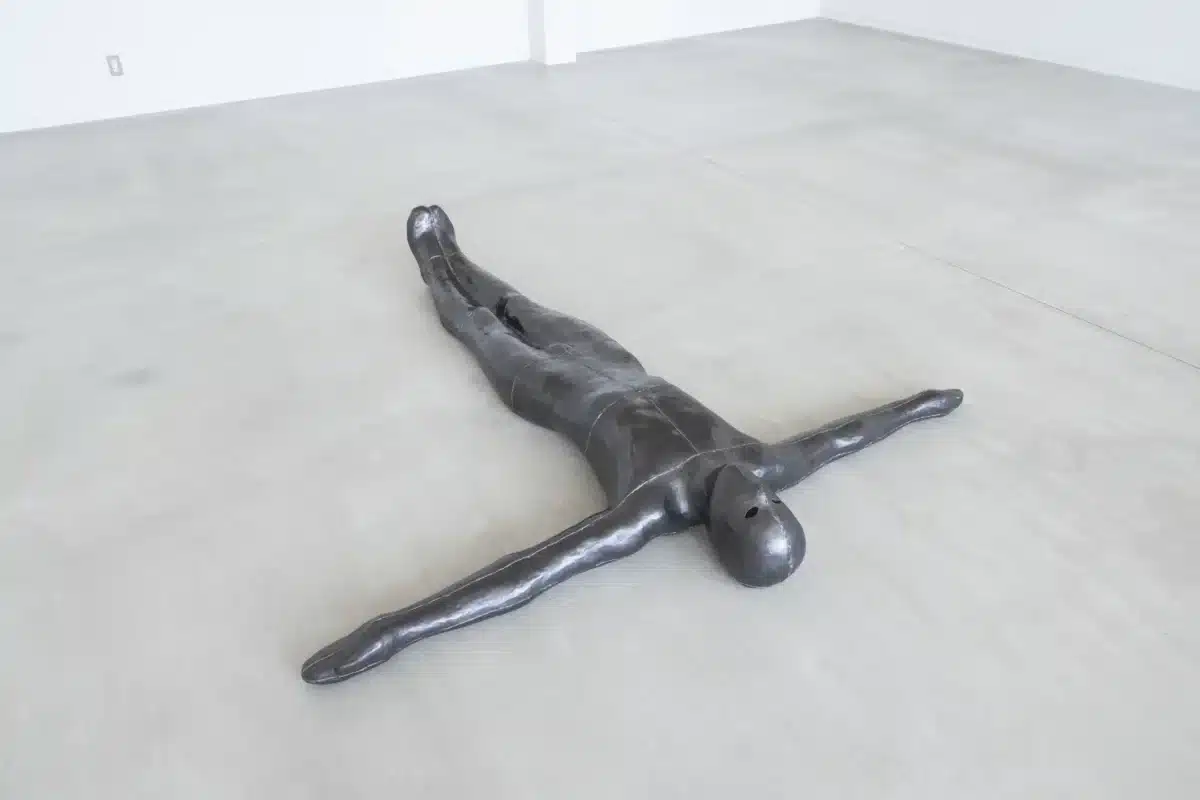
- World-Class Artistic Talent: View unique site-specific architectural projects and sculptures designed by legendary global creators including James Turrell and Christian Boltanski.
- Satoyama Culinary Collaborations: Enjoy authentic regional dining experiences at unique art-themed cafes staffed by local residents serving fresh mountain ingredients.
Why Attend
This event offers art lovers, slow-travel enthusiasts, and independent explorers an extraordinary opportunity to engage with high-caliber contemporary design far beyond the limits of standard city museums. The unique layout turns travel into an active exploration, where viewing masterpieces requires walking through beautiful bamboo groves, scenic valleys, and quiet farming hamlets. Attending means experiencing a deep connection with the local environment, where the natural surroundings enhance the emotional impact of every sculpture and pavilion.
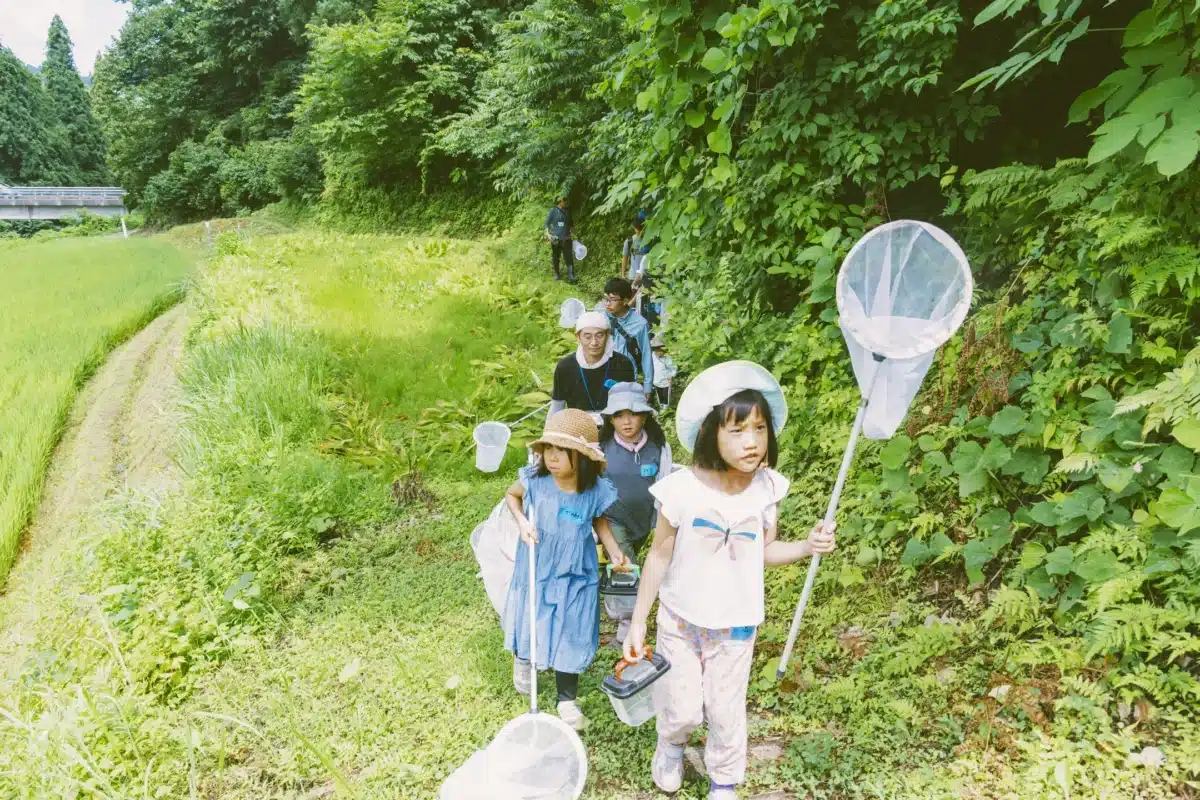
It is an ideal seasonal trip for photographers looking for unique landscapes, architectural students seeking innovative design, and families wanting an active, educational outdoor adventure. Beyond the visual appeal, your visit directly helps support the economic survival and cultural preservation of traditional Japanese farming communities. Guests walk away with a profound appreciation for how creative thinking can restore, uplift, and celebrate vulnerable rural societies.
Date & Duration
- Event Date: April 25th – November 8th 2026
- Event Duration: A massive multi-month seasonal exhibition operating across consecutive spring, summer, and autumn weeks
Visiting this event? Don’t miss out on these amazing activities and local experiences while you’re here.
Ticket Information
- How Tickets Are Sold: General passport vouchers are available online through the official reservation portal and can be exchanged for physical paper check-in booklets at regional tourist information hubs.
- Admission Type: Multi-use general admission passport which grants access to major art installations, regional museums, and site-specific project houses across the entire field.
- Ticket Pricing: Main multi-facility admission passports for the full seasonal duration range from 16 USD to 29 USD depending on advance booking windows, while individual single-site entries cost roughly 5 USD to 8 USD.
- Special Seating Options: Open-air landscape viewing areas, public park lawns, and outdoor benches arranged near large-scale installations where visitors can view pieces at their own pace.
- VIP Options: Official guided bus tours including curated artist commentary, pre-arranged transport between isolated valley installations, and reserved regional lunch seating.
Venue / Location
- City and Country: Niigata, Japan
- Venue Name: Echigo-Tsumari Art Field
- Google Maps Address: 3743-1 Matsudai, Tokamachi, Niigata 942-1526, Japan
Contact Information
- Email: info@echigo-tsumari.jp
- Phone Number: +81-25-757-2637
- Official Website: https://www.echigo-tsumari.jp/en/
- Social Media Links:
- https://www.facebook.com/tsumari.artfield/
- https://www.instagram.com/echigo_tsumari/
- https://twitter.com/echigo_tsumari
- https://www.youtube.com/channel/UCRrGFlAh_4aQiw3_R081kFQ
Getting There
- Nearest Airport: Niigata Airport, located approximately 130 kilometers north of the central Tokamachi art exhibition hub.
- Nearest Train/Metro Station: Tokamachi Station accessible via the JR Iiyama Line or the Hokuetsu Express Hokuhoku Line.
- Bus Routes or Public Transport Options: Regional loop buses and event-specific tour shuttles operate regularly from major local train stations out to prominent art trail clusters.
- Parking Availability: Small designated vehicle parking areas are provided near individual outdoor artwork sites and primary museum facility grounds.
- Directions by Car: Accessible from Tokyo via the Kanetsu Expressway, exiting at the Shiozawa Ishiuchi Interchange and taking National Route 353 directly toward Tokamachi.
What is this event?
The Echigo-Tsumari Art Field is a sprawling triennale contemporary art festival held across the rural Echigo-Tsumari region of Niigata Prefecture. It integrates world-class conceptual art directly into the daily life, agricultural fields, and natural ecosystems of traditional Japanese mountain villages.
The project operates as a continuous open-air museum designed to revitalize an aging rural society through international creative collaboration. It completely redefines the boundaries of traditional gallery spaces by turning an entire mountain district into a living exhibition.
Why is it popular?
The exhibition is highly popular because of its striking visual contrast between avant-garde modern art and timeless, beautiful rural landscapes. It offers a refreshing escape from crowded urban environments, allowing travelers to enjoy nature and world-class architecture at a relaxed, peaceful pace.
It also draws major interest due to famous installations like the House of Light and the Kiyotsu Gorge Tunnel, which have become iconic global destinations for travelers. The festival successfully combines high-end culture with warm country hospitality, making it a favorite choice for meaningful eco-tourism.
Tips before you go
- Pick up a physical map booklet and official passport stamp guide at the Tokamachi Station information desk before starting your rural exploration.
- Renting a car is highly recommended to reach the more isolated art pieces hidden deep within the mountain valleys and forest trails.
- Wear sturdy, comfortable hiking shoes since viewing many of the landscape sculptures requires walking over unpaved paths and dirt trails.
- Download offline maps and route information beforehand as mobile cellular reception can occasionally become spotty in the deep valleys.
- Check the specific weekly holiday schedules for indoor project houses, as many regional facilities close on Tuesdays and Wednesdays.
Attendee Experiences
- Stumbling upon stunning modern sculptures hidden right in the middle of active green rice paddies was an absolutely surreal experience.
- Walking through the beautiful Kiyotsu Gorge Tunnel installation was worth the trip alone and the surrounding mountain views were incredible.
- The way the old closed school buildings were turned into beautiful interactive art spaces made the whole trip feel like a magical adventure.
Video
Location
FAQ
Can I visit all the art installations in a single day trip?
Due to the massive geographic area spanning hundreds of square kilometers, it is impossible to see every piece in a single day. Visitors should select two or three specific regional zones to explore per day or plan a multi-day stay to fully enjoy the festival.
What should I do if an outdoor artwork site is unstaffed?
Many of the open-air sculptures located along roadsides or inside forests are completely self-guided and open for public viewing at any hour. For these remote pieces, visitors can simply view the installation freely and use the self-service stamp boxes located nearby for their passport booklets.
Are there options to stay overnight inside actual art installations?
Several repurposed traditional homes and art projects across the region operate as unique accommodations where guests can book overnight stays in advance. These special locations allow travelers to fully immerse themselves in the artistic concept while enjoying traditional local meals prepared by village hosts.
How accessible are the remote artwork locations for travelers with mobility difficulties?
While the main hub museums are fully accessible with modern ramps and elevators, many landscape installations are located on steep hillsides or narrow dirt paths. Travelers with limited mobility should focus on the valley installations and central exhibition buildings which offer easier vehicle access and flat terrain.
Is the art field open to view during the winter months?
The main outdoor installations and seasonal project houses close completely in late November due to the extreme snowfall that blankets the region. However, a select number of permanent hub museums remain open during the winter season, offering specialized indoor exhibitions and snow-focused cultural events.

Leave a Reply