
-
February 10, 2027
Event date:
-
February 10, 2027
Event end:
Overview
The Sugo Isobe Shrine Bamboo Splitting Festival, historically known as Gogan Shinji, is a highly dynamic and wild winter ritual held annually in the sacred grounds of Sugo Isobe Shrine within Kaga City, Ishikawa Prefecture. Boasting a rich history that spans over 1300 years, this venerable event is celebrated as one of the most energetic and chaotic festivals in the Hokuriku region. The festival takes place during the bitter cold of February, serving as a powerful communal manifestation to expel evil spirits, break through stagnation, and pray for an abundant agricultural harvest in the coming year.
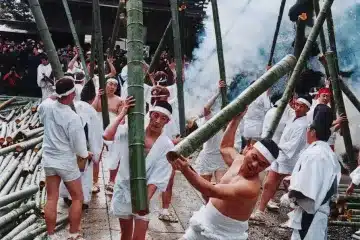
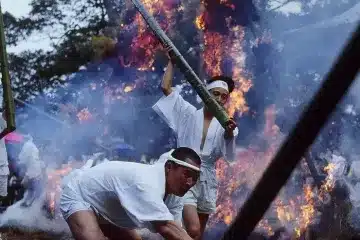
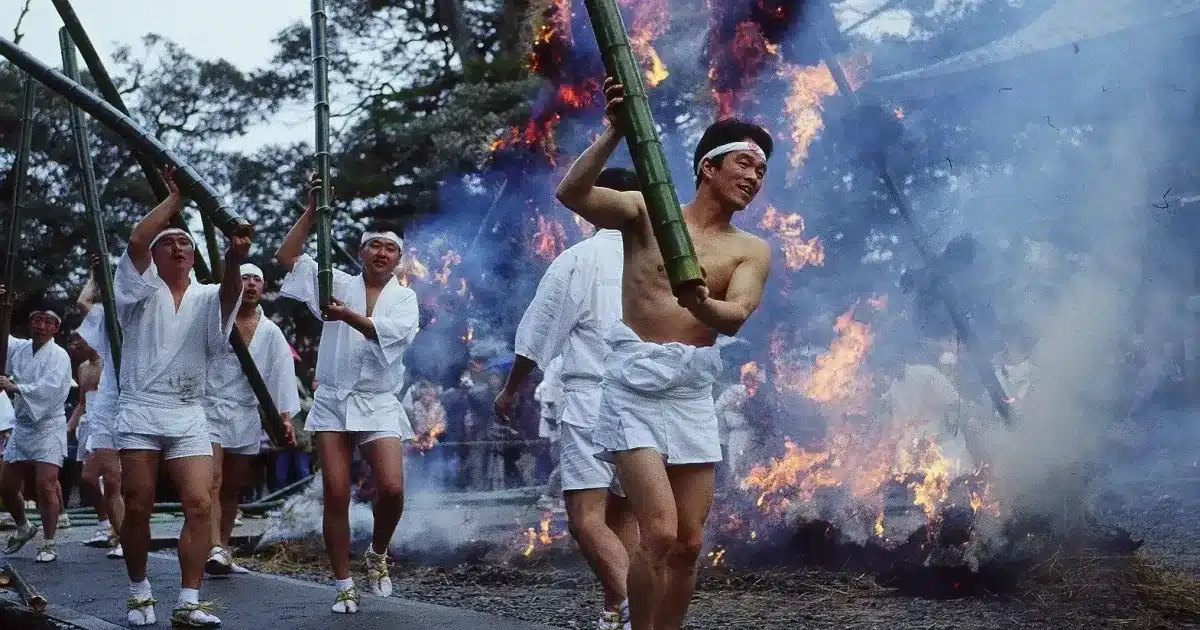
The absolute climax of the festival involves an intense and physically demanding spectacle where local young men, dressed only in traditional white loincloths, charge into the snow-dusted shrine courtyard. Armed with long, freshly cut green bamboo poles, the participants relentlessly smash the bamboo against the stone pavement, shrine steps, and temple structures until the wood splits and shatters into countless fragments. The thunderous cracking sounds of breaking bamboo echo through the sacred forest, creating an electric, high-adrenaline atmosphere that stands in stark contrast to typical quiet winter mornings.
This ancient ritual is deeply tied to local mythology, symbolizing the subduing of an ancient demonic serpent that once plagued the regional community. Once the frantic smashing concludes, the broken bamboo shards are eagerly collected by the gathering spectators, who take them home to craft protective charms. Combining raw physical power, deep spiritual dedication, and a captivating display of heritage, this winter gathering offers an unforgettable glimpse into the enduring, vibrant folklore of Ishikawa Prefecture.
Enjoy Your Event Stress-Free with Japan Travelo
Do you know? Planning events, festivals, concerts, and cultural experiences in Japan can be overwhelming. Japan Travelo brings everything together in one place, helping you manage your itinerary, transport, and accommodation with ease—so you can enjoy Japan without the stress of planning.
Event Highlights
- Thundering Bamboo Splitting: A wild and energetic performance where hundreds of long green bamboo poles are intensely smashed against the stone grounds until they shatter completely.
- Ascetic Courtyard Charge: A spectacular display of endurance featuring local youth clad in traditional garments running through the freezing winter air to perform the cleansing rite.
- Sacred Serpent Myth Enactment: A highly structured ritual sequence representing the ancient subduing of a malevolent regional spirit through communal strength and divine intervention.
- Protective Charm Gathering: A lively post-ritual tradition where onlookers collect the shattered green bamboo fragments to display in their homes for year-long safety.
Why Attend
The Sugo Isobe Shrine Bamboo Splitting Festival offers an exceptional opportunity to experience one of Japan’s most visually dramatic and high-energy winter purification rituals firsthand. Free from the commercial constraints of modern urban events, this festival provides an authentic look at living history where ancient mythology is physically manifested through intense communal effort. The sheer auditory impact of hundreds of bamboo poles shattering simultaneously creates an immersive, thrilling environment that deeply moves all who attend.
This event is ideal for cultural anthropology enthusiasts, action photography seekers, winter road-trippers, and travelers interested in exploring the deeply rooted folklore of western Japan. It benefits attendees by providing a highly memorable morning itinerary filled with dramatic action, which can be easily paired with a relaxing afternoon visit to nearby hot spring villages. The welcoming, yet intense spirit of the local shrine ensures that visitors walk away with a profound respect for the resilience and cultural pride of the Kaga community.
Date & Duration
- Event Date: Wednesday, February 10th, 2027
- Event Duration: A concentrated single-day morning ritual lasting approximately two hours with peak activity occurring at mid-day
Visiting this event? Don’t miss out on these amazing activities and local experiences while you’re here.
Ticket Information
- How Tickets Are Sold: No tickets or advanced reservations are required as the shrine grounds are completely open to the public
- Admission Type: Free Admission
- Ticket Pricing: Full price range is 0 USD to 0 USD for general access to the public viewing perimeters and sacred shrine paths
- Special Seating Options: None available as the historic courtyard operates entirely on a standing-room-only basis along the snow-cleared viewing boundaries
- VIP Options: None offered for this community-wide, public spiritual celebration
Venue / Location
- City and Country: Kaga, Japan
- Venue Name: Sugou Ishibe Shrine
- Google Maps Address: Ruotsu-81 Daishoji Shikiji, Kaga, Ishikawa 922-0011, Japan
Contact Information
- Email: info@tabimati.net
- Phone Number: +81-761-72-1069
- Official Website: https://www.tabimati.net
Getting There
- Nearest Airport: Komatsu Airport located approximately 13 miles northeast of the Kaga shrine district
- Nearest Train/Metro Station: JR Hokuriku Main Line Daishoji Station, or JR Kaga-Onsen Station
- Bus Routes or Public Transport Options: Local Kaga city bus networks and regional transit lines running consistent morning routes from the main train stations to the nearby Daishoji local transit stops
- Parking Availability: Small public parking lots organized near the shrine entrance and adjacent neighborhood civic facilities situated within a brief walking distance
- Directions by Car: Easily accessible from the Hokuriku Expressway by exiting at the Kaga Interchange and following local Route 8 directly toward the historic Daishoji district
What is this event?
The Sugo Isobe Shrine Bamboo Splitting Festival is an ancient regional winter purification ritual centered around the main courtyard of a historic shrine in Kaga City. It marks the peak of winter by unleashing a highly physical and thunderous display of shattering wood to expel evil forces.
The event features a structured performance where local youths smash long bamboo poles against the earth to honor divine spirits and secure luck for the region. It functions as an important cultural landmark, preserving a unique 1300-year-old tradition of intense physical prayer.
Why is it popular?
The festival is immensely popular because its raw energy, chaotic movement, and loud cracking sounds offer an incredibly thrilling spectacle that sets it apart from quiet shrine visits. The dramatic sight of white-clad participants charging through the winter air while splintering massive bamboo poles draws large crowds of photographers and sightseers.
Additionally, its reputation for creating highly potent protective charms from the broken wood fragments keeps regional families returning year after year to secure blessings for their households. The deep historical value and raw authenticity of the ritual make it a highly respected and celebrated fixture of Ishikawa Prefecture’s winter calendar.
Tips before you go
- Wear exceptionally warm winter outerwear and insulated boots because standing still on the cold concrete viewing paths for long periods can become freezing.
- Keep a safe distance behind the designated safety ropes, as sharp bamboo splinters and wooden shards can fly into the air during the intense smashing.
- Arrive at the shrine grounds at least forty-five minutes before the main ritual starts to secure an unobstructed front-row standing view of the stone pavement area.
- Shield your camera lenses and valuable equipment from flying debris or potential moisture if it begins to snow during the outdoor procession.
- Bring a small bag or pouch with you if you intend to collect some of the shattered bamboo fragments as souvenirs after the ceremony finishes.
Attendee Experiences
- The sound of the bamboo cracking against the stone steps was incredibly loud and filled the entire forest with an amazing energy.
- Standing in the freezing air was completely forgotten the moment the participants charged out with so much passion and power.
- I managed to grab a piece of the broken green bamboo afterward to bring home as a unique protective charm for my house.
Location
FAQ
Can visitors join in the actual splitting of the bamboo poles?
The physical splitting of the green bamboo poles is a sacred task strictly reserved for the registered young men of the local community who have undergone purification preparations. Public visitors are required to stay behind the designated safety perimeters and support the energetic participants entirely through cheering and observation.
What is the significance of taking the broken bamboo home?
According to ancient regional traditions, the bamboo shards that are broken during this specific shrine ritual carry divine protective blessings that ward off illness and misfortune. Local residents traditionally display these pieces near their front doors or family altars to guarantee household safety and good health for the entire year.
Will the bamboo splitting be canceled if it snows on February 10th?
The historic festival is deeply accustomed to winter elements and will proceed as scheduled through standard snowfall, as the snow actually adds to the traditional atmosphere of the ritual. In the rare event of extreme, hazardous weather emergencies that threaten public safety, alterations will be posted on local tourism channels.
Are there public restrooms located directly at the shrine venue?
Sugo Isobe Shrine features basic permanent public restrooms near the main entrance gates, though facilities can become quite busy during peak crowd hours just before the ceremony begins. Visitors are highly encouraged to utilize the larger public facilities at nearby transit hubs or train stations prior to arriving at the grounds.
How long does the primary action of the festival last?
The central bamboo splitting segment is highly concentrated and intense, lasting for approximately thirty to forty minutes within the broader two-hour framework of morning prayers and spiritual processions. Because the action unfolds very quickly, ensuring you are in position early is critical to catching the entire spectacle.

Leave a Reply