

-
October 18, 2026
Event date:
-
October 18, 2026
Event end:
Overview
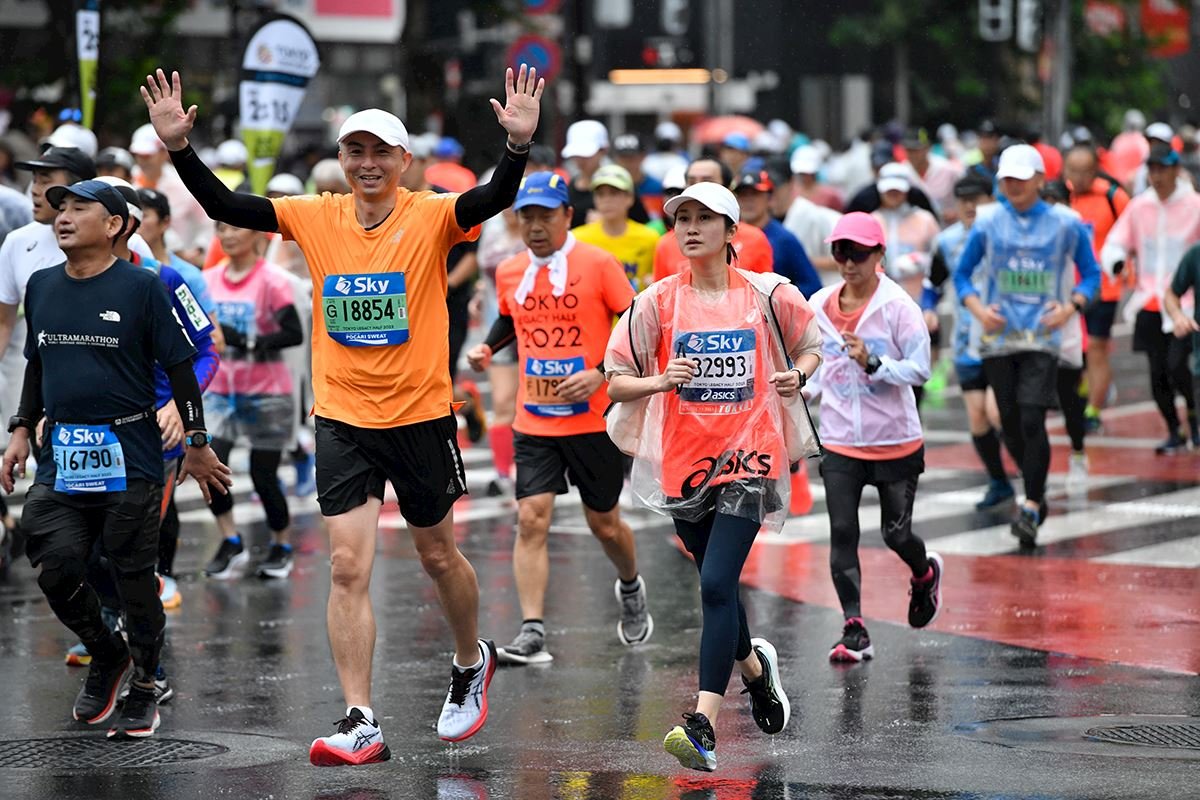
The Tokyo Legacy Half Marathon 2026 is an exhilarating long-distance running event held in the heart of Japan’s capital, scheduled for October 18, 2026. This race is designed to celebrate the legacy of the Tokyo 2020 Olympic and Paralympic Games, offering runners a world-class course that traverses iconic streets and passes by some of the most recognizable landmarks in the city. It serves as a bridge between the historic athletic milestones of the past and the vibrant, modern running culture of Tokyo today.
The route is professionally curated to provide an unforgettable experience, starting near the National Stadium—the symbolic centerpiece of the 2020 Games—and weaving through the central metropolis. Runners will enjoy the unique thrill of racing through areas that showcase the city’s architectural grandeur, bustling urban centers, and serene green spaces, all under the crisp, refreshing autumn air that makes October the ideal month for distance running in Tokyo.
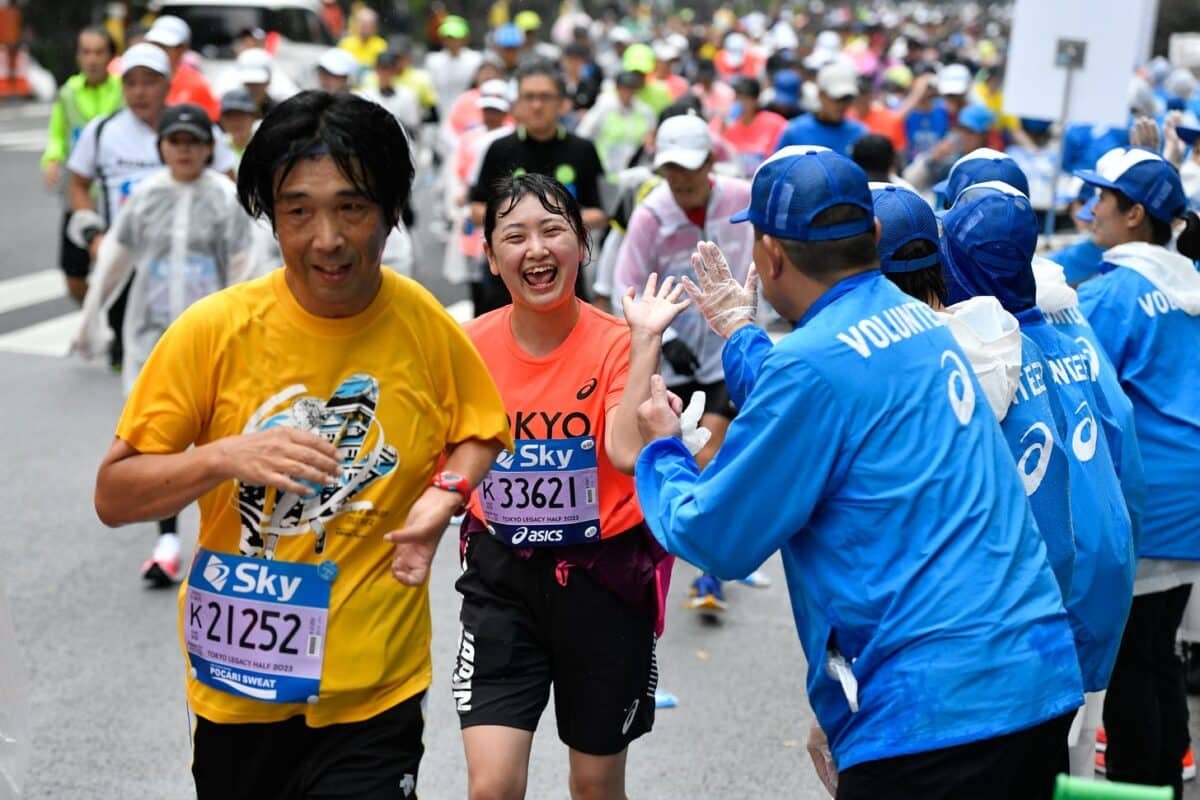
As a high-profile event, the Tokyo Legacy Half Marathon is defined by its meticulous organization, commitment to inclusivity, and the energetic spirit of the Tokyo community. With massive cheering squads, professional logistical support, and a course that welcomes participants of various backgrounds and skill levels, the race provides an inspiring and accessible way to experience the energy of Tokyo. Whether you are a speed-focused runner aiming for a personal best or a marathon enthusiast looking for a premium urban race, this event offers a spectacular blend of competitive sport and cultural exploration.
Enjoy Your Event Stress-Free with Japan Travelo
Do you know? Planning events, festivals, concerts, and cultural experiences in Japan can be overwhelming. Japan Travelo brings everything together in one place, helping you manage your itinerary, transport, and accommodation with ease—so you can enjoy Japan without the stress of planning.
Event Highlights
- Olympic Legacy Course: Run on a premium route centered around the historic National Stadium, celebrating the spirit of the Tokyo 2020 Olympic and Paralympic Games.
- Central Tokyo Landmarks: Traverse a spectacular route that winds through the heart of the city, passing major metropolitan sights and historic architectural landmarks.
- Ideal Autumn Conditions: Experience the perfect running climate of Tokyo in mid-October, characterized by cool, crisp air that is highly conducive to long-distance performance.
- World-Class Organization: Benefit from the high-precision logistics, safety, and runner-centric support that define major international running events hosted in Tokyo.
Why Attend
Attending the Tokyo Legacy Half Marathon 2026 is an excellent choice for runners who value a premium, well-organized racing experience in one of the world’s most dynamic cities. The half-marathon distance offers a perfect balance for those who want a significant athletic challenge without the full-day commitment of a marathon, making it highly attractive for visitors who also want to spend time exploring the city’s vast cultural, shopping, and dining offerings.
The event is particularly well-suited for international travelers, as it provides an effortless way to see the best of Tokyo’s central districts while being fully immersed in a high-energy sporting environment. The ease of access, combined with the city’s unrivaled public transport and hospitality standards, ensures that every participant enjoys a seamless and rewarding journey. It is a must-attend event for any runner wanting to combine their passion for sport with a deep, authentic exploration of Japan’s vibrant capital.
Date & Duration
- Event Date: Sunday, October 18, 2026
- Event Duration: The half marathon has a 3-hour and 30-minute time limit.
Visiting this event? Don’t miss out on these amazing activities and local experiences while you’re here.
Ticket Information
- How Tickets Are Sold: Registration is typically conducted via a dedicated online entry system, often featuring a competitive entry process or lottery due to high demand.
- Admission Type: The primary event is the 21.0975 km half-marathon, open to a wide range of running enthusiasts and charity-based participants.
- Ticket Pricing: Entry fees for international runners range from $130 to $190 USD, which includes entry to the race and associated registration processing fees.
- Special Seating Options: Spectators are encouraged to line the streets throughout the course, with prime viewing areas near the National Stadium and the finish line.
- VIP Options: Premium entry tiers are often available, potentially offering benefits such as priority starting blocks, commemorative apparel, and access to VIP support areas.
Venue / Location
- City and Country: Tokyo, Japan
- Venue Name: Japan National Stadium (MUFG Stadium)
- Google Maps Address: 10-1 Kasumigaokamachi, Shinjuku City, Tokyo 160-0013, Japan
Contact Information
- Email: info@legacyhalf.tokyo
- Phone Number: +81 3-5500-6677
- Official Website: https://legacyhalf.tokyo/en/
Accommodation Options:
Tokyo offers a limitless selection of accommodations, catering to every style and budget. Staying in districts such as Shinjuku, Shibuya, or near the central subway lines is highly recommended for participants, as these areas provide quick and direct access to the National Stadium via Tokyo’s world-class rail system. Many hotels in these neighborhoods are accustomed to hosting international event participants and provide tailored services, including late check-out options, convenient breakfast schedules, and excellent transit connectivity.
For travelers seeking a more boutique or luxury experience, the areas surrounding the Imperial Palace or Marunouchi offer refined, upscale lodging that serves as a quiet refuge after a long day of race preparation. Given the popularity of major events in Tokyo, it is vital to secure your room as early as possible to ensure proximity to the starting line and finish zones, allowing you to maximize your enjoyment of the city’s offerings.
Getting There
- Nearest Airport: Haneda Airport is the most accessible gateway, located only 20 to 30 minutes from central Tokyo, while Narita International Airport is also well-connected by express trains.
- Nearest Train/Metro Station: Sendagaya Station and Kokuritsu-kyogijo Station are the primary access points for the National Stadium, offering seamless connections across the city.
- Bus Routes or Public Transport Options: Tokyo’s train and subway network is the most efficient way to navigate to the venue, and extensive bus services provide additional coverage throughout the city.
- Parking Availability: Public parking is extremely limited near the venue, and due to extensive road closures on race morning, public transportation is strongly advised for all attendees.
- Directions by Car: While the National Stadium is accessible by car, drivers should anticipate significant traffic and event-related restrictions; therefore, reliance on the rail network is encouraged.
Dining Recommendations
Breakfast Recommendations:
- Artisan Coffee Shops: Enjoy freshly brewed coffee and high-quality breakfast pastries at one of the many sophisticated cafes found throughout the Shinjuku and Shibuya areas.
- Hotel Buffets: Most major city hotels offer comprehensive breakfast spreads, including both Western-style staples and healthy Japanese options suitable for race-day nutrition.
- Convenience Store Gains: Utilize Tokyo’s legendary convenience stores for a quick, reliable, and nutritionally balanced pre-race breakfast, such as rice balls or protein bars.
Lunch Recommendations:
- Ramen Specialties: Experience the incredible variety of Tokyo ramen, from rich Tonkotsu to delicate Shoyu, found in countless specialty shops near the finish line.
- Sashimi & Sushi: Treat yourself to the world’s freshest sushi, with high-quality lunch sets readily available near the bustling central markets and business districts.
- Tonkatsu Shops: Dine on crispy, golden-fried pork cutlets, a favorite Japanese comfort food that provides excellent post-race protein and energy replenishment.
Dinner Recommendations:
- Teppanyaki Dining: Celebrate your race with a sophisticated dinner of grilled wagyu beef and fresh vegetables prepared right in front of you by expert chefs.
- Izakaya Experience: Immerse yourself in the lively social atmosphere of a Tokyo Izakaya, sampling small dishes like yakitori, gyoza, and seasonal tempura paired with local drinks.
- Modern Fusion: Explore Tokyo’s innovative food scene, where top-tier chefs blend traditional Japanese techniques with global flavors in chic, contemporary settings.
Local Specialties to Try:
- Tokyo-style Tempura: Enjoy light, crispy tempura featuring the finest seasonal seafood and vegetables, prepared with precision in Tokyo’s historic culinary tradition.
- Matcha Desserts: Indulge in refined sweets made from premium Uji matcha, which offer a refreshing and authentic taste of Japan’s beloved green tea culture.
- Edomae Sushi: Savor the original style of Tokyo sushi, highlighting the peak flavor of locally sourced fish combined with perfectly seasoned, vinegared rice.
What is this event?
The Tokyo Legacy Half Marathon is a premier, large-scale long-distance race that takes participants through the center of Japan’s capital. It serves as an official legacy project of the Tokyo 2020 Games, intended to promote health, sports participation, and the continued inspiration left by the Olympics.
The race is organized as a high-quality urban half marathon, welcoming thousands of domestic and international runners to compete on an iconic course. It balances competitive professional running with a festive, inclusive environment that encourages participation from runners of all levels.
Why is it popular?
The race is highly popular due to its unique status as an Olympic legacy event and its iconic, central Tokyo course that passes by world-renowned landmarks. Runners are attracted to the exceptionally professional event management and the rare opportunity to race on major city roads that are normally closed to pedestrians.
The event’s popularity is also driven by the excitement of visiting Tokyo in the beautiful autumn season and the thrill of participating in a race that is deeply connected to recent global athletic history. The high levels of safety, logistical ease, and the welcoming atmosphere make it a highlight for any international runner.
Tips before you go
- Early Logistics: Book your flights and accommodation well in advance, as race weekend draws many visitors to Tokyo and availability can tighten quickly.
- Transit Mastery: Purchase an IC card like Suica or Pasmo upon arrival to ensure effortless, tap-and-go travel on all Tokyo trains, subways, and buses.
- Course Study: Review the course map and elevation profile online, as Tokyo’s central streets may have subtle gradients that can impact your pacing if you are not prepared.
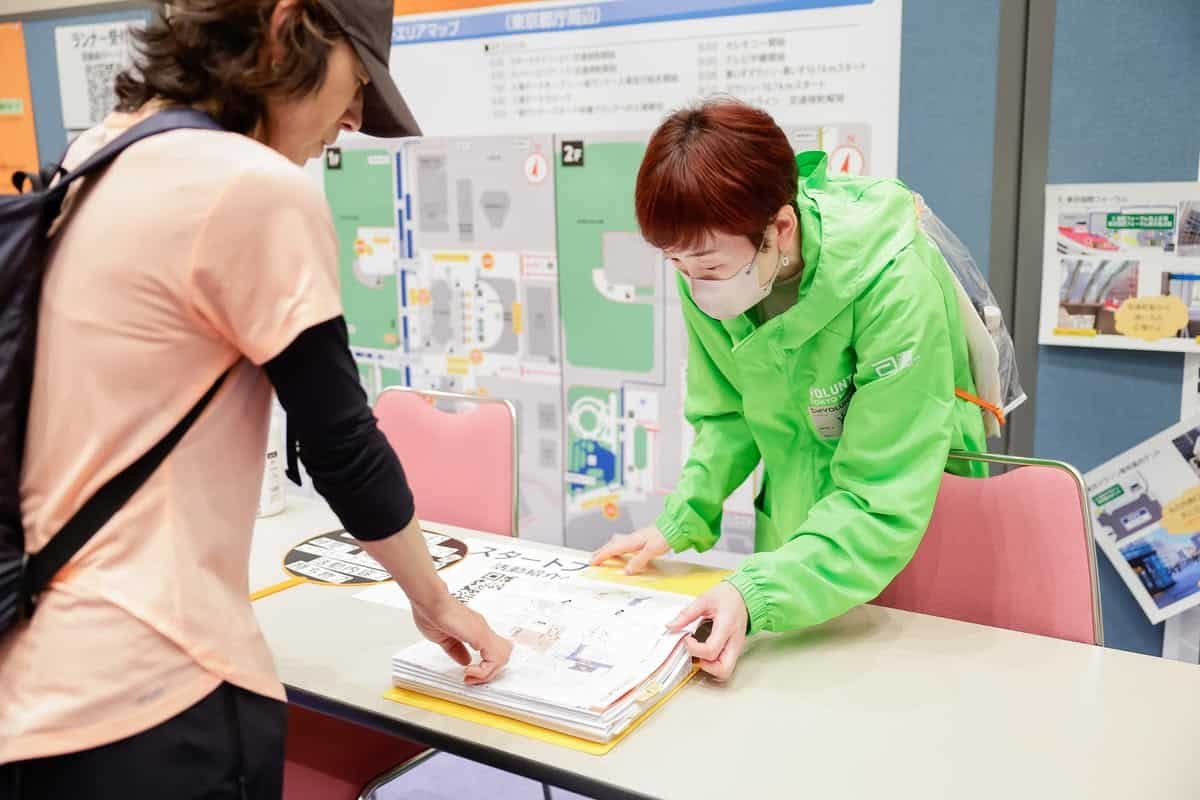
- Expo Experience: Make sure to visit the race expo to pick up your packet, meet other participants, and check out the latest running technology and official race merchandise.
- Pack Accordingly: While October in Tokyo is generally mild, bring layers for varying temperatures and comfortable walking shoes, as you will likely be exploring the city on foot.
Tips for First-Time Visitors
- Connectivity: Consider renting a mobile Wi-Fi device or getting a travel SIM card at the airport, as reliable internet will make navigating Tokyo’s vast transit system much easier.
- Learn Basic Japanese: Knowing a few simple phrases like “arigato” (thank you) and “sumimasen” (excuse me) will be very helpful and highly appreciated by the locals.
- Shibuya Crossing: Take a moment to visit the famous Shibuya Crossing to witness the sheer energy and scale of the city, especially during the evening when the lights are on.
- Museums and Parks: Use the opportunity to visit world-class museums or explore the quiet, traditional gardens that provide a peaceful escape from the city’s bustle.
- Cash and Cards: While Tokyo is increasingly card-friendly, always carry some Japanese yen, as certain smaller shops, temples, or local restaurants may still prefer cash.
- Navigation Tools: Utilize map applications on your phone to navigate the complex train stations, which are often the size of small cities themselves.
Attendee Experiences
- The thrill of finishing the race inside the National Stadium, knowing it was the site of the Olympic Games, was a highlight of my entire athletic career.
- The level of organization was incredible; everything from the bag check to the water stations was handled with perfect efficiency, allowing me to focus entirely on my run.
- Running through the heart of Tokyo on such a crisp autumn morning gave me a perspective of the city that you simply cannot get from a train or a bus.
Video
Location
FAQ
What is the official starting time for the marathon?
The half marathon usually begins in the morning, typically around 8:00 am or 9:00 am, to ensure runners can complete the course within the time limit while the city is at its most comfortable. Participants are expected to arrive at the National Stadium assembly area well in advance to clear security and gear drop-off.
How can international runners register for the event?
International runners can register through the dedicated English-language portal on the official race website during the application period. Because the race is very popular, it is essential to check the website early in the year for registration dates and any specific eligibility requirements.
Are there strict time limits to complete the course?
The event enforces a 3-hour and 30-minute time limit, with multiple cut-off points throughout the course to ensure participant safety and the timely reopening of city roads. Runners who do not pass the designated checkpoints within the allotted time will be asked to cease running for safety reasons.
What kind of support is available at the aid stations?
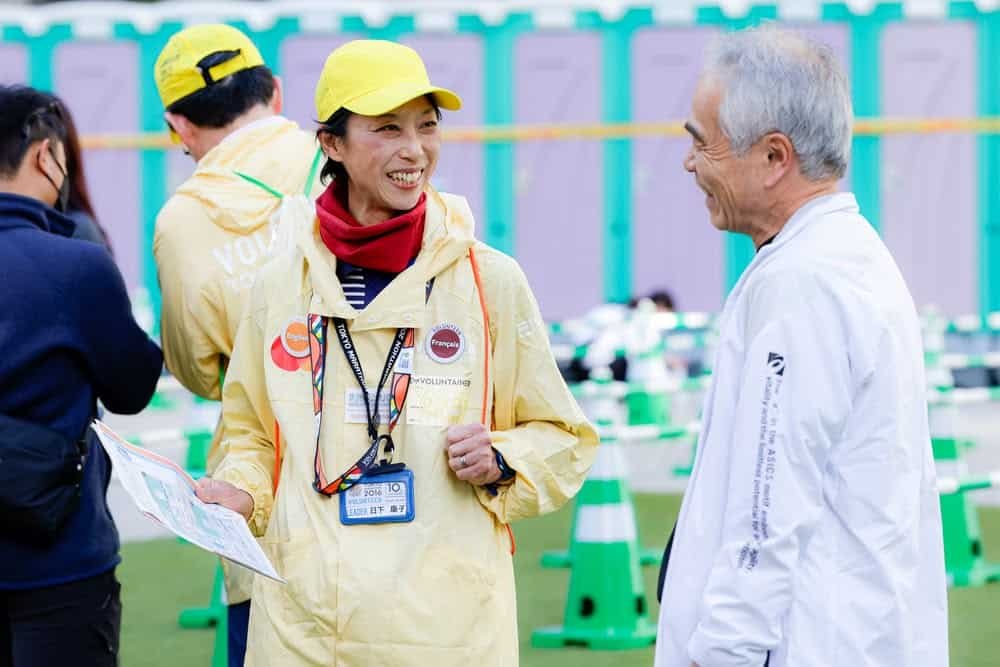
Professional aid stations are placed at regular intervals along the route, providing hydration and essential energy supplies. Medical teams and volunteers are positioned along the entire course to provide immediate assistance if any participant requires help, ensuring a safe experience for everyone.
Where is the finish line located and how do I return?
The finish line is located within the Japan National Stadium, providing an epic conclusion to the race. After finishing, participants can easily access multiple nearby train stations to quickly return to their hotels or continue exploring the many districts of Tokyo.

Leave a Reply