



-
September 19, 2026
Event date:
-
September 23, 2026
Event end:
Overview
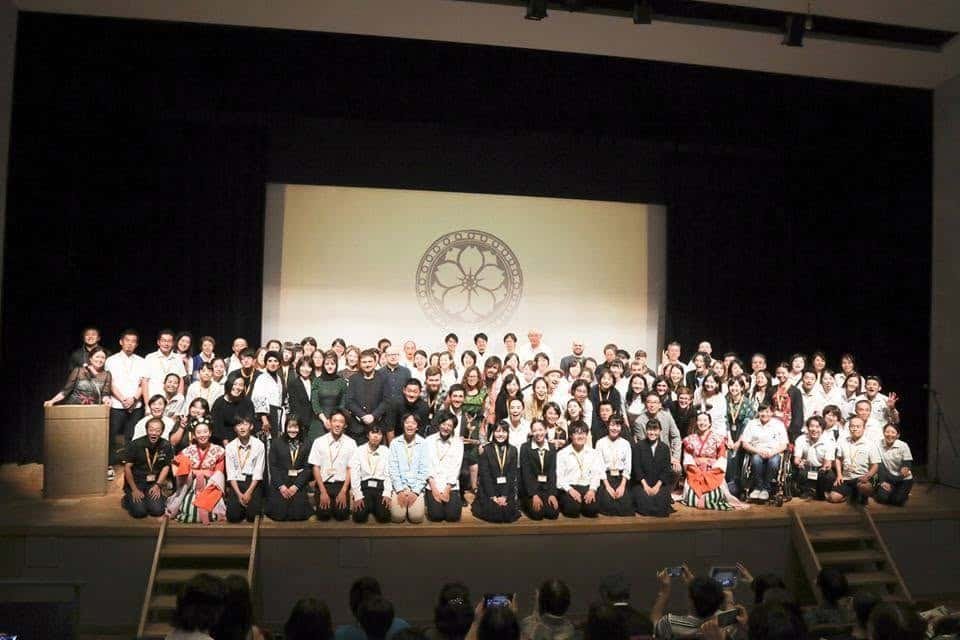
The Nara International Film Festival 2026 returns to the ancient cultural heart of Japan to celebrate the beautiful intersection of cinema, heritage, and youth empowerment. Founded in 2010 by the internationally acclaimed, Cannes-winning director Naomi Kawase, this biennial cinematic celebration turns the historic temples, shrines, and streets of Nara into an open-air theater. Over five days, filmmakers and cinephiles from across the globe gather to witness a carefully curated selection of independent masterpieces, student projects, and local narratives.
The heart of the festival lies in its dedication to promoting emerging voices through its prestigious competitions and unique local film productions. By utilizing historic spaces like the ancient Todaiji Temple and Kasuga Grand Shrine as screening backgrounds, the festival creates an atmosphere where past traditions and contemporary media merge into an unforgettable experience. Audiences can look forward to immersive screenings under the stars, interactive workshops, and vibrant cultural exchanges that make this a truly unique celebration of the moving image.
This year’s program continues to emphasize the connection between local communities and international artists, demonstrating how film can bridge geographical and cultural boundaries. In a city known for its friendly free-roaming deer and peaceful historic gardens, the festival offers an intimate, slow-paced environment that encourages meaningful dialogue between creators and viewers. Whether you are a dedicated film student, an industry professional, or a curious traveler, this festival promises to captivate your imagination and deepen your appreciation for narrative storytelling.
Enjoy Your Event Stress-Free with Japan Travelo
Do you know? Planning events, festivals, concerts, and cultural experiences in Japan can be overwhelming. Japan Travelo brings everything together in one place, helping you manage your itinerary, transport, and accommodation with ease—so you can enjoy Japan without the stress of planning.
Event Highlights
- International Competition: This premier showcase presents the first or second feature-length films of visionary emerging directors from around the globe, competing for the prestigious Golden SHIKA Award.
- NARA-wave Student Competition: A dedicated program featuring exceptionally creative, boundary-pushing short films and features created by local and international student filmmakers.
- NARAtive Project Screenings: Attendees will experience original films produced directly in Nara, resulting from a unique initiative where previous award-winning directors collaborate with local residents and professional crews.
- Historic Screenings: Iconic screenings are hosted at majestic local sites, including Kasuga Grand Shrine and Todai-ji Temple, allowing viewers to watch films in centuries-old spiritual venues.
Why Attend
The festival offers an unparalleled opportunity to discover groundbreaking indie cinema before it hits mainstream global markets, making it a goldmine for film enthusiasts seeking original stories. Attendees can interact directly with international filmmakers, actors, and local community members during intimate panel discussions and post-screening Q&A sessions. Unlike massive commercial film festivals, the cozy and historic environment of Nara encourages deep connections and relaxed networking opportunities.
Beyond the films, participating in this event allows you to explore the breathtaking historic monuments of ancient Nara in a completely different light. It is an ideal event for cultural travelers, film industry professionals, student directors, and anyone passionate about creative storytelling and cross-cultural exchange. By attending, you directly support emerging cinematic talent and help preserve the unique cultural revitalization efforts of this historic Japanese city.
Date & Duration
- Event Date: September 19 to September 23, 2026
- Event Duration: 5 days
Visiting this event? Don’t miss out on these amazing activities and local experiences while you’re here.
Ticket Information
- Ticket Sales: Tickets can be purchased online in advance through the official festival ticketing platform or in person at the dedicated ticket booths set up at the main screening venues.
- Admission Type: Screenings are accessible via single-entry tickets for specific film programs, day passes, or full festival passes that grant entry to multiple events and ceremonies.
- Ticket Pricing: Single tickets range from $6.50 to $13.00 while special outdoor screenings and ceremonies are priced between $10.00 and $20.00, with some student workshops and community film screenings offering free admission.
- Special Seating Options: Seating for most indoor screenings is on a first-come, first-served basis, though select outdoor evening screenings provide designated lawn seating options where guests can use ground mats.
- VIP Options: Premium festival passes are available for $65.00, providing priority access to the opening and closing ceremonies, reserved seating at major premier screenings, and invitations to exclusive filmmaker receptions.
Venue / Location
- City and Country: Nara, Japan
- Venue Name: Todaiji Culture Center and various historic venues across Nara Park
- Google Maps Address: 100 Suimoncho, Nara, 630-8211, Japan
Contact Information
- Email: info@nara-iff.jp
- Phone Number: 0742-27-2216
- Fax Number: 0742-26-1830
- Official Website: https://nara-iff.jp/
Accommodation Options:
The historic city of Nara provides a wonderful array of accommodation options that range from cozy, traditional Japanese guesthouses known as ryokans to modern Western-style hotels. Staying near Nara Park or around Kintetsu-Nara Station is highly recommended, as it places you within walking distance of the primary film screening venues and lets you wake up next to the city’s famous deer park. These properties often fill up quickly during the festival, so booking your rooms several months in advance is highly advised.
For budget-conscious travelers and students, there are several charming boutique hostels and guesthouses located within the old merchant district of Naramachi. These budget options offer friendly communal spaces where you can meet fellow film lovers and easily exchange thoughts on the day’s screenings. If you prefer high-end comfort, there are luxury properties nestled along the forest edges that offer therapeutic hot spring baths and beautiful traditional kaiseki dining experiences to complete your cultural journey.
Getting There
- Nearest Airport: Kansai International Airport is located approximately 48 miles from the central venue and offers direct limousine bus services to Nara.
- Nearest Train/Metro Station: Kintetsu-Nara Station and JR Nara Station are the primary railway hubs, located just a short walk or a brief bus ride from the main festival sites.
- Bus Routes or Public Transport Options: Local Nara City loop buses operate frequently throughout the day, connecting both major train stations with the Nara Park and Todaiji venue areas.
- Parking Availability: Public parking is available at several municipal parking lots around the Nara Park area, though spaces are limited and public transport is highly encouraged.
- Directions by Car: The venue can be reached via the Hanshin Expressway Route 13 and the Daini-阪奈 Road, exiting at the Nara interchange and following signs toward Nara Park.
Dining Recommendations
Breakfast Recommendations:
- Mellow Cafe: A cozy morning spot serving delicious freshly brewed coffee, artisanal pastries, and light breakfast plates in a relaxed green courtyard.
- Nara No Yado Koto: A traditional breakfast spot offering classic Japanese morning sets featuring warm miso soup, grilled fish, and locally sourced rice.
- Mugi No Oto: A charming local bakery located near the station that is famous for its soft sourdough breads, sweet melon pan, and hot tea.
Lunch Recommendations:
- Kura: A popular eatery serving hearty bowls of handmade udon noodles topped with seasonal local vegetables and crispy tempura.
- Edogawa Naramachi: A beautiful historic restaurant set in a preserved merchant house specializing in delicate grilled eel served over rice.
- Surugamachi No Sobachokuan: An authentic local spot offering chilled and warm buckwheat soba noodles prepared fresh daily by local culinary artisans.
Dinner Recommendations:
- Wa Yamamura: An exceptional Michelin-starred dining establishment offering an exquisite multi-course kaiseki meal showcasing seasonal Nara ingredients.
- Ganko Nara: A spacious traditional restaurant offering beautifully arranged sushi platters, hotpot dishes, and local sake options perfect for group dinners.
- Kura Nara: A lively local tavern serving a variety of small plates, grilled skewers, and local craft beers in a warm and social atmosphere.
Local Specialties to Try:
- Kaki no Ha Sushi: A unique local delicacy of salted mackerel or salmon sushi wrapped in persimmon leaves, which imparts a subtle forest aroma.
- Miwa Somen: Exceptionally thin wheat noodles served chilled in a light dashi broth, known for their delicate texture and centuries of history.
- Yamato Chagayu: A comforting roasted green tea rice gruel that has been a staple breakfast and warm comfort food in Nara for generations.
What is this event?:
The Nara International Film Festival is a biennial celebration of global independent cinema held in the historic city of Nara. It brings together visionary directors, emerging students, and passionate film enthusiasts to watch diverse cinematic creations in traditional and sacred spaces.
The event focuses heavily on nurturing the next generation of filmmakers through student competitions and local creative mentorship programs. By integrating film screenings with Nara’s ancient heritage sites, it creates a deeply spiritual and unforgettable cultural showcase.
Why is it popular?:
The festival has gained immense popularity due to its unique setting inside historical treasures like ancient temples and pristine natural parks. Watching contemporary films in these deeply spiritual locations offers a magical experience that cannot be replicated in modern theaters.
Additionally, the active involvement of internationally acclaimed director Naomi Kawase brings top-tier cinematic talent and global industry attention to the city. Its warm, community-driven atmosphere makes it highly attractive to filmmakers who appreciate the genuine hospitality and intimate connections.
Tips before you go
- Book Early: Secure your festival passes, specific screening tickets, and accommodation months in advance as the city experiences a high influx of visitors.
- Dress in Layers: September weather in Nara can be warm during the day but noticeably cool during the evening outdoor screenings, so bring a light jacket.
- Pack Ground Mats: Bring a small, portable seat cushion or picnic blanket to ensure comfort during the popular outdoor screening events.
- Prepare Cash: Keep Japanese Yen on hand as smaller local food stalls, transport options, and traditional shops around Nara Park may not accept credit cards.
- Respect the Wildlife: Be mindful of the famous local deer roaming the park and only feed them the officially approved deer crackers sold at local stands.
Tips for First-Time Visitors
- Plan Your Screenings Wisely: The festival venues are spread out across historic locations, so map out your desired film schedule ahead of time and allow at least thirty minutes of travel time between screenings.
- Utilize Public Transport: Avoid renting a car to get around Nara during the festival as parking is limited and local buses and trains are exceptionally efficient and easy to navigate.
- Engage with the Q&A Sessions: Take advantage of the post-screening discussions to ask questions and learn directly from the international directors who travel to present their work.
- Explore Naramachi District: Spend some of your free time wandering through the historic merchant district of Naramachi to find hidden cafes, traditional crafts, and unique local shops.
- Purchase the Full Pass: If you plan on watching more than four films, buying a festival pass is much more economical and grants you hassle-free access to major events.
- Wear Comfortable Shoes: Expect to do a significant amount of walking between historic temples and screening rooms, so supportive walking shoes are absolutely essential.
Attendee Experiences
- Watching an indie movie projected against the backdrop of an ancient temple under the stars was an absolute dream.
- I loved how intimate the filmmaker Q&A sessions were compared to the giant, crowded commercial film festivals.
- The atmosphere in the city was so peaceful, with deer wandering nearby while we queued up for the next student film.
Video
Location
FAQ
Who is the executive director of the festival?
The executive director of the festival is Naomi Kawase, an internationally acclaimed and award-winning Japanese filmmaker. She founded the biennial event to help revitalize the cultural scene of her hometown and support emerging international and local artists.
Are the films screened with English subtitles?
Yes, all non-English films screened during the festival feature English subtitles to accommodate the international audience and jury members. Films that are in languages other than Japanese will generally feature both Japanese and English subtitles on screen.
Can I buy tickets on the day of the screening?
Yes, day-of tickets are available at the physical ticket booths located at the individual screening venues, provided the session is not sold out. However, purchasing tickets online in advance is highly recommended for popular screenings and the ceremonies.
What happens if it rains during outdoor screenings?
In the event of heavy rain or severe weather, outdoor film screenings are typically relocated to designated indoor backup venues nearby. Announcements regarding venue changes are posted on the official festival website and social media channels a few hours before showtime.
Is the festival suitable for young children?
Yes, the festival offers dedicated youth programs, student showcases, and family-friendly outdoor screenings designed to engage younger viewers. Some specialized movie screenings also provide free admission for children under the age of six.

Leave a Reply