
-
July 25, 2026
Event date:
-
July 25, 2026
Event end:
Overview
The Sumida River Fireworks Festival, famously known as Sumidagawa Hanabi Taikai, is widely recognized as the most iconic and significant fireworks celebration in Tokyo. With origins stretching back to 1733, the event began as a spiritual ceremony authorized by the eighth shogun, Tokugawa Yoshimune, to honor those lost during the Kyoho famine and to pray for peace and protection. Over the centuries, this solemn religious ritual evolved into an exuberant public entertainment event, cementing its status as an essential pillar of Tokyo’s summer identity and cultural heritage.
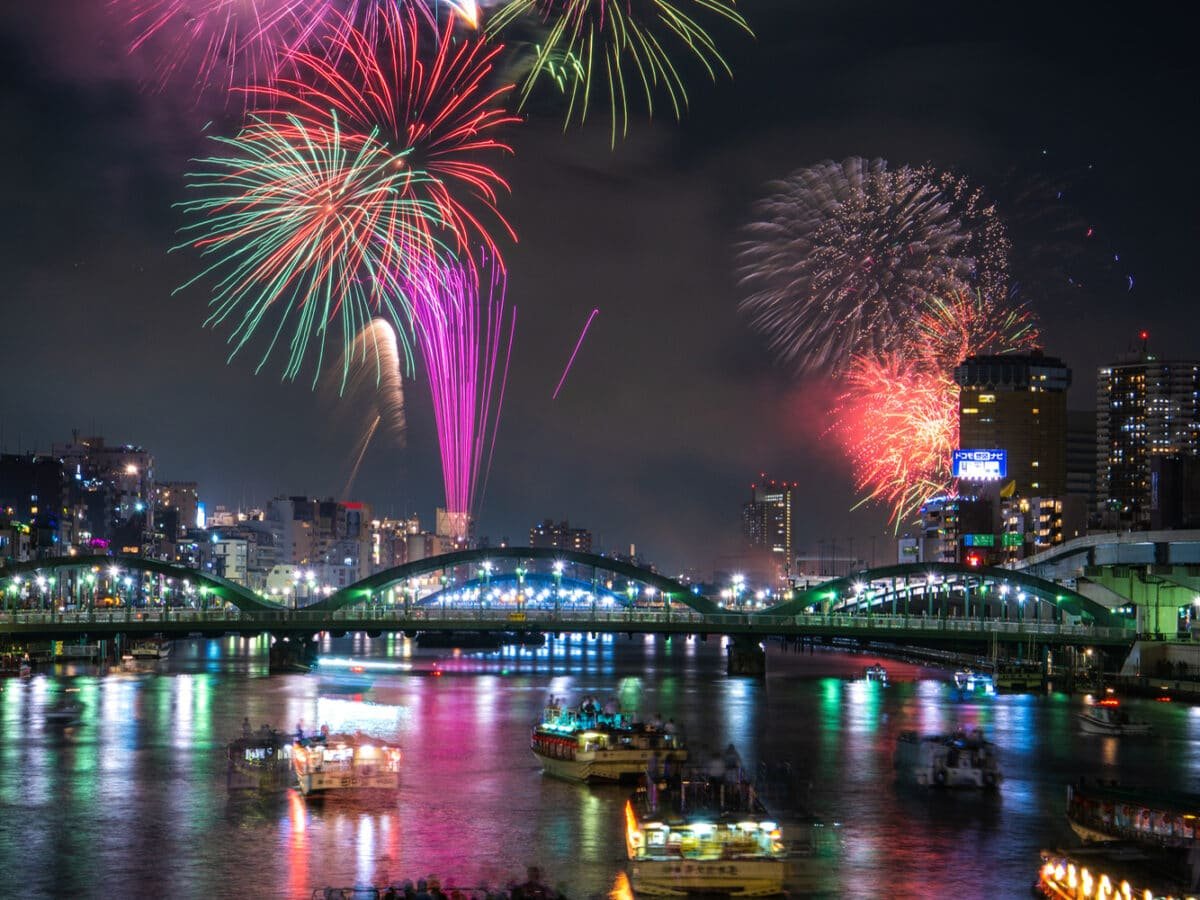
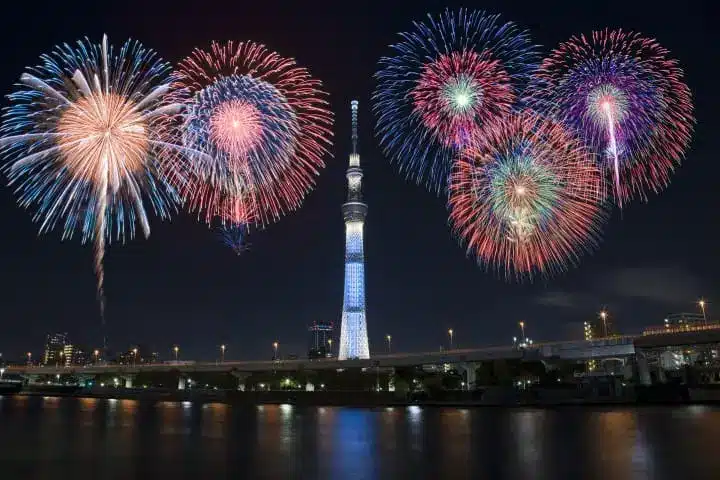
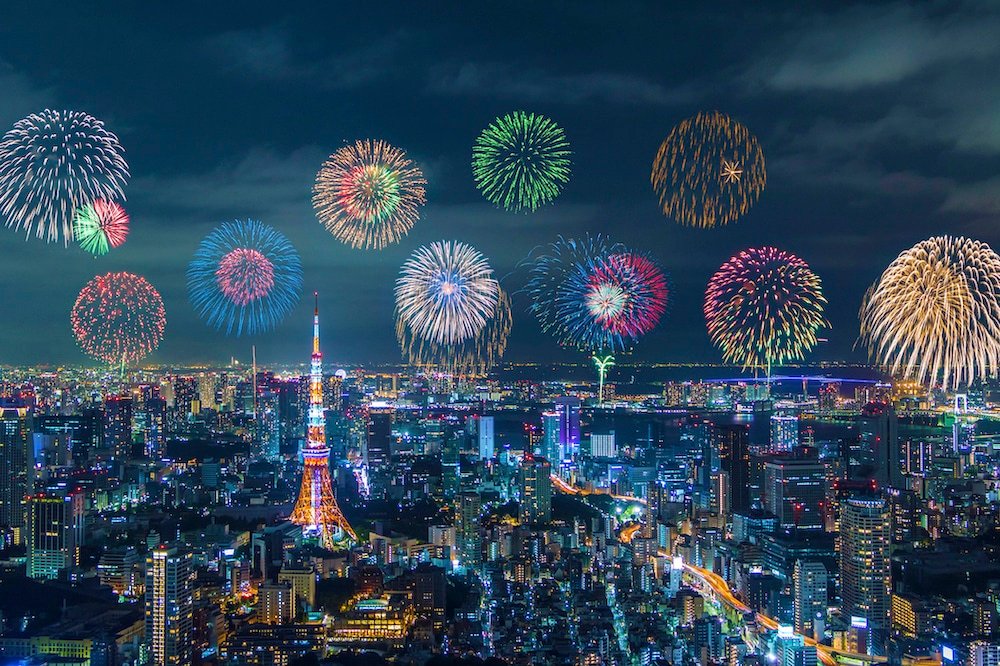
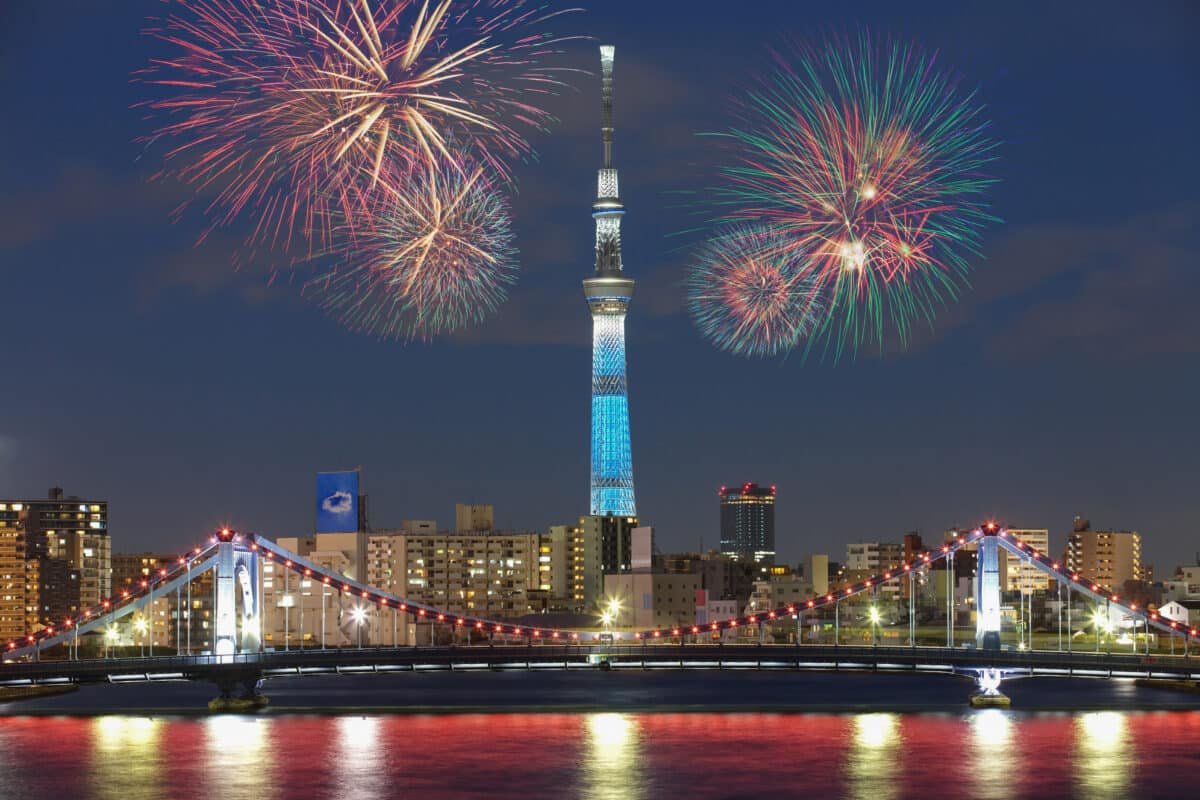
In the contemporary era, the festival serves as a breathtaking display of both tradition and modern pyrotechnic artistry. Held annually on the last Saturday of July, the event features a continuous launch of over 20,000 fireworks from two distinct sites along the Sumida River. This spectacular exhibition bridges the historic charm of the Edo period with cutting-edge technology, creating a vibrant atmosphere where the river reflects the dazzling colors of the night sky against the backdrop of the modern Tokyo Skytree and the historic city skyline.
Characterized by its intense community spirit and massive popularity, the festival transforms the banks of the Sumida River into a lively scene of celebration. Millions of locals and visitors gather to witness this iconic tradition, many wearing traditional summer yukata and enjoying seasonal delicacies from bustling street stalls. The festival remains a powerful testament to the resilience and enduring social harmony of the Tokyo populace, marking a cherished summer highlight that links the city’s profound past with its dynamic, modern present.
Enjoy Your Event Stress-Free with Japan Travelo
Do you know? Planning events, festivals, concerts, and cultural experiences in Japan can be overwhelming. Japan Travelo brings everything together in one place, helping you manage your itinerary, transport, and accommodation with ease—so you can enjoy Japan without the stress of planning.
Event Highlights
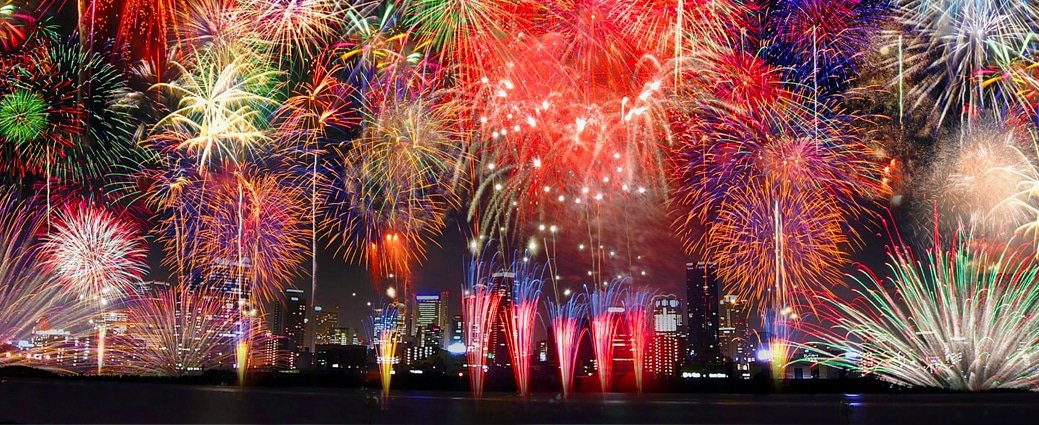
- The grand pyrotechnic display, featuring over 20,000 fireworks launched from two massive sites near Asakusa and Ryogoku.
- An intense fireworks competition where ten renowned pyrotechnic guilds showcase their latest masterpieces and compete for excellence.
- The iconic atmosphere where thousands of locals don traditional yukata, celebrating Japanese summer culture in a vibrant, communal setting.
- A uniquely scenic backdrop that juxtaposes the brilliant, colorful explosions against the illuminated Tokyo Skytree and historic city bridges.
Why Attend
Attending the Sumida River Fireworks Festival is an absolute imperative for those seeking a deeply immersive encounter with authentic Japanese summer culture. The event is exceptionally ideal for culture aficionados, photographers, and travelers who yearn to discover the heartbeat of Tokyo through a celebration that blends history, artistry, and communal joy. Witnessing the spectacle from the riverbanks provides an unparalleled window into the spiritual and social traditions that define the capital’s character.
By participating in these jubilant festivities, attendees are granted a unique, firsthand perspective on the sacred bond existing between Tokyo’s residents and their heritage. The electrifying energy of the crowd, the precision and beauty of the fireworks, and the overall atmosphere of joyous harmony combine to offer a truly transformative experience that remains both visually breathtaking and deeply resonant in its emotional significance.
Date & Duration:
- Event Date: July 25, 2026
- Event Duration: 7:00 PM – 8:30 PM
Visiting this event? Don’t miss out on these amazing activities and local experiences while you’re here.
Ticket Information:
- How Tickets Are Sold: The festival is a public event and is free to view from the riverbanks; however, paid seating and river cruise packages are available through official vendors.
- Admission Type: Free Admission for general public viewing areas.
- Ticket Pricing: Free Admission (Paid seating ranges from approx. $50 to $300 USD depending on the package and location).
- Special Seating Options: Paid seating areas are available for purchase, providing reserved spaces with clearer views of the launch sites.
- VIP Options: Exclusive riverboat cruises (yakatabune) offer premium viewing experiences, often including dinner and drinks.
Venue / Location:
- City and Country: Tokyo, Japan.
- Venue Name: Sumida River (between Asakusa and Ryogoku).
- Google Maps Address: 1-1-2 Mukojima, Sumida-ku, Tokyo 131-0033, Japan.
Contact Information:
- Phone Number: 03-5246-1111.
- Official Website: https://www.sumidagawa-hanabi.com/.
Accommodation Options:
The area surrounding the Sumida River, particularly the Asakusa, Ryogoku, and Sumida wards, offers an extensive selection of lodging ranging from sophisticated luxury hotels to traditional Japanese inns. Choosing a hotel with riverside views or one located near the Asakusa area ensures that travelers benefit from seamless, rapid access to the festival grounds, effectively positioning visitors at the epicenter of Tokyo’s most celebrated summer night.
Travelers will discover a multitude of high-quality hotel options within walking distance of the viewing sites, guaranteeing proximity to the action. These accommodations frequently offer a harmonious blend of refined modern comforts and stellar hospitality, making them a premier choice for those wishing to experience the fireworks without the stress of long-distance transit after the event concludes.
Getting There:
- Nearest Airport: Haneda Airport, situated approximately 20 to 30 kilometers from the central festival venue.
- Nearest Train/Metro Station: Asakusa Station (accessible via the Tozai, Asakusa, and Ginza lines) and Kuramae Station.
- Bus Routes or Public Transport Options: Tokyo’s robust bus network provides service to the Asakusa and Sumida areas, though many roads are restricted during the event.
- Parking Availability: Public vehicular parking is severely limited and often unavailable during festival dates; utilizing Tokyo’s world-class public transportation infrastructure is strongly recommended.
- Directions by Car: Use the Shuto Expressway system, though expect heavy traffic and significant road closures around the riverbanks throughout the afternoon and evening.
Dining Recommendations:
Breakfast Recommendations:
- Enjoy a classic Japanese breakfast featuring grilled fish, miso soup, and rice at a traditional teahouse near Sensoji Temple.
- Visit the artisan bakery cafes in the Asakusa district for fresh, high-quality pastries and premium coffee.
- Explore the breakfast menus at riverside hotels, which offer a fusion of refined Western favorites and authentic Japanese morning specialties.
Lunch Recommendations:
- Savor authentic Tempura at a long-standing culinary institution in the historic Asakusa district.
- Discover local hidden gems serving Unagi (grilled eel), a traditional summer delicacy often enjoyed during festival seasons.
- Sample street-side snacks like takoyaki or yakisoba from the vendors beginning to set up near the riverbanks.
Dinner Recommendations:
- Experience the culinary soul of the city by visiting a traditional Izakaya in the Ryogoku district, famous for its grilled yakitori skewers.
- Dine at one of the diverse gastronomic complexes near the Tokyo Skytree, offering everything from sophisticated sushi to international fusion cuisine.
- Enjoy a relaxing, high-end dinner at a refined dining spot overlooking the Sumida River to capture the festive mood.
Local Specialties to Try:
- Taiyaki, a delightful, fish-shaped cake filled with premium sweet red bean paste or creamy custard, widely available at festival stalls.
- Refreshing Shaved Ice (Kakigori), which is essential for cooling down during the humid summer evening while watching the displays.
- Traditional festival snacks like candied apples or grilled corn, which are quintessential treats of the Japanese summer festival experience.
What is this event?
The Sumida River Fireworks Festival is a monumental, historic celebration hosted in the heart of Tokyo to honor tradition and mark the peak of the summer season. It is recognized as the most famous fireworks display in the city, characterized by massive, vibrant pyrotechnics launched over the historic Sumida River.
The event serves as a magnificent celebration of Tokyo’s cultural resilience and beauty. Thousands of fireworks light up the night sky, creating a dazzling display that reflects over the water, providing a spectacular sight that unites millions of spectators in a shared moment of wonder.
Why is it popular?
The festival achieves its immense popularity through its breathtaking display of artistic pyrotechnics, profound historical roots, and the quintessential summer atmosphere it creates. It consistently attracts nearly a million observers who are eager to witness the vivid, kaleidoscopic displays against the backdrop of Tokyo’s skyline.
Many visitors are deeply captivated by the unique blend of tradition and modernity, such as seeing traditional fireworks designs set against the modern Tokyo Skytree. It offers a rare, unforgettable opportunity to experience a centuries-old tradition that highlights the unique unity and vibrant, enduring soul of the modern Japanese capital.
Tips before you go
- Ensure you wear highly comfortable walking shoes, as you will likely be traversing significant distances on foot through crowded streets.
- Prioritize consistent hydration, as the late July climate in Tokyo can be exceptionally warm, humid, and filled with direct, intense heat.
- Regularly consult the official Sumidagawa Hanabi digital portal for real-time updates regarding specific event schedules and viewing map adjustments.
- Carry a high-capacity portable battery charger for your mobile devices to ensure you can document the spectacular fireworks display without interruption.
- Observe local cultural etiquette, specifically being mindful of the significant crowds and following the instructions of festival staff regarding designated viewing areas and pathways.
Tips for First-Time Visitors
- Aim to arrive in the Asakusa or Sumida area during the early afternoon to secure an advantageous, unobstructed viewing position before the crowds swell to their peak.
- Familiarize yourself with a few fundamental Japanese phrases, as this can greatly enhance your interactions with locals and make navigating the bustling festival environment much smoother.
- Carry a small, discreet bag for your personal refuse, as public waste disposal facilities can be exceptionally scarce in the crowded areas during the height of the festival.
- Prepare for the reality of significant, dense crowds; maintain close contact with your party and designate a clear, identifiable meeting point in case of separation.
- Dedicate sufficient time to exploring the Sensoji Temple and the surrounding historic streets before the main fireworks events commence.
- Mindfully observe the festive spirit of the local attendees, many of whom wear traditional yukata, and don’t hesitate to join in by embracing the communal joy of the evening.
Attendee Experiences
- The sheer intensity and vibrant energy generated by the massive crowds gathering along the riverbanks was absolutely unforgettable and truly breathtaking to witness firsthand.
- Watching the continuous, massive fireworks display explode elegantly over the historic river was undoubtedly the crowning highlight of my entire Japanese summer adventure.
- It is genuinely miraculous to observe how a sprawling, technologically advanced metropolis like Tokyo pauses to collectively celebrate these ancient, deeply-rooted traditions with such passion and joy.
Video
Location
FAQ
What is the profound cultural significance of the fireworks in this festival?
The fireworks serve as both a memorial for the past and a celebration of life. Originally started to appease spirits and pray for protection from famine and disease, today they symbolize the vibrant spirit and cultural continuity of the city.
How long has this fireworks tradition been held in Tokyo?
The tradition dates back to the Edo period, specifically 1733, when the eighth shogun authorized the first river fireworks ceremony. It has survived wars, disasters, and urban change to remain a defining annual highlight of Tokyo.
Can international visitors actively participate in the festival?
While the public viewing is open to everyone, international visitors are highly encouraged to embrace the local culture by wearing a yukata and enjoying the traditional food stalls. Paid seating packages and river cruises can also be booked for a more exclusive experience.
What happens if the weather becomes inclement during the festival?
The festival organizers maintain a strict policy regarding weather. While light rain may not stop the event, severe weather such as high winds or typhoons can lead to cancellation; there is typically no postponement date for this festival.
Are there specialized religious events hosted within the festival area?
While the fireworks are primarily an entertainment spectacle today, the location is steeped in history near Sensoji Temple and other sacred sites. Visitors can pay their respects at these temples before the fireworks begin to fully appreciate the spiritual context of the evening.

Leave a Reply