
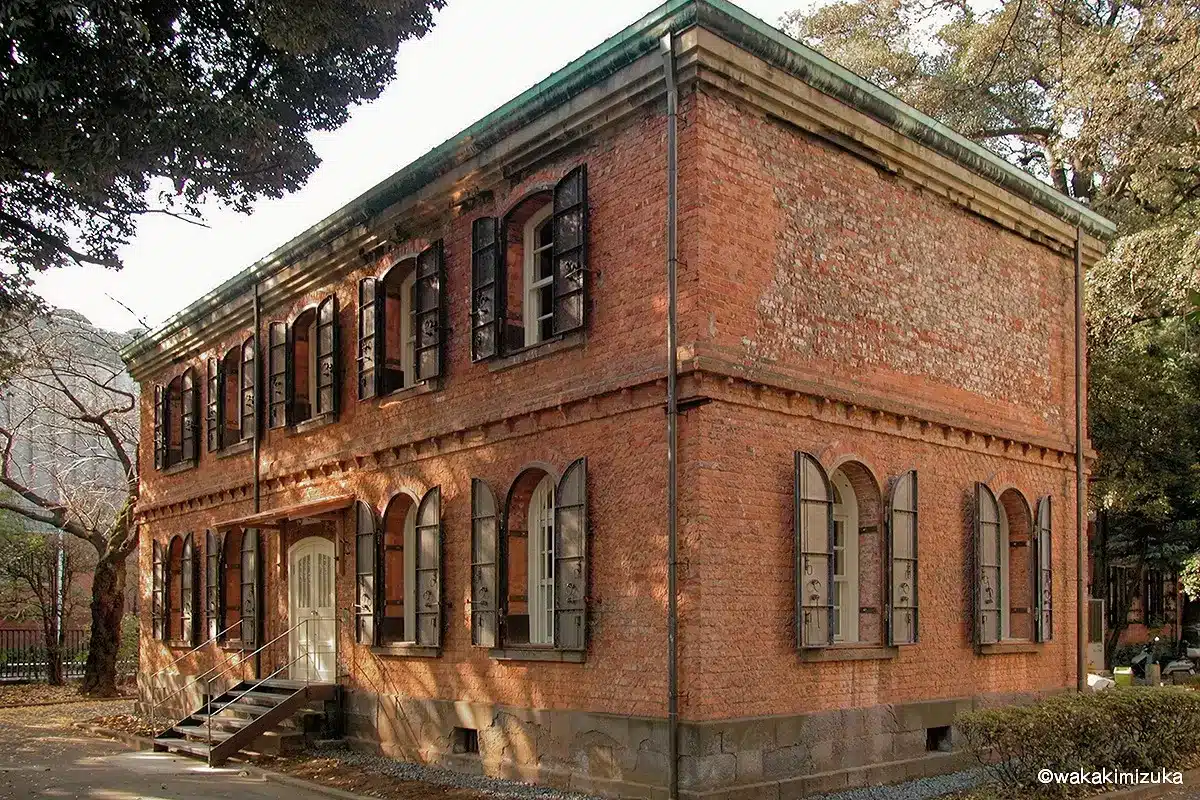
Overview:
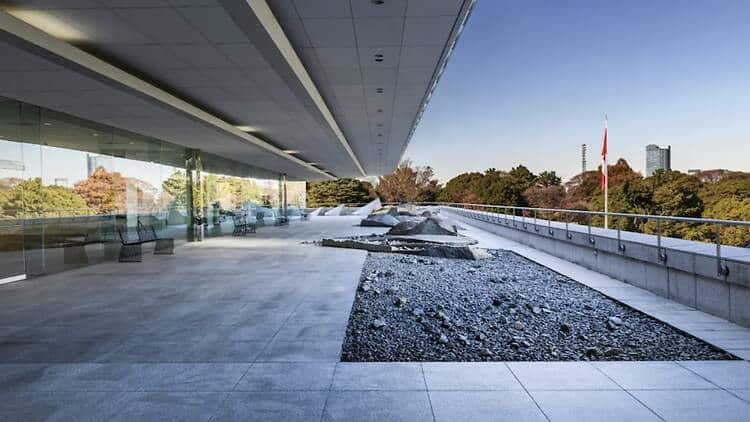
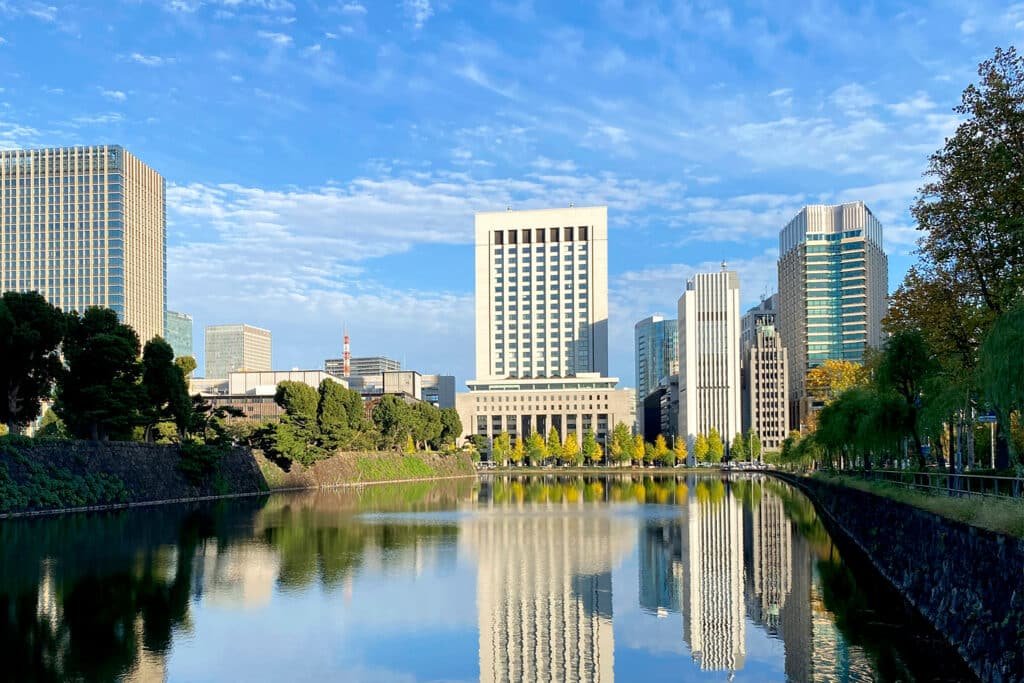
The Tokyo Architecture Festival is a premier cultural event that transforms the metropolis into an expansive, open-air museum, granting the public unprecedented access to some of the city’s most iconic and historically significant structures. Inspired by the global Open House movement, this festival invites visitors to peel back the layers of Tokyo’s urban landscape, revealing hidden gems that are usually concealed behind security desks or restricted office lobbies. By unlocking these spaces, the festival fosters a deeper connection between the built environment and the people who inhabit the city, turning daily architecture into a platform for discovery and education.
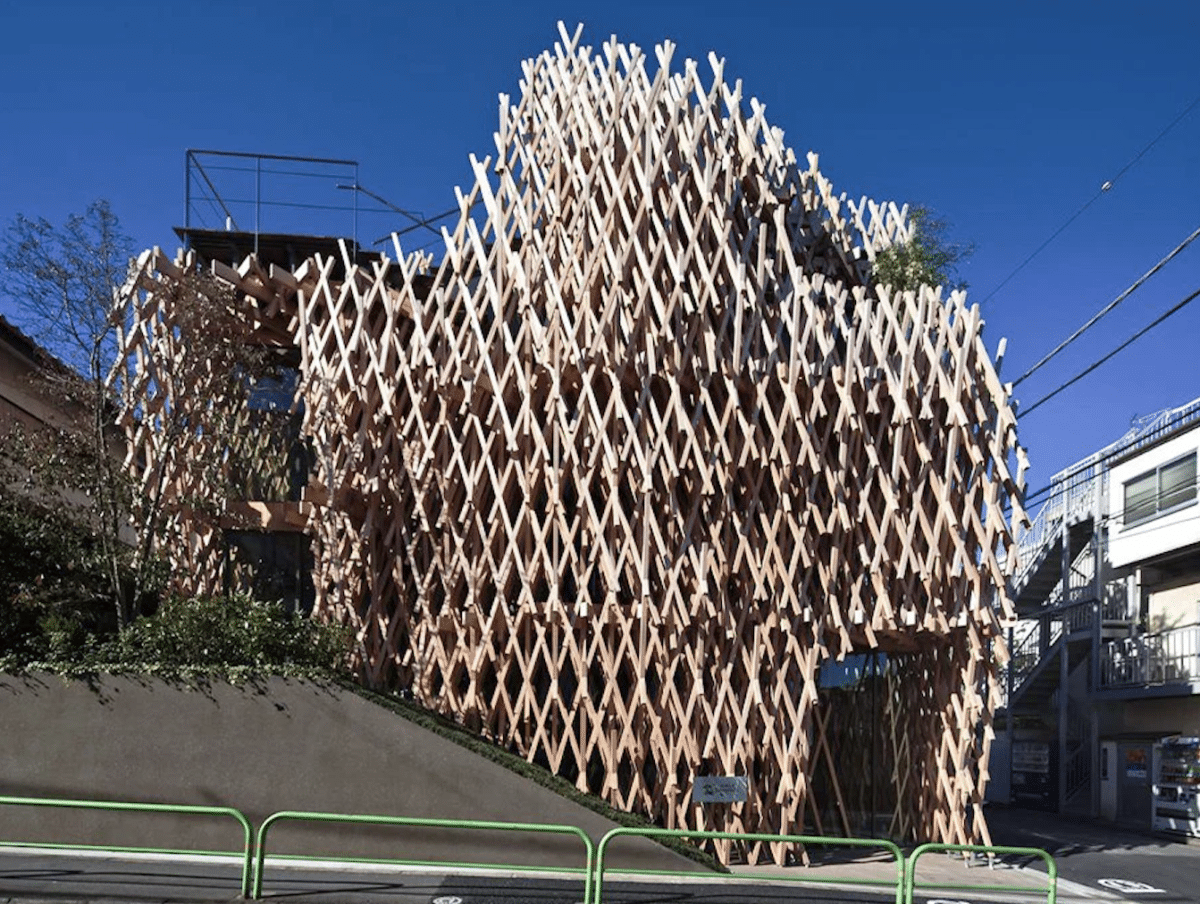
The festival experience is inherently interactive and self-guided, allowing participants to wander through a curated selection of sites that span diverse architectural eras. From the ornate, Western-influenced stone facades of the Meiji period to the cutting-edge, transparent designs of contemporary Pritzker Prize laureates, the event highlights the relentless evolution of Tokyo. Each location tells a unique story, whether through the grand marble lobbies of financial titans, the refined proportions of imperial-era structures, or the innovative engineering of modern skyscrapers, providing a rich narrative of Japan’s journey toward modernization.
By offering rare entry into private halls, vault chambers, and rooftop gardens, the festival encourages a new perspective on the town, where mundane office districts become places of aesthetic wonder. It is a celebration of the delicate balance between preservation and progress, showcasing how Tokyo retains its history even while constantly rebuilding itself. Whether you are an architecture enthusiast, a history buff, or a curious traveler, this event provides an enlightening look at the structural soul of Tokyo, proving that the city’s most interesting features are often hiding in plain sight.
Enjoy Your Event Stress-Free with Japan Travelo
Do you know? Planning events, festivals, concerts, and cultural experiences in Japan can be overwhelming. Japan Travelo brings everything together in one place, helping you manage your itinerary, transport, and accommodation with ease—so you can enjoy Japan without the stress of planning.
Event Highlights:
- Gain rare, behind-the-scenes access to private and corporate buildings that are typically closed to the general public.
- Explore a diverse range of architectural styles, including Meiji-era neo-baroque masterpieces and contemporary high-rise landmarks.
- Engage with volunteer guides stationed at various venues who provide fascinating historical context and stories about each site.
- Experience self-guided tours that allow you to explore the city at your own pace, creating a personalized itinerary through Tokyo’s most significant districts.
Why Attend:
This event is perfect for curious minds who wish to see the hidden architecture that defines Tokyo’s unique skyline and character. Attending provides the exclusive benefit of stepping inside buildings that are otherwise inaccessible, offering a rare opportunity to observe the intricate details of historical craftsmanship and modern design up close.
For those who enjoy a self-directed exploration, the festival offers an unmatched sense of freedom, allowing you to choose your own route and linger in spaces that resonate with you personally. By participating, you gain a richer understanding of Tokyo’s urban identity and contribute to the appreciation of the city’s built heritage, making it an essential experience for anyone seeking to understand the architectural pulse of Japan.
Date & Duration:
- Event Date: May 2027 (Exact Dates TBD)
- Event Duration: Varies by individual building opening hours and program availability
Visiting this event? Don’t miss out on these amazing activities and local experiences while you’re here.
Ticket Information:
- How Tickets Are Sold: Most festival venues are accessible through open-door entry, though some specialized tours require online registration or lottery applications.
- Admission Type: General admission for most locations is Free Admission, while a few historic sites may charge a nominal entry fee.
- Ticket Pricing: Free Admission for the majority of venues, with specific tours or special exhibitions ranging from $0.00 to $10.00.
- Special Seating Options: Some viewing platforms or lecture areas provide limited seating on a first-come, first-served basis.
- VIP Options: Select buildings offer exclusive guided tours led by architectural historians or the original designers for a premium experience.
Venue / Location:
- City and Country: Tokyo, Japan
- Venue Name: Various locations across Tokyo, primarily in Marunouchi, Nihonbashi, and Minato districts
- Google Maps Address: Multiple sites throughout Chiyoda, Chuo, and Minato wards
Contact Information:
- Email: info@kenchikusai.tokyo
- Phone Number: +81-3-0000-0000
- Official Website: https://en.japantravel.com/tokyo/tokyo-architecture-festival/72069
Accommodation Options:
The festival takes place across various central districts, making it convenient to stay in major hotel hubs like Tokyo Station, Nihonbashi, or Shimbashi. These areas provide a wide spectrum of lodging, from high-end luxury hotels that are themselves examples of fine architecture to efficient, modern business hotels perfectly suited for travelers.
Staying centrally allows participants to utilize the efficient public transit network to reach different festival zones with ease. It is recommended to secure your accommodation early, as the festival attracts a significant number of visitors and centrally located rooms can fill up quickly during the event month.
Getting There:
- Nearest Airport: Haneda Airport, located approximately 20 kilometers from the city center.
- Nearest Train/Metro Station: Tokyo Station serves as the primary hub for most festival locations in the Marunouchi and Nihonbashi areas.
- Bus Routes or Public Transport Options: The city is served by extensive subway lines and the JR Yamanote line, providing easy access to all festival districts.
- Parking Availability: Public parking is available at various commercial centers, though visitors are encouraged to use public transport.
- Directions by Car: Accessible via the Shuto Expressway, with exits leading toward the central Marunouchi and Nihonbashi districts.
Dining Recommendations:
Breakfast Recommendations:
- Elegant cafes in the Marunouchi area offering artisanal coffee and fresh morning pastries.
- Traditional breakfast sets served in historic hotel lounges located near Tokyo Station.
- Modern bakeries in Nihonbashi providing high-quality Japanese-style breakfast toasts and sandwiches.
Lunch Recommendations:
- Upscale restaurants within office complexes offering lunch sets with views of the historic cityscape.
- Casual eateries hidden in the basement levels of landmark buildings, a secret staple of Tokyo dining.
- Traditional Japanese teishoku spots in the historic backstreets of Nihonbashi.
Dinner Recommendations:
- Fine dining establishments in Ginza that pair perfectly with an evening of architectural exploration.
- Cozy izakayas in the Mita or Akasaka districts offering a relaxing atmosphere to reflect on the day.
- Contemporary restaurants in the Marunouchi area focusing on seasonal ingredients and refined plating.
Local Specialties to Try:
- Edomae-style sushi, a traditional Tokyo staple with deep roots in the city’s culinary history.
- Nihonbashi-origin sweets from long-standing traditional confectionery shops.
- Tempura, featuring fresh seasonal ingredients prepared with precise frying techniques.
What is this event?
The Tokyo Architecture Festival is an interactive celebration that opens the doors of Tokyo’s most significant buildings to the public. It serves as an open-air museum, allowing visitors to explore both historical and contemporary structures that are usually restricted.
The event aims to foster a deeper understanding of urban development and architectural history within the city. By providing rare access, it connects the public with the designers and histories that have shaped Tokyo’s unique and evolving skyline.
Why is it popular?
The festival is popular because it offers a rare opportunity to step inside iconic structures that most commuters walk past every day without notice. It provides a unique, behind-the-scenes perspective on the city’s past, present, and future designs.
It appeals to a wide audience ranging from design professionals to families looking for a unique weekend activity. The combination of free admission to major landmarks and the chance to see hidden spaces makes it a highly anticipated annual highlight.
Tips before you go:
- Wear comfortable walking shoes, as you will likely traverse large sections of the city to reach various venues.
- Check the official festival map and program online to prioritize which buildings you want to visit each day.
- Keep your mobile phone charged to access digital maps and information about building histories while on the move.
- Carry a small bag for your belongings, as some historical sites may have strict policies on large items.
- Be prepared for queues at the most popular or famous architectural landmarks throughout the day.
Tips for First-Time Visitors:
- Focus your efforts on one or two districts each day, such as Marunouchi or Nihonbashi, to maximize your time inside buildings rather than traveling between them.
- Use the official festival website to register for guided tours well in advance, as these popular spots fill up almost immediately.
- Talk to the volunteers at the entrances of the buildings, as they often have specialized knowledge about the construction and history of the site.
- Don’t hesitate to enter the grand lobbies of major office buildings; many are designed as public art spaces during the festival period.
- Take a moment to observe the building details from the outside as well, noting how they blend into the modern city context.
- Consider staying near a major train line to make navigating between the various dispersed festival locations as stress-free as possible.
Attendee Experiences:
- It was amazing to finally see the inside of the Bank of Japan, which I have walked past so many times.
- The festival completely changed the way I look at the skyscrapers in the business district.
- Exploring these hidden architectural gems at my own pace made for a perfect and educational weekend.
Video
Location
FAQ
Do I need to book in advance for every building?
Most of the festival venues are open-access, meaning you can simply walk in during the festival hours without any prior booking. However, specific guided tours or special entry areas do require advance registration through the official portal.
Are there any age restrictions for visiting the sites?
There are no general age restrictions for the festival, as it is designed to be inclusive for all members of the public. Please note that some historic sites with stairs or narrow hallways may be more difficult for young children or those with limited mobility.
Is it possible to take photos inside the buildings?
Photography is generally allowed in most public areas of the festival buildings, but always check for signage or ask volunteers first. Please respect the privacy of office staff or residents if you are entering spaces that are currently in use.
How do I find out which buildings are participating this year?
The official festival website publishes a comprehensive digital map and list of all participating buildings a few weeks before the event. You can filter these by district, architectural style, or accessibility to help you plan your personal route.
Can I attend if I do not speak Japanese?
Yes, the festival is very welcoming to international visitors, and many sites provide English-language signage or volunteer guides who speak multiple languages. The visual nature of the architecture makes the experience highly rewarding regardless of your language proficiency.

Leave a Reply