
-
January 7, 2027
Event date:
-
January 8, 2027
Event end:
Overview
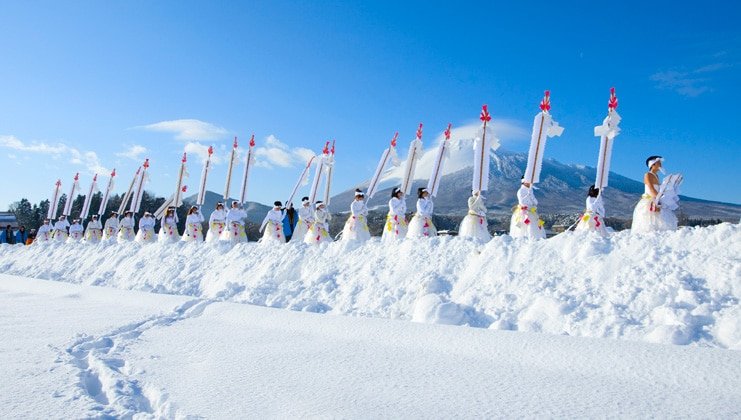
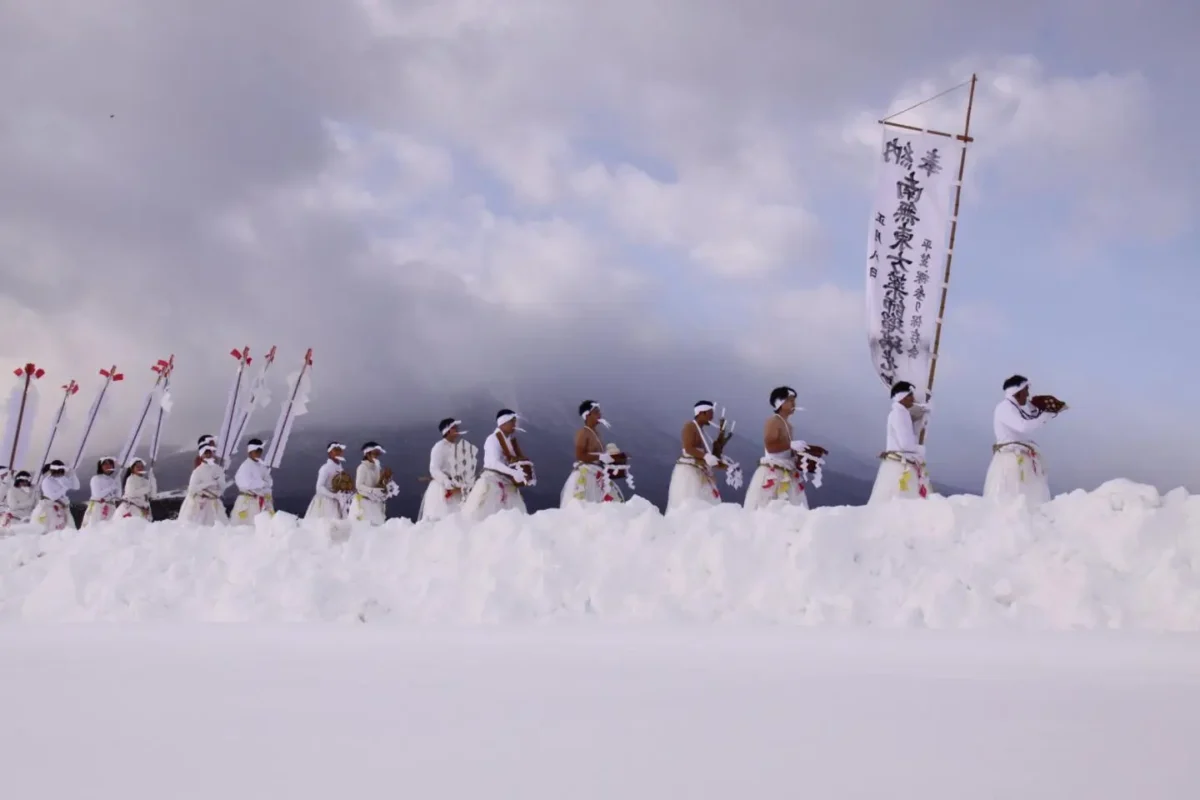
The Hiragasa Naked Pilgrimage stands as a profound testament to the endurance and spiritual devotion inherent in the northern Japanese winter tradition. Often recognized as a form of Kan Mairi, this sacred event involves participants braving the biting sub-zero temperatures clad only in traditional attire, such as the loincloth known as fundoshi and straw sandals called waraji. This arduous journey serves as a powerful medium for ascetic training, where the physical suffering of the cold is believed to purify the soul and foster a closer connection with the divine spirits that protect the mountainous Hachimantai landscape.
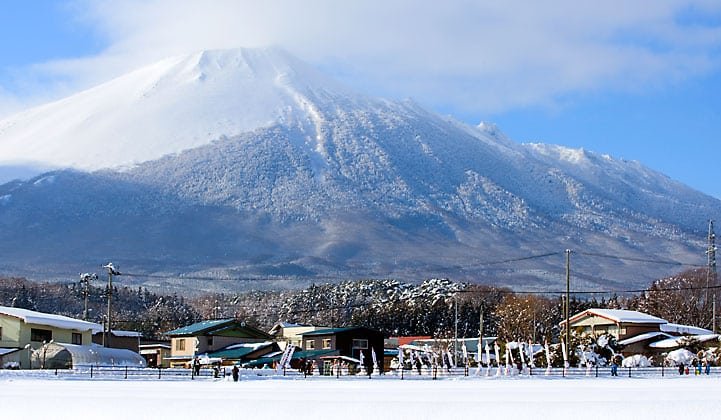
Beyond its ascetic roots, the pilgrimage functions as a vital communal anchor, bringing together locals to pray for collective prosperity, bountiful harvests, and the total eradication of sickness and misfortune for the year ahead. As the participants traverse the snow-laden paths of Hiragasa, the crisp winter air echoes with rhythmic chants and the resonance of sacred bells, creating a solemn, ethereal atmosphere that transcends time. This ritual is a living history, preserving centuries-old Shinto beliefs and the resilient spirit of a community that thrives in harmony with nature’s most challenging elements.
Witnessing the Hiragasa Naked Pilgrimage is a transformative experience, offering a rare window into a Japan that remains untouched by the relentless pace of modern life. Visitors are afforded the privilege of observing a dedicated group of individuals who, through their collective strength and unwavering faith, maintain the sanctity of their local shrines. It is an immersive cultural encounter that challenges one’s perceptions of comfort and devotion, leaving an indelible mark on all who witness the raw beauty of human spirit set against the pristine, frozen wilderness of Iwate Prefecture.
Enjoy Your Event Stress-Free with Japan Travelo
Do you know? Planning events, festivals, concerts, and cultural experiences in Japan can be overwhelming. Japan Travelo brings everything together in one place, helping you manage your itinerary, transport, and accommodation with ease—so you can enjoy Japan without the stress of planning.
Event Highlights
- Participants perform an intense ritual of purification, braving sub-zero temperatures in minimal traditional clothing to demonstrate spiritual resilience.
- The procession features rhythmic chanting and the ringing of handbells, which serve to repel evil spirits and harmonize the energy of the sacred pilgrimage path.
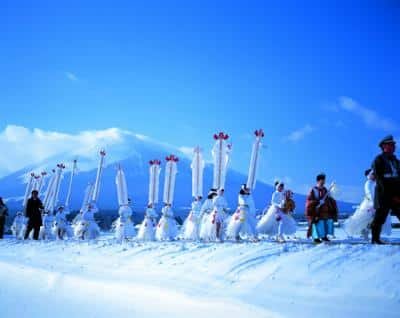
- Devotees carry traditional symbolic offerings, such as holy paper objects known as heisoku, towards the local shrine to petition for communal health and prosperity.
- Observers gain an intimate view of centuries-old Shinto and folk animism practices that define the cultural heritage of the Hachimantai mountainous region.
Why Attend
This pilgrimage is an essential experience for those seeking a deeper, more authentic connection to Japanese cultural history. It is ideal for photographers, anthropologists, and travelers who appreciate the intersection of spiritual asceticism and communal heritage, providing a striking visual narrative of resilience against the harsh winter landscape. Attending allows one to witness a rare, non-commercialized ceremony where the focus remains entirely on sincerity, prayer, and the preservation of ancient traditions that have defined local life for hundreds of years.
Furthermore, participating as a respectful observer provides the unique benefit of engaging with the serene, contemplative atmosphere of northern Japan. Unlike bustling tourist festivals, this event offers a quiet, profound space to reflect on the nature of sacrifice and the enduring power of faith. It is a journey that rewards those interested in the profound depth of human endeavor, leaving guests with a renewed sense of respect for the customs and traditions that maintain the spiritual equilibrium of the local community.
Date & Duration
- Event Date: January 7th – January 8th, 2027.
- Event Duration: The ritual encompasses two days of traditional processions and temple ceremonies.
Visiting this event? Don’t miss out on these amazing activities and local experiences while you’re here.
Ticket Information
- How Tickets Are Sold: This event is a traditional public religious rite; therefore, no tickets are sold.
- Admission Type: Open public access is provided to witness the procession along the designated route.
- Ticket Pricing: Free Admission.
- Special Seating Options: There is no formal seating available, as this is a continuous walking pilgrimage through the village and shrine grounds.
- VIP Options: No VIP access is available; the event emphasizes equality and communal participation.
Venue / Location
- City and Country: Hachimantai, Japan.
- Venue Name: Hiragasa District and local shrine precincts.
- Google Maps Address: Hachimantai, Iwate Prefecture, Japan.
Contact Information
- Official Website: https://en.japantravel.com/iwate/hiragasa-naked-pilgrimage/71951
Accommodation Options
The Hachimantai region is celebrated for its restorative hot spring resorts and traditional ryokans, which offer a welcome sanctuary from the winter chill. Staying at a local establishment provides the perfect opportunity to experience the healing warmth of an onsen after a day spent observing the outdoor pilgrimage, ensuring a deeply relaxing and authentic Japanese retreat.
Given the rural nature of the Hiragasa district, it is highly recommended to secure your lodging well in advance of January. Many local facilities cater specifically to winter travelers and offer convenient shuttle services, making it significantly easier to navigate the snowy terrain while enjoying the unparalleled hospitality of the Iwate mountain region.
Getting There
- Nearest Airport: Iwate Hanamaki Airport, situated approximately 60 kilometers from the central Hachimantai region.
- Nearest Train/Metro Station: JR Morioka Station provides the most convenient access point, followed by a regional bus or taxi ride.
- Bus Routes or Public Transport Options: Local bus lines frequently connect Morioka Station to major points throughout the Hachimantai village network.
- Parking Availability: Public parking is designated near the main village areas, though spaces are limited during festival dates.
- Directions by Car: Travelers should utilize the Tohoku Expressway and take the Matsuo-Hachimantai Interchange, following signs for the local Hiragasa district.
Dining Recommendations
Breakfast Recommendations:
- Traditional Japanese morning meals featuring steamed white rice, miso soup, and grilled fish.
- Locally produced natto and fresh mountain-grown pickled vegetables.
- Hot green tea served in a serene, heated inn environment.
Lunch Recommendations:
- Hearty bowls of authentic Iwate soba noodles served in a savory, warming broth.
- Seasonal tempura made from mountain vegetables foraged in the region.
- Warm onigiri rice balls accompanied by locally sourced miso delicacies.
Dinner Recommendations:
- Traditional nabe hot pots filled with fresh seasonal vegetables and local meats.
- Grilled skewers of high-quality Iwate pork or local game specialties.
- Freshly prepared tofu dishes utilizing pristine local mountain water.
Local Specialties to Try:
- Maesawa beef, renowned for its incredible tenderness and rich, marbled flavor.
- Local sake varieties crafted by traditional brewers using high-quality mountain rice.
- Regional apple-based pastries that highlight the local agricultural bounty of Iwate.
What is this event?
The Hiragasa Naked Pilgrimage is an annual winter purification rite where local participants perform a sacred procession to pray for communal health and prosperity. By braving the harsh cold in minimal traditional attire, the pilgrims fulfill an ancient ascetic duty meant to cleanse the spirit.
This ritual represents a deep cultural commitment to preserving Shinto and folk traditions in Hachimantai. It serves as a focal point for the community to unite in faith and reflection amidst the quiet, frozen landscape of the new year.
Why is it popular?
The pilgrimage is highly esteemed for its stark authenticity and unwavering dedication to centuries-old customs. Unlike modern commercial events, it offers a raw and genuine look at the spiritual life of rural Japan.
The popularity stems from the profound visual impact of the procession and the solemnity of the participants. Visitors are drawn to the rare opportunity to witness a community-led tradition that remains deeply respected and largely unchanged by outside influence.
Tips before you go
- Dress in multiple layers of thermal clothing and wear high-traction, waterproof winter boots.
- Maintain a respectful distance from the procession to ensure the sanctity of the ritual remains undisturbed.
- Carry a portable thermos filled with a hot beverage to remain comfortable while waiting in the cold.
- Monitor local weather reports closely, as sudden heavy snowfall can affect regional transportation.
- Observe the etiquette of local elders regarding photography, as some segments may require silent contemplation.
Tips for First-Time Visitors
- Prepare for the intensity of the winter climate, as temperatures in Hachimantai often drop significantly below the freezing point.
- Safeguard your electronic devices and spare camera batteries inside your warm layers to prevent rapid drainage from the extreme cold.
- Prioritize the use of public transportation or pre-arranged taxis if you are unfamiliar with driving on mountain roads covered in ice and snow.
- Approach local businesses and community members with respect, acknowledging their role as stewards of this significant cultural heritage.
- Map your location in advance and plan to arrive well before the ritual start times to secure a vantage point that does not obstruct the pilgrims.
- Maintain a quiet and solemn demeanor throughout the event, as your presence is that of a guest witnessing a sacred religious ceremony.
Attendee Experiences
- The sight of the pilgrims moving through the deep snow with such unwavering focus was a deeply moving and unforgettable cultural experience.
- I was profoundly struck by the silence and solemnity of the event, which felt much more personal and meaningful than other large-scale festivals.
- The community’s devotion to their ancient traditions despite the biting winter wind is truly inspiring and offers a unique perspective on human resilience.
Location
FAQ
What is the spiritual significance of the minimal attire worn during the pilgrimage?
The minimal clothing, such as the fundoshi, signifies a state of humility and spiritual purity before the divine. By stripping away material layers and enduring the harsh elements, participants demonstrate their sincerity and dedication, seeking to cleanse their bodies and minds of worldly distractions to welcome the new year with a renewed spirit.
Are visitors allowed to join the pilgrimage procession?
The procession is a specialized religious rite designated for local community members who have prepared for the ascetic requirements of the event. While visitors are welcomed as respectful observers, they should not attempt to join the ranks of the pilgrims, as this ensures the ritual maintains its traditional integrity and solemn atmosphere.
What is the best way to photograph this event respectfully?
Photography is acceptable, provided it is conducted with the utmost care and respect for the participants’ focus. Avoid using flash photography, as it can be highly disruptive, and ensure you remain at a distance that does not impede the movement of the procession along the pilgrimage path.
How cold should I expect it to be in Hachimantai during January?
January in the Hachimantai mountains is characterized by extreme winter conditions, with temperatures frequently falling well below freezing and heavy, consistent snowfall. It is vital for all attendees to wear high-performance thermal gear, professional-grade insulated winter coats, and specialized footwear to ensure comfort and safety during the event.
What should I do if I want to learn more about the history of this pilgrimage?
To gain a deeper understanding of the Hiragasa Naked Pilgrimage, we recommend visiting the local cultural information centers or speaking with tourism representatives in Hachimantai. They can provide detailed insights into the regional variations of the Hadaka Mairi tradition and the specific historical role these rites play in the local community’s identity.

Leave a Reply