
-
August 15, 2026
Event date:
-
August 16, 2026
Event end:
Overview
The Yokote Okuribon Festival stands as a deeply poignant and culturally significant rite of remembrance, held annually in the city of Yokote to honor the spirits of the departed. With a rich history spanning over three centuries, the event originated during the Edo period as a solemn memorial service for the countless lives lost during the nation’s great famines. Over time, it has evolved into a magnificent fusion of quiet, introspective devotion and high-energy communal celebration, where the local community unites to guide ancestral spirits back to their resting places through rituals, dance, and spectacular displays of fire and craftsmanship.
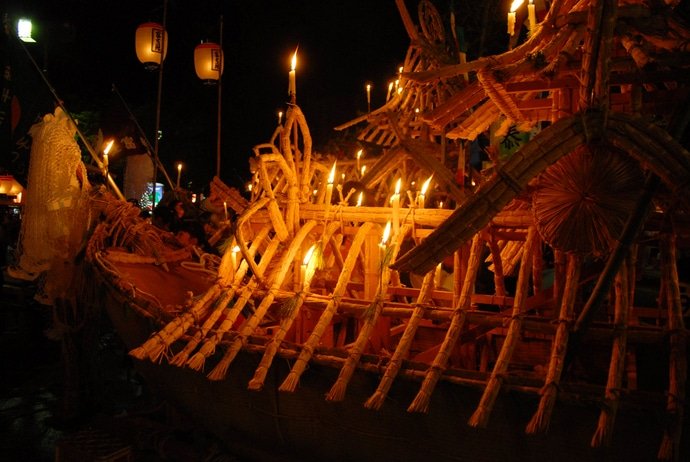
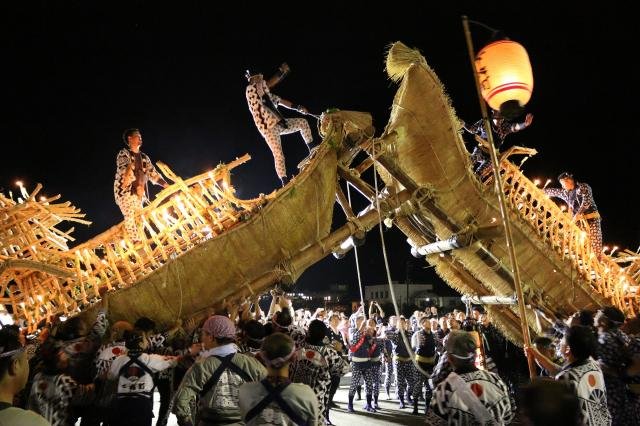
The festival unfolds over two immersive days, transforming the city into a vibrant stage of tradition. The atmosphere is characterized by a unique contrast between the grace of rhythmic folk dances and the raw, exhilarating power of the Yakatabune Kuridashi ceremony. During this iconic climax, participants navigate massive, straw-clad houseboats—each weighing over 700 kilograms—down toward the Yokote River. The spectacle reaches a breathtaking intensity at the Ja-no-saki Bridge, where these formidable vessels are ceremonially rammed together in a display of strength and local pride, all set against a backdrop of exploding fireworks that illuminate the night sky and the historic Yokote Castle.
Beyond the intensity of the boat clashes, the festival serves as an essential pillar of Yokote’s identity, reflecting the enduring spirit and resilience of its people. The meticulous preparation of the houseboats, which involves neighborhood residents and shopkeepers collaborating for weeks to craft the straw hulls and fittings, underscores the community’s profound dedication to their heritage. Attending this festival provides a rare and intimate glimpse into the soul of northern Japan, offering a profound experience where history, artistry, and the profound bonds of community converge to create an unforgettable summer memory.
Enjoy Your Event Stress-Free with Japan Travelo
Do you know? Planning events, festivals, concerts, and cultural experiences in Japan can be overwhelming. Japan Travelo brings everything together in one place, helping you manage your itinerary, transport, and accommodation with ease—so you can enjoy Japan without the stress of planning.
Event Highlights
- The Yakatabune Kuridashi ceremony, featuring massive, straw-clad houseboats that are navigated through the streets and onto the Yokote River.
- A spectacular, high-energy boat clash at the Ja-no-saki Bridge where teams maneuver the heavy vessels in a powerful display of tradition and local strength.
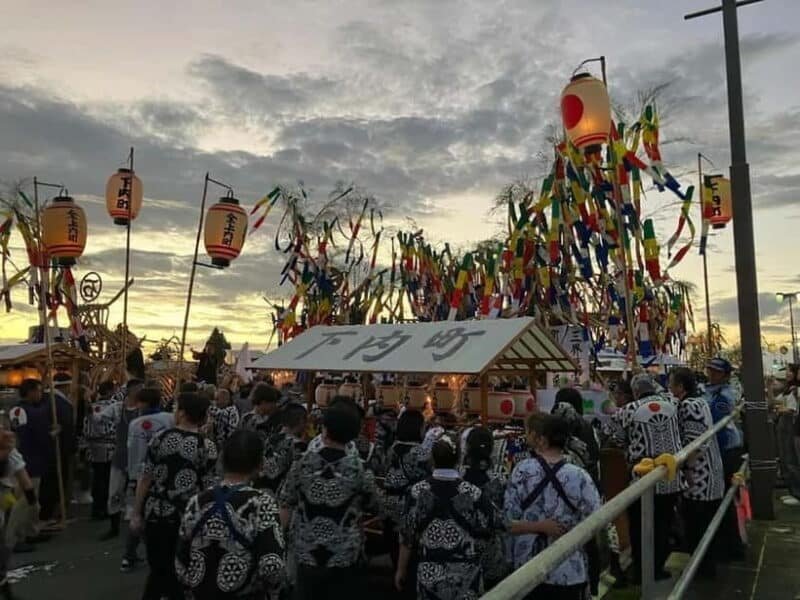
- Vibrant Bon Odori folk dance performances, where residents in traditional attire gather to celebrate and pay homage to their ancestors through music and rhythmic movement.
- A breathtaking grand fireworks display launched from the riverbanks and Yokote Park, creating a stunning visual symphony with the castle and boats in the background.
Why Attend
This festival is an essential experience for those seeking to immerse themselves in the authentic, heartfelt traditions of Japan’s Obon season. It is uniquely suited for cultural enthusiasts, history lovers, and travelers who wish to witness a rare, centuries-old rite that balances solemn memorial services with the sheer excitement of community-driven spectacle. Attending allows you to engage with the local spirit of Yokote, moving beyond typical tourist paths to participate in a living legacy that is both deeply moving and physically exhilarating.
The primary benefit of attending is the opportunity to witness a community-wide act of devotion that has remained vibrant for over 300 years. The festival fosters a profound sense of connection, both to the history of the region and to the local residents who pour their heart and soul into the preparations. It is a rejuvenating and eye-opening event that offers a truly deep perspective on the Japanese customs of remembrance, all while providing the thrill of one of the most unique and energetic festivals in the country.
Date & Duration
- Event Date: August 15th – August 16th 2026
- Event Duration: Two days of cultural rites and celebratory events
Visiting this event? Don’t miss out on these amazing activities and local experiences while you’re here.
Ticket Information
- How Tickets Are Sold: This is a public festival; general access to the streets and riverbanks is open to the public.
- Admission Type: General admission for viewing the boat ceremonies and dance performances.
- Ticket Pricing: Free Admission.
- Special Seating Options: While general viewing is free, premium paid seating options such as reserved bleachers or viewing sections may be available for the fireworks.
- VIP Options: Not applicable, though private viewing packages for fireworks are occasionally managed by local tourism groups.
Venue / Location
- City and Country: Yokote, Japan
- Venue Name: Ja-no-saki Bridge, Yokote City Hall, and riverfront areas
- Google Maps Address: Shiroyama-cho, Yokote-shi, Akita, Japan
Contact Information
- Phone Number: +81 182-33-7111
- Official Website: http://www.yokote-kankou.jp/
Accommodation Options:
Yokote offers a variety of accommodations ranging from comfortable business hotels to traditional inns, many of which are conveniently located within walking distance of the city center and the Yokote River festival grounds. Given the significance of the Obon season, it is highly recommended to secure your lodging well in advance to ensure proximity to the main event sites.
For those looking for a different atmosphere, nearby regions in Akita Prefecture offer scenic retreats that are well-connected by local rail and bus services. Staying slightly outside the city center can provide a quieter respite after the high-energy festivities of the evening, while still allowing for easy access to the ceremonies at the Ja-no-saki Bridge.
Getting There
- Nearest Airport: Akita Airport (AXT), with shuttle and rental car options to Yokote City.
- Nearest Train/Metro Station: JR Yokote Station, the main regional gateway.
- Bus Routes or Public Transport Options: Local buses service the area surrounding the City Hall and riverfront districts.
- Parking Availability: Public parking is available in designated lots near the river and City Hall (free parking is limited).
- Directions by Car: Accessible via the Akita Expressway, taking the Yokote Interchange and following signs toward the city center and Yokote Castle.
Dining Recommendations
Breakfast Recommendations:
- Local cafes near JR Yokote Station serving fresh coffee and toast sets.
- Traditional Japanese breakfast options at local ryokans featuring seasonal rice and miso.
- Convenience stores offering high-quality rice balls and healthy breakfast snacks.
Lunch Recommendations:
- Famous local Yokote Yakisoba noodle shops located throughout the downtown area.
- Traditional soba noodle restaurants that highlight the fresh ingredients of the Akita region.
- Casual lunch eateries near City Hall serving set meals with fresh local vegetables.
Dinner Recommendations:
- Lively izakayas near the festival grounds serving regional sake and grilled appetizers.
- Restaurants specializing in Akita’s local cuisine, such as Kiritanpo and Hinai Jidori chicken.
- Open-air street stalls providing festival-style snacks during the evening events.
Local Specialties to Try:
- Yokote Yakisoba, the city’s signature noodle dish.
- Kiritanpo, traditional skewered rice toasted with miso.
- Seasonal Akita sake, known for its high quality and craftsmanship.
What is this event?
The Yokote Okuribon Festival is a traditional Japanese festival that serves as a solemn and celebratory rite of remembrance for ancestral spirits. It is held annually in mid-August in the city of Yokote, Akita Prefecture.
The event features a unique blend of quiet prayer and high-energy boat ceremonies that date back to the Edo period. It is a central cultural touchstone for the city, bringing together local neighborhoods to honor their heritage and their ancestors.
Why is it popular?
The festival is famous for its dynamic boat-clashing ritual at the Ja-no-saki Bridge, which is considered one of the most exciting sights in northern Japan. The combination of traditional craftsmanship, loud firework displays, and community spirit makes it a must-see for many.
It offers an authentic and powerful look into Japanese Obon traditions that feels deeply personal and locally rooted. Visitors are drawn to the rare opportunity to see historical rituals performed with such intense energy and community involvement.
Tips before you go
- Wear comfortable footwear, as you will likely be walking between the riverbank and the city center throughout the event.
- Bring a portable fan or cooling items, as mid-August in Akita can be warm and humid.
- Carry cash, as many local food stalls and smaller vendors will not accept electronic payments.
- Check the weather reports on the day, as severe weather or heavy rain can occasionally affect the scheduling of the boat ceremonies.
- Arrive at the Ja-no-saki Bridge area early in the evening to secure a good viewing spot before the main boat clashes begin.
Tips for First-Time Visitors
- Watch the local residents during the preparations of the houseboats to appreciate the incredible craftsmanship and community collaboration that goes into the festival.
- Be sure to explore the area near Yokote Castle earlier in the day to enjoy the historical scenery before the evening festivities take over the riverfront.
- Pay attention to the cultural significance of the Bon Odori dances, which are open to spectators and offer a great way to feel the communal spirit of the event.
- If you are planning to take photos, look for clear vantage points along the riverbank early, as the area can get quite busy during the firework finale.
- Take the opportunity to talk to local staff or residents if you are curious about the history of the festival; they are usually very proud to share the story of why this tradition has lasted over 300 years.
Attendee Experiences
- The sound and the sight of those massive boats colliding at the bridge were unlike anything else I have ever seen in Japan.
- It is a truly moving experience to see how the whole town comes together to honor their ancestors with such energy and pride.
- The fireworks over the castle and the river created such a beautiful, haunting atmosphere that I will never forget.
Video
Location
FAQ
What is the cultural significance of the houseboat clashes?
The boat clashes symbolize the sending off of ancestral spirits and a way for the community to demonstrate resilience and strength. This ritual acts as a communal catharsis, honoring the lives lost in historical famines and reinforcing the bonds between current residents.
Is the festival appropriate for international visitors to attend?
The festival is incredibly welcoming to international visitors, and its visual nature makes it easy to follow and enjoy. While the core rituals are deeply Japanese, the community is very proud of their heritage and generally enjoys sharing the experience with curious travelers from all over the world.
Are there any safety precautions to keep in mind during the boat ceremony?
The boat ceremony is a very high-energy event involving heavy machinery and large vessels, so it is essential to stay behind designated barriers at all times. Always follow the directions of the local security and festival staff to ensure you remain in safe viewing zones away from the path of the houseboats.
How does the Okuribon Festival differ from other Obon celebrations?
While most Obon celebrations focus on dance and simple lanterns, Yokote’s version is distinct due to the scale and intensity of the houseboat rituals and clashes. This regional variation makes it a unique cultural landmark that is specific to the history and traditions of Yokote City.
Can I participate in the Bon Odori dances?
Yes, visitors are often encouraged to join in the folk dances that take place on the first day of the festival. It is a very communal event, and simply following the lead of the locals is the best way to learn the movements and become part of the celebration.

Leave a Reply