

Overview
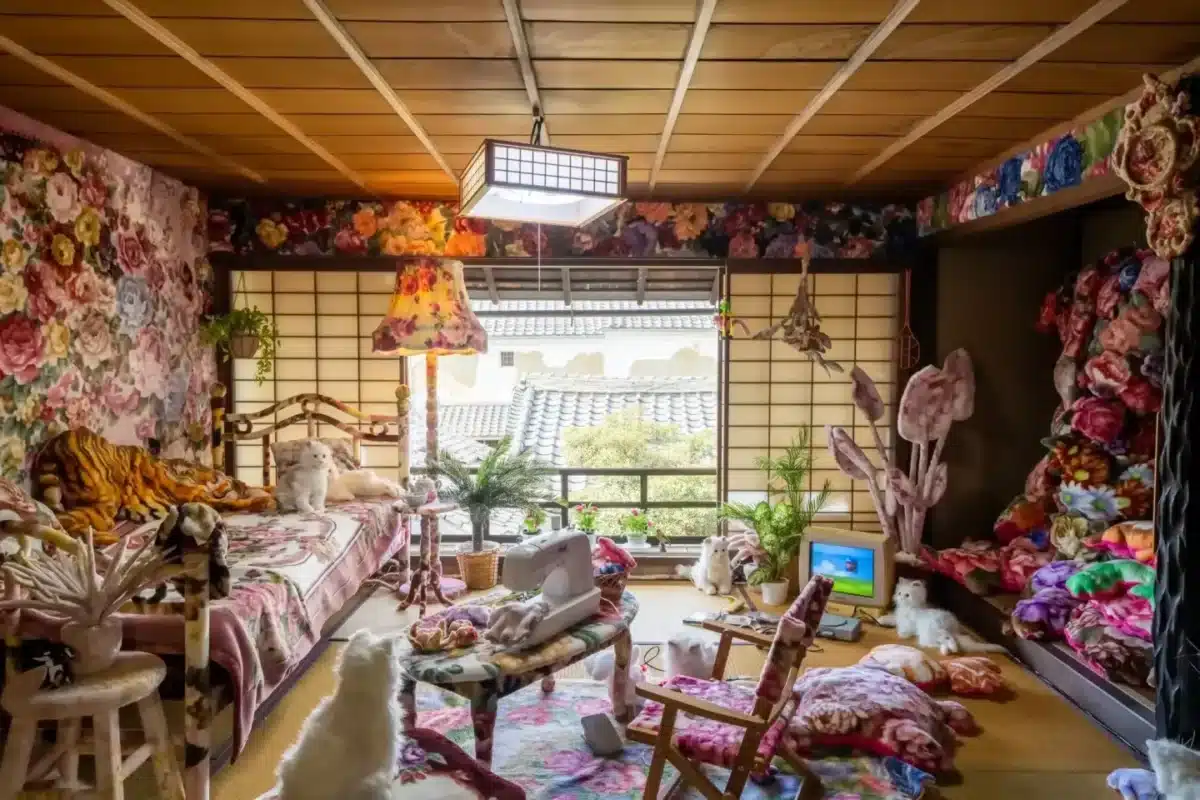
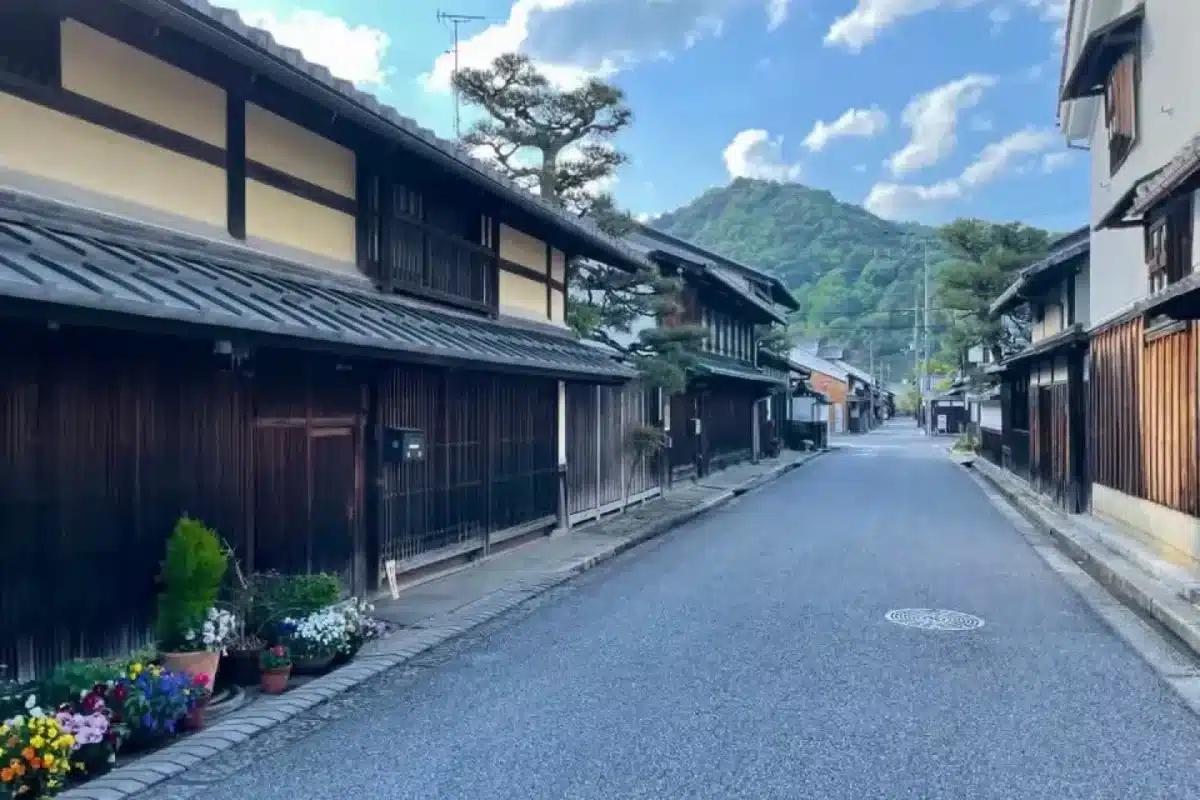
The Biwako Biennale is a prestigious international art festival held every two years, set against the breathtaking backdrop of Shiga Prefecture, particularly the historic town of Omihachiman. Since its inception, this independent festival has transformed the quiet, atmospheric backstreets, ancient merchant houses, and historic temples of the region into a living gallery. By utilizing long-vacant traditional Japanese residences and landmarks, the biennale breathes new life into forgotten spaces, encouraging both residents and visitors to rediscover the charm of traditional architecture while engaging with cutting-edge contemporary art.
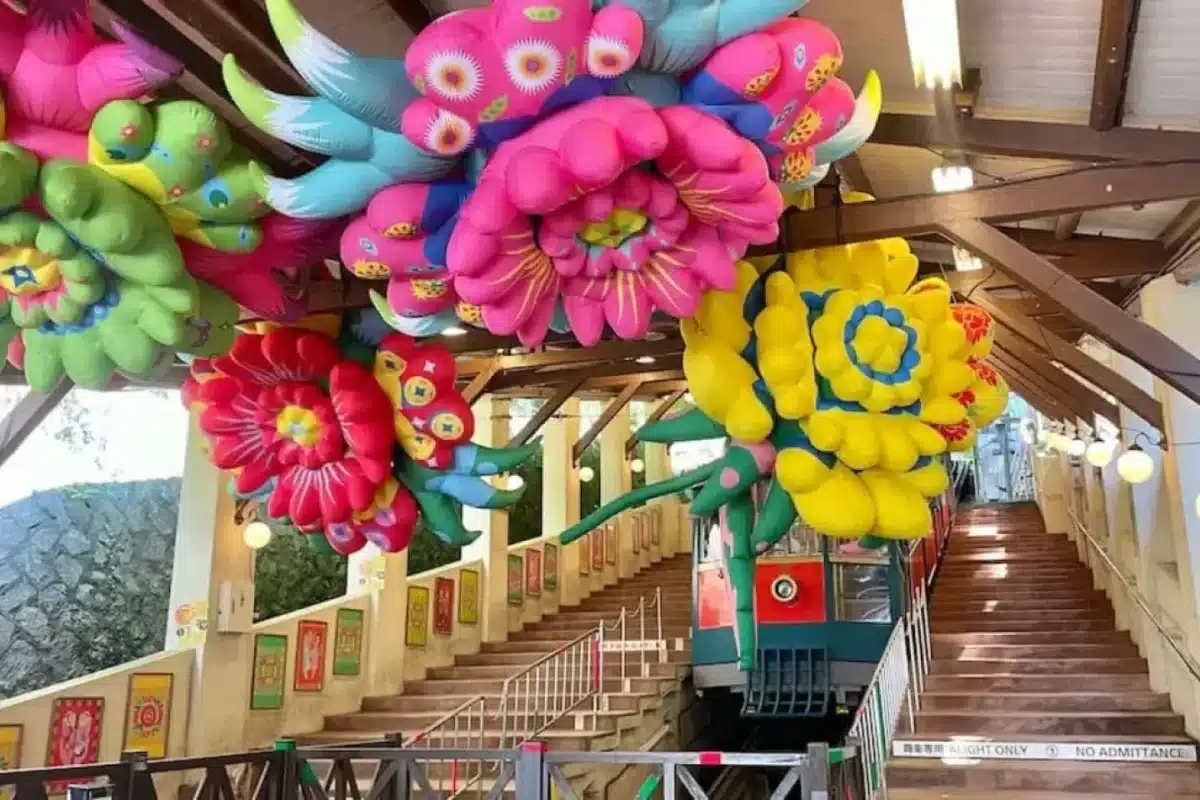
The event serves as a magnificent symphony of creativity, bringing together artists from Japan and across the globe to curate installations that respond to the unique spirit of each venue. Visitors are invited to explore three distinct, culturally rich areas: the Omihachiman Old Town, the scenic Chomyoji Temple, and the remote Okishima Island—the only inhabited island on Lake Biwa. This festival is not merely an exhibition; it is an immersive journey that challenges the senses and encourages a deep dialogue between historical legacy and modern artistic expression.
As one of the oldest and most significant regional art festivals in Japan, the Biwako Biennale continues to champion the philosophy of regional regeneration through art. The curators and local volunteers work tirelessly to preserve the town’s history, ensuring that each installation feels deeply connected to the land. Whether you are wandering through the merchant district or taking a boat to the island, you will find an environment where the boundaries between nature, history, and art dissolve, offering a profound sense of cultural connection and contemplative discovery.
Enjoy Your Event Stress-Free with Japan Travelo
Do you know? Planning events, festivals, concerts, and cultural experiences in Japan can be overwhelming. Japan Travelo brings everything together in one place, helping you manage your itinerary, transport, and accommodation with ease—so you can enjoy Japan without the stress of planning.
Event Highlights
- Explore immersive contemporary art installations housed within authentic, centuries-old Japanese merchant residences.
- Traverse three unique and culturally significant regions: the historic streets of Omihachiman, the mountaintop Chomyoji Temple, and the tranquil Lake Biwa island of Okishima.
- Participate in a regional regeneration project that celebrates and preserves local heritage through the lens of modern creativity.
- Experience the harmonious integration of art and nature as you travel between venues by boat or walking paths across the Shiga landscape.
Why Attend
This event is ideal for art lovers, cultural anthropologists, and adventurous travelers who appreciate the intersection of history and modern design. It offers a rare opportunity to experience the “soul” of regional Japan, far from the typical tourist trails, by interacting with art in spaces that have stood for hundreds of years.
Attending the Biwako Biennale provides a transformative experience for those who value quiet contemplation and deep cultural exploration. The festival is highly recommended for its unique ability to turn a traditional town into a modern art hub, making it an essential destination for anyone looking to understand the evolving identity of Japanese regional life and the enduring power of community-led arts initiatives.
Date & Duration
- Event Date: Mid-September to Mid-November 2026
- Event Duration: The festival spans approximately two months, allowing visitors ample time to explore all three regions at a relaxed, thoughtful pace.
Visiting this event? Don’t miss out on these amazing activities and local experiences while you’re here.
Ticket Information
- How Tickets Are Sold: Tickets are available for purchase online through the official festival website or at primary visitor centers in Omihachiman.
- Admission Type: Passport-style tickets are typically available, granting access to multiple art venues across all three designated areas throughout the duration of the event.
- Ticket Pricing: Pricing ranges from approximately $15 for a single-day admission to $35 for an all-access event passport.
- Special Seating Options: There are no formal seating requirements as the event involves walking tours through various indoor and outdoor installations.
- VIP Options: Exclusive guided tours or artist-led walkthroughs may be available for an additional fee, offering behind-the-scenes insights into the curation process.
Venue / Location
- City and Country: Omihachiman, Shiga Prefecture, Japan
- Venue Name: Multiple venues across Omihachiman Old Town, Chomyoji Temple, and Okishima Island
- Google Maps Address: Omihachiman City, Shiga Prefecture, Japan (Central Hub)
Contact Information
- Email: info@energyfield.org
- Phone Number: +81 748-32-7002
- Official Website: https://energyfield.org/biwakobiennale/
Accommodation Options:
Omihachiman and the surrounding Shiga area provide a variety of lodging options perfect for festival-goers. Visitors can choose to stay in modern business hotels near Omihachiman Station for convenience, or immerse themselves in the local atmosphere by booking a stay at a traditional Japanese inn (ryokan) located within the preserved old town.
Given that the festival attracts art enthusiasts from all over the world, it is advisable to secure your accommodation at least one month in advance. Staying within the old town allows you to experience the morning and evening serenity of the merchant district, providing a unique vantage point that is otherwise missed by day-trippers.
Getting There
- Nearest Airport: Kansai International Airport (KIX), with train connections via Osaka and Kyoto.
- Nearest Train/Metro Station: Omihachiman Station (JR Biwako Line).
- Bus Routes or Public Transport Options: Local circuit buses operate between the main train station and the various festival venue zones.
- Parking Availability: Public parking lots are available at the main Omihachiman visitor entrances; however, parking is limited near specific historic houses and temple zones.
- Directions by Car: Take the Meishin Expressway and exit at the Ryuo or Yokaichi interchange, then follow local signs toward Omihachiman City center.
Dining Recommendations
Breakfast Recommendations:
- Local bakeries in the Omihachiman old town district known for artisan breads and coffee.
- Hotel breakfast services featuring locally grown Shiga rice and seasonal vegetables.
- Small morning markets where you can sample fresh fruit and local tea.
Lunch Recommendations:
- Omi Beef specialty restaurants, showcasing the region’s most famous culinary export.
- Casual eateries near the Hachiman-bori canal serving traditional udon and soba noodles.
- Island-style lunch spots on Okishima, offering freshly caught lake fish specialties.
Dinner Recommendations:
- Elegant Japanese-style restaurants located in renovated historical buildings in the old town.
- Local izakayas near the station, where you can pair seasonal dishes with local Shiga sake.
- Lakeside restaurants with views of Lake Biwa, offering a peaceful atmosphere to reflect on the day’s art.
Local Specialties to Try:
- Omi Beef, recognized as one of Japan’s premier wagyu brands.
- Funazushi, a traditional fermented sushi made from Lake Biwa crucian carp.
- Akoyakai (freshwater pearl) themed sweets available in local confectioneries.
What is this event?
The Biwako Biennale is a biennial international art festival that transforms the historic landscapes of Omihachiman and Lake Biwa into contemporary exhibition spaces. It is a fusion of art, architecture, and local culture that showcases the creative talent of both emerging and established artists.
By repurposing historic buildings and natural sites, the event invites audiences to experience a deeper connection with the environment. It celebrates the concept of flux and change, reflecting the spirit of the region and its people.
Why is it popular?
It is popular because it offers a unique, intimate experience that contrasts sharply with the massive, sterile environment of traditional urban art museums. Visitors love the opportunity to wander through centuries-old houses and temples while discovering surprising, modern installations.
The scenic beauty of Lake Biwa combined with the architectural history of the town creates a visually and emotionally resonant experience. It is a destination that feels like a secret journey, rewarding those who take the time to explore its many hidden corners.
Tips before you go
- Plan for plenty of walking, as the festival is spread across multiple venues, including hillside temple climbs and island paths.
- Wear comfortable shoes that are easy to slip on and off, as many of the historical houses require you to remove your shoes before entering.
- Carry a portable charger, as you will likely be taking numerous photographs and checking digital maps throughout the day.
- Purchase an event passport at the start of your trip to get the best value and access to all designated exhibition sites.
- Check the festival website for special events such as artist talks, workshops, or concerts that might be scheduled during your visit.
Tips for First-Time Visitors
- Allocate at least two full days to visit the festival, as it is difficult to appreciate all three regions—the Old Town, Chomyoji, and Okishima—in a single afternoon.
- Use the official circuit buses and boat services provided by the festival, as they are the most convenient way to travel between the dispersed venues and the island.
- Don’t hesitate to interact with the local volunteers at each venue; they often provide fascinating background stories about the specific historic building you are visiting.
- Pack a light jacket, as the weather near Lake Biwa can become quite cool and breezy during the months of September through November.
- Keep an eye out for hidden “micro-installations” that are tucked into alleyways and traditional gardens, which are often the most delightful finds for first-time explorers.
- Take breaks in the local tea houses in Omihachiman, as they provide an excellent opportunity to experience local hospitality and soak in the historical atmosphere.
Attendee Experiences
- Exploring the abandoned merchant houses filled with avant-garde art was an experience that felt like stepping into a dream.
- Taking the boat out to Okishima Island was the highlight of the trip, offering a peaceful and authentic glimpse into the lives of the islanders alongside the beautiful art.
- The way the contemporary installations complemented the ancient, creaky wood of the old buildings made me appreciate Japanese architecture in a way I never had before.
Video
Location
FAQ
Is the festival accessible for those who cannot walk long distances?
While the town itself is relatively flat, some historic houses have steep stairs, and the temple area involves a climb. We recommend checking the official website for an accessibility map, which identifies specific venues that offer barrier-free access or ground-floor-only viewing options.
Can I bring children to the festival?
Yes, families are welcome, and the festival provides a unique cultural education experience for children. Please note that because some venues are preserved historic homes, children must be supervised at all times to ensure the art installations and historical artifacts remain undisturbed.
Are there guided tours available in English?
The festival primarily provides information and signage in Japanese, though some major venues may offer English-language pamphlets. It is highly recommended to use a translation app or contact the festival office in advance to inquire about the availability of English-speaking volunteer guides.
Do I need a separate ticket for the boat trip to Okishima?
Access to Okishima usually requires a standard local ferry, which is separate from the festival passport. Please check the current festival transit guide, as they sometimes partner with local boat services to provide discounted or integrated transport for passport holders during the event.
Can I take photos of the art installations?
Photography rules vary by artist and venue, so please look for signage at the entrance of each location. Generally, photography is allowed for personal, non-commercial use, but please be respectful and refrain from using flash to preserve the integrity of the delicate materials and traditional interiors.

Leave a Reply