
-
July 25, 2026
Event date:
-
July 26, 2026
Event end:
Overview
The Kamimizo Summer Festival, affectionately known as Tenno-sama by local residents, is a vibrant and deeply traditional celebration with roots reaching back to the Edo period. Located in the Kamimizo district of Sagamihara City, Kanagawa Prefecture, this event serves as a powerful spiritual invocation. Participants honor the deity Susanoonomikoto, invited from the historic Yasaka Shrine in Kyoto and enshrined locally as Yasakaominokami, to pray for the driving away of illness, the promise of a bountiful harvest, and the continued safety of their homes.
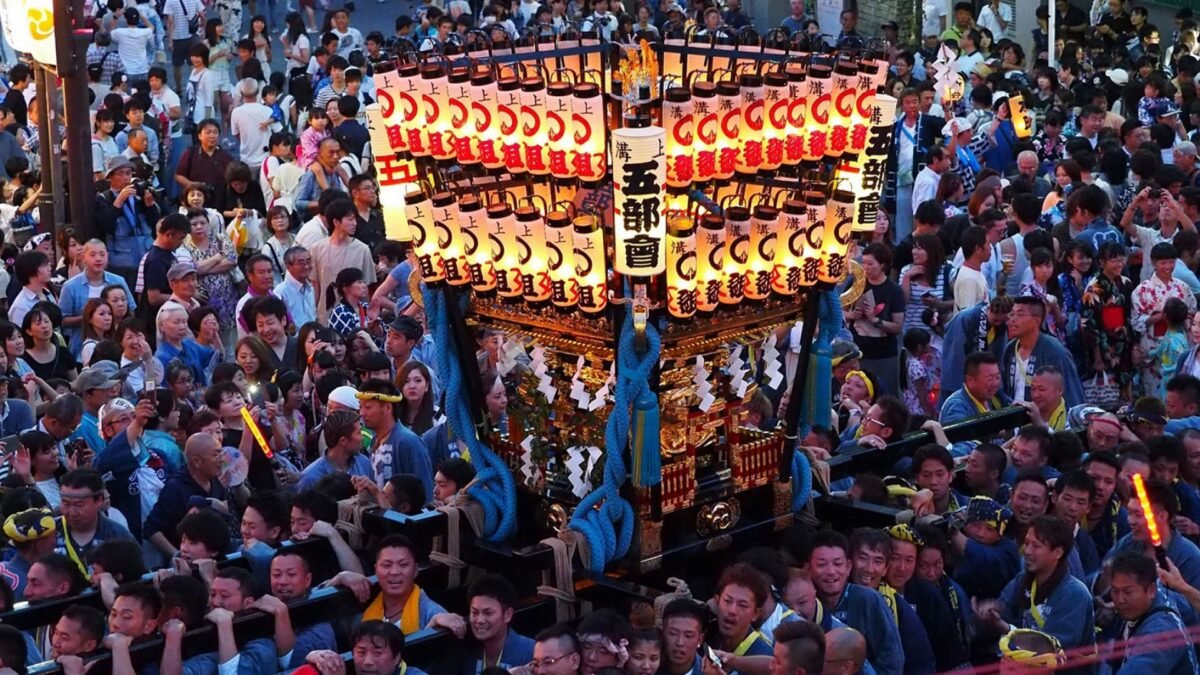
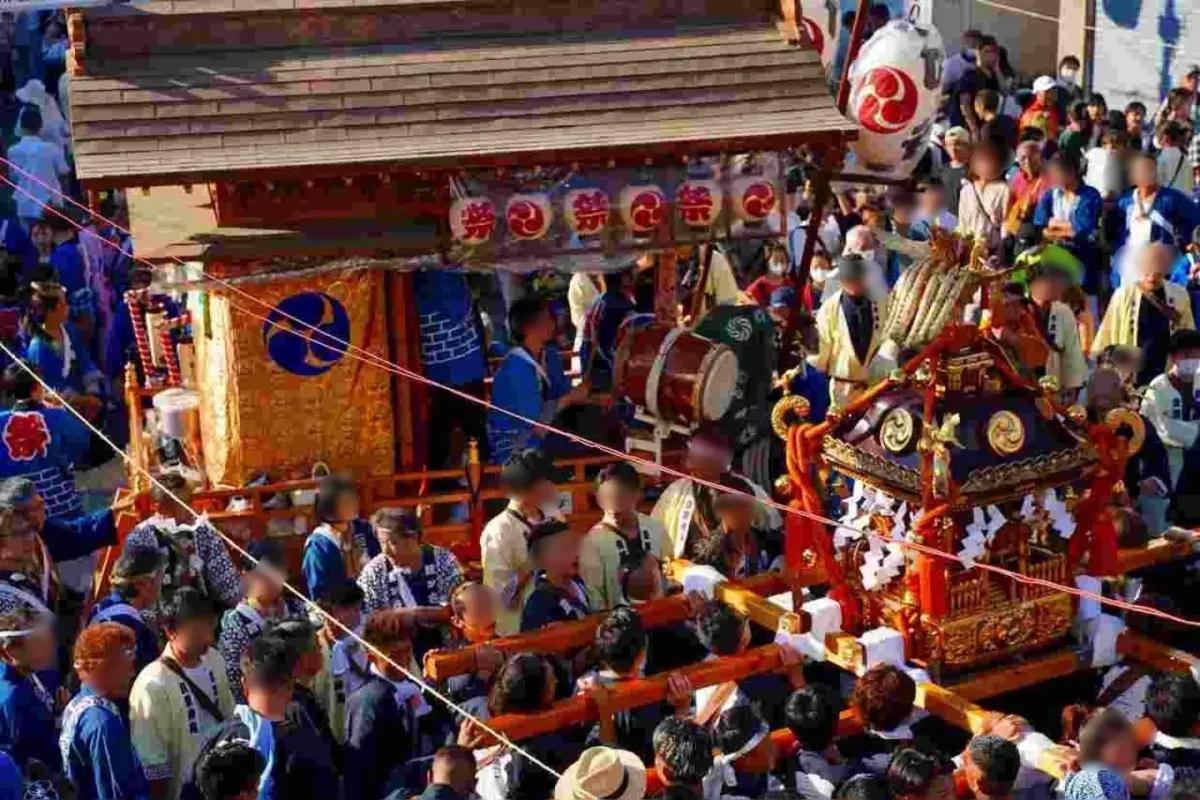
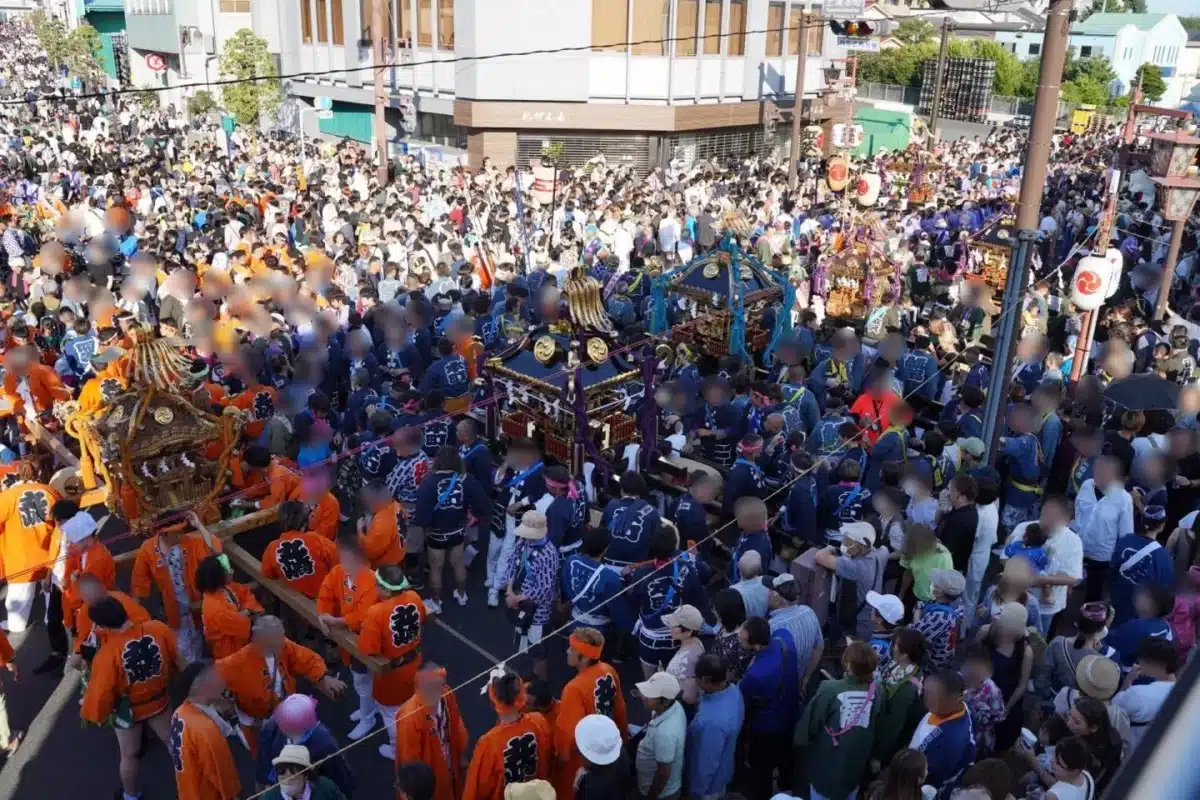
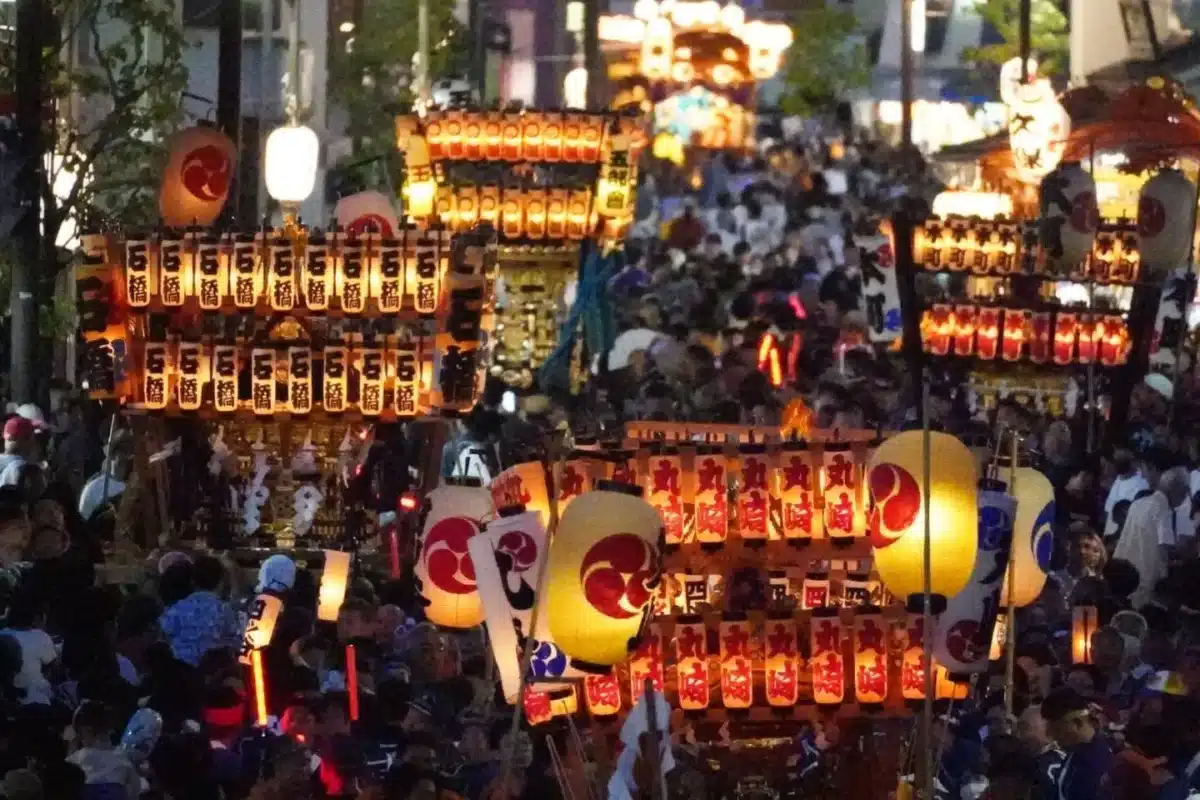
As the largest festival in northern Kanagawa, this event is a spectacular display of communal devotion and energy. The streets of Kamimizo come alive with the thunderous rhythm of traditional music and the sight of more than 20 intricately crafted portable shrines (mikoshi) and eight elaborate festival cars (dashi) parading through the district. With a rich history that has fostered a strong sense of community pride, the festival draws hundreds of thousands of visitors each year, offering an authentic and breathtaking look at Japanese heritage in motion.
Attending this festival provides a rare opportunity to witness a living tradition that remains central to the identity of the Kamimizo people. From the meticulous care put into the preparation of the festival cars to the sheer physical effort of the teams carrying the heavy portable shrines, every aspect of the event is designed to inspire awe. Whether you are caught up in the excitement of the parade or observing the solemnity of the rituals, the festival offers an immersive, cultural experience that captures the heart and soul of a Japanese summer.
Enjoy Your Event Stress-Free with Japan Travelo
Do you know? Planning events, festivals, concerts, and cultural experiences in Japan can be overwhelming. Japan Travelo brings everything together in one place, helping you manage your itinerary, transport, and accommodation with ease—so you can enjoy Japan without the stress of planning.
Event Highlights
- The majestic parade of over 20 ornate portable shrines, known as mikoshi, carried through the district by dedicated local teams.
- A procession of eight grand traditional festival cars called dashi, featuring exquisite craftsmanship and historical significance.
- Authentic festival energy defined by traditional music, rhythmic chanting, and the passionate participation of local neighborhood councils.
- A wide variety of traditional Japanese yatai (food stalls) offering classic summer festival snacks like yakisoba, takoyaki, and chilled treats.
Why Attend
This festival is the perfect destination for travelers and locals seeking an authentic cultural experience away from the highly commercialized urban celebrations. It is ideal for those interested in photography, Japanese folklore, and the history of traditional community festivals. By attending, you are supporting a living tradition and gaining a deeper understanding of the local beliefs and rituals that have bound the residents of Kamimizo together for centuries.
The event is particularly rewarding for visitors who appreciate the raw, powerful energy of a community-run festival. Whether you are watching the shrine carriers move in perfect harmony or simply wandering through the historic streets amidst the festive atmosphere, you will benefit from a genuine encounter with Japanese culture. It is an ideal setting for families, cultural enthusiasts, and anyone looking to experience the true, historic pulse of Kanagawa during the peak of summer.
Date & Duration:
- Event Date: July 25th – July 26th 2026
- Event Duration: Two days of traditional processions, rituals, and lively street celebrations
Visiting this event? Don’t miss out on these amazing activities and local experiences while you’re here.
Ticket Information:
- How Tickets Are Sold: No tickets are required as this is a traditional, public street festival.
- Admission Type: Free Admission
- Ticket Pricing: Free Admission
- Special Seating Options: There are no reserved seating areas as the festival takes place along public roads and shrine areas.
- VIP Options: There are no VIP tiers or exclusive access packages for this community event.
Venue / Location:
- City and Country: Sagamihara, Japan
- Venue Name: Kamimizo District (centered around Kamimizo Station and surrounding streets)
- Google Maps Address: Kamimizo, Chuo Ward, Sagamihara, Kanagawa 252-0243, Japan
Contact Information:
- Official Website: https://kamimizomatsuri.jp/
Accommodation Options:
Visitors typically find accommodation options in the central Sagamihara area or near Hashimoto Station, which provides excellent rail connectivity to the rest of the Kanagawa region. While there are a limited number of hotels directly within the quiet residential streets of Kamimizo, the surrounding city centers offer a range of modern business hotels that are well-suited for travelers attending the festival.
Because the festival draws significant crowds to the district, it is highly recommended to secure your lodging in the greater Sagamihara or Hashimoto area well in advance. Staying within reach of the JR Sagami Line ensures that you can easily travel to and from the festival grounds, allowing you to enjoy the evening festivities before returning to a comfortable base for the night.
Getting There:
- Nearest Airport: Tokyo Haneda Airport (HND) is the most convenient international hub, located approximately 60 to 90 minutes away by train or bus.
- Nearest Train/Metro Station: Kamimizo Station on the JR Sagami Line provides direct access to the festival area.
- Bus Routes or Public Transport Options: Local buses run frequently within Sagamihara city, connecting various residential districts to the Kamimizo station area.
- Parking Availability: Public parking is extremely limited during the festival due to road closures; utilizing the local rail network is strongly encouraged.
- Directions by Car: Accessible via major regional highways; however, due to extensive festival-related traffic restrictions, public transport is the recommended mode of arrival.
Dining Recommendations:
Breakfast Recommendations:
- A quick and hearty breakfast from local bakeries or convenience stores located near Sagamihara or Hashimoto Station.
- Traditional Japanese set meals featuring grilled fish and rice at local restaurants in the city center.
- Fresh coffee and light western-style pastries at cafes situated in the commercial districts near the train hubs.
Lunch Recommendations:
- Classic festival street food such as yakisoba, takoyaki, and grilled corn available at the numerous stalls lining the festival route.
- Local ramen shops in the Kamimizo area, famous for their savory broths and regionally influenced noodle textures.
- Casual lunch sets at family-friendly restaurants located a short walk from the main festival parade path.
Dinner Recommendations:
- Traditional izakaya-style dining experiences in Sagamihara, offering a wide array of regional small plates and cool summer drinks.
- Hearty portions of Japanese curry or rice bowls at local eateries near the station.
- A variety of international and Japanese dishes available in the vibrant dining areas surrounding the major station hubs in Sagamihara.
Local Specialties to Try:
- Traditional festival snacks like okonomiyaki, which are frequently sold at the temporary stalls during the event.
- Cold summer treats, including kakigori, which are essential for staying refreshed while walking through the festival grounds.
- Local seasonal produce from the Kanagawa region, often featured in the menus of restaurants near the Kamimizo district.
What is this event?
The Kamimizo Summer Festival is a historic traditional celebration dedicated to honoring the deity Susanoonomikoto to ensure community health and prosperity. It is a long-standing local tradition that sees residents come together to parade massive portable shrines and decorative festival cars through the streets.
This festival serves as a cornerstone of the Kamimizo district’s identity, preserving cultural rituals that date back to the Edo period. It is a living exhibition of local devotion, teamwork, and historical artistry that brings the entire community to the streets for two days of celebration.
Why is it popular?
The festival is immensely popular for being one of the largest and most authentic summer events in northern Kanagawa, attracting hundreds of thousands of spectators. Its appeal lies in the rare, majestic sight of so many portable shrines and festival cars congregating in one place, creating a powerful, high-energy atmosphere.
Beyond the visuals, the festival remains deeply grounded in community participation, making it feel like a genuine home-grown celebration rather than a tourist attraction. The combination of its spiritual significance, historical depth, and the palpable excitement of the local residents keeps it a favorite for those seeking an unforgettable Japanese summer experience.
Tips before you go
- Wear lightweight, breathable clothing as the late July weather can be very humid and warm during the day.
- Bring comfortable walking shoes, as the festival is best experienced by exploring the various streets where the parades and food stalls are located.
- Carry a portable fan or a folding fan (uchiwa), which are very popular among festival-goers and help significantly with the heat.
- Be prepared for very large crowds, especially around the main procession routes; keeping track of your companions is essential.
- Respect the procession participants and photographers by following all instructions from the festival staff and volunteers who manage the crowds.
Tips for First-Time Visitors
- Plan your departure route ahead of time, as trains at Kamimizo Station become exceptionally busy following the conclusion of the evening festivities.
- Seek out the festival headquarters or information booths if you want to understand the current location and schedule of the different portable shrine groups.
- Observe the etiquette of the parade; avoid blocking the path of the shrine carriers and always step aside when the massive festival cars (dashi) are moving through.
- Stay hydrated by drinking plenty of water, and take advantage of the many beverage stalls if you feel overheated.
- Familiarize yourself with the layout of the district; the festival is spread out over several streets, and exploring the side areas can often lead to finding the best food stalls with shorter lines.
- Take your time to appreciate the intricate details on the festival cars; they are often the result of generations of craftsmanship and are a highlight of the local artistic heritage.
Attendee Experiences
- The sight of the massive, ornate festival cars being pulled through the narrow streets is truly a memory I will never forget.
- You can feel the sheer passion and energy of the local teams as they carry the shrines; it is a very powerful and moving experience.
- It is so easy to get caught up in the festive spirit here, the food stalls are fantastic and the music makes you feel like you are part of the family.
Video
Location
FAQ
What is the significance of the portable shrines (mikoshi) in the festival?
The portable shrines are used to host the deity during the festival, allowing the sacred spirit to travel through the local neighborhood. Carrying these shrines is a ritualistic act of devotion meant to bring good health, prosperity, and protection against misfortune to the entire community.
Can visitors join in the carrying of the portable shrines?
The carrying of the portable shrines is handled by specific neighborhood councils and groups that have prepared for the event for months. While visitors are encouraged to cheer, applaud, and participate in the street festivities, the actual lifting of the shrines is reserved for the designated participants.
Is this festival suitable for families with small children?
Yes, the festival is a family-friendly community event that welcomes everyone to enjoy the food, music, and parade. However, due to the large, dense crowds and the movement of heavy shrine equipment, parents should ensure they keep a firm hold on their children at all times.
How should I behave when a festival parade is passing by?
The most important rule is to stay out of the path of the parade and ensure you do not block the movement of the shrines or cars. It is also respectful to refrain from using flash photography if you are very close to the ritual participants or the portable shrines themselves.
Are there restrooms available for public use during the festival?
There are public facilities available, but they can become quite crowded during the peak of the festival hours. It is advisable to use facilities in larger public buildings or stations before you enter the heart of the festival zone to avoid long wait times.

Leave a Reply