
-
July 14, 2027
Event date:
-
July 14, 2027
Event end:
Overview
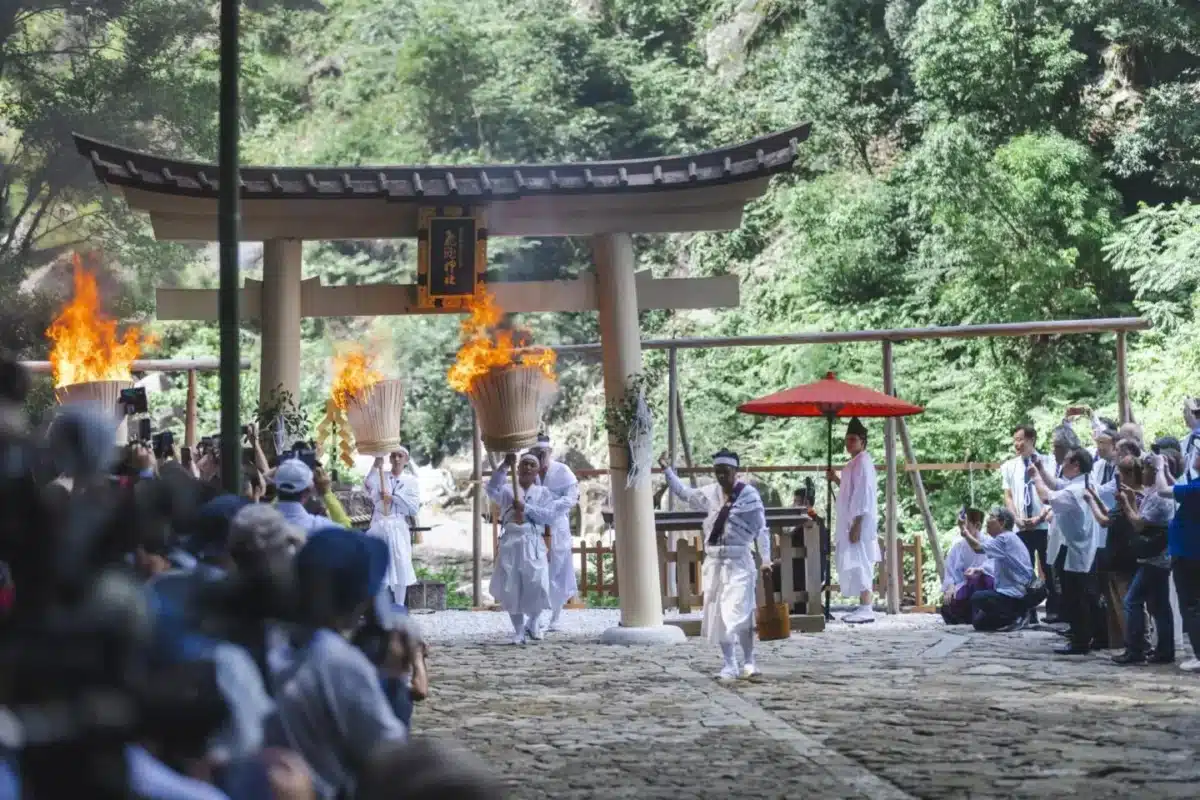
The Nachi Fire Festival, officially known as the Nachi-no-Ogi Matsuri, stands as one of Japan’s three most significant fire festivals. Dating back nearly 1,700 years, this magnificent ritual commemorates the sacred history of the Kumano Nachi Taisha Grand Shrine. The festival serves as a symbolic homecoming, where the deities of the Kumano region temporarily return to their ancestral home at the base of the majestic Nachi Waterfall to be purified and renewed.
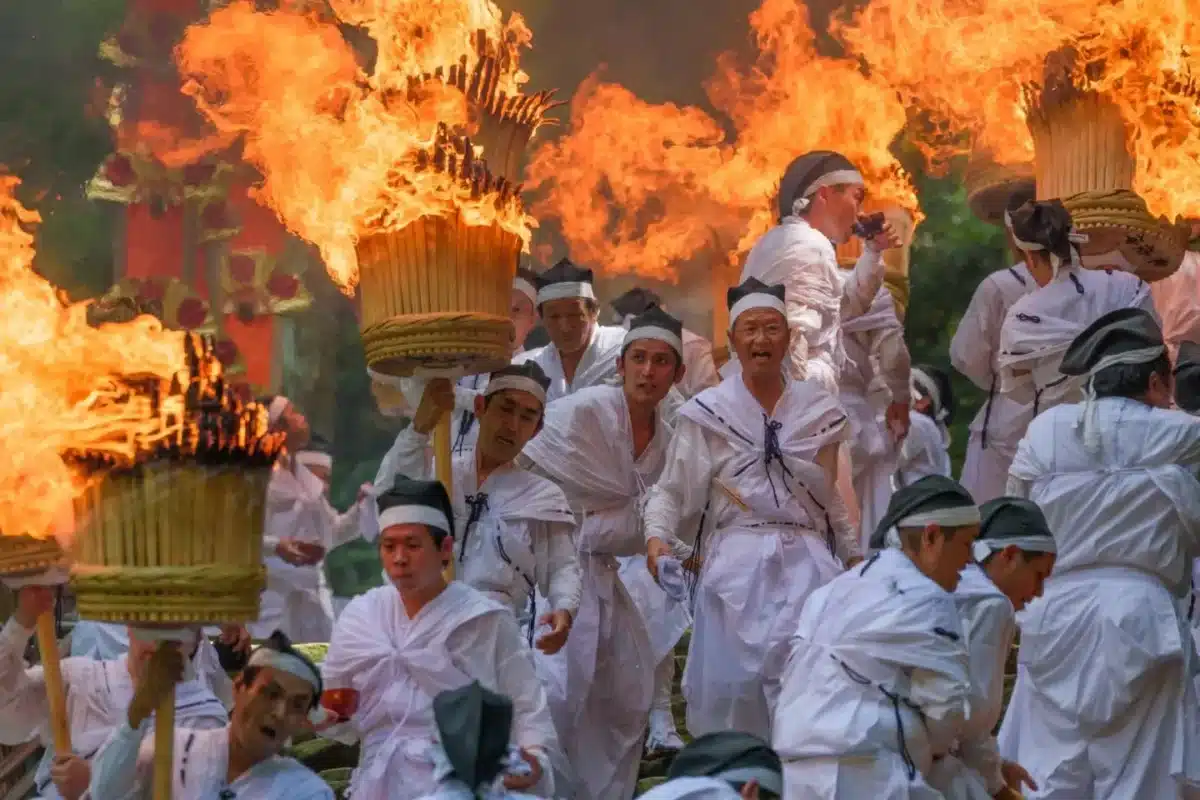
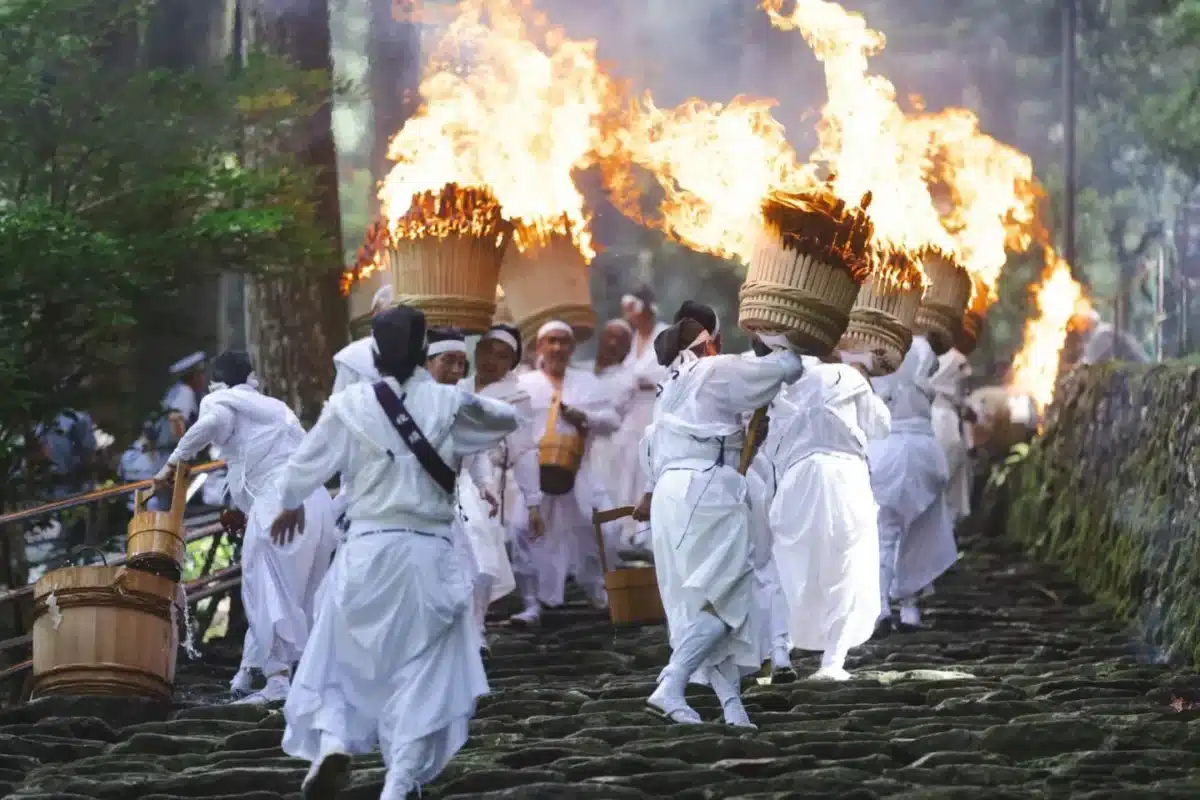
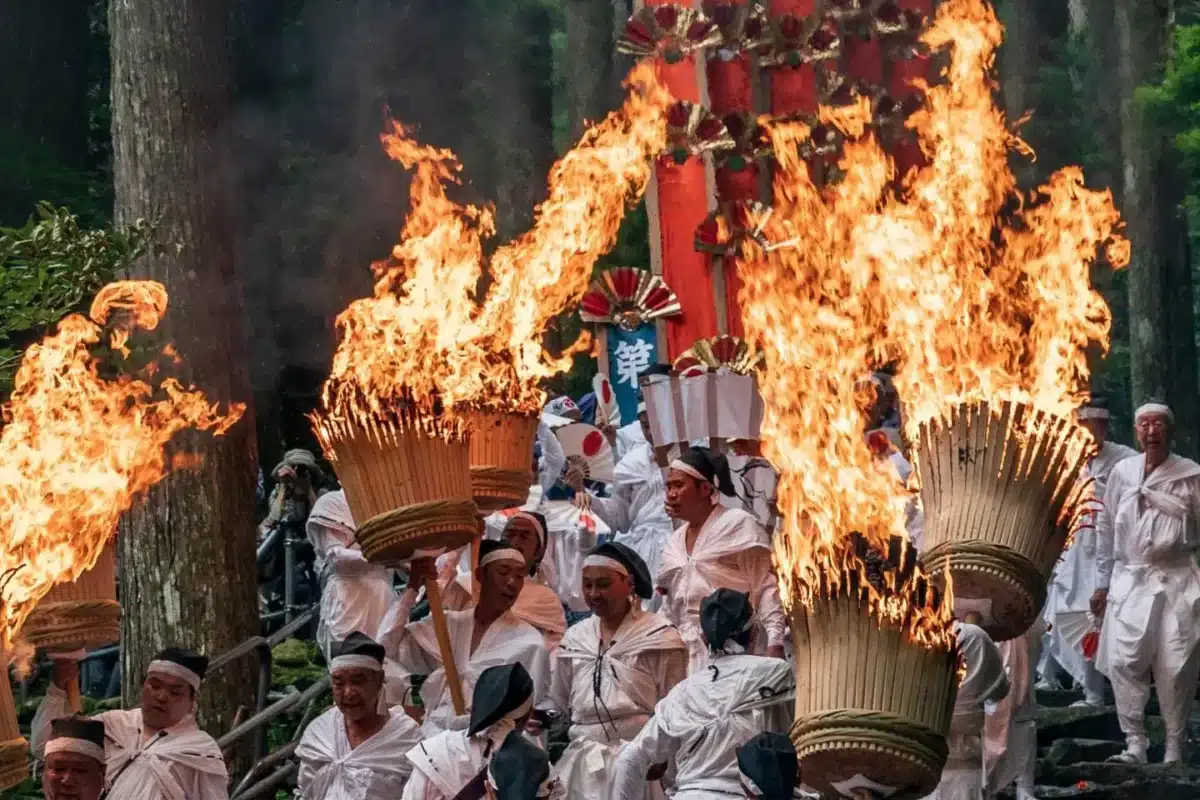
This summer event is a profound cultural spectacle, drawing thousands of spectators to the ancient cedar forests of the Kii Peninsula. The main highlight features twelve enormous, fan-shaped portable shrines, known as ogi mikoshi, which are six meters in height and decorated with vibrant sunburst patterns. As these shrines are processed down the sacred mountain paths, they are purified by the flames of massive, hand-carried torches that weigh upwards of 50 kilograms each.
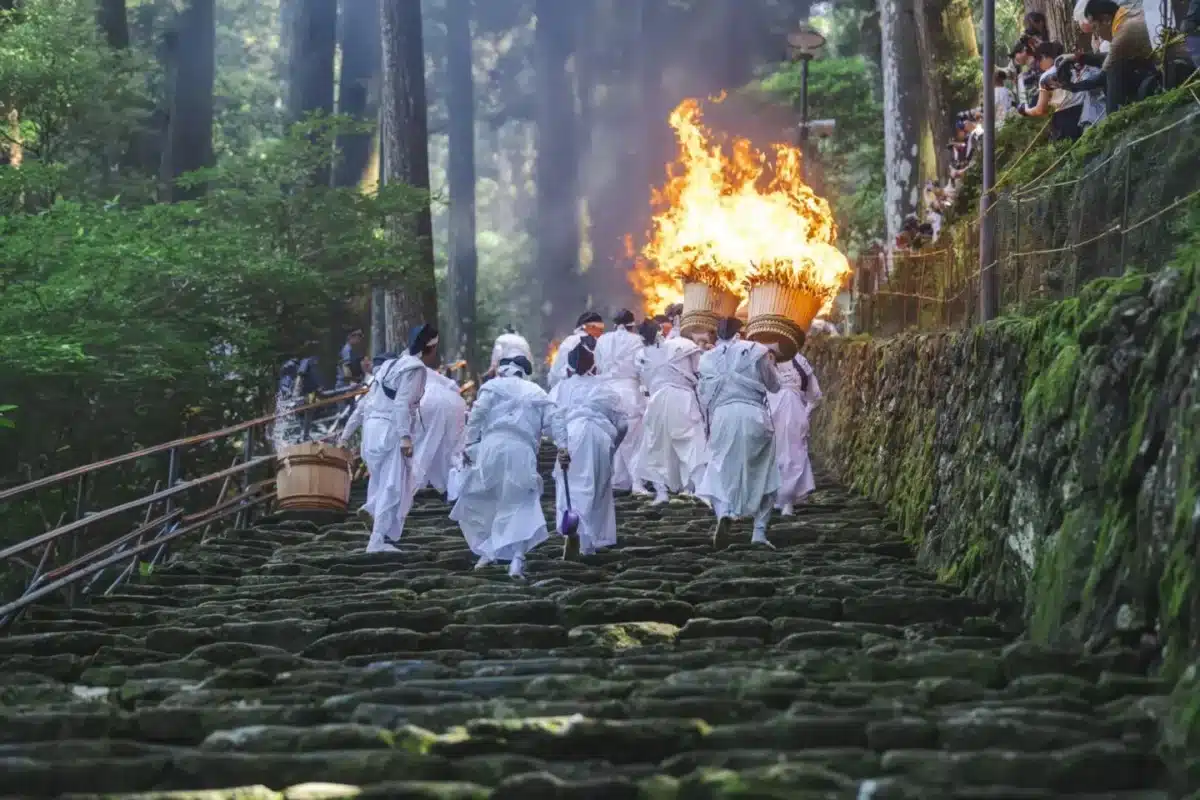
The festival is a testament to enduring Shinto traditions, bridging the gap between the ancient past and the present. Surrounded by the misty forest and the thundering sound of the waterfall, the sight of firebearers moving through the dark, verdant landscape creates an unforgettable atmosphere of spiritual intensity and community devotion. It remains a pinnacle of Japanese midsummer traditions, attracting art enthusiasts, photographers, and those seeking a deep connection with the spiritual heritage of the Kumano Kodo pilgrimage routes.
Enjoy Your Event Stress-Free with Japan Travelo
Do you know? Planning events, festivals, concerts, and cultural experiences in Japan can be overwhelming. Japan Travelo brings everything together in one place, helping you manage your itinerary, transport, and accommodation with ease—so you can enjoy Japan without the stress of planning.
Event Highlights
- Witness the awe-inspiring procession of twelve six-meter-tall ogi mikoshi, each adorned with sun-disc fans and ritual mirrors representing the mountain deities.
- Observe the intense fire ceremony where strong men carry massive 50-kilogram bamboo torches, lighting the way through the ancient cedar-lined forest paths.
- Experience the spiritual purification rituals held at the base of Nachi Waterfall, the tallest waterfall in Japan, providing a stunning natural backdrop to the festivities.
- Engage with the authentic atmosphere of one of Japan’s most historic Shinto rituals, which has been preserved in its traditional form for over a millennium.
Why Attend
The Nachi Fire Festival is an essential experience for those who appreciate deep cultural history, traditional Shinto rites, and unique natural scenery. It is ideal for photographers looking to capture the dramatic contrast between the brilliant firelight and the ancient forest, as well as travelers on the Kumano Kodo pilgrimage path who wish to witness the living history of the region.
Attending this festival provides a rare opportunity to observe a tradition that has remained largely unchanged for centuries. By participating, you gain a better understanding of the profound relationship between Japanese culture and its veneration of nature, specifically the sacred waterfall that stands at the heart of the region’s spiritual identity.
Date & Duration
- Event Date: July 14, 2027
- Event Duration: The festivities typically occur throughout the day, commencing around 10:00 am, with the peak Fire Ceremony taking place at approximately 2:00 pm.
Visiting this event? Don’t miss out on these amazing activities and local experiences while you’re here.
Ticket Information
- How Tickets Are Sold: The event is a public ritual held in an open shrine and waterfall area; there is no ticket required for general viewing.
- Admission Type: Free Admission is available for all visitors, allowing everyone to witness the procession along the mountain paths.
- Ticket Pricing: Free Admission.
- Special Seating Options: There is no assigned seating; spectators must find a spot along the shrine path or near the waterfall early in the day.
- VIP Options: Certain areas near the Hiro Shrine waterfall basin may be cordoned off for official or special viewing, but these are not typically available for general public purchase.
Venue / Location
- City and Country: Nachikatsuura, Japan
- Venue Name: Kumano Nachi Taisha and Nachi Waterfall (Hiro-jinja Shrine)
- Google Maps Address: 1 Nachisan, Nachikatsuura, Higashimuro District, Wakayama 649-5301, Japan
Contact Information
- Email: info@nachikan.jp
- Phone Number: +81 735-52-5311
- Official Website: https://nachikan.jp/en/
Accommodation Options:
Lodging in the Nachisan area is extremely limited, so it is highly recommended to secure reservations months in advance. Many visitors prefer staying in the nearby town of Kii-Katsuura, which is known for its world-class tuna and traditional hot spring resorts.
Staying in Kii-Katsuura provides the best access to the bus network that connects to the mountain, while also offering a variety of hotel styles from modern spas to classic Japanese ryokans. For those seeking the closest possible proximity, there are a few guesthouses located directly on the mountain, though these fill up rapidly for the festival dates.
Getting There
- Nearest Airport: Nanki-Shirahama Airport is the closest regional hub, approximately 90 minutes away by car or train.
- Nearest Train/Metro Station: Kii-Katsuura Station is the primary rail gateway, reachable via the JR Kinokuni Line.
- Bus Routes or Public Transport Options: Dedicated local buses run frequently from Kii-Katsuura Station to the Nachisan stop, which serves the shrine and waterfall.
- Parking Availability: Parking is extremely scarce near the festival site; festival organizers typically advise against driving as access is restricted to a one-way system.
- Directions by Car: Follow Route 42 through the coastal towns and take the turnoff toward Nachisan, though parking near the shrine is not guaranteed for event days.
Dining Recommendations
Breakfast Recommendations:
- Local bakeries in Kii-Katsuura offer fresh, artisanal pastries and coffee perfect for an early start before catching the bus.
- Many hotels in the Kii-Katsuura harbor area provide hearty, multi-course Japanese-style breakfast sets to fuel your mountain trek.
- Convenience stores near the station are reliable options for quick, grab-and-go rice balls and drinks for your morning journey.
Lunch Recommendations:
- The area surrounding the Nachi shrine path features small stalls selling traditional light meals like udon and soba.
- Several mountain teahouses along the pilgrimage path offer refreshing green tea and seasonal snacks.
- Packed lunches from local Kii-Katsuura markets are highly recommended, as on-site dining options during the peak festival hours can be crowded.
Dinner Recommendations:
- Visit the restaurants around Kii-Katsuura harbor to enjoy the freshest local tuna, a delicacy for which the town is famous throughout Japan.
- Traditional izakayas in the town center offer a wide selection of local grilled fish, seasonal vegetables, and locally brewed sake.
- Hotel restaurants in the Kii-Katsuura resort area offer comprehensive dinner menus featuring both mountain and sea-based cuisines.
Local Specialties to Try:
- Katsuura Tuna, widely considered some of the highest-quality tuna in all of Japan, served as sashimi or in a donburi bowl.
- Mehari-zushi, a traditional local specialty consisting of rice balls wrapped in pickled mustard greens, perfect for portable festival eating.
- Sanma-zushi, a unique local sushi made with Pacific saury, reflecting the deep maritime heritage of the Wakayama region.
What is this event?
The Nachi Fire Festival is an annual Shinto ritual held at the Kumano Nachi Taisha Grand Shrine. It celebrates the renewal of the spirits of the mountain through a dramatic procession and torch ceremony.
The festival features massive, fan-shaped shrines and heavy fire torches being carried down sacred stone paths. It is a stunning display of ancient tradition and deep-rooted spiritual devotion at the base of the Kumano waterfall.
Why is it popular?
It is globally renowned as one of Japan’s “Three Great Fire Festivals” for its visual power and historical significance. The combination of fire, forest, and waterfall creates an unforgettable aesthetic experience.
Visitors are drawn to the rare chance to witness authentic, centuries-old rites that have been preserved in the heart of the Kii Peninsula mountains. It remains a must-see for those interested in the authentic, ancient soul of Japan.
Tips before you go
- Arrive at the shrine area as early as possible to secure a prime viewing spot along the stairs, as the best locations are claimed hours before the fire ceremony.
- Wear sturdy, comfortable footwear as you will be navigating steep stone paths and uneven terrain throughout the day.
- Bring plenty of water and sun protection, as the festival takes place in mid-July and the mountain heat can be quite intense.
- Prepare for unpredictable weather in the mountains by carrying a portable umbrella or raincoat, as summer showers are common in this region.
- Practice patience and respect toward local residents and other attendees, as this is a solemn religious event rather than a standard tourist show.
Tips for First-Time Visitors
- Focus your attention on the path near the Hiro Shrine base, as this is where the firebearers gather and the most famous rituals occur.
- Familiarize yourself with the bus schedule departing from Nachisan, as returning to Kii-Katsuura can take over an hour due to post-festival congestion.
- Do not obstruct the path of the procession; keep your cameras and personal items well back from the stones to allow the shrine bearers clear passage.
- Bring a small portable folding stool or a cushion if you plan to wait for several hours, as the stone steps are the only seating available.
- Respect the sanctity of the shrine grounds by disposing of all trash properly and keeping your voice at a moderate, respectful level throughout the rituals.
- Consider staying in Kii-Katsuura the night before to ensure you can reach the mountain base during the earliest morning bus rotations.
Attendee Experiences
- Seeing the giant torches lighting up the dark cedar forest path was the most magical and intense thing I have ever witnessed.
- The atmosphere was incredibly powerful, and despite the large crowds, everyone was surprisingly respectful and focused on the ritual itself.
- It is a long and physically demanding day, but watching the gods return to the waterfall is a memory that will stay with me forever.
Video
Location
FAQ
What is the significance of the fire in the festival?
The fire serves as a tool for ritual purification, a central concept in Shinto beliefs where flames are used to cleanse the area and the shrines of impurities. As the giant torches are carried down the mountain path, they sanctify the route for the portable fan shrines that house the visiting deities.
Are the torches really as heavy as they say?
Yes, the massive bamboo torches are hand-carried by dedicated festival participants and weigh approximately 50 kilograms each. The bearers demonstrate immense physical strength and discipline as they navigate the steep stone stairs while maintaining the flames amidst the summer heat.
Is it possible to take professional photography at the festival?
Casual photography is permitted for most of the event, but you must be mindful of cordoned-off areas and respect the participants during the ritual. Professional equipment like large tripods is strongly discouraged as they can block the paths and disturb the solemn atmosphere of the procession.
What should I do if I am not comfortable standing for a long time?
Since seating is extremely limited to the stone stairs or the surrounding ground, you may find the day challenging if you cannot stand for long periods. It is advisable to bring a lightweight, portable stool and arrive very early to claim a spot where you can remain seated safely away from the main walking lanes.
How much time should I plan for travel on the day of the event?
You should plan for significantly longer transit times than a typical day, as the small mountain roads become heavily congested with public buses and local traffic. Give yourself at least an hour of buffer time for your return trip, and be prepared for potential queues at the bus stops following the conclusion of the main fire ceremony.

Leave a Reply