
-
March 14, 2027
Event date:
-
March 28, 2027
Event end:
Overview
The March Grand Sumo Tournament, revered as the Haru Basho or Spring Tournament, stands as a pillar of Japanese professional sports. Held annually in the bustling metropolis of Osaka, this prestigious event is one of only six Grand Sumo Tournaments staged throughout the year. It transforms the EDION Arena into a theater of ancient tradition and modern athleticism, where elite rikishi, or sumo wrestlers, engage in explosive, high-stakes matches. The tournament represents a critical juncture in the sumo calendar, where promotions, rankings, and careers are determined through fifteen days of relentless competition.
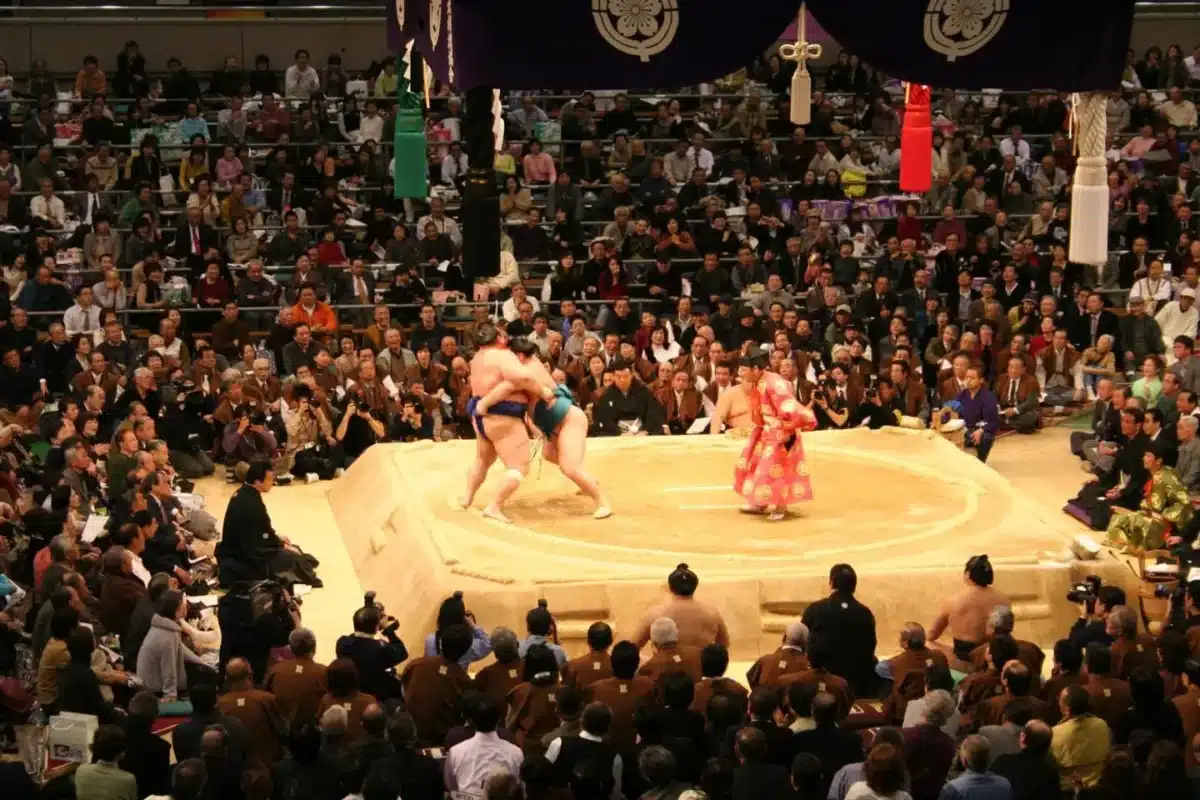
Within the hallowed clay of the dohyo, the atmosphere is nothing short of magnetic. Spectators are transported through time as they observe deeply rooted Shinto rituals, from the rhythmic, earth-shaking shiko leg stomps designed to exorcise malevolent spirits, to the ceremonial purification through salt-throwing. Each day unfolds with a dramatic progression, starting with the lower-division bouts and building in intensity until the grand finale featuring the top-ranked makuuchi division wrestlers. The arena hums with the collective energy of a dedicated crowd, celebrating the grace, strength, and discipline that define this sacred national pastime.
For those venturing to witness the spectacle, the Haru Basho offers a profound immersion into the heart of Japanese culture. It is an intricate dance of history and sport, where every gesture—from the elaborate, color-coded silk aprons worn by the wrestlers to the ornate kimono donned by the gyoji referees—tells a story of heritage spanning over fifteen centuries. Attending this tournament is an unparalleled opportunity to experience the tactile excitement of the matches while participating in a tradition that serves as a vibrant, living connection to the soul of Japan.
Enjoy Your Event Stress-Free with Japan Travelo
Do you know? Planning events, festivals, concerts, and cultural experiences in Japan can be overwhelming. Japan Travelo brings everything together in one place, helping you manage your itinerary, transport, and accommodation with ease—so you can enjoy Japan without the stress of planning.
Event Highlights
- Witness the raw, unbridled power of elite makuuchi wrestlers competing in swift, high-intensity matches within a traditional clay ring.
- Observe the mesmerizing Shinto-inspired rituals, including the dohyo-iri ring-entering ceremony and the solemn, purifying act of salt-throwing.
- Experience the transition from morning’s calm, foundational bouts to the late afternoon’s thunderous clashes between grand champions.
- Engage with the unique cultural environment of the arena, where tradition meets modern excitement in one of Japan’s most historic urban settings.
Why Attend
This tournament is an essential pilgrimage for enthusiasts of martial arts, cultural history, and world-class athleticism. It is ideal for travelers seeking an authentic encounter with Japanese heritage, providing an immersive environment where ancient customs remain the standard. The benefit of attending lies in the rare chance to witness the absolute pinnacle of sumo skill, as every bout carries genuine weight in the official rankings, ensuring that every wrestler performs at their absolute maximum capacity.
Furthermore, the tournament offers a communal experience that is hard to replicate anywhere else. By sitting among passionate local fans, visitors gain a deeper appreciation for the nuanced etiquette and profound respect that define the sumo community. Whether you are seeking the thrill of competitive sports or the serene beauty of centuries-old rituals, the atmosphere at the EDION Arena provides a transformative and deeply memorable experience that bridges the gap between spectator and participant.
Date & Duration
- Event Date: March 14, 2027 – March 28, 2027
- Event Duration: 15 consecutive days of professional competition
Visiting this event? Don’t miss out on these amazing activities and local experiences while you’re here.
Ticket Information
- How Tickets Are Sold: Tickets are released via official platforms like Ticket Oosumo and authorized convenience store terminals in Japan.
- Admission Type: Seating is categorized into premium ringside spots, traditional floor-level box seats, and elevated stadium-style chair seats.
- Ticket Pricing: Costs vary significantly based on seat tier and tournament day, typically ranging from 23 USD for standard upper-tier seats to over 270 USD for prestigious floor-level box seating.
- Special Seating Options: Masu-seki or traditional box seats allow groups to sit on floor cushions within a squared-off wooden partition, offering an intimate view of the action.
- VIP Options: Premium VIP arrangements often feature prioritized access, curated souvenir packages, and enhanced proximity to the ring for an unrivaled perspective.
Venue / Location
- City and Country: Osaka, Japan
- Venue Name: EDION Arena Osaka (Osaka Prefectural Gymnasium)
- Google Maps Address: Japan, 〒556-0011 Osaka, Naniwa Ward, Nanbanaka, 3 Chome−4−36 大阪府立体育会館 内
Contact Information
- Official Website: sumo.or.jp
Accommodation Options:
The Namba district serves as the premier location for finding accommodation, offering everything from luxurious high-end hotels to cozy, traditional guesthouses. Being situated in this area ensures that attendees are never more than a short, pleasant walk from the heart of the tournament action.
Staying near the central Namba hub provides the ultimate convenience for travelers, granting seamless access to both the arena and the city’s legendary culinary scene. Whether choosing a modern hotel with expansive city views or a quiet local inn, the proximity allows for a stress-free experience during the busy tournament days.
Getting There
- Nearest Airport: Kansai International Airport is located approximately 45 kilometers from the venue.
- Nearest Train/Metro Station: Namba Station is the primary transit gateway, served by the Midosuji Subway Line and the Nankai Line.
- Bus Routes or Public Transport Options: Extensive city bus networks and local subway lines converge at Namba, providing comprehensive connectivity throughout Osaka.
- Parking Availability: While limited public parking is available in the vicinity, utilizing the city’s robust public transport system is strongly recommended.
- Directions by Car: Approach via the Hanshin Expressway and follow signs toward the Namba exit for centralized access to the gymnasium area.
Dining Recommendations
Breakfast Recommendations:
- Traditional Japanese morning sets featuring grilled fish, miso soup, and fluffy white rice at local Namba-area diners.
- Elegant hotel-style buffets offering a fusion of international pastries and local Japanese delicacies to fuel your day.
- Fresh, artisanal bakery items from department store basements, perfect for a quick and flavorful start before heading to the arena.
Lunch Recommendations:
- Iconic Osaka-style okonomiyaki, featuring a savory pancake filled with cabbage and choice proteins, prepared fresh at local teppanyaki counters.
- Portable bento boxes from the arena concourse, offering a curated variety of seasonal ingredients perfect for enjoying between bouts.
- Authentic takoyaki, the city’s signature octopus-filled dough balls, served piping hot from bustling street-side stalls.
Dinner Recommendations:
- Crispy kushikatsu skewers, a beloved local specialty featuring meat and vegetables deep-fried to a golden crunch, found in the lively Dotonbori district.
- Sophisticated sushi and sashimi platters prepared by master chefs using the freshest seasonal catch from the nearby coastal waters.
- Hearty bowls of authentic ramen, showcasing rich, simmered broths and hand-pulled noodles that provide a comforting end to an action-packed day.
Local Specialties to Try:
- Okonomiyaki, the celebrated savory pancake that serves as the culinary symbol of Osaka.
- Takoyaki, small, savory wheat-flour balls packed with succulent octopus, ginger, and green onions.
- Kushikatsu, a delightful variety of skewers that celebrate the simple yet masterful art of Japanese frying.
What is this event?
The March Grand Sumo Tournament is one of six major professional events that determine the annual rankings of sumo wrestlers. Over fifteen days, top-tier athletes compete in a high-pressure, elimination-style format that showcases the peak of physical conditioning.
It is a profound intersection of sport and religious heritage, where matches occur within a sacred clay ring. The event provides a rare window into the rigid hierarchy, discipline, and centuries-old customs of professional sumo wrestling.
Why is it popular?
The popularity of the tournament stems from the unique blend of explosive athletic performance and deep-rooted cultural tradition. Spectators are drawn to the palpable tension of the bouts and the intricate ceremonial rituals that precede them.
It remains a highly anticipated cultural phenomenon that invites visitors to witness a historic, living national treasure. The electric atmosphere inside the arena creates a collective sense of awe that persists long after the final match concludes.
Tips before you go
- Secure your tickets well ahead of the tournament start date to ensure access, as popular dates frequently reach capacity.
- Plan to arrive at the arena by mid-afternoon to catch the most prestigious ring-entering ceremonies of the elite divisions.
- Wear footwear that is convenient to remove, as traditional box seating requires shoes to be left outside the partition.
- Familiarize yourself with basic sumo terminology and rules to better understand the nuances of the winning techniques.
- Keep your itinerary flexible, as the excitement of the matches often inspires visitors to stay longer than initially planned.
Tips for First-Time Visitors
- Approach the experience with reverence, maintaining a quiet and respectful demeanor while the wrestlers are performing rituals or competing in the ring.
- Explore the local Namba neighborhood after the day’s matches, as the district becomes vibrant with neon lights and culinary activity once the sun sets.
- Consider bringing a pair of binoculars if you are seated in the upper-tier chair sections to better observe the wrestlers’ detailed facial expressions and pre-bout focus.
- Utilize the official arena signage and information desks to navigate the facility efficiently, as it can be quite bustling during the final days of the tournament.
- Remember to store your belongings securely, as individual box seats can be compact; keeping your personal items minimal will ensure a more comfortable viewing experience.
- Allow yourself time to witness the lower-division wrestlers, as their matches provide an excellent foundation for understanding the progression and growth of the athletes.
Attendee Experiences
- The raw intensity and speed of the wrestlers hitting the ring is truly unlike any other sporting event I have ever witnessed.
- Being surrounded by such dedicated fans and seeing the ceremonial traditions in person was the absolute highlight of my journey to Japan.
- The atmosphere inside the arena is completely electric; you can truly feel the history and passion with every single match.
Video
Location
FAQ
How long does a typical sumo match last?
Most professional bouts are incredibly fast, often concluding in under ten seconds through strategic pushing or throwing. The intensity of these brief encounters is exactly what makes the sport so thrilling for spectators to watch in person.
Is there a specific etiquette for sitting in box seats?
Box seats are traditional floor-level areas where you sit on cushions, so it is necessary to remove your shoes before entering the square. It is polite to be mindful of others sharing the space and to keep your items neatly tucked away to ensure everyone enjoys a clear view.
Are there English resources for international visitors?
The Japan Sumo Association often provides helpful information and some English-language guides to assist international fans in following the match schedule. Additionally, many tour operators offer expert-led visits that include detailed commentary on the history and rules of the sport.
Can I take photos during the matches?
Photography is permitted, but it is essential to be respectful and avoid using flash, which could distract the wrestlers during their intense bouts. It is also important to ensure that you are not obstructing the view of fellow spectators while trying to capture the action.
What should I do if I am a beginner to sumo?
Don't worry about understanding every rule immediately; the energy of the crowd and the visual spectacle of the rituals are universally captivating. Many newcomers find that simply observing the unique pre-bout focus of the rikishi and the colorful pageantry is more than enough to have a fulfilling and memorable experience.

Leave a Reply