
Overview
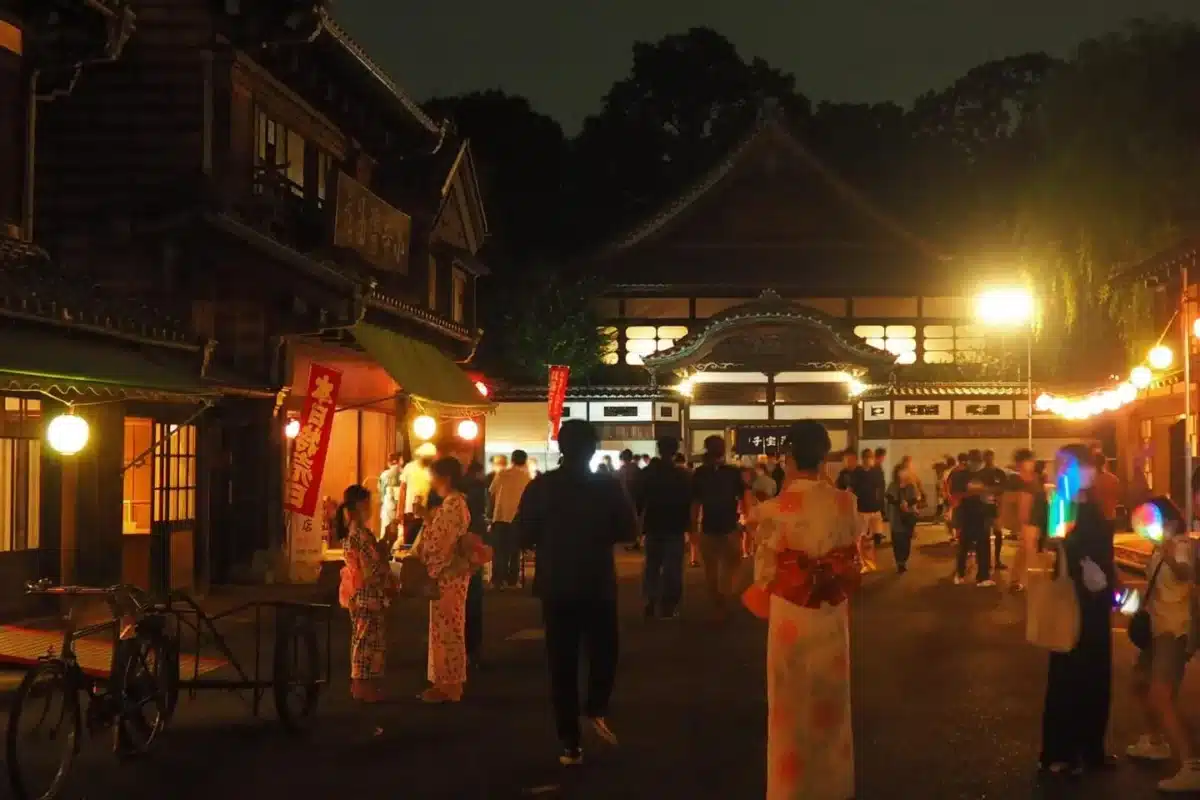
The Shitamachi Evening Cool festival stands out as a wonderfully nostalgic and enchanting summer tradition that transports visitors directly back to the sentimental atmosphere of Tokyo’s historical downtown eras. Hosted within the magnificent historical preservation grounds of the renowned cultural museum, this special evening event captures the serene and cooling customs practiced by residents during sweltering summer nights in centuries past. Historic residential buildings, traditional merchant shops, and vintage storefronts are carefully opened after regular hours, allowing guests to wander through illuminated historical streetscapes under the evening sky.
The celebration focuses heavily on the traditional Japanese concept oforyo, which involves seeking temporary relief from summer heat through cooling breezes, evening strolls, and relaxing community gatherings. Visitors can explore exquisitely preserved architectural structures that showcase traditional wooden craftsmanship, sliding paper doors, and open-air engawa verandas designed to catch natural drafts. As lanterns begin to glow warmly along the nostalgic dirt and cobblestone paths, the entire museum grounds transform into a peaceful, living canvas of old-world Tokyo charm.
Beyond the architectural appreciation, the event offers a rich sensory experience filled with traditional evening sounds, gentle summer breezes, and authentic cultural activities. Guests of all ages can enjoy classic seasonal pastimes such as catching traditional goldfish, listening to hauntingly melodic wind chimes swaying in the evening breeze, and participating in nostalgic local games. It serves as an extraordinary sanctuary for anyone seeking a tranquil escape from the bustling modern metropolis to experience the gentle, slow-paced rhythm of historic Japanese community life.
Enjoy Your Event Stress-Free with Japan Travelo
Do you know? Planning events, festivals, concerts, and cultural experiences in Japan can be overwhelming. Japan Travelo brings everything together in one place, helping you manage your itinerary, transport, and accommodation with ease—so you can enjoy Japan without the stress of planning.
Event Highlights
- Extended evening access to historical residential and commercial buildings beautifully illuminated by traditional paper lanterns.
- A soothing atmosphere filled with the gentle, resonant sounds of hundreds of glass wind chimes hung along historic eaves.
- Authentic traditional summer activities and nostalgic games suitable for families and culture enthusiasts alike.
- Scenic evening strolls past meticulously preserved architectural masterpieces representing classic eras of Tokyo history.
Why Attend
This unique evening event is an essential destination for travelers, history buffs, and photography enthusiasts who want to experience the tranquil and poetic side of traditional Japanese summer culture. It is exceptionally well-suited for families seeking a peaceful educational outing, couples looking for a romantic historical stroll, and anyone eager to escape the relentless daytime heat in a serene setting. Attending provides a rare opportunity to step inside authentic heritage buildings that are rarely accessible during standard evening hours.
Participating in the festival offers the wonderful benefit of experiencing old-world hospitality and community aesthetics in an unhurried, intimate environment. It allows you to appreciate the ingenious architectural designs of historical Japanese homes that naturally maximize ventilation and comfort during humid months. You will leave with a profound sense of calm, stunning photographs of illuminated heritage streetscapes, and a deeper connection to Tokyo’s enduring cultural roots.
Date & Duration
- Event Date: Early August 2027 (Exact dates to be announced)
- Event Duration: 3 days
Visiting this event? Don’t miss out on these amazing activities and local experiences while you’re here.
Ticket Information
- How Tickets Are Sold: Standard admission tickets are available for purchase online and at the museum entrance ticket booths prior to entry.
- Admission Type: General Admission
- Ticket Pricing: Paid Admission ranging from 400 to 700 Japanese Yen for adults, converted to approximately 3.00 to 5.00 USD, while children and seniors enjoy discounted entry rates.
- Special Seating Options: Open bench seating and resting areas are strategically positioned throughout the historic outdoor museum gardens and pavilion spaces.
- VIP Options: There are no exclusive VIP ticket tiers or premium reservation packages offered for this historical evening cultural event.
Venue / Location
- City and Country: Tokyo, Japan
- Venue Name: Edo-Tokyo Open Air Architectural Museum
- Google Maps Address: Japan, 〒184-0005 Tokyo, Koganei, Sakuracho, 3 Chome−7−1 内 都立小金井公園
Contact Information
- Email: support@tatemonoen.jp
- Phone Number: 042-388-3300
- Official Website: tatemonoen.jp
Accommodation Options
Koganei and the surrounding western Tokyo residential districts offer a peaceful, relaxed lodging environment featuring comfortable business hotels and traditional local guesthouses. Staying near major transit lines such as the Chuo Line provides easy, direct access to the museum area while keeping you away from the chaotic congestion of central Tokyo’s massive commercial hubs.
Securing your accommodation ahead of time is recommended, particularly during the peak summer holiday travel season when domestic visitors explore regional cultural heritage sites. Choosing a hotel close to a nearby suburban train station ensures seamless daily travel and lets you effortlessly return to your quiet room after enjoying the peaceful evening festivities.
Getting There
- Nearest Airport: Haneda Airport (HND) is approximately 45 kilometers southeast of the museum grounds.
- Nearest Train/Metro Station: Musashi-Koganei Station on the JR Chuo Line is the primary rail transit access point for visitors.
- Bus Routes or Public Transport Options: Frequent local Seibu bus services operate direct routes from the north exit of Musashi-Koganei Station straight to the museum entrance stop.
- Parking Availability: Public parking lots are available near the park entrance, though spaces can fill up quickly during peak afternoon and evening hours.
- Directions by Car: Approach via the Chuo Expressway, exit at the Kunitachi-Fuchu Interchange, and follow local surface arterial roads northward toward Koganei Park.
Dining Recommendations
Breakfast Recommendations:
- Cozy suburban bakery cafes near Musashi-Koganei Station offering freshly baked pastries, artisanal toast sets, and hot morning coffee.
- Traditional local coffee shops serving classic Japanese morning toast sets accompanied by hard-boiled eggs and drip coffee.
- Convenient station-plaza eateries providing quick, wholesome breakfast options to jump-start your morning exploration.
Lunch Recommendations:
- Charming historical dining spots within the surrounding park area serving traditional Japanese udon noodles and seasonal rice dishes.
- Casual local ramen shops offering flavorful broth variations and satisfying midday noodle bowls favored by neighborhood residents.
- Family-friendly restaurants near the station district featuring diverse Japanese set meals and bento lunch boxes.
Dinner Recommendations:
- Authentic neighborhood izakayas serving comforting grilled meat skewers, savory small plates, and refreshing chilled beverages.
- Traditional Japanese dining establishments specializing in crispy tempura platters and delicate seasonal sashimi selections.
- Cozy local noodle houses offering hearty bowls of soba noodles paired with crisp tempura vegetables.
Local Specialties to Try:
- Musashi-Udon: Thick, handmade regional wheat noodles served in a savory, aromatic dashi broth with traditional toppings.
- Mitarashi Dango: Sweet and savory glazed rice flour dumplings grilled over charcoal and served warm on wooden skewers.
- Tokyo Shoyu Ramen: Classic regional ramen featuring clear soy sauce-based broth, tender pork slices, and springy noodles.
What is this event?
The Shitamachi Evening Cool is a charming summer museum event that invites visitors to experience traditional evening cooling customs within a reconstructed historic townscape. It features extended nighttime access to beautifully preserved architectural landmarks, glowing paper lanterns, and nostalgic cultural displays.
This seasonal gathering successfully revives the peaceful ambiance of old-world Tokyo by highlighting historical methods of beating the summer heat. Guests can stroll through authentic vintage streetscapes while enjoying gentle evening breezes, chime melodies, and classic heritage activities.
Why is it popular?
The event gains widespread popularity for offering a rare, tranquil escape from the intense noise and heat of modern urban summer life in Tokyo. Visitors deeply appreciate the nostalgic atmosphere created by illuminated heritage buildings and the soothing sound of hundreds of traditional wind chimes.
It is also celebrated for providing an educational yet deeply relaxing family outing where history comes alive under the evening stars. The unique opportunity to explore historical architecture during comfortable nighttime hours draws culture lovers from all across the metropolitan region.
Tips before you go
- Wear comfortable walking shoes, as you will navigate outdoor paths, gravel walkways, and traditional raised wooden interior floors across the sprawling museum park.
- Bring an effective insect repellent, as evening outdoor strolls through wooded park grounds can occasionally expose you to mosquitoes and summer bugs.
- Check the museum’s specific evening opening schedule in advance to ensure you arrive right as the lanterns are lit for maximum visual impact.
- Carry cash in Japanese yen for purchasing traditional snacks, participating in carnival games, or acquiring unique souvenirs at the museum shops.
- Stay hydrated by utilizing portable water bottles or purchasing beverages from vending machines located throughout the park facility.
Tips for First-Time Visitors
- Take your time removing your shoes when entering historical buildings, as you will frequently step onto delicate tatami mats and historic wooden flooring.
- Visit the exhibition areas during the late afternoon to explore museum interiors before the evening crowds arrive for the lantern illumination.
- Engage politely with museum volunteers and staff stationed throughout the historic homes to learn fascinating background stories about the architecture.
- Pause near the hanging glass wind chime displays during the twilight hours to fully absorb the deeply calming auditory ambiance of the festival.
- Plan your return transit route from Musashi-Koganei Station beforehand to ensure a smooth and stress-free journey back to your accommodation.
Attendee Experiences
- Walking down the softly lit historical alleyways with the gentle chiming of glass bells in the breeze felt like stepping straight into a classic film.
- It was wonderfully refreshing to explore the ancient merchant shops and traditional homes at night without the scorching heat of the afternoon sun.
- The peaceful, nostalgic atmosphere provided a much-needed mental sanctuary away from the overwhelming neon lights and noise of central Tokyo.
Location
FAQ
What is the primary cultural purpose of the evening event?
The festival recreates the traditional Japanese practice of seeking evening relief from summer heat through gentle breezes, community gathering, and cooling aesthetics within a historic townscape.
Are visitors allowed to step inside the historic buildings during the evening hours?
Guests are warmly welcomed to enter and walk through many of the carefully preserved historical residences and commercial shops, provided they follow indoor footwear removal guidelines.
Is the museum venue considered fully accessible for visitors using mobility aids?
While outdoor paved pathways are generally accessible, some historic multi-story buildings feature traditional raised door sills and stairs that may require assistance for wheelchair users.
What unique auditory features can visitors expect to experience throughout the grounds?
The entire museum park is decorated with hundreds of traditional glass wind chimes that create a soothing, melodic chorus whenever gentle summer evening breezes pass through.
How do the evening illuminations enhance the historical architectural displays?
The strategic placement of warm paper lanterns casts a soft, authentic glow across the vintage wooden facades and cobblestone paths, creating a deeply nostalgic visual atmosphere reminiscent of historic Tokyo.

Leave a Reply