


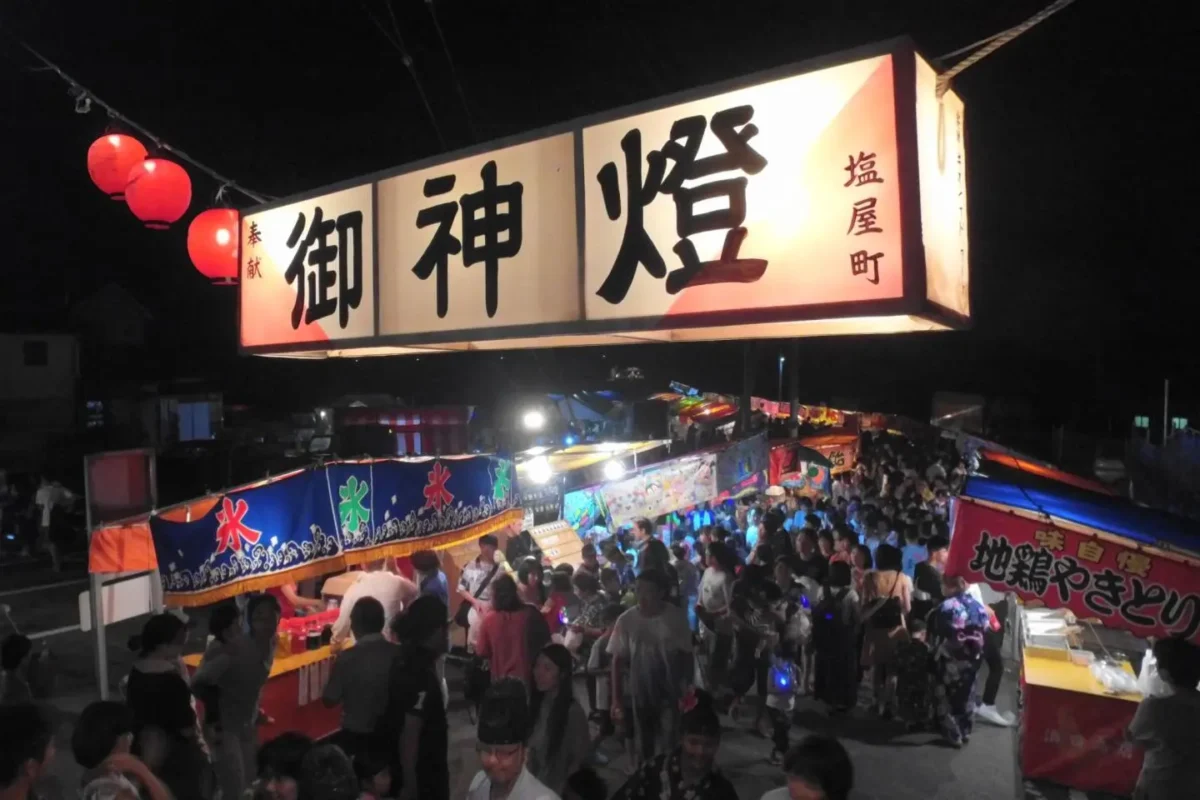
Overview:
The Hato Festival stands as a magnificent and culturally profound traditional celebration held annually within the picturesque coastal surroundings of Tottori, successfully drawing together regional residents and enthusiastic travelers to deeply honor the historic heritage of the prefecture. This vibrant event serves as an extraordinary showcase of timeless Japanese customs, featuring energetic local processions, rhythmic traditional music, and striking ceremonial displays that vividly bring centuries-old maritime folklore to life. It offers a wonderfully authentic window into the past while celebrating the enduring community spirit of the local coastal district.
Attendees can thoroughly immerse themselves in an energetic atmosphere filled with cultural wonder and festive excitement as they explore the historic shrine grounds and bustling port areas. The event harmoniously unites local community members, traditional artisans, and diverse food vendors who collectively transform the coastal venue into a lively center of cultural exchange and celebration. Whether you are deeply passionate about regional history or simply searching for a memorable summer outing, this grand gathering consistently delivers an unforgettable experience for every visitor.
Furthermore, the festival acts as an essential pillar for cultural preservation in Tottori, fostering a profound sense of unity, shared identity, and local pride among participants of all generations. Visitors are warmly encouraged to wander through the various designated zones dedicated to traditional arts, historical exhibitions, and interactive community programs. By actively participating in this grand occasion, you directly support the ongoing preservation of treasured local customs and maritime traditions that have been faithfully passed down through countless eras.
Enjoy Your Event Stress-Free with Japan Travelo
Do you know? Planning events, festivals, concerts, and cultural experiences in Japan can be overwhelming. Japan Travelo brings everything together in one place, helping you manage your itinerary, transport, and accommodation with ease—so you can enjoy Japan without the stress of planning.
Event Highlights:
- Experience breathtaking traditional ceremonial processions featuring local participants dressed in authentic historic attire and carrying sacred portable shrines.
- Explore a diverse array of vibrant marketplace stalls offering unique regional crafts, handmade souvenirs, and traditional coastal goods.
- Enjoy the lively festive atmosphere created by colorful banners and traditional decorations adorning the historic shrine and port pathways.
- Participate in engaging cultural interactions and community activities designed to highlight the rich maritime history of the local Tottori coastline.
Why Attend:
This prestigious cultural event is ideally suited for families seeking meaningful cultural education, passionate history enthusiasts, and curious travelers looking to experience the genuine, unvarnished charm of coastal Japan far away from standard tourist paths. Attendees will naturally gain a profoundly deeper understanding of Tottori’s unique heritage while enjoying a wonderfully vibrant day situated within a scenic and welcoming outdoor environment. It represents a rare opportunity to connect directly with ancient community traditions and create lasting personal memories in a stunning seaside setting.
By choosing to attend this remarkable festival, you actively support hardworking local artisans, historic preservation groups, and small regional businesses dedicated to keeping these invaluable heritage practices alive. The annual gathering provides a coveted chance to witness traditional art forms performed in their authentic coastal setting, far removed from the hustle of major urban centers. You will undoubtedly depart the festival grounds with a significantly elevated appreciation for the dedication and community spirit that defines the glorious Tottori region.
Date & Duration:
- Event Date: Late July 2027 (Exact Dates TBD)
- Event Duration: The comprehensive festivities typically span across a full day of engaging cultural programming and ceremonial activities.
Visiting this event? Don’t miss out on these amazing activities and local experiences while you’re here.
Ticket Information:
- How Tickets Are Sold: Tickets are not required as this is a traditional community celebration open freely to all members of the public.
- Admission Type: Free Admission is granted to all public viewing areas, shrine grounds, and port celebration zones throughout the entire venue.
- Ticket Pricing: Free Admission for all visitors with no entry fees required for general participation.
- Special Seating Options: Specially designated viewing areas are established near the primary ceremonial spaces for guests who prefer an unobstructed vantage point during key events.
- VIP Options: Exclusive hospitality arrangements are not applicable for this open-air community heritage festival, ensuring an equal and accessible experience for all attendees.
Venue / Location:
- City and Country: Tottori, Japan
- Venue Name: Kanzaki Shrine and Kiku Port
- Google Maps Address: 210 Akasaki, Kotoura, Tōhaku District, Tottori 689-2501, Japan
Contact Information:
- Email: info@tottori-hato-festival.jp
- Website: https://en.japantravel.com/tottori/hato-festival/70051
Accommodation Options:
The charming coastal area surrounding the festival venue offers a wonderful variety of comfortable lodging options tailored to accommodate diverse traveler preferences and budgets. Visitors can easily discover traditional Japanese inns known as ryokan, which provide a relaxing and immersive cultural experience featuring tatami flooring, soothing hot spring baths, and exquisite seasonal multi-course meals prepared with fresh local ingredients.
Alternatively, travelers can choose from several modern resort hotels and cozy guesthouses located within a convenient driving distance from the shrine and port. These contemporary establishments offer comfortable amenities and easy transit access, making them an excellent choice for securing effortless mobility between the festival site and nearby regional attractions.
Getting There:
- Nearest Airport: Tottori Airport serves as the closest aviation facility, located approximately 50 kilometers away from the festival venue.
- Nearest Train/Metro Station: JR Matsuzaki Station is the primary regional railway transit point utilized for reaching the local coastal area.
- Bus Routes or Public Transport Options: Local community bus services and scheduled shuttle options connect the main railway station directly to the shrine and port vicinities.
- Parking Availability: Designated public parking spaces are arranged near the port and shrine perimeter to accommodate visitors arriving by private or rental vehicle.
- Directions by Car: Use Route 9 or local coastal highways, following clear directional signage toward Kanzaki Shrine and Kiku Port for direct access.
Dining Recommendations:
Breakfast Recommendations:
- Delightful local cafes situated near the railway station offering freshly brewed coffee, artisanal teas, and light morning baked goods.
- Traditional Japanese breakfast spreads featuring grilled coastal fish, steaming white rice, and savory miso soup at area inns.
- Neighborhood bakeries providing a fusion of classic pastries and regional morning treats.
Lunch Recommendations:
- Coastal food stalls stationed near the port offering freshly prepared local seafood delicacies and traditional festival snacks.
- Cozy neighborhood noodle shops famous for serving comforting bowls of hot regional ramen and udon.
- Waterfront restaurants specializing in daily catches sourced directly from the nearby Sea of Japan.
Dinner Recommendations:
- Traditional izakaya taverns where visitors can enjoy relaxed dining featuring grilled skewers, small plates, and regional beverages.
- Specialized seafood dining spots offering expertly prepared local fish dishes in quiet, welcoming environments.
- Family-friendly restaurants serving hearty set meals that highlight seasonal vegetables and regional flavors.
Local Specialties to Try:
- Ultra-fresh coastal seafood harvested straight from the rich local waters of the Sea of Japan.
- Premium regional snow crab dishes prepared according to classic local culinary traditions.
- Refreshing regional beverages and locally brewed sake crafted using pristine mountain water.
What is this event?
The Hato Festival is a celebrated annual maritime event held in Tottori that honors local heritage and coastal traditions. It brings the community together through vibrant shrine ceremonies, processions, and cultural displays.
This gathering allows modern visitors to experience authentic regional customs that have been carefully preserved over generations. It provides a colorful look into the maritime history of the prefecture within a scenic coastal setting.
Why is it popular?
The festival is widely popular because it offers a genuine, immersive experience of traditional Japanese culture away from heavily commercialized tourist zones. Visitors deeply appreciate the welcoming atmosphere and the historic charm of the shrine and port location.
Families and cultural travelers enjoy the festive energy, traditional ceremonies, and the opportunity to taste fresh coastal cuisine. The deep connection to local maritime roots makes it a treasured summer event.
Tips before you go:
- Check the official festival website for final schedule details as daily timing can vary depending on local ceremonial requirements.
- Wear comfortable walking shoes since the celebration spans both the shrine grounds and the adjacent port area.
- Bring adequate sun protection and hydration to remain comfortable during outdoor summer activities.
- Carry a reusable bag for holding any traditional crafts or local items purchased during your visit.
- Arrive early to secure optimal viewing positions for the primary processions and traditional performances.
Tips for First-Time Visitors:
- Dedicate ample time to explore both the historic shrine precinct and the bustling port area to fully appreciate the scope of the event.
- Sample the local seafood offerings at the port vendors to experience authentic regional culinary traditions.
- Pay attention to announcements or event notices posted around the venue for any schedule adjustments.
- Pick up a local venue map at the information desk upon arrival to easily navigate between the main celebration points.
- Maintain respectful etiquette when observing sacred shrine rituals and interacting with community participants.
- Utilize designated water stations to stay properly refreshed throughout the warm summer afternoon.
Attendee Experiences:
- The cultural atmosphere at the shrine and port is truly captivating and deeply moving to witness in person.
- I loved exploring the local food stalls and tasting incredible fresh seafood right by the water.
- It was a wonderful and memorable day out filled with rich traditions and warm community hospitality.
Location
FAQ
Is there an admission fee required to enter the festival grounds?
No, the Hato Festival is entirely free to attend, allowing all visitors to enjoy the public viewing areas, shrine grounds, and port festivities without purchasing a ticket. Guests are only responsible for personal purchases such as food or souvenirs.
What are the best ways to reach the venue using public transportation?
Visitors can take the regional train to the nearest railway station and utilize local bus connections or seasonal shuttle services operating directly toward the shrine and port area. Local transit staff are available at stations to provide route guidance.
Are there accessible facilities available for visitors with mobility needs?
The venue features paved primary pathways around the shrine and port zones, though some traditional areas may include uneven terrain. Staff members are present to assist guests with specific accessibility questions or requirements.
Can attendees take photographs during the traditional ceremonies?
Photography is generally permitted for personal use throughout the public spaces, but visitors are asked to remain respectful during solemn shrine rituals. Avoid using disruptive flash photography near the performers or sacred altars.
How much time should visitors allocate for the complete festival experience?
We recommend setting aside at least three to four hours to comfortably explore the shrine grounds, watch the processions, and enjoy a meal by the port. Many attendees choose to spend a large portion of the day enjoying the coastal atmosphere.

Leave a Reply