
-
August 22, 2026
Event date:
-
August 30, 2026
Event end:
Overview
Since its inaugural edition in 1987, the Suntory Hall Summer Festival has stood as one of Japan’s most respected annual gatherings dedicated to contemporary classical music, drawing leading composers, conductors, and performers from around the world to the heart of Tokyo each summer. Running from August 22 through August 30, 2026, this year’s festival carries added significance as part of Suntory Hall’s 40th anniversary celebrations, weaving together a richly varied program that spans chamber music, orchestral premieres, composition workshops, and a prestigious juried competition, all united by the festival’s longstanding mission of presenting “the music of now” to Tokyo audiences during the height of summer.
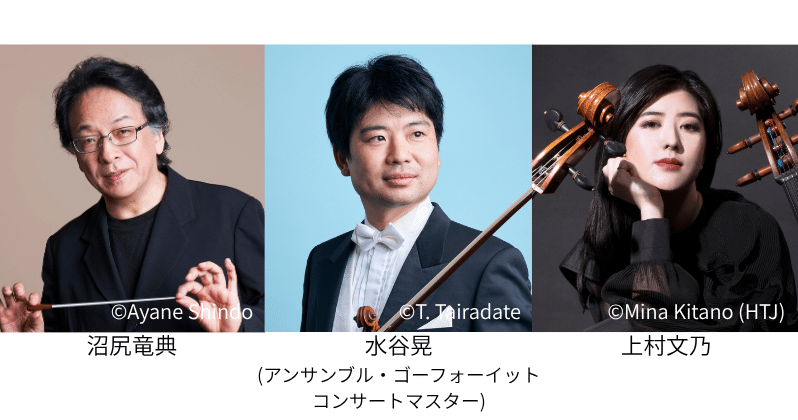
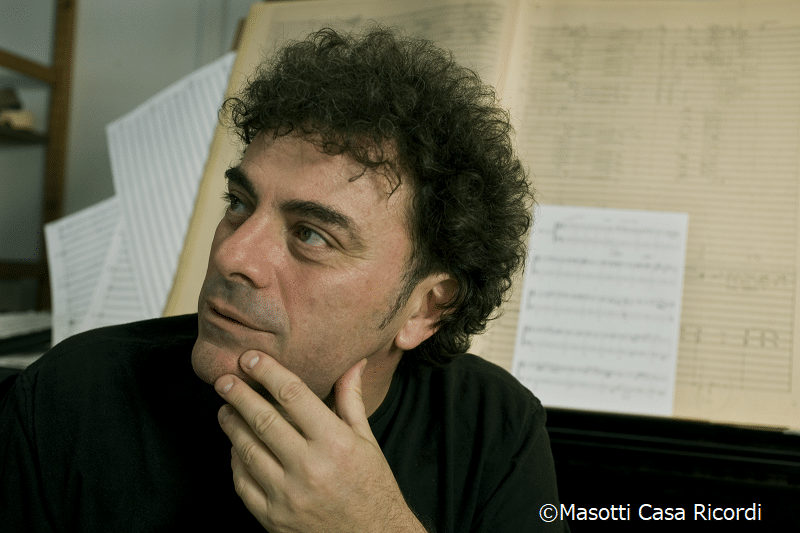
At the center of this year’s programming is a dedicated theme composer portrait devoted to acclaimed Italian composer Luca Francesconi, presented across three distinct events, including an intimate chamber music portrait, a public composition workshop paired with a talk session alongside fellow composer Toshio Hosokawa, and a full orchestral portrait concert featuring a brand-new work co-commissioned by Suntory Hall receiving its world premiere. The festival’s flagship 40th anniversary program, titled “Toki wo Amu Hibiki” or “Sound That Weaves Time,” brings together an ambitious cross-generational lineup of compositions performed by the Tokyo Symphony Orchestra under conductor Ryusuke Numajiri, spanning works from celebrated Japanese composers Akira Miyoshi and Toru Takemitsu alongside newer voices including Camille Pépin and Ryoji Ikeda.
Rounding out the festival is the newly launched contemporary ensemble Ensemble Go For It, making its debut appearance, alongside the 36th Akutagawa Yasushi Suntory Prize for Composition selection concert, a closely watched juried competition that has long served as a proving ground for Japan’s most promising emerging composers. With an accompanying pre-event talk session and a public workshop clinic open to submissions from young composers, the 2026 festival continues its tradition of not merely presenting finished works but actively nurturing the next generation of contemporary musical voices, making it an essential late-summer destination for serious devotees of new classical music in Japan.
Enjoy Your Event Stress-Free with Japan Travelo
Do you know? Planning events, festivals, concerts, and cultural experiences in Japan can be overwhelming. Japan Travelo brings everything together in one place, helping you manage your itinerary, transport, and accommodation with ease—so you can enjoy Japan without the stress of planning.
Event Highlights
- A dedicated theme composer portrait spotlighting Luca Francesconi across three distinct events, culminating in the world premiere of a newly commissioned orchestral work co-commissioned by Suntory Hall
- The flagship 40th anniversary concert “Toki wo Amu Hibiki,” featuring a cross-generational program from Japanese and international composers performed by the Tokyo Symphony Orchestra
- The debut performance of Ensemble Go For It, a newly launched contemporary music ensemble making its first appearance under conductor Ryusuke Numajiri
- The 36th Akutagawa Yasushi Suntory Prize for Composition selection concert, a prestigious juried competition showcasing new works from Japan’s most promising emerging composers
Why Attend
This festival is an outstanding destination for devoted followers of contemporary classical music, new music enthusiasts, and anyone curious about the cutting edge of orchestral and chamber composition happening right now on the world stage. It is especially rewarding for those interested in the creative process itself, since the festival uniquely combines finished concert performances with a public composition workshop and open juried selection concert, offering rare insight into how new contemporary works are developed, evaluated, and brought to life.
Attending offers access to world premieres and rarely performed works you are unlikely to encounter anywhere else in Japan, performed by internationally recognized orchestras including the Tokyo Symphony Orchestra, Tokyo Metropolitan Symphony Orchestra, and New Japan Philharmonic. Because the festival spans both grand orchestral programming in the Main Hall and more intimate chamber performances in the Blue Rose small hall, it suits both first-time contemporary music listeners seeking an accessible entry point and seasoned connoisseurs looking for adventurous, boundary-pushing programming across a concentrated nine-day span in central Tokyo.
Date & Duration
- Event Date: August 22, 2026 (Saturday) to August 30, 2026 (Sunday)
- Event Duration: A nine-day festival featuring seven distinct concerts and events, with individual performances running approximately 2 hours each
Visiting this event? Don’t miss out on these amazing activities and local experiences while you’re here.
Ticket Information
- How Tickets Are Sold: Tickets are sold through the Suntory Hall Ticket Center, Ticket Pia, and E-plus, with early access offered to Suntory Hall Members Club subscribers ahead of general public sale for each individual event
- Admission Type: Reserved seating is offered for most performances, with seat selection available online for several of the festival’s events
- Ticket Pricing: Tickets range from approximately 7 US dollars for discounted U25 seating up to approximately 34 US dollars for standard reserved seating, with most individual concerts priced between these extremes depending on the specific program and venue
- Special Seating Options: Discounted U25 seating is available exclusively through the Suntory Hall Ticket Center for attendees aged 25 and under, who must present valid identification upon arrival at the venue
- VIP Options: No distinct VIP ticket tier is offered; however, Suntory Hall Members Club subscribers receive early presale access to festival tickets ahead of the general public, along with occasional invitation-only opportunities for select performances
Venue / Location
- City and Country: Tokyo, Japan
- Venue Name: Suntory Hall, performances held across both the Main Hall and the Blue Rose small hall
- Google Maps Address: 1 Chome-13-1 Akasaka, Minato City, Tokyo 107-0052, Japan
Contact Information
- Phone Number: Suntory Hall Ticket Center, 0570-55-0017
- Website: https://t.pia.jp/pia/event/event.do?eventBundleCd=b2667391
Accommodation Options
Suntory Hall sits within Tokyo’s prestigious Akasaka district, an area well served by upscale hotels catering to both business travelers and visitors seeking proximity to the city’s government and diplomatic quarter. Many attendees choose to stay within a short walk or brief subway ride of the venue, allowing easy access to the hall’s evening performances without a lengthy commute across the city.
For travelers seeking a broader range of price points, the nearby Roppongi and Toranomon districts offer an extensive mix of international hotel chains, boutique properties, and moderately priced business hotels, all within easy subway access of Suntory Hall. Given the festival’s popularity among dedicated contemporary music audiences, booking accommodation in advance is advisable, particularly for the festival’s opening and closing weekend performances.
Getting There
- Nearest Airport: Haneda Airport, approximately 15 kilometers from Suntory Hall, with train and limousine bus connections into central Tokyo
- Nearest Train/Metro Station: Tameike-Sanno Station on the Tokyo Metro Ginza and Namboku Lines, or Roppongi-itchome Station on the Namboku Line, both within a short walk of the venue
- Bus Routes or Public Transport Options: Extensive Tokyo Metro and Toei Subway connections serve the surrounding Akasaka and Roppongi districts, with local bus routes also available throughout the area
- Parking Availability: Limited paid parking is available in the vicinity of Suntory Hall, supplemented by additional public parking facilities throughout the surrounding Akasaka business district
- Directions by Car: Accessible via the Tanimachi or Ikura exits off the Shuto Expressway, connecting to local roads leading directly into the Akasaka district near the venue
Dining Recommendations
Breakfast Recommendations:
- Hotel cafes throughout Akasaka offering both Japanese and Western-style breakfast sets
- Coffee shops and bakery cafes scattered around Tameike-Sanno Station, convenient for an early morning start before daytime festival events
- Quiet standing coffee bars in the surrounding Toranomon office district, popular with early commuters
Lunch Recommendations:
- Casual soba and donburi rice bowl restaurants tucked into the Akasaka backstreets, known for quick and satisfying set meals
- Office building restaurant floors near Toranomon offering an extensive variety of set lunch menus at reasonable prices
- International dining options throughout the Roppongi district, ranging from French bistros to Japanese fusion cuisine
Dinner Recommendations:
- Traditional izakaya restaurants throughout Akasaka, known for small plates paired with an extensive selection of Japanese sake
- Upscale kaiseki and sushi restaurants scattered throughout the Akasaka entertainment district, ideal for a refined evening before or after a concert
- International fine dining options in nearby Roppongi, ranging from Italian trattorias to contemporary fusion restaurants
Local Specialties to Try:
- Edomae-style sushi, a traditional Tokyo preparation style widely available throughout the Akasaka and Roppongi districts
- Tempura, lightly battered and fried seafood and vegetables served at both casual and upscale restaurants nearby
- Delicate wagashi sweets, traditional Japanese confections often enjoyed alongside matcha tea after an evening concert
What is this event?
The Suntory Hall Summer Festival is an annual contemporary classical music festival held each August in Tokyo, now marking its 2026 edition as part of Suntory Hall’s 40th anniversary celebrations. The nine-day festival brings together world premieres, thematic composer portraits, and a prestigious juried composition competition across both the Main Hall and Blue Rose small hall.
Since its founding in 1987, the festival has served as a leading platform for presenting boundary-pushing contemporary orchestral and chamber music in Japan, featuring internationally recognized composers, conductors, and orchestras performing newly commissioned and rarely heard works.
Why is it popular?
The Suntory Hall Summer Festival has earned its long-standing reputation among serious classical music audiences by consistently presenting genuine world premieres and adventurous programming not easily found elsewhere in Japan’s concert calendar. Its combination of finished performances with public workshops and an open juried selection concert offers audiences a rare, multidimensional view into the creative process behind contemporary composition.
This year’s edition carries particular significance given its place within Suntory Hall’s 40th anniversary celebrations, drawing added attention from longtime festival attendees and casual concertgoers alike who are eager to witness a milestone anniversary program built around some of the most respected orchestras and composers working today.
Tips before you go
- Check the exact venue for each individual event you plan to attend, since the festival alternates between the larger Main Hall and the more intimate Blue Rose small hall depending on the program
- Book U25 discounted tickets directly through the Suntory Hall Ticket Center if you qualify, since this discounted tier is not available through other ticketing platforms and requires identification at entry
- Arrive with sufficient time before each performance, since reserved seating still involves standard entry procedures that can create brief lines closer to showtime
- Note that preschool-age children generally cannot attend performances except where specifically indicated, so plan accordingly if attending with young children
- Review the official Suntory Hall Summer Festival webpage close to your chosen event date, since program details, performers, and repertoire are subject to change ahead of each concert
Tips for First-Time Visitors
- If you are new to contemporary classical music, consider starting with the Ensemble Go For It debut performance or the chamber portrait concerts in the Blue Rose small hall, since these smaller-scale programs often provide a more approachable entry point than the full orchestral concerts
- Since spoken program notes and stage announcements will generally be delivered in Japanese, non-Japanese speaking visitors may wish to review the festival’s official program details online in advance to better follow the specific works being performed at each concert
- The public composition workshop and talk session offers a rare, genuinely unique opportunity to watch a working composer clinic actual submitted works live on stage, making it worth attending even for visitors without a deep background in contemporary music theory
- Suntory Hall’s Akasaka location places it within easy reach of several of Tokyo’s most walkable and visitor-friendly districts, so consider pairing your concert visit with an afternoon exploring nearby Roppongi or the Tokyo Midtown complex
- If attending the Akutagawa Prize selection concert, note that it includes an optional ticketed pre-event talk session sold only as a combined set ticket, so decide in advance whether you want the full pre-show experience or the main concert alone
- Since several festival events sell out quickly, particularly the 40th anniversary flagship concert and the Francesconi orchestral portrait premiere, it is wise to purchase tickets as soon as general sale opens rather than waiting until closer to the performance date
Attendee Experiences
- Genuinely surprised how accessible some of these new pieces were, even for someone who mostly listens to standard repertoire
- The Blue Rose hall is such an intimate space, you can hear every detail of the chamber pieces
- Watching the composition workshop was fascinating, seeing a piece get critiqued and then performed the same night
Location
FAQ
Do I need prior knowledge of contemporary classical music to enjoy this festival?
No prior specialized knowledge is required to attend and enjoy the Suntory Hall Summer Festival, though some familiarity with contemporary or twentieth and twenty-first century classical music may deepen your appreciation of certain programs. The festival intentionally includes a range of formats, from large orchestral premieres to intimate chamber performances and even a public workshop session, offering multiple accessible entry points for newcomers. Many first-time attendees find the combination of live performance with contextual program notes makes even unfamiliar contemporary works genuinely engaging and rewarding.
What makes the 40th anniversary concert "Toki wo Amu Hibiki" significant?
This flagship concert has been specifically programmed to mark Suntory Hall's 40th anniversary since opening, bringing together a deliberately cross-generational lineup of composers spanning several decades of musical development. The program features both established Japanese composers whose works have shaped the hall's history alongside newer international voices, performed by the Tokyo Symphony Orchestra under conductor Ryusuke Numajiri. This concert represents a rare opportunity to hear works spanning such a broad historical range performed together within a single carefully curated evening.
How does the Akutagawa Prize selection concert work?
The Akutagawa Yasushi Suntory Prize for Composition selection concert is a juried competition in which several candidate works by emerging Japanese composers are performed live before an audience and panel of judges. Following the performances, a public selection discussion is held on stage, allowing attendees to witness the judging and evaluation process rather than simply learning the results afterward. This format has made the concert one of the festival's most closely watched events among those following the development of new Japanese compositional talent.
Can I attend just one event, or should I plan for the whole festival?
Each of the festival's seven events, including the composer portraits, the 40th anniversary concert, the ensemble debut, and the prize selection concert, is ticketed and sold separately, meaning you are entirely free to attend a single event or as many as interest you. Many local attendees choose to select just one or two performances that most closely match their personal interests within the broader nine-day span. For visitors traveling specifically for the festival, attending multiple events across the festival's run offers a fuller picture of the diverse programming on offer.
Is this festival suitable for children?
Generally, preschool-age children are not permitted to attend performances except where a program specifically indicates otherwise, since the concentrated listening required for these contemporary works is not well suited to very young audience members. Older children and teenagers with some interest in classical or contemporary music may find select programs, particularly the more accessible chamber concerts, to be a worthwhile introduction to new music. Parents considering attendance with older children should review the specific program details for each concert, since content and duration vary considerably across the festival's diverse offerings.

Leave a Reply