
Overview
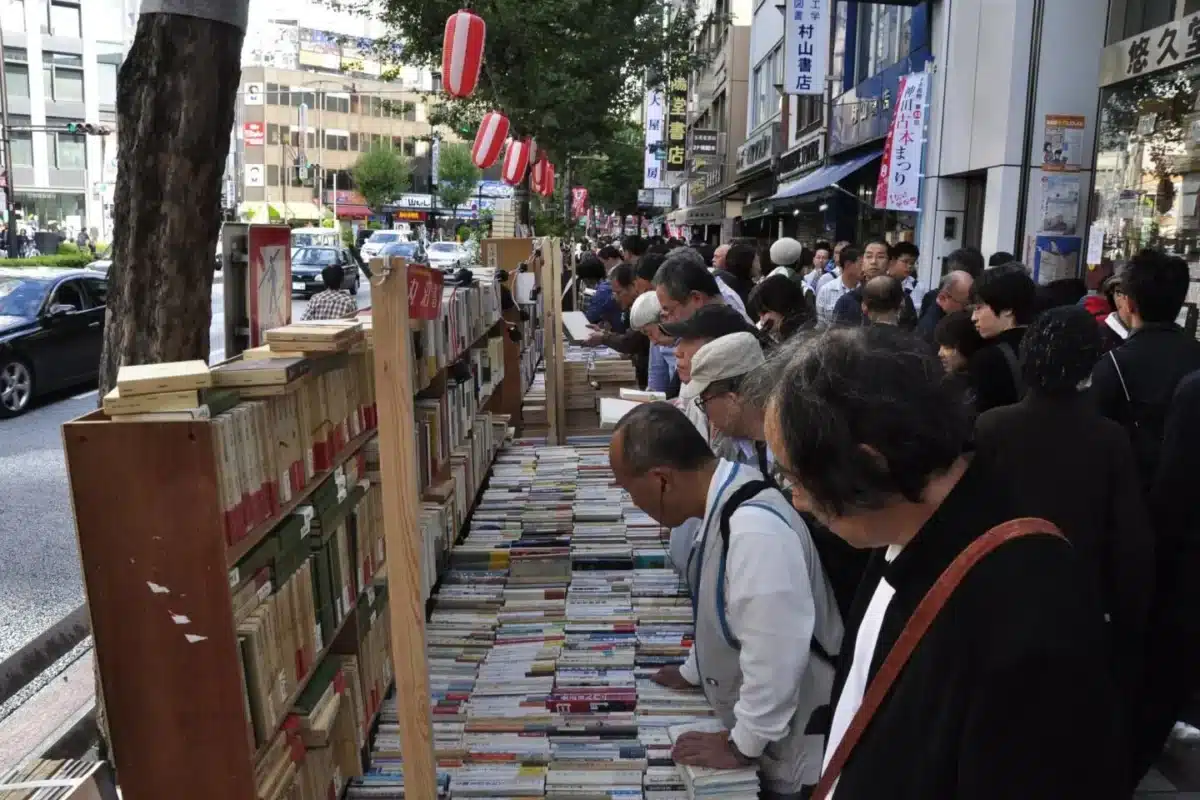
The Kanda Secondhand Book Festival 2026 stands as one of the most culturally enriching, intellectually stimulating, and anticipated literary celebrations in the vibrant heart of Tokyo. Set against the historic backdrop of Jimbocho, widely recognized globally as the premier book town, this grand event transforms ordinary concrete sidewalks into sprawling, magnificent open-air corridors lined with priceless literary treasures. Millions of captivating books ranging from rare antique manuscripts, scholarly treatises, and academic monographs to contemporary paperbacks spill out from specialized independent shops, creating an immersive, sensory paradise for avid readers, dedicated researchers, historians, and casual browsers alike.
Visitors step into a vibrant community celebration where the timeless charm and tactile beauty of print culture thrive magnificently within a hyper-modern metropolis. Independent bookstore owners curate exceptional, diverse selections with meticulous care, bringing hidden literary gems out of deep warehouse archives and placing them directly onto outdoor wooden shelves for public discovery. The ambient atmosphere buzzes with palpable intellectual curiosity as passionate literary enthusiasts scour through towering stacks, exchange animated recommendations, and experience the pure joy of physical books during the crisp, invigorating autumn season.
Beyond the simple act of browsing and purchasing literature, the festival fosters a profound appreciation for literary history, preservation, and cultural continuity within Japan. Special outdoor markets, rare book exhibitions, and lively intellectual interactions turn the neighborhood into an interactive, open-air museum of letters and history. It serves as a vital cultural touchstone that seamlessly connects generations of readers, celebrating the enduring legacy of the written word while robustly supporting independent local booksellers who keep traditional neighborhood trade alive.
Enjoy Your Event Stress-Free with Japan Travelo
Do you know? Planning events, festivals, concerts, and cultural experiences in Japan can be overwhelming. Japan Travelo brings everything together in one place, helping you manage your itinerary, transport, and accommodation with ease—so you can enjoy Japan without the stress of planning.
Event Highlights
- The Famous Book Corridor: Experience the breathtaking, awe-inspiring sight of miles of outdoor bookshelves lining the bustling sidewalks, displaying over one million books under the open autumn sky.
- Rare and Antiquarian Finds: Discover museum-quality historical documents, vintage prints, antique maps, and out-of-print first editions brought directly out of merchant storehouses.
- Special Outdoor Book Markets: Browse unique tents featuring specialized collections, rare academic journals, fine art books, and vintage magazines curated by expert independent dealers.
- Charity Used-Book Auctions: Participate in exciting live bidding events where rare literary pieces, signed volumes, and collector items are auctioned off for charitable causes.
Why Attend
Attending this renowned literary festival offers a rare, immersive window into Tokyo’s deep-rooted intellectual heritage, artistic legacy, and vibrant neighborhood culture. It is an absolute, unparalleled haven for avid readers, historical researchers, dedicated collectors, and anyone who deeply appreciates the tactile charm of vintage print media. Whether you are searching for a specific academic text, a piece of local history, or simply wish to enjoy the cozy seasonal atmosphere of Jimbocho, the event delivers an unforgettable cultural experience.
The benefits of participating extend far beyond finding discounted books or rare collectibles. Visitors gain direct access to exceptionally knowledgeable booksellers whose lifelong expertise transforms a simple shopping trip into an enriching educational journey. Furthermore, supporting independent bookstores helps preserve a historic community trade, ensuring that physical bookstores continue to flourish and inspire future generations in an increasingly digital world.
Date & Duration
- Event Date: Late Oct – Early November 2026 (Dates TBD)
- Event Duration: Approximately 10 days of continuous outdoor book exhibitions and market activities
Visiting this event? Don’t miss out on these amazing activities and local experiences while you’re here.
Ticket Information
- How Tickets Are Sold: Free Admission
- Admission Type: Open Public Access
- Ticket Pricing: Free Admission
- Special Seating Options: None
- VIP Options: None
Venue / Location
- City and Country: Tokyo, Japan
- Venue Name: Kanda Book Town
- Google Maps Address: Kanda Jinbocho, Chiyoda City, Tokyo 101-0051, Japan
Contact Information
- Email: info@jimbou.info
- Phone Number: +81 3 3293 0161
- Website: https://en.japantravel.com/tokyo/kanda-secondhand-book-festival/69299
Accommodation Options
Finding a comfortable place to stay near Kanda Book Town is exceptionally convenient, featuring a wide array of options ranging from traditional Japanese ryokans to modern, amenity-rich business hotels scattered throughout Chiyoda and surrounding metropolitan districts. Staying close to the venue allows visitors to easily drop off heavy book purchases and return multiple times to thoroughly explore every outdoor stall without feeling rushed or fatigued.
Many discerning travelers choose hotels situated near major transit hubs like Jimbocho or Ochanomizu stations, which provide seamless, rapid rail connections to the festival grounds and other iconic cultural zones of Tokyo. Booking accommodations well in advance is highly recommended, as autumn is a peak tourism season in the capital, and literary enthusiasts frequently secure lodgings months ahead to stay close to the heart of the festival.
Getting There
- Nearest Airport: Haneda Airport, located approximately 20 kilometers away from the venue location
- Nearest Train/Metro Station: Jimbocho Station, served by the Toei Mita, Toei Shinjuku, and Tokyo Metro Hanzomon lines
- Bus Routes or Public Transport Options: Easily accessible via local municipal bus routes operating across central Chiyoda City and direct subway connections from major Tokyo terminals
- Parking Availability: Local parking options
- Directions by Car: Accessible via major metropolitan expressways and central urban access roads leading directly into the Jimbocho district of Chiyoda City
Dining Recommendations
- Breakfast Recommendations:
- Traditional Japanese breakfast sets featuring grilled fish, steamed rice, and miso soup at local neighborhood diners
- Artisan toast and hand-drip coffee at historic Jimbocho kissaten coffee shops
- Fresh pastries and specialty matcha lattes at cozy bakery cafes near the station
- Lunch Recommendations:
- Famous Jimbocho katsu curry served at legendary local curry specialty restaurants
- Handcrafted soba noodles accompanied by freshly grated daikon and savory dipping sauce
- Authentic Tokyo-style ramen bowls featuring rich savory broths and tender pork slices
- Dinner Recommendations:
- Classic tempura platters featuring lightly battered seafood and seasonal vegetables
- Izakaya dining offering small plates of grilled skewers, sashimi, and local beverages
- Traditional yoshoku western-influenced Japanese comfort food in historic dining rooms
- Local Specialties to Try:
- Rich and savory Jimbocho signature curry rice created by competing local culinary masters
- Showa-era style pudding served alongside classic Vienna coffee at retro cafes
- Crispy taiyaki sweet pastries filled with sweetened red bean paste or custard
What is this event?
The Kanda Secondhand Book Festival is an annual autumn celebration held in Tokyo’s historic Jimbocho district, turning the streets into an open-air bookstore. It brings together roughly one hundred independent book dealers who display over a million used and rare books along the sidewalks for readers to explore.
This grand gathering serves as a tribute to print culture, drawing book lovers from all over the world to search through massive collections of literature. It offers a rare opportunity to browse through historical texts, academic works, and vintage publications while enjoying the vibrant community spirit of Tokyo’s premier book town.
Why is it popular?
The festival achieves widespread popularity due to its nostalgic charm and the sheer scale of literary treasures available under the open autumn sky. Book enthusiasts relish the rare chance to hunt for elusive out-of-print editions and historical artifacts that are typically hidden away inside store warehouses.
Furthermore, the unique atmosphere of Jimbocho combined with seasonal cooler weather creates an ideal setting for leisurely reading and exploration. The event successfully bridges generations, offering both seasoned collectors and casual readers an engaging and affordable cultural experience in the heart of Tokyo.
Tips before you go
- Wear comfortable walking shoes since you will be spending hours standing and browsing along outdoor sidewalk stalls.
- Bring a sturdy canvas tote bag or a small rolling suitcase to comfortably carry your heavy book purchases.
- Carry sufficient cash in Japanese yen, as some traditional outdoor book vendors may not accept digital payments or credit cards.
- Arrive early in the morning on opening days to secure the best selection of rare books and collector items before crowds peak.
- Keep a portable umbrella or lightweight rain jacket handy, as autumn weather in Tokyo can occasionally shift unexpectedly.
Tips for First-Time Visitors
- Take your time walking down the entire stretch of sidewalks to discover specialized stalls focusing on art, history, or foreign literature before making your final purchases.
- Do not hesitate to ask bookstore staff for assistance or recommendations, as many owners possess deep expertise and are happy to guide international visitors.
- Plan to spend an entire afternoon or even multiple days at the festival if you want to thoroughly examine the massive selection of books on display.
- Explore the narrow side streets branching off the main avenue to find charming independent cafes and hidden basement bookshops tucked away from the main crowds.
- Familiarize yourself with basic Japanese book grading terms or translation apps to better understand the descriptions on rare or vintage items.
- Combine your book hunting adventure with a meal at one of Jimbocho’s legendary local curry houses or historical coffee shops to complete your cultural experience.
Attendee Experiences
- Walking down the endless rows of outdoor bookshelves felt like stepping straight into a book lover’s paradise filled with endless discoveries.
- The atmosphere is incredibly warm and welcoming, making it easy to spend hours browsing through fascinating vintage texts and rare prints.
- Finding a rare edition I had searched for years while surrounded by passionate fellow readers was an unforgettable highlight of my trip to Tokyo.
Location
FAQ
Best time to visit?
Planning your arrival precisely as the outdoor merchant stalls open in the crisp morning hours provides a delightfully tranquil atmosphere, allowing you to thoroughly examine rare editions and academic volumes undisturbed before peak afternoon foot traffic fills the historic streets of Jimbocho.
Are books in English?
While the vast majority of books, journals, and antique manuscripts on display are printed in Japanese, several participating specialty bookstores intentionally curate dedicated international sections featuring English literature, foreign-language art books, and vintage maps.
Are cards accepted?
Although permanent multi-story bookstores in the district readily accept modern digital payments and major credit cards, many traditional outdoor street vendors operate exclusively on a cash basis, making it absolutely essential to carry sufficient Japanese yen currency.
Is the venue accessible?
Because the extensive open-air book corridors are thoughtfully arranged along the paved public sidewalks of Jimbocho, the venue is generally accessible, though heavy seasonal pedestrian crowds during peak festival hours can occasionally create tight navigating conditions.
What happens if it rains?
In the unlikely event of rain passing over the district, experienced vendors swiftly deploy heavy-duty protective plastic sheets to cover their open-air displays or temporarily relocate sensitive vintage stock into their permanent indoor shop spaces until clear skies return.

Leave a Reply