
Overview
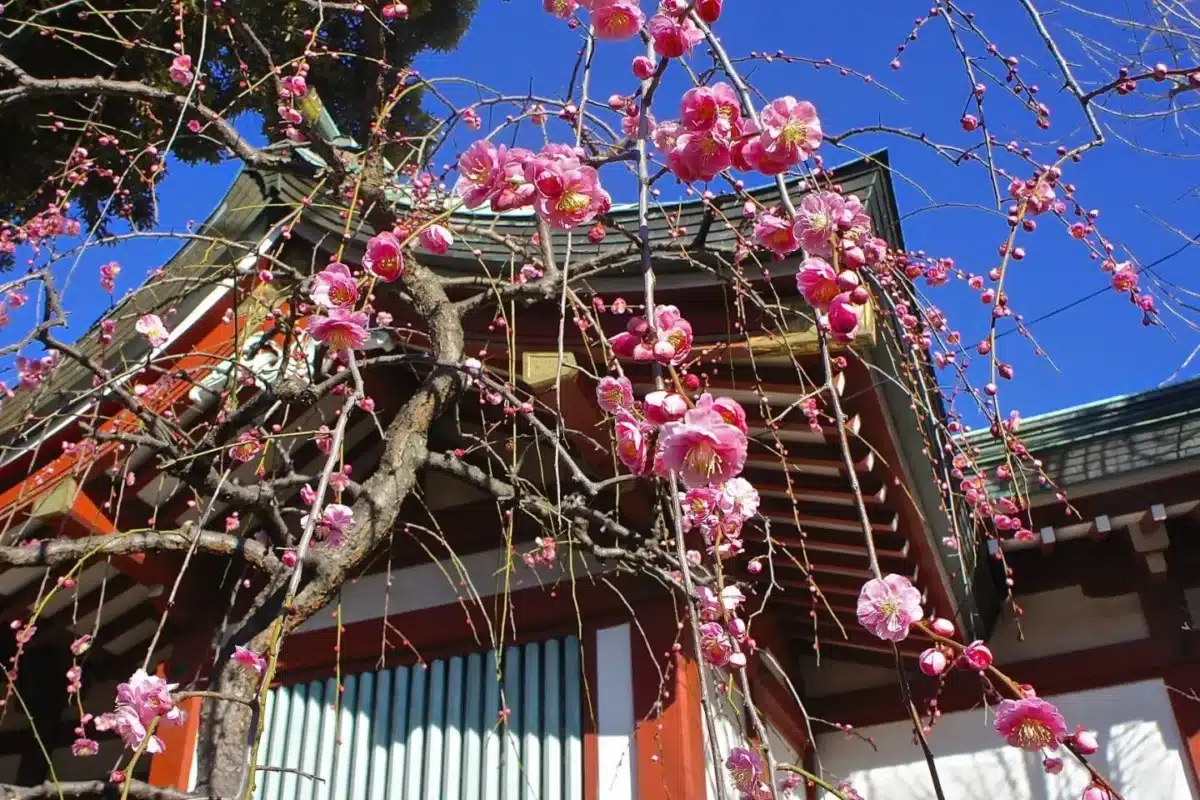
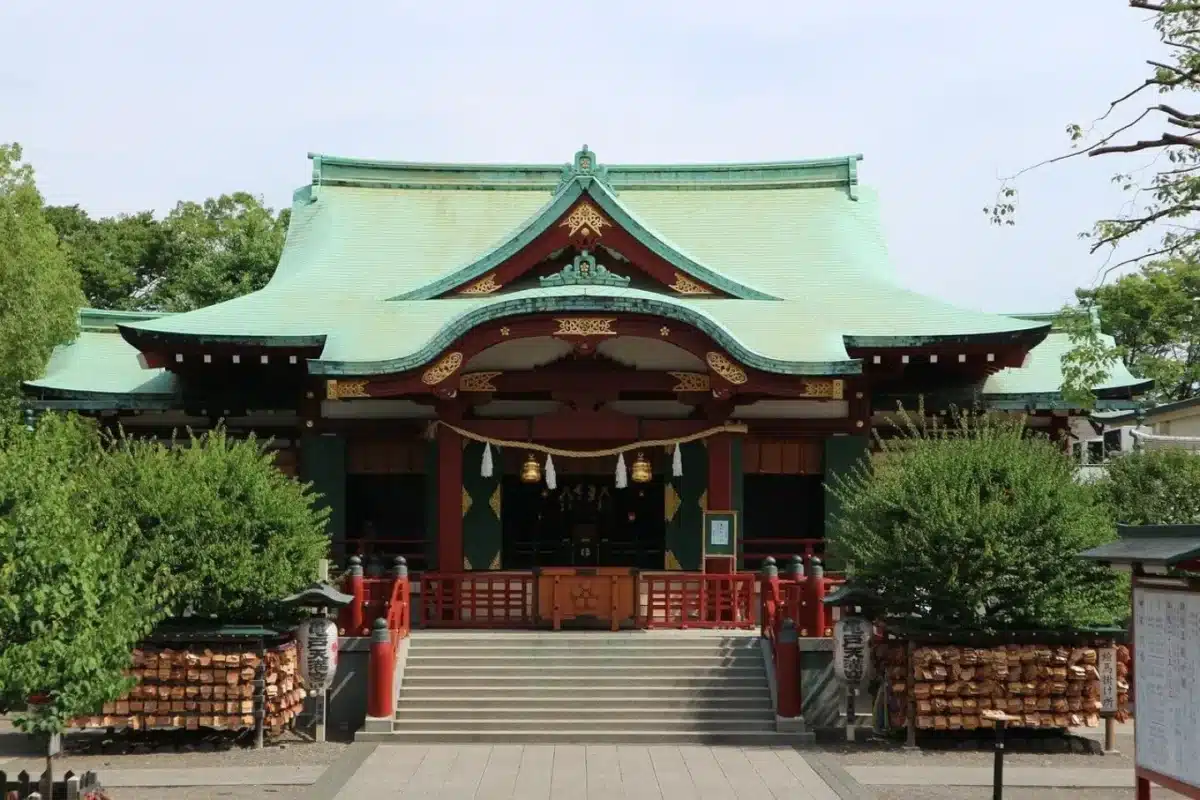
The Kameido Tenjin Shrine Plum Festival 2027 stands as one of Tokyo’s most cherished and serene late-winter traditions, celebrating the arrival of early spring through the blossoming of hundreds of magnificent plum trees. Held within the historic precincts of Kameido Tenjin Shrine in Koto Ward, this enchanting cultural event invites locals and international travelers alike to witness nature awaken with vibrant shades of pink and pristine white. Dedicated to the revered deity of scholarship, Sugawara no Michizane, the shrine grounds provide a deeply atmospheric setting where centuries-old heritage harmonizes gracefully with the changing seasons.
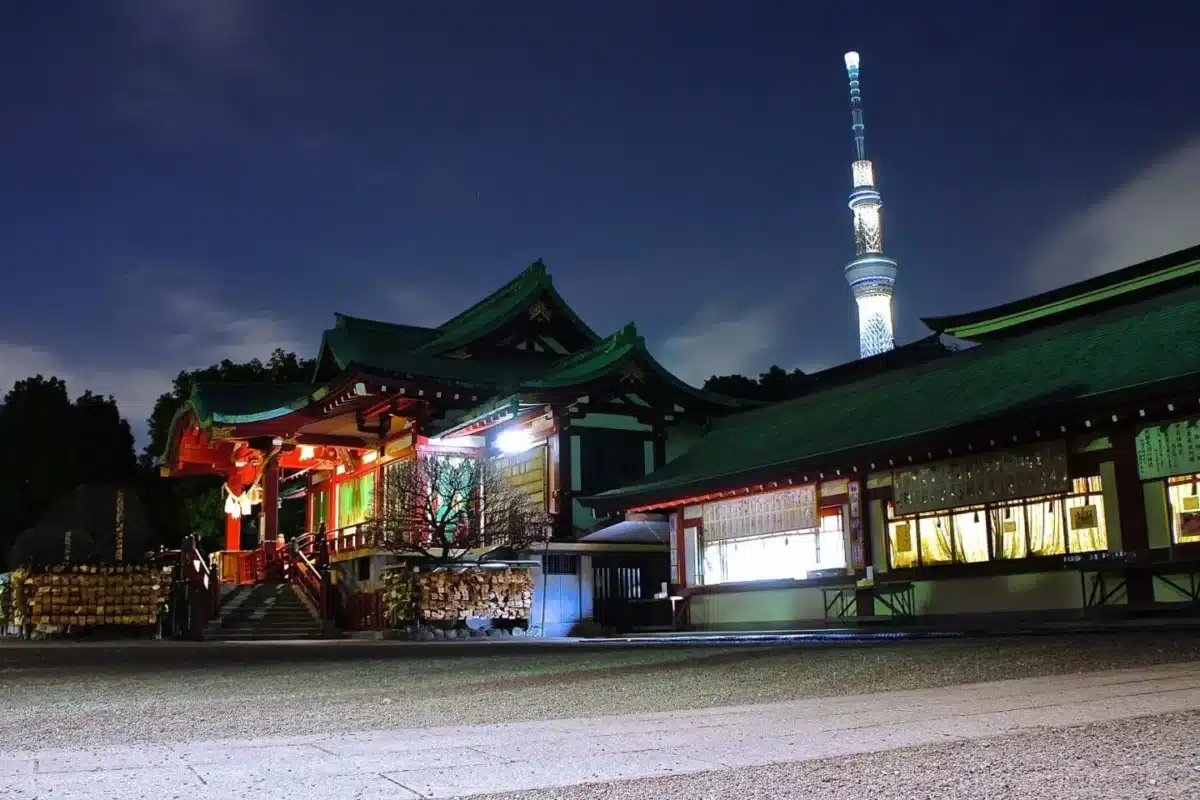
Set against the picturesque architectural backdrop of traditional vermilion drum bridges and tranquil ponds, the festival grounds come alive with the delicate, sweet fragrance of roughly 300 blooming ume trees. Visitors strolling along the winding pathways are treated to stunning, contrasting vistas of classic wooden shrine structures framed against the ultra-modern silhouette of the towering Tokyo Skytree in the distance. This unique visual juxtaposition creates an extraordinary environment for quiet contemplation, leisurely walks, and exceptional photography capturing the essence of historic and contemporary Tokyo.
Throughout the duration of the festival, the shrine fosters a welcoming and reflective community atmosphere that draws nature lovers, students praying for academic success, and curious explorers. Whether you are admiring the intricate patterns of winter petals, savoring traditional local confections from neighborhood stalls, or simply enjoying a peaceful morning escape from the bustling metropolis, this remarkable celebration delivers an unforgettable seasonal experience.
Enjoy Your Event Stress-Free with Japan Travelo
Do you know? Planning events, festivals, concerts, and cultural experiences in Japan can be overwhelming. Japan Travelo brings everything together in one place, helping you manage your itinerary, transport, and accommodation with ease—so you can enjoy Japan without the stress of planning.
Event Highlights
- Marvel at approximately 300 flourishing plum trees displaying a breathtaking spectrum of soft pink, deep rose, and brilliant white blossoms across the shrine grounds.
- Admire the iconic vermilion drum bridges arching over the serene ponds, offering classic framed views of the seasonal flowers.
- Capture striking photographs featuring ancient floral arrangements contrasted against the striking modern backdrop of the nearby Tokyo Skytree.
- Enjoy traditional sweet treats and local delicacies offered by historic neighborhood vendors stationed near the shrine entrance.
Why Attend
This delightful late-winter gathering is exceptionally ideal for photography enthusiasts, nature lovers, and cultural travelers seeking an authentic, peaceful escape in Tokyo before the hectic spring crowds arrive. It is perfectly suited for visitors who appreciate traditional Japanese landscape design, historical shrines, and the gentle, uplifting beauty of early floral blooms.
Attending offers the wonderful benefit of experiencing a deeply traditional neighborhood festival while connecting with centuries of local folklore and artistic inspiration. The serene ambiance, fragrant air, and stunning visual compositions combine to make it a profoundly refreshing destination for a memorable winter morning or afternoon outing.
Date & Duration:
- Event Date: Early Feb – Early March 2027 (Dates TBD)
- Event Duration: Multi-week seasonal celebration featuring daily daytime operating hours suited for peaceful garden strolls and photography
Visiting this event? Don’t miss out on these amazing activities and local experiences while you’re here.
Ticket Information:
- How Tickets Are Sold: General access to the shrine grounds is completely open to the public without requiring pre-purchased tickets or advance reservations.
- Admission Type: Free general admission for all visitors wishing to enter the shrine precincts and view the plum blossom displays.
- Ticket Pricing: Free Admission, though individual food items, amulets, and traditional snacks purchased from independent vendors require separate payments.
- Special Seating Options: Open courtyard viewing areas and traditional stone resting benches are available throughout the shrine grounds on a first-come, first-served basis.
- VIP Options: There are no exclusive VIP tiers or specialized ticket packages, ensuring an open, egalitarian, and accessible cultural experience for all participants.
Venue / Location:
- City and Country: Tokyo, Japan
- Venue Name: Kameido Tenjin Shrine
- Google Maps Address: 3 Chome-6-1 Kameido, Koto City, Tokyo 136-0071, Japan
Contact Information:
- Phone Number: +81336810010
- Website: https://en.japantravel.com/tokyo/kameido-tenjin-shrine-plum-festival/61383
Accommodation Options
Koto Ward and the surrounding eastern Tokyo districts offer a peaceful yet well-connected base for travelers visiting the capital during the late-winter season. While the immediate neighborhood features quiet residential streets and comfortable local guesthouses, nearby major transit hubs like Kinshicho provide an extensive selection of modern urban hotels and business properties within minutes of the shrine.
Staying along major railway lines allows visitors to effortlessly commute to the festival venue while maintaining seamless access to the broader metropolitan area. Securing lodging reservations in advance is always recommended, ensuring a comfortable and convenient stay throughout your Tokyo itinerary.
Getting There
- Nearest Airport: Haneda Airport or Narita Airport both offer direct train and express bus connections straight into central Tokyo transit terminals.
- Nearest Train/Metro Station: Kameido Station (JR Chuo-Sobu Line or Tobu Kameido Line) and Kinshicho Station (JR Sobu Line) are both located roughly a 15-minute walk from the shrine.
- Bus Routes or Public Transport Options: Local municipal bus networks operate frequent routes connecting major commercial districts directly to stops near the shrine area.
- Parking Availability: Public parking spaces immediately adjacent to the shrine grounds are extremely limited, making the use of Tokyo’s efficient train and bus networks strongly recommended.
- Directions by Car: Accessible via Tokyo metropolitan expressways, navigating toward local Koto Ward surface streets and utilizing commercial parking structures located away from the immediate venue perimeter.
Dining Recommendations
Breakfast Recommendations:
- Cozy neighborhood cafes near Kameido Station serving freshly brewed specialty coffee and satisfying morning toast sets.
- Traditional Japanese bakery shops offering classic sweet and savory pastries to energize your morning.
- Charming local morning spots featuring comforting hot soups and traditional rice breakfast platters.
Lunch Recommendations:
- Historic local eateries near the shrine specializing in authentic handmade soba and udon noodles.
- Neighborhood dining spots serving comforting regional rice bowls and seasonal vegetable dishes.
- Traditional confectionary shops offering legendary kuzu-mochi and sweet treats that have served visitors for generations.
Dinner Recommendations:
- Relaxed local izakayas around Kameido and Kinshicho offering delicious grilled skewers and seasonal small plates.
- Intimate dining venues featuring comforting Japanese hot pot and noodle dishes after a day outdoors.
- Welcoming neighborhood restaurants providing hearty regional comfort foods and beverages.
Local Specialties to Try:
- Historic kuzu-mochi, a fermented starch cake topped with sweet roasted soybean flour and black sugar syrup, famous in the Kameido area.
- Traditional sweet plum-flavored confections and seasonal treats crafted specially during the festival period.
- Freshly roasted local snacks and savory street bites available from friendly neighborhood vendors.
What is this event?
The Kameido Tenjin Shrine Plum Festival is an esteemed annual cultural event that honors the blooming of hundreds of fragrant ume trees during the tail end of winter. It transforms the historic shrine grounds into a vibrant, living canvas dedicated to the natural beauty and poetic symbolism of early spring blossoms.
The festival is thoughtfully designed to provide a peaceful sanctuary where visitors can appreciate traditional garden architecture, pay respects at a historic sanctuary, and welcome the changing seasons. By combining botanical splendor with rich cultural heritage, it offers an authentic and meaningful window into traditional Japanese community life.
Why is it popular?
The festival achieves widespread popularity due to its stunning visual compositions, featuring vibrant pink and white plum blossoms arching over classic vermilion bridges with the Tokyo Skytree rising behind them. Photography enthusiasts and nature lovers flock to the grounds to capture these iconic, picturesque scenes that bridge old and new Tokyo.
It is also deeply celebrated for its tranquil atmosphere, historical significance, and the comforting fragrance of the blossoms that fills the crisp winter air. The harmonious blend of accessible shrine grounds, beautiful garden design, and rich local tradition makes it a beloved seasonal destination.
Tips before you go
- Arrive early in the morning on a weekday to enjoy the quietest atmosphere and avoid midday weekend congestion around the photo spots.
- Wear comfortable walking shoes, as exploring the gravel shrine paths and stone bridges involves a fair amount of gentle walking.
- Dress warmly in layers, since late-winter outdoor temperatures in Tokyo can feel quite brisk while standing still to take photos.
- Keep some cash handy for purchasing traditional treats, shrine seals, or small souvenirs from local vendor stalls.
- Check local weather forecasts before your visit to pick a clear day that highlights the bright floral colors against the sky.
Tips for First-Time Visitors
- Take time to pause on each of the three arched drum bridges to experience the distinct architectural symbolism representing the past, present, and future.
- Explore the surrounding neighborhood streets to discover historic confectionary shops that have catered to shrine visitors for generations.
- Observe local worshippers and students quietly offering prayers for academic success at the main hall dedicated to the deity of learning.
- Look closely at the variety of tree tags and different plum cultivars to appreciate the subtle differences in petal color and fragrance.
- Maintain a respectful and calm demeanor while walking through the active prayer areas and sacred garden precincts.
- Pause to enjoy a warm snack from a vendor stall while taking in the wonderful view of the blossoms reflecting on the central pond.
Attendee Experiences
- Standing on the vermilion bridge with the sweet scent of plum blossoms all around and the Tokyo Skytree in the background was an unforgettable sight.
- The shrine felt wonderfully peaceful and serene in the early morning, offering a perfect escape from the busy city streets.
- I loved trying the historic kuzu-mochi sweets near the shrine entrance while admiring the brilliant pink petals against the winter sky.
Video
Location
FAQ
What is the primary significance of the Kameido Tenjin Shrine Plum Festival in Tokyo?
The festival celebrates the blooming of roughly three hundred ume trees, honors the deity of scholarship enshrined on the grounds, and welcomes the arrival of early spring with traditional community festivities.
Do visitors need to purchase advance tickets to enter the shrine festival?
General admission to Kameido Tenjin Shrine and the outdoor festival grounds is entirely free of charge with no tickets or reservations required for entry.
When is the absolute best time during the festival season to view the peak blossoms?
While the festival spans from early February to early March, the peak viewing period typically occurs from mid-February onward when the majority of the white and pink plum trees are in full bloom.
Are food options and traditional snacks available for purchase on-site?
Yes, visitors can enjoy a variety of traditional local snacks, sweet treats, and regional confections offered by historic neighborhood shops and temporary vendor booths.
How can visitors best prepare for a peaceful and enjoyable visit to the shrine?
It is recommended to wear comfortable walking shoes, dress warmly for late-winter weather, and visit during weekday morning hours to experience the serene garden paths with fewer crowds.

Leave a Reply