
Overview
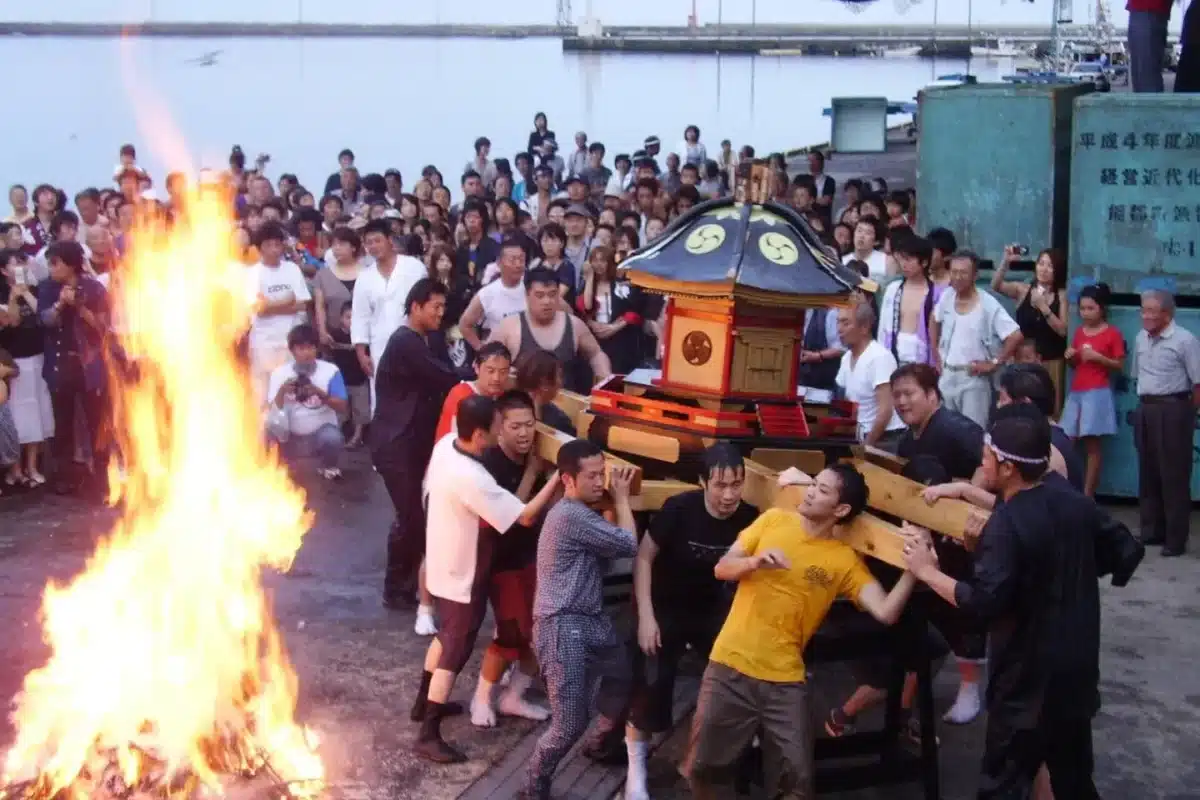
The Abare Matsuri, widely celebrated as the Fire and Violence Festival, is a fierce and exhilarating traditional event held annually in the Ushitsu district of Noto, Japan. Dedicated to the Yasaka Shrine, this historic celebration marks the vibrant arrival of summer for the entire Noto Peninsula. Originating over three centuries ago to express gratitude for the eradication of a regional plague, the festival embraces unbridled energy, dynamic spectacles, and deep spiritual devotion.
Throughout the multi-day event, the coastal town comes alive with thunderous taiko drums, flutes, and passionate crowds dressed in traditional summer wear. More than forty towering, illuminated lantern floats known as kiriko are paraded through narrow streets and gathered at the harbor. The air fills with the crackle of massive bonfires and flying sparks as participants guide the glowing floats in a mesmerizing display of community solidarity and endurance.
The climax of the festival features an intense, high-energy rampage where sacred portable shrines, or mikoshi, are fiercely carried, smashed, and even tossed into rivers and fires. This chaotic yet deeply revered tradition is designed to appease the resident deity through enthusiastic action and raw vitality. It offers travelers an unforgettable window into the potent folklore, historic resilience, and fiery cultural heritage of rural Ishikawa Prefecture.
Enjoy Your Event Stress-Free with Japan Travelo
Do you know? Planning events, festivals, concerts, and cultural experiences in Japan can be overwhelming. Japan Travelo brings everything together in one place, helping you manage your itinerary, transport, and accommodation with ease—so you can enjoy Japan without the stress of planning.
Event Highlights:
- Spectacular parade of over forty towering, illuminated kiriko lantern floats winding through the historic streets of Ushitsu.
- Thrilling nighttime gatherings around massive pillar torches where participants whirl floats in showers of falling sparks.
- High-energy rituals involving the aggressive handling and traditional destruction of sacred portable mikoshi shrines.
- Deep cultural immersion into a 350-year-old regional folk heritage recognized as an intangible cultural asset of Ishikawa Prefecture.
Why Attend
This extraordinary festival is ideal for adventurous travelers, culture enthusiasts, and photography lovers seeking an authentic, high-octane Japanese festival far off the typical tourist path. Attending the celebration provides a rare chance to witness one of the country’s most raw and unscripted traditional events, far removed from highly polished urban festivities. Visitors gain a profound appreciation for local folklore while experiencing the unmatched hospitality and tight-knit spirit of the Noto Peninsula.
Furthermore, participating in the event allows guests to support rural preservation efforts and engage directly with centuries-old Shinto traditions that celebrate community health and perseverance. The combination of roaring bonfires, dramatic maritime backdrops, and electrifying communal passion guarantees an extraordinary travel memory. It is an unmissable destination for anyone eager to experience the visceral heart of traditional Japanese summer celebrations.
Date & Duration:
- Event Date: Early July 2027 (Dates TBD)
- Event Duration: Held across a two-day weekend schedule running from afternoon through late night
Visiting this event? Don’t miss out on these amazing activities and local experiences while you’re here.
Ticket Information:
- How Tickets Are Sold: Public viewing areas and street processions are freely accessible on-site without prior ticket purchases.
- Admission Type: General admission open to all members of the public observing the outdoor festival grounds.
- Ticket Pricing: Free Admission.
- Special Seating Options: Open-air standing areas and viewing zones are situated along the public streets and squares.
- VIP Options: No formal VIP packages, reserved seating tiers, or paid fast-track passes are offered for this community festival.
Venue / Location:
- City and Country: Noto, Japan
- Venue Name: Yasaka Shrine (Ushitsu)
- Google Maps Address: Chi-58 Ushitsu, Noto, Hosu District, Ishikawa 927-0433, Japan
Contact Information:
- Phone Number: +81 768-62-8530
- Website: https://en.japantravel.com/ishikawa/abare-matsuri/61208
Accommodation Options
Finding lodging near the heart of Ushitsu requires advance planning due to the limited number of traditional inns and guesthouses operating in the immediate coastal area. Many travelers choose to base themselves in nearby larger towns or resort areas like Wajima or Wakura Onsen, which offer a wider selection of hot spring ryokans and comfortable hotels.
Securing accommodations along regional transit corridors ensures smooth travel to and from the festival grounds during the lively evening events. Staying at a local seaside inn also provides an exceptional opportunity to enjoy authentic regional hospitality and peaceful coastal views before diving into the high-energy festivities.
Getting There:
- Nearest Airport: Noto Airport is situated approximately thirty kilometers away from the festival venue site.
- Nearest Train/Metro Station: Anamizu Station on the Noto Railway Nanao Line.
- Bus Routes or Public Transport Options: Regional buses operate connecting services from Anamizu Station directly toward the Ushitsu bus stop.
- Parking Availability: Designated public parking lots are arranged around the town limits for arriving motorists.
- Directions by Car: Accessible via major coastal highways and regional roads leading directly into the Noto-cho Ushitsu district.
Dining Recommendations
- Breakfast Recommendations:
- Traditional Japanese morning breakfast sets featuring freshly grilled fish, rice, and miso soup at local inns.
- Local bakeries offering freshly baked pastries and warm morning coffee.
- Cozy station-area cafes serving light breakfast items and green tea refreshments.
- Lunch Recommendations:
- Seaside eateries serving exceptionally fresh daily catches from the rich fishing waters of the Noto Peninsula.
- Casual local ramen shops offering comforting bowls of savory noodles.
- Small family-run dining spots providing satisfying rice bowls and regional set menus.
- Dinner Recommendations:
- Authentic local izakayas serving grilled seafood, seasonal vegetables, and cold local sake.
- Traditional dining rooms at regional ryokans offering multi-course seasonal dinners.
- Casual food stalls set up around the festival grounds offering classic Japanese street food favorites.
- Local Specialties to Try:
- Ultra-fresh sashimi and grilled seafood harvested directly from the coastal waters of the Sea of Japan.
- Premium Ishikawa-brewed regional sake known for its crisp, clean flavor profile.
- Local Noto beef dishes prepared with exceptional culinary attention.
What is this event?
The Abare Matsuri is a dramatic summer festival held in the coastal town of Ushitsu featuring massive kiriko lantern floats and a boisterous procession of sacred portable shrines. It serves as a passionate cultural tribute commemorating the historical end of a severe regional epidemic through high-energy communal celebration.
The thrilling nighttime events bring together thousands of participants who march through the streets amidst roaring bonfires and cascading sparks. This unique fusion of fiery pageantry and historic ritual creates an unforgettable spectacle that honors ancient deities and local resilience.
Why is it popular?
The festival achieves legendary status because it deliberately rejects quiet solemnity in favor of raw, unbridled energy and dramatic physical spectacle. Spectators are captivated by the fierce determination of the float bearers and the thrilling, chaotic tradition of smashing shrines into rivers and fires.
Furthermore, its stunning visual elements, including glowing lanterns illuminated against the summer night sky and crackling pillar torches, make it a magnet for culture seekers. It stands out as one of the most dynamic and unforgettable traditional celebrations in the entire northern region of Japan.
Tips before you go:
- Arrive well before sunset to secure a safe and clear viewing vantage point near the main town squares and harbor areas.
- Wear sturdy, comfortable footwear suitable for walking on unpaved ground and navigating dense, moving crowds.
- Bring sufficient physical cash, as smaller food vendors and festival stalls do not process digital card transactions.
- Exercise caution and maintain a safe distance from active fire pits, fireworks, and fast-moving float carriers.
- Check regional transit schedules thoroughly in advance to plan your return journey following the late-night festivities.
Tips for First-Time Visitors
- Familiarize yourself with the festival schedule so you do not miss the breathtaking Friday night kiriko gathering around the massive pillar torches.
- Take time to explore the quiet coastal streets of Ushitsu during the calmer daytime hours to appreciate the historic charm of the village.
- Pack light and keep your belongings secure in a zippered bag while navigating the enthusiastic and energetic crowds.
- Follow all safety instructions provided by local festival organizers and security personnel regarding fire zones and float paths.
- Combine your festival excursion with a relaxing stay at a nearby hot spring resort to balance the intense excitement of the celebration.
Attendee Experiences:
- Watching the glowing kiriko floats move through the dark streets surrounded by roaring flames was an utterly mesmerizing experience.
- The raw energy and passion of the locals during the shrine procession created an atmosphere unlike any other festival I have witnessed in Japan.
- It is a loud, chaotic, and completely unforgettable celebration that left us with a deep appreciation for rural Japanese traditions.
Video
Location
FAQ
What is the primary historical origin of the Abare Festival?
The festival began centuries ago as a grateful celebration after a local deity was invited to the town to help eradicate a dangerous contagious disease. The boisterous and energetic nature of the event was established to entertain the deity, who traditionally favored lively and passionate displays.
Are spectators allowed to join in carrying the floats or shrines?
While general visitors are warmly welcomed to observe and cheer from the sidelines, carrying the sacred kiriko and mikoshi floats is typically restricted to local residents and designated community members. Observers can best participate by enjoying the atmosphere and supporting the local vendors.
How late do the festival celebrations run each night?
The evening festivities are known to run late into the night, with certain key rituals and processions continuing past midnight, particularly on the second night of the event. Visitors relying on public transportation should plan their schedules or lodging arrangements accordingly.
Is the festival considered safe for families with young children?
The event features intense elements including loud firecrackers, roaring bonfires, and rapidly moving crowds that require extra vigilance from parents. While families do attend, it is essential to maintain a secure distance from the main action zones and active float routes.
What is the best way to travel to the remote festival venue?
Most travelers take the train to Anamizu Station and transfer to a connecting local bus service heading directly toward the Ushitsu area. Planning your transit connections early ensures a smooth journey to the coastal festival site.

Leave a Reply