
Overview
The Daikoku Matsuri is a magnificent and culturally profound winter festival held annually at the historic Kanda Myojin Shrine in the heart of Tokyo. Dedicated to Daikokuten, the revered deity of wealth, agriculture, commerce, and general good fortune, this celebration serves as one of the capital’s premier New Year traditions. It attracts thousands of worshippers, local merchants, and international travelers who gather to pray for prosperity and success in the coming year.
Throughout the multi-day event, the shrine precincts come alive with sacred rituals, traditional performances, and spiritual ceremonies designed to invoke blessings. Dating back through centuries of Tokyo history, the festival maintains a deep connection with the local business community and individuals seeking an auspicious start to their personal and professional endeavors. The vibrant atmosphere blends deep spiritual devotion with engaging cultural displays that captivate every visitor.
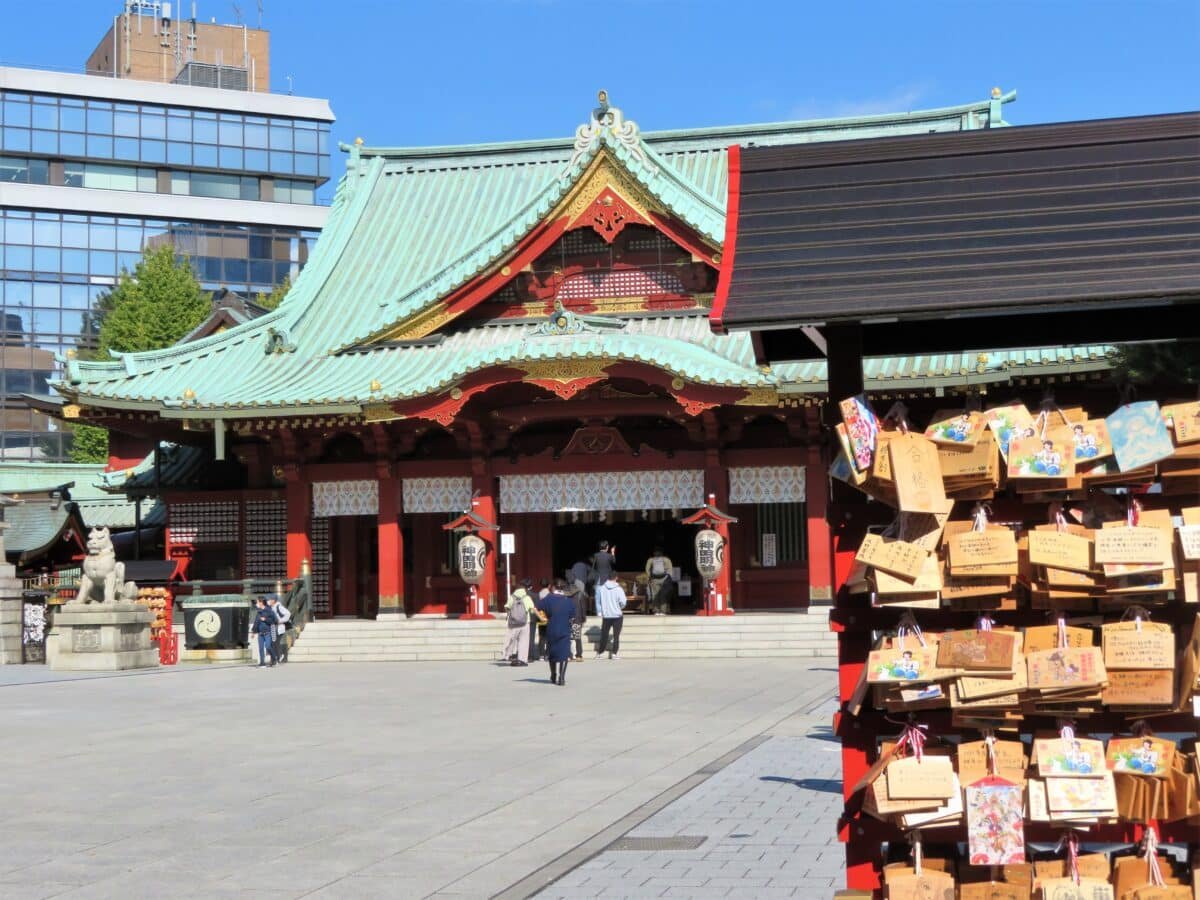
The festival features several unique and rare ceremonies, including traditional purification rites and ancient culinary demonstrations performed by master practitioners. Against the backdrop of the shrine’s striking vermilion architecture, attendees experience an authentic slice of Japanese heritage right in a modern metropolis. It stands out as an unmissable seasonal event for anyone looking to understand the spiritual roots of Tokyo’s New Year celebrations.
Enjoy Your Event Stress-Free with Japan Travelo
Do you know? Planning events, festivals, concerts, and cultural experiences in Japan can be overwhelming. Japan Travelo brings everything together in one place, helping you manage your itinerary, transport, and accommodation with ease—so you can enjoy Japan without the stress of planning.
Event Highlights:
- The striking misogi water purification ritual where dedicated participants cleanse their spirits in cold water to welcome good fortune.
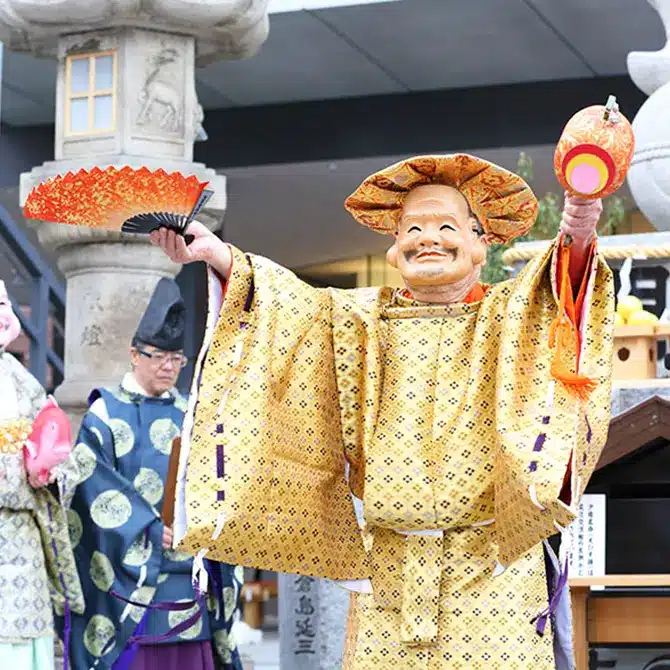
- Captivating traditional performances featuring a Shinto dancer dressed as Daikokuten shaking a sacred golden mallet over the heads of worshippers.
- The rare Shijoryu Hochodo ceremony demonstrating ancient, expert knife skills for artistic ceremonial fish preparation.
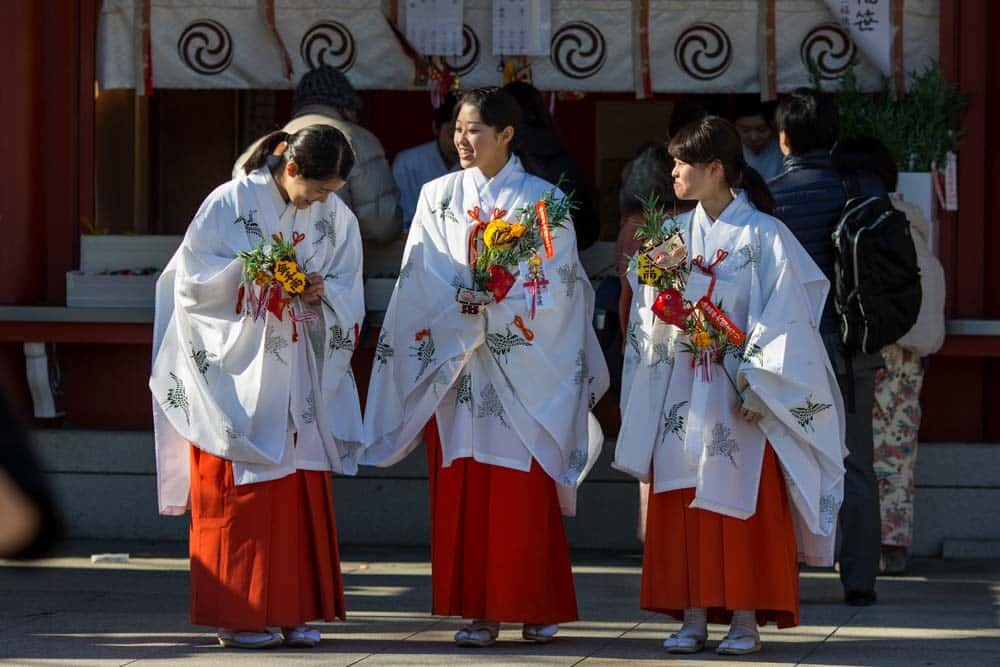
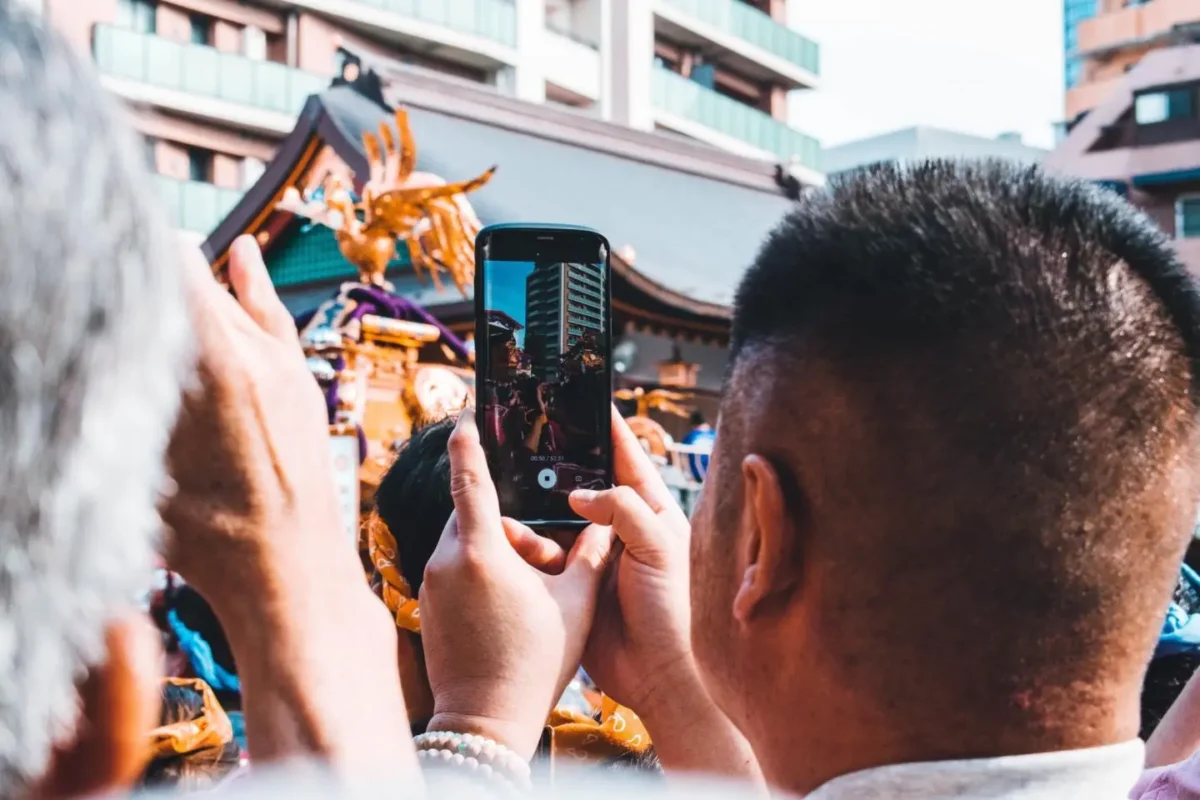
- Festive shrine grounds adorned for the New Year, offering vibrant cultural immersion and unique photo opportunities.
Why Attend
This extraordinary winter festival is ideal for culture enthusiasts, spiritual seekers, and international travelers eager to experience authentic Shinto traditions in central Tokyo. Attending the event provides a rare opportunity to witness sacred rituals that are rarely performed outside of major historical shrines. Visitors gain a deeper appreciation for Japanese folklore while participating in customs believed to bring lasting wealth and prosperity.
Furthermore, the gathering offers an exceptionally welcoming and family-friendly environment for visitors of all backgrounds to enjoy traditional New Year festivities. By joining the celebration, guests can immerse themselves in the local community spirit and enjoy seasonal food offerings. The experience leaves every attendee with a memorable connection to the timeless customs of Japan’s capital city.
Date & Duration:
- Event Date: Mid January 2027 (Dates TBD)
- Event Duration: Held across a multi-day weekend schedule running daily from morning until late afternoon
Visiting this event? Don’t miss out on these amazing activities and local experiences while you’re here.
Ticket Information:
- How Tickets Are Sold: General access to the shrine courtyard and public viewing areas is freely open on-site without advance ticket purchases.
- Admission Type: General admission for all visitors observing the shrine rituals and festival grounds.
- Ticket Pricing: Free Admission.
- Special Seating Options: Open-air standing areas and viewing zones are situated around the main shrine courtyard and hall.
- VIP Options: No formal VIP packages, reserved seating tiers, or paid fast-track passes are offered for this traditional public shrine festival.
Venue / Location:
- City and Country: Tokyo, Japan
- Venue Name: Kanda Myojin Shrine
- Google Maps Address: 2 Chome-16-2 Sotokanda, Chiyoda City, Tokyo 101-0021, Japan
Contact Information:
- Phone Number: +81 3-3254-0753
- Website: https://en.japantravel.com/tokyo/daikoku-matsuri/60964
Accommodation Options
Finding lodging near Kanda Myojin Shrine is remarkably convenient given its central location in Chiyoda City, with numerous hotels available in nearby areas like Akihabara, Ochanomizu, and Ueno. Staying within walking distance of the shrine allows visitors to easily access the morning and afternoon festival rituals without worrying about complex transit schedules.
Travelers looking for comfort and flexibility can choose from a wide spectrum of accommodations ranging from high-end urban hotels to practical business-style lodgings. These options provide an ideal base for exploring both the shrine festival and the broader array of shopping, dining, and cultural attractions throughout central Tokyo.
Getting There:
- Nearest Airport: Haneda Airport is approximately twenty kilometers away from the central Tokyo shrine venue.
- Nearest Train/Metro Station: Ochanomizu Station or Akihabara Station, both located within a short walking distance.
- Bus Routes or Public Transport Options: Central Tokyo municipal bus routes and subway lines provide frequent, direct access to the shrine vicinity.
- Parking Availability: Limited parking space is available on-site, making public transit the highly recommended travel method.
- Directions by Car: Accessible via central Tokyo expressways and major urban surface roads leading toward the Chiyoda and Akihabara districts.
Dining Recommendations
- Breakfast Recommendations:
- Traditional Japanese morning breakfast sets offered at classic local cafes near Ochanomizu Station.
- Modern bakeries in the Akihabara district serving freshly baked breads and warm morning coffee.
- Cozy neighborhood coffee shops providing light breakfast options and traditional green tea.
- Lunch Recommendations:
- Casual dining spots near the shrine offering comforting bowls of hot udon and soba noodles.
- Local eateries serving classic Japanese set meals featuring grilled fish and seasonal side dishes.
- Traditional food stalls set up around the shrine area offering savory winter snacks and treats.
- Dinner Recommendations:
- Authentic local izakayas located throughout the bustling streets surrounding Akihabara and Kanda.
- Welcoming family restaurants serving hearty regional comfort dishes and satisfying rice bowls.
- Traditional dining establishments offering refined Japanese cuisine and seasonal specialties.
- Local Specialties to Try:
- Freshly pounded mochi rice cakes prepared during traditional New Year shrine events.
- Classic Tokyo-style ramen featuring rich broths and hand-pulled noodles.
- Savory traditional street foods enjoyed during winter festival celebrations.
What is this event?
The Daikoku Matsuri is a significant winter festival held annually at Kanda Myojin Shrine in Tokyo to honor Daikokuten, one of Japan’s most beloved Seven Lucky Gods. It serves as a vibrant spiritual gathering where worshippers pray for agricultural abundance, commercial success, and general prosperity for the upcoming year.
The festival features a series of sacred Shinto rituals, including traditional purification ceremonies and performances where priests and actors invoke blessings for the community. This unique cultural celebration bridges ancient religious traditions with modern urban life in the heart of Tokyo.
Why is it popular?
The festival achieves immense popularity because it offers visitors a direct and authentic encounter with traditional Japanese New Year customs focused entirely on luck and wealth. Spectators are especially drawn to the charismatic ceremonies involving the sacred golden mallet and the rare ritual knife demonstrations.
Additionally, the vibrant atmosphere and the historic charm of Kanda Myojin Shrine make it a major destination for both locals and international travelers. It provides an uplifting and visually striking cultural experience during the quiet winter season in Tokyo.
Tips before you go:
- Arrive early in the day, especially for Sunday events, to secure a good viewing spot near the main hall for the blessing ceremonies.
- Dress warmly in layers, as you will spend considerable time standing outdoors in the January winter air.
- Bring sufficient physical cash, as traditional shrine offerings, amulet purchases, and food stalls often rely on cash transactions.
- Wear comfortable walking shoes suitable for navigating the paved courtyards and gravel paths of the shrine complex.
- Check the daily festival schedule in advance so you do not miss specific headline rituals like the purification or knife ceremonies.
Tips for First-Time Visitors
- Take time to explore the main shrine hall and administrative buildings to appreciate the blend of historical architecture and modern artistry.
- Purchase a traditional good luck amulet or ema wooden plaque at the shrine office to record your own New Year wishes.
- Respect all signs and instructions given by shrine priests and security personnel during active ritual performances.
- Combine your shrine visit with a walk through the nearby vibrant districts of Akihabara or Ochanomizu.
- Keep your camera ready but remain courteous and mindful of worshippers during solemn prayer rites.
Attendee Experiences:
- Watching the ceremonial blessings with the sacred mallet created a deeply memorable and joyful atmosphere for everyone gathered in the courtyard.
- The historic shrine buildings provide a stunning backdrop for traditional winter rituals right in the middle of bustling Tokyo.
- It was a wonderful cultural experience that offered a true glimpse into how locals welcome good fortune at the start of the year.
Video
Location
FAQ
What is the main purpose of the Daikoku Matsuri festival?
The festival primarily celebrates Daikokuten, the deity of wealth and good fortune, allowing worshippers to pray for prosperity, success, and happy relationships in the new year. It serves as one of the premier post-New Year spiritual events at Kanda Myojin Shrine.
Where is the festival held in Tokyo?
The event takes place entirely within the grounds of the historic Kanda Myojin Shrine located in Chiyoda City. The shrine is easily accessible on foot from several nearby major railway and subway stations.
Are there special rituals open for public viewing during the event?
Visitors can freely observe major highlights such as the misogi water purification ceremony, ancient knife-handling demonstrations, and the traditional Daikoku blessing dances. The shrine welcomes the public to watch these fascinating cultural performances.
How should visitors travel to the Kanda Myojin Shrine?
Public transportation is widely considered the best option, with convenient walking routes available from Ochanomizu, Yushima, and Akihabara stations. Using local trains avoids the parking difficulties common in central Tokyo.
Is the festival suitable for families and children?
The gathering offers a safe, welcoming, and culturally rich environment that visitors of all ages can appreciate and enjoy. Families frequently attend to soak in the festive New Year atmosphere and explore the shrine grounds.

Leave a Reply