
Overview
The Urasa Naked Man Festival stands as one of the most thrilling, intensely energetic, and culturally fascinating winter traditions in the Niigata Prefecture of Japan. Held annually within the snowy mountain enclave of Minamiuonuma, this legendary event—officially known as the Bishamondo Hadaka Matsuri—transforms the historic temple grounds into a vibrant arena of steaming breath, chanting crowds, and fierce friendly competition. As the crisp early March air carries the chill of lingering snow country winter, hundreds of participants gather to celebrate fertility, health, and hopes for a bountiful agricultural year.
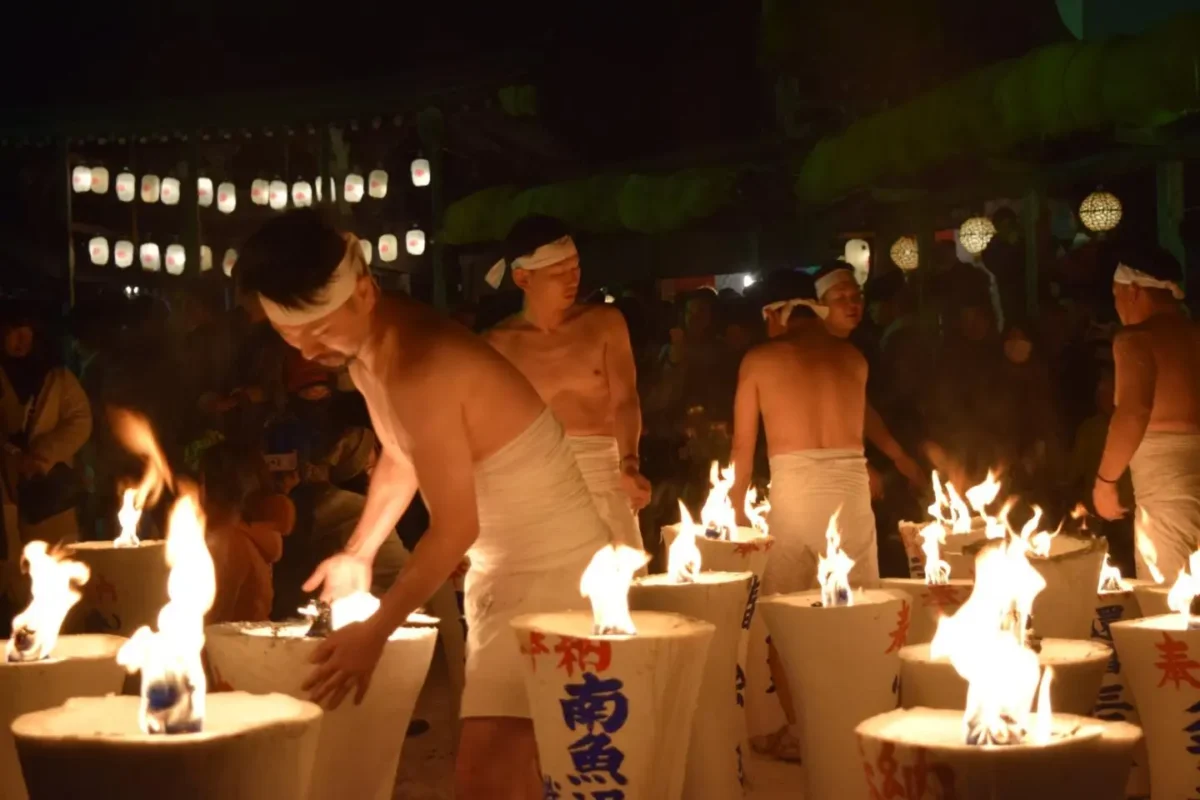
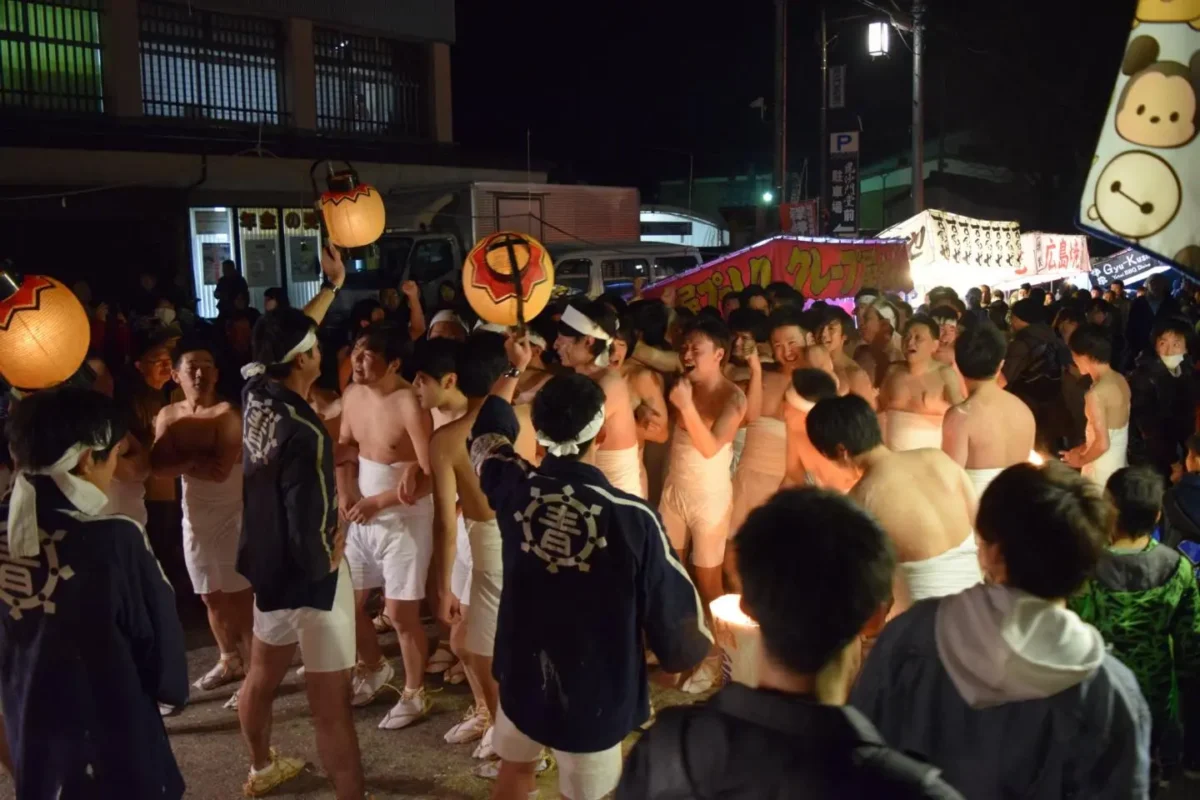
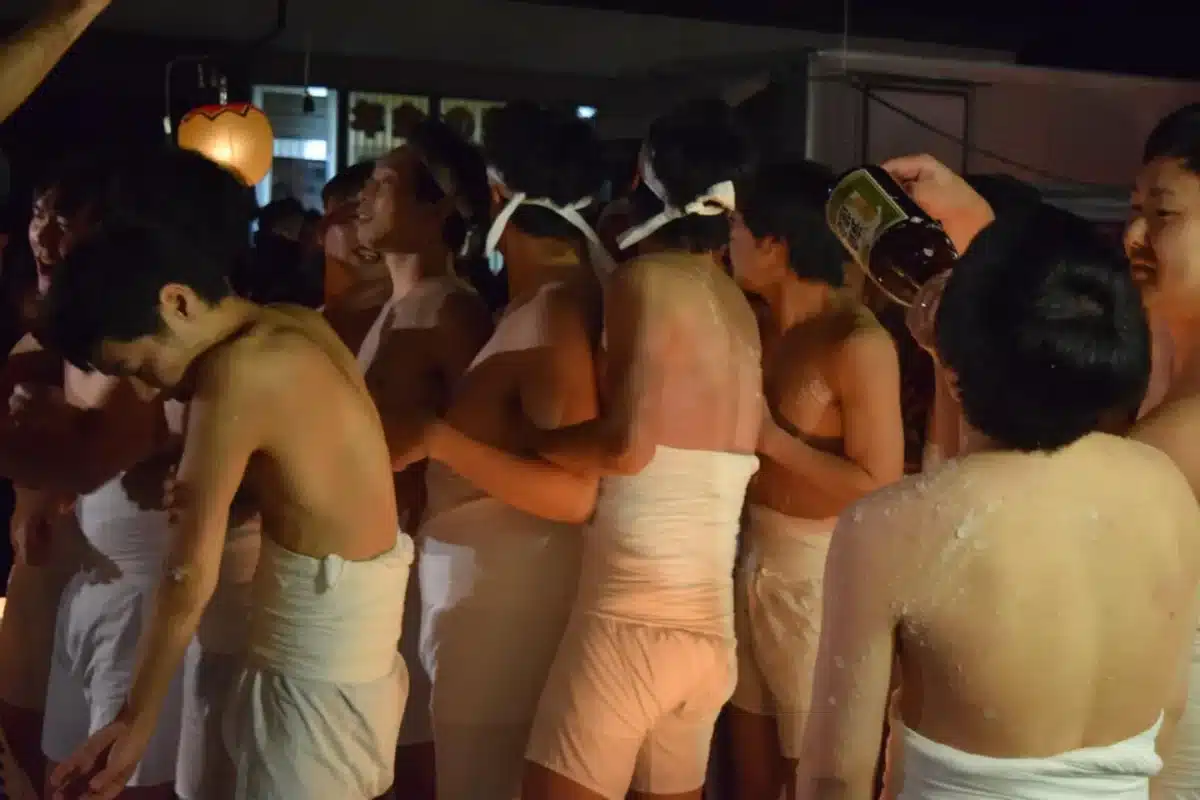
The main spectacle of the celebration revolves around hundreds of men dressed only in traditional loincloths who crowd into the sacred halls of Bishamondo Temple. Amidst thick clouds of incense and the rhythmic, thunderous beating of ceremonial drums, the participants engage in a massive, surging pushing match to reach the inner sanctum. According to local custom, touching the sacred altar and receiving the blessings of the guardian deity brings good fortune, personal strength, and prosperity for the coming year. The sheer physical energy and raw camaraderie create an unforgettable atmosphere that bridges ancient Shinto-Buddhist folk customs with modern community spirit.
The festival’s origins trace back centuries to agrarian rituals designed to appease protective deities and invoke favorable weather for spring planting in the rugged snow mountains of Echigo. Over generations, what began as a solemn regional prayer evolved into one of Niigata’s most iconic and boisterous winter spectacles. Visitors are treated to an exceptionally authentic and welcoming environment where ancient heritage is celebrated with unbridled enthusiasm, marking a powerful cultural transition from the depths of winter toward the renewal of spring.
Enjoy Your Event Stress-Free with Japan Travelo
Do you know? Planning events, festivals, concerts, and cultural experiences in Japan can be overwhelming. Japan Travelo brings everything together in one place, helping you manage your itinerary, transport, and accommodation with ease—so you can enjoy Japan without the stress of planning.
Event Highlights
- The breathtaking indoor pushing ritual inside the historic Bishamondo Temple as hundreds of loincloth-clad participants vie for position.
- Thick clouds of aromatic incense and the resonant, thunderous sound of ceremonial taiko drums echoing through the sacred halls.
- Traditional purification rites involving icy water blessings performed outdoors in the snowy mountain courtyard.
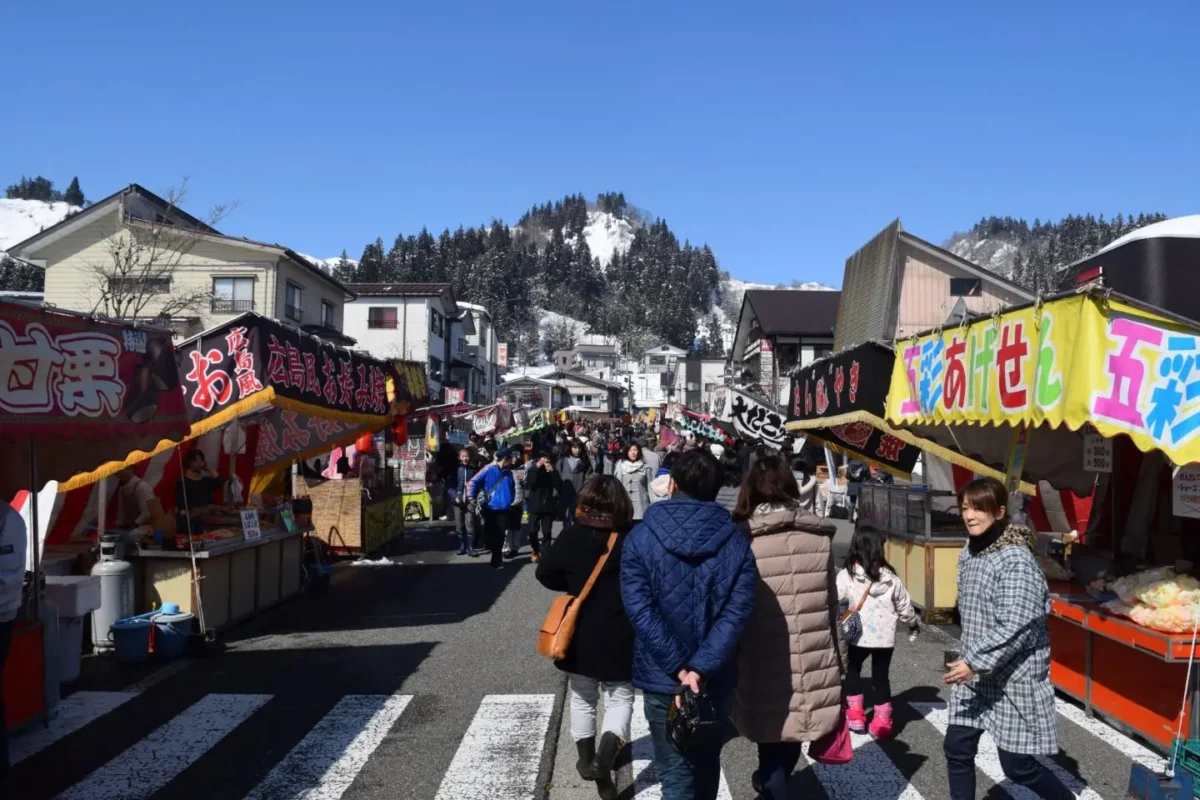
- Bustling local festival stalls offering hot regional street foods, warming beverages, and unique seasonal souvenirs.
Why Attend
This exceptional event is ideally suited for culturally curious travelers, photography enthusiasts, and international visitors eager to witness one of Japan’s most dynamic and authentic winter folk festivals far off the standard tourist path. It provides an unmatched opportunity to observe a living tradition of raw physical endurance and community devotion that cannot be experienced anywhere else. Attending allows guests to immerse themselves in the genuine spirit of rural Niigata and experience the unmatched warmth and hospitality of its people.
Beyond the thrilling spectacle of the pushing match, the festival offers the enriching benefit of stepping into a stunning snow country landscape that celebrates resilience and renewal. The combination of snowy mountain backdrops, dramatic temple rituals, and passionate local energy creates memories that last a lifetime. Visitors depart with a profound appreciation for Japan’s diverse folkloric heritage and the vibrant traditions of mountain communities.
Date & Duration
- Event Date: Early March 2027 (Dates TBD)
- Event Duration: A single-day spectacular winter celebration and evening ritual
Visiting this event? Don’t miss out on these amazing activities and local experiences while you’re here.
Ticket Information
- How Tickets Are Sold: Public viewing of the outdoor temple courtyard festivities and open festival areas is entirely free and accessible to all visitors.
- Admission Type: General admission applies universally to all open public viewing zones around the temple grounds.
- Ticket Pricing: Free Admission.
- Special Seating Options: No formal reserved seating is available, as the event is structured as an open-air community gathering and temple courtyard viewing experience.
- VIP Options: None available, as the event is fundamentally a community-driven cultural celebration welcoming all spectators equally.
Venue / Location
- City and Country: Minamiuonuma, Japan
- Venue Name: Bishamondo Temple
- Google Maps Address: 18 Anshuinariyamacho, Yamashina Ward, Kyoto, 607-8003, Japan
Contact Information
- Website: https://en.japantravel.com/niigata/urasa-naked-man-pushing-festival/52558
Accommodation Options:
Accommodation across Minamiuonuma and the surrounding snow country region ranges from cozy local minshukus and traditional Japanese ryokans to comfortable ski resort hotels situated near major transit lines. Securing reservations well in advance is highly recommended because rooms throughout the valley fill up rapidly during the peak winter festival season.
Staying closer to the central railway hubs allows travelers to enjoy seamless rail connections and convenient transit access directly to the temple grounds. These welcoming lodgings provide a comfortable sanctuary for visitors looking to explore both the festival rituals and nearby hot spring baths.
Getting There:
- Nearest Airport: Niigata Airport or Tokyo Haneda Airport, accessible via express shinkansen train connections and regional rail networks.
- Nearest Train/Metro Station: JR Urasa Station, serving as the central railway access point along the Joetsu Shinkansen line from Tokyo and Niigata.
- Bus Routes or Public Transport Options: Local community bus services and walking paths connect Urasa Station directly to the Bishamondo Temple grounds within a short distance.
- Parking Availability: Designated public parking spaces are established near the temple area, though availability remains extremely limited during peak festival hours.
- Directions by Car: Accessible via major regional roadways and highway links leading directly toward the Minamiuonuma district in Niigata Prefecture.
Dining Recommendations
Breakfast Recommendations:
- Charming local cafes situated near Urasa Station offering comforting Japanese breakfast sets and freshly brewed artisanal coffee.
- Traditional neighborhood bakeries providing freshly baked pastries and light morning snacks before heading to the temple.
- Established hotels featuring extensive breakfast buffets incorporating both hearty Western favorites and regional delicacies.
Lunch Recommendations:
- Local eateries renowned for serving steaming bowls of Niigata-style ramen or authentic Uonuma-produced soba noodles.
- Cozy neighborhood restaurants offering seasonal tempura, fresh rice bowls, and comforting local set meals.
- Traditional dining spots near the train station featuring locally sourced ingredients and comforting comfort foods.
Dinner Recommendations:
- Authentic local izakayas located throughout the city center delivering a welcoming evening atmosphere with small plates and regional beverages.
- Specialized dining establishments focusing on premium Niigata Koshihikari rice dishes, grilled delicacies, and seasonal hot pots.
- Family-friendly restaurants offering satisfying comfort foods and relaxed dining environments.
Local Specialties to Try:
- Niigata Koshihikari rice, celebrated nationwide for its exceptional gloss, natural sweetness, and sticky perfection.
- Uonuma handmade soba noodles crafted from locally harvested buckwheat and pristine mountain snowmelt water.
- Local snow country mountain vegetable tempura and warming seasonal hot pot dishes.
What is this event?
The Urasa Naked Man Festival stands as a magnificent traditional winter celebration held annually in Niigata, Japan, uniquely centered around fertility prayers and communal endurance. It brilliantly combines ancient Shinto-Buddhist folk customs, dramatic temple rituals, and vibrant community spirit to unite residents in joyous anticipation of spring.
This annual cultural gathering serves as an essential regional tradition wherein hundreds of participants brave the cold in loincloths to push toward the temple altar. The festival features dynamic indoor scuffles, incense-filled halls, and powerful rituals showcasing rich local heritage.
Why is it popular?
The festival is universally beloved for its high-energy, raw display of traditional winter endurance that effortlessly captivates art lovers and cultural explorers from around the world. It fosters a remarkably powerful sense of community solidarity and contagious excitement rarely found in standard exhibitions.
Visitors journey from far and wide to witness the iconic indoor pushing match and savor the distinct culinary delights characteristic of the snowy Niigata region. It represents a truly rare and cherished opportunity to experience authentic folk traditions within a welcoming, dynamic environment.
Tips before you go
- Dress in warm winter layers and sturdy boots, as the temple grounds and surrounding paths feature lingering snow and freezing March temperatures.
- Wear shoes that are easy to slip on and off if entering indoor temple areas where footwear must be removed.
- Bring a camera or smartphone with good low-light capabilities to capture the dramatic action inside the incense-filled temple hall.
- Arrive during afternoon hours to secure an optimal viewing spot in the temple courtyard before peak evening crowds gather.
- Respect exhibition guidelines at all times and follow the helpful instructions provided by temple staff managing the viewing areas.
Tips for First-Time Visitors
- Take your time observing the energetic preparations and traditional attire of the participants assembling around the temple grounds.
- Research local transit routes in advance, as taking the Joetsu Shinkansen to Urasa Station followed by a short walk is the most convenient approach.
- Sample traditional Niigata sake and regional delicacies at nearby shops to fully appreciate the area’s culinary identity.
- Prepare yourself for an inspiring and intense visual experience that highlights the pinnacle of traditional Japanese winter festivals.
- Modest cash preparation is recommended, as small local craft vendors or pop-up market stalls may not accept electronic card payments.
- Dedicate extra time to relax in nearby regional hot spring onsen baths after experiencing the brisk winter weather.
Attendee Experiences
- Watching hundreds of participants charge into the incense-filled temple hall with incredible energy was an utterly breathtaking and unforgettable sight.
- The joyful, celebratory atmosphere throughout the snowy temple grounds made the entire winter festival feel deeply welcoming and alive.
- Seeing how an ancient snow country tradition is preserved with such immense physical spirit and pride was the absolute highlight of my trip to Niigata.
Location
FAQ
What is the historical origin and significance of the Urasa Naked Man Festival?
The festival originated centuries ago as an agricultural folk ritual in the snowy mountains of Niigata to pray for bumper crops, family health, and community prosperity. The rigorous physical exertion and pushing match symbolize the purification of participants and the invocation of divine blessings for the upcoming spring planting season.
Do visitors need to purchase tickets to view the festival rituals at the temple?
Viewing the outdoor courtyard activities, temple grounds processions, and public viewing areas is entirely free of charge for all visitors. This open access allows families and travelers to enjoy the cultural celebration freely without booking reservations.
How can visitors easily travel to the Bishamondo Temple venue from the railway station?
The temple is conveniently accessible from JR Urasa Station via a short, pleasant walk through the local neighborhood. Clear directional signage helps guide travelers smoothly from the shinkansen transport hubs directly to the temple gates.
What makes the Bishamondo Temple setting particularly special for this winter event?
Bishamondo is a historic temple deeply revered in the Urasa region, featuring traditional wooden architecture that provides an authentic, atmospheric setting for winter folk rituals. This genuine environment enhances the cultural authenticity of the energetic pushing ceremony.
Are there any specific behavioral traditions or etiquette rules that visitors should carefully observe?
It remains vital to observe the ritual boundaries respectfully, keep walkways clear for participants and temple staff, and maintain courteous behavior around the crowded indoor viewing spaces. Approaching the heritage exhibition with care ensures that everyone enjoys a safe and harmonious experience.

Leave a Reply