
Overview
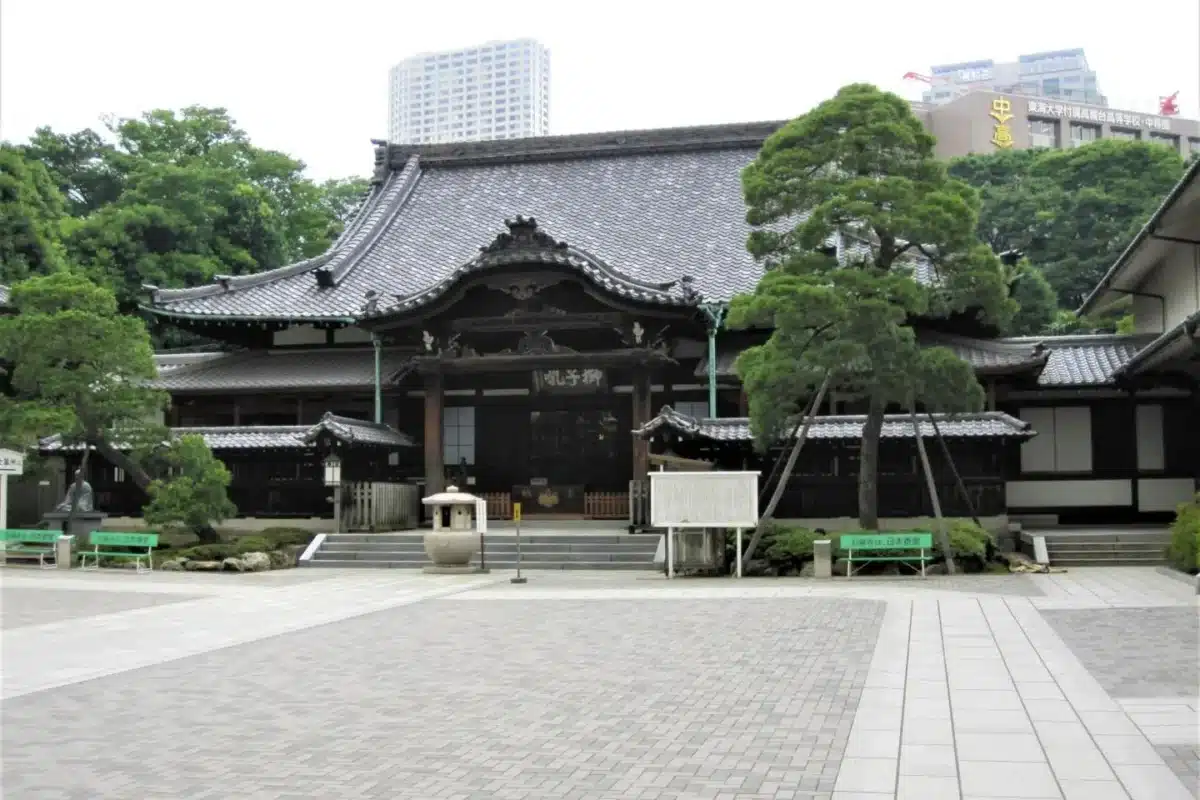
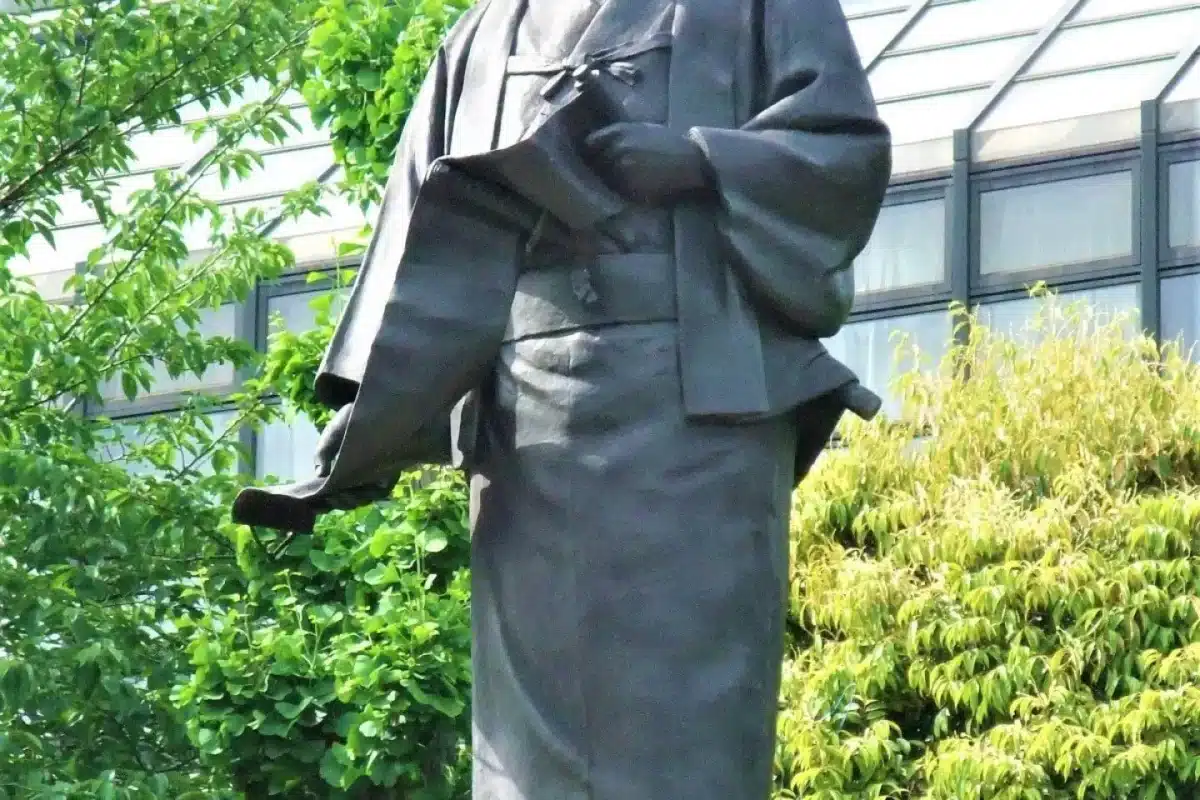
The Ako Gishisai Festival stands as one of the most revered, historically evocative, and deeply moving winter traditions in the Tokyo Metropolis of Japan. Hosted annually within the sacred and historic grounds of Sengakuji Temple in Minato Ward, this extraordinary commemoration honors the legendary loyalty, sacrifice, and honor of the Forty-Seven Ronin. As the crisp December air settles over the capital, thousands of visitors, historians, and devoted followers gather to pay tribute to the Ako samurai who completed their famed vendetta in 1703 before resting eternally by their master’s side.
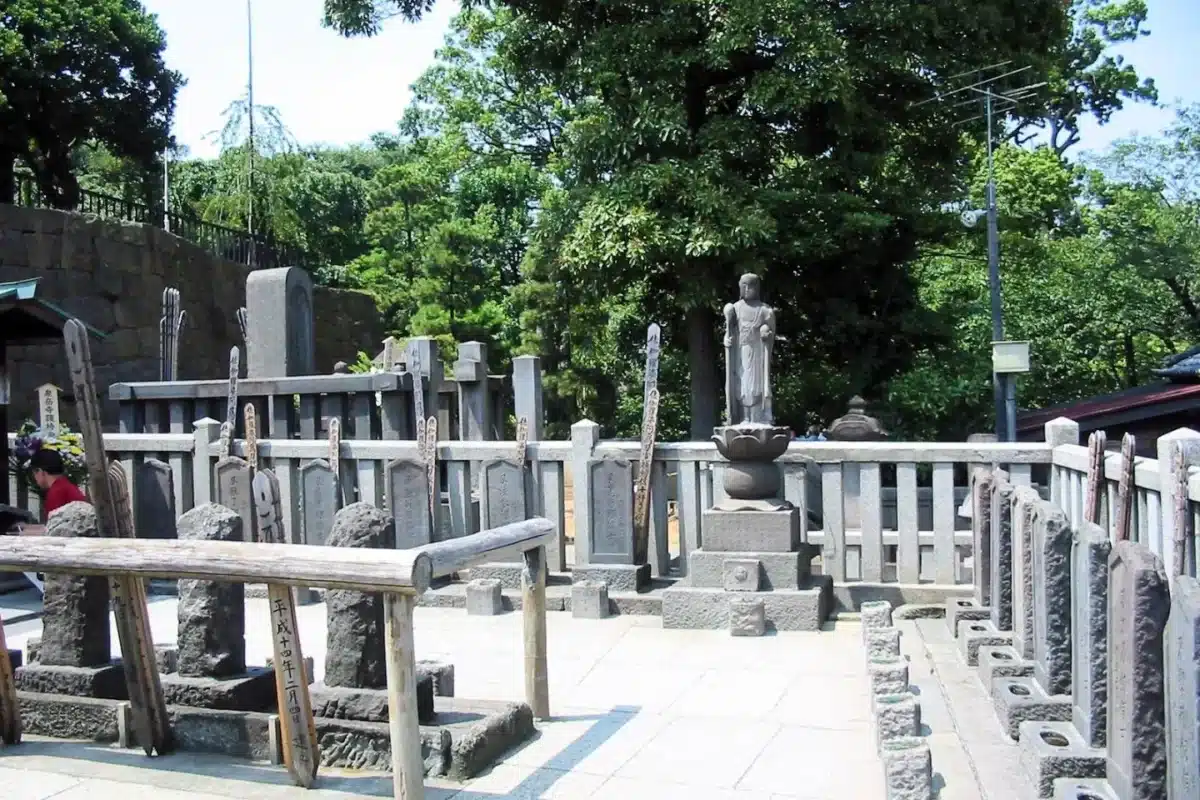
The main spectacle of the celebration revolves around a solemn and magnificent memorial procession winding through the local neighborhood streets toward the temple gates. Costumed participants dressed in authentic traditional samurai attire re-create the historic march of the loyal retainers, carrying banners, lanterns, and period armor with quiet dignity. Inside the temple precincts, visitors participate in incense-burning rituals, offer silent prayers at the graves of the Ronin, and reflect upon the timeless moral tenets of Bushido that continue to define Japanese cultural heritage.
The festival’s origins trace back directly to the commemorative memorial services established by followers and local citizens following the tragic and noble end of the Ako retainers. Over centuries, what began as private temple devotions evolved into one of Tokyo’s most significant historical pageants. Visitors are treated to an exceptionally respectful and authentic atmosphere where ancient loyalty is commemorated with immense solemnity, marking a profound cultural highlight of the winter season in the capital.
Enjoy Your Event Stress-Free with Japan Travelo
Do you know? Planning events, festivals, concerts, and cultural experiences in Japan can be overwhelming. Japan Travelo brings everything together in one place, helping you manage your itinerary, transport, and accommodation with ease—so you can enjoy Japan without the stress of planning.
Event Highlights
- The breathtaking historical samurai procession featuring costumed participants re-creating the legendary march of the Forty-Seven Ronin through the streets of Minato Ward.
- Solemn incense-offering and memorial prayer ceremonies conducted at the sacred gravesites within the historic precincts of Sengakuji Temple.
- Traditional period displays showcasing authentic Edo-period garments, commemorative banners, and historical artifacts associated with the Ako clan.
- Resonant musical accompaniment featuring traditional flutes, drums, and solemn chanting by memorial participants.
Why Attend
This exceptional event is ideally suited for culturally curious travelers, history enthusiasts, and international visitors eager to witness one of Japan’s most famous and emotionally resonant historical commemorations. It provides an unmatched opportunity to step back in time and experience the living legacy of the Ako Gishi within the exact resting place where their story culminated. Attending allows guests to immerse themselves in a powerful cultural tradition that highlights the enduring values of loyalty, devotion, and steadfast honor.
Beyond the historic procession, the festival offers the enriching benefit of gaining a profound understanding of Japan’s samurai ethos and Edo-period history in an authentic temple setting. The combination of solemn ritual, traditional pageantry, and quiet reflection creates an unforgettable cultural journey. Visitors depart with a lasting appreciation for the meticulous dedication and historical gravity embedded in every December commemoration.
Date & Duration
- Event Date: Mid-December 2026 (Dates TBD)
- Event Duration: A single-day spectacular historical memorial and procession event
Visiting this event? Don’t miss out on these amazing activities and local experiences while you’re here.
Ticket Information
- How Tickets Are Sold: Public viewing of the outdoor temple courtyard ceremonies, memorial altars, and street procession areas is entirely free and accessible to all visitors.
- Admission Type: General admission applies universally to all open public viewing zones across the temple grounds.
- Ticket Pricing: Free Admission.
- Special Seating Options: No formal reserved seating is required, as the festival is structured as an open-air public viewing event and memorial walk.
- VIP Options: None available, as the event is a community-driven cultural and religious memorial welcoming all visitors equally.
Venue / Location
- City and Country: Tokyo, Japan
- Venue Name: Sengakuji Temple
- Google Maps Address: 2 Chome-11-1 Takanawa, Minato City, Tokyo 108-0074, Japan
Contact Information
- Phone Number: 03-3441-5560
- Website: https://en.japantravel.com/tokyo/ako-gishisai-festival/51339
Accommodation Options:
Accommodation across Tokyo and the surrounding Minato Ward area ranges from comfortable business hotels situated near major transit lines to luxurious high-rise properties offering warm hospitality. Securing reservations well in advance is highly recommended because rooms throughout the capital fill up rapidly during the peak winter historical festival season.
Staying closer to the central railway hubs allows travelers to enjoy seamless rail connections and convenient transit access directly to the temple grounds. These welcoming lodgings provide a comfortable sanctuary for visitors looking to explore both the festival events and nearby dining spots.
Getting There:
- Nearest Airport: Haneda Airport, located approximately twenty minutes away via direct train and monorail connections.
- Nearest Train/Metro Station: Sengakuji Station on the Toei Asakusa Line and Keikyu Main Line, serving as the immediate pedestrian access point just steps from the temple gates.
- Bus Routes or Public Transport Options: Local community bus services and well-marked walking routes connect nearby major transit hubs directly to the historic temple approach.
- Parking Availability: Designated parking spaces at the temple are extremely limited during major festival days, making public rail transit the most reliable option.
- Directions by Car: Accessible via major regional roadways and highway links leading directly toward the Minato Ward district in central Tokyo.
Dining Recommendations
- Charming local cafes situated near Sengakuji Station offering comforting Japanese breakfast sets and freshly brewed artisanal coffee.
- Traditional neighborhood bakeries providing freshly baked pastries and light morning snacks before heading up to the temple.
- Established urban hotels featuring extensive breakfast buffets incorporating both hearty Western favorites and regional delicacies.
- Local eateries renowned for serving steaming bowls of Tokyo-style shoyu ramen with rich savory broths and handmade noodles.
- Cozy neighborhood restaurants offering seasonal tempura, fresh rice bowls, and comforting local set meals.
- Traditional dining spots near the station featuring locally sourced ingredients and comforting comfort foods.
- Authentic local izakayas located throughout the Minato Ward district delivering a welcoming evening atmosphere with small plates and regional beverages.
- Specialized dining establishments focusing on grilled delicacies, seasonal hot dishes, and local culinary favorites.
- Family-friendly restaurants offering satisfying comfort foods and relaxed dining environments.
Local Specialties to Try:
- Tokyo-style shoyu ramen, celebrated for its clear chicken-and-fish broth, tender chashu pork, and springy noodles.
- Traditional Edo-style wagashi confections crafted by historic local sweet shops in Minato Ward.
- Seasonal winter oden, a comforting hot pot dish featuring various fishcakes, daikon radish, and eggs simmered in a savory dashi broth.
What is this event?
The Ako Gishisai Festival stands as a magnificent traditional memorial celebration held annually in Tokyo, Japan, uniquely centered around the legacy of the Forty-Seven Ronin. It brilliantly combines Edo-period history, solemn religious ritual, and vibrant community spirit to honor unmatched loyalty and sacrifice.
This annual cultural gathering serves as an essential regional tradition wherein participants and visitors re-create historic processions and pay respects at sacred gravesites. The exhibition features traditional music, historic banner displays, and peaceful temple ceremonies showcasing rich local heritage.
Why is it popular?
The festival is universally beloved for its deep historical significance and moving re-creation of Japan’s most famous samurai legend that effortlessly captivates history lovers from around the world. It fosters a remarkably respectful appreciation of traditional values and cultural memory rarely found in standard exhibitions.
Visitors journey from far and wide to admire the ceremonial procession and experience the historic charm of the Sengakuji Temple grounds. It represents a truly rare and cherished opportunity to experience authentic folk traditions within a welcoming, dynamic environment.
Tips before you go
- Dress in comfortable layers, as standing outdoors in temple courtyards during the crisp December winter can become quite chilly.
- Wear shoes that are easy to slip on and off, as entering indoor temple halls requires footwear to be removed.
- Bring a camera or smartphone with good zoom capabilities to capture the historical samurai procession along the neighborhood streets.
- Arrive during morning hours to secure an optimal viewing spot near the temple gates before peak afternoon crowds gather.
- Respect exhibition and temple guidelines at all times, maintaining a quiet and solemn demeanor during memorial prayers.
Tips for First-Time Visitors
- Take your time exploring the historic gravesites and museum exhibits dedicated to the Forty-Seven Ronin within Sengakuji Temple.
- Research local transit routes in advance, as taking the train directly to Sengakuji Station is the most convenient approach.
- Sample traditional sweets at shops near the station to fully appreciate the local neighborhood culinary customs.
- Prepare yourself for an inspiring and reflective experience that highlights the pinnacle of traditional Japanese historical memory.
- Modest cash preparation is recommended, as small local temple stalls or memorial incense vendors may not accept electronic card payments.
- Dedicate extra time to chat with local volunteers and temple guides who are eager to share the history of the Ako retainers.
Attendee Experiences
- Witnessing the solemn samurai procession wind its way through the quiet streets toward Sengakuji Temple was a deeply moving and unforgettable sight.
- The respectful, reverent atmosphere throughout the historic temple grounds made the entire winter commemoration feel profoundly meaningful and alive.
- Seeing how an ancient tale of loyalty is honored with such immense dignity and historical pride was the absolute highlight of my trip to Tokyo.
Video
Location
FAQ
What is the historical origin and significance of the Ako Gishisai Festival?
The festival commemorates the legendary loyalty of the Forty-Seven Ako retainers who successfully avenged their lord before turning themselves in and performing ritual suicide in 1703. Sengakuji Temple houses their graves, making it the focal point for annual memorials honoring their unwavering adherence to the samurai code of honor.
Do visitors need to purchase tickets to view the procession and temple grounds?
Viewing the street procession, attending outdoor memorial activities, and entering the public areas of Sengakuji Temple is entirely free of charge for all visitors. This open access allows families and travelers to observe the historical commemoration freely.
How can visitors easily travel to the Sengakuji Temple venue from central Tokyo?
The temple is exceptionally convenient to reach, located just a one-minute walk from Sengakuji Station served by the Toei Asakusa and Keikyu lines. Clear directional signage helps guide travelers smoothly from the train platforms directly to the temple gates.
What makes the Sengakuji Temple setting particularly special for this winter event?
Sengakuji is the official resting place of Asano Naganori, the daimyo of Ako, and his loyal retainers, preserving their authentic gravesites and a dedicated museum. This genuine historical setting provides unmatched authenticity and emotional resonance for the annual December festival.
Are there any specific behavioral traditions or etiquette rules that visitors should carefully observe?
It remains vital to maintain a quiet, respectful demeanor, avoid blocking narrow pathways during memorial services, and follow all instructions given by temple staff. Approaching the sacred gravesites and historical exhibition with reverence ensures a harmonious experience for everyone.

Leave a Reply