
-
October 11, 2026
Event date:
-
October 11, 2026
Event end:
Overview
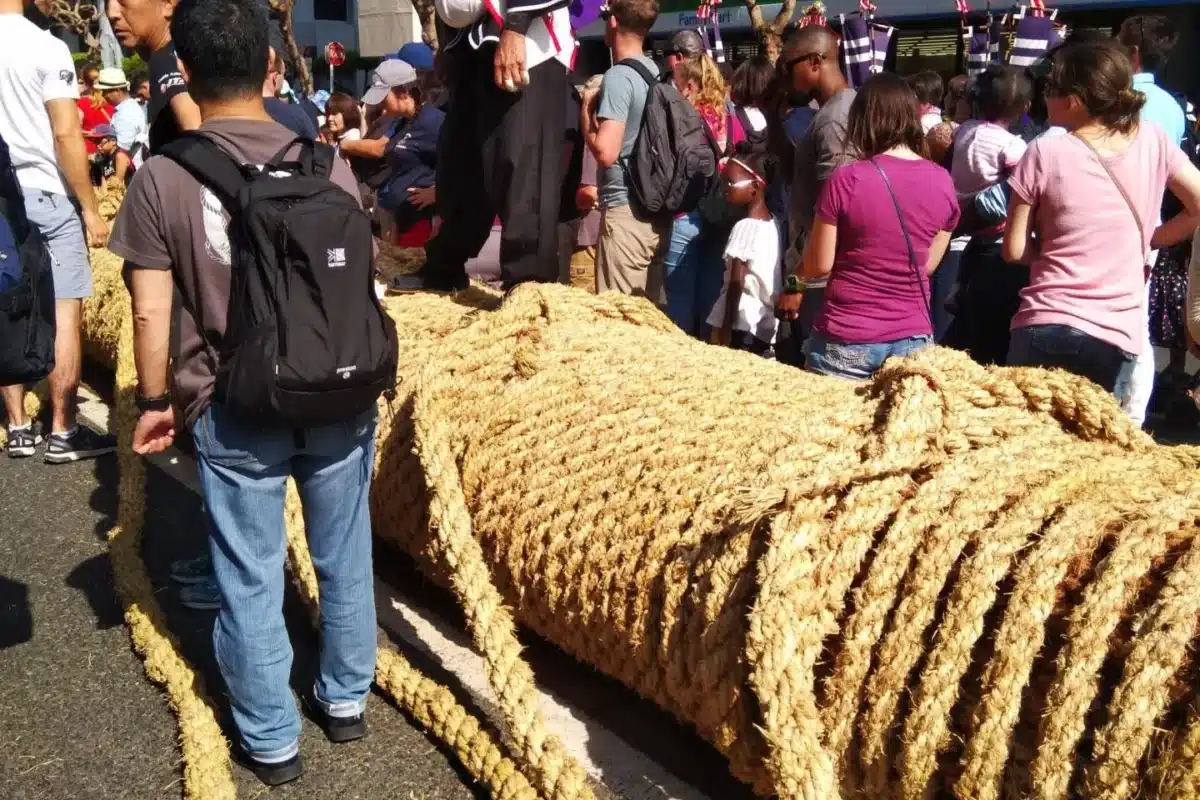
The Naha Great Tug-of-War Festival is an extraordinary and monumental cultural celebration held annually in Okinawa, bringing participants and spectators together for one of the most spirited traditions in Japan. Centered around a massive, Guinness World Record-certified rope, this historic event transforms the bustling streets into a vibrant arena of community unity, energy, and shared heritage. The festival reflects the deep cultural roots of the region, combining ancient rituals with an electrifying modern-day atmosphere that captivates everyone involved.
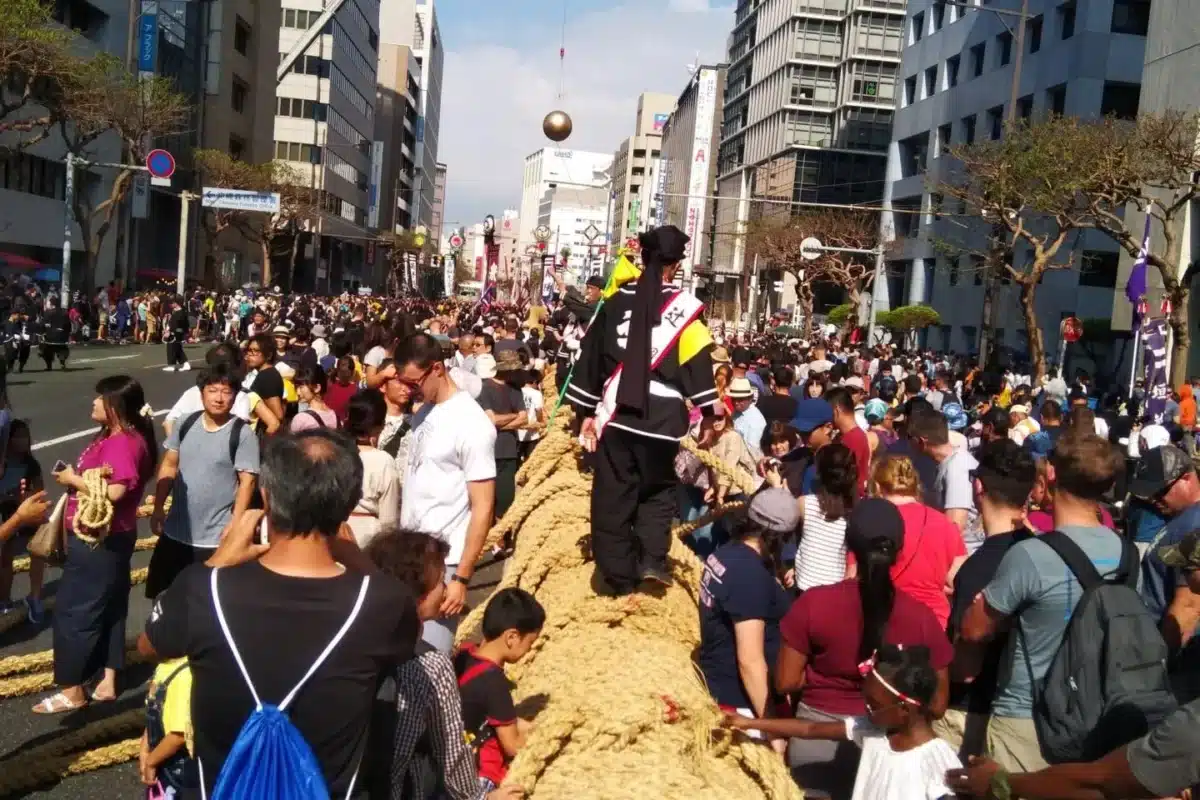
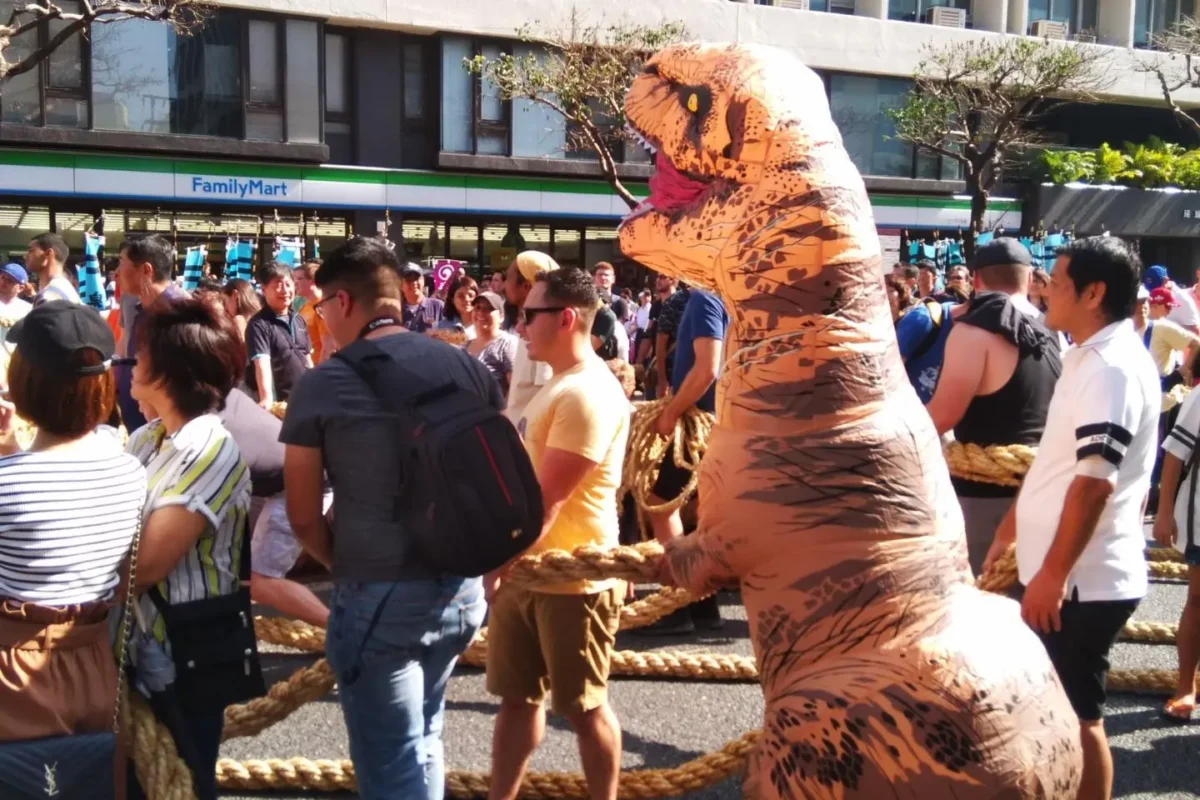
Dating back to the Ryukyu Kingdom era, the tug-of-war was originally performed to pray for peace, a bountiful harvest, and favorable weather for the islands. Today, it has evolved into a magnificent gathering where tens of thousands of locals and international visitors lock hands to pull a colossal rice straw rope measuring over two hundred meters in length. The sheer scale of the equipment and the collective roar of the crowd create an unforgettable spectacle of strength, cooperation, and infectious excitement.
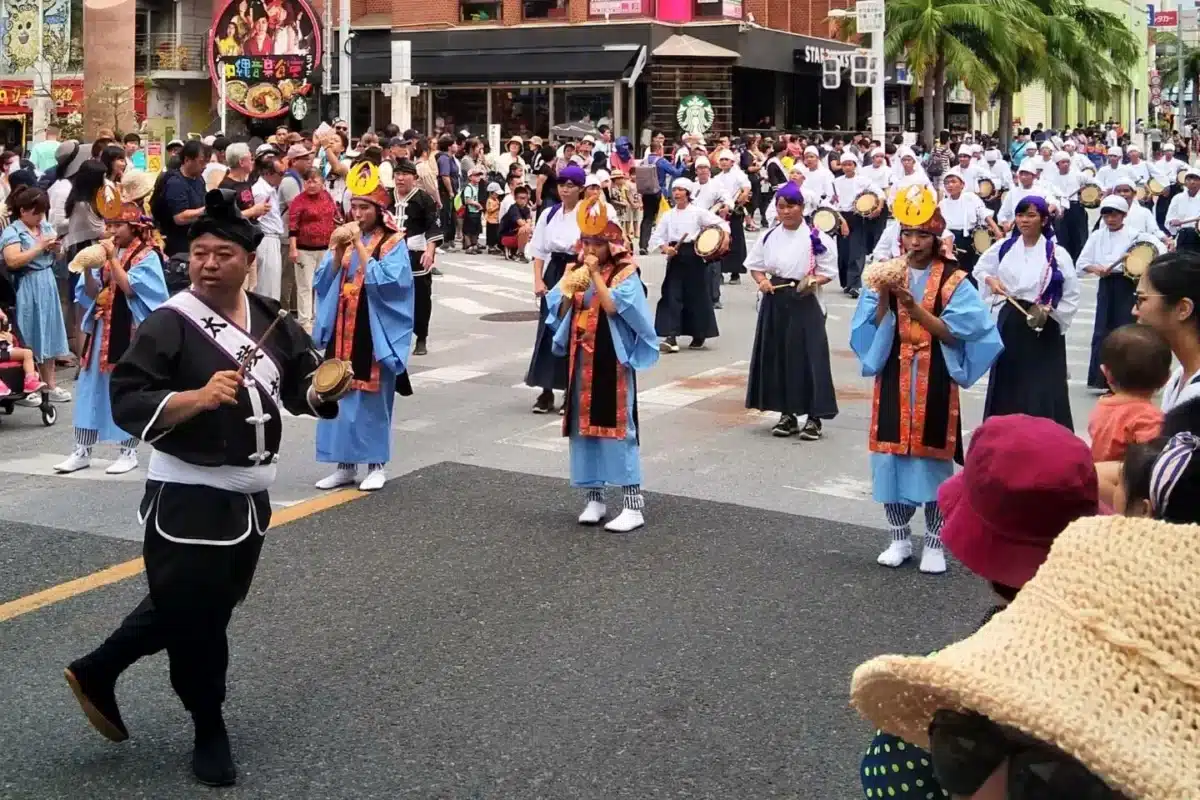
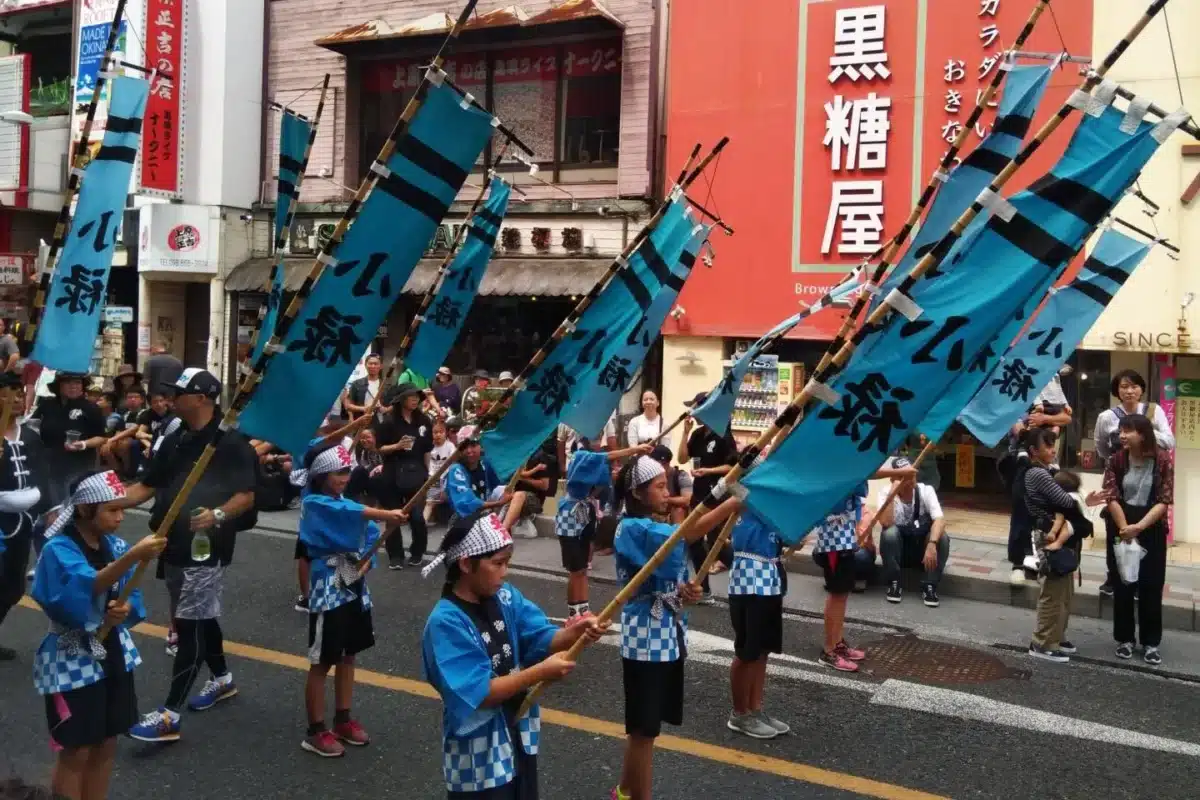
Beyond the main competition, the festival grounds and surrounding streets come alive with traditional Eisa drumming, folk dancing, colorful parades, and bustling food markets offering authentic Okinawan delicacies. The air resonates with rhythmic music and cheerful shouts as participants from all walks of life join forces on the rope. It stands out as a peerless cultural immersion that showcases the warm hospitality, rich history, and vibrant spirit of Okinawa.
Enjoy Your Event Stress-Free with Japan Travelo
Do you know? Planning events, festivals, concerts, and cultural experiences in Japan can be overwhelming. Japan Travelo brings everything together in one place, helping you manage your itinerary, transport, and accommodation with ease—so you can enjoy Japan without the stress of planning.
Event Highlights
- The dramatic main event featuring tens of thousands of participants pulling a colossal, record-breaking rice straw rope.
- Energetic traditional Eisa dance performances and vibrant musical parades filling the streets with rhythm.
- Lively festival bazaars offering regional Okinawan street food, handmade crafts, and unique local souvenirs.
- Pre-event cultural ceremonies and martial arts demonstrations honoring the historic traditions of the Ryukyu Kingdom.
Why Attend
This event is ideal for cultural explorers, festival lovers, and travelers seeking an authentic and high-energy Okinawan experience. Attending the festival offers a rare opportunity to actively participate in a historic tradition rather than simply observing from the sidelines, making it an engaging and memorable highlight for groups, families, and solo adventurers alike.
The festival provides a fantastic window into the unique history and community spirit of Okinawa while delivering a day full of entertainment, music, and excitement. Whether you join the pull on the massive rope or enjoy the cultural performances along the avenue, it guarantees a deeply enriching and joyful cultural adventure.
Date & Duration
- Event Date: Sunday – October 11th 2026
- Event Duration: Full day festival activities culminating in the afternoon tug-of-war
Visiting this event? Don’t miss out on these amazing activities and local experiences while you’re here.
Ticket Information
- How Tickets Are Sold: This is a public street festival that does not require advance ticket purchases or reservations.
- Admission Type: General public access to viewing areas along the streets and participation in the rope pulling.
- Ticket Pricing: Free Admission.
- Special Seating Options: Standing areas along Kokusai-dori Street and open viewing zones surrounding the main venue.
- VIP Options: No VIP tiers or exclusive seating sections are offered for this community street festival.
Venue / Location
- City and Country: Naha, Japan
- Venue Name: Kokusai-dori Street
- Google Maps Address: 3 Chome-2-10 Makishi, Naha, Okinawa 900-0013, Japan
Contact Information
- Website: https://en.japantravel.com/okinawa/naha-tug-of-war-festival/50199
Accommodation Options
Finding a place to stay near the festival allows visitors to easily enjoy the vibrant nightlife and daytime celebrations without complicated travel logistics. Travelers can choose from modern urban hotels in downtown Naha, convenient beachside resorts, and cozy local guesthouses.
Staying within the city center also provides effortless access to the monorail system, making it simple to explore nearby historic sites like Shuri Castle and local culinary districts. It ensures a comfortable and convenient stay while experiencing the festive energy of the Okinawan capital.
Getting There
- Nearest Airport: Naha Airport, approximately five kilometers from the city center and festival venue.
- Nearest Train/Metro Station: Asahibashi Station or Kencho-mae Station on the Yui Rail Monorail.
- Bus Routes or Public Transport Options: Extensive local bus networks connect Naha Airport and surrounding districts directly to the downtown area.
- Parking Availability: Public parking lots are located throughout the city, though public transit is strongly recommended due to major street closures.
- Directions by Car: Accessible via major arterial roadways through Naha City following local event traffic signs and downtown detours.
Dining Recommendations
- Breakfast Recommendations:
- Fresh tropical fruit bowls and island-style coffee at cozy downtown cafes.
- Traditional Okinawan breakfast sets featuring grilled fish and local tofu.
- Convenient bakery stops near the station for a quick morning meal.
- Lunch Recommendations:
- Steaming bowls of authentic Okinawan Soba noodles served at local neighborhood shops.
- Savory Taco Rice dishes prepared in popular regional eateries.
- Casual food stalls along the festival route offering delicious local snacks.
- Dinner Recommendations:
- Lively Izakayas serving grilled Agu pork and Champuru stir-fry dishes.
- Traditional dining spots featuring live Okinawan folk music performances.
- Contemporary seafood restaurants highlighting catches from local island waters.
- Local Specialties to Try:
- Slow-cooked Rafute tender braised pork belly in sweet soy glaze.
- Refreshing cups of chilled Awamori-infused fruit cocktails or local citrus drinks.
- Crispy Sata Andagi Okinawan donuts freshly fried to golden perfection.
What is this event?
The Naha Great Tug-of-War Festival is a massive annual celebration in Okinawa featuring one of the largest straw ropes in the world. It is a historic cultural tradition rooted in ancient agricultural rituals designed to bring prosperity, health, and peace to the community.
The festival brings together thousands of residents and visitors who physically pull the gigantic rope in a spirited contest between opposing teams. It serves as a powerful expression of collective strength and a celebration of Ryukyuan cultural identity.
Why is it popular?
The festival is popular because it offers visitors a rare chance to actively take part in a world-record-holding traditional event rather than just watching. The incredible scale of the giant rope combined with the thunderous energy of the crowd creates an electrifying atmosphere.
People are also drawn to the vibrant parade, traditional music, and warm hospitality that define Okinawan culture. It delivers an unforgettable interactive experience that appeals to travelers from all across the globe.
Tips before you go
- Arrive early to secure a good spot along the street to watch the parade and join the rope pulling.
- Wear comfortable clothing and shoes that you do not mind getting dusty or crowded.
- Stay hydrated by bringing water, as October weather in Okinawa can still be quite warm and humid.
- Bring a camera or smartphone with a secure strap to safely capture photos during the energetic pulling.
- Follow all safety instructions provided by festival staff and security marshals near the rope.
Tips for First-Time Visitors
- Utilize the Yui Rail Monorail to bypass downtown street closures and traffic congestion easily.
- Keep a small towel and fan handy to stay cool during the bustling daytime celebrations.
- Participate in the post-festival tradition of cutting off a piece of the sacred rope to take home as a good-luck charm.
- Explore the food stalls to sample authentic regional dishes unique to the Okinawan islands.
- Familiarize yourself with the schedule of events so you do not miss the main rope alignment ceremony.
Attendee Experiences
- Pulling on the gigantic rope alongside thousands of cheering strangers was an absolute rush of adrenaline.
- The energy of the traditional Eisa dancers marching down the street was completely contagious.
- I loved experiencing the warm hospitality of the local people and tasting delicious Okinawan comfort food.
Video
Location
FAQ
What is the history behind the Naha Great Tug-of-War?
The tradition originated during the Ryukyu Kingdom era as a ritualistic prayer for rain, good harvests, and peace. Over the centuries, it transformed into a grand community festival celebrating unity and local cultural heritage.
Can tourists actually participate in pulling the giant rope?
Yes, all visitors and spectators are warmly encouraged to grab hold of the side ropes and participate in the pull. No registration or prior experience is required to join the massive team effort.
What happens to the giant rope after the festival concludes?
Following the conclusion of the event, participants are permitted to cut off and keep pieces of the straw rope as good-luck charms. The remaining portions are often recycled or used in local agricultural projects.
How large is the rope used in the festival?
The main rope is an engineering marvel, typically weighing around forty tons and measuring over two hundred meters in length. It is constructed from thick rice straw and requires expert craftsmanship to assemble safely.
Is the event affected by typical weather conditions?
The festival generally proceeds as scheduled in October, but severe tropical weather can occasionally prompt schedule adjustments. Checking official announcements on the day of the event ensures up-to-date planning.

Leave a Reply