

-
October 10, 2026
Event date:
-
October 13, 2026
Event end:
Overview
Ikegami Oeshiki stands as a deeply revered and historic Buddhist memorial service held annually at the magnificent Ikegami Honmonji Temple located in Tokyo, Japan. This profound spiritual festival commemorates the passing of Saint Nichiren, the influential 13th-century philosopher and visionary founder of Nichiren Buddhism, who breathed his last on these sacred temple grounds. Spanning four vibrant autumn days, the event brilliantly bridges centuries of preserved spiritual tradition with enthusiastic community celebration, drawing hundreds of thousands of devoted pilgrims, culture enthusiasts, and international travelers who gather to witness one of Tokyo’s most authentic, enduring, and visually stunning cultural festivals.
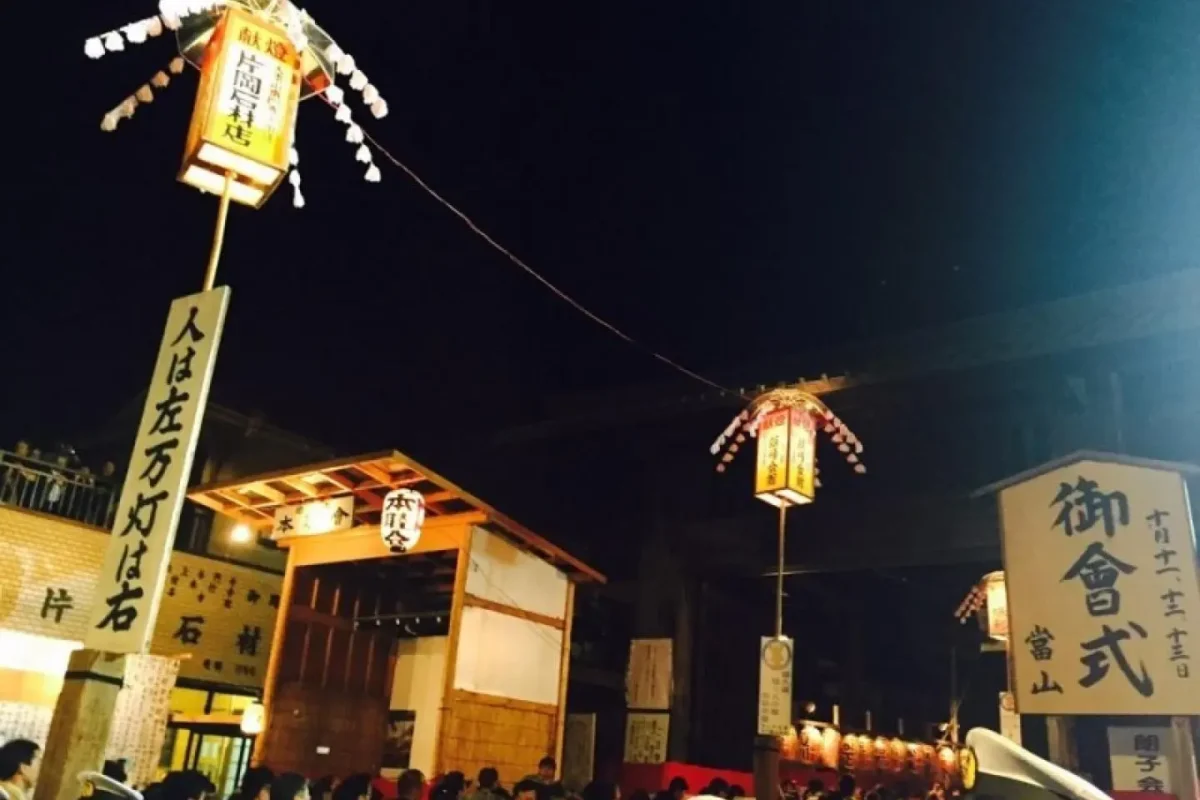
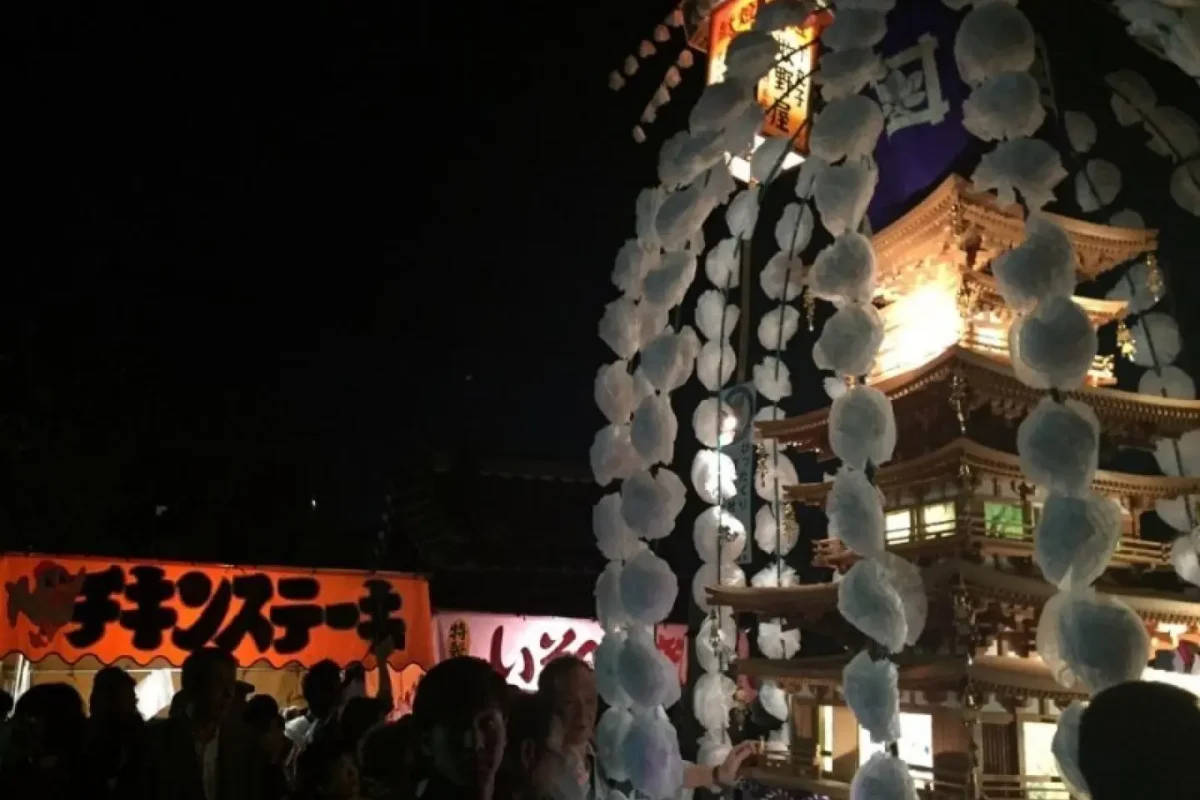
The absolute pinnacle of this magnificent gathering is the breathtaking Mando Kuyo Parade, universally recognized as the legendary lantern procession, which takes place on the evening of October 12th. During this mesmerizing display, thousands of dedicated participants march along the historic tree-lined approach toward the temple carrying enormous, glowing structures beautifully adorned with handcrafted cherry blossoms. The majestic procession is accompanied by the rhythmic, thunderous beating of traditional drums and the energetic, synchronized twirling of ceremonial standard flags, creating an unforgettable atmosphere of pure devotion, intricate artistry, and harmonious community spirit under the crisp autumn night sky.
Beyond the vibrant nocturnal pageantry, the festival offers visitors a deeply immersive cultural journey into traditional Japanese heritage and monastic life. Attendees can wander through the expansive, tranquil temple complex during the peaceful daytime hours to observe solemn Buddhist chanting rituals, explore historic wooden architecture, and admire ancient pagodas that have withstood the test of time. Lined with bustling rows of traditional street food stalls offering aromatic seasonal delicacies and authentic festival treats, the temple grounds come alive with a rich tapestry of sensory delights, making it an extraordinary celebration that honors the past while warmly welcoming the present.
Enjoy Your Event Stress-Free with Japan Travelo
Do you know? Planning events, festivals, concerts, and cultural experiences in Japan can be overwhelming. Japan Travelo brings everything together in one place, helping you manage your itinerary, transport, and accommodation with ease—so you can enjoy Japan without the stress of planning.
Event Highlights
- Highlights: The mesmerizing Mando Kuyo lantern procession featuring thousands of glowing, cherry blossom-adorned structures illuminating the autumn night.
- Performances: Energetic displays of rhythmic drumming, flute accompaniment, and traditional acrobatic standard-waving along the historic temple route.
- Rituals: Solemn and peaceful daytime memorial services, incense offerings, and sacred chanting rituals held across the historic temple grounds.
- Atmosphere: Lively rows of traditional street food stalls offering aromatic seasonal local delicacies, savory snacks, and delightful festival treats.
Why Attend
This extraordinary cultural event is exceptionally ideal for enthusiastic cultural explorers, history aficionados, professional photographers, and curious travelers seeking an authentic, uncommercialized immersion into traditional Japanese spiritual heritage. Attending offers a rare, privileged opportunity to witness centuries-old Buddhist religious rituals and tightly-knit community customs that remain beautifully preserved and untouched by modern commercial dilution. Visitors are granted the unique chance to experience the powerful, uplifting energy of the grand night parade while simultaneously enjoying the serene, reflective ambiance of the ancient temple during quiet daytime prayers.
Furthermore, the festival provides profound, enriching insights into traditional Japanese aesthetic values, communal dedication, and local folklore that define the historical soul of Tokyo. It serves as a wonderful, welcoming gathering for multi-generational families, adventurous solo explorers, and anyone eager to experience the vibrant, beating heart of Tokyo’s historic neighborhoods. By participating in this time-honored observance, guests gain a deeper appreciation for Japanese spirituality, communal harmony, and the enduring legacy of Saint Nichiren.
Date & Duration
- Event Date: October 10th – October 13th 2026
- Event Duration: Four immersive days of commemorative religious services, cultural exhibitions, and spectacular evening lantern processions
Visiting this event? Don’t miss out on these amazing activities and local experiences while you’re here.
Ticket Information
- How Tickets Are Sold: No advance booking, reservations, or tickets are required for general public attendance.
- Admission Type: Free Admission
- Ticket Pricing: Free Admission ($0.00 USD for general grounds access and public viewing areas)
- Special Seating Options: None available, as public viewing areas along the procession route and temple grounds are standing room only on a first-come basis.
- VIP Options: None available, as the festival is an open community and religious observance welcoming all visitors equally.
Venue / Location
- City and Country: Ota City, Tokyo, Japan
- Venue Name: Ikegami Honmonji Temple
- Google Maps Address: 1 Chome-1-1 Ikegami, Ota City, Tokyo 146-8576, Japan
Contact Information
- Phone Number: +81 3-3752-2331
- Website: https://en.japantravel.com/tokyo/ikegami-oeshiki/35622
Accommodation Options
Securing a comfortable place to stay near Ikegami Honmonji Temple offers travelers a wonderful opportunity to experience a quieter, more authentic residential side of Tokyo while remaining exceptionally well-connected to major rapid transit lines. Visitors can choose from a wide selection of well-appointed business hotels, cozy guesthouses, and traditional Japanese inns located conveniently around nearby major transit hubs like Kamata Station and Omori Station, which provide quick train access directly to the festival neighborhood.
Reserving your accommodations well in advance is highly recommended because the pleasant autumn month of October represents a peak travel season in Tokyo, and thousands of domestic and international participants flock to the neighborhood for the festival. Staying slightly further out along the efficient Tokyu Ikegami Line or the Toei Asakusa Line also provides convenient, straightforward commuting options without ever sacrificing personal comfort, modern amenities, or rapid urban accessibility.
Getting There
- Nearest Airport: Haneda Airport, located approximately 10 kilometers away from the venue location.
- Nearest Train/Metro Station: Ikegami Station on the Tokyu Ikegami Line, or Nishi-Magome Station on the Toei Asakusa Line.
- Bus Routes or Public Transport Options: Local community buses operate throughout Ota City, though temporary route modifications or suspensions occur near the venue during the evening parade hours.
- Parking Availability: Public parking directly at the temple is extremely limited or entirely closed due to large pedestrian crowds and street closures, so visitors are strongly advised to rely entirely on public rail transit.
- Directions by Car: Access via major local thoroughfares like Daini Keihin Highway or Ikegami-dori is discouraged during the festival dates due to extensive traffic restrictions and road closures around the temple zone.
Dining Recommendations
- Breakfast Recommendations:
- Visit local Japanese bakery cafes near Ikegami Station for freshly baked pastries and rich drip coffee.
- Enjoy a traditional Japanese breakfast set featuring grilled fish, steamed rice, and savory miso soup at neighborhood diners.
- Stop by a classic Tokyo conbini for quick, high-quality onigiri and hot green tea before exploring.
- Lunch Recommendations:
- Savor freshly handmade soba noodles served with savory dipping sauce at family-run noodle shops near the station.
- Try crispy tonkatsu pork cutlets served with shredded cabbage and steaming white rice at local specialty eateries.
- Enjoy casual bowls of steaming ramen featuring rich local broth styles in the surrounding shopping streets.
- Dinner Recommendations:
- Sample sizzling yakitori skewers and seasonal small plates at lively neighborhood izakayas.
- Relish comforting bowls of udon noodles topped with crisp tempura in a relaxed traditional setting.
- Explore the bustling street food stalls lining the temple approach during the evening festival hours to taste authentic Japanese festival snacks.
- Local Specialties to Try:
- Taste crispy fried sweet potato pastries and traditional azuki bean treats unique to historic Tokyo temple districts.
- Enjoy regional oden simmered in flavorful broth during the crisp autumn evenings.
- Refresh with seasonal matcha-infused sweets and artisanal green tea confections.
What is this event?
Ikegami Oeshiki is a grand traditional Buddhist festival held every October to honor Saint Nichiren, marking the anniversary of his passing at Ikegami Honmonji Temple. It stands as the largest and most significant memorial service within the Nichiren Buddhist tradition, uniting thousands of devout followers and curious spectators in a shared cultural experience.
The multi-day observance blends solemn religious prayer with an exuberant nighttime spectacle. The centerpiece lantern parade features towering, illuminated structures resembling cherry blossom trees that illuminate the autumn darkness, creating an atmosphere filled with historic pageantry, rhythmic drumming, and community celebration.
Why is it popular?
This festival draws massive crowds because it offers one of the most visually stunning and culturally authentic nighttime parades in all of Tokyo. The combination of glowing cherry blossom lanterns, traditional attire, rhythmic musical accompaniment, and historic temple architecture creates an unforgettable sensory experience that captivates both domestic and international visitors.
Furthermore, its deep historical roots spanning over seven centuries give travelers a rare window into old-world Japanese traditions that remain vibrantly alive today. The welcoming community spirit and lively street food atmosphere make it an accessible and deeply engaging cultural highlight of the autumn season.
Tips before you go
- Arrive well before evening events begin to secure a good viewing spot along the main temple approach.
- Wear comfortable walking shoes because navigating the temple stairs and crowded streets requires plenty of walking.
- Check official transit updates in advance to understand local road closures and pedestrian traffic management.
- Respect ongoing religious ceremonies by keeping noise levels down inside temple halls and designated prayer zones.
- Bring cash for purchasing snacks and souvenirs from traditional food stalls lining the festival pathways.
Tips for First-Time Visitors
- Prepare yourself mentally and physically for extremely large pedestrian crowds, especially along the main procession route and near the temple gates on the festive evening of October 12th.
- Plan your return transit route and purchase your return train tickets well ahead of time because nearby neighborhood stations experience heavy commuter congestion immediately after the grand parade concludes.
- Dress comfortably in warm, weather-appropriate layers suitable for crisp autumn evenings in Tokyo as ambient temperatures frequently drop significantly after sunset.
- Keep all your personal belongings secure, maintain close proximity to your group, and stay alert to your surroundings when navigating dense, bustling crowds.
- Take ample time to explore both the energetic, bustling parade atmosphere and the quieter, meditative daytime temple grounds to achieve a wonderfully balanced cultural experience.
Attendee Experiences
- The glowing cherry blossom lanterns moving through the dark streets created an atmosphere unlike anything I have ever witnessed.
- Walking up the historic stone steps surrounded by the sound of rhythmic drums gave me absolute chills.
- The vibrant energy of the festival combined with the warm hospitality of the locals made this the highlight of my Tokyo trip.
Video
Location
FAQ
What are the exact dates for Ikegami Oeshiki?
The grand festival takes place annually from October 10th through October 13th, providing four immersive days of sacred religious rituals, heritage exhibitions, and community celebrations. The magnificent Mando Kuyo lantern procession serves as the absolute centerpiece event, occurring specifically on the evening of October 12th under the autumn sky.
Do I need to buy tickets to attend the festival?
No advance tickets, reservations, or admission fees are required because all general public viewing areas, historical temple grounds, and street celebration zones are entirely free and accessible. Visitors can freely walk the temple approach, witness the captivating night parade, and explore the cultural exhibitions without any financial barrier or ticketing complications.
How do I get to Ikegami Honmonji Temple by train?
Travelers can easily reach the sacred venue by taking a short, pleasant ten-minute walk from Ikegami Station situated along the convenient Tokyu Ikegami Line. Alternatively, visitors can choose to walk from Nishi-Magome Station located on the Toei Asakusa Line, making rail transit the most efficient and highly recommended method for reaching the celebrations.
What is the main highlight of the festival?
The undisputed main highlight is the breathtaking Mando Kuyo lantern parade where thousands of enthusiastic participants proudly carry towering, illuminated cherry blossom structures through the neighborhood. Accompanied by the hypnotic, rhythmic beating of traditional drums and energetic standard-waving, this nighttime spectacle fills the autumn air with unforgettable historic pageantry and visual splendor.
Is the event suitable for families and children?
Yes, the festival is exceptionally family-friendly, welcoming visitors of all ages to experience the vibrant cultural atmosphere, musical performances, and historic storytelling. Families frequently attend together to enjoy the bustling street food stalls lining the temple approach, making it a wonderful educational and entertaining outing for children and adults alike.

Leave a Reply