
-
January 9, 2027
Event date:
-
January 10, 2027
Event end:
Overview
The Ebisu Festival, widely known locally as Toka Ebisu, is an exceptionally vibrant, culturally rich, and highly anticipated annual celebration marking the auspicious start of the calendar year. Held in the historic heart of Kyoto, this multi-day spiritual gathering is dedicated entirely to Ebisu, the beloved Shinto deity of commerce, business prosperity, and abundant financial fortune. Millions of enthusiastic local merchants, ambitious corporate workers, and curious international travelers converge upon the sacred precinct to offer their deepest prayers and secure divine blessings for professional success in the coming year.
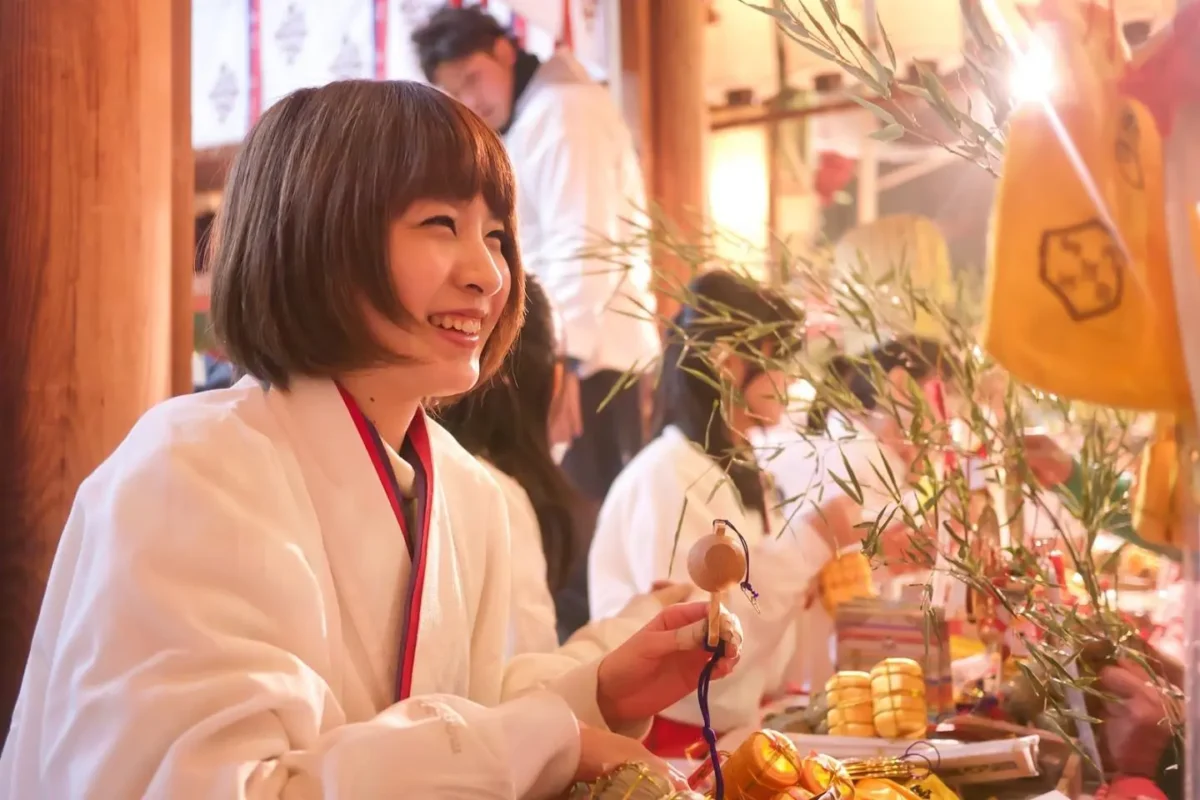
The festival atmosphere is extraordinarily electric, characterized by dense crowds, colorful decorative banners, and the aromatic smoke of traditional street food stalls filling the brisk January air. Pilgrims actively participate in centuries-old customs, most notably acquiring sacred branches of lush green bamboo known as fukuzasa, which are heavily adorned with symbolic good-luck talismans such as miniature gold coins, red sea bream, and miniature treasure ships. The shrine grounds resonate with festive chants, rhythmic musical performances, and the joyful hum of community celebration, offering an immersive portal into living Japanese folklore.
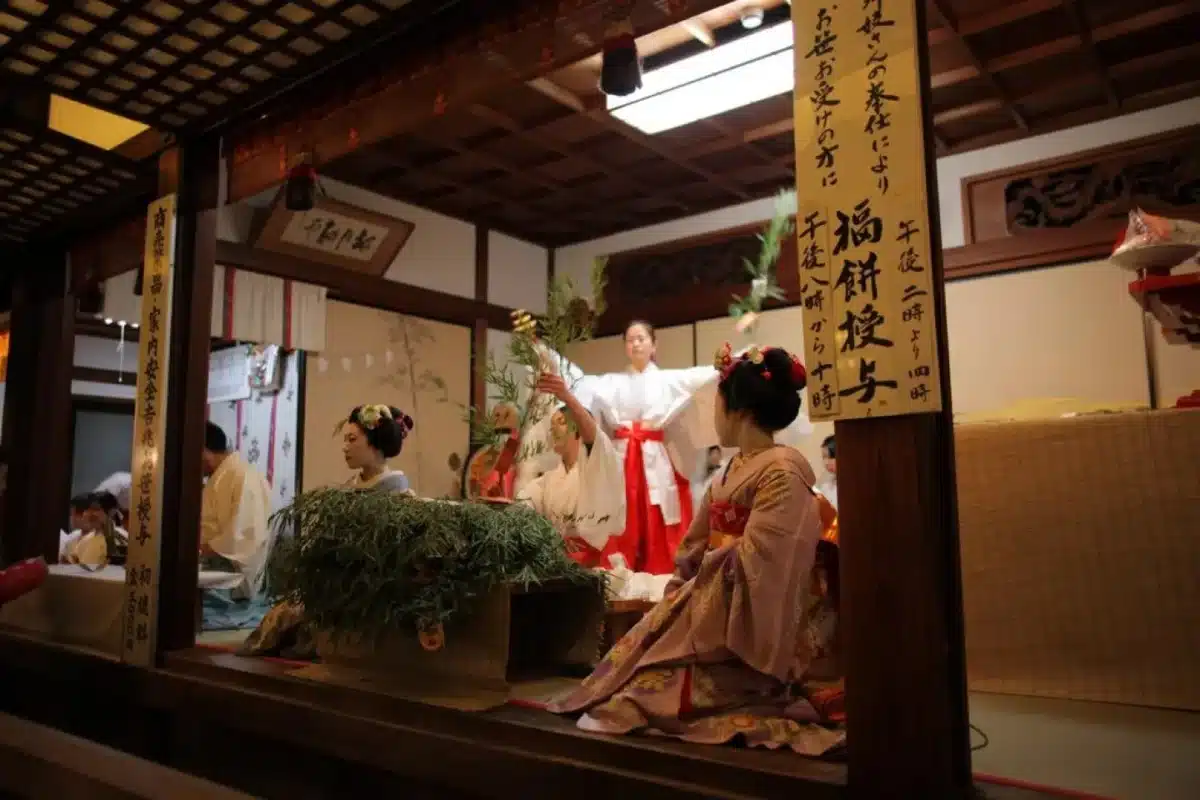
Beyond the bustling commercial prayers, the event provides a rare window into deeply rooted Shinto rituals performed by dedicated shrine maidens and local dignitaries. Visitors can observe traditional sacred kagura dances, witness colorful celebratory processions, and engage in delightful local customs such as gently tapping the wooden back panel of the shrine building to ensure the deity hears their heartfelt petitions. It stands out as an unmissable cultural immersion that blends historical reverence with the warm, high-spirited optimism of contemporary Japanese festival culture.
Enjoy Your Event Stress-Free with Japan Travelo
Do you know? Planning events, festivals, concerts, and cultural experiences in Japan can be overwhelming. Japan Travelo brings everything together in one place, helping you manage your itinerary, transport, and accommodation with ease—so you can enjoy Japan without the stress of planning.
Event Highlights
- Witness traditional Shinto rituals and sacred kagura dance performances dedicated to the deity of commerce.
- Acquire traditional fukuzasa bamboo branches decorated with symbolic good-luck talismans for wealth and success.
- Experience the lively, festive atmosphere filled with vibrant street food stalls and traditional Japanese festival music.
- Participate in unique local customs like gently tapping the wooden panels of the shrine to catch the deity’s attention.
Why Attend
This extraordinary festival is exceptionally ideal for ambitious entrepreneurs, culture enthusiasts, and international travelers eager to witness authentic spiritual traditions that drive modern Japanese commerce and community life. Attending offers a rare opportunity to experience the high-spirited energy of a traditional Japanese matsuri while participating in rituals believed to invite personal and professional prosperity.
The profound benefits of attending extend into a deeper cultural understanding of how modern Japanese society harmonizes ancient religious customs with daily economic aspirations. Visitors leave with a tangible connection to local heritage through sacred charms and unforgettable memories of Kyoto’s vibrant winter festival season, making it a uniquely rewarding addition to any travel itinerary.
Date & Duration:
- Event Date: January 9th and 10th, 2027
- Event Duration: Two primary festival days packed with continuous daytime rituals and evening celebrations
Visiting this event? Don’t miss out on these amazing activities and local experiences while you’re here.
Ticket Information:
- How Tickets Are Sold: No tickets or advance reservations are required to enter the open festival grounds.
- Admission Type: Open public access for all visitors and pilgrims.
- Ticket Pricing: Free Admission to enter the shrine and observe the general festivities.
- Special Seating Options: None available, as the event is structured around open-air standing participation and moving through shrine pathways.
- VIP Options: None available, ensuring an equal and traditional communal experience for everyone attending.
Venue / Location:
- City and Country: Kyoto, Japan
- Venue Name: Yasaka Shrine
- Google Maps Address: 625 Gionmachi Kitagawa, Higashiyama Ward, Kyoto, 605-0073, Japan
Contact Information:
- Phone Number: 075-561-6155
- Official Website: https://en.japantravel.com/kyoto/yasaka-shrine-ebisu-festival/34239
Accommodation Options:
Kyoto provides an exceptionally diverse array of comfortable lodging choices conveniently situated near the historic Gion district, ranging from classic traditional ryokans to sleek contemporary boutique hotels. Residing in the Higashiyama Ward area grants remarkable convenience, allowing visitors to walk to the shrine grounds effortlessly while remaining surrounded by traditional wooden architecture and scenic historic streets.
Many seasoned travelers prefer booking accommodations near major transit lines to ensure seamless mobility across the entire city during the busy winter season. Whether you seek high-end luxury lodgings equipped with modern amenities or intimate, family-run guesthouses offering authentic hospitality, the neighborhood surrounding the venue delivers an ideal base for exploring the festivities.
Getting There:
- Nearest Airport: Kansai International Airport is approximately 100 kilometers away from the central Kyoto venue location.
- Nearest Train/Metro Station: Gion-Shijo Station on the Keihan Main Line or Kawaramachi Station on the Hankyu Kyoto Line.
- Bus Routes or Public Transport Options: Kyoto City Bus numbers 100, 206, or 208 directly to the Gion bus stop right outside the shrine.
- Parking Availability: No dedicated event parking is available on-site, making public transit the strongly recommended mode of travel.
- Directions by Car: Accessible via central urban arterial roads through Higashiyama Ward, though heavy traffic and strict local parking regulations apply.
Dining Recommendations:
Breakfast Recommendations:
- Traditional artisan coffee shops near Gion-Shijo Station serving fresh Japanese-style breakfast sets and thick pastries.
- Local neighborhood bakeries offering warm, freshly baked goods throughout the Higashiyama neighborhood.
- Classic Japanese morning breakfast options available within nearby traditional inns and local dining houses.
Lunch Recommendations:
- Bustling festival food stalls lining the shrine approaches, offering savory street treats like takoyaki and yakisoba.
- Casual local noodle shops serving steaming bowls of authentic regional udon and soba.
- Traditional dining houses near Shijo Street offering wholesome seasonal regional dishes.
Dinner Recommendations:
- Historic dining establishments located throughout the Gion district specializing in exquisite multi-course meals.
- Cozy local izakayas serving grilled skewers and comforting hot dishes in a lively atmosphere.
- Family-friendly restaurants offering classic Japanese comfort foods within a short walking distance of the shrine.
Local Specialties to Try:
- Savory takoyaki, which are delicious battered octopus balls served hot from festival food stalls.
- Warming bowls of traditional local noodles prepared with rich regional broths.
- Sweet festival treats like candy-coated fruit skewers commonly found at Japanese winter celebrations.
What is this event?
The Ebisu Festival is a major annual Shinto celebration hosted to honor Ebisu, one of Japan’s revered Seven Lucky Gods of commerce and wealth. Thousands of devotees gather to offer prayers, acquire sacred bamboo branches, and seek divine protection for their livelihoods and businesses.
The gathering combines deeply solemn religious rites conducted by shrine officials with a vibrant community marketplace atmosphere. It serves as a vital cultural anchor for kickstarting the professional and commercial year with optimism and traditional spiritual energy.
Why is it popular?
The celebration achieves widespread popularity because it offers a uniquely joyous and interactive glimpse into Japan’s living religious practices. People are naturally drawn to the high-spirited atmosphere, charming ritual customs, and the shared communal desire for good fortune.
It stands out as a cultural highlight of January, transforming sacred temple grounds into a lively spectacle of color, sound, and shared human hope. The chance to acquire unique lucky charms draws crowds from all walks of life year after year.
Tips before you go:
- Arrive during daytime hours if you wish to comfortably navigate the main shrine pathways before peak evening crowds gather.
- Dress in warm winter layers because outdoor exploration in Kyoto during January involves standing in cold open-air environments.
- Keep cash readily available in small denominations, as many traditional food stalls and charm vendors do not accept cards.
- Charge your mobile devices fully to capture the vibrant sights, colorful banners, and traditional performances throughout the grounds.
- Show deep respect for local worshippers by keeping paths clear and following all posted directions from shrine attendants.
Tips for First-Time Visitors:
- Wear comfortable, slip-on walking shoes since you will spend considerable time navigating gravel paths and standing in crowded open areas.
- Take time to learn the basic shrine prayer etiquette beforehand so you can fully participate in the traditional blessing customs.
- Explore the surrounding historic Gion district after experiencing the festival to make the most of your journey to this cultural hub.
- Rely strictly on public rail and bus networks to reach the venue, avoiding the stress of city center traffic congestion.
- Keep a close eye on your personal belongings, as large festival crowds can occasionally become dense and fast-moving.
- Plan your return transit route ahead of time since evening crowds leaving the shrine can temporarily slow down station access.
Attendee Experiences:
- The energy of the crowd combined with the rhythmic temple music made it an unforgettable cultural immersion.
- Buying a lucky bamboo branch and watching the traditional rituals gave me a profound connection to local customs.
- Tasting the delicious street food while exploring the lantern-lit pathways created memories that will last a lifetime.
Location
FAQ
Is there an admission fee required to enter the Ebisu Festival grounds?
The event is open freely to the public without any entry charges whatsoever. Visitors can walk into the shrine precincts and experience the general atmosphere at no cost.
What are the main activities visitors can experience during the festival days?
Attendees can observe traditional Shinto prayers, purchase blessed bamboo branches adorned with good-luck charms, and enjoy diverse festive foods. The celebration also features cultural rituals and lively community gatherings across the active dates.
Are photographs and video recordings permitted during the event?
Casual photography of the festival atmosphere, food stalls, and general shrine grounds is widely accepted. Visitors should remain respectful of ongoing solemn rituals and avoid disrupting participants or priests.
How crowded does the shrine area get during the festival?
The venue attracts substantial numbers of local business owners, residents, and tourists, making popular areas quite busy. Visiting during early morning hours can provide a slightly more relaxed pace before peak crowds arrive.
What is the significance of the lucky bamboo branches sold at the festival?
The blessed bamboo branches, known as fukuzasa, symbolize resilience, growth, and steady upward progress. People attach various wealth talismans to them to invite financial prosperity and business success for the upcoming year.

Leave a Reply