
-
February 6, 2027
Event date:
-
February 11, 2027
Event end:
What to expect in 2027
The 68th Asahikawa Winter Festival will return to Asahikawa, Hokkaido, bringing one of northern Japan’s major winter celebrations back to the city in 2027. The festival has been officially confirmed, with further programme details being announced progressively through the official website and social media channels.
The festival is known for transforming Asahikawa’s winter landscape into a large-scale celebration of snow, ice, illumination, entertainment, food and seasonal activities. Visitors can expect impressive snow and ice displays, family-friendly attractions, performances, winter entertainment and food areas showcasing local and regional specialties.
The main festival experience traditionally spreads across several locations, including the riverside area near Asahibashi and central Asahikawa. The combination of large snow structures, winter scenery, entertainment and local cuisine gives the festival a distinctly Hokkaido atmosphere.
Enjoy Your Event Stress-Free with Japan Travelo
Do you know? Planning events, festivals, concerts, and cultural experiences in Japan can be overwhelming. Japan Travelo brings everything together in one place, helping you manage your itinerary, transport, and accommodation with ease—so you can enjoy Japan without the stress of planning.
The 2027 programme is expected to build on previous editions while introducing updated attractions and entertainment. Because the organisers announce individual programmes progressively, visitors should check the official festival website and social media for the latest information before travelling.
Event dates
The 68th Asahikawa Winter Festival 2027 will take place over six days.
- Festival dates: February 6–11, 2027
- Duration: 6 days
- Location: Asahikawa, Hokkaido, Japan
- Edition: 68th Asahikawa Winter Festival
The 2027 dates have been officially confirmed by the festival organisers. Detailed information about individual attractions, performances and other programme elements will be released sequentially through the official website and social media.
Because winter weather can affect outdoor events in Hokkaido, visitors should check for any programme changes or operational updates before visiting.
Visiting this event? Don’t miss out on these amazing activities and local experiences while you’re here.
Venue & event locations
The Asahikawa Winter Festival traditionally uses several areas around central Asahikawa.
Asahibashi Riverside Venue
The riverside area near Asahibashi is one of the festival’s main locations. It provides space for large snow attractions, winter entertainment, food areas and other outdoor activities.
The location is particularly notable for its open winter landscape and large-scale snow and ice installations.
Heiwa-dori Kaimono-koen
The central pedestrian shopping street is another important festival area. It connects the event with the heart of Asahikawa and is conveniently positioned near JR Asahikawa Station.
The central location makes it easy for visitors to combine the festival with shopping, restaurants, cafés and sightseeing around downtown Asahikawa.
Asahikawa Central Library area
Previous festival programming has also incorporated facilities around the central city area, providing useful indoor spaces and visitor support facilities during the winter event.
Venue arrangements can change between editions, so visitors should consult the official 2027 programme for the final location of individual activities.
Full holiday programme
The 2027 programme is being announced progressively by the organisers. The festival’s traditional programme combines snow attractions, winter entertainment, food, performances, family activities and illuminated installations.
Visitors can expect a mixture of:
- Large-scale snow and ice displays
- Winter illumination
- Snow-based activities
- Family entertainment
- Food stalls and seasonal specialties
- Live performances
- Character and special-event appearances
- Winter fireworks or other visual entertainment when scheduled
- Snow maze and similar interactive attractions
- Community and cultural activities
Previous editions have demonstrated how the festival combines large outdoor attractions with smaller activities throughout the city.
The exact 2027 programme should be checked through the official festival website because organisers are releasing information sequentially.
Main attractions & highlights
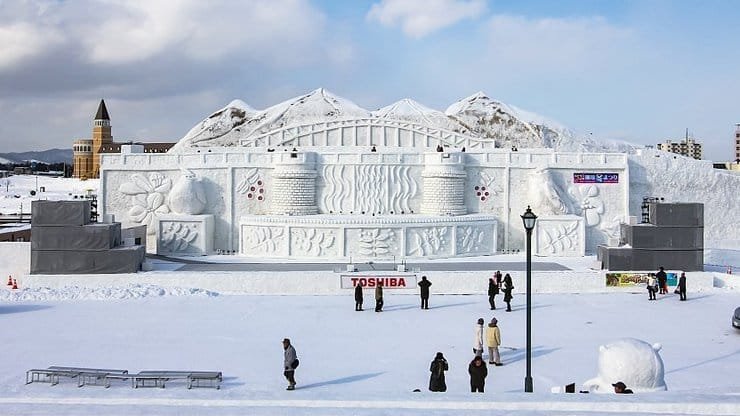
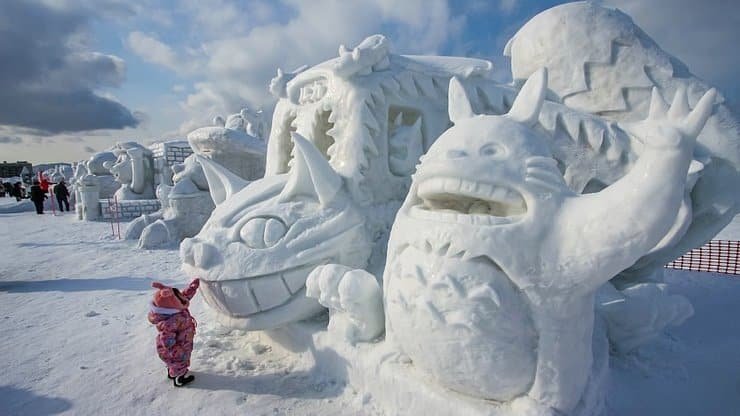
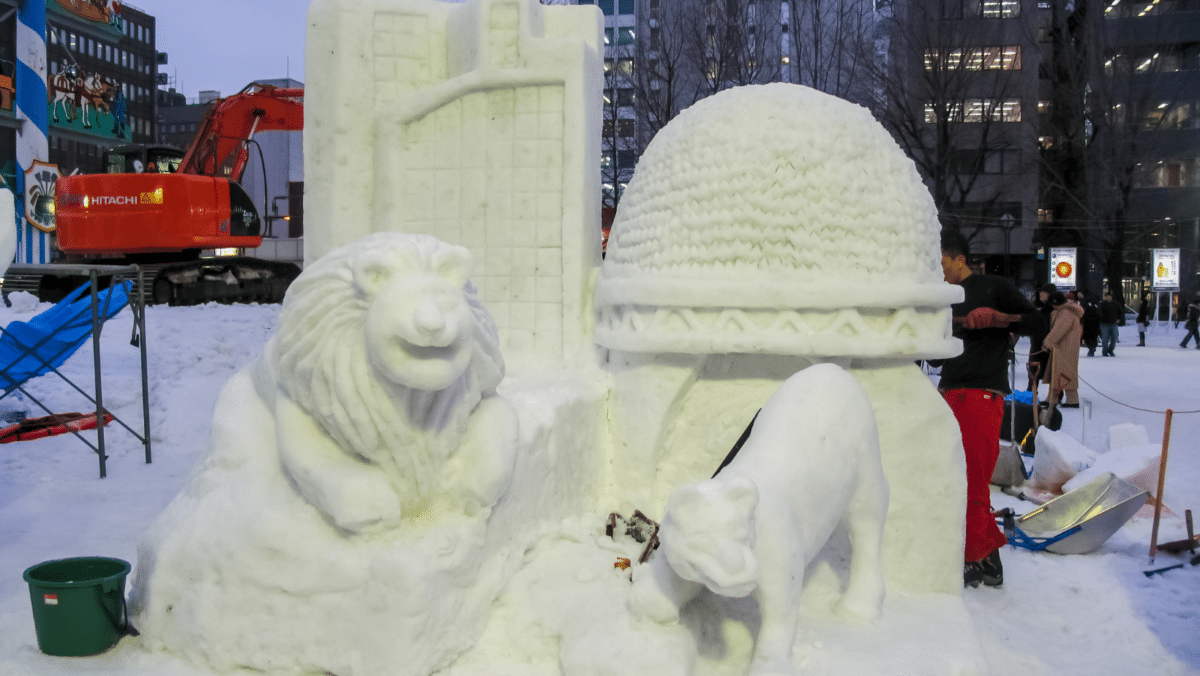
One of the defining features of the Asahikawa Winter Festival is its enormous snow artwork and large winter installations.
The festival has previously created impressive snow structures that become major photographic attractions. These large-scale displays demonstrate the skill required to work with snow and ice in Asahikawa’s severe winter climate.
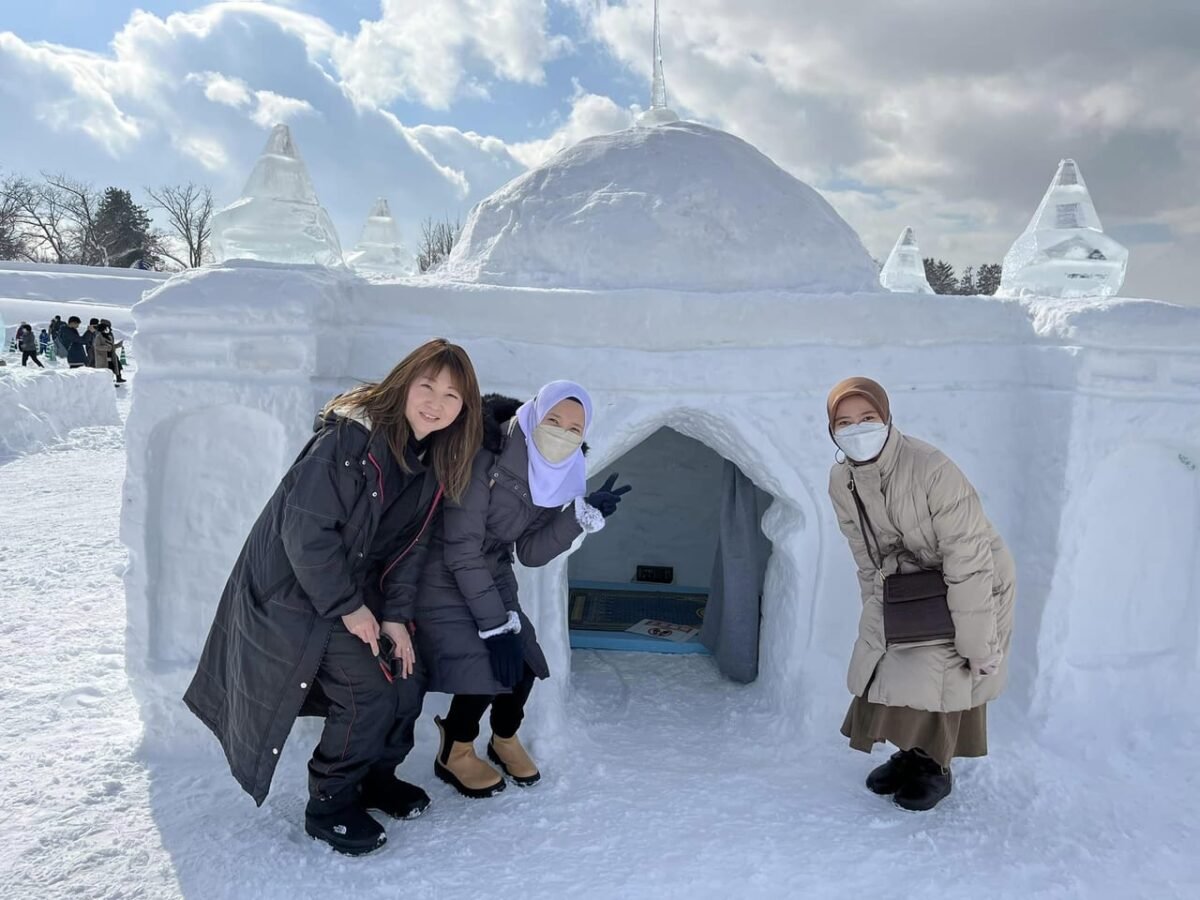
Interactive attractions have also formed an important part of previous editions. A giant snow maze, for example, was constructed with tall snow walls and themed sections, providing visitors with an activity rather than simply a display.
Previous programmes have also included large snow slides, tubing and projection-based entertainment. These attractions are particularly popular with families and visitors looking for something more active than sightseeing.
Winter fireworks have also featured in previous festival programming. Weather conditions can affect outdoor fireworks and other events, so any 2027 fireworks programme should be confirmed through official announcements.
Markets, decorations & themed areas
Festival areas are traditionally decorated with snow, ice and winter-themed installations, creating a distinctive atmosphere throughout the event.
The riverside area can include food stalls, temporary attractions and themed spaces, while central Asahikawa provides additional winter decorations and illuminated displays.
Previous editions have included a Winter Marche-style food area featuring a large number of participating food businesses. One recent edition featured approximately 42 food businesses, giving visitors the opportunity to sample a broad range of local and regional food.
The combination of snow structures, lighting, food stalls and temporary activity areas makes the festival particularly suitable for an evening visit as well as daytime sightseeing.
Events & entertainment schedule
The detailed 2027 entertainment schedule will be announced progressively.
Previous editions have featured a mixture of:
- Stage performances
- Local entertainment
- Character appearances
- Snow activities
- Interactive attractions
- Projection mapping
- Fireworks
- Family entertainment
- Food events
Special character appearances have also been included in previous editions. One recent programme featured Vulpix and Alolan Vulpix greeting sessions, with limited participation and numbered tickets.
Because individual schedules can change depending on weather and operational arrangements, visitors should review the official programme shortly before attending.
Admission & ticket information
The main Asahikawa Winter Festival is generally free to attend. The Hokkaido tourism authority lists the event as free admission.
Visitors can therefore experience the main festival atmosphere, public outdoor areas and many attractions without purchasing a general admission ticket.
Some individual activities or limited-capacity experiences may have separate arrangements, reservations or numbered tickets. Previous character greeting sessions, for example, used numbered tickets because participation was limited.
For 2027, visitors should check the official festival announcements for any activities requiring advance registration or separate payment.
Special experiences & activities
The festival offers visitors the opportunity to experience Hokkaido winter conditions in a highly organised festival environment.
Possible experiences include walking among giant snow sculptures, exploring snow mazes, enjoying winter illumination, participating in snow activities and tasting local food.
Previous programmes have included snow slides and tubing, giving visitors opportunities to interact directly with the snowy environment.
The riverside setting also creates opportunities for photography, especially when snow structures and lighting are combined with the winter landscape.
Visitors interested in Japanese winter culture can also use the festival as a starting point for exploring Asahikawa’s wider attractions, restaurants and surrounding Hokkaido destinations.
Family & children’s activities
Families are an important part of the festival audience, with previous editions offering attractions designed for children and group participation.
Activities such as snow slides, tubing and snow mazes provide hands-on winter entertainment. Large snow installations are also visually engaging for children, particularly when combined with themed decorations or character appearances.
Previous festival facilities have included visitor support areas, while Asahikawa Central Library has provided diaper-changing and nursing facilities, offering additional support for families with young children.
Parents should dress children in appropriate winter clothing, including insulated footwear, gloves and warm layers.
Event rules
Visitors should follow instructions from festival staff and respect designated routes, activity areas and restricted zones.
Because many attractions are constructed from snow and ice, visitors should not climb on structures unless an attraction has specifically been designed for that purpose.
Additional considerations include:
- Follow staff instructions at all times.
- Stay within designated visitor areas.
- Supervise children around snow attractions.
- Use activity equipment only as instructed.
- Take care around icy or slippery surfaces.
- Keep food and drink within designated areas.
- Check weather-related announcements before visiting.
Outdoor activities may be changed, postponed or cancelled because of severe weather conditions.
How to get there
Asahikawa is served by JR Asahikawa Station, making the city relatively convenient for visitors arriving by train.
The central Heiwa-dori festival area is located approximately one minute on foot from JR Asahikawa Station according to Hokkaido’s official tourism information.
The Asahibashi Riverside Venue is farther from the station. Previous visitor information has indicated a shuttle bus connection to the riverside festival area, making public transport particularly useful for visitors without a car.
Visitors arriving from other parts of Hokkaido can reach Asahikawa by rail or road before continuing to the festival locations.
Public transport & parking
Public transport is a practical option for visiting the festival because one of the principal central areas is immediately close to JR Asahikawa Station.
For the riverside venue, visitors should check the official 2027 transportation information for shuttle bus arrangements and operating details.
There is no dedicated festival car park listed by Hokkaido’s official tourism information.
Visitors travelling by car should therefore research public parking facilities in central Asahikawa and allow additional time for winter road conditions.
Snow and ice can make roads and pavements slippery, so driving conditions should be checked before setting out.
Accommodation areas
Visitors staying overnight can choose accommodation in central Asahikawa, particularly around JR Asahikawa Station and the downtown shopping and restaurant districts.
Staying near the station provides convenient access to the central festival areas and makes it easier to use public transportation for the riverside venue.
Central Asahikawa also offers a wide range of restaurants, cafés and shops, making it a practical base for a multi-day festival visit.
Visitors staying farther from the city centre should consider winter transportation conditions and allow additional travel time.
Food, drinks & seasonal specialties
Food is an important part of the Asahikawa Winter Festival experience. Previous editions have included temporary food areas and Winter Marche-style markets with numerous participating businesses.
Visitors can expect opportunities to sample warm dishes and drinks that are particularly appealing during Hokkaido’s cold winter conditions.
Local Asahikawa cuisine and wider Hokkaido specialties can also be explored at restaurants around the city centre.
Popular winter choices may include:
- Hot soups and noodle dishes
- Hokkaido-style ramen
- Grilled foods
- Local meat dishes
- Seafood
- Hot drinks
- Regional sweets
- Festival-style snacks
The final 2027 food vendor list should be confirmed once the organisers publish the programme.
Accessibility
The festival takes place largely outdoors, and visitors should be prepared for snow, ice and uneven winter surfaces.
Previous festival facilities have included visitor support areas, while indoor facilities such as Asahikawa Central Library have offered diaper-changing and nursing facilities.
Visitors with mobility requirements should check the latest official venue information before travelling, particularly for the riverside site and temporary outdoor attractions.
Warm clothing and suitable footwear are strongly recommended for all visitors.
Best days & times to visit
Because the festival runs for six days, visitors have several opportunities to experience the event.
Daytime visits can be useful for seeing snow sculptures and attractions clearly, while evening visits can offer a different atmosphere when winter illumination and other lighting features are operating.
Visitors interested in special performances, limited-capacity activities or character appearances should check the published daily programme and plan around those events.
For families with young children, daytime hours may be more comfortable, particularly during periods of very cold weather.
Visitors should also remain flexible because snowstorms, strong winds or other winter conditions can affect outdoor programming.
Previous year’s highlights
Previous editions have demonstrated the wide variety of experiences associated with the festival.
A giant snow maze was among the notable attractions, with large snow walls creating an immersive winter activity.
Snow slides, tubing and projection mapping have also appeared in previous festival programmes, giving visitors a combination of active entertainment and large-scale visual displays.
The festival has also featured character greeting events, including appearances by Vulpix and Alolan Vulpix in a previous edition.
Food has remained another major attraction, with a previous Winter Marche featuring approximately 42 food businesses.
Winter fireworks have also been part of previous programming, although weather conditions can result in changes or postponements.
These previous highlights provide an indication of the type of experience visitors may encounter in 2027, although the final programme will depend on the official announcements.
Official event information
The 68th Asahikawa Winter Festival 2027 has been officially confirmed. The organisers are releasing detailed information progressively through the official website and social media channels.
Official festival website https://asahikawa-winterfes.jp/5034/
Official city information: The Asahikawa City website also provides festival information and organiser contact details.
Organiser: Asahikawa Winter Festival Executive Committee
Visitors should use the official festival channels for the latest information regarding individual attractions, daily schedules, transportation, weather-related changes and other 2027 updates.
Video
Location
FAQ
When is the Asahikawa Winter Festival held?
The festival is held annually in early to mid-February. For the 2027 season, please check the official website for confirmed dates, as they are typically announced in advance of the winter season.
Is the festival free to enter?
Yes, general entry to the festival venues and the ability to view the snow sculptures and attend most stage events is free for everyone.
Where is the festival located?
The main event is centered at the Asahibashi Riverside Venue, with secondary activities and atmosphere located in the Heiwa-dori Shopping Park in downtown Asahikawa, Hokkaido.
How long does the event last?
The festival typically lasts for 6 days.
What are the main attractions?
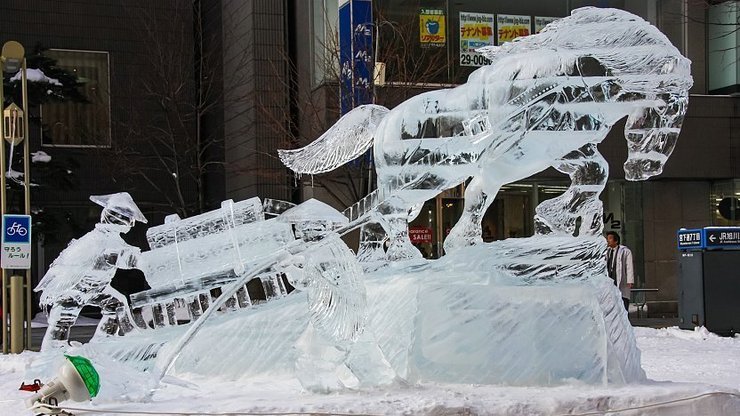
The biggest draws are the massive, building-sized snow sculptures, live ice carving demonstrations, the snow maze, night fireworks, and the vibrant local food market.
Is it suitable for families?
Absolutely. The festival is highly family-friendly, featuring dedicated play areas, snow slides, and interactive exhibits that are perfect for children.
What should visitors wear?
Visitors should wear a high-quality winter jacket, thermal base layers, a hat, gloves, and waterproof boots with good grip. Hokkaido winters are severe, so never underestimate the cold.
Can tourists enjoy snow activities?
Yes, visitors can explore the giant snow maze, ride the snow slides, and experience various interactive winter play areas set up throughout the venue.
What is the best time to visit?
Visiting during the weekday mornings offers smaller crowds and a quieter experience, while late afternoon and evening provide stunning views of the night illuminations and fireworks.
How do I reach the festival?
You can reach Asahikawa via train or bus from Sapporo or New Chitose Airport. Once in Asahikawa, the venues are easily reachable by local city buses, taxis, or walking from the main station.

Leave a Reply