
Festival History & Background
The Oji Inari-Jinja Shrine Fox Parade is a captivating New Year’s Eve tradition steeped in the folklore and mythology of old Tokyo. Its roots trace back to an enduring folk tale stating that foxes from across the Kanto region would gather beneath a grand hackberry tree on New Year’s Eve, dressing in formal attire to pay their respects at Oji Inari-Jinji shrine. This legendary gathering was famously immortalized by the ukiyo-e woodblock print master Utagawa Hiroshige.
Inspired by Hiroshige’s art and local historical accounts, modern community volunteers and preservationists revived the legend in 1993, transforming a historical myth into a living, breathing community event. Today, the festival plays an essential role in keeping traditional Japanese folklore alive, drawing spectators from all over the world who wish to witness the mesmerizing midnight transition into the New Year.
- Festival origin: Rooted in the folklore of foxes gathering on New Year’s Eve, immortalized by Utagawa Hiroshige
- Traditional roots: Associated with Oji Inari Shrine, the primary Shinto sanctuary dedicated to the fox deity in the region
- Organizer/community: Managed by local Oji preservation associations, shrine keepers, and dedicated volunteers
- Historical milestones: First launched in its modern format on New Year’s Eve in 1993 and held annually ever since
Cultural Significance
In traditional Japanese culture, foxes (kitsune) are revered not merely as wild animals, but as spiritual messengers and protectors linked with Inari, the Shinto deity of fertility, agriculture, and general prosperity. Worshipping at Inari shrines around the New Year is an ancient practice intended to secure good fortune, harvest blessings, and spiritual protection for the upcoming months.
Enjoy Your Event Stress-Free with Japan Travelo
Do you know? Planning events, festivals, concerts, and cultural experiences in Japan can be overwhelming. Japan Travelo brings everything together in one place, helping you manage your itinerary, transport, and accommodation with ease—so you can enjoy Japan without the stress of planning.
The Fox Parade serves as a profound medium for cultural continuity. By donning traditional kitsune masks and carrying glowing lanterns through the historic streets of Oji, participants and spectators step back in time, bridging ancient folklore with modern community celebration and safeguarding local intangible heritage for future generations.
2026–2027 Dates & Location
This nighttime spectacle marks the turning of the year, taking place during the dead of winter when the atmosphere is crisp, clear, and deeply atmospheric.
- Event name: Oji Inari-Jinja Shrine Fox Parade 2026-2027
- Date: Late Dec 2026 – Early January 2027 (Dates TBD)
- Venue: Shozoku Inari-jinja Shrine / Oji Inari-Jinja Shrine
- Address: 2 Chome-30-13 Oji, Kita City, Tokyo 114-0002, Japan
- City: Tokyo
- Country: Japan
Visiting this event? Don’t miss out on these amazing activities and local experiences while you’re here.
Parade Schedule & Route
The event unfolds late into the night on New Year’s Eve, guiding participants along a historic route through the quiet, atmospheric neighborhood streets of Oji.
- Participant gathering: Late evening on December 31st (approx. 21:00 onwards)
- Lantern procession: Commencing near Shozoku Inari-jinja Shrine
- Fox parade begins: Midnight transition into the New Year, winding through local streets toward Oji Inari-Jinja Shrine
- Shrine ceremonies: Late-night prayers and traditional rituals upon arrival at the main shrine grounds
- Final activities: Early morning blessings and community celebration as the New Year begins
Traditional Activities
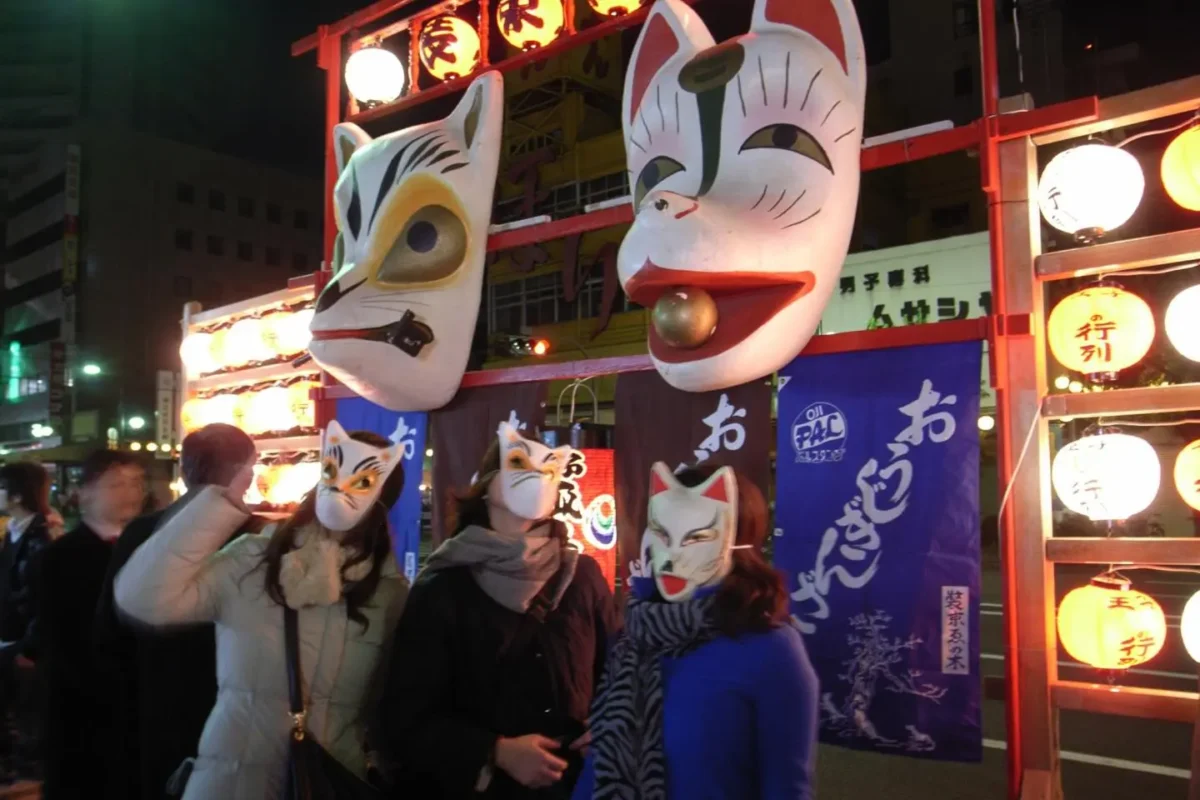
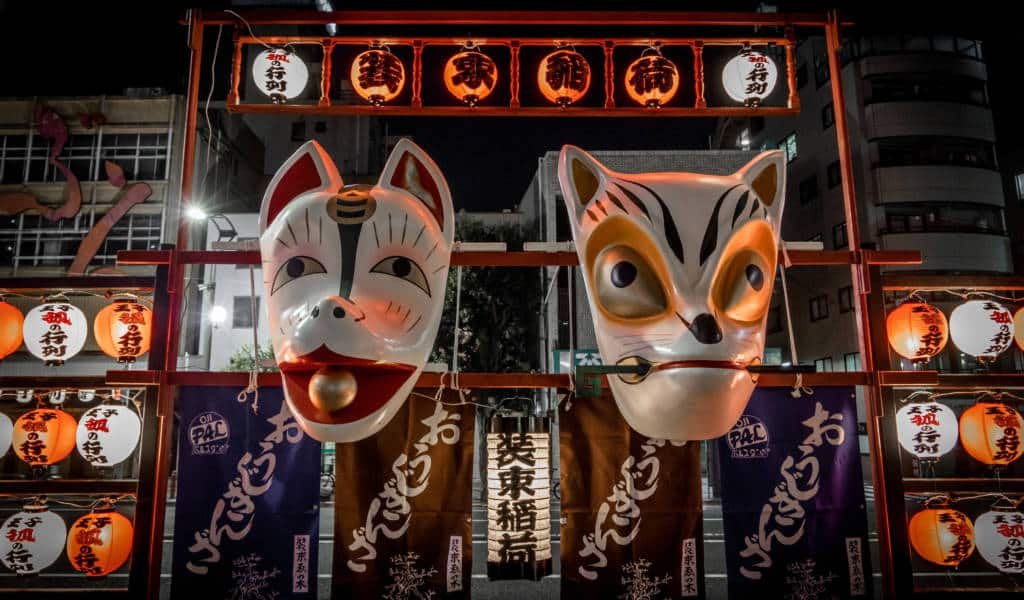
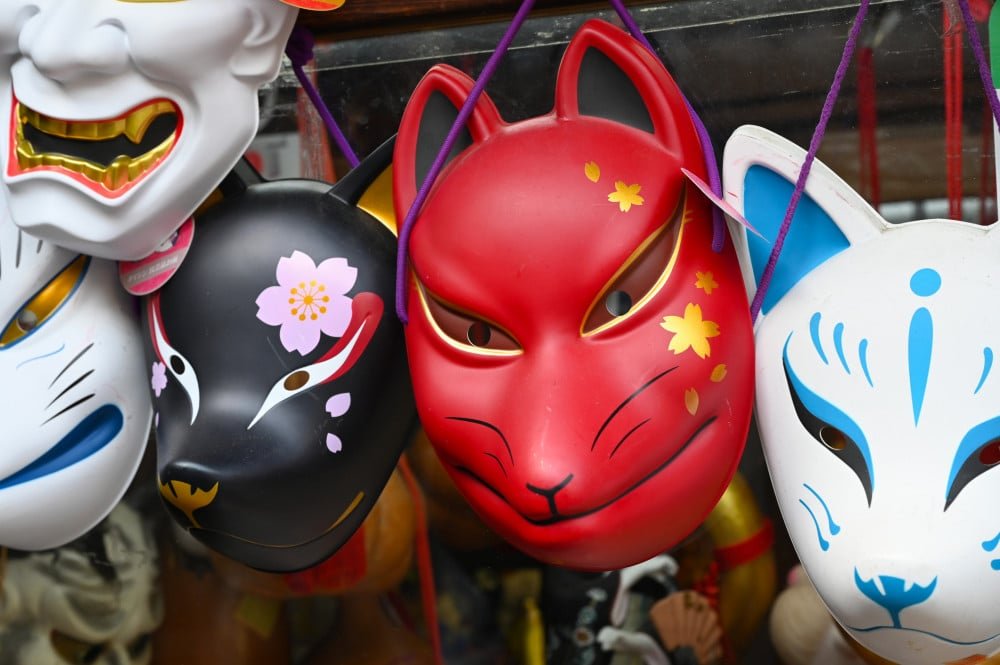
The parade is renowned for its striking visual aesthetic, heavily driven by classic Edo-period attire, handmade paper lanterns, and iconic painted masks.
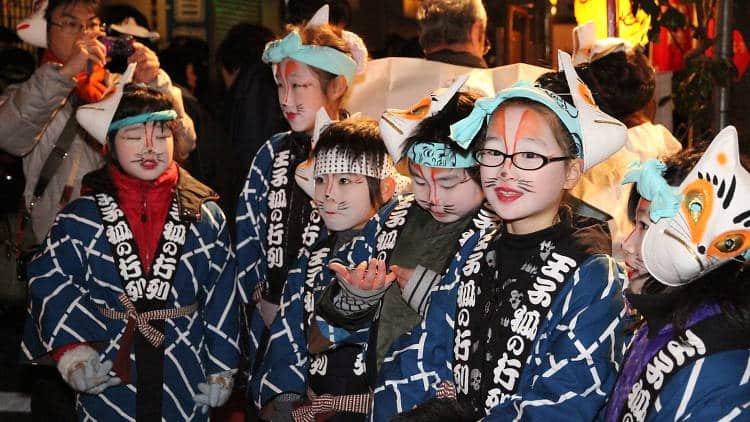
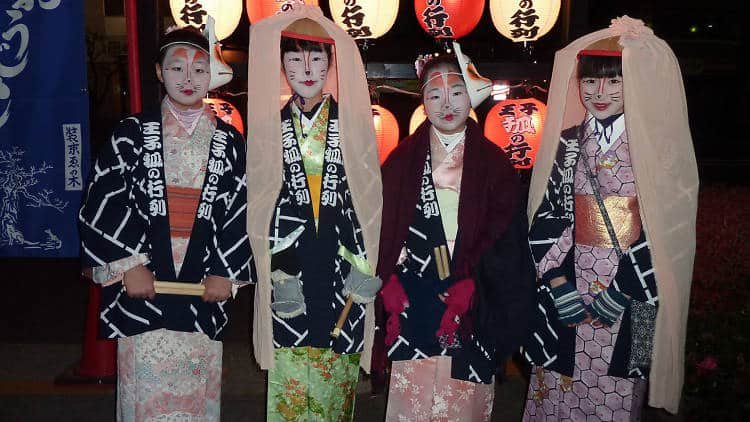
Participants immerse themselves in historical pageantry by dressing up, painting their faces, or wearing authentic kitsune masks. Every element of the procession is designed to mirror the historic scenes painted centuries ago, creating an ethereal window into Japan’s past.
- Kitsune costumes: Traditional robes, hakama, and hand-painted fox masks
- Lantern parade: Warm paper lanterns casting a gentle glow across the midnight procession
- Cultural rituals: Shinto purification rites and sacred musical accompaniments
- Local traditions: Community members gathering to reenact the legendary folklore
Performances & Ceremonies
Beyond the walking procession, the shrine grounds host authentic religious and artistic performances that anchor the spiritual weight of the New Year celebrations.
Traditional arts are given center stage, highlighting ancient musical forms and sacred shrine dances that have been passed down through generations.
- Kagura performances: Sacred Shinto dances honoring deities and spirits
- Traditional songs: Historic melodies and chants echoing through the temple courtyard
- Religious ceremonies: Solemn New Year prayers led by resident Shinto priests
- Community events: Local gatherings celebrating shared heritage and collective well-being
Tickets & Visitor Information
- Minimum price: USD $0.00
- Maximum price: USD $0.00
- Free activities: All public viewing areas, street parade observation, and shrine grounds access are entirely free. (Note: Joining the costumed parade itself may require advance registration or local community sign-ups).
Etiquette, Clothing & Photography
- Visitor etiquette: Maintain respectful quiet during religious ceremonies, follow instructions from event staff, and avoid blocking narrow pathways.
- What to wear/bring: Heavy winter coats, thermal layers, comfortable walking shoes, a camera for low-light night photography, and personal hand warmers.
- Photography: Permitted in public viewing spaces along the route; refrain from using intrusive flash photography near ritual participants or obstructing the moving procession.
Family, Accessibility & Travel Guide
The Oji Fox Parade offers an incredible window into Japanese folklore that older children and families can deeply appreciate. However, due to late hours, chilly winter weather, and significant street crowds on New Year’s Eve, parents should plan ahead to ensure a smooth experience.
Navigating the historic streets requires patience, as pathways can become congested with spectators eager to catch a glimpse of the masked procession.
- Child-friendly experience: Engaging visual storytelling and striking costumes that fascinate younger audiences
- Safety tips: Keep close watch on children in large crowds and agree on a designated meeting spot
- Educational value: Excellent introduction to Edo-period history, ukiyo-e art, and Shinto folklore
- Walking conditions: Paved city streets and traditional shrine steps; uneven ground possible
- Crowd accessibility: High density of spectators along the main route around midnight
- Facilities: Standard public amenities located near Oji Station and major convenience stores
- Train access: Conveniently accessible via the JR Keihin-Tohoku Line or Tokyo Metro Nanboku Line
- Nearest stations: Oji Station (5 minutes’ walk to the shrine area)
- Walking directions: Exit Oji Station from the north exit and follow local signs toward Oji Inari Shrine and Shozoku Inari-jinja
- Public transportation: Fully serviced by Tokyo’s extensive train and tram (Toden Arakawa Line) networks
Nearby Attractions, Food
Surrounding the Oji area are several charming historical sites, peaceful green spaces like Asukayama Park, and traditional local eateries that serve piping-hot Japanese comfort foods to ward off the winter chill. Visitors can easily combine the midnight parade with daytime exploration of northern Tokyo’s rich cultural heritage, historic temples, and local izakayas.
- Nearby Attractions:
- Shrines and temples: Oji Shrine and surrounding neighborhood sacred sites
- Local sightseeing spots: Asukayama Park (famous for local museums and retro trams)
- Tokyo attractions: Easy transit connections to central Tokyo hubs like Ueno and Ikebukuro
- Food & accommodation:
- Local restaurants: Neighborhood ramen shops, soba noodle houses, and traditional izakayas open late on New Year’s Eve
- Seasonal food options: Hot oden, roasted sweet potatoes, and steaming bowls of celebratory Toshikoshi soba
- Nearby hotels: Accessible business hotels located near Oji Station, Ueno, or Nippori districts
Location
FAQ
When is the Fox Parade held?
The parade is held annually on New Year's Eve (December 31st), starting late at night and rolling over into the early hours of New Year's Day (January 1st).
Is entry free?
Yes, observing the street parade and visiting the shrine grounds are entirely free of charge.
Can visitors join the parade?
General visitors are welcome to watch along the designated route. Officially marching in full costume typically requires prior registration with local community groups or adherence to specific participation guidelines.
Where does the parade start?
The procession traditionally begins near Shozoku Inari-jinja Shrine and winds its way through the local streets toward Oji Inari-Jinja Shrine.
Is photography allowed?
Yes, photography is allowed from public areas, but visitors must remain respectful, avoid using flash directly in performers' faces, and not block the path of the procession.
Is it suitable for families?
Yes, though because it takes place late at night in cold weather amidst large crowds, parents should prepare accordingly for younger children.

Leave a Reply