
-
February 3, 2027
Event date:
-
February 3, 2027
Event end:
What to expect in 2027
Daruma Kuyo at Nishiarai Daishi Temple is a traditional Buddhist ceremony dedicated to the respectful disposal of Daruma dolls that have completed their purpose. Held at Nishiarai Daishi in Tokyo’s Adachi Ward, the ceremony forms part of the temple’s seasonal Setsubun observances and offers visitors an opportunity to experience an authentic Japanese religious tradition.
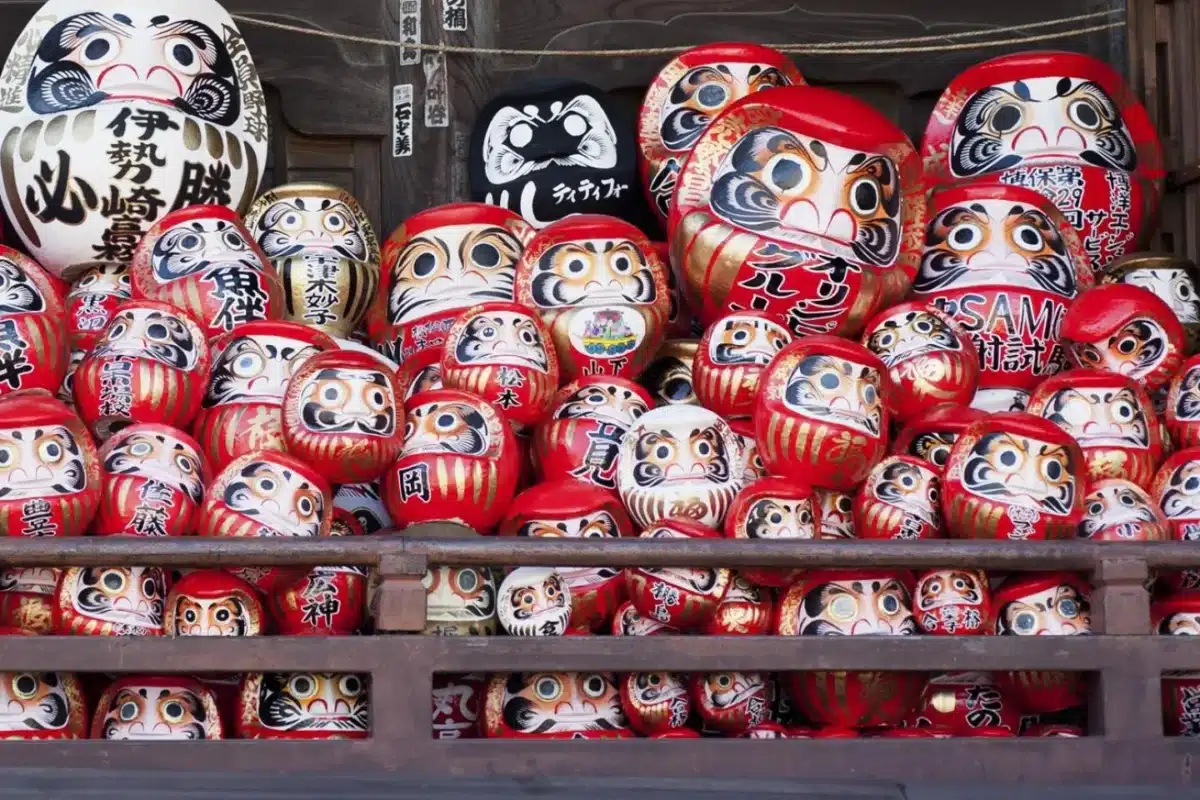
The ceremony centers on the ceremonial burning of Daruma dolls. Visitors can see large numbers of the distinctive red dolls gathered for kuyo, while Buddhist monks conduct prayers and recite sutras. The atmosphere becomes particularly striking when the monks enter in traditional robes accompanied by the sound of conch-shell horns.
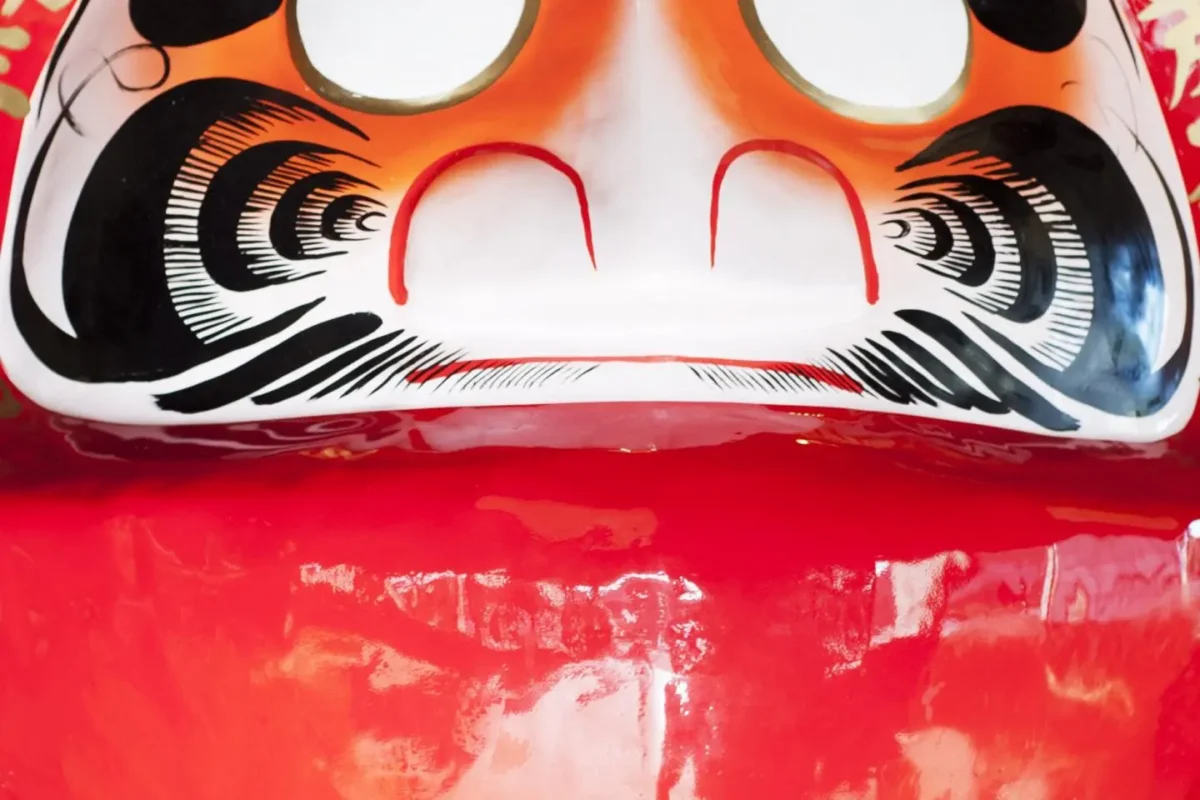
Daruma are closely associated with perseverance, determination, wishes and good fortune. Traditionally, a person paints one eye of a Daruma when making a wish and completes the second eye after the wish has been fulfilled. Once the doll has served its purpose, it can be returned to a temple for respectful disposal.
Enjoy Your Event Stress-Free with Japan Travelo
Do you know? Planning events, festivals, concerts, and cultural experiences in Japan can be overwhelming. Japan Travelo brings everything together in one place, helping you manage your itinerary, transport, and accommodation with ease—so you can enjoy Japan without the stress of planning.
Nishiarai Daishi has conducted its Daruma Kuyo tradition since 1954. This long history has made the ceremony an established part of the temple’s annual calendar and a distinctive cultural experience for visitors interested in Japanese Buddhism, seasonal customs and traditional good-luck practices.
The ceremony is not simply a public spectacle. It remains a religious observance, so visitors should approach the event respectfully and follow instructions from temple staff throughout the ceremony.
Event dates
Daruma Kuyo at Nishiarai Daishi Temple 2027 is scheduled for February 3, 2027, at Nishiarai Daishi Temple in Adachi, Tokyo. The ceremony takes place during the Setsubun season, an important period in the Japanese traditional calendar associated with the seasonal transition toward spring.
The Daruma Kuyo ceremony is one of the temple’s distinctive activities during this period. Visitors should check the temple’s official information before travelling for the latest information concerning ceremony times, visitor arrangements and any changes to the programme.
Because Nishiarai Daishi can become very busy during major seasonal observances, visitors should allow additional time for travel and movement around the temple grounds.
Visiting this event? Don’t miss out on these amazing activities and local experiences while you’re here.
Venues & festival locations
The main venue is Nishiarai Daishi Temple, officially known as Soji-ji, located in Nishiarai, Adachi-ku, Tokyo.
Nishiarai Daishi Temple
1-15-1 Nishiarai, Adachi-ku, Tokyo 123-0841, Japan
The temple is a major Buddhist destination in northeastern Tokyo and contains a variety of historic and religious structures. Visitors can explore the temple grounds before or after the ceremony and see features including the main hall, Sanmon Main Gate and three-storey pagoda.
The area surrounding the temple also contributes to the event experience. During major temple observances, the approach to Nishiarai Daishi can become lively with temporary stalls, food vendors and visitors participating in seasonal traditions.
The Daruma Kuyo ceremony itself takes place within the temple grounds, where the collected Daruma are prepared for ceremonial burning and Buddhist prayers are performed.
Full cultural programme
The central focus of the programme is the respectful burning of Daruma dolls that have completed their purpose.
Daruma collection
Visitors can bring completed Daruma to Nishiarai Daishi for kuyo. The temple has established procedures for accepting Daruma and other items for religious disposal. Visitors should use the designated collection arrangements rather than leaving items elsewhere around the temple.
Buddhist prayers
Monks conduct Buddhist prayers and sutra recitations during the ceremony. These prayers are an essential part of the religious meaning of Daruma Kuyo.
Ceremonial Daruma burning
The collected Daruma are placed together and burned in a ceremonial fire. The fire represents the conclusion of the Daruma’s role after it has been used as a symbol of a wish or personal goal.
Monks in traditional robes
Buddhist monks participate in the ceremony wearing formal religious garments. Their procession and presence contribute to the solemn character of the event.
Conch-shell sounds
The sound of traditional conch-shell horns accompanies the monks and adds a distinctive auditory element to the ceremony.
Setsubun observances
Daruma Kuyo takes place within Nishiarai Daishi’s wider Setsubun activities. The temple also holds Setsubun-related religious observances intended to welcome good fortune and protection.
Featured traditions & performances
The ceremonial burning of Daruma is the defining tradition of the event. Instead of treating an old Daruma as ordinary household waste, visitors can return it to the temple where it is handled through a religious kuyo ceremony.
The Daruma itself has a strong connection with perseverance and determination. Its traditional shape is associated with the Buddhist monk Bodhidharma, while the practice of painting the eyes gives the doll a personal connection to a wish or objective.
One of the most memorable elements of the ceremony is the appearance of the Buddhist monks. Their traditional clothing, chanting and procession create a distinctly religious atmosphere.
The conch-shell horns used during the ceremony are another notable feature. Their deep sound contrasts with the lively surroundings of the temple and helps signal the beginning of the religious proceedings.
Visitors should remember that these elements are part of a genuine Buddhist ceremony rather than an entertainment performance. Photography should therefore be conducted discreetly and only where permitted.
Historical & heritage highlights
Nishiarai Daishi has a long history as a Buddhist temple and is traditionally associated with Kobo Daishi, the founder of Japanese Shingon Buddhism.
According to temple tradition, the origins of Nishiarai Daishi are connected with religious practices attributed to Kobo Daishi and prayers intended to protect local people. The temple subsequently developed into an important place of worship in the area.
The temple is officially known as Soji-ji and belongs to the Buzan branch of Shingon Buddhism. Its grounds contain several religious and architectural features that reflect its long heritage.
Sanmon Main Gate
The temple’s main gate provides an important architectural entrance to the grounds and is one of the first features visitors encounter.
Main hall
The main hall is the central religious space of the temple and provides an important setting for worship and Buddhist ceremonies.
Three-storey pagoda
The pagoda is one of the recognizable architectural features within the temple complex and adds to the historic atmosphere of the site.
Salt Jizo tradition
Nishiarai Daishi is also associated with a distinctive Jizo tradition involving salt and prayers for healing.
The Daruma Kuyo ceremony adds another layer to this heritage by connecting a modern temple tradition with everyday Japanese customs surrounding wishes, good fortune and religious devotion.
Events & activities schedule
The exact ceremony timetable should be confirmed through Nishiarai Daishi’s official information before visiting.
A typical visit can include several stages.
Arrival and temple exploration
Arrive with enough time to explore the grounds and become familiar with the ceremony area. This also provides an opportunity to view the temple’s architecture before crowds become concentrated around the main activity.
Daruma submission
Visitors bringing Daruma for kuyo should follow the temple’s designated submission procedure.
Ceremonial preparation
As the ceremony approaches, monks and temple staff prepare the religious space and Daruma for the kuyo ceremony.
Buddhist ceremony
The main event includes prayers, sutra recitations and the ceremonial burning of Daruma.
Post-ceremony visit
After the ceremony, visitors can continue exploring Nishiarai Daishi and the surrounding neighborhood.
Seasonal Setsubun activities
Depending on the temple’s wider programme, visitors may also experience other Setsubun-related activities during their visit.
Ticket types & entry options
Daruma Kuyo at Nishiarai Daishi Temple is a free public event. General visitors do not need to purchase an admission ticket to attend the ceremony.
There are no standard general admission, VIP or reserved-seat ticket categories for the public Daruma Kuyo ceremony.
General admission
Free entry to the public event and temple grounds.
Daruma disposal
Visitors who bring a Daruma for kuyo should follow the temple’s designated disposal procedure. Nishiarai Daishi provides information about the appropriate process for submitting Daruma and other items for kuyo.
The temple notes that visitors making a kuyo submission should place the appropriate religious offering in the designated offering box.
New Daruma
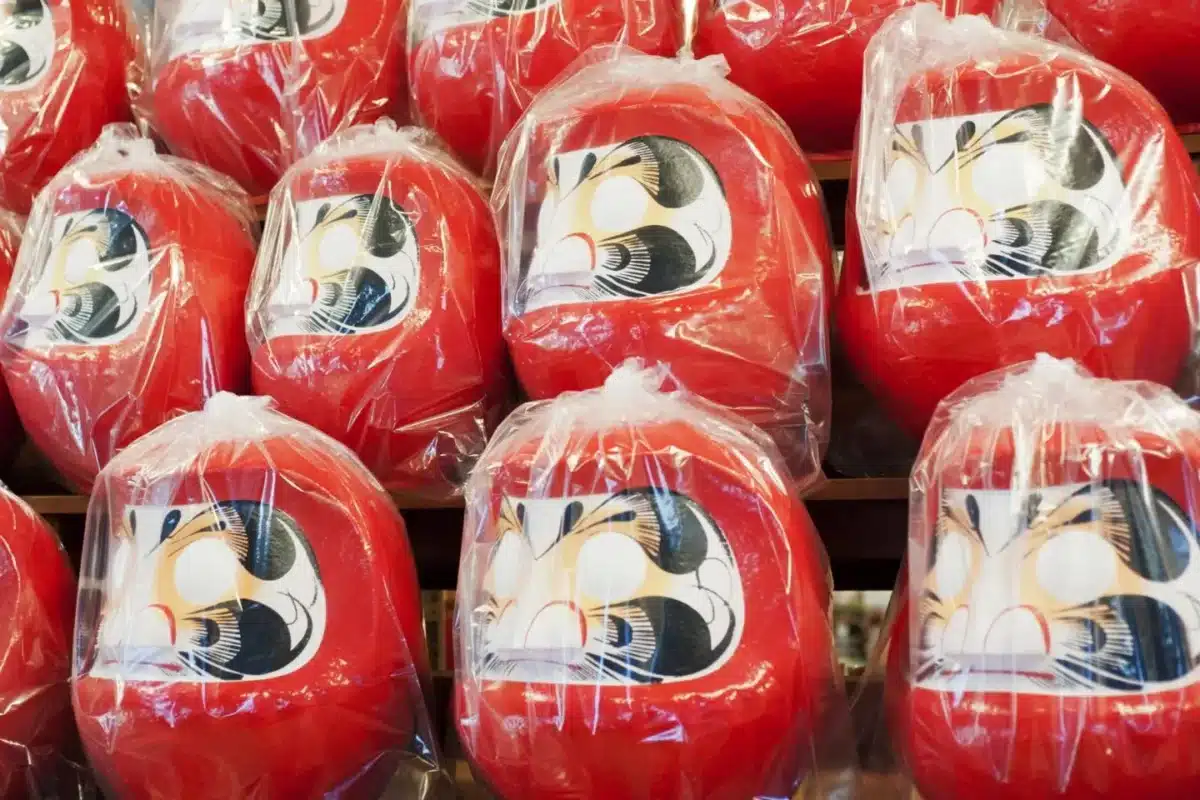
Visitors may also encounter Daruma available for purchase around the temple. Prices depend on the size and type of Daruma and should be confirmed locally.
Guided tours & cultural experiences
Daruma Kuyo is primarily a self-guided cultural and religious experience rather than a conventional ticketed tour.
Visitors can deepen their understanding by learning about Daruma symbolism before arriving. Knowing why Daruma have traditionally been used for wishes and why their eyes are painted at different stages makes the ceremony easier to appreciate.
Exploring Nishiarai Daishi is also an important part of the cultural experience. The temple complex contains Buddhist architecture, statues, gates, halls and other religious features.
Visitors interested in Japanese Buddhism can spend additional time observing worshippers, temple customs and seasonal decorations while maintaining appropriate distance from active religious ceremonies.
The surrounding neighborhood also provides a chance to experience a less tourist-focused part of Tokyo. A visit can therefore combine religious heritage, architecture, local food and everyday neighborhood culture.
Special ceremonies & celebrations
Daruma Kuyo is closely connected with the Setsubun season at Nishiarai Daishi.
Setsubun is traditionally associated with the transition between seasons and customs intended to remove misfortune and welcome good fortune. Many Japanese temples and shrines conduct special activities during this period.
Nishiarai Daishi’s wider Setsubun programme includes traditional religious observances and bean-throwing activities. These customs provide a broader context for understanding why Daruma Kuyo takes place during this important seasonal period.
The Daruma ceremony has its own distinct purpose. Its focus is the respectful completion of a Daruma’s role rather than the bean-throwing ritual itself.
Together, these traditions demonstrate how Japanese seasonal customs can combine religious practices, symbolic objects and community participation.
Festival rules
Daruma Kuyo takes place at an active Buddhist temple, so visitors should observe normal temple etiquette.
Respect religious activities
Keep noise to a minimum during prayers, chanting and other ceremonial activities.
Follow staff instructions
Temple staff may establish temporary viewing areas, walking routes or restricted sections. Visitors should follow these arrangements.
Keep away from the ceremonial fire
The fire is extremely hot and visitors should never cross safety barriers or attempt to approach the burning area.
Photograph respectfully
Photography should not interfere with worshippers, monks or temple activities. Follow any photography restrictions displayed at the venue.
Dress appropriately
Wear suitable winter clothing and choose respectful attire appropriate for visiting a Buddhist temple.
Dispose of belongings correctly
Visitors bringing Daruma should use the official collection arrangements and should not leave bags, wrapping materials or other waste at the temple.
How to get there
Nishiarai Daishi is located in Adachi-ku in northeastern Tokyo and is accessible by train.
One of the most convenient routes is to travel to Nishiarai Station on the Tobu Skytree Line and transfer to the Tobu Daishi Line.
From Nishiarai Station
Take the Tobu Daishi Line toward Daishi-mae Station. The temple is located only a short walk from Daishi-mae Station.
From central Tokyo
Visitors staying in central Tokyo can connect through Tokyo’s extensive rail network before continuing toward Nishiarai.
During the Setsubun period, trains and streets around the temple may be busier than usual. Allow additional travel time, particularly if attending the ceremony at a popular viewing period.
Public transport & parking
Public transportation is the most practical option for reaching Nishiarai Daishi during a major temple event.
Tobu Skytree Line
Nishiarai Station provides access to the Tobu Skytree Line and acts as an important interchange point for reaching the temple.
Tobu Daishi Line
From Nishiarai Station, visitors can take the Tobu Daishi Line to Daishi-mae Station. Nishiarai Daishi is located very close to the station.
Walking
The final walk from Daishi-mae Station is short, making rail travel particularly convenient.
Parking
Visitors arriving by car should check current parking information before travelling. Major temple events can attract large crowds, and nearby parking capacity may be limited or affected by temporary traffic arrangements.
For this reason, visitors are generally better served by planning their journey around Tokyo’s rail network.
Accommodation areas
Nishiarai Daishi can be visited as part of a wider Tokyo itinerary, so visitors have numerous accommodation choices across the city.
Nishiarai and Adachi
Staying in or near Adachi provides a more local experience and can reduce travel time to the temple.
Ueno
Ueno is convenient for visitors who want access to northeastern Tokyo while also enjoying museums, parks, shopping and restaurants.
Asakusa
Asakusa is suitable for travelers interested in traditional Tokyo. The district provides access to historic temples, traditional streets and cultural attractions.
Akihabara
Akihabara offers extensive transport connections and accommodation and works well for visitors combining Nishiarai Daishi with other eastern Tokyo attractions.
Tokyo Station area
The Tokyo Station area offers a broad range of hotels and transport connections for visitors who want to explore different parts of the capital during their stay.
Food & traditional specialties
A visit to Nishiarai Daishi during a major seasonal observance can also provide opportunities to experience Japanese temple-area food culture.
Temporary stalls may appear around the temple approach and surrounding streets, offering traditional festival foods and snacks. The exact selection varies depending on the event and year.
Takoyaki
These popular octopus-filled snacks are commonly associated with Japanese festivals and can be convenient to eat while walking.
Grilled festival foods
Visitors may encounter grilled meats, seafood or other savory foods prepared at temporary stalls.
Japanese sweets
Traditional sweets and seasonal snacks can add another element to the temple visit.
Local temple-area shops
The streets around Nishiarai Daishi contain shops and eateries where visitors can experience everyday local food beyond the temporary festival stalls.
Visitors should keep food and drinks away from restricted ceremonial areas and follow any temple instructions regarding eating on the grounds.
Accessibility
Nishiarai Daishi provides accessibility arrangements for visitors with mobility needs.
The temple’s official information states that wheelchair users can access the second-floor public worship area using an elevator located in the northern extension of the main hall.
The temple also provides guidance concerning wheelchair access to goma prayer areas, allowing visitors to participate from an appropriate accessible position when necessary.
During Daruma Kuyo, temporary crowd-control arrangements and the concentration of visitors around the ceremonial area may affect movement. Visitors with specific accessibility requirements should consider contacting the temple in advance.
The official temple contact number is 03-3890-2345.
Because conditions can change during large seasonal events, visitors should confirm current accessibility arrangements before travelling.
Best cultural experiences
Watch the Daruma Kuyo ceremony
The central experience is watching completed Daruma being respectfully burned while monks perform Buddhist prayers and sutra recitations.
Listen to the conch-shell horns
The traditional sound of the conch-shell horns provides a memorable introduction to the religious ceremony.
Observe the Buddhist monks
The monks’ traditional robes, procession and ceremonial participation offer insight into Japanese Buddhist practices.
Learn about Daruma symbolism
Understanding the relationship between Daruma, wishes, perseverance and the painted eyes gives greater meaning to the ceremony.
Explore the temple complex
Take time to see the main hall, Sanmon gate, pagoda and other religious features rather than treating the event as an isolated attraction.
Experience Setsubun culture
The wider Setsubun programme provides additional insight into Japanese seasonal customs and beliefs surrounding protection, good fortune and the arrival of spring.
Explore the local neighborhood
Walking around the streets surrounding Nishiarai Daishi provides a more local perspective on Tokyo and can complement the temple experience.
Previous year’s highlights
Previous editions of Daruma Kuyo have continued to emphasize the traditional elements that have defined the ceremony for decades.
The gathering of completed Daruma creates the most recognizable visual feature of the event. Large numbers of the familiar red dolls are brought together before being respectfully burned as part of the Buddhist kuyo practice.
The presence of monks in traditional robes adds a formal religious dimension to the event. Buddhist prayers and sutra recitations accompany the ceremony, while the distinctive sound of conch-shell horns contributes to the atmosphere.
The ceremony’s connection with Setsubun is another important feature. Visitors can experience Daruma Kuyo within the wider seasonal environment of Nishiarai Daishi, where traditional customs and Buddhist observances attract worshippers and visitors.
The continued tradition also reflects the importance of Nishiarai Daishi as a local religious and cultural destination. Since the establishment of its Daruma Kuyo tradition in 1954, the ceremony has become a recurring part of the temple’s annual life.
For visitors, the most meaningful aspect of previous editions is the combination of a symbolic Japanese object, Buddhist ritual and seasonal tradition in an authentic temple setting.
Official tickets
Daruma Kuyo at Nishiarai Daishi Temple is free to attend, and there is no general admission ticket that visitors need to purchase.
For official information about the temple, Daruma Kuyo, Daruma disposal, religious ceremonies, accessibility and visitor arrangements, consult the Nishiarai Daishi Temple website.
Official temple information
Nishiarai Daishi Temple: https://www.nishiaraidaishi.or.jp/
Visitors should check the official temple website before travelling for the latest information concerning ceremony arrangements, access, Daruma submission procedures and other visitor guidance.
Video
Location
FAQ
What is the primary purpose of the Daruma Kuyo ceremony?
The ceremony functions as a respectful memorial service where individuals return old Daruma dolls that successfully fulfilled their goals over the past year, allowing them to be ritually burned in a sacred fire as an act of closure, gratitude, and purification.
Is there any admission fee required to attend the event?
No, admission is entirely free. You can enter the temple grounds, observe the monks, and watch the ritual burning at no charge, though optional purchases like new dolls or food require individual payment.
Can I bring my own used Daruma doll to be burned?
Yes, participants are actively encouraged to bring their used Daruma dolls from the previous year to be added to the sacred ceremonial fire pile.
How do I get to Nishiarai Daishi Temple using public transportation?
The most seamless route from central Tokyo is taking the Tobu Skytree Line to Nishiarai Station, transferring to the local Tobu Daishi Line, and riding one short stop to Daishi-mae Station, which is a 1-to-2 minute walk from the temple.
Is the festival family-friendly and suitable for international tourists?
Absolutely. The event welcomes people of all ages and backgrounds, providing a safe, visually stunning, and culturally enriching window into traditional Japanese spiritual practices.

Leave a Reply