
-
February 3, 2027
Event date:
-
February 3, 2027
Event end:
Festival Background
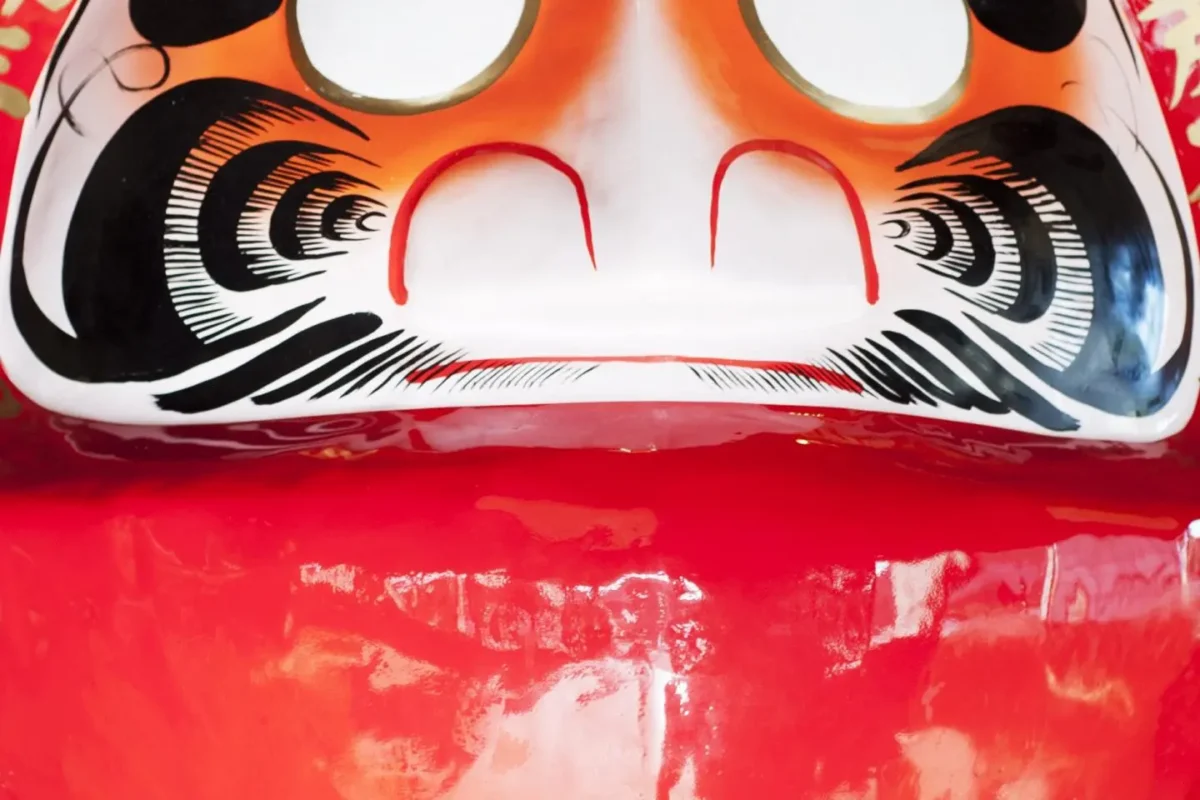
Daruma Kuyo at Nishiarai Daishi Temple is a centuries-old Japanese tradition that functions as a sacred memorial service for Daruma dolls, which are beloved symbols of perseverance, goal-setting, and good fortune. These iconic papier-mâché figures are traditionally purchased at the start of a year, at which point owners paint in a single eye while making a dedicated personal, professional, or health-related wish. Once that goal is successfully achieved or the year concludes, the second eye is filled in to complete the ritual. Rather than simply throwing these meaningful objects away, participants bring them back to the temple to express deep gratitude and secure closure.
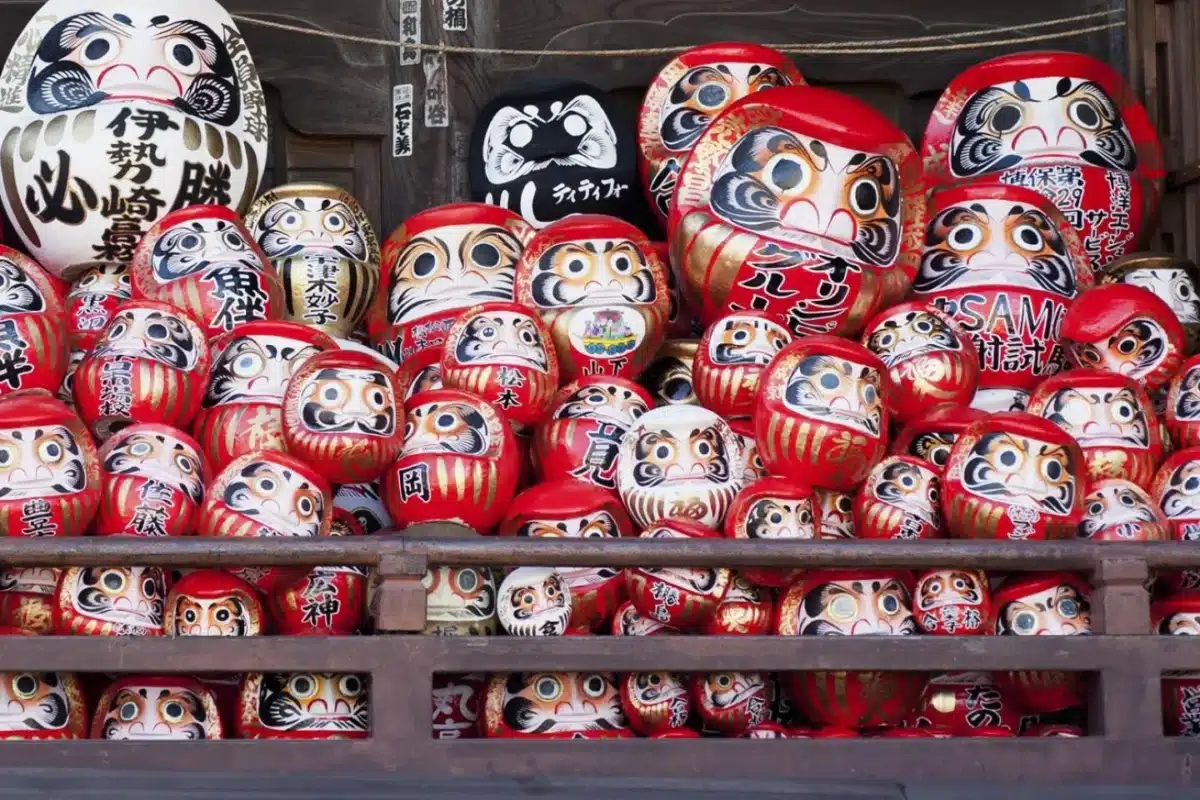
The event serves as a powerful bridge between modern aspirations and ancient Buddhist practices, drawing thousands of domestic visitors and international travelers alike. Established at Nishiarai Daishi in its modern ceremonial format in 1954, the practice taps into deeper spiritual currents of renewal. As the old dolls are gathered into towering crimson stacks across the temple courtyard, they represent a physical manifestation of hard work, dedication, and shared community hope. The ritual burning allows participants to release the past year respectfully while clearing a clean spiritual slate for the months ahead.
Cultural Significance
The timing of Daruma Kuyo aligns directly with Setsubun, the traditional eve of the official beginning of spring on the lunar calendar. Setsubun is fundamentally centered around purification, dispelling lingering misfortunes from the previous year, and driving out negative energies to welcome prosperity. The mass ceremonial burning of Daruma dolls functions as a dynamic centerpiece for this seasonal transition, symbolizing how fire cleanses obstacles and transforms past efforts into spiritual smoke that ascends to the heavens.
Enjoy Your Event Stress-Free with Japan Travelo
Do you know? Planning events, festivals, concerts, and cultural experiences in Japan can be overwhelming. Japan Travelo brings everything together in one place, helping you manage your itinerary, transport, and accommodation with ease—so you can enjoy Japan without the stress of planning.
Beyond individual goal-setting, the festival reinforces communal harmony, Buddhist teachings of impermanence, and the rich heritage of esoteric Shingon Buddhism in Tokyo. It highlights the Japanese philosophy of mottainai—a sense of regret over waste—by ensuring that sacred objects representing personal milestones are honored through proper ritual cremation rather than ordinary disposal. Participating in or observing this ceremony grants visitors a rare, immersive look into how contemporary Japanese society actively preserves and honors its spiritual customs.
- Deep spiritual connection to Buddhist traditions of mindfulness, patience, and perseverance.
- Direct alignment with Setsubun purification rites to expel bad luck and invite good fortune.
- Practice of the cultural value of gratitude toward objects that aided personal achievement.
- Visual and auditory spectacle combining sacred sutra chanting, conch-shell horns, and blazing ceremonial fires.
- Community gathering fostering shared optimism and renewal at the start of the spring cycle.
Dates and Duration
- Event date: Wednesday, February 3rd, 2027
- Dates and Duration: Single-day annual festival taking place on February 3rd, with main ritual activities running intensively from morning through late afternoon (approximately 8:00 AM to 5:00 PM)
- Annual occurrence: Held every year on February 3rd, coinciding precisely with the Setsubun festival
Visiting this event? Don’t miss out on these amazing activities and local experiences while you’re here.
Venue and Location
Nishiarai Daishi Temple (also known as Sojiji Temple) stands as a historic fortress against evil spirits and ranks among the most prominent and prestigious temples in the Kanto region. Originally founded over 1,200 years ago, the expansive temple grounds provide a majestic, serene backdrop for large-scale religious ceremonies, featuring classical architecture, stone pathways, and vibrant cultural displays.
- Venue name: Nishiarai Daishi Temple (Sojiji Temple)
- City and country: Tokyo, Japan
- Address details: 1 Chome-15-1 Nishiarai, Adachi City, Tokyo 123-0841, Japan
- Transportation/accessibility information: Easily accessible via public transit; take the Tobu Skytree Line to Nishiarai Station and transfer to the local Tobu Daishi Line, riding just one stop to Daishi-mae Station, which places you a 1-to-2 minute walk from the temple gates. Local public buses also service the “Nishiarai Daishi-mae” stop directly.
Ceremony Schedule
- 8:00 AM – 9:00 AM: Temple gates open to the public; early visitors arrive to deposit their used Daruma dolls from the previous year into the designated collection areas.
- 11:00 AM: The solemn Daruma Kuyo religious service commences inside and around the main courtyard, led by robed Buddhist monks chanting sacred sutras.
- 1:00 PM – 2:30 PM: The main ritual fire is lit using traditional bamboo torches, accompanied by the resonant blowing of conch-shell horns and rhythmic striking of ritual instruments.
- 3:00 PM – 3:30 PM: Concurrently integrated Setsubun bean-throwing (mamemaki) activities take place on site to ward off evil and welcome good fortune.
- 5:00 PM: Formal ceremonial events conclude as the sacred flames die down and the temple grounds transition into evening quiet.
Traditional Activities
Visitors to the Daruma Kuyo festival are treated to a deeply sensory experience that blends solemn religious devotion with lively local market energy. The air fills with the crackle of the sacred fire and the low drone of chanting monks, creating an atmosphere of profound reflection. Crowds gather quietly around the blazing pyres to watch thousands of red papier-mâché dolls release their accumulated wishes, transforming an ordinary winter day into an unforgettable cultural memory.
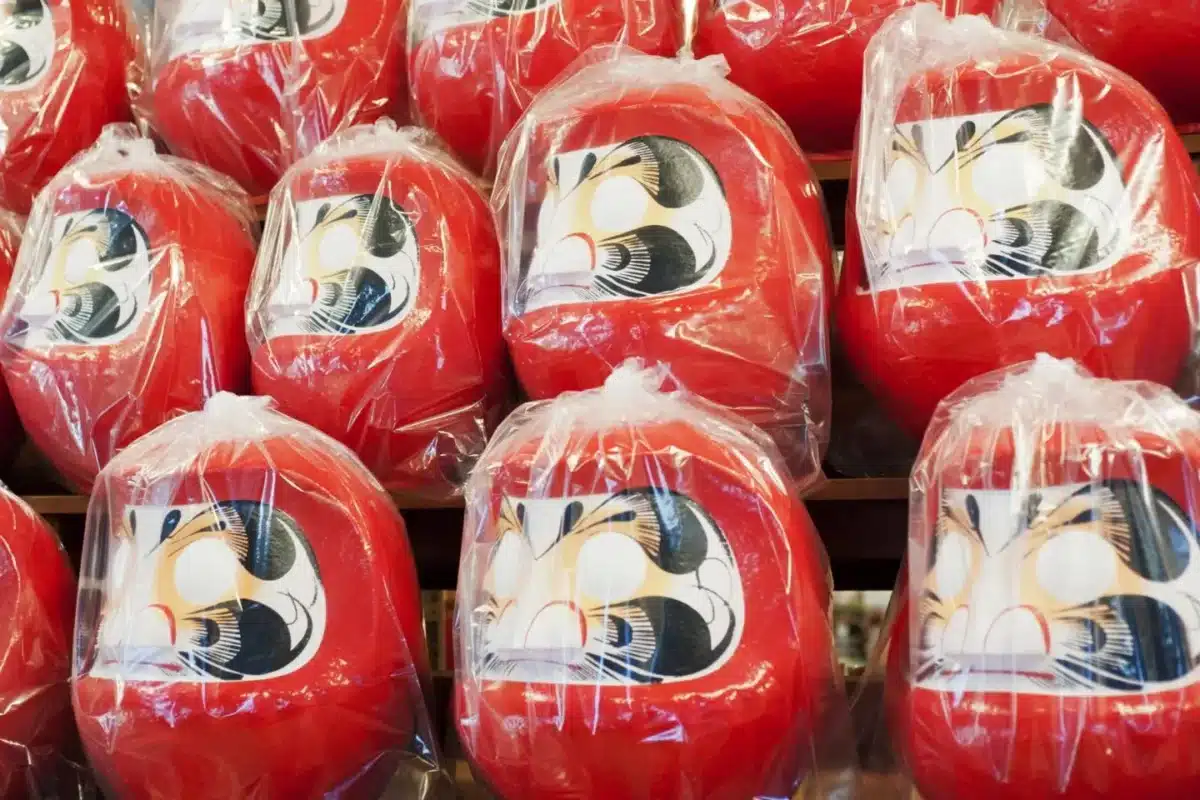
Beyond the main ritual fire, the temple pathways are lined with festive stalls and open-air vendors selling protective charms, local street foods, and brand-new Daruma dolls of all sizes. Attendees can purchase fresh dolls to start the upcoming cycle of goals, browse traditional crafts, and observe authentic Shingon Buddhist rites up close. It is an ideal environment for photography, cultural education, and quiet personal meditation amidst the historic structures of Adachi ward.
- Witnessing the striking visual spectacle of thousands of red Daruma dolls stacked and ritually burned in a massive purification fire.
- Listening to authentic Buddhist sutra chanting and traditional conch-shell horn performances by temple priests.
- Purchasing brand-new Daruma dolls and having them blessed for health, family safety, or career success in the new year.
- Exploring adjacent stalls offering seasonal street foods, good-luck charms, and regional talismans.
- Participating in or observing traditional Setsubun customs like seasonal blessings and warding off negative energy.
Ticket Information:
- Pricing: $0.00 USD (The event is completely free to enter, access the temple grounds, and witness the ceremonies).
- Note: While general admission and viewing are entirely free, visitors wishing to purchase a new Daruma doll or make temple offerings should expect to pay standard item costs ranging from local coin donations up to $10.00–$40.00 USD equivalent in Japanese Yen depending on the size of the doll.
Video
Location
FAQ
What is the primary purpose of the Daruma Kuyo ceremony?
The ceremony functions as a respectful memorial service where individuals return old Daruma dolls that successfully fulfilled their goals over the past year, allowing them to be ritually burned in a sacred fire as an act of closure, gratitude, and purification.
Is there any admission fee required to attend the event?
No, admission is entirely free. You can enter the temple grounds, observe the monks, and watch the ritual burning at no charge, though optional purchases like new dolls or food require individual payment.
Can I bring my own used Daruma doll to be burned?
Yes, participants are actively encouraged to bring their used Daruma dolls from the previous year to be added to the sacred ceremonial fire pile.
How do I get to Nishiarai Daishi Temple using public transportation?
The most seamless route from central Tokyo is taking the Tobu Skytree Line to Nishiarai Station, transferring to the local Tobu Daishi Line, and riding one short stop to Daishi-mae Station, which is a 1-to-2 minute walk from the temple.
Is the festival family-friendly and suitable for international tourists?
Absolutely. The event welcomes people of all ages and backgrounds, providing a safe, visually stunning, and culturally enriching window into traditional Japanese spiritual practices.

Leave a Reply