
What to expect in 2027
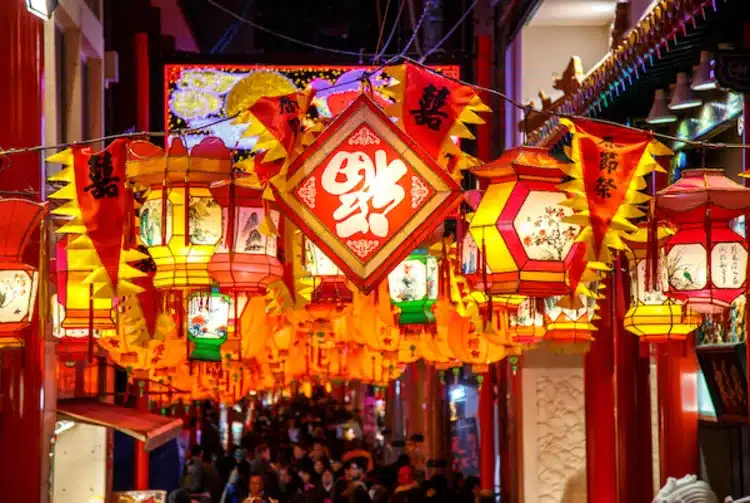
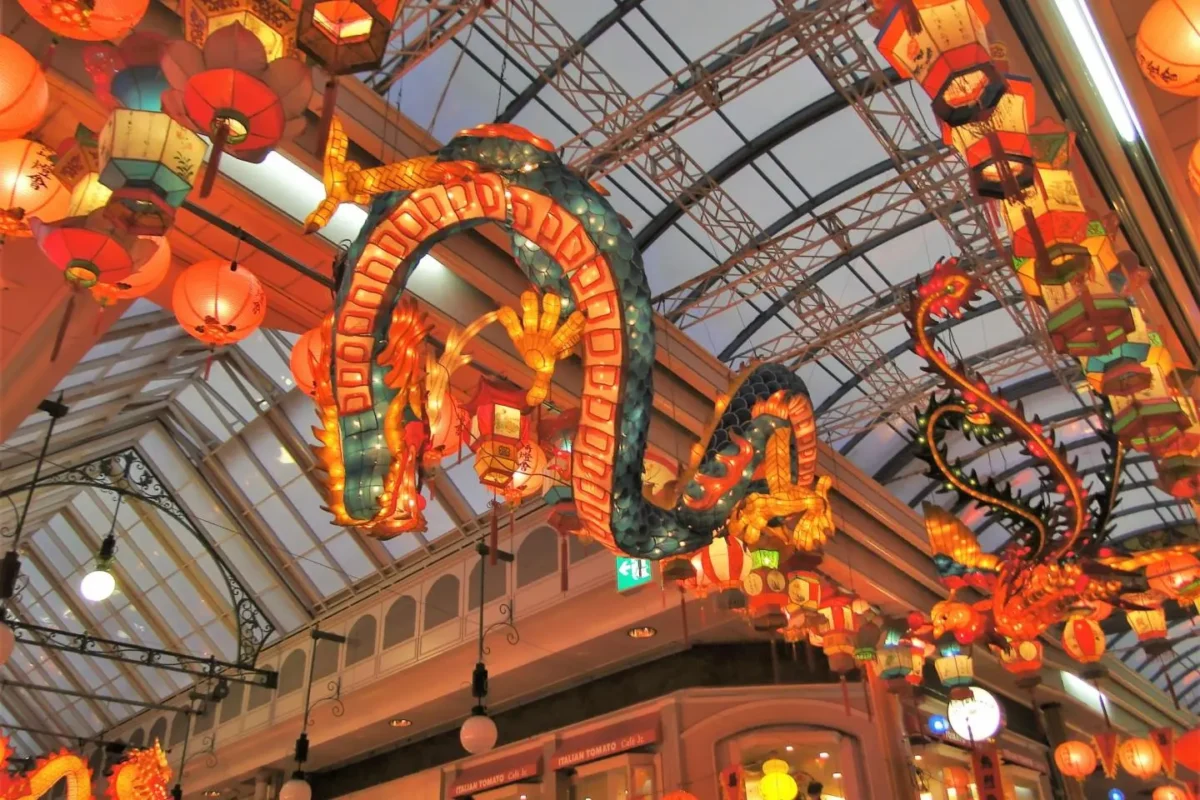
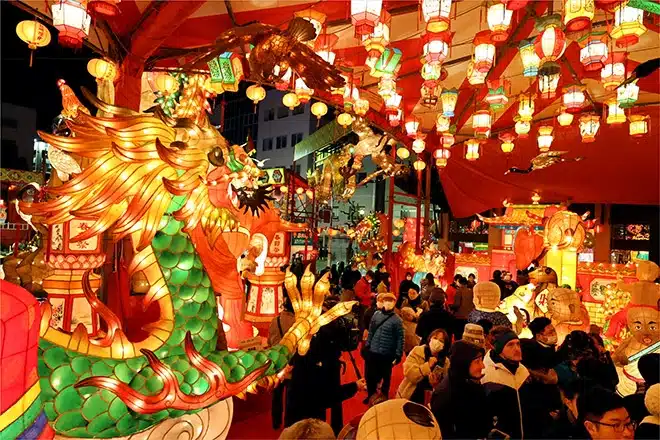
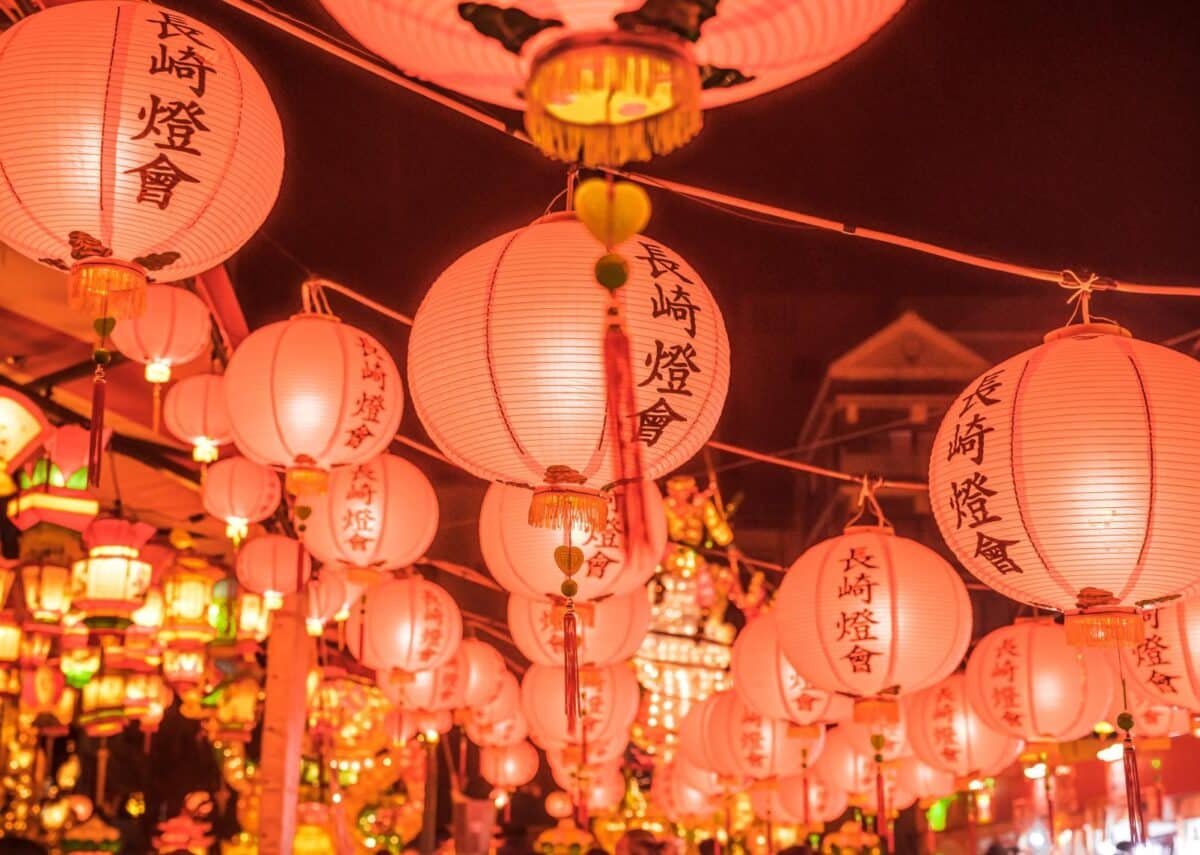
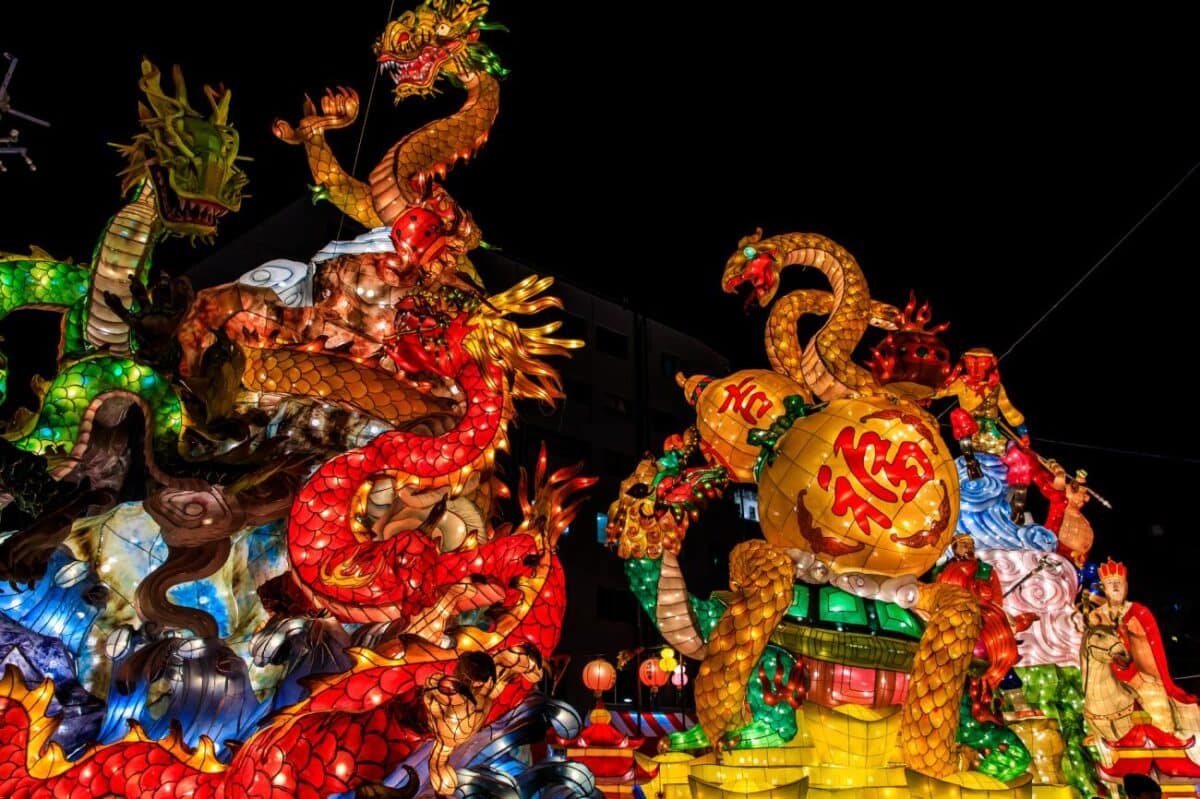
Nagasaki Lantern Festival 2027 will transform central Nagasaki into a spectacular city of light, with thousands of colorful Chinese lanterns, illuminated objects, traditional performances, parades and seasonal celebrations inspired by Chinese New Year traditions.
The festival began as a Chinese New Year celebration organized by the Chinese community around Nagasaki Shinchi Chinatown. It later developed into the large-scale Nagasaki Lantern Festival and has become one of the city’s most important winter cultural events.
For 2027, the festival is officially scheduled to run for 17 days during the early-to-late February period. However, this listing intentionally uses the broader date description requested rather than publishing individual calendar dates.
Enjoy Your Event Stress-Free with Japan Travelo
Do you know? Planning events, festivals, concerts, and cultural experiences in Japan can be overwhelming. Japan Travelo brings everything together in one place, helping you manage your itinerary, transport, and accommodation with ease—so you can enjoy Japan without the stress of planning.
One of the defining features is the extensive lantern decoration throughout central Nagasaki. Approximately 15,000 Chinese lanterns and illuminated objects are expected to decorate areas including Shinchi Chinatown, Minato Park, Chuo Park, the Hamanomachi shopping area and the vicinity of Meganebashi, also known as Spectacles Bridge.
Visitors can expect a combination of:
- Traditional Chinese-style lantern displays
- Large illuminated sculptures
- Chinese New Year-inspired celebrations
- Emperor Parade
- Mazu Procession
- Dragon dances
- Lion dances
- Chinese acrobatics
- Mask-changing performances
- Traditional music
- Stage entertainment
- Cultural demonstrations
- Festival food
- Chinatown shopping
- Evening illumination
The festival is particularly impressive after sunset, when the lanterns and illuminated objects create a different atmosphere from the daytime cultural programme.
Nagasaki’s historic international connections also make the event distinctive. The city has long maintained cultural and commercial links with China, and the festival reflects that history through food, architecture, performances, religious traditions and Chinese-inspired decorations.
Event dates
Event period: Early – Late February 2027 (Dates TBD)
The 2027 Nagasaki Lantern Festival has been officially confirmed as a 17-day celebration. The official Nagasaki tourism site has announced the 2027 festival period, while this listing deliberately does not provide individual calendar dates.
Visitors planning a trip should check the official programme before traveling because individual parades, stage performances and special ceremonies take place on particular days within the overall festival period.
The lighting displays and decorated city streets provide opportunities throughout the festival, while some of the largest traditional events are scheduled separately.
Visiting this event? Don’t miss out on these amazing activities and local experiences while you’re here.
Venues & festival locations
Nagasaki Shinchi Chinatown
Shinchi Chinatown is the historic heart of the festival and one of its most atmospheric locations. Streets lined with Chinese restaurants and shops are filled with colorful lanterns, creating a distinctive illuminated environment after dark.
Minato Park
Minato Park serves as the principal festival stage and one of the most important locations for performances and major attractions. The Japan National Tourism Organization identifies Minato Park as the main stage of the festival.
Chuo Park
Chuo Park is another major festival area where visitors can find lantern decorations, performances and seasonal attractions.
Meganebashi
The historic Meganebashi, or Spectacles Bridge, provides one of the festival’s most recognizable scenic settings. Lanterns and illuminated objects around the bridge create a particularly photogenic section of the festival.
Hamanomachi and Kanko-dori
The central shopping and arcade areas are also decorated, allowing visitors to combine festival sightseeing with shopping, restaurants and local city life.
The official tourism information describes the festival as extending across multiple central Nagasaki locations rather than being confined to a single venue.
Full holiday programme
The Nagasaki Lantern Festival combines Chinese New Year traditions with Japanese local culture and Nagasaki’s historic international heritage.
Lantern illumination
The central attraction is the citywide lantern decoration. Thousands of lanterns illuminate the streets, parks, shopping areas and waterfront surroundings.
Stage performances
Various venues host cultural entertainment throughout the festival. Visitors can see music, dance, acrobatics and traditional Chinese-inspired performances.
Dragon dance
Dragon dance performances provide one of the festival’s most energetic attractions, combining colorful costumes, coordinated movement and traditional music.
Lion dance
Lion dancing is another important part of the cultural programme and is especially popular with families.
Chinese acrobatics
Professional performers present acrobatic routines as part of the festival’s stage entertainment.
Mask-changing performances
The face-changing or mask-changing performance is one of the most distinctive attractions. Performers rapidly change colorful masks during carefully choreographed routines. The Japan National Tourism Organization identifies this performance as one of the festival’s highlights.
Traditional music
Chinese-style musical performances, including erhu music, contribute to the festival atmosphere.
Main attractions & highlights
15,000 lanterns
Around 15,000 lanterns and illuminated objects decorate the central city during the festival. Some large installations reach impressive sizes and become landmarks in their own right.
Large illuminated objects
In addition to individual lanterns, the festival features large artistic structures inspired by Chinese culture, animals, mythology and seasonal themes.
Emperor Parade
The Emperor Parade recreates the atmosphere of a Qing Dynasty New Year celebration, with an emperor and empress traveling through the city surrounded by participants wearing elaborate Chinese costumes. The official tourism information states that approximately 150 people can take part in the procession.
Mazu Procession
The Mazu Procession reflects the historical presence of Chinese maritime culture in Nagasaki. The tradition is associated with Chinese sailors who historically arrived in Nagasaki and carried out processions connected with Mazu, the Chinese sea goddess.
Meganebashi illumination
The area around Spectacles Bridge offers a different visual atmosphere from the bright red lanterns of Chinatown, with distinctive illumination reflecting from the water.
Nighttime city of lights
The festival’s greatest visual impact comes after dark, when the city center becomes a network of illuminated streets and public spaces.
Markets, decorations & themed areas
The festival does not simply decorate one square. It turns a large section of central Nagasaki into a themed cultural environment.
Shinchi Chinatown is filled with lanterns and festival stalls alongside its permanent restaurants and shops. The official Nagasaki tourism information notes that numerous food stalls appear around the Chinatown venue during the festival.
Different areas can also have distinctive lantern colors and designs. The official city tourism site notes that the area around Meganebashi features yellow-toned lanterns, while Chinatown has its own colorful visual character.
Visitors can explore:
- Chinatown lantern streets
- Minato Park installations
- Chuo Park decorations
- Meganebashi illumination
- Hamanomachi shopping areas
- Kanko-dori Arcade
- Festival food stalls
- Large illuminated sculptures
- Traditional Chinese-themed displays
The combination of permanent city streets and temporary festival decoration means visitors can continue discovering new displays while walking between venues.
Events & entertainment schedule
The exact daily 2027 schedule should be checked through the official festival programme because performances and special events are distributed across the festival period.
The programme typically includes:
Daytime cultural performances
Stage performances and cultural activities take place during the day at selected venues.
Evening lantern illumination
The illuminated city becomes the main attraction after sunset, with visitors moving between the major decorated areas.
Dragon and lion dances
These performances add movement and traditional music to the illuminated festival environment.
Emperor Parade
The Emperor Parade is one of the festival’s principal historical recreations and features a large costumed procession.
Mazu Procession
The Mazu procession provides an important connection to Nagasaki’s historical Chinese maritime community.
Music and dance
Traditional Chinese-style music, dance and stage performances are presented throughout the festival.
Visitors should allow additional time around major parade days because popular viewing locations can become crowded.
Admission & ticket information
General admission
The Nagasaki Lantern Festival is a free public festival. Visitors can walk through the decorated city areas and watch the major public performances without purchasing a general admission ticket.
Lantern displays
There is no separate admission charge for viewing the lantern decorations throughout the city.
Public performances
Major outdoor festival performances and parades are generally available to the public without a standard entrance ticket.
Pricing
The general festival admission price is $0.
There is therefore no previous-edition admission price that needs to be carried forward for 2027. Individual restaurants, food stalls, shops, attractions or other activities visited independently may have their own charges.
Special experiences & activities
The festival offers several experiences that go beyond simply photographing lanterns.
Night photography
The illuminated streets around Chinatown, Minato Park and Meganebashi provide numerous opportunities for evening photography.
Cultural performances
Visitors can watch traditional-inspired music, dance, acrobatics, dragon dances, lion dances and mask-changing performances.
Parade viewing
Planning around the Emperor Parade or Mazu Procession allows visitors to experience some of the festival’s most historically themed events.
Chinatown food experience
Nagasaki Shinchi Chinatown is an excellent place to sample Chinese-influenced Nagasaki cuisine while surrounded by festival decorations.
City walking
Because decorations extend across central Nagasaki, walking between festival areas becomes part of the experience.
Historic sightseeing
The festival can be combined with nearby attractions connected with Nagasaki’s international history, including Dejima, historic bridges and other central-city landmarks.
Family & children’s activities
The Nagasaki Lantern Festival is suitable for families because many of its main attractions are visual, musical and easy to enjoy without specialist knowledge.
Children can enjoy:
- Colorful lantern displays
- Large illuminated sculptures
- Dragon dances
- Lion dances
- Chinese acrobatics
- Mask-changing performances
- Music and dancing
- Festival food
- Nighttime city decorations
The large illuminated objects can be particularly appealing to younger visitors because many are designed as recognizable animals, characters or culturally significant figures.
Families should keep children close in the busiest areas, especially around Chinatown, major stages and parade routes.
The festival can also be combined with Nagasaki’s other family-friendly attractions, creating a broader city itinerary beyond the lantern event itself.
Event rules
Visitors should follow instructions from festival staff, local authorities and venue operators.
Important considerations include:
- Follow crowd-control instructions.
- Remain behind designated barriers during parades.
- Do not enter restricted performance areas.
- Avoid blocking pedestrian routes.
- Ask permission before taking close-up photographs of performers.
- Respect restaurants, shops and local businesses.
- Dispose of food packaging and other waste properly.
- Keep children supervised in crowded areas.
- Follow temporary traffic and pedestrian restrictions.
- Do not touch lantern installations or illuminated objects.
- Follow instructions around electrical equipment and temporary structures.
- Be considerate when using tripods or photography equipment.
The festival takes place in active commercial streets as well as dedicated event areas, so visitors should remember that local residents and businesses continue normal activities during the celebration.
How to get there
Nagasaki is well connected with the rest of Kyushu by rail, road and air.
By train
Visitors traveling from Fukuoka can use the railway network toward Nagasaki. The Kamome Limited Express provides a direct rail connection from Hakata to Nagasaki for travelers using eligible tickets or passes.
By air
Nagasaki Airport provides air connections with major Japanese cities. Airport buses connect the airport with central Nagasaki and the Shinchi Bus Terminal area.
From Nagasaki Station
Visitors can use the city’s tram system to reach the central festival areas. Shinchi Chinatown is particularly easy to access by tram.
Walking
Several major festival areas are within walking distance of each other, making walking one of the best ways to experience the decorations.
Public transport & parking
Public transportation is recommended during the festival because the main venues are concentrated in central Nagasaki and major areas can become crowded.
Nagasaki tram
The city’s tram network is one of the easiest ways to move between central attractions. The nearest tram stop for Minato Park is Shinchi Chinatown.
Bus
Local buses connect Nagasaki Station, the Shinchi area and other parts of the city.
Walking
Walking between venues is particularly enjoyable because lantern decorations continue along many central streets.
Parking
Visitors traveling by car should use designated public parking facilities rather than attempting to park directly beside festival venues.
Because the festival occupies central streets and attracts large crowds, traffic conditions and parking availability can change during major events. Public transport is generally more practical for festival sightseeing.
Accommodation areas
Shinchi Chinatown
Staying close to Chinatown provides immediate access to the festival’s most recognizable lantern displays and restaurants.
Central Nagasaki
Hotels around the central shopping and business districts provide convenient access to several festival venues.
Nagasaki Station
The station area is a practical choice for visitors arriving by train or planning day trips outside Nagasaki.
Dejima and waterfront area
The waterfront provides a convenient location for combining the festival with Nagasaki’s historic attractions.
Hamanomachi
Staying around Hamanomachi places visitors close to shopping arcades, restaurants and decorated festival streets.
Accommodation can become busy during the festival period, so visitors planning a dedicated festival trip should reserve rooms early.
Food, drinks & seasonal specialties
Food is an important part of the Nagasaki Lantern Festival experience, particularly around Shinchi Chinatown.
Visitors can explore Chinese restaurants, temporary food stalls and local Nagasaki specialties while moving between the illuminated venues.
Popular choices include:
- Kakuni manju
- Chinese-style noodles
- Champon
- Sara udon
- Chinese sweets
- Steamed buns
- Festival snacks
- Dumplings
- Chinese-inspired desserts
- Tea and other beverages
Kakuni manju is particularly associated with Nagasaki and consists of tender braised pork served inside a soft steamed bun.
Nagasaki champon and sara udon also reflect the city’s historic Chinese culinary influence. The Japan National Tourism Organization identifies sara udon as a local specialty consisting of noodles topped with stir-fried ingredients such as cabbage, seafood and pork.
The Chinatown area is especially suitable for visitors who want to combine the lantern festival with a broader Chinese-influenced food experience.
Accessibility
The main festival areas are located in central Nagasaki, where visitors can use the city’s tram and bus network.
However, the festival can become extremely busy, particularly around major lantern displays, parade routes and popular stages.
Visitors with mobility requirements should consider:
- Using accessible public transport where available
- Visiting major venues outside the busiest periods
- Checking current pedestrian routes
- Allowing extra travel time
- Asking venue or transport staff for assistance
- Avoiding crowded parade routes when necessary
Some streets around the festival may become temporarily restricted or crowded, and pedestrian movement can be slower during major performances.
Visitors requiring specific accessibility assistance should check with Nagasaki’s official tourism information services before traveling.
Best days & times to visit
Because the exact dates are intentionally not listed here, visitors should choose their visit according to the type of experience they want.
For lantern photography
Evening is the most atmospheric period because the illuminated displays become the centerpiece of the city.
For quieter sightseeing
Earlier in the day can be easier for exploring Chinatown and central streets before the largest evening crowds arrive.
For performances
Visitors should consult the official daily programme and choose a day featuring the performances they most want to see.
For parades
The Emperor Parade and Mazu Procession are among the most significant cultural events, so visitors interested in traditional ceremonies should plan around their officially announced schedule.
For food
Late afternoon into evening provides an opportunity to combine dinner with the lantern displays.
For families
Earlier visiting hours can be more manageable for younger children, while families who want to see the illuminated displays should plan carefully around crowd levels.
Previous year’s highlights
Previous editions have established the Nagasaki Lantern Festival as one of Japan’s most distinctive winter illumination events.
The festival’s defining feature remains its scale. More than 15,000 lanterns and illuminated objects spread across central Nagasaki, creating a citywide environment rather than a single festival ground.
The Emperor Parade has remained one of the signature cultural events, recreating a Qing Dynasty-inspired New Year procession with elaborately dressed participants.
The Mazu Procession provides a different historical perspective, reflecting the traditions of Chinese sailors and Nagasaki’s role as an international port.
Performance programmes have included dragon dances, lion dances, Chinese acrobatics, mask-changing performances and traditional music. The Japan National Tourism Organization specifically highlights dragon dancing, lion dancing, acrobatics and mask-changing as major attractions.
The lantern displays have also expanded beyond Chinatown. Visitors can explore illuminated areas around Minato Park, Chuo Park, Meganebashi, Hamanomachi and other central locations.
The festival’s combination of Chinese cultural heritage and Nagasaki’s historic international identity continues to distinguish it from other Japanese winter illumination events.
Official event information
The official Nagasaki City tourism website provides the latest information about the 2027 festival, including the confirmed festival period, major attractions, lantern displays and programme updates.
https://en.japantravel.com/nagasaki/nagasaki-lantern-festival/33245
The official Nagasaki visitor guide also provides information about the festival’s venues, attractions and visitor planning.
Video
Location
FAQ
Are the festival lanterns lit up every single night without fail?
All fifteen thousand lanterns illuminate simultaneously every evening from dusk until late night throughout the entire two-week event duration. This consistent schedule ensures every visitor can enjoy the vibrant glowing cityscape regardless of which evening they choose to attend.
Where can visitors find official English-language event schedules and maps?
Detailed English brochures, daily performance timetables, and area maps are readily distributed at official tourist information counters near major tram stops. Helpful staff members remain on site daily to answer questions and assist international travelers.
Do visitors need to purchase entry tickets to access the main festival zones?
All public streets, Chinatown plazas, and outdoor waterfront viewing zones are completely open and free to enter at any time. Separate fees only apply if you choose to purchase items from food vendors or attend specific ticketed indoor theater shows.
What culinary specialties are most popular among visitors during the festival?
Travelers frequently enjoy local favorites like rich chanpon noodles, crispy sara udon, and savory pork buns sold at bustling street stalls. These dishes highlight the deep historical culinary integration between local Japanese ingredients and traditional Chinese recipes.
How crowded do the festival areas become during weekend evenings?
Weekend nights draw very large crowds of local residents and international tourists, particularly during major historical parade events. Visitors seeking a more tranquil viewing experience are advised to explore the displays during weekday afternoons.

Leave a Reply