
Traditional activities
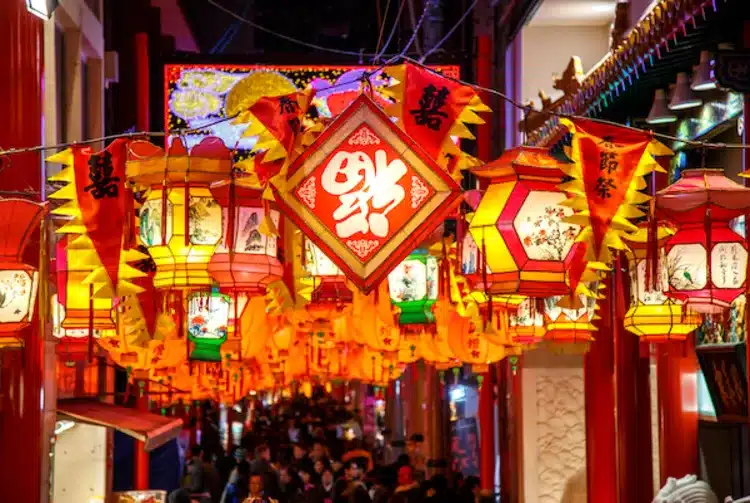
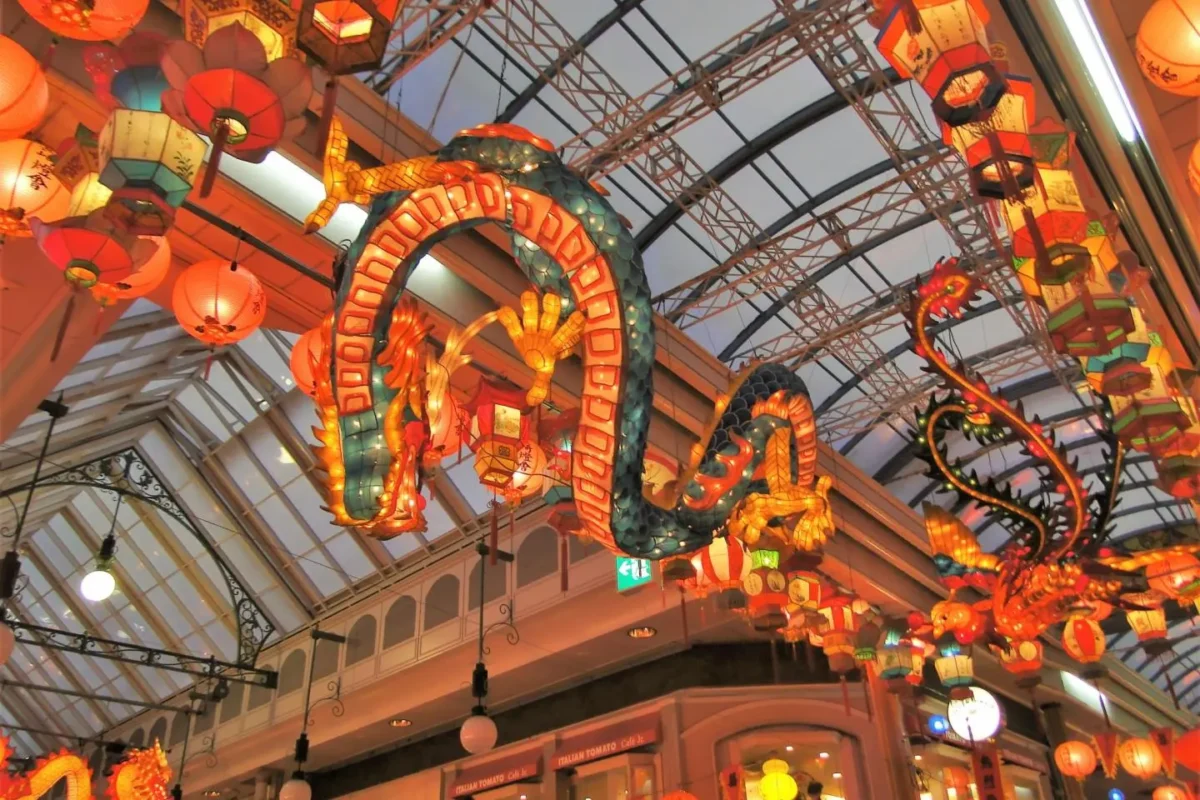
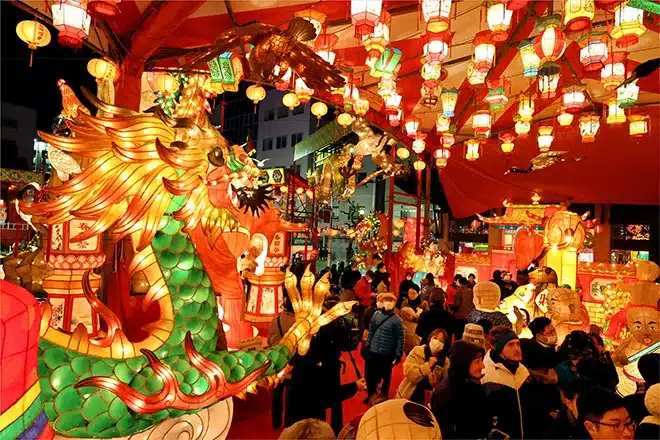
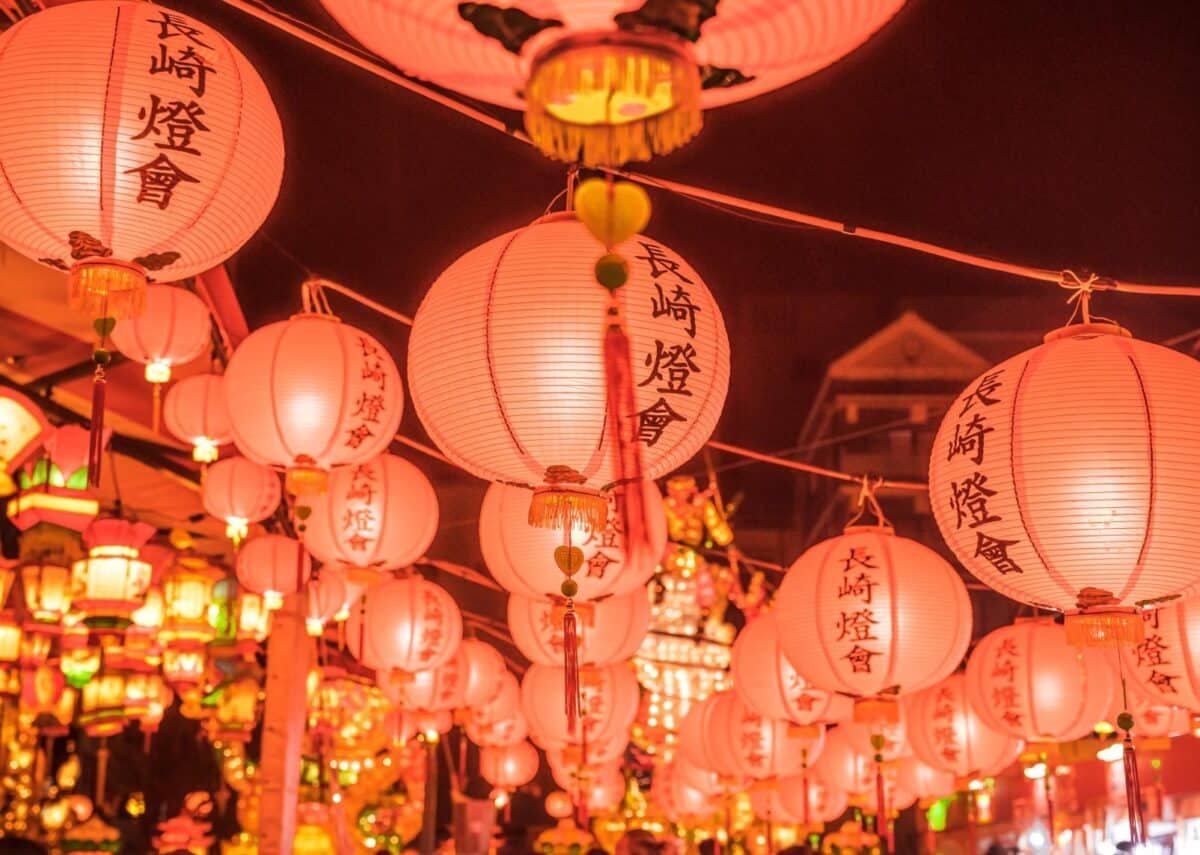
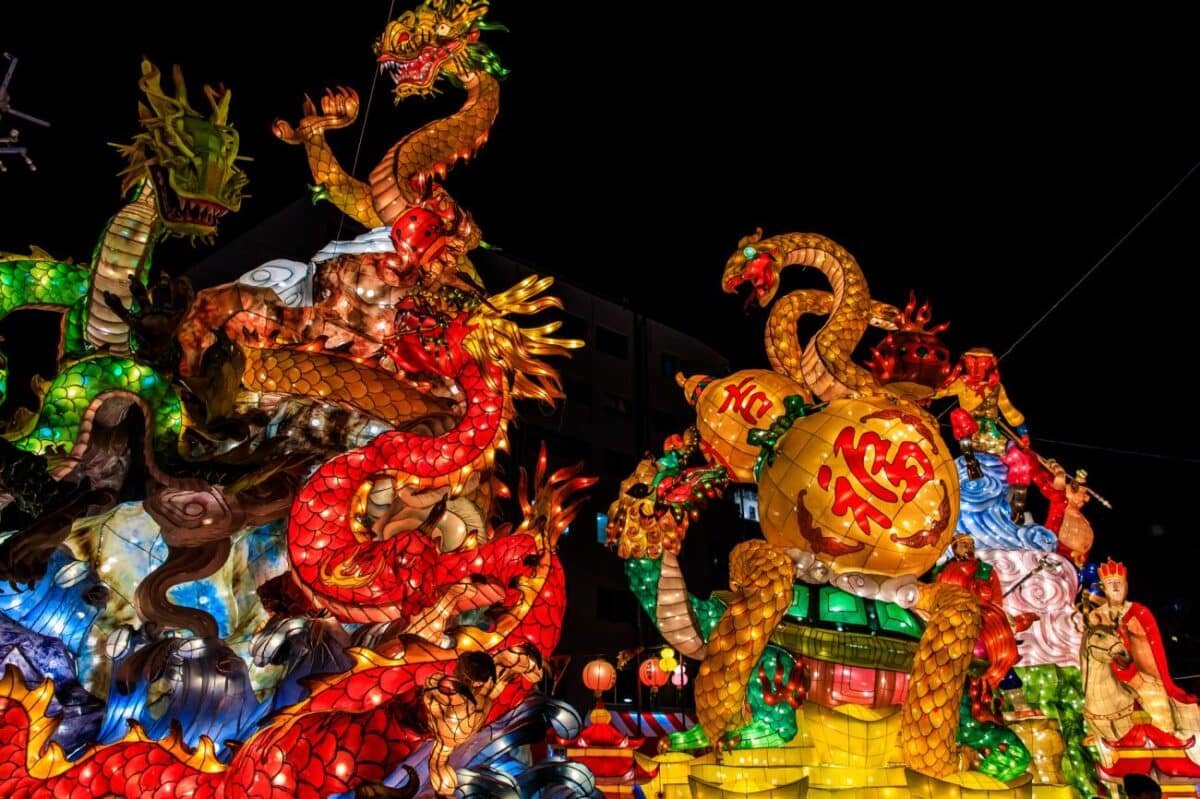
The festival offers an immersive dive into historic customs anchored by Nagasaki’s distinction as home to Japan’s oldest Chinatown. Visitors can wander through vibrant streets decorated with over fifteen thousand glowing red lanterns and intricate giant paper-mache art installations that depict mythical creatures, historical figures, and Chinese zodiac animals. Interactive elements such as neighborhood stamp rallies encourage guests to explore hidden courtyards, historic temples, and scenic waterfront bridges that reflect colorful lights across the water.
In addition to visual spectacles, the atmosphere is alive with cultural education and heritage sharing. Travelers can drop by local tourist information centers to pick up detailed event schedules, historical pamphlets, and custom maps. Engaging with these resources allows visitors to fully appreciate the deep historical connections between the port city and traditional Chinese festivities, making every stroll through the district an educational and visually breathtaking experience.
Food & markets
Food lovers will find an absolute paradise within the bustling market lanes of Chinatown and surrounding festival squares. Vendors line the streets offering an array of local Chinese-Nagasaki fusion dishes, most notably steaming bowls of rich champion noodles and crispy, vegetable-topped sara udon. These culinary masterpieces reflect centuries of cultural blending, combining local Japanese ingredients with traditional Chinese cooking techniques passed down through generations.
Enjoy Your Event Stress-Free with Japan Travelo
Do you know? Planning events, festivals, concerts, and cultural experiences in Japan can be overwhelming. Japan Travelo brings everything together in one place, helping you manage your itinerary, transport, and accommodation with ease—so you can enjoy Japan without the stress of planning.
Sweet treats and handheld snacks are equally abundant, with popular stalls serving warm sesame balls, sweet red bean pastries, and juicy steamed pork buns. The enticing aromas drift through the chilly winter air, drawing hungry travelers toward vibrant open-air market stalls that also sell general goods and unique souvenirs. Exploring these culinary hubs provides an authentic taste of local life and culture.
Beyond street stalls, travelers can step inside traditional, family-run restaurants tucked tightly along historic Chinatown lanes. These establishments offer sit-down dining options where guests can enjoy multi-course meals featuring regional delicacies in a cozy setting. Reservations are rarely needed during daytime hours, though waiting times can grow slightly longer during peak evening dinner rushes.
The market experience extends past food into vibrant merchandise booths featuring traditional crafts, lucky charms, and festival memorabilia. Visitors can browse unique artisanal items, handmade lanterns, and zodiac-themed trinkets to commemorate their journey. This vibrant commercial energy adds a lively, interactive layer to the entire festival landscape.
Date & Duration
- Event Date: Early – Late February 2027 (Dates TBD)
- Event Duration: Two-week celebration corresponding with the first fifteen days of the Chinese New Year
Visiting this event? Don’t miss out on these amazing activities and local experiences while you’re here.
Photography rules
- Handheld personal photography is permitted freely in all public outdoor viewing areas and streets
- Tripods must be set up carefully without blocking pedestrian pathways, doorways, or emergency exits
- Commercial shoots require prior formal authorization from local municipal tourism authorities
Best time to visit
- Arriving during late afternoon allows visitors to transition smoothly into illuminated night views while avoiding peak crowds.
- Weekday evenings generally offer a slightly more relaxed atmosphere compared to busy weekend parade dates.
- Twilight hours provide the most magical photographic lighting as lanterns ignite against the evening sky.
- Visiting during the opening or closing days guarantees a chance to see special milestone ceremonies.
Ticket Information
- How Tickets Are Sold: No advance tickets or reservations are necessary to access public street viewing spaces and outdoor lantern locations.
- Admission Type: Free Admission
- Ticket Pricing: Free Admission ($0.00 USD)
- Special Seating Options: Open public standing areas alongside parade routes and open-air assembly plazas.
- VIP Options: None offered, as this is an open-access public cultural celebration for all attendees.
Performances
- High-energy acrobatics and traditional Chinese face-changing shows hosted on central stages
- Classical folk music recitals played using authentic historical instruments like the erhu and flute
- Dynamic street theater performances highlighting classic folklore legends and ancient regional myths
- Traditional lion and dragon dances accompanied by thunderous drum beats and clashing cymbals
- Martial arts demonstrations showcasing disciplined forms and traditional weapon handling skills
- Choral and dance showcases performed by local school groups and international troupes
Venue / Location
- City and Country: Nagasaki, Japan
- Venue Name: Nagasaki Shinchi Chinatown
- Google Maps Address: 10-13 Shinchimachi, Nagasaki, 850-0842, Japan
What visitors should wear/bring
- Warm winter coats, heavy jackets, and thermal layers for chilly evening strolls
- Cozy wool scarves, winter beanies, and insulated gloves to combat cold winds
- Comfortable, cushioned walking shoes suitable for paved streets and cobbled pathways
- Portable hand warmers to keep comfortable during long outdoor viewing periods
- Compact cameras or mobile devices equipped with night-mode capability for photography
- Small cash pouches filled with Japanese yen for purchasing quick street food items
- Compact reusable shopping bags to carry personal items, souvenirs, and trash
- Portable power banks to keep mobile devices charged during extended outdoor outings
- Small personal umbrellas or light rain gear in case of unexpected winter weather
Free vs paid activities
Exploring the vibrant festival atmosphere is remarkably accessible because public street walking, outdoor lantern sightseeing, and open-air parades are completely free to enjoy. Visitors can wander through Nagasaki Shinchi Chinatown and surrounding waterfront districts without spending a single dollar on admission fees, making it an ideal destination for budget-conscious travelers. Furthermore, open-air stage music performances and traditional street dances require no entry tickets.
On the other hand, personal expenses apply when purchasing food items from street stalls, buying market goods and souvenirs, or choosing to dine inside sit-down restaurants. Additionally, if local organizers or private venues host specialized ticketed indoor theater shows or exclusive dining events, separate fees will apply. Planning ahead helps travelers balance free public spectacles with optional paid culinary experiences.
Contact Information
- Email: Accessible through the Nagasaki City Tourism Association official web portal.
- Phone Number: +81 95-822-8888
- Official Website: https://en.japantravel.com/nagasaki/nagasaki-lantern-festival/33245
Ceremony schedule
- Opening night illumination ceremony lighting thousands of lanterns simultaneously across the entire historic district
- Mid-festival heritage processions and weekend cultural pageantry events highlighting ancient traditions
- Emperor parade showcase featuring traditional dynastic costume displays and royal court musicians
- Mazu Procession honoring the sea goddess and historical maritime trade routes of ancient sailors
- Special evening dragon dance invocation rituals performed at major neighborhood shrine hubs
- Cultural exchange blessing ceremonies uniting local civic leaders and international delegates
- Closing night grand lantern release and final blessing rituals marking the end of the lunar celebration
Visitor etiquette
Maintaining a respectful and orderly environment is essential as massive crowds gather to enjoy the glowing festivities. Visitors should keep walking paths clear during peak evening hours to ensure smooth crowd movement and allow performers, processions, and emergency personnel to pass safely through narrow historic streets.
Always follow instructions given by local safety staff, security marshals, and event organizers. Refrain from touching fragile paper lantern structures and delicate art exhibits displayed along the streets to prevent accidental damage, and dispose of all personal trash responsibly in designated public recycling or waste bins.
Show courteous behavior toward local vendors, merchants, and fellow travelers while navigating dense crowds. Avoid blocking narrow historic alleyways or bridge crossings for extended photo sessions, and keep personal noise levels moderate during special stage presentations, traditional ceremonies, and late-night hours near residential neighborhoods.
How to get there
Navigating to the festival grounds is straightforward thanks to the city’s comprehensive and efficient public transit network. Travelers arriving from major regional hubs can easily utilize the local tram system, which connects all major sightseeing districts directly to the historic festival zones. Clear English transit signage guides passengers step-by-step from the central railway terminal toward the main festival gates and waterfront areas without confusion.
For those staying in downtown accommodations, walking to the venue offers a pleasant and scenic route straight into the glowing celebration atmosphere. Strolling through the illuminated city streets allows visitors to catch glimpses of distant lantern displays before even reaching the core Chinatown area. Local taxi services are also readily available throughout the city for travelers seeking direct door-to-door transportation.
Upon arrival near the primary venue entrances, dedicated tourist information booths and event staff are stationed to provide orientation maps and directions. These resources ensure that both first-time visitors and seasoned travelers can easily locate specific parade viewing areas, stage setups, and food markets. The seamless integration of public transit and clear signage makes reaching the festival stress-free.
Video
Location
FAQ
Are the festival lanterns lit up every single night without fail?
All fifteen thousand lanterns illuminate simultaneously every evening from dusk until late night throughout the entire two-week event duration. This consistent schedule ensures every visitor can enjoy the vibrant glowing cityscape regardless of which evening they choose to attend.
Where can visitors find official English-language event schedules and maps?
Detailed English brochures, daily performance timetables, and area maps are readily distributed at official tourist information counters near major tram stops. Helpful staff members remain on site daily to answer questions and assist international travelers.
Do visitors need to purchase entry tickets to access the main festival zones?
All public streets, Chinatown plazas, and outdoor waterfront viewing zones are completely open and free to enter at any time. Separate fees only apply if you choose to purchase items from food vendors or attend specific ticketed indoor theater shows.
What culinary specialties are most popular among visitors during the festival?
Travelers frequently enjoy local favorites like rich chanpon noodles, crispy sara udon, and savory pork buns sold at bustling street stalls. These dishes highlight the deep historical culinary integration between local Japanese ingredients and traditional Chinese recipes.
How crowded do the festival areas become during weekend evenings?
Weekend nights draw very large crowds of local residents and international tourists, particularly during major historical parade events. Visitors seeking a more tranquil viewing experience are advised to explore the displays during weekday afternoons.

Leave a Reply