
What to expect in 2027
Yanagawa Doll Festival 2027, also known as Yanagawa Hinamatsuri Sagemon Meguri, will transform the historic water town of Yanagawa in Fukuoka Prefecture into a colorful celebration of Hinamatsuri, the traditional Japanese Girls’ Festival. The event is particularly known for its distinctive sagemon hanging decorations, handmade ornaments displayed alongside traditional Hina doll arrangements.
The festival is deeply connected with local family traditions. In Yanagawa, when a girl is born, relatives traditionally prepare colorful handmade ornaments wishing for her happiness, good health and prosperous future. These decorations are displayed with Hina dolls during the girl’s first Hinamatsuri celebration.
During the 2027 festival period, visitors can expect decorations throughout Yanagawa’s tourism areas, traditional shops, historic properties and shopping streets. The celebration is not confined to one enclosed festival ground, making it especially suitable for exploring the town on foot while discovering different displays.
Enjoy Your Event Stress-Free with Japan Travelo
Do you know? Planning events, festivals, concerts, and cultural experiences in Japan can be overwhelming. Japan Travelo brings everything together in one place, helping you manage your itinerary, transport, and accommodation with ease—so you can enjoy Japan without the stress of planning.
Sagemon displays
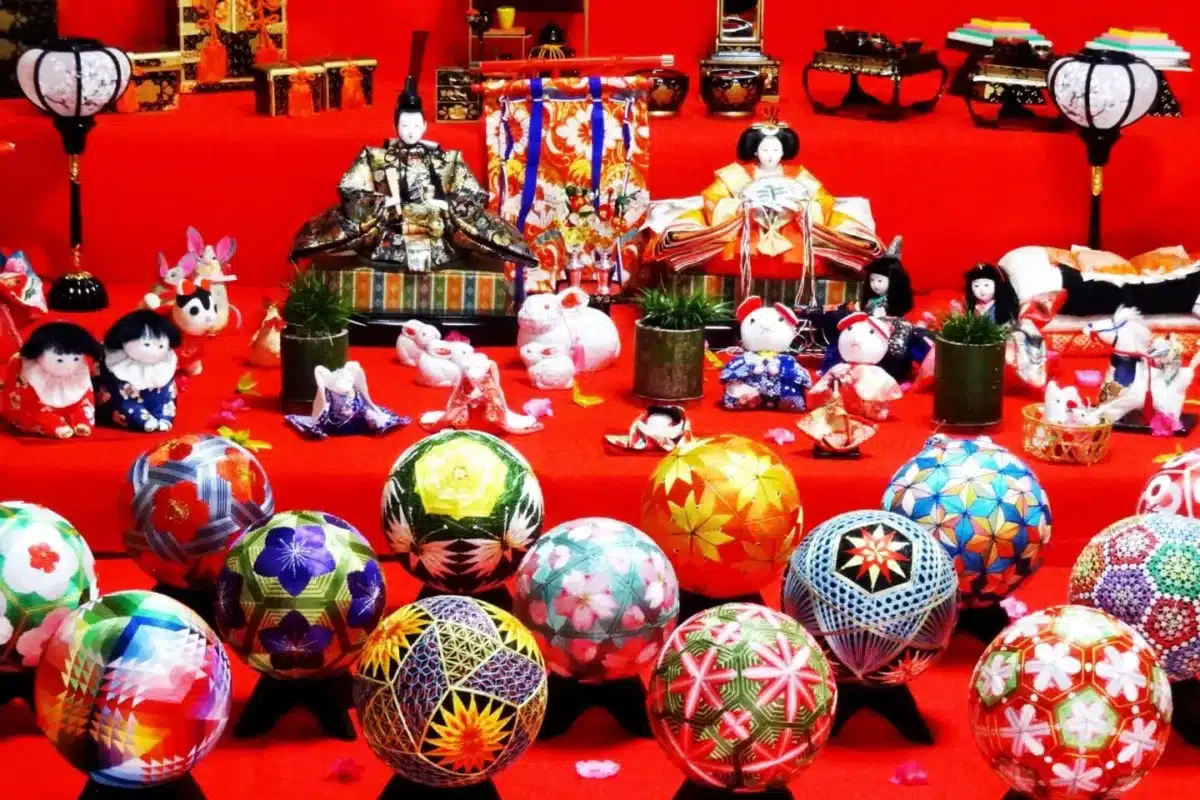
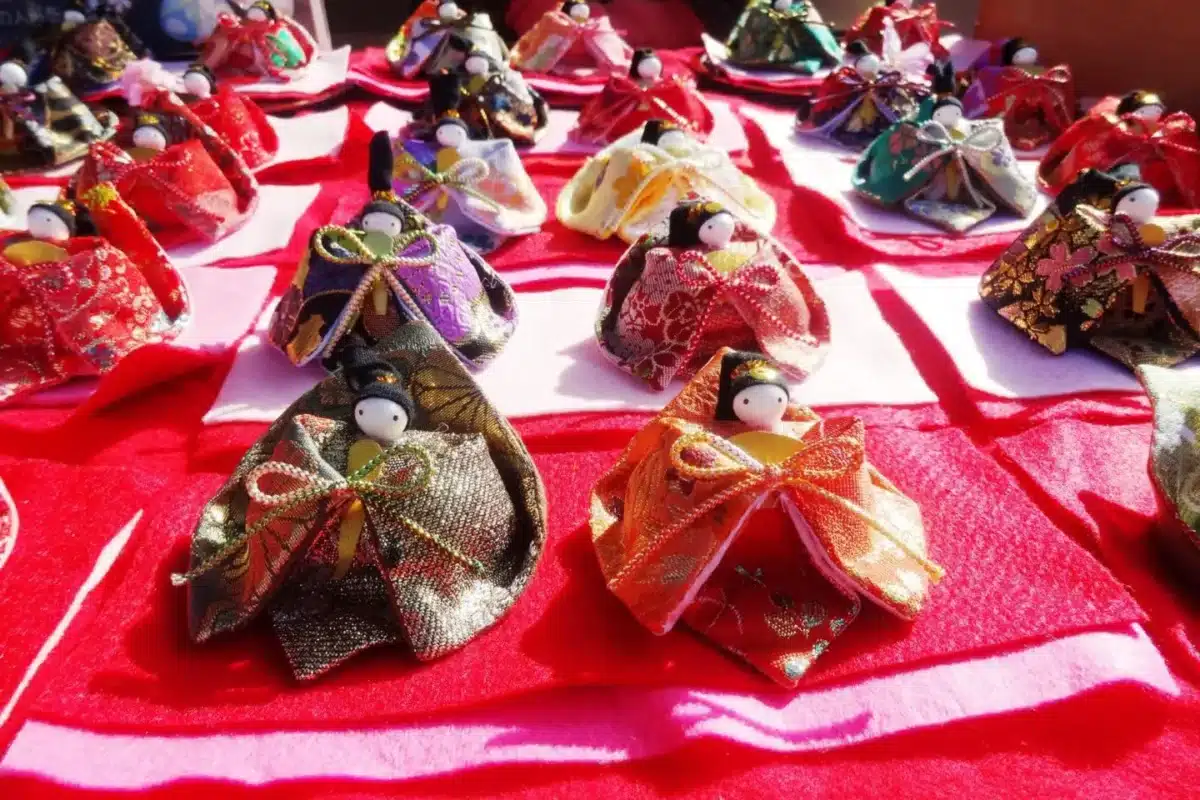
The main attraction is the collection of hanging ornaments known as sagemon. These include small fabric figures, animals, lucky objects and colorful Yanagawa Mari balls. The decorations are traditionally handmade and carry symbolic wishes for happiness, health and good fortune.
Hina doll displays
Traditional Hina dolls are displayed in homes, cultural facilities, shops and tourism locations. These arrangements provide an opportunity to see regional interpretations of Hinamatsuri traditions.
Water-town atmosphere
Yanagawa’s canals provide a distinctive setting for the festival. Visitors can combine Sagemon viewing with canal walks, traditional boat experiences and sightseeing around the historic waterway district. Yanagawa’s waterways remain an important part of the city’s cultural identity.
Seasonal atmosphere
The festival coincides with the transition toward spring. Colorful hanging decorations, traditional architecture, waterways and emerging spring scenery create a distinctly seasonal atmosphere throughout the city.
Event dates
Early Feb – Early April 2027 (Dates TBD)
The 2027 festival dates and detailed programme should be confirmed by the Yanagawa Doll Festival organizing committee and Yanagawa tourism authorities before the event.
The established festival format extends across several weeks, allowing visitors to experience the displays at different points during the season rather than during a single festival day. Recent official information describes the event as a citywide celebration held at tourism facilities, shopping streets and individual businesses throughout Yanagawa.
Because individual activities can be affected by weather or operational changes, visitors should check the official Yanagawa tourism information before travelling.
Visiting this event? Don’t miss out on these amazing activities and local experiences while you’re here.
Venues & festival locations
Yanagawa Doll Festival is a distributed citywide celebration rather than an event restricted to one venue. Displays and activities are presented at tourism facilities, commercial areas, historic properties and participating shops around Yanagawa.
Yanagawa city centre
The central areas provide an easy starting point for exploring the festival. Visitors can walk between shops, public spaces and decorated buildings while discovering different Hina doll and sagemon displays.
Yanagawa shopping streets
Shopping streets become part of the festival environment, with hanging decorations and seasonal installations creating a colorful walking route.
Okinohata area
The Okinohata district is particularly important for visitors interested in traditional Yanagawa scenery, local culture and historic attractions. Sagemon can be viewed at local establishments, including traditional craft and souvenir businesses.
Yanagawa Tourism Association areas
The local tourism organization coordinates visitor information and promotes festival attractions throughout the city.
Yanagawa cultural facilities
Cultural venues may host special exhibitions, traditional displays and festival-related activities during the season. Individual facility admission policies can vary.
Historic Yanagawa properties
Traditional residences and former samurai-related heritage sites provide a particularly atmospheric setting for Hina dolls and hanging decorations. The city’s history is closely connected with the Tachibana family and its long association with Yanagawa.
Full cultural programme
The 2027 programme is expected to combine permanent displays with special ceremonies, seasonal activities and traditional water-based events.
Sagemon Meguri
The central activity is the Sagemon Tour, where visitors travel around Yanagawa to see traditional hanging ornaments displayed at participating locations.
Hina doll exhibitions
Traditional Hina doll arrangements will form another major part of the festival. Displays can vary significantly from one location to another, giving visitors an opportunity to compare different decorative styles.
Opening ceremony and procession
The festival traditionally begins with a Hina-related ceremony and procession celebrating the arrival of spring and expressing wishes for children’s healthy growth.
Hina lanterns and giant sagemon
Special illuminated displays add an evening dimension to the festival. The established programme has included softly illuminated sagemon decorations and large-scale hanging installations in shopping areas.
Yanagawa Kimono Day
A dedicated kimono-themed day traditionally encourages visitors to experience Yanagawa while dressed in traditional Japanese clothing. The activity connects the festival with local fashion, photography and cultural tourism.
Hina Doll Water Parade
One of the festival’s most distinctive events is the Hina Doll Water Parade. Decorated boats travel through Yanagawa’s waterways carrying participants dressed in traditional clothing, creating a strong connection between Hinamatsuri and the city’s water-town identity.
Nagashibina ceremony
The festival traditionally concludes with a floating Hina doll ceremony. Children place wishes onto paper or traditional forms and send them along the water, symbolically wishing for health and happiness.
Featured traditions & performances
Sagemon
Sagemon is the defining cultural tradition of the festival. These hanging ornaments combine small fabric figures with colorful Yanagawa Mari balls and are traditionally created as expressions of family wishes for a girl’s future.
The figures can represent auspicious objects, animals and everyday symbols associated with good fortune. Their handmade character is an important part of their cultural appeal.
Yanagawa Mari
Yanagawa Mari are colorful decorative balls made using traditional techniques. They are incorporated into sagemon arrangements and are also presented as individual examples of local craft.
Hina dolls
Hina dolls represent the traditional Hinamatsuri celebration. Visitors can see elaborate displays in homes, shops, cultural facilities and tourism locations.
Kimono culture
Traditional clothing plays an important role in special festival activities, particularly the Hina Doll Water Parade and Yanagawa Kimono Day.
Waterway traditions
The festival’s connection with the canals makes it different from many other Hinamatsuri celebrations in Japan. Traditional boats, waterways and riverside scenery become part of the visual experience.
Historical & heritage highlights
Yanagawa is one of Fukuoka Prefecture’s best-known water towns, with a network of canals that has shaped the city’s appearance and everyday life for generations. The local tourism authority describes the waterways as deeply connected with the history and culture of the community.
The Sagemon tradition is associated with Yanagawa’s historic Hinamatsuri customs and is generally traced to the Edo-period cultural tradition of celebrating a girl’s first festival with handmade decorations.
Tachibana heritage
The Tachibana family is central to Yanagawa’s historical story. The city’s cultural landscape contains important connections with the former Yanagawa domain and the Tachibana family residence.
Yanagawa waterways
The canals are not simply decorative features. They have historically influenced transportation, agriculture, settlement and local life.
Historic buildings
Traditional residences, cultural properties and old commercial buildings provide atmospheric locations for viewing festival decorations.
Kitahara Hakushu heritage
Yanagawa is also strongly associated with poet Kitahara Hakushu. His birthplace and surrounding area are among the cultural attractions that visitors can combine with Sagemon sightseeing.
Events & activities schedule
The detailed 2027 schedule should be confirmed closer to the festival. Based on the established programme, visitors can expect activities distributed throughout the festival season.
Opening period
The opening stage traditionally features Hina-related ceremonies and a procession marking the beginning of the celebration.
Throughout the festival
Sagemon and Hina doll displays remain the main attraction, with visitors able to follow a self-guided route around participating locations.
Special illumination period
Decorative lanterns and giant sagemon installations provide additional attractions after daylight hours.
Kimono activities
A dedicated kimono-themed event provides opportunities for traditional dress, photography and cultural sightseeing.
Water Parade period
The Hina Doll Water Parade is one of the principal special events and is traditionally staged along Yanagawa’s canals.
Closing period
The Nagashibina ceremony traditionally provides a symbolic conclusion to the festival, with children’s wishes carried along the waterways.
Visitors should confirm the final 2027 programme because event times, routes and individual activities may change due to weather or local arrangements.
Ticket types & entry options
Yanagawa Doll Festival is primarily a public cultural celebration rather than a ticketed festival behind entrance gates.
Festival viewing
General viewing of outdoor decorations and public festival areas is generally free.
Sagemon displays
Many displays can be viewed without a separate festival admission ticket, particularly those presented in public areas and participating shops.
Cultural facilities
Some museums, historic properties and attractions around Yanagawa may charge their own admission fees. These are separate from the festival itself.
Boat experiences
Yanagawa river cruises are separate tourism experiences and may require their own reservation or payment.
Special activities
Certain workshops, cultural experiences or privately operated activities may have separate requirements.
For 2027, visitors should check each participating venue before arrival rather than assuming that every attraction has identical admission conditions. Official festival information specifically notes that some participating facilities may be paid venues.
Guided tours & cultural experiences
The festival works particularly well as a walking and cultural sightseeing experience.
Sagemon walking tour
Visitors can create their own route between participating shops, cultural facilities and historic attractions. Local tourism information can help identify current displays.
Yanagawa river cruise
A traditional boat ride through the canals provides a different perspective of the decorated water town. The boat experience can be combined with festival sightseeing and is one of Yanagawa’s signature tourist activities.
Traditional craft viewing
Visitors can see examples of Yanagawa Mari and sagemon craftsmanship at local shops. Some businesses specialize in producing and selling these traditional decorations.
Historic sightseeing
The festival provides an opportunity to combine Hinamatsuri with visits to Yanagawa’s historic properties, gardens and cultural sites.
Local concierge support
Yanagawa’s tourism organization promotes local concierge and visitor-support services designed to help travelers understand the town’s culture more deeply.
Special ceremonies & celebrations
Hina Doll Opening Ceremony
The opening ceremony traditionally expresses wishes for the healthy growth of children and officially introduces the festival season.
Hina Doll Water Parade
The water parade is one of the most visually distinctive celebrations. Participants in traditional clothing travel through the waterways aboard boats beneath or near colorful festival decorations.
Nagashibina
The closing ceremony connects Hinamatsuri with wishes for children’s health and happiness. Paper or traditional Hina representations are placed onto the water as part of the ritual.
Kimono celebration
The kimono-focused programme encourages visitors to experience the city in traditional dress and creates additional opportunities for cultural photography.
These activities demonstrate that Yanagawa Doll Festival is not simply an exhibition of dolls. It combines family customs, traditional crafts, waterways, clothing, local heritage and seasonal celebrations.
Festival rules
Visitors should treat the festival primarily as a cultural and community event.
Respect private displays
Some sagemon arrangements are displayed in private homes or businesses. Visitors should only enter locations that are clearly open to the public.
Follow photography instructions
Photography may be permitted in many public areas, but restrictions can apply inside individual facilities or around private displays.
Keep waterways clear
During boat-related events, visitors should remain in designated viewing areas and follow instructions from organizers.
Respect ceremonial activities
Ceremonies and religious or cultural activities should be observed respectfully without disrupting participants.
Follow venue rules
Individual museums, historic properties, shops and attractions may have separate opening hours, photography policies and visitor requirements.
Check weather updates
Outdoor activities can be postponed, modified or cancelled because of weather conditions. The official city information specifically advises that festival schedules and details may change.
How to get there
Yanagawa is located in southern Fukuoka Prefecture and is well connected with the wider Fukuoka area.
By train
The principal arrival point for many visitors is Nishitetsu Yanagawa Station on the Nishitetsu Tenjin-Omuta Line. From the station, visitors can continue toward the central sightseeing districts using local transport or on foot.
From Fukuoka
Travelers staying in Fukuoka can use the Nishitetsu railway network to reach Yanagawa, making the festival practical as either a day trip or overnight visit.
By car
Yanagawa can also be reached by road from the wider Fukuoka and Chikugo areas. The Miyama-Yanagawa Interchange provides road access for visitors driving to the city.
Within Yanagawa
Because the festival is spread across different locations, walking, local transport and short taxi journeys can all be useful depending on the selected itinerary.
Public transport & parking
Public transportation is a practical choice because festival attractions are distributed around the city.
Nishitetsu Yanagawa Station
The railway station provides the main public transport gateway for visitors arriving from Fukuoka and other parts of the region.
Local buses
Local buses can help connect the station with tourism areas and attractions that are farther from the central walking routes.
Walking
Many festival displays are best experienced on foot. Walking allows visitors to discover small shops, canal-side streets and unexpected sagemon displays.
Taxis
Taxis can be useful when visiting multiple attractions in one day or traveling with children or luggage.
Parking
Parking is available in Yanagawa, but spaces can become more limited around popular festival activities. Visitors driving should consider arriving early and checking local parking information before travelling. Previous event information has listed parking facilities in the city, with charges varying by location.
Accommodation areas
Staying overnight allows visitors to experience Yanagawa at a slower pace and combine the festival with canal sightseeing and local food.
Central Yanagawa
Hotels and guesthouses around the central area provide convenient access to shopping streets, restaurants and festival displays.
Near Nishitetsu Yanagawa Station
The station area is practical for travelers arriving by train and provides convenient connections for day trips into other parts of Fukuoka.
Okinohata
The historic Okinohata district is attractive for travelers who want to stay close to traditional scenery, canals, cultural attractions and local restaurants.
Waterfront and canal areas
Accommodation near the waterways can provide a more atmospheric Yanagawa experience, particularly for visitors interested in traditional architecture and boat sightseeing.
During the festival season, advance accommodation reservations are advisable because Yanagawa attracts visitors for its combination of Hinamatsuri, canals, heritage and seasonal scenery.
Food & traditional specialties
Festival sightseeing can be combined with Yanagawa’s distinctive local food culture.
Unagi seiro-mushi
One of Yanagawa’s signature dishes is unagi seiro-mushi, steamed eel and rice prepared in a traditional steaming vessel. The local tourism authority describes it as a long-established regional specialty associated with Yanagawa.
Yanagawa seaweed
The nearby Ariake Sea contributes to the region’s food culture. The area’s significant tidal range helps create nutrient-rich conditions associated with local seaweed production.
Local sweets
Traditional Japanese sweets and seasonal confectionery can be found around festival areas and souvenir shops.
Festival snacks
During special events, visitors may find temporary food stalls or seasonal refreshments near busy attractions.
Traditional restaurants
Yanagawa’s restaurants provide an opportunity to enjoy local cuisine between Sagemon viewing and canal sightseeing.
Accessibility
Yanagawa Doll Festival takes place across public streets, shops, cultural properties and waterfront areas, so accessibility can vary considerably between locations.
Visitors using wheelchairs or mobility aids should check individual attractions in advance, particularly historic buildings where traditional architecture may include steps or narrow entrances.
The main railway station provides an important accessible arrival point, while taxis can reduce the amount of walking required between distant festival locations.
Visitors should also consider crowd levels during major events such as the water parade. Popular viewing areas may become busy, making early arrival useful for people who need additional space or easier movement.
Because the festival is distributed throughout Yanagawa rather than held in one purpose-built venue, accessibility planning should be based on the specific attractions included in an individual itinerary.
Best cultural experiences
Follow a Sagemon walking route
The best way to understand the festival is to see multiple displays rather than visiting only one location. Different businesses and cultural venues offer different interpretations of the tradition.
Visit traditional craft shops
Craft-focused businesses provide insight into how Yanagawa Mari and sagemon are made and preserved. Some local shops maintain displays throughout the year.
Combine the festival with a river cruise
A traditional boat ride adds another dimension to the experience and places the festival within Yanagawa’s historic water-town environment.
See the Hina Doll Water Parade
The water parade is one of the most distinctive experiences associated with the festival and combines traditional clothing, boats, canals and Hinamatsuri customs.
Explore historic Yanagawa
Visitors can combine Sagemon viewing with Tachibana-related heritage, historic buildings, gardens and Kitahara Hakushu sites.
Experience the festival slowly
Because the celebration lasts for an extended seasonal period, visitors do not need to treat it as a single-day event. A relaxed itinerary allows time for crafts, food, canals, historic attractions and photography.
Previous year’s highlights
The previous edition demonstrated the breadth of the Yanagawa Doll Festival programme, with displays and activities distributed throughout the city.
Official information highlighted the traditional Sagemon displays, Hina-related opening ceremony and procession, illuminated decorations, giant sagemon, kimono activities, the Hina Doll Water Parade and the closing Nagashibina celebration.
The Hina Doll Water Parade remained one of the signature experiences, with participants in traditional clothing travelling through Yanagawa’s waterways. The closing floating Hina ceremony also reinforced the festival’s emphasis on wishes for children’s wellbeing.
The local tourism association also held a Sagemon Meguri photo contest, demonstrating the festival’s appeal to photographers and visitors documenting Yanagawa’s seasonal scenery. The latest contest attracted entries from within and outside Fukuoka Prefecture.
Another notable feature was the continued use of traditional craft displays. Local businesses such as Kitahara souvenir shop display Yanagawa Mari and traditional sagemon while also preserving the visual culture associated with the city’s Hinamatsuri traditions.
These elements provide a useful indication of what visitors can expect from the 2027 edition, although the final programme should be checked once the organizers publish the official schedule.
Official tickets
Yanagawa Doll Festival is not normally operated as a single ticketed festival. General festival viewing and many outdoor displays can be enjoyed without a standard admission ticket, while individual tourism facilities, boat cruises and selected activities may operate separately.
For 2027, there is therefore no single festival ticket that covers every attraction. Visitors should check the individual venue or activity before participating.
Official event information: https://en.japantravel.com/fukuoka/yanagawa-doll-festival/33244
Visitors should use the official tourism sources for the final 2027 programme, participating locations, activity arrangements and any changes to individual venue access.
Location
FAQ
What are sagemon decorations and what do they represent?
Sagemon are colorful handmade hanging ornaments featuring forty-nine small lucky items and two mari balls. They are crafted by family members to express heartfelt prayers for the health, happiness, and bright future of young girls.
Is it necessary to purchase tickets to view the festival displays?
Walking through the town streets and viewing public outdoor street displays is completely free for all visitors. Separate modest entrance fees apply only when entering select historical private villas, feudal estates, or taking boat cruises.
What is the best way to travel around the various festival venues?
The festival areas are spread across the central district, making walking along the pedestrian-friendly canal paths ideal. Visitors can also take traditional river boat cruises or local transit options to easily reach distant exhibition sites.
What local culinary specialty should visitors try while in town?
Yanagawa is globally famous for its mouthwatering steamed eel dish known as seiro mushi. Local restaurants prepare this delicacy by steaming seasoned rice and tender eel in wooden boxes, offering a delicious regional treat.
What happens to the festival events if it rains heavily?
Most indoor exhibitions and covered shopping arcade displays remain fully open regardless of light weather conditions. However, outdoor water parades and specific boat processions may be postponed or rescheduled to alternate dates for safety.

Leave a Reply