
Ceremony schedule
The seasonal calendar opens with preliminary sacred rites at local shrines and historical venues, formally welcoming the doll festival period and praying for community well-being. Priests and local organizers conduct purification rituals to bless the initial displays set up across the central districts.
The mid-festival highlight features the magnificent Ohina-sama Water Parade, where children dressed in formal traditional kimonos ride leisurely along the historic canals on decorated donko boats. Crowds gather densely along the historic brick walls and stone bridges to witness this graceful floating pageant unfold against the backdrop of the water town.
As the festival draws to its conclusion, specialized closing rituals take place, including traditional floating doll ceremonies where small vessels carry away seasonal prayers down the waterways. These final observances allow participants to express deep gratitude for the successful season before the displays are carefully packed away until the following year.
Enjoy Your Event Stress-Free with Japan Travelo
Do you know? Planning events, festivals, concerts, and cultural experiences in Japan can be overwhelming. Japan Travelo brings everything together in one place, helping you manage your itinerary, transport, and accommodation with ease—so you can enjoy Japan without the stress of planning.
Event Dates & Schedule
- Event Date: Early Feb – Early April 2027 (Dates TBD)
- Event Duration: Multi-week seasonal celebration spanning nearly two months across early spring
Visiting this event? Don’t miss out on these amazing activities and local experiences while you’re here.
Admission & Ticket Details
- How Tickets Are Sold: General public walking routes, street displays, and outdoor spaces require no tickets or advance purchases.
- Admission Type: Free Admission
- Ticket Pricing: Free Admission ($0.00 USD) for general town strolls; select historic buildings, private villas, and optional boat rides range from $2.00 USD to $14.00 USD
- Special Seating Options: Open public standing spaces along canal banks and designated viewing areas for street parades.
- VIP Options: None offered, as this is a traditional community-wide cultural festival open to all visitors.
Performances
- Traditional musical ensemble performances featuring flutes and drums echoing across the historic waterway districts
- Ceremonial dance presentations executed by local youth groups dressed in classical historical costumes
- Flotilla musical bands playing accompaniment melodies during the grand water parade procession
- Impromptu street storytelling sessions recounting local legends and the history of the water town
- Choral recitals performed by community organizations celebrating seasonal renewal and family prosperity
Venue & Location Details
- City and Country: Fukuoka, Japan
- Venue Name: Yanagawa City Area and Canals (Centering around Ohana Villa and local shopping streets)
- Google Maps Address: 35 Okihata-cho, Yanagawa City, Fukuoka 832-0065, Japan
Festival background
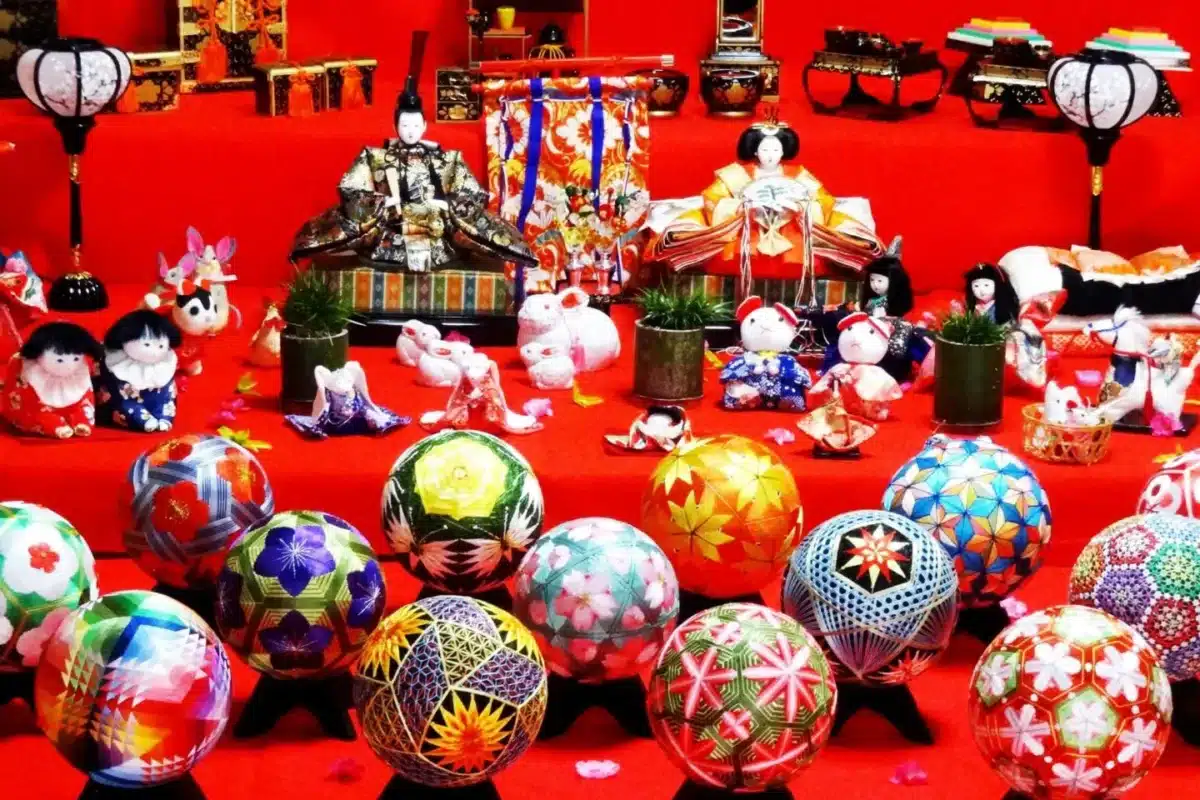
The Yanagawa Doll Festival, widely celebrated locally as the Sagemon Meguri, transforms the historic water town of Yanagawa into a vivid tapestry of spring color and centuries-old heritage. Rooted in the traditional Japanese Hinamatsuri or Girl’s Day celebration, this event holds a uniquely localized form that has evolved over generations within the network of canals and merchant quarters. Families traditionally display ornate hina dolls and elaborate handmade decorations to invoke blessings, health, and a bright future for growing daughters.
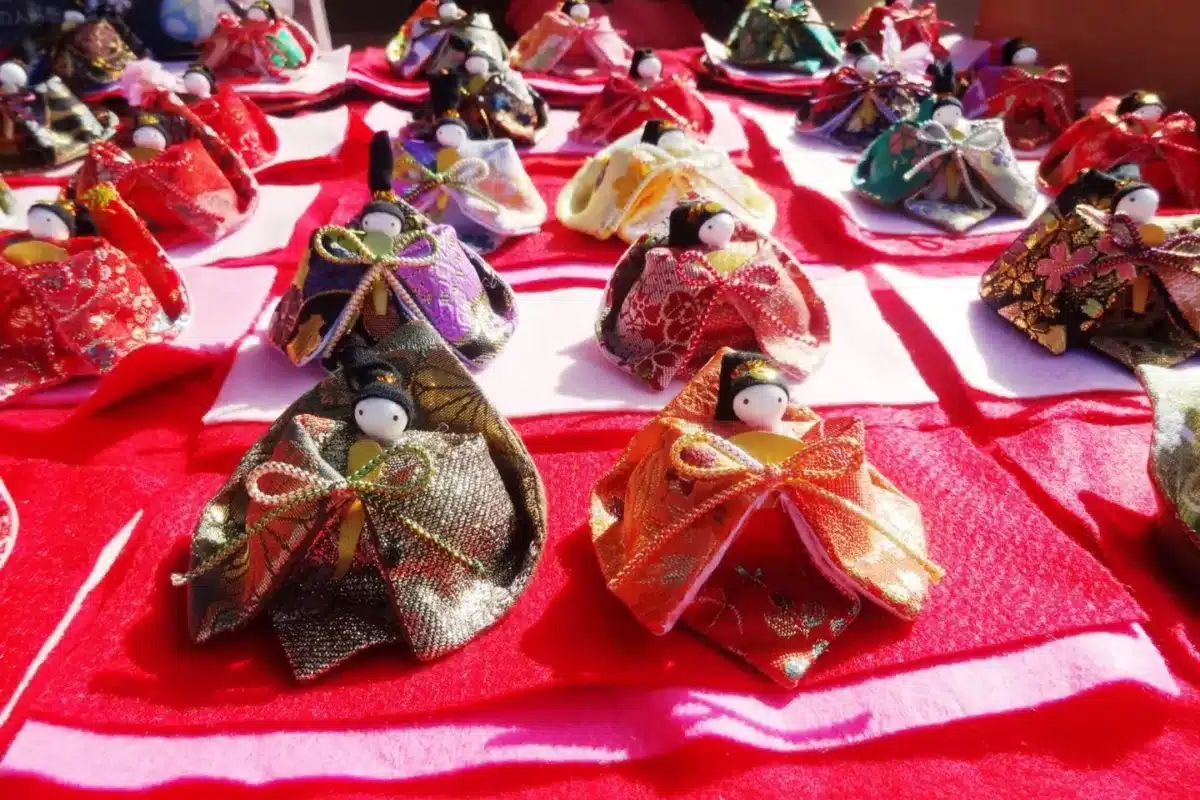
Historically, the custom of hanging colorful fabric ornaments known as sagemon blossomed during the late Edo period as a heartfelt alternative for families who could not afford expensive formal doll sets. Mothers, grandmothers, and community members painstakingly stitched small auspicious objects using scraps of leftover fabric, filling every loop with prayers for longevity and happiness. Today, these vibrant displays fill historic residences, local shops, and public buildings throughout the city, creating an immersive cultural landscape that attracts travelers from across the nation.
The modern festival format expands far beyond private homes, turning the entire city into an open-air exhibition space where visitors can wander freely along historic waterways. Historic feudal estates like the Tachibana clan’s Ohana villa open their grand reception rooms to showcase priceless heirloom dolls passed down through aristocratic lineages. Merchants and local businesses line the shopping arcades with cascading tiers of red-blanketed platforms featuring exquisitely dressed imperial doll figures and intricately patterned Yanagawa mari handballs.
As winter fades into spring, the gentle swaying of thousands of colorful sagemon ornaments mirrors the rhythm of the city’s iconic flat-bottomed donko boats gliding down the canals. Special weekend events, traditional costume parades, and river processions bring the historic water town to life in a breathtaking display of living folklore. It stands as one of the premier seasonal spectacles in the Kyushu region, preserving intimate familial prayers through grand community-wide celebrations.
Cultural significance
- Preserves deep-rooted familial prayers dedicated to the health, happiness, and prosperous futures of young daughters
- Celebrates the historic evolution of sagemon craft making, turning scraps of leftover fabric into symbols of immense love
- Unites local community members, merchants, and regional artisans in maintaining centuries-old heritage customs
- Showcases rare heirloom doll collections preserved by former feudal lord dynasties within historic clan estates
- Honors the unique identity of Yanagawa as an ancient water city built around a complex network of functional moats
- Reflects ancient numerical symbolism through traditional structures containing precisely forty-nine small items and two central mari balls
- Promotes generational bonding by passing down stitching techniques from grandparents to grandchildren
- Highlights regional handcraft excellence through intricately wrapped Yanagawa mari thread balls
- Fosters regional tourism and cultural appreciation by opening private historic spaces to the general public
- Reenacts historical maritime and community processions that mirror the ancient cultural identity of the port town
- Strengthens neighborhood cooperation as local shopping districts coordinate elaborate unified window and street displays
- Educates younger generations on classical Japanese court culture, folklore, and historical annual ceremonial rites
- Serves as a vital seasonal economic and cultural anchor for local small businesses, restaurants, and craft makers
- Bridges past architectural eras with modern community life by staging exhibits inside preserved Edo-period buildings
- Instills a profound sense of local pride among residents who proudly maintain the waterways and historic streetscapes
Traditional activities
- Strolling through historical shopping arcades adorned with cascading tiers of colorful hanging sagemon ornaments
- Exploring the grand tatami rooms of the Tachibana clan Ohana estate to view priceless heirloom doll displays
- Riding traditional donko river cruise boats past willow-lined canals while viewing town decorations from the water
- Visiting the former birthplace and childhood home of renowned Japanese poet Kitahara Hakushu
- Admiring tightly wound, geometrically patterned Yanagawa mari handballs displayed in special exhibition halls
- Collecting commemorative stamps and festival seals at participating checkpoints across the town map
- Photographing picturesque reflections of hanging fabric decorations shimmering across the calm canal surfaces
- Sampling steaming bowls of local steamed eel rice known as seiro mushi at historic local restaurants
- Interacting with local craft artisans who demonstrate traditional thread-wrapping and doll-making techniques
- Purchasing handmade miniature sagemon good-luck charms directly from community market booths
- Participating in seasonal kimono-wearing days where visitors dress in traditional garments to walk the streets
- Inspecting giant tiered display platforms set up inside local banks, tourist hubs, and municipal buildings
- Taking leisurely walks along ancient samurai residence lanes preserved from the feudal era
- Attending small musical recitals featuring classical Japanese instruments hosted inside historic temple halls
- Viewing specialized photography contest submissions capturing the most striking visual angles of the festival
- Exploring quiet neighborhood side streets to discover hidden family-crafted window displays
- Tasting regional sweet bean treats and traditional candies crafted by long-standing local confectioners
- Learning about local folklore and the symbolic meaning of cranes, turtles, and vegetables sewn into ornaments
- Joining guided walking tours organized by local volunteers eager to share town history
- Capturing sunset views over the illuminated canals and traditional bridge structures
Official Contact Details
- Email: Accessible via the Yanagawa City Tourist Information Office web portal.
- Phone Number: 0944-73-2145
- Official Website: https://en.japantravel.com/fukuoka/yanagawa-doll-festival/33244
Location
FAQ
What are sagemon decorations and what do they represent?
Sagemon are colorful handmade hanging ornaments featuring forty-nine small lucky items and two mari balls. They are crafted by family members to express heartfelt prayers for the health, happiness, and bright future of young girls.
Is it necessary to purchase tickets to view the festival displays?
Walking through the town streets and viewing public outdoor street displays is completely free for all visitors. Separate modest entrance fees apply only when entering select historical private villas, feudal estates, or taking boat cruises.
What is the best way to travel around the various festival venues?
The festival areas are spread across the central district, making walking along the pedestrian-friendly canal paths ideal. Visitors can also take traditional river boat cruises or local transit options to easily reach distant exhibition sites.
What local culinary specialty should visitors try while in town?
Yanagawa is globally famous for its mouthwatering steamed eel dish known as seiro mushi. Local restaurants prepare this delicacy by steaming seasoned rice and tender eel in wooden boxes, offering a delicious regional treat.
What happens to the festival events if it rains heavily?
Most indoor exhibitions and covered shopping arcade displays remain fully open regardless of light weather conditions. However, outdoor water parades and specific boat processions may be postponed or rescheduled to alternate dates for safety.

Leave a Reply