


-
September 19, 2026
Event date:
-
September 21, 2026
Event end:
Visitor Experience & Festival Tips
- Arrive during morning opening hours (10:00 AM) to beat the heavy midday lunch rushes and secure short queues at popular food stalls.
- Purchase advance discount coupon booklets from local convenience stores before arriving to maximize your food budget savings.
- Utilize the free festival shuttle bus system if you plan on exploring all seven blocks and distant vendor clusters without fatigue.
- Keep a supply of cash Japanese yen on hand, as many independent farm vendors and small food stalls do not accept credit cards or digital payments.
- Take advantage of the designated eating and waste disposal zones to enjoy your meals comfortably while keeping the pedestrian zones clean.
- Participate in the People’s Choice food voting contest to support your favorite vendors and help crown the weekend culinary champion.
- Check the daily stage schedule upon arrival so you do not miss popular live band performances, talk shows, or game contests.
- Wear comfortable walking shoes, as navigating the multi-block venue involves extensive walking across paved streets and shopping parks.
- Dress in easy layers, keeping in mind that September weather in Hokkaido can shift rapidly from warm afternoon sun to chilly evening breezes.
- Check out the detailed pre-event store and pricing guides online to plan your must-eat food itinerary ahead of time.
- Visit on the first or second day of the festival if you want the widest possible selection of limited-edition seasonal food items before they sell out.
- Stop by the information booths early in your visit to pick up English event maps and assistance guides.
Date & Duration
- Event Date: September 19th – September 21st 2026
- Event Duration: Three-day autumn food festival event operating daily from 10:00 to 18:00
Visiting this event? Don’t miss out on these amazing activities and local experiences while you’re here.
Festival Background & History
Nestled centrally within Hokkaido’s expansive agricultural heartland, Asahikawa has long served as a crucial hub for cultivating some of Japan’s finest fresh produce, dairy, and livestock. The Kita no Megumi Tabe Marche was originally established to celebrate this rich farming heritage, offering a communal space where local cultivators could connect directly with urban consumers. Over the years, the festival has grown exponentially into one of the largest food celebrations in northern Japan, drawing hundreds of thousands of hungry visitors eager to experience regional culinary traditions. By transforming the city center into a massive open-air marketplace, the event successfully highlights the dedication of regional farmers, commercial chefs, and food producers.
The historical roots of the market are deeply tied to the community’s desire to showcase autumn seasonal bounties before the harsh northern winter takes hold across Hokkaido. Initiated to commemorate local milestones and regional expansion, the festival has evolved continuously, introducing new features like kids’ challenge villages and evening market sessions to keep the program engaging. Despite its massive modern scale, the core philosophy remains firmly anchored in community pride, sustainable agriculture, and the promotion of local food security. It functions as an essential cultural anchor that bridges rural farming communities with city dwellers through the universal language of exceptional food.
Spanning multiple city blocks and incorporating hundreds of distinct vendor booths, the event layout requires immense logistical coordination among municipal planners and local volunteers. Free shuttle buses and well-organized information hubs ensure that attendees can navigate the sprawling footprint seamlessly without missing key attractions or culinary highlights. The festival’s ability to maintain a welcoming, festive atmosphere amidst massive crowds speaks volumes about the collaborative spirit defining Asahikawa’s civic culture. It stands proudly as a beloved autumn tradition that defines September life in northern Hokkaido.
Enjoy Your Event Stress-Free with Japan Travelo
Do you know? Planning events, festivals, concerts, and cultural experiences in Japan can be overwhelming. Japan Travelo brings everything together in one place, helping you manage your itinerary, transport, and accommodation with ease—so you can enjoy Japan without the stress of planning.
- Established to celebrate northern Hokkaido’s rich agricultural productivity, farming heritage, and seasonal autumn harvest
- Grows larger each year, currently spanning multiple city blocks with over two hundred active vendor stalls
- Incorporates collaborative participation from regional farmers, major restaurant chains, and vocational student groups
- Operates dedicated community infrastructure including free shuttle buses to assist visitors across extensive venue zones
- Promotes regional economic exchange by connecting rural food producers directly with urban consumers and tourists
- Evolves continuously with modern additions such as children’s interactive food villages and evening market extensions
- Serves as a vital autumn companion event to smaller winter food celebrations held in January
- Celebrates the civic pride and culinary identity of Asahikawa as a premier gourmet destination in Hokkaido
Ticket Information
- How Tickets Are Sold: General admission areas are completely open to the public without tickets, while optional discount coupon books are sold in limited quantities at participating local shops and convenience stores prior to the event.
- Admission Type: Free Admission for public entry and walking street exploration
- Ticket Pricing: Free Admission ($0.00 USD) for festival grounds entry, with individual food stalls charging independent item prices generally ranging from $1.35 USD to $6.75 USD (¥200 JPY to ¥1,000 JPY)
- Special Seating Options: Open communal rest areas, designated eating spaces with waste disposal zones, and benches located throughout the festival blocks.
- VIP Options: None offered, as all visitors access the open-air market stalls and entertainment stages under a standard public admission format.
Food Stalls, Markets & Local Producers
The spatial organization of the market is meticulously structured, grouping hundreds of individual vendors according to their specific culinary categories to streamline the visitor experience. Mainstream Japanese festival favorites like sizzling okonomiyaki and golden taiyaki share neighborhood blocks with specialized regional purveyors showcasing rare Hokkaido delicacies. This logical arrangement ensures that whether you are searching for quick street food snacks or sit-down agricultural meals, you can locate your target zone effortlessly. Signage and maps posted throughout the venue guide attendees smoothly from one flavorful section to the next.
The vendor lineup itself is remarkably diverse, bringing together commercial restaurant chains, independent family farms, cooperative agricultural unions, and enthusiastic culinary students. Farmers stand proudly behind their stalls, offering direct samples of their seasonal harvests while chatting animatedly with curious travelers about cultivation techniques. Meanwhile, culinary students manage creative booths that test out modern flavor combinations, injecting vibrant youth energy into the traditional marketplace atmosphere. This intergenerational collaboration creates a warm, community-driven environment that elevates the market beyond a simple commercial food fair.
- Sprawling vendor footprint stretching across seven distinct city blocks and pedestrian promenades
- Logical categorization of food stalls grouping similar culinary genres together for easy navigation
- Direct participation from independent local farmers offering firsthand insights into their harvested crops
- Commercial booths managed by established regional restaurant chains and popular local eateries
- Creative food stalls operated by vocational students showcasing innovative culinary school recipes
- Strategically placed communal eating spaces featuring staffed waste sorting and recycling stations
- Complimentary shuttle bus service operating regular loops across all outer venue stops
- Clear English and Japanese directional signage mapping out major vendor sectors and stage zones
- Dedicated information booths providing comprehensive printed menus, pricing guides, and discount coupon details
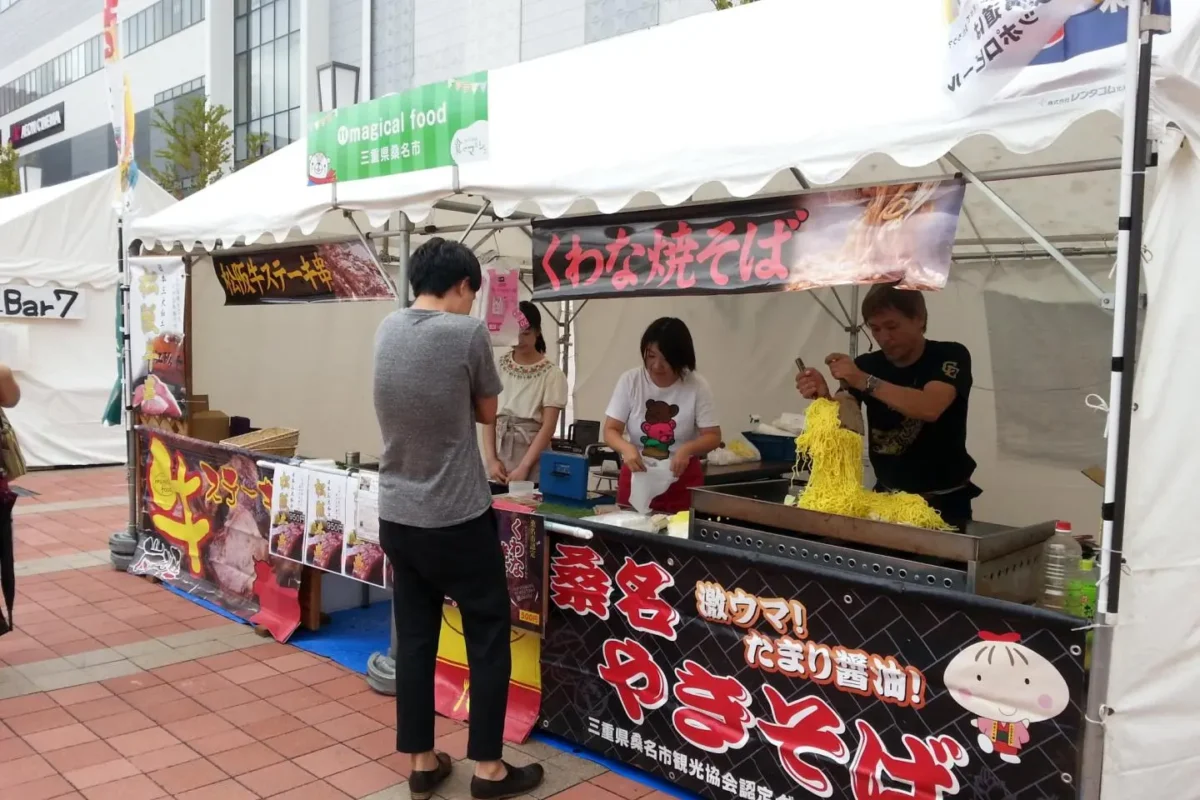
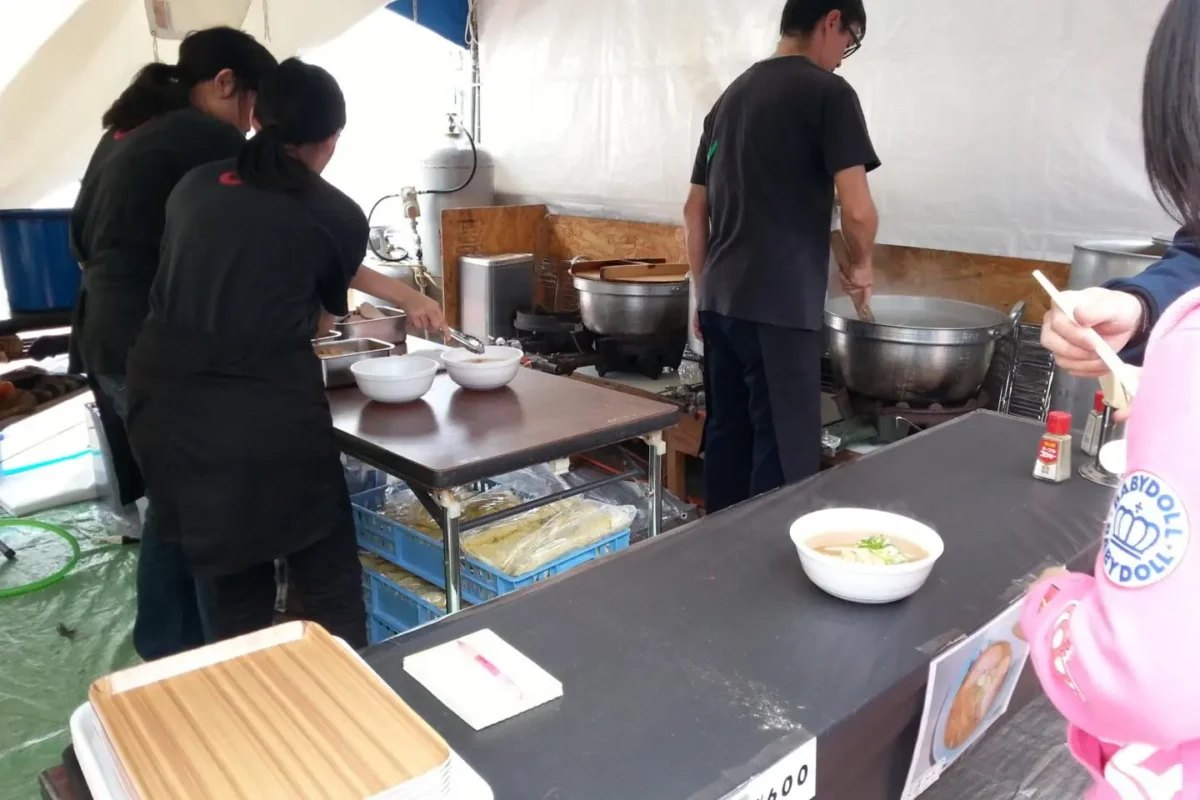
- High-volume outdoor cooking setups ensuring food is served hot, fresh, and quickly to long queues
- Accessible ground-level pathways designed to accommodate strollers and wheelchairs across the entire venue
- Friendly volunteer guides stationed throughout the blocks to assist tourists with directions and recommendations
Venue / Location
- City and Country: Asahikawa, Hokkaido, Japan
- Venue Name: Asahikawa Station Plaza, Heiwa-dori Shopping Park, and surrounding central city blocks
- Google Maps Address: Central Asahikawa City Area (JR Asahikawa Station Square and Heiwa Dori Shopping Park), Asahikawa, Hokkaido 070-0030, Japan
Performances & Entertainment
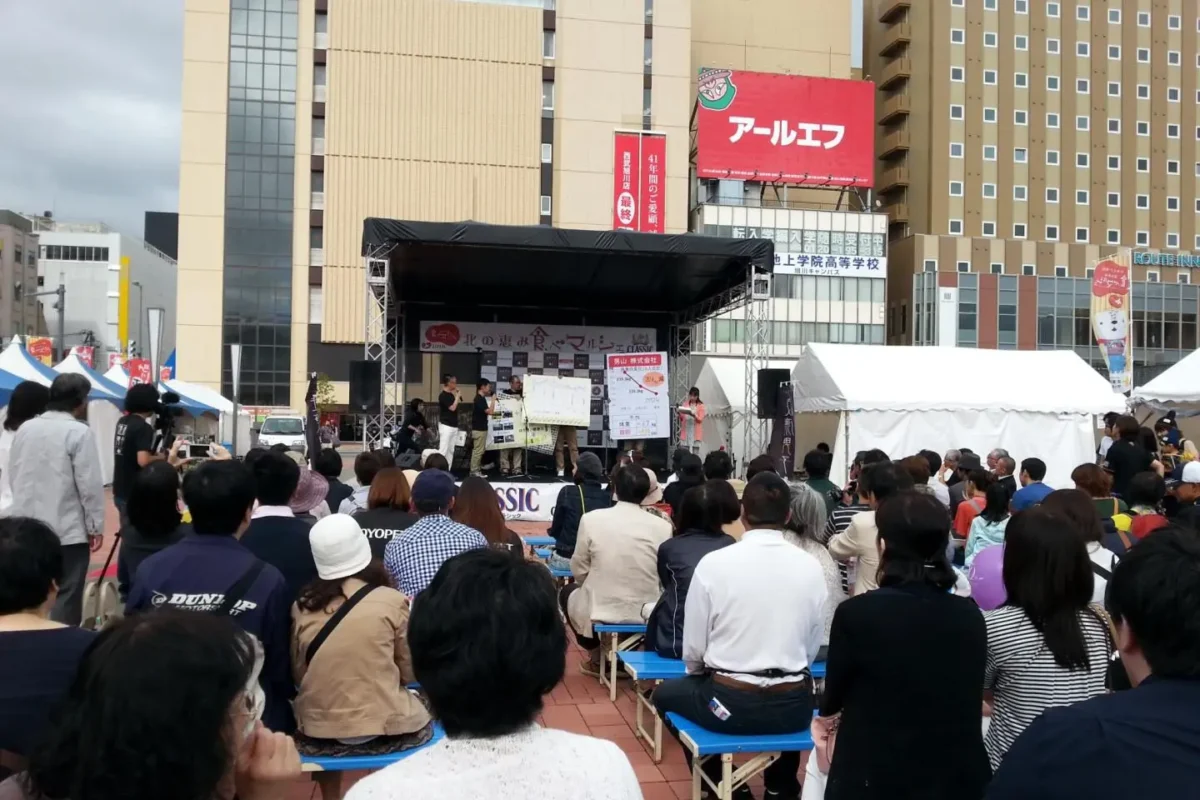
- Live musical band performances showcasing diverse genres from traditional folk tunes to modern acoustic pop
- Engaging public talk shows featuring regional celebrities, agricultural experts, and municipal leaders
- Interactive stage game contests inviting audience members to participate and win festival prizes
- Traditional Japanese cultural dance showcases celebrating northern Hokkaido folklore and harvest themes
- Multiple entertainment stages operating simultaneously across different blocks to ensure constant activity
- Energetic street performance acts entertaining families and children walking along the pedestrian promenades
- Special guest appearances by popular regional mascot characters posing for photographs with fans
- Cultural presentation segments highlighting historical agricultural milestones and local craft traditions
- Closing ceremony celebration events wrapping up the three-day weekend festivities on stage
Contact Information
- Email: marche@city.asahikawa.hokkaido.jp
- Phone Number: 0166-73-9840
- Official Website: https://en.japantravel.com/hokkaido/asahikawa-harvest-markets/32914
Local Food & Hokkaido Specialties
Asahikawa’s unique geographic location within an inland basin creates ideal climatic conditions for growing exceptional agricultural crops, ranging from sweet corn and crisp asparagus to rich dairy items. The harvest market capitalizes on these local assets by gathering specialized vendors who prepare dishes highlighting authentic northern flavors. Visitors can explore endless rows of food stalls offering farm-fresh ingredients that reflect the distinct character of Hokkaido’s fertile soil and clean mountain waters. Every corner of the market introduces new aromatic profiles, making it a true paradise for culinary explorers.
Seafood occupies a major focal point for attendees, especially given that coastal delicacies from neighboring northern ports are brought in fresh specifically for the weekend event. Grilled scallops in the shell, butter-soaked corn, fresh sea urchin, and succulent ocean oysters draw long queues of eager food lovers throughout the three-day run. Alongside these oceanic treats, hearty land-based specialties like local shoyu ramen, butter-laden potato dishes, and savory grilled meats showcase the full spectrum of regional gastronomy. Sweet tooths are equally accommodated through inventive creations featuring local red bean paste, fresh milk, and seasonal fruit tarts.
- Farm-fresh Hokkaido sweet corn served boiling hot with melted regional butter and sea salt
- Plump fresh oysters and giant scallops grilled live over open flames at specialized seafood stalls
- Traditional Asahikawa signature soy-sauce-based ramen bowls featuring rich, complex double broths
- Rich local dairy products including fresh soft-serve ice cream, artisan cheeses, and cold farm milk
- Savory yakisoba noodles tossed with local vegetables, pork strips, and secret regional sauces
- Crispy Japanese takoyaki, okonomiyaki, and sweet red bean taiyaki pastries baked fresh on site
- Innovative sweet treats including red bean cheese tarts and pumpkin-infused regional pastries
- Specialty skewers of grilled meat flavored with local miso, garlic, and savory regional glazes
- Freshly sliced local melons and seasonal autumn fruits harvested directly from regional orchards
- Hearty potato dishes topped with rich tonkatsu sauce and tender shredded pork pieces
- Rice-flour specialty snacks highlighting local grain production and innovative culinary craftsmanship
- Premium local craft beers brewed using pure mountain snowmelt and regional hops
Food Contests & Special Events
A major highlight of the festival weekend is the highly anticipated People’s Choice food contest, which invites every attendee to vote for their absolute favorite dishes. Visitors sample items across the various blocks and cast ballots for the creations that best represent the pinnacle of regional culinary excellence. The competitive spirit encourages vendors to put forward their most inventive and delicious recipes, knowing that victory brings prestigious local recognition. Results are tallied and announced publicly on the main stage during the final day of the festival, accompanied by celebratory prize presentations.
- Annual People’s Choice food competition allowing all festival attendees to vote for their favorite regional dishes
- Official ballot boxes and digital voting options distributed across major information and dining hubs
- Grand stage awards ceremony held on the final day to crown winning chefs and farmers
- Past winning menu features including specialty red bean cheese tarts and tonkatsu sauce potatoes
- Limited-edition budget tasting campaigns offering bite-sized gourmet samples at uniform low prices
- Special discount coupon booklet sales organized in cooperation with local convenience stores prior to the event
- Preview guide publications detailing participating food stores, exact menu offerings, and item pricing beforehand
- Seasonal companion event planning pointing toward smaller winter-edition food markets held in January
Location
FAQ
Are advance tickets required or can visitors enter the market grounds freely?
General admission to the festival grounds is completely open to the public without requiring any entry tickets or advance reservations. Visitors can simply walk right into the central venue area from the train station plaza to start exploring the food stalls.
Is the festival accessible for travelers using wheelchairs or strollers?
The entire venue utilizes flat pedestrian promenades, shopping parks, and station plazas that easily accommodate wheelchairs and strollers. Additionally, free shuttle buses operate across the area to assist guests who may need help traveling between distant zones.
What is the best way to travel to the market from Sapporo or Tokyo?
Travelers coming from Sapporo can easily reach Asahikawa via a convenient 1.5-hour ride on the JR Limited Express train. Those arriving from Tokyo can take a direct flight to Asahikawa Airport followed by a short thirty-minute airport bus ride into the city center.
Do the food vendors accept credit cards or electronic payment methods?
While some major commercial restaurant chains and large booths may accept digital payments, many independent farmers and small food stalls operate on a cash-only basis. Bringing sufficient Japanese yen in cash is strongly recommended for a smooth purchasing experience.
Are pets allowed to accompany visitors inside the festival area?
Pets and animals are generally restricted from entering crowded food festival zones and vendor seating areas to maintain health and safety standards. Service and guide animals certified under official regulations are the sole exception to this rule.

Leave a Reply