

-
September 19, 2026
Event date:
-
September 21, 2026
Event end:
What to expect in 2026
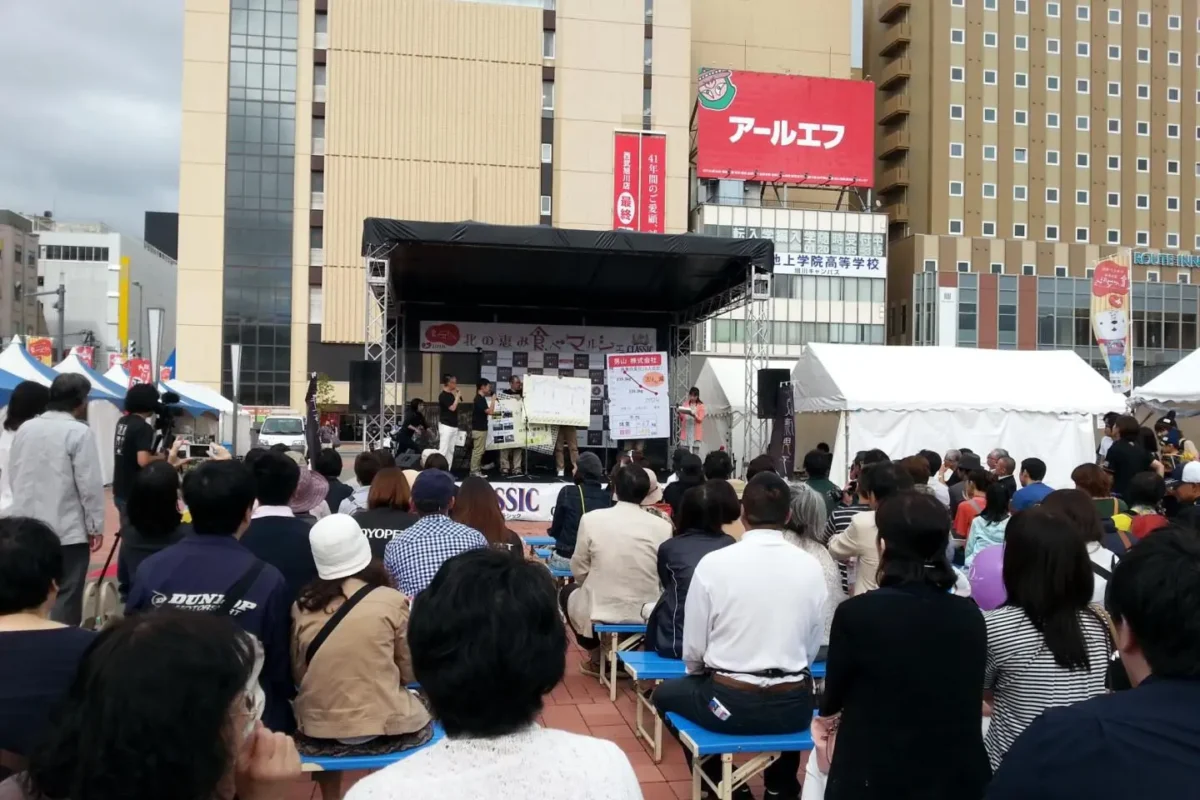
Asahikawa Harvest Markets 2026, officially known as Blessings of the North: Asahikawa Tabe Marche, brings the flavors of northern Hokkaido into the center of Asahikawa for three days of food, drinks, regional specialties, entertainment and community activities. The festival stretches from JR Asahikawa Station toward Asahikawa Heiwa-dori Shopping Park, creating a large walkable food market through the heart of the city. The 2026 edition features 235 participating stores and businesses, making it one of the largest food-focused events in northern Hokkaido.
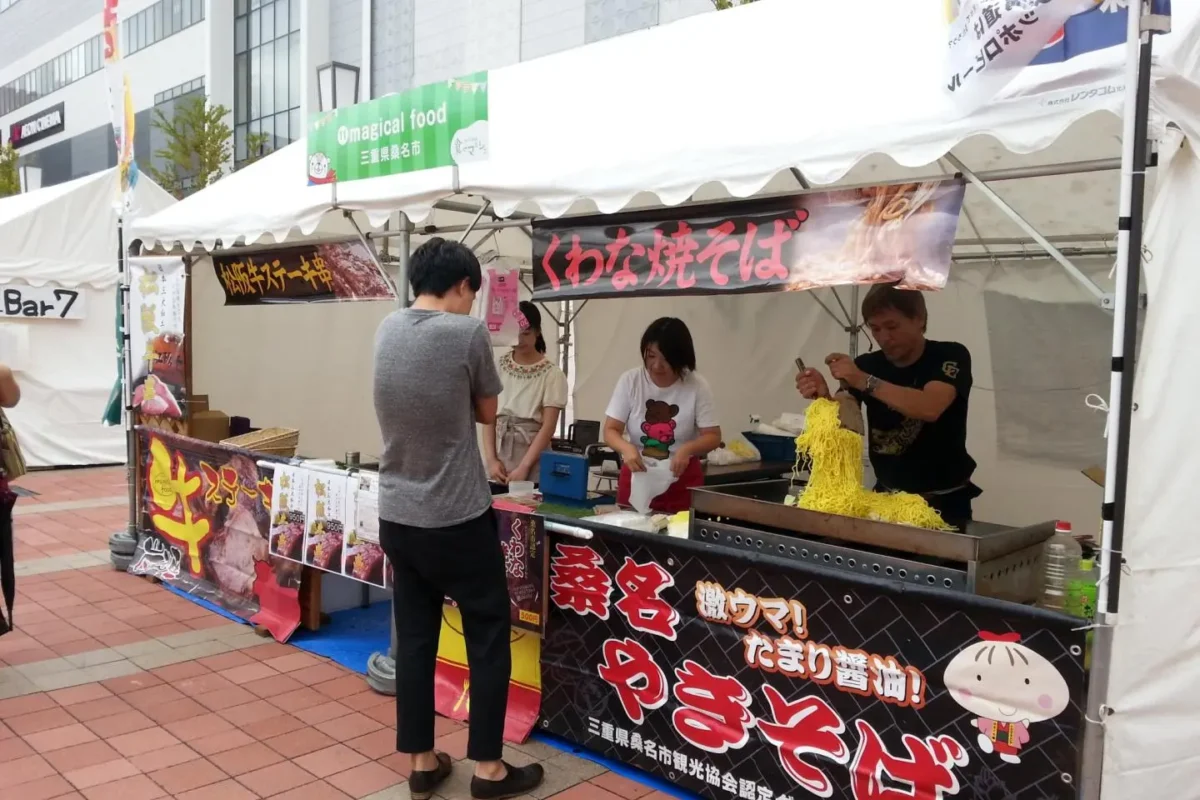
The festival focuses on seasonal ingredients from Asahikawa, northern Hokkaido and partner cities, while also bringing selected regional foods from other parts of Japan. Visitors can move between food stalls, restaurant booths, regional exchange areas, student vendors, food trucks, performance spaces and specialty market zones.
The 2026 programme includes several new or expanded elements, including the Yoi Marche evening area, the Tabe Sanpo Mini/Mega food programme, a student market, a health and happiness stamp rally, children’s activities, performances and special food projects.
Enjoy Your Event Stress-Free with Japan Travelo
Do you know? Planning events, festivals, concerts, and cultural experiences in Japan can be overwhelming. Japan Travelo brings everything together in one place, helping you manage your itinerary, transport, and accommodation with ease—so you can enjoy Japan without the stress of planning.
The main experience revolves around trying several foods rather than having one large meal. Smaller tasting portions make it possible to sample different vendors, while larger Mega portions are available for sharing with family and friends.
The official programme also includes local sake, craft beer, beverages, seafood, meat, ramen, noodles, dairy products, farm produce, fruit, sweets and desserts.
Event dates
Asahikawa Harvest Markets 2026 takes place from September 19 to September 21, 2026.
The general festival hours are:
- September 19: 10:00 AM–6:00 PM
- September 20: 10:00 AM–6:00 PM
- September 21: 10:00 AM–5:00 PM
The Yoi Marche area operates later on the first two days, with selected stalls continuing until 8:00 PM. The night event runs from 6:00 PM to 8:00 PM on those evenings.
Because the festival covers a large section of central Asahikawa, visitors can arrive at different times and create their own food-focused itinerary. Those interested in evening food and drinks should plan around the Yoi Marche hours.
Visiting this event? Don’t miss out on these amazing activities and local experiences while you’re here.
Venue & festival site
The primary festival locations are Asahikawa Station Square and Asahikawa Heiwa-dori Shopping Park. The market effectively creates a long food corridor extending through the city center from the station toward the shopping park.
The 2026 official guide divides the festival into numerous zones, including:
- Asahikawa Station Square
- Miyashita–1-jo Shopping Park
- 1-jo–2-jo Shopping Park
- 2-jo–3-jo Shopping Park
- 3-jo–4-jo Shopping Park
- 4-jo–5-jo Shopping Park
- 5-jo–6-jo Shopping Park
- 6-jo–7-jo Shopping Park
- 7-jo Greenway Performance Area
- Asahikawa Kids Challenge Village
- Eki Marche
- Food Truck Marche
- Art Marche
- Yoi Marche
- Gakusei Marche
- Minamisatsuma and regional exchange areas
The 7-jo Greenway is used for performances, while the shopping park contains many of the food and regional market booths.
JR Asahikawa Station is particularly convenient because part of the event area is only about one minute from the station.
Full food & drink programme
The 2026 food programme covers an exceptionally broad range of Japanese and Hokkaido food categories. The official festival menu search includes rice dishes, bread and bakery items, flour-based foods, fried foods, ramen, noodles, stews, soups, meat, fish, seafood, wild game, processed foods, dairy products, farm produce, fruit, sweets, desserts, beverages, local sake and craft beer.
Visitors can expect a mixture of prepared meals, street food, tasting portions and products that can be purchased to take home.
Regional Hokkaido food
Local ingredients from Asahikawa and northern Hokkaido form the foundation of the festival, with agricultural products and regional specialties appearing throughout the different zones.
Seafood
Seafood vendors provide dishes ranging from prepared seafood meals to regional specialties designed for quick festival dining.
Meat
Jingisukan, beef, pork, chicken, venison and other meat dishes are represented across the market.
Noodles and comfort food
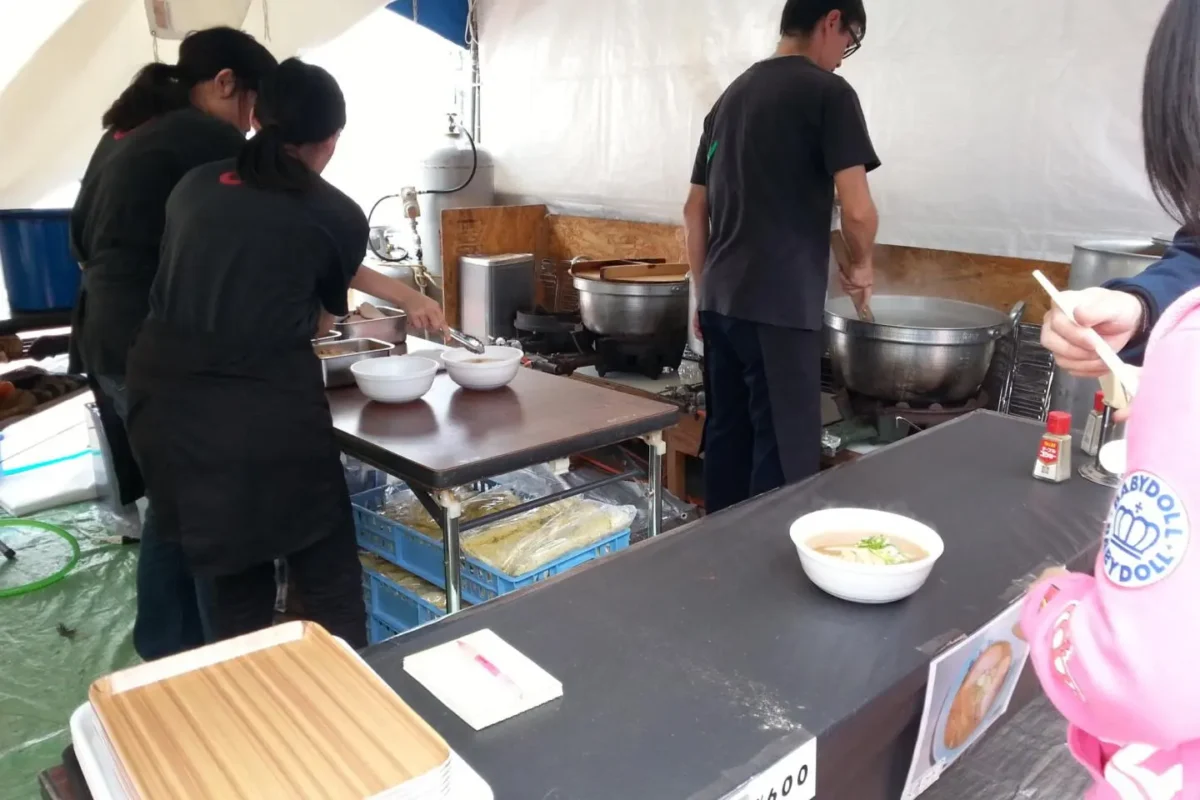
Ramen, noodles, curry, fried foods and other popular Japanese dishes provide substantial meal options.
Sweets and desserts
Visitors can also find crêpes, cookies, pastries, dairy-based foods and other sweet treats.
Regional exchange foods
The festival includes foods from partner cities and other areas of Japan, giving visitors an opportunity to compare northern Hokkaido specialties with dishes from outside the region.
Featured foods & specialties
One of the most interesting parts of the 2026 programme is the Tabe Sanpo Mini/Mega selection. It allows visitors to choose between smaller portions intended for tasting and larger portions designed for sharing.
Examples from the 2026 menu include:
- Rice-flour salt zangi
- Surf clam curry
- Surf clam and seasonal vegetable peperoncino
- Hokkaido pork and Ezo sika venison Bolognese
- Charcoal-grilled Satsuma free-range chicken
- Hida beef croquettes
- Nagoya chicken wings
- Esperio Burger
- Ezo venison loin skewers
- Hokkaido beef bowls
- Takasu beef skewers
- Fukagawa black rice crêpes
- Nayoro stewed Jingisukan
- Ezo venison sausage
- Jingisukan-style fried chicken
Another major highlight is the Shimokuni Shin Food Lab, where Chef Nobu Shimokuni collaborates with students from Asahikawa University Junior College to create special festival burgers using regional ingredients.
The 2026 menu includes an Asahikawa Smoky Beef Burger, Northern Fermented Chicken Burger, Quattro Cheese Burger and Japanese-style Soup Curry Chicken Burger. Each is listed at approximately $6.38, based on the current menu price and September 2026 exchange rate.
Restaurants, vendors & producers
The festival brings together restaurants, food businesses, agricultural producers, specialty retailers, regional organizations, students and food-focused projects.
The 2026 edition is expected to feature 235 participating stores, with the station area particularly focused on regional and guest-city foods.
Visitors can encounter:
- Asahikawa restaurants
- Northern Hokkaido food producers
- Regional agricultural businesses
- Seafood vendors
- Meat specialists
- Bakeries
- Dessert businesses
- Beverage producers
- Food trucks
- Student food projects
- Sister-city exhibitors
- Regional roadside-station products
- Specialty food manufacturers
The Gakusei Marche is a distinctive part of the event. Students from northern Hokkaido develop and sell foods using regional ingredients. Participating schools include Asahikawa Culinary School and Takushoku University Hokkaido Junior College, with offerings including pork bowls, sausage sandwiches and regional curry.
The Minamisatsuma City exchange area introduces food from Kagoshima Prefecture, including Kurobuta pork, Satsuma-age, chicken, pickles, Satsuma mandarins and authentic shochu.
Wine, beer & beverage selection
Asahikawa Harvest Markets is primarily a food festival, but beverages are an important part of the 2026 programme.
The official festival menu system specifically includes:
- Beverages
- Local sake
- Craft beer
- Fruit drinks
- Coffee
- Soft drinks
- Cocktails and mixed drinks
- Regional alcoholic specialties
The Yoi Marche provides a dedicated evening atmosphere where adults can enjoy food and drinks after the main daytime market begins winding down.
Craft beer is among the highlighted beverage choices. For example, Freehouse THE YEAST offers draft original beer brewed by Bifuka Shirakaba Brewery alongside Hokkaido craft beers. Its listed craft beer prices range from approximately $5.10 to $6.38, depending on the serving.
The festival also features beverages from the Minamisatsuma exchange area, including authentic shochu from Kagoshima.
Visitors should remember that beverage availability and individual prices vary by vendor.
Tastings, cooking demos & workshops
The festival’s tasting experience is centered on the Tabe Sanpo Mini/Mega programme. Mini portions are designed for visitors who want to sample several foods, while Mega portions are intended for larger servings or group sharing.
Examples include:
- Mini rice burger: approximately $1.28
- Mini salt zangi: approximately $2.87
- Mini keema curry: approximately $3.19
- Mini surf clam curry: approximately $3.19
- Mini venison sausage: approximately $3.19
- Mega burger: approximately $12.76
- Mega Hokkaido beef bowl: approximately $15.94
- Mega beef skewer: approximately $9.57
The programme also includes educational and collaborative food projects. The Shimokuni Food Lab is particularly notable because professional chef Nobu Shimokuni works with students to develop dishes using Asahikawa ingredients.
The Gakusei Marche provides another hands-on food-development element, with students creating original dishes and participating in collaborative recipe projects.
Ticket types & entry options
General admission to Asahikawa Harvest Markets is free ($0).
There is no general festival admission ticket required to walk through the market areas. Visitors simply purchase food, beverages and merchandise directly from individual vendors.
General festival entry: $0
Tabe Sanpo Mini: individual food prices vary, with current examples starting at approximately $1.28.
Tabe Sanpo Mega: larger portions range from approximately $6.38 to $51.03, depending on the dish.
Special festival burgers: approximately $6.38 each.
The unusually expensive Mega example is the whole fresh octopus tentacle listed at approximately $51.03, while most Mega dishes fall considerably below that level.
All stores accept cash, and the official FAQ states that cashless payment is also available at participating stalls.
VIP & premium experiences
There is no conventional VIP admission package or premium festival ticket for Asahikawa Harvest Markets 2026.
The event is designed as an open public food market, so premium experiences are instead based on the food selections visitors choose.
Some higher-value food experiences include:
- Mega-size regional dishes
- Limited-quantity chef-created burgers
- Craft beer and local sake
- Regional exchange foods
- Specialty seafood
- Premium meat dishes
- Large sharing portions
The Yoi Marche is the closest thing to a premium evening experience, offering a more adult-oriented atmosphere with food and beverages until 8:00 PM on the first two evenings.
Event rules
Visitors should follow the festival’s food-safety, pedestrian, waste-management and vendor instructions.
Important visitor guidance includes:
- Follow staff instructions.
- Use designated pedestrian routes.
- Keep queues and walkways clear.
- Dispose of waste at designated collection points.
- Respect seating limits.
- Share tables and benches with other visitors.
- Follow individual vendor food-safety instructions.
- Consume prepared hot foods promptly.
- Follow alcohol-related regulations.
- Supervise children in busy areas.
- Avoid unauthorized parking.
The official FAQ recommends consuming hot prepared food as soon as possible rather than transporting it for long periods because of food-hygiene and food-poisoning prevention considerations.
How to get there
The easiest way to reach Asahikawa Harvest Markets is by traveling directly to JR Asahikawa Station.
The station is adjacent to the festival area, with the official festival website stating that the venue can be reached in approximately one minute on foot from the station.
For visitors arriving by air, Asahikawa Airport is approximately 30 minutes away by car or around 40–50 minutes by bus, depending on traffic and service conditions.
Once at JR Asahikawa Station, visitors can walk through the festival route toward Peace Street Shopping Park and explore the different food zones.
Public transport & parking
Public transportation is strongly suited to this festival because much of the event occupies the central shopping district.
JR train
JR Asahikawa Station is the main rail arrival point and is immediately adjacent to the festival area.
Local buses
Visitors using local buses should get off at the Asahikawa Ekimae stop. Official event guidance directs bus and JR travelers toward the station area.
Airport bus
Buses connect Asahikawa Airport with central Asahikawa, providing a practical option for visitors arriving by air.
Car parking
Visitors arriving by car should use paid parking facilities near JR Asahikawa Station and the shopping park. The official organizers specifically ask visitors not to park on streets or outside designated parking areas.
Because the event occupies busy central areas, public transport can be more convenient than driving directly into the city center.
Accommodation areas
The most convenient accommodation area is around JR Asahikawa Station. Staying near the station puts visitors within easy walking distance of the primary festival areas and also provides convenient access to trains and buses.
The central shopping district is another useful location because Peace Street Shopping Park is one of the principal festival areas.
Visitors can choose from:
- Hotels around JR Asahikawa Station
- Downtown Asahikawa hotels
- Business hotels
- Guesthouses
- Apartment-style accommodation
- Properties near the central shopping district
Staying close to the station is particularly useful for visitors planning to experience the Yoi Marche because it reduces the need for late-evening transportation.
Food & drink highlights
The best strategy is to explore the market in stages rather than buying everything from the first stall.
Start with smaller Tabe Sanpo Mini portions and then return for Mega portions of the dishes that stand out. This makes it possible to sample more of the festival’s 235 participating businesses.
Food highlights include:
- Jingisukan and other grilled meat dishes
- Ezo venison
- Hokkaido beef
- Seafood and surf clam dishes
- Ramen
- Curry
- Rice bowls
- Burgers
- Zangi
- Regional sweets
- Dairy products
- Crêpes
- Local sake
- Craft beer
- Shochu
- Coffee and soft drinks
The festival also provides an opportunity to compare northern Hokkaido cuisine with foods from other Japanese regions. The Minamisatsuma exchange area is particularly useful for visitors who want to experience Kagoshima flavors without leaving Asahikawa.
Accessibility
The festival is spread across public streets, shopping areas, plazas and performance spaces, so visitors should expect a busy pedestrian environment.
The organizers provide designated restrooms around the venue through cooperation with nearby shops and commercial facilities. Additional portable restrooms are available around the 7-jo Greenway, while public facilities at City Hall are also available.
Nursing rooms and diaper-changing facilities are available at designated partner facilities around the venue, although availability can depend on the operating hours of individual facilities.
Dining and rest areas with tables and benches are positioned throughout the festival, although seating is limited and visitors are asked to share the available space.
Visitors with mobility needs may find the station-area sections particularly convenient because JR Asahikawa Station is directly connected to the festival zone.
Best days to attend
Each of the three festival days offers a slightly different experience.
September 19
The opening day is a good opportunity to experience the full launch of the festival and explore the market before making another visit. The Yoi Marche also continues into the evening.
September 20
The second day provides another full daytime programme and another opportunity to experience the evening Yoi Marche. Visitors focused on food and drinks may want to use this day for a longer tasting route.
September 21
The final day operates until 5:00 PM. It is suitable for visitors who prefer daytime exploration and want to experience the final festival activities.
For visitors interested in evening food and beverages, September 19 or September 20 provides the additional Yoi Marche hours.
Previous year’s highlights
The 2026 edition builds on the festival’s established history while adding several new features and expanding its food programme.
One of the major developments is the scale of participation, with 235 stores scheduled to participate across the festival areas.
The Tabe Sanpo Mini/Mega programme returns after its popularity in the previous edition, offering visitors both tasting-size and large sharing portions.
The festival also expanded its evening identity through the Yoi Marche, allowing selected areas to continue operating until 8:00 PM on the first two days.
The Shimokuni Food Lab created another major highlight, with Chef Nobu Shimokuni and Asahikawa University Junior College students developing special burgers based around local agricultural products.
The Gakusei Marche also gives students from northern Hokkaido a platform to develop and sell original food using regional ingredients.
The health and happiness stamp rally adds another way to explore the festival, with eight stamp locations spread across different areas. Visitors collecting at least five stamps can enter the prize drawing.
Official tickets
Asahikawa Harvest Markets 2026 has free general admission ($0). No advance general admission ticket is required to enter the festival areas.
Food, beverages and merchandise are purchased separately from participating vendors. Current 2026 menu prices should be checked on the official vendor listings because individual items can change, sell out or be modified during the event.
The official festival website provides the 2026 guide map, venue information, vendor menus, programme details, event information and visitor guidance.
Official festival information: city.asahikawa.hokkaido.jp
Location
FAQ
Are advance tickets required or can visitors enter the market grounds freely?
General admission to the festival grounds is completely open to the public without requiring any entry tickets or advance reservations. Visitors can simply walk right into the central venue area from the train station plaza to start exploring the food stalls.
Is the festival accessible for travelers using wheelchairs or strollers?
The entire venue utilizes flat pedestrian promenades, shopping parks, and station plazas that easily accommodate wheelchairs and strollers. Additionally, free shuttle buses operate across the area to assist guests who may need help traveling between distant zones.
What is the best way to travel to the market from Sapporo or Tokyo?
Travelers coming from Sapporo can easily reach Asahikawa via a convenient 1.5-hour ride on the JR Limited Express train. Those arriving from Tokyo can take a direct flight to Asahikawa Airport followed by a short thirty-minute airport bus ride into the city center.
Do the food vendors accept credit cards or electronic payment methods?
While some major commercial restaurant chains and large booths may accept digital payments, many independent farmers and small food stalls operate on a cash-only basis. Bringing sufficient Japanese yen in cash is strongly recommended for a smooth purchasing experience.
Are pets allowed to accompany visitors inside the festival area?
Pets and animals are generally restricted from entering crowded food festival zones and vendor seating areas to maintain health and safety standards. Service and guide animals certified under official regulations are the sole exception to this rule.

Leave a Reply