
Kumade Lucky Rakes & Prosperity Rituals
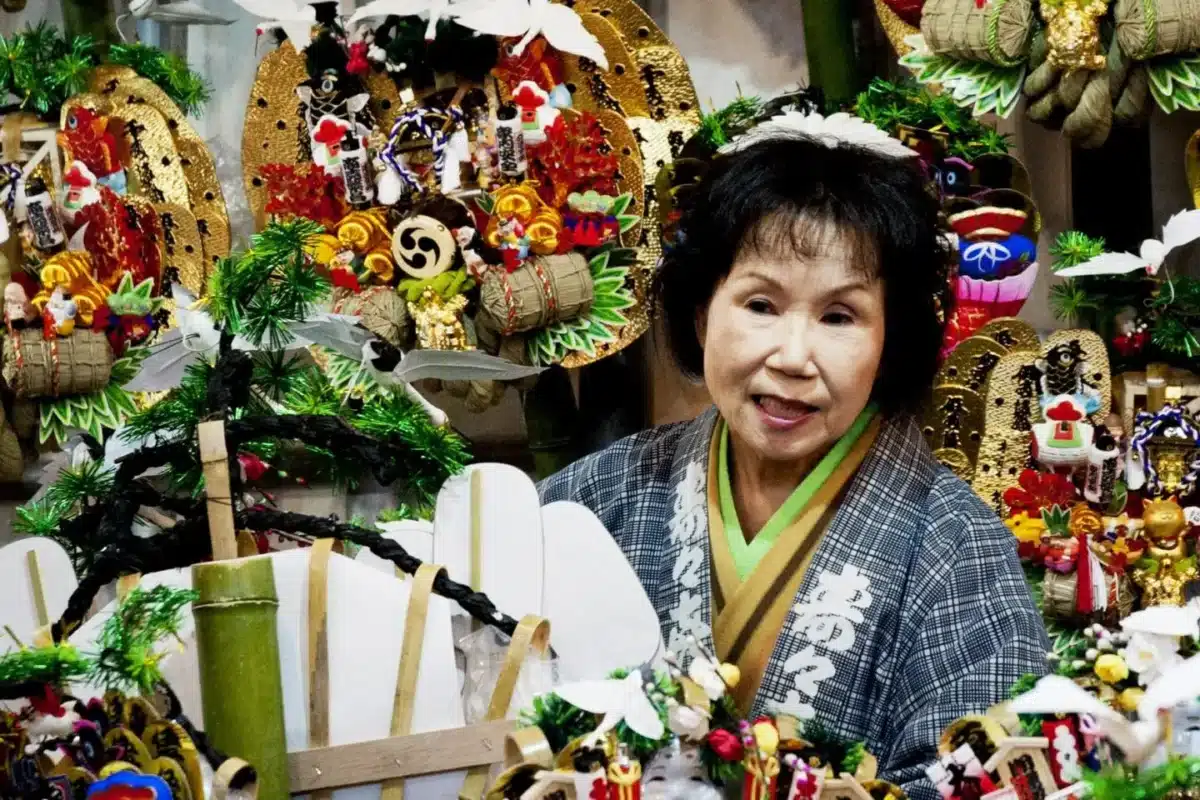
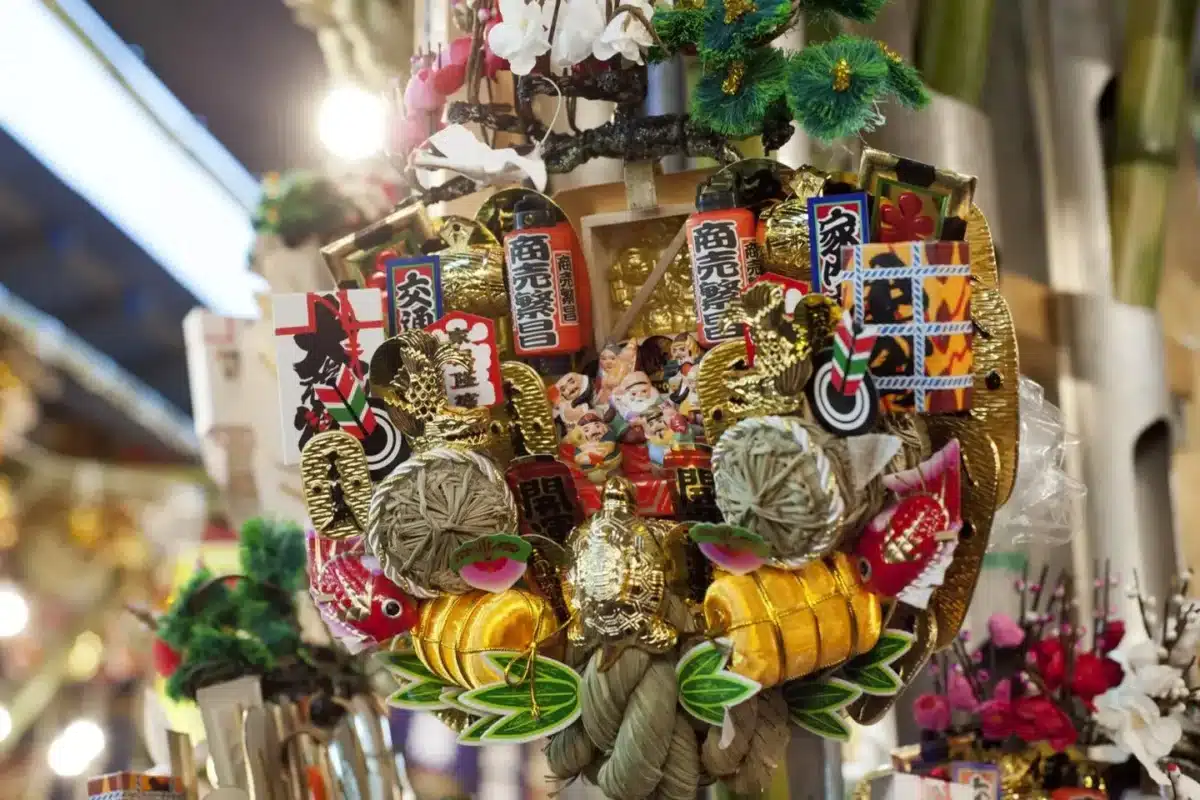
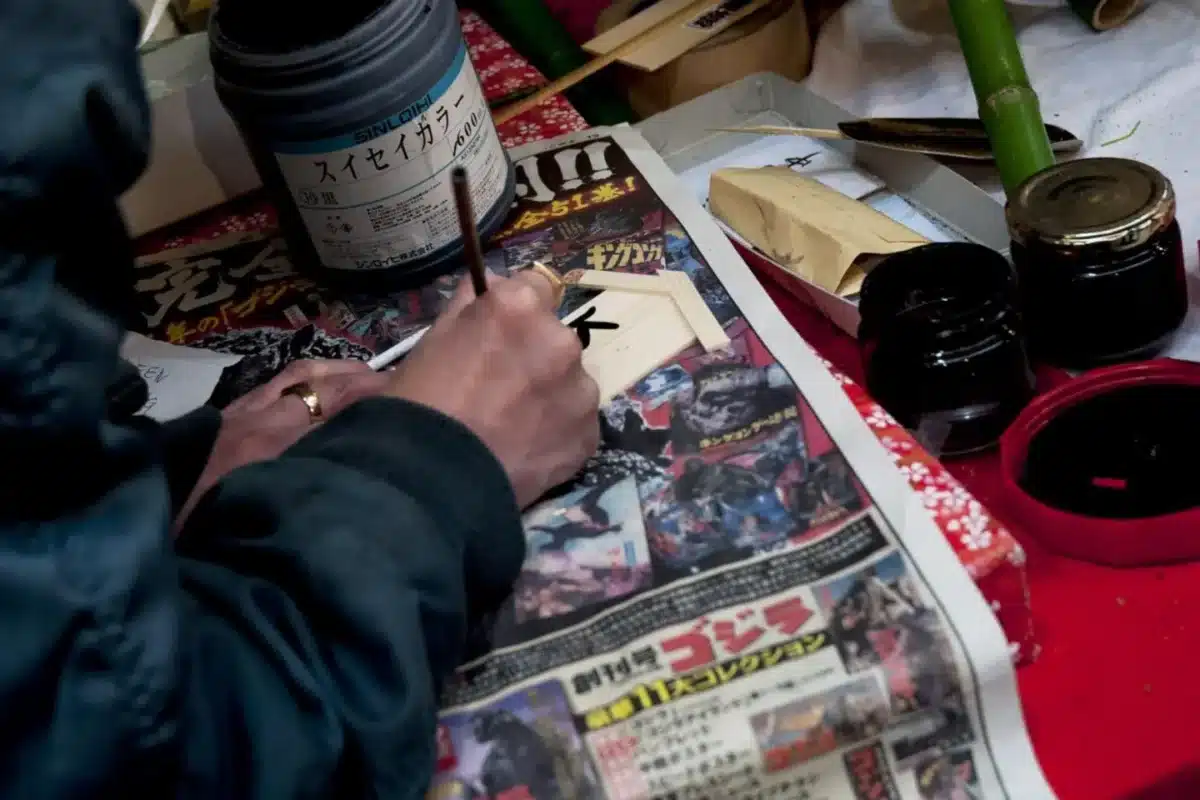
The iconic centerpiece of the Tori-no-Ichi festival is the kumade, an elaborate good-luck bamboo rake intricately decorated with colorful masks, treasures, and symbols of wealth. Historically utilized as simple agricultural tools, these bamboo rakes were transformed during the Edo period into metaphorical instruments designed to rake in good fortune, business success, and family prosperity. Vendors arrange their stalls with hundreds of dazzling, shimmering rakes in every conceivable size, ranging from compact handheld trinkets to massive, multi-tiered artistic masterpieces destined for corporate office lobbies.
A fascinating tradition associated with purchasing a kumade is the custom of progressively upgrading to a larger rake with each passing year as a business grows. When a merchant or individual buys a rake, the transaction is never treated as a simple retail purchase; instead, it culminates in a dramatic ritual of celebratory hand-clapping known as pejime. The vendor and buyer clap their hands in unison to a traditional rhythmic cadence, sealing the business transaction and formally invoking blessings for future financial prosperity and safety.
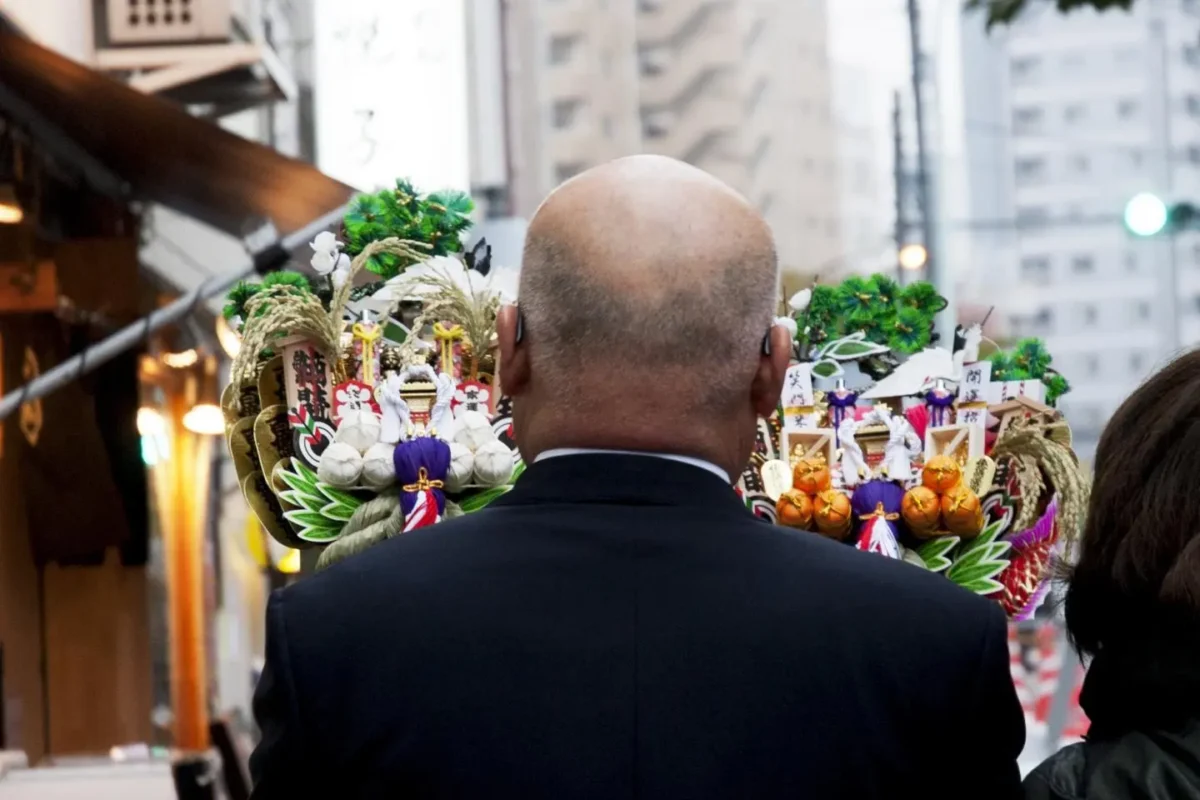
Displaying the purchased kumade in homes or business offices is done with careful consideration, placing the rake high up facing toward the entrance so it can continuously welcome incoming wealth. The meticulous craftsmanship involved in assembling these rakes—combining lucky items like miniature wooden treasure ships, gold koban coins, and smiling Okame masks—makes each piece a unique work of folk art. Navigating the dense rows of glowing rake stalls provides an unforgettable sensory experience that captures the beating heart of traditional Japanese merchant culture.
Enjoy Your Event Stress-Free with Japan Travelo
Do you know? Planning events, festivals, concerts, and cultural experiences in Japan can be overwhelming. Japan Travelo brings everything together in one place, helping you manage your itinerary, transport, and accommodation with ease—so you can enjoy Japan without the stress of planning.
Date & Duration
- Event Date: Mid – Late November 2026 (Dates TBD)
- Event Duration: A series of day-long fair events held on the traditional Days of the Rooster recurring every twelve days throughout November
Visiting this event? Don’t miss out on these amazing activities and local experiences while you’re here.
Festival Background & History
- Traces its origins directly back to the Edo period as a traditional open-air fair celebrating business fortune
- Anchored historically at the ancient Temple of Tori, formally known as Juzaisan Chokoku-ji, established in 1630
- Aligned with the traditional Chinese zodiac cycle, specifically occurring on the recurring Days of the Rooster in November
- Witnessed a structural administrative shift in 1868 when government decrees separated Shinto and Buddhist institutions, creating the adjacent Otori Shrine
- Dedicated spiritually to Washimyoken Bodhisattva, affectionately known as Otori-sama, depicted standing atop a sacred eagle
- Evolved over centuries from an agricultural harvest offering into Tokyo’s premier commercial prosperity and business blessing fair
- Draws millions of corporate executives, small business owners, and local residents seeking financial luck for the coming year
- Operates continuously from midnight to midnight on primary festival days, creating a vibrant around-the-clock cultural spectacle
- Preserves ancient Edo-era merchant customs through the mass production and ceremonial sale of bamboo lucky rakes
Cultural Significance & Traditions
- Celebrates the rooster as the tenth symbol of the Japanese zodiac, universally associated with business success and financial gain
- Serves as a vital cultural touchstone for modern Japanese merchants striving to secure stability and prosperity for their enterprises
- Reinforces communal bonds as business owners return year after year to upgrade to progressively larger bamboo rakes
- Highlights the fascinating historical blending of Shinto shrine traditions and Nichiren Buddhist temple practices in one shared precinct
- Incorporates sacred ritual hand-clapping ceremonies, known as pejime, performed by merchants and vendors upon completing rake sales
- Symbolizes the active driving away of bad fortune and the physical raking in of wealth, health, and happiness
- Promotes traditional craftsmanship by showcasing highly intricate bamboo decorations crafted by generational artisan families
- Reflects the deep-seated Japanese cultural appreciation for annual cyclical renewal and micro-economic blessing rituals
- Sustains a living connection to feudal-era Tokyo street culture, retaining its raw energy and community spirit into the modern era
Festival Activities & Market Stalls
- Browsing endless rows of vibrant market stalls specializing in handmade bamboo kumade good-luck rakes
- Witnessing energetic hand-clapping pejime blessing ceremonies performed dynamically between vendors and buyers
- Participating in solemn prayer lines outside the main halls of Chokoku-ji Temple and Otori Shrine
- Exploring historic temple courtyards packed with bustling crowds and glowing paper lanterns
- Purchasing lucky amulets, talismans, and traditional protective charms from shrine registration booths
- Interacting with master craftsmen who explain the symbolic meaning behind various rake decorations
- Collecting commemorative red ink temple and shrine stamps, known as goshuin, to mark the visit
- Photographing the stunning visual contrast of thousands of glittering gold coins and colorful masks hanging in stalls
- Navigating dense pedestrian lanes under a canopy of traditional festival banners and glowing lights
- Exploring surrounding neighborhood side streets lined with pop-up vendors and local community booths
Food, Street Stalls & Local Specialties
- Sampling traditional festival street food favorites like savory yakisoba noodles, takoyaki, and grilled squid skewers
- Enjoying sweet, crispy treats such as sugar-coated candied strawberries and traditional Japanese pastry snacks
- Warming up with steaming cups of sweet amazake or hot green tea served from bustling outdoor food kiosks
- Purchasing regional festival sweets like kasho-mori, specialized snacks historically tied to the Edo-period fair
- Dining on hearty bowls of warming broth and regional comfort foods designed to combat chilly November night air
- Browsing open-air market stalls offering roasted chestnuts, pickled vegetables, and traditional savory snacks
- Experiencing the lively culinary energy of classic Tokyo yatai food culture operating late into the evening hours
- Sharing seasonal treats and celebratory street foods with colleagues and family members after making shrine offerings
Venue / Location
- City and Country: Tokyo, Japan
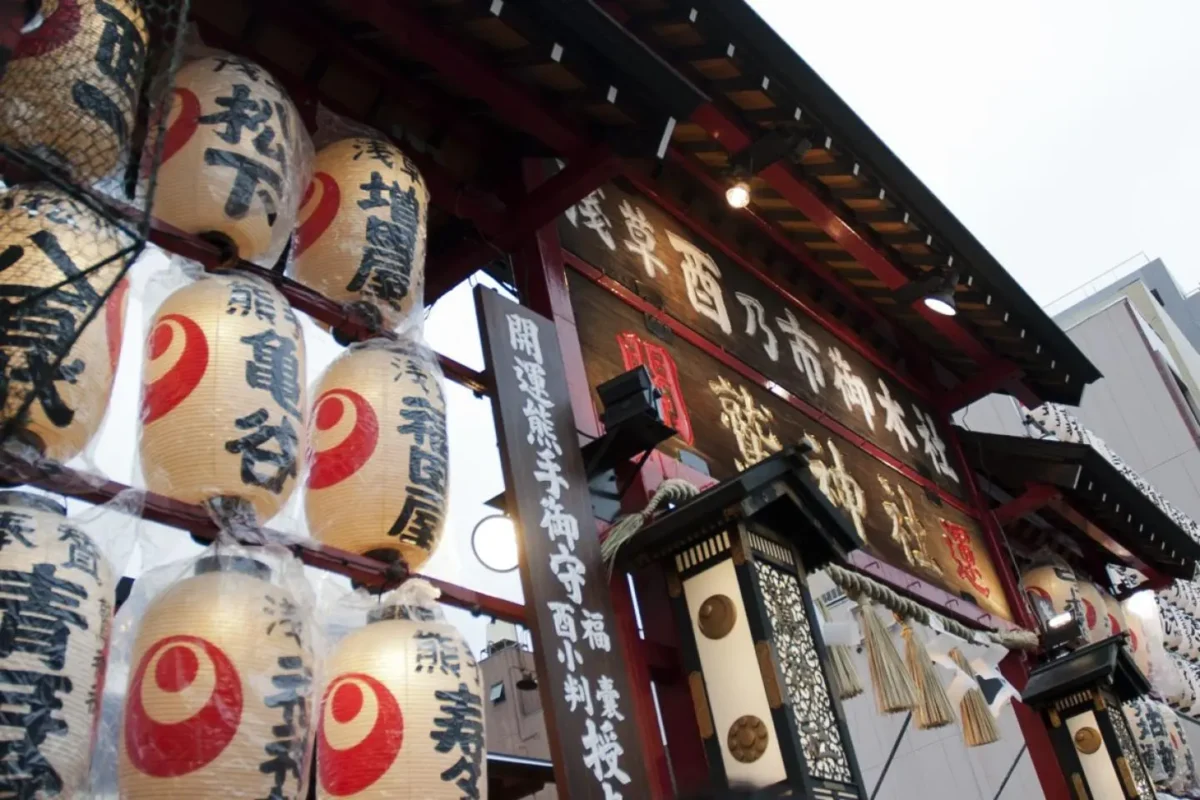
- Venue Name: Juzaisan Chokoku-ji Temple and Otori Shrine (Asakusa)
- Google Maps Address: 3 Chome-19-6 Senzoku, 台東区 Taito City, Tokyo 111-0031, Japan
Traditional Rituals & Hand-Clapping Ceremonies
The spiritual core of the festival comes alive through traditional rituals centered around expressing gratitude for past success and praying for future safety. Devotees line up patiently to toss coins into wooden offertory boxes, bow deeply, and offer silent prayers before the sacred altars of Chokoku-ji Temple and Otori Shrine. These solemn moments of reflection provide a grounding spiritual anchor amidst the high-energy commercial hustle happening just outside the shrine gates.
Once a merchant selects their seasonal kumade rake and finalizes the financial transaction, a high-energy ceremonial rhythm takes over the stall. The vendor initiates a synchronized series of rapid hand claps, known as pejime or kazari-jime, accompanied by rhythmic chanting to celebrate the sale. This public display of clapping draws cheerful attention from surrounding onlookers, creating an atmosphere of shared triumph, mutual encouragement, and festive camaraderie.
The culmination of these hand-clapping rituals reverberates across the entire festival precinct, merging individual business aspirations into a unified symphony of sound. It transforms a simple economic purchase into a sacred communal blessing, reinforcing the spiritual link between human effort, divine protection, and commercial success. Participants leave the precinct feeling invigorated, carrying their glowing rakes high above the crowd as a proud badge of entrepreneurial hope.
Contact Information
- Phone Number: +81 3-3872-1667
- Official Website: https://en.japantravel.com/tokyo/tori-no-ichi/32903
Visitor Experience & Best Viewing Tips
- Arriving during daytime hours if you prefer a slightly calmer environment to inspect detailed kumade rake craftsmanship closely
- Visiting late at night or during midnight peak hours if you want to experience the raw, electric energy of the bustling market
- Dressing in warm layered clothing and comfortable shoes, as navigating dense crowds and standing in queues takes time
- Keeping personal belongings secure in front pockets or zipped bags due to the high volume of foot traffic in narrow lanes
- Planning your transit route carefully, keeping in mind that nearby subway stations experience heavy congestion during peak festival days
- Taking time to observe the intricate hand-clapping pejime rituals from a respectful vantage point near busy rake stalls
- Combining your shrine visit with a leisurely stroll through the historic Asakusa district to fully immerse in traditional Tokyo culture
- Remaining patient and polite while moving with the slow-flowing pedestrian tide along the crowded temple approach paths
Ticket Information
- How Tickets Are Sold: No tickets or advance reservations are required to enter the temple grounds, shrine courtyards, and open-air market fair.
- Admission Type: Free Admission for public entry and fair exploration
- Ticket Pricing: Free Admission ($0.00 USD) for festival grounds access, with individual kumade good-luck rakes and food stall items priced independently ranging from $3.50 USD to hundreds of dollars depending on rake size and intricacy
- Special Seating Options: Open public standing spaces around temple altars, market lanes, and shrine prayer areas.
- VIP Options: None offered, as this is a historic traditional religious festival welcoming all local merchants, visitors, and pilgrims equally.
Video
Location
FAQ
What is the primary purpose of purchasing a bamboo kumade rake during the festival?
Kumade rakes are traditional good-luck items purchased by business owners and individuals to symbolically rake in wealth, health, and business success for the coming year. Each decorative element, from gold coins to lucky masks, carries specific blessings meant to protect and grow commercial enterprises.
Why do people traditionally buy a larger rake every single year?
Upgrading to a progressively larger rake annually symbolizes steady business growth, expanding profits, and increasing professional success over time. Merchants view this custom as a tangible milestone tracker for their enterprise's financial health and continuous upward trajectory.
What is the significance of the hand-clapping pejime ritual at the market stalls?
The rhythmic hand-clapping ceremony seals the commercial transaction while invoking divine blessings and celebratory energy for the buyer's business venture. It creates a joyous public moment of shared encouragement between the merchant, the customer, and surrounding onlookers.
Are visitors required to pay any admission fees to enter the festival grounds?
General admission to the temple grounds, shrine courtyards, and open-air market fair is completely free for all members of the public. Attendees only pay if they choose to purchase food items, protective amulets, or handcrafted bamboo kumade rakes.
What is the best time of day to visit the Tori-no-Ichi fair to avoid massive crowds?
Visiting during the morning hours immediately after sunrise offers a significantly more relaxed atmosphere with shorter lines at the shrine altars. Peak congestion typically occurs during late afternoons, evenings, and right around midnight when corporate groups and business owners flood the venue.

Leave a Reply