
What to expect in 2026
Tori-no-Ichi Festival 2026 will bring the traditional November fair back to the historic Senzoku area of Tokyo, where Chokoku-ji Temple and Otori Shrine form the center of the celebration. The event is particularly known for its combination of religious traditions, auspicious decorations, traditional performances, food stalls and lively evening crowds.
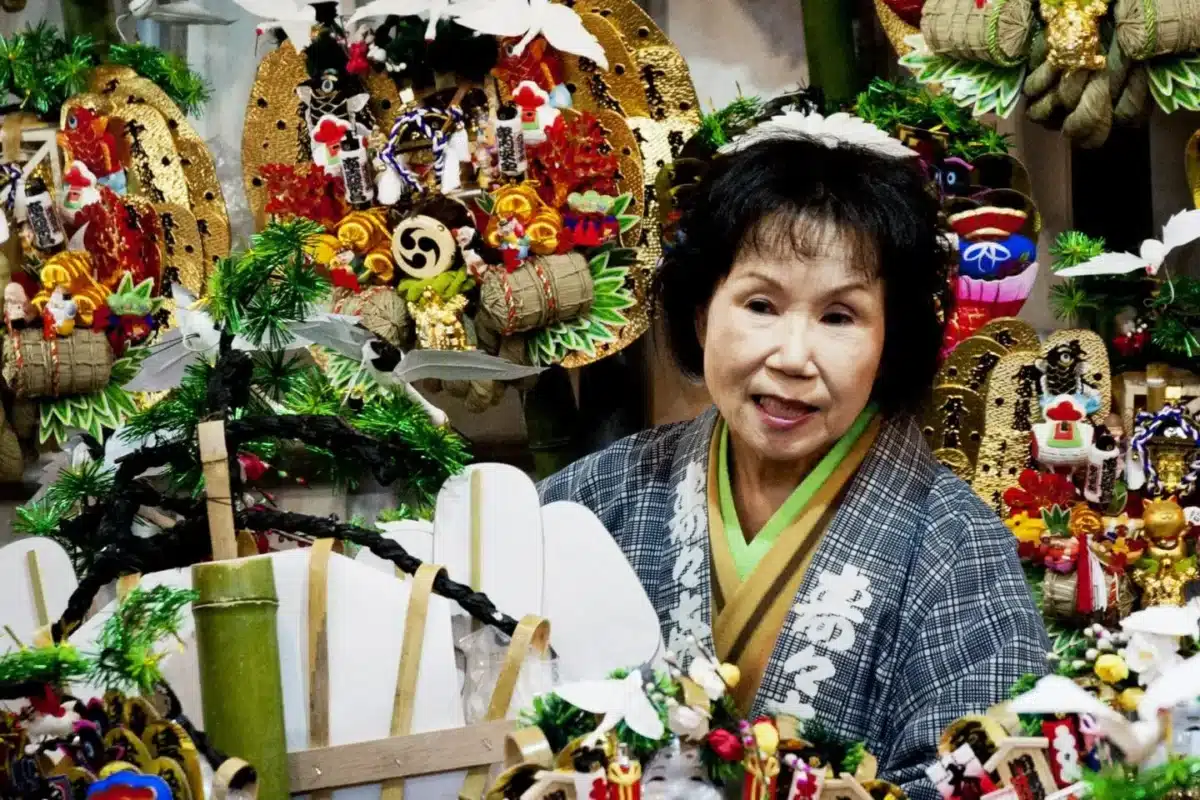
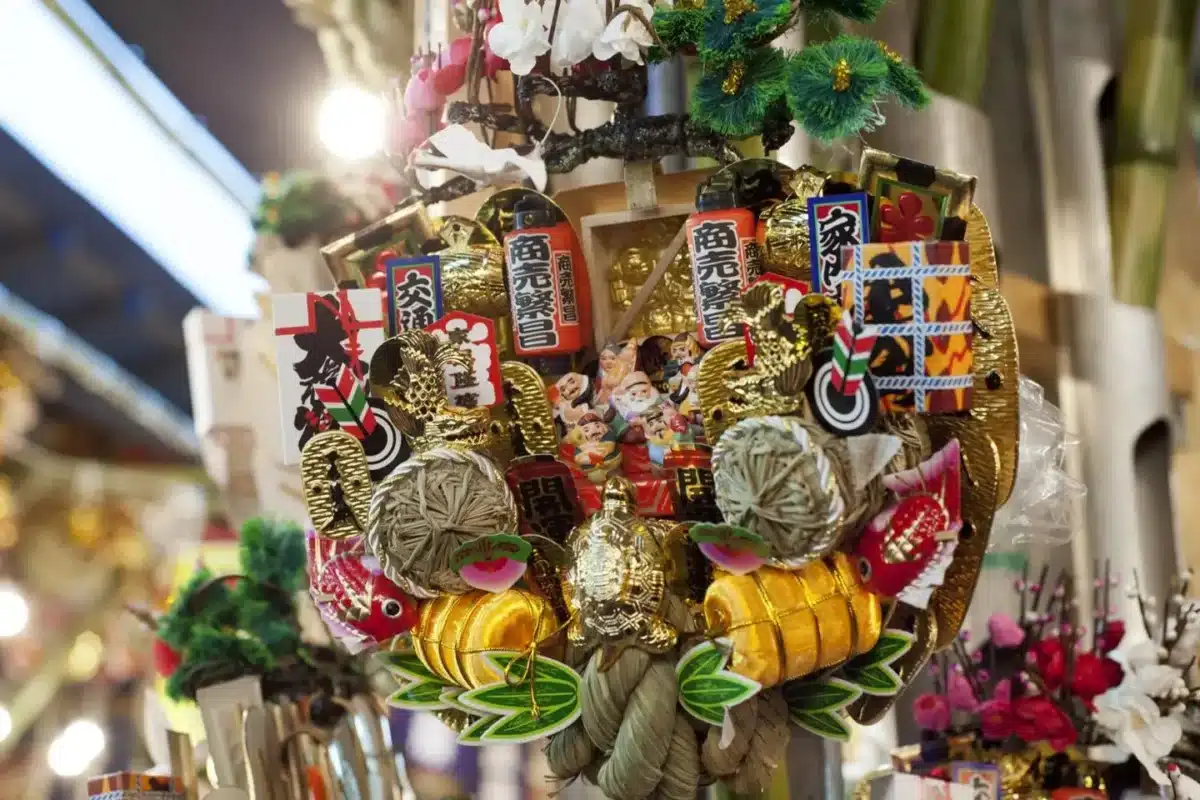
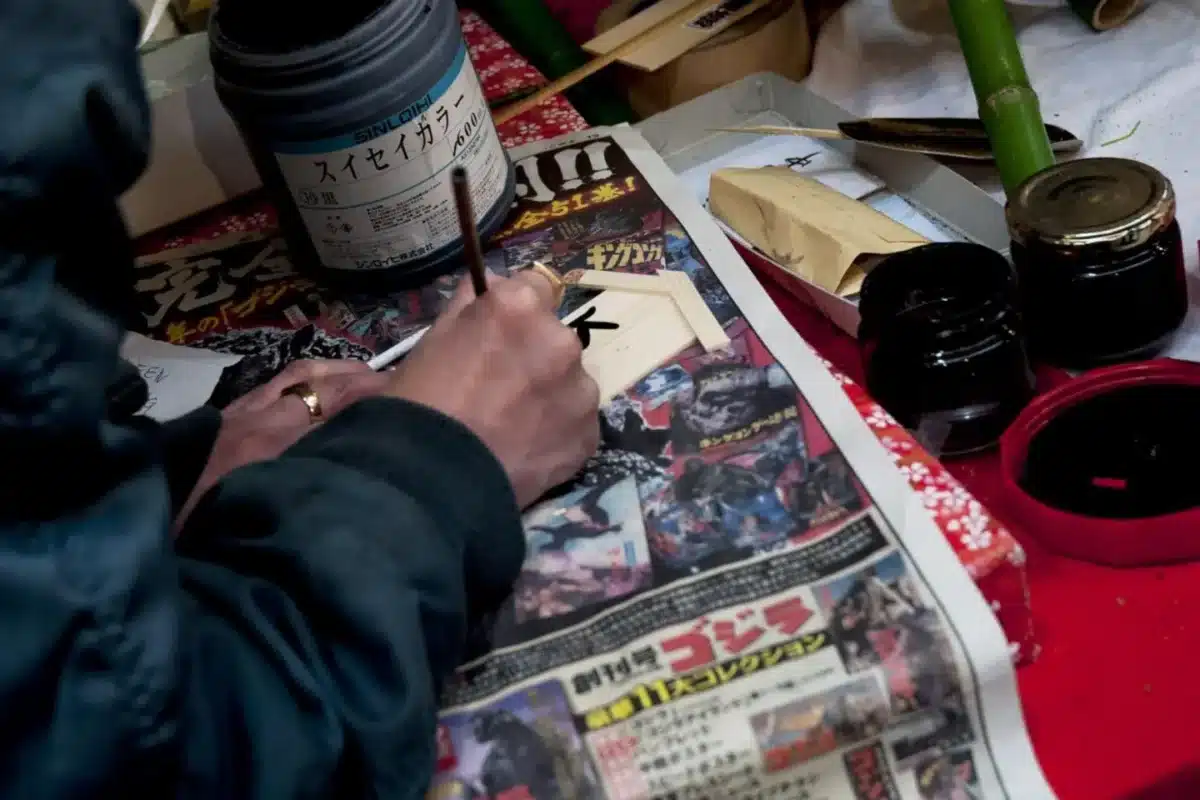
The main attraction is the kumade, a decorative bamboo rake traditionally believed to help people gather good fortune. Kumade can range from relatively simple designs to elaborate arrangements decorated with lucky symbols, coins, masks, fans, treasure motifs and other objects representing prosperity.
The festival is especially significant for business owners, shopkeepers, entrepreneurs and people hoping for prosperity in the coming year. However, visitors do not need to own a business to participate in the cultural experience. Many people attend simply to pray for health, happiness and good fortune.
Enjoy Your Event Stress-Free with Japan Travelo
Do you know? Planning events, festivals, concerts, and cultural experiences in Japan can be overwhelming. Japan Travelo brings everything together in one place, helping you manage your itinerary, transport, and accommodation with ease—so you can enjoy Japan without the stress of planning.
The atmosphere changes throughout the day. Religious ceremonies and prayers provide a more traditional setting, while the surrounding market becomes increasingly lively as visitors browse stalls and purchase kumade. In the evening, illuminated stalls and large crowds create one of the most distinctive traditional festival scenes in Tokyo.
Visitors can also experience tejime, the celebratory hand-clapping custom associated with successful kumade purchases. The rhythmic clapping and calls from vendors add to the characteristic atmosphere of the fair.
Event dates
Tori-no-Ichi Festival 2026 will take place during Mid – Late November 2026 (Dates TBD).
The festival follows the traditional Japanese calendar of the days of the rooster rather than a fixed annual weekend. As a result, the number and spacing of Tori-no-Ichi celebrations can change from one year to another.
The celebration traditionally begins around midnight on a Tori day and continues through the following day. This makes the event unusual among Tokyo festivals because visitors can experience both the nighttime opening atmosphere and the daytime market.
The exact 2026 schedule should be checked with the official Otori Shrine information before traveling, particularly if you want to attend a particular ceremony or prayer service.
Visiting this event? Don’t miss out on these amazing activities and local experiences while you’re here.
Venues & festival locations
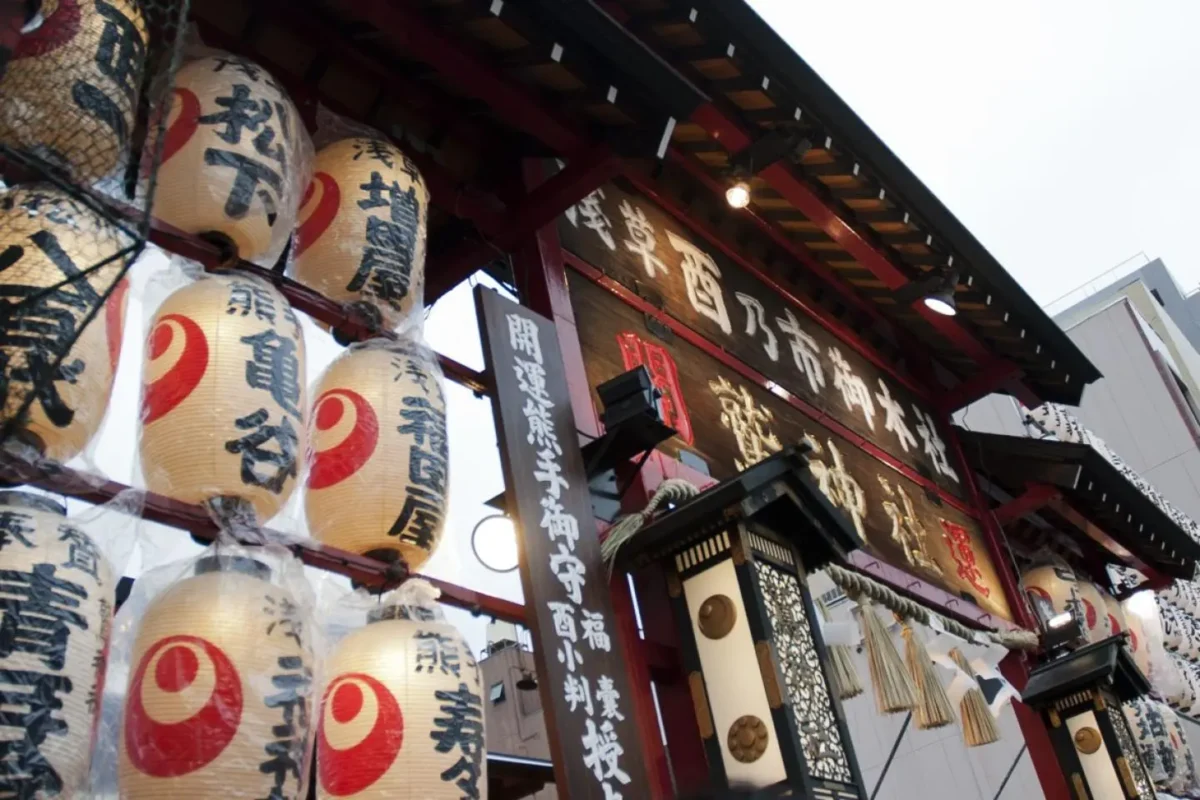
The main Tori-no-Ichi celebration takes place around Chokoku-ji Temple and Otori Shrine in Senzoku, Taito City, Tokyo.
Chokoku-ji Temple
3-19-6 Senzoku, Taito City, Tokyo
Chokoku-ji is one of the principal locations associated with the fair. The temple grounds and surrounding streets become filled with kumade stalls, visitors, religious activities and festival decorations.
Otori Shrine
3-18-7 Senzoku, Taito City, Tokyo
Otori Shrine is located directly beside Chokoku-ji and plays an important role in the religious traditions of Tori-no-Ichi. Visitors can include both sites in the same walking itinerary.
The close proximity of the temple and shrine is particularly interesting from a historical perspective because the two sites reflect the Buddhist and Shinto traditions that became formally separated during the Meiji period.
Full cultural programme
Tori-no-Ichi does not follow the format of a conventional modern festival with a single stage and a continuous entertainment schedule. Its programme is built around religious observances, traditional customs, market activity and cultural experiences.
Visitors can expect:
- Visits to Chokoku-ji Temple
- Visits to Otori Shrine
- Traditional prayers for prosperity and health
- Special Tori-no-Ichi religious services
- Kumade sales and demonstrations
- Traditional celebratory hand-clapping
- Ceremonial performances
- Lucky charms and religious objects
- Traditional food stalls
- Seasonal snacks and refreshments
- Historic festival customs
- Evening market activity
One of the cultural highlights is Washimai, or the traditional eagle dance associated with Otori Shrine. The shrine identifies Washimai as a form of kagura offering performed as part of its traditional programme.
The kumade market is another central cultural feature. Visitors can spend considerable time comparing designs and learning about the meanings of the different lucky symbols incorporated into the decorations.
Featured traditions & performances
The kumade tradition is the defining feature of Tori-no-Ichi. The word kumade means “bear’s paw,” although the traditional rake shape has also developed a strong symbolic association with gathering good fortune.
Kumade are decorated with numerous auspicious objects. Depending on the design, visitors may see:
- Japanese masks
- Gold coins
- Treasure bags
- Fans
- Rice bales
- Sea bream
- Cranes
- Turtles
- Daruma figures
- Other symbols of prosperity and longevity
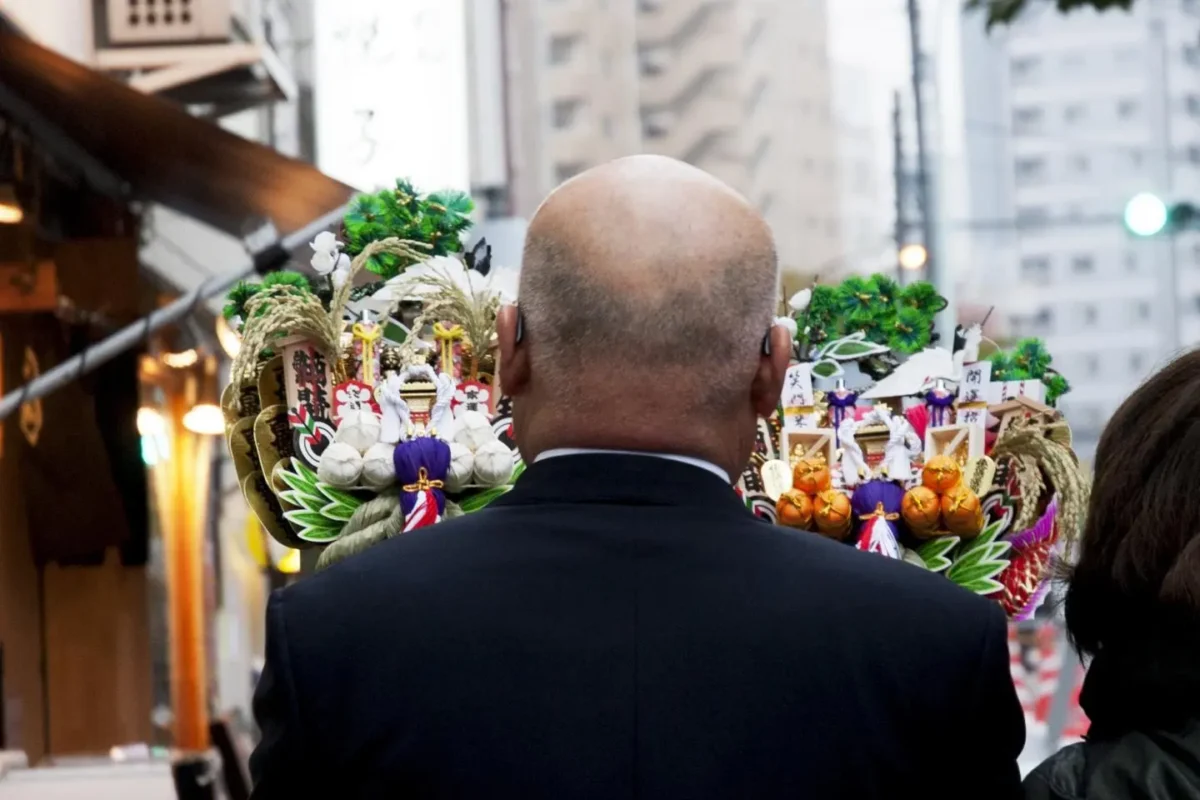
The designs can be highly elaborate, particularly those intended for businesses. Some companies and shop owners purchase large kumade to display prominently at their premises.
A traditional custom is to purchase a new kumade each year, often selecting one that is larger or more elaborate than the previous year’s rake. The idea reflects hopes for increasing prosperity.
The tejime hand-clapping ritual is another memorable part of the experience. When a customer completes a kumade purchase, merchants may lead a coordinated series of hand claps as a celebratory gesture.
Historical & heritage highlights
The roots of Tori-no-Ichi are closely connected with the history of Tokyo and the Edo period. Chokoku-ji Temple was established in 1630, making the site part of the city’s long religious heritage.
The festival tradition developed around the days of the rooster and became associated with prayers for prosperity, successful business and good fortune.
Otori Shrine’s traditions are connected with the worship of Otori-sama and the Japanese historical figure Yamato Takeru. The shrine’s historical account explains the development of its Tori-no-Ichi customs and their connection with the rooster days of November.
The relationship between Chokoku-ji and Otori Shrine is also significant. During the Meiji period, government policy separated Buddhist and Shinto institutions. Part of the Chokoku-ji complex subsequently became associated with Otori Shrine.
Today, visitors can see how these two traditions remain physically close while maintaining their distinct religious identities.
Events & activities schedule
The Tori-no-Ichi experience is best approached as a flexible cultural itinerary.
Temple and shrine visit
Begin with Chokoku-ji Temple and Otori Shrine. Take time to observe the architecture, religious atmosphere and festival decorations before entering the busiest market areas.
Prayer and worship
Visitors can participate in appropriate forms of worship and observe special ceremonies taking place during the festival.
Kumade browsing
Walk through the rows of kumade vendors and compare the different styles and decorations. Larger designs can be particularly elaborate.
Traditional customs
Watch merchants and customers participate in celebratory hand-clapping when kumade purchases are completed.
Food stalls
Explore the surrounding food stalls for traditional Japanese festival foods and seasonal snacks.
Evening festival atmosphere
The evening period provides a particularly atmospheric experience as the market stalls become illuminated and the number of visitors increases.
Ticket types & entry options
Tori-no-Ichi is primarily a traditional religious fair rather than a ticketed commercial festival. General entry to the public festival area is free, so visitors do not normally need to purchase an admission ticket.
Separate costs can apply to religious prayers, lucky charms, kumade and food or merchandise.
The official Otori Shrine information has listed special prayer services from ¥5,000, equivalent to approximately $32 USD using a rounded conversion. Visitors should check the latest official information because individual religious services and arrangements can change.
Kumade prices vary significantly depending on their size, craftsmanship and decorations. They are individually sold by participating vendors rather than through one standardized festival ticket system.
Guided tours & cultural experiences
A guided cultural walking tour can provide additional context for visitors unfamiliar with Japanese religious traditions.
A knowledgeable local guide can explain the difference between Buddhist and Shinto practices, the symbolism of kumade and the historical relationship between Chokoku-ji and Otori Shrine.
Visitors can also combine Tori-no-Ichi with a wider exploration of Asakusa. Nearby attractions include Senso-ji Temple, traditional shopping streets, historic neighborhoods and other cultural landmarks.
For independent travelers, one of the most rewarding activities is simply spending time examining the kumade designs. Each decoration can contain symbolic references to prosperity, happiness, longevity or protection.
Special ceremonies & celebrations
Religious ceremonies are an important part of the Tori-no-Ichi tradition. Otori Shrine conducts special prayers and ceremonial activities associated with the festival.
Washimai, the traditional eagle dance, is one of the notable ceremonial performances connected with the shrine. It is presented as a kagura offering and provides visitors with an opportunity to observe a traditional Japanese performance within a religious setting.
The festival’s traditional midnight beginning is also distinctive. Historically, the sound of drums marked the start of the Tori celebration, creating a dramatic opening to the festival period.
Visitors interested in participating in formal prayers should check the shrine’s current instructions before visiting, as reservation requirements and ceremony arrangements can vary.
Festival rules
Tori-no-Ichi takes place in a religious and residential neighborhood, so visitors should behave respectfully throughout the festival.
- Follow instructions from temple, shrine and security staff.
- Keep entrances and pedestrian routes clear.
- Avoid blocking walkways while taking photographs.
- Ask permission before closely photographing people.
- Respect visitors engaged in prayer.
- Do not touch religious objects without permission.
- Keep personal belongings secure in crowded areas.
- Follow temporary crowd-control systems.
- Dispose of rubbish responsibly.
- Observe any temporary photography or access restrictions.
The festival can become extremely crowded, especially around the most popular kumade stalls and religious areas. Visitors should be prepared for slow pedestrian movement during busy periods.
How to get there
Chokoku-ji Temple is located in Senzoku, Taito City, in the eastern part of central Tokyo.
Iriya Station and Minowa Station on the Tokyo Metro Hibiya Line are both convenient options, with Chokoku-ji approximately a 10-minute walk from the nearby stations.
Visitors already sightseeing in Asakusa can also reach the festival area on foot as part of a broader neighborhood itinerary.
Because festival crowds can extend into surrounding streets, walking from a nearby railway or subway station is generally more practical than trying to reach the temple entrance by car.
Public transport & parking
Public transportation is recommended for Tori-no-Ichi Festival 2026.
Minowa and Iriya stations on the Hibiya Line provide useful access to the festival area. Depending on your starting point in Tokyo, other rail and subway connections can be combined with walking.
Visitors should allow additional time for walking during the festival because streets around the temple and shrine can become heavily congested.
Parking is less convenient. The immediate area has limited parking availability, and festival traffic and pedestrian restrictions can make driving difficult. Visitors who need to travel by car should use an appropriate public parking facility farther from the busiest festival streets.
Accommodation areas
Asakusa
Asakusa is the most convenient area for visitors who want to combine Tori-no-Ichi with Tokyo’s traditional cultural attractions. Staying nearby also makes it easier to experience the festival during the evening.
Ueno
Ueno provides numerous accommodation choices and excellent rail connections. It is a practical base for visitors who want to explore both Ueno and Asakusa.
Akihabara
Akihabara offers convenient transportation and provides a contrast between Tokyo’s modern electronics and entertainment culture and the traditional atmosphere of Tori-no-Ichi.
Tokyo Station
The Tokyo Station area is useful for travelers prioritizing access to Shinkansen services and major railway connections, although reaching the festival area requires a longer journey.
Food & traditional specialties
Food stalls form an important part of the atmosphere surrounding Tori-no-Ichi. Visitors can expect a selection of Japanese festival foods, grilled snacks, sweets and seasonal refreshments.
Common festival-style choices may include:
- Yakisoba
- Takoyaki
- Grilled skewers
- Rice-based snacks
- Japanese sweets
- Seasonal treats
- Roasted foods
- Tea and other non-alcoholic drinks
The festival also has historical food traditions. Otori Shrine’s historical information refers to foods such as karamoimo, kurimochi and kirisansho in connection with the traditional celebration.
Food is best considered part of the wider cultural experience rather than the main focus. The religious traditions, kumade market and historic setting remain the central attractions.
Accessibility
Accessibility can be more challenging during Tori-no-Ichi than during a normal visit to the temple and shrine.
Temporary market stalls, narrow pedestrian routes and large crowds can reduce available space. Visitors using wheelchairs or mobility aids should allow additional time and consider visiting during a quieter period.
Historic religious sites may also have architectural features that limit step-free access. Travelers with specific accessibility requirements should check directly with the relevant venue before traveling.
Families with young children should also be aware that crowded evening periods can make movement with strollers difficult.
Best cultural experiences
The most meaningful way to experience Tori-no-Ichi is to look beyond the market and understand the symbolism behind the festival.
Begin by visiting both Chokoku-ji and Otori Shrine. Observing the different religious environments helps explain the historical development of the festival.
Next, spend time exploring the kumade stalls. Look carefully at the decorations and consider how different symbols represent prosperity, longevity, happiness and protection.
Watching the tejime hand-clapping custom is another worthwhile experience. The interaction between merchants and customers gives the festival an atmosphere that cannot be replicated through simply purchasing a souvenir.
For photographers, the evening provides particularly atmospheric scenes of illuminated stalls, traditional decorations and crowded streets. Visitors should remain considerate of worshippers and other festival-goers when taking photographs.
Previous year’s highlights
Recent editions of Tori-no-Ichi have continued to emphasize the traditional character of the Asakusa celebration.
The kumade market remains the festival’s most recognizable feature, with merchants displaying elaborate lucky rakes in a wide range of sizes and designs.
The religious programme at Otori Shrine is another recurring highlight, including special prayers and traditional ceremonial performances such as Washimai.
The festival atmosphere itself is also an important part of the experience. Vendors, visitors, worshippers and food stalls combine to create a lively traditional market environment around the historic temple and shrine.
The continuing popularity of the event demonstrates how an Edo-period custom remains part of contemporary Tokyo’s cultural calendar while retaining its traditional associations with prosperity and good fortune.
Official tickets
Tori-no-Ichi Festival 2026 does not normally require a general admission ticket. Visitors can enter the public festival area and experience the market, temple and shrine atmosphere without purchasing a festival pass.
Individual purchases, including kumade, food, charms and religious services, are separate.
https://en.japantravel.com/tokyo/tori-no-ichi/32903
Video
Location
FAQ
What is the primary purpose of purchasing a bamboo kumade rake during the festival?
Kumade rakes are traditional good-luck items purchased by business owners and individuals to symbolically rake in wealth, health, and business success for the coming year. Each decorative element, from gold coins to lucky masks, carries specific blessings meant to protect and grow commercial enterprises.
Why do people traditionally buy a larger rake every single year?
Upgrading to a progressively larger rake annually symbolizes steady business growth, expanding profits, and increasing professional success over time. Merchants view this custom as a tangible milestone tracker for their enterprise's financial health and continuous upward trajectory.
What is the significance of the hand-clapping pejime ritual at the market stalls?
The rhythmic hand-clapping ceremony seals the commercial transaction while invoking divine blessings and celebratory energy for the buyer's business venture. It creates a joyous public moment of shared encouragement between the merchant, the customer, and surrounding onlookers.
Are visitors required to pay any admission fees to enter the festival grounds?
General admission to the temple grounds, shrine courtyards, and open-air market fair is completely free for all members of the public. Attendees only pay if they choose to purchase food items, protective amulets, or handcrafted bamboo kumade rakes.
What is the best time of day to visit the Tori-no-Ichi fair to avoid massive crowds?
Visiting during the morning hours immediately after sunrise offers a significantly more relaxed atmosphere with shorter lines at the shrine altars. Peak congestion typically occurs during late afternoons, evenings, and right around midnight when corporate groups and business owners flood the venue.

Leave a Reply