
Waraji Odori, Live Music & Performances
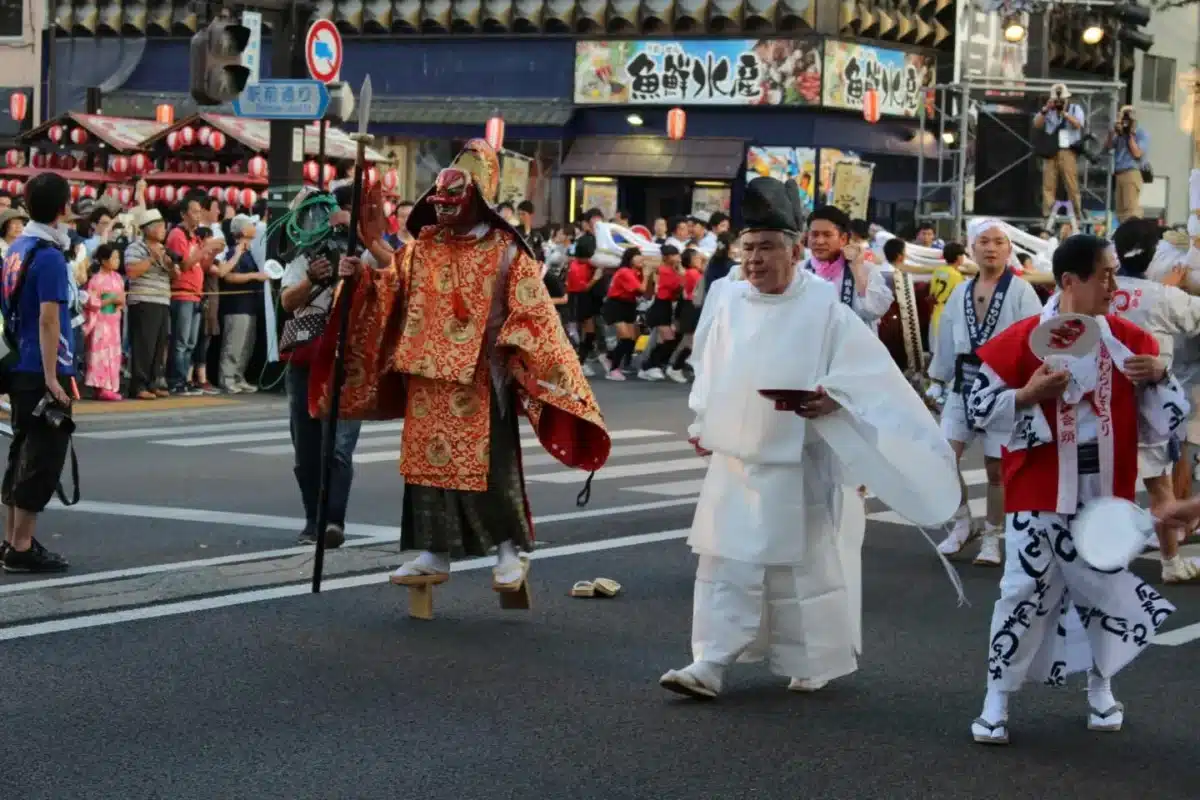
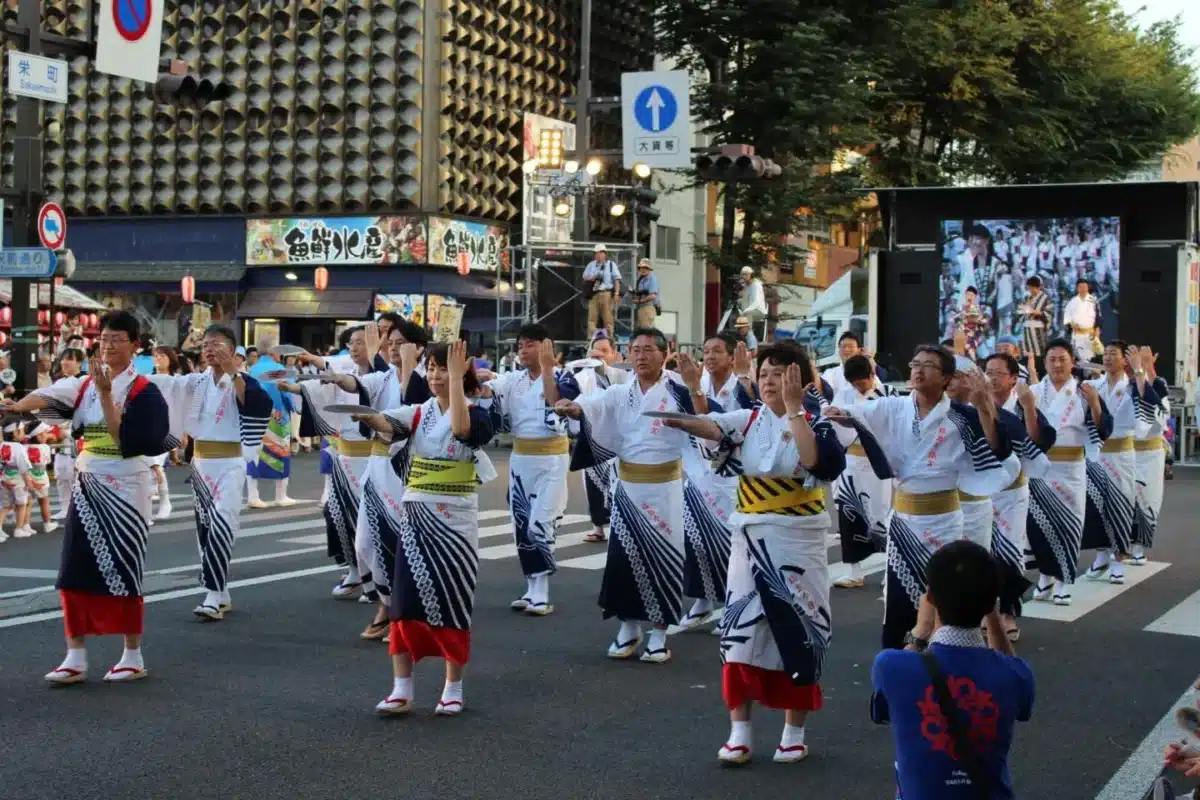
The musical landscape of the Fukushima Waraji Festival undergoes a fascinating transformation as the days progress, offering two distinct acoustic and cultural experiences. The initial days lean heavily into nostalgic traditional folk elements, featuring classic Showa-era melodies and the timeless “Waraji Ondo” theme song composed by legendary local musician Yuji Koseki. Dancers clad in colorful festival attire perform synchronized movements holding traditional rings known as waranowa, invoking the imagery of healthy and agile legs.
In stark contrast, the later days of the festival pivot toward contemporary energy, famously introducing reggae-style arrangements, hip-hop beats, and modern street dance battles. Known affectionately as “Dancing Soda Night,” this energetic reinvention invites crowds to let loose to upbeat, bass-heavy modern rhythms. The fusion of thunderous Japanese taiko drum ensembles with modern musical production creates an electric atmosphere that appeals to younger generations.
This dynamic programming ensures that spectators experience both the deep historical soul of Fukushima and its forward-looking creative spirit. Dance troupes of all ages practice for months to perfect their choreography, bringing an infectious enthusiasm to the asphalt streets. Whether watching graceful traditional formations or energetic modern street jams, the audience is swept up in the rhythm of the city.
Enjoy Your Event Stress-Free with Japan Travelo
Do you know? Planning events, festivals, concerts, and cultural experiences in Japan can be overwhelming. Japan Travelo brings everything together in one place, helping you manage your itinerary, transport, and accommodation with ease—so you can enjoy Japan without the stress of planning.
- Performance of traditional folk songs and the classic Waraji Ondo composed by celebrated composer Yuji Koseki
- Synchronized group dancing utilizing traditional waranowa rings to symbolize healthy steps and vitality
- Colorful, custom-designed festival costumes worn by participating community dance troupes
- High-energy transition into modern reggae, hip-hop, and contemporary dance styles on subsequent festival days
- Live musical accompaniment featuring powerful taiko drum ensembles driving the street performances
- Inclusive choreography designed so spectators of all ages and skill levels can easily join in
- Open street dance parties that transform urban asphalt into massive communal celebration zones
- Seamless blending of nostalgic retro melodies with cutting-edge modern musical arrangements
Date & Duration
- Event Date: Early August 2027 (Dates TBD)
- Event Duration: A multi-day summer cultural celebration spanning several vibrant days of parades, music, and traditional ceremonies
Visiting this event? Don’t miss out on these amazing activities and local experiences while you’re here.
Giant Waraji Parade & Dedication Ceremony
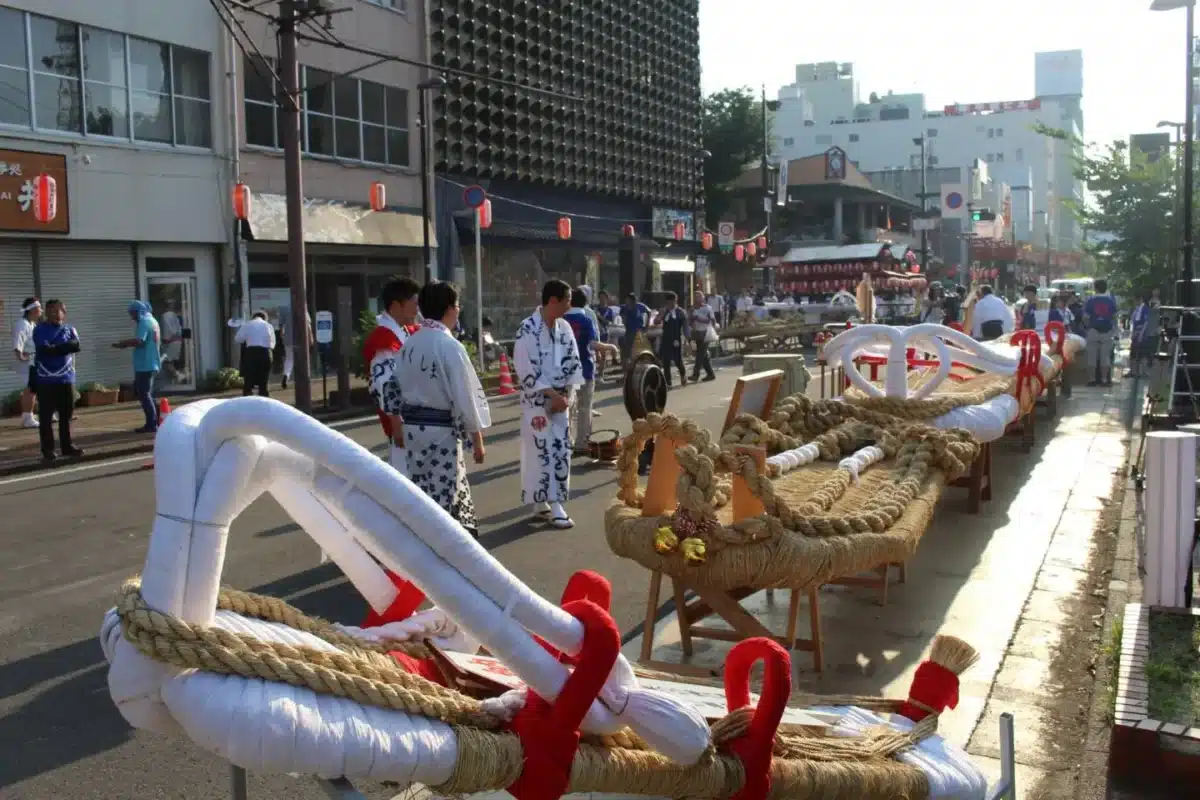
The absolute centrepiece of the festival is the colossal 12-meter-long, 2-ton giant straw sandal that is triumphantly hoisted down the main street to mark the parade’s grand opening. Supported by a spirited team of over a hundred strong pullers and carriers, the massive structure sways and surges through the crowds to the roar of cheering spectators. The sheer physical scale of the sandal makes it one of the most recognizable and awe-inspiring festival spectacles in all of Japan.
The parade route along Shinobu Street comes alive with dynamic energy as chanting carriers maneuver the giant footwear past densely packed rows of onlookers. Participants wear traditional happi coats and headband gear, driving the momentum forward with rhythmic shouts and coordinated team movements. This high-intensity procession creates an unforgettable visual climax that sets an exuberant tone for the rest of the multi-day event.
Following the dynamic street parades, formal religious protocols culminate in sacred dedication rites where the offering is formally linked to Haguro Shrine. While the grand summer festival displays the companion sandal during the street festivities, the complete spiritual cycle reinforces lifelong prayers for safe mobility. This seamless blend of boisterous street celebration and solemn mountain ritual encapsulates the rich dual nature of Japanese festival culture.
- Grand procession featuring a monumental 12-meter-long, 2-ton straw sandal hoisted proudly down the main avenue
- Coordinated teamwork by over a hundred dedicated participants pulling and guiding the massive structure through crowds
- Energetic chanting, traditional happi coats, and rhythmic coordination driving the momentum of the opening parade
- Thrilling street-level viewing opportunities along Shinobu Street for thousands of enthusiastic local and international spectators
- Formal religious dedication linkages directed toward the sacred mountain precincts of Haguro Shrine
- Striking visual contrasts between modern urban storefronts and ancient folkloric parade traditions
- Integration of vibrant banner displays, festive lanterns, and booming festival drum accompaniment
- Symbolic opening ceremonies that formally kick off the multi-day summer celebration with high community spirit
Ticket Information
- How Tickets Are Sold: General viewing along public street parade routes and open park areas requires no tickets or advance registration.
- Admission Type: Free Admission for public street access, parade viewing, and open festival zones
- Ticket Pricing: Free Admission ($0.00 USD) for all general outdoor events, with food, drinks, and optional festival merchandise purchased independently from individual vendors ranging from $2.00 USD to $10.00 USD.
- Special Seating Options: Open standing zones along National Route 13 and unreserved viewing areas around Machinaka Park.
- VIP Options: None offered, as this community-focused summer festival welcomes all local residents and visitors equally under traditional open-access custom.
Venue / Location
- City and Country: Fukushima City, Fukushima, Japan
- Venue Name: Machinaka Park and Shinobu Street (National Route 13)
- Google Maps Address: 6 Otamachi, Fukushima, 960-8034, Japan
Cultural Significance & Waraji Traditions
The waraji straw sandal holds a profound symbolic place in Japanese folklore, traditionally representing physical endurance, protection for travelers, and strong, healthy legs. By dedicating an enormous version of this everyday footwear to Haguro Shrine, participants offer prayers for safe journeys, accident prevention, and overall physical vitality. The ritualistic creation and transportation of the sandal bridge practical agrarian gratitude with spiritual aspiration, honoring the mountainous landscape that cradles the city.
Mount Shinobu itself is deeply woven into regional mythology and modern culture, famously serving as the inspirational landscape for the opening sequence of the beloved animated film My Neighbour Totoro. This whimsical connection adds an extra layer of enchantment for travelers exploring the shrines and wooded paths north of the urban center. The festival acts as a living bridge, connecting ancient mountain asceticism with contemporary pop-culture curiosity.
During the festival days, miniature waraji crafts, decorative amulets, and artistic interpretations created by local school children and citizens are displayed extensively across public spaces. These community contributions emphasize that the festival belongs to everyone, encouraging collective participation rather than passive observation. Through shared songs, dances, and artistic displays, the culture of the waraji is lovingly preserved and transmitted year after year.
- Highlights the traditional Japanese cultural appreciation for footwear as a guardian amulet for travelers and pilgrims
- Connects modern urban celebrations directly with sacred Shinto rites practiced at historic Mount Shinobu shrines
- Celebrates the legendary local geography that inspired world-famous creative works like My Neighbour Totoro
- Promotes community health, safety, and longevity through symbolic offerings dedicated to mountain deities
- Showcases intricate folk craftsmanship through public exhibitions of hand-woven straw sandals and artistic student entries
- Reinforces local pride by engaging citizens of all ages in traditional song composition and folk dance routines
- Maintains sacred ritual ties with Haguro Shrine through formal seasonal dedication ceremonies
- Inspires cross-cultural artistic exchanges by blending traditional taiko drumming with modern musical genres
Contact Information
- Phone Number: +81 24-536-5511
- Website: https://www.waraji.co.jp/en/
Festival Background & History
Named after the traditional waraji straw sandals, Fukushima’s annual festival to mark the summer kicks off in early August. While you therefore understandably might see a lot of straw sandals on display, the centrepiece is the 12 m long, 2 ton giant version hoisted down the street to mark the parade’s opening. This huge waraji is traditionally seen as a symbol of safe travelling and walking, and is dedicated at Haguro Shrine on Mt Shinobu to the north of the city. Festivities continue for two days, with a number of events planned for visitors to enjoy, including a reggae-style parade taking over on the second day – in stark contrast to the first day.
- Traces its historical roots back over 400 years to the traditional Akatsuki-mairi winter procession held at Mount Shinobu
- Established in its current summer format in 1970 to foster community spirit and regional tourism in Fukushima City
- Evolved from a solemn religious rite into one of the largest and most vibrant summer festivals in the Tohoku region
- Celebrates the symbolic importance of walking safety, healthy legs, and safe journeys through giant footwear motifs
- Incorporates massive community-driven craftsmanship involving dozens of local volunteers to weave the colossal straw sandals
- Features continuous artistic updates, including modern dance choreography and multi-genre musical performances introduced in recent years
- Operates in close coordination with municipal associations, neighborhood groups, and shrine administrators
- Serves as an essential cultural anchor that defines the summer identity of Fukushima Prefecture
Traditional Activities & Visitor Participation
Beyond watching the parades and musical performances, the festival actively invites visitors to roll up their sleeves and participate directly in hands-on cultural workshops. One of the most popular interactive events is the straw sandal weaving workshop, where visitors can learn traditional crafting techniques to make their own miniature waraji to take home as a souvenir. These sessions are guided by local artisans who patiently share the intricate skills required to twist and braid natural straw fibers.
Travelers can also join public dance circles during open-participation segments, where friendly local instructors teach the simple steps of the Waraji Odori. Participating in these dances breaks down any remaining barriers between tourists and residents, creating a warm, welcoming environment of shared joy. It transforms a standard sightseeing trip into an immersive cultural collaboration.
- Hands-on waraji weaving workshops teaching participants how to craft miniature straw sandals
- Open-participation dance sessions inviting travelers to learn standard Waraji Odori choreography alongside locals
- Interactive folk art displays showcasing creative entries submitted by the general public
- Bustling street food alleys offering regional Fukushima culinary specialties and refreshing summer beverages
- Family-friendly game stalls and community interaction hubs located near Machinaka Park
- Opportunities to converse with local artisans, historians, and festival organizers
- Souvenir shopping featuring festival-themed memorabilia, local crafts, and protective talismans
- Communal photo-opportunity zones set up alongside artistic festival displays and decorative lanterns
Video
Location
FAQ
What is the main historical inspiration behind the giant straw sandal festival in Fukushima?
The festival traces its origins back 400 years to the ancient Akatsuki-mairi winter procession held at Mount Shinobu. It was created to celebrate community vitality and invoke safe traveling blessings through giant footwear offerings.
Are visitors allowed to participate directly in the street dances and community workshops?
Travelers are warmly encouraged to join open-participation dance sessions and sign up for traditional straw sandal weaving workshops. Local instructors provide friendly guidance so people of all skill levels can easily join the fun.
Do visitors need to purchase tickets to watch the street parades and evening events?
General public access to street viewing areas, park grounds, and parade routes is entirely free of charge. Attendees only pay out-of-pocket costs if they choose to purchase food, drinks, or festival merchandise from vendors.
What is the difference between the entertainment featured on the first day versus later days?
The opening days highlight traditional Showa-era folk songs and classic Japanese dance routines accompanied by taiko drums. Later days shift toward high-energy modern music, including reggae-style arrangements, hip-hop beats, and contemporary street dance parties.
What is the most convenient way to travel to the festival venue from major transit hubs?
The festival takes place along central streets and park areas that are located just a short five-minute walk from JR Fukushima Station. High-speed Tohoku Shinkansen trains connect travelers directly from Tokyo to Fukushima Station in under two hours.

Leave a Reply