
What to expect in 2027
Fukushima Waraji Festival 2027 is one of Fukushima City’s most distinctive summer cultural celebrations, centered on the enormous Waraji, or traditional Japanese straw sandal. The festival combines a spectacular parade, music, dancing, taiko performances and community celebrations, creating a lively introduction to the history and traditions of Fukushima Prefecture.
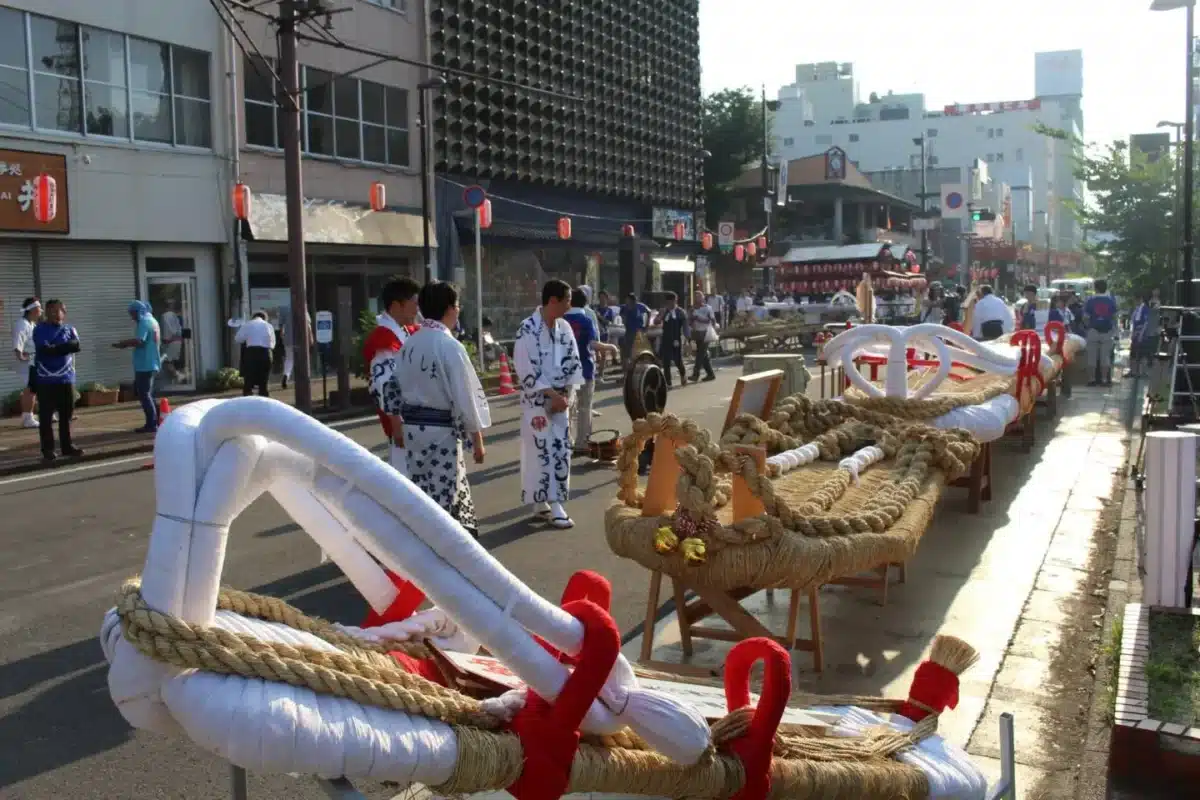
The festival takes place in early August and is particularly famous for the enormous straw sandal carried through the city. The giant Waraji represents a traditional form of footwear and is associated with prayers for strong feet, safe journeys and good health.
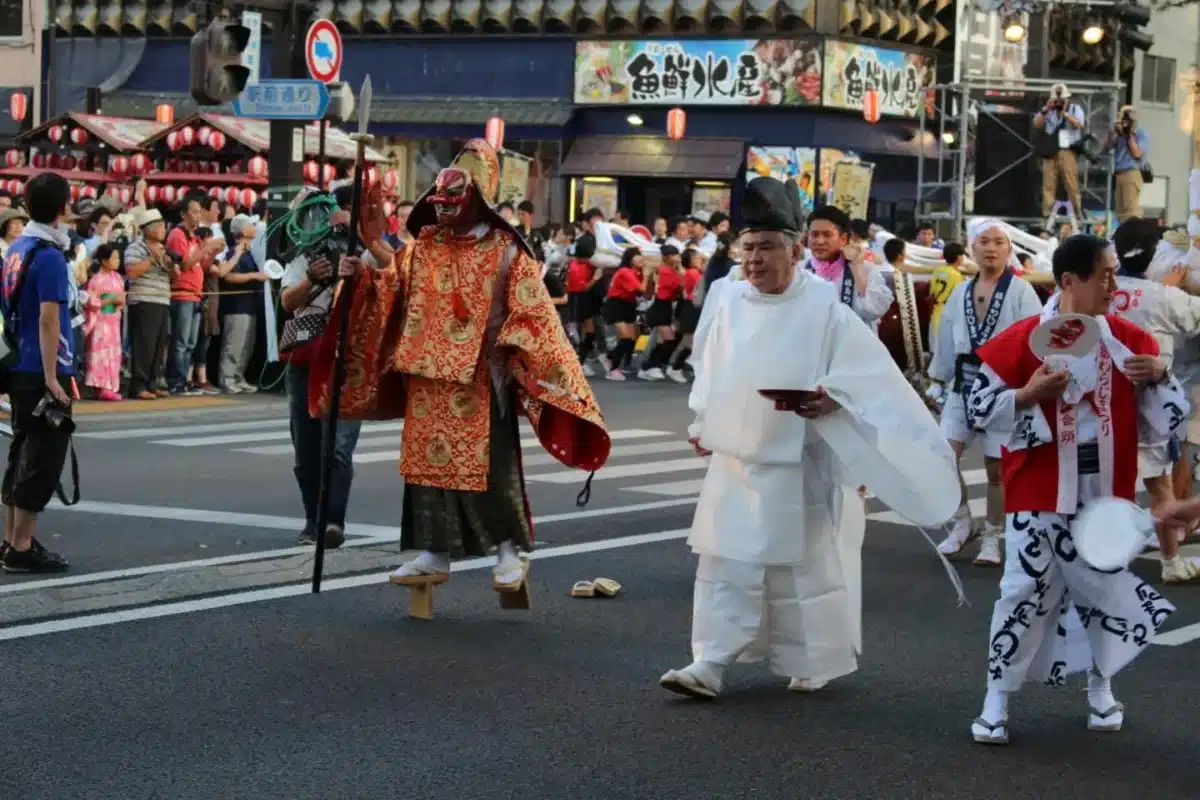
The centerpiece of the celebration is the Waraji Festival parade, when the huge straw sandal is carried through the streets accompanied by dancers, musicians and festival participants. The scale of the Waraji is one of the event’s most memorable features.
Enjoy Your Event Stress-Free with Japan Travelo
Do you know? Planning events, festivals, concerts, and cultural experiences in Japan can be overwhelming. Japan Travelo brings everything together in one place, helping you manage your itinerary, transport, and accommodation with ease—so you can enjoy Japan without the stress of planning.
Visitors can expect a mixture of traditional Japanese culture and modern festival entertainment. In addition to the giant straw sandal, the programme can feature traditional dancing, taiko drumming, musical performances and energetic group participation.
The festival has developed into a major summer event for Fukushima City while retaining its connection with local customs and regional identity. The atmosphere is lively, communal and highly visual, making it suitable for visitors interested in Japanese matsuri traditions.
Evening is generally the most atmospheric period, when the festival streets become busy with performers, spectators and illuminated floats or festival installations.
Event dates
Fukushima Waraji Festival 2027 is expected to take place in early August 2027, with the exact dates to be confirmed.
The festival traditionally takes place during the summer matsuri season and is organized around a programme of parades, performances and cultural activities.
Important planning information includes:
- Year: 2027
- Season: Early August
- Exact dates: To be announced
- Location: Fukushima City, Fukushima Prefecture, Japan
- Festival type: Traditional Japanese summer festival
- Main attraction: Giant Waraji straw sandal
Visitors should confirm the final 2027 schedule before booking accommodation or transportation.
Visiting this event? Don’t miss out on these amazing activities and local experiences while you’re here.
Venues & festival locations
The Fukushima Waraji Festival takes place primarily in central Fukushima City, with the main activities traditionally concentrated around the city’s major streets and public festival spaces.
The parade route is particularly important because the giant Waraji is carried through the city rather than remaining permanently at one venue.
Central Fukushima provides the most convenient base for visitors because it offers access to the main festival streets, railway station, hotels and restaurants.
Festival locations may include:
- Central Fukushima streets
- Main parade routes
- Festival stages
- Public squares
- Temporary performance areas
- Areas surrounding Fukushima Station
The exact 2027 parade route and stage locations should be confirmed when the official programme is published.
Visitors should allow time to move between viewing areas because streets may be crowded during the main parade.
Full cultural programme
The cultural programme centers on the giant Waraji and the traditions associated with it.
The festival’s main event is the procession of the enormous straw sandal through Fukushima’s streets. Participants carry the Waraji while performers and dancers create a lively procession around it.
The programme can include:
- Giant Waraji parade
- Traditional Japanese dancing
- Taiko drumming
- Musical performances
- Group dancing
- Festival processions
- Community performances
- Stage entertainment
- Cultural demonstrations
The festival combines traditional and contemporary elements, allowing visitors to see how a local folk tradition has developed into a large public celebration.
The Waraji itself is the most important cultural symbol. Traditional straw sandals were once essential footwear in Japan, and the giant version used at the festival gives the historic object a spectacular public role.
Featured traditions & performances
The giant Waraji is the defining tradition of the festival.
The enormous straw sandal is constructed from rice straw and is carried through the city as part of the main parade. Its impressive size makes it immediately recognizable and provides the festival with its name and identity.
The festival also features energetic group dancing.
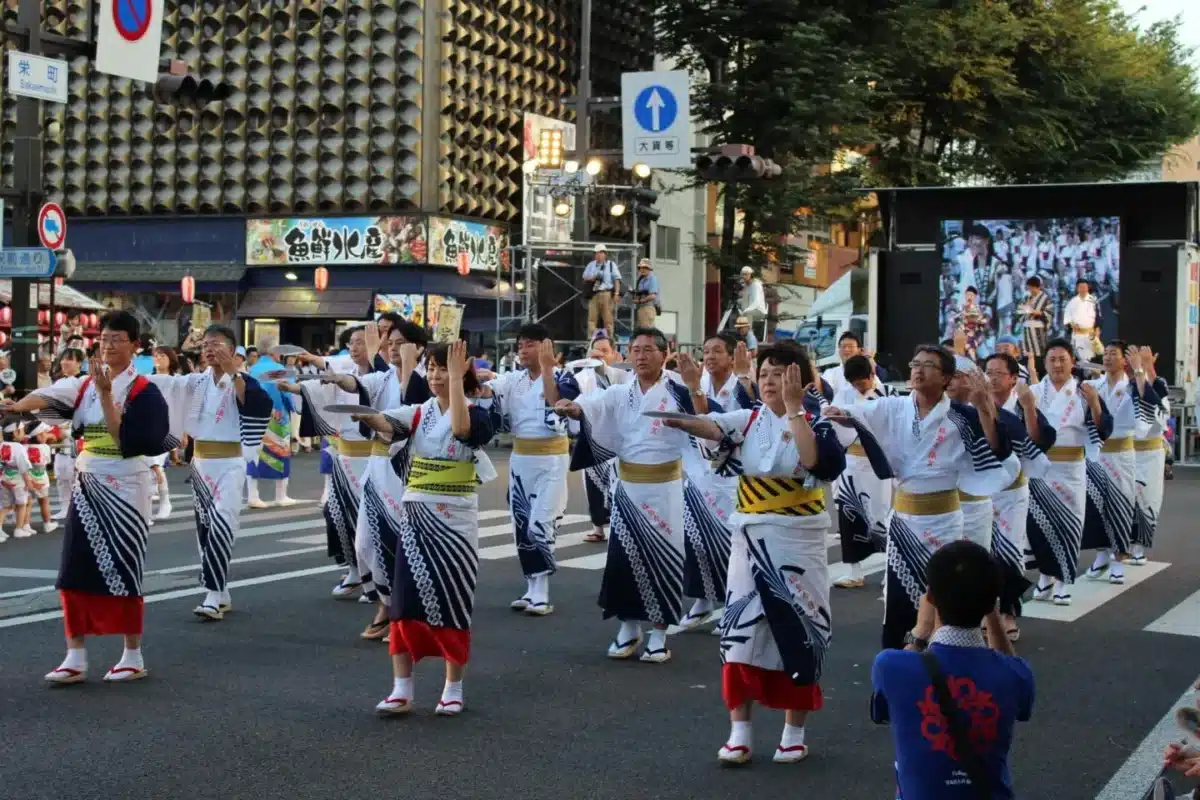
Dancers move alongside the Waraji procession while musicians and drummers contribute to the atmosphere. Taiko performances can provide some of the most powerful moments of the programme, combining rhythmic drumming with the movement of the parade.
Traditional Japanese festival music and dancing are also important components.
Visitors can expect:
- Waraji procession
- Taiko performances
- Traditional dance
- Festival music
- Group participation
- Local cultural performances
The exact performers and programme for 2027 should be confirmed by the organizers.
Historical & heritage highlights
The Fukushima Waraji Festival has its roots in local traditions surrounding straw sandals and prayers for safe travel and strong feet.
The Waraji is traditionally associated with footwear used by travelers, workers and pilgrims in Japan. A giant Waraji therefore has symbolic connections with journeys, health and protection.
The festival’s giant sandal is particularly associated with Fukushima’s local identity.
The tradition demonstrates how an everyday object can become a major cultural symbol. Instead of simply preserving an old custom in a museum, the festival brings the Waraji into the streets through a large public celebration.
For visitors, the festival provides an opportunity to explore a distinctive aspect of Japanese folk culture that differs from more widely known traditions such as lantern festivals or shrine processions.
The event also demonstrates the importance of community participation in Japanese matsuri culture, with local dancers, musicians and residents contributing to the festival atmosphere.
Events & activities schedule
The detailed 2027 schedule will be announced by the organizers closer to the festival.
The traditional festival format generally includes daytime cultural activities followed by major performances and parade events.
Festival preparation
Visitors may see festival streets and public areas being prepared for the main programme.
Cultural performances
Traditional music, dancing and taiko performances can form part of the public programme.
Waraji procession
The giant straw sandal is carried through the city as the centerpiece of the festival.
Evening entertainment
The evening can provide the most energetic atmosphere, with dancing, music and festival crowds continuing around the main event areas.
Because schedules and performance times can change each year, visitors should consult the official 2027 programme before planning around individual performances.
Ticket types & entry options
The Fukushima Waraji Festival is primarily a public city festival rather than a conventionally ticketed event.
Many of the main outdoor festival activities can be viewed without purchasing a general admission ticket.
There is therefore generally no standard festival ticket system comparable to a concert with multiple admission tiers.
Visitors may still spend money on:
- Food and drinks
- Souvenirs
- Transportation
- Accommodation
- Optional activities
- Independently operated experiences
No standard 2027 admission price has been announced. Previous editions have included substantial free public viewing areas, so there is no reliable standard admission price that needs to be converted into dollars.
If reserved seating or special paid experiences are introduced for 2027, visitors should check the official festival information for details.
Guided tours & cultural experiences
A guided tour is not required to enjoy the main festival.
Independent visitors can watch the parade, explore central Fukushima and observe the performances from public areas.
A local guide can nevertheless provide additional cultural context, particularly for travelers who want to understand the meaning of the Waraji and its connection with Japanese folk traditions.
Possible cultural experiences include:
- Learning about traditional Japanese straw sandals
- Understanding the symbolism of the giant Waraji
- Watching taiko performances
- Observing traditional festival dancing
- Exploring Fukushima City
- Sampling regional cuisine
- Learning about local matsuri customs
Visitors interested in photography may also benefit from choosing a location along the parade route before the main procession begins.
Special ceremonies & celebrations
The giant Waraji procession is the central ceremonial and celebratory feature.
The enormous sandal is carried through the streets as participants celebrate the tradition and the local identity associated with it.
The Waraji’s symbolism includes prayers and hopes connected with strong feet, good health and safe journeys. This gives the parade more cultural meaning than a simple decorative procession.
Traditional dancing and music accompany the movement of the Waraji, creating a strong sense of community participation.
The event is also a celebration of Fukushima’s regional culture. Local performers and residents contribute to the festival, allowing visitors to see the tradition in a living community setting.
The exact ceremonial elements included in the 2027 programme should be confirmed once the official schedule is released.
Festival rules
Visitors should follow the instructions of festival organizers, local authorities, police and volunteers.
Important considerations include:
- Follow pedestrian and crowd-control instructions.
- Do not enter restricted parade areas.
- Do not touch the Waraji unless specifically permitted.
- Avoid obstructing performers or procession participants.
- Keep emergency routes clear.
- Follow photography instructions.
- Dispose of rubbish properly.
- Keep valuables secure in crowded areas.
- Supervise children near busy streets.
- Follow temporary road closures and traffic controls.
Because the festival takes place during summer, visitors should also prepare for heat and humidity.
Drinking water regularly, taking breaks and using sun protection can make an extended festival visit more comfortable.
How to get there
Fukushima City is located in Fukushima Prefecture and has excellent rail connections.
The main gateway is Fukushima Station, which is served by the Tohoku Shinkansen as well as conventional JR services.
Travelers from Tokyo can reach Fukushima by Shinkansen, making the festival practical as either a dedicated trip or part of a wider Tohoku itinerary.
Once at Fukushima Station, many central festival locations can be reached on foot.
The city-center setting means visitors generally do not need a car to experience the main programme.
Travelers should check the official festival map before arrival because temporary parade routes and pedestrian restrictions can affect normal walking routes.
Public transport & parking
Public transportation is recommended during the festival.
Fukushima Station provides convenient access from Tokyo and other major cities in the Tohoku region.
During the festival, roads around the parade route may be closed or subject to temporary restrictions. Driving directly into the busiest central areas can therefore be inconvenient.
Visitors using a car should consider parking outside the main festival zone and continuing on foot or by public transportation.
Important considerations include:
- Temporary road closures
- Heavy pedestrian traffic
- Limited central parking
- Crowded streets
- Restricted vehicle access
- Increased demand for public transport
Visitors staying near Fukushima Station can usually avoid many of these complications by walking to the festival areas.
Accommodation areas
Fukushima Station is the most convenient accommodation base for many visitors.
Fukushima Station area
Hotels around the station provide easy access to central festival locations, restaurants and railway connections.
Central Fukushima
Staying in the city center places visitors closer to the parade and evening entertainment.
Iizaka Onsen
Travelers looking for a traditional hot-spring experience can consider the Iizaka Onsen area, which is accessible from Fukushima and provides a different atmosphere from central city accommodation.
Nearby Fukushima Prefecture destinations
Visitors with longer itineraries can also stay elsewhere in the prefecture and travel into Fukushima City for the festival.
Accommodation can become busy during major summer festivals, so booking early is advisable once the 2027 programme is confirmed.
Food & traditional specialties
Food is an important part of the wider Fukushima festival experience.
During the festival, visitors may encounter temporary food stalls serving Japanese street-food favorites and regional specialties.
Possible festival foods include:
- Yakisoba
- Takoyaki
- Yakitori
- Okonomiyaki
- Grilled foods
- Japanese sweets
- Shaved ice
- Regional Fukushima dishes
- Cold and refreshing summer drinks
Fukushima Prefecture is also known for agricultural products, including fruit. Depending on the season and local availability, visitors may encounter peaches and other locally grown produce.
The festival provides an opportunity to combine traditional cultural activities with casual Japanese summer festival food.
Visitors should also explore restaurants in central Fukushima for a broader experience of local cuisine.
Accessibility
The festival is held primarily in outdoor public areas, including city streets and temporary event spaces.
Most central areas can be accessed from Fukushima Station, but large crowds and temporary road closures may make movement more difficult during the main parade.
Visitors with mobility requirements should plan their viewing location in advance and avoid narrow or heavily congested areas where possible.
Important considerations include:
- Crowded streets
- Temporary barriers
- Uneven surfaces
- Long periods of standing
- Summer heat
- Limited seating in some viewing areas
Visitors who require accessible facilities should confirm current arrangements with the organizers or Fukushima tourism authorities before traveling.
Best cultural experiences
The best way to experience the festival is to focus on the traditions behind the spectacle.
See the giant Waraji
The enormous straw sandal is the central symbol and the most important attraction.
Watch the main procession
Find a safe position along the official parade route and watch the Waraji move through the city accompanied by dancers and musicians.
Experience taiko performances
Japanese taiko drumming provides a powerful connection with traditional festival performance.
Watch traditional dancing
Festival dancers demonstrate the community participation that is central to Japanese matsuri culture.
Explore Fukushima
Use the festival as an opportunity to experience the city and wider Fukushima region.
Try local food
Sample Japanese festival street food and regional Fukushima specialties during your visit.
Previous year’s highlights
Previous editions of the Fukushima Waraji Festival have been centered on the enormous straw sandal and its procession through the city.
The giant Waraji provides the festival with its instantly recognizable identity and creates a spectacular focal point for the parade.
Traditional dancing, music and taiko performances have added movement and energy to the procession, while local participants and visitors have contributed to the lively summer atmosphere.
The festival’s appeal extends beyond the giant sandal itself. It provides an opportunity to experience a regional Japanese matsuri in which an everyday traditional object has been transformed into a powerful cultural symbol.
Previous festival experiences have also included food stalls, community activities and entertainment around the central event areas.
The precise 2027 performers, programme and parade arrangements may differ from previous editions, so visitors should consult the latest official information when the programme is announced.
Official tickets
The Fukushima Waraji Festival is primarily a public cultural festival, and the main outdoor festival experience does not normally require a conventional admission ticket.
For 2027, visitors should rely on official festival information for the latest programme, parade route, event times, transportation arrangements and any special paid experiences.
The Japan Travel page provides useful background information about the festival:
https://en.japantravel.com/fukushima/waraji-festival/32105
Visitors should also check Fukushima City’s official tourism information before traveling, particularly for the final 2027 programme and any changes to event arrangements.
Video
Location
FAQ
What is the main historical inspiration behind the giant straw sandal festival in Fukushima?
The festival traces its origins back 400 years to the ancient Akatsuki-mairi winter procession held at Mount Shinobu. It was created to celebrate community vitality and invoke safe traveling blessings through giant footwear offerings.
Are visitors allowed to participate directly in the street dances and community workshops?
Travelers are warmly encouraged to join open-participation dance sessions and sign up for traditional straw sandal weaving workshops. Local instructors provide friendly guidance so people of all skill levels can easily join the fun.
Do visitors need to purchase tickets to watch the street parades and evening events?
General public access to street viewing areas, park grounds, and parade routes is entirely free of charge. Attendees only pay out-of-pocket costs if they choose to purchase food, drinks, or festival merchandise from vendors.
What is the difference between the entertainment featured on the first day versus later days?
The opening days highlight traditional Showa-era folk songs and classic Japanese dance routines accompanied by taiko drums. Later days shift toward high-energy modern music, including reggae-style arrangements, hip-hop beats, and contemporary street dance parties.
What is the most convenient way to travel to the festival venue from major transit hubs?
The festival takes place along central streets and park areas that are located just a short five-minute walk from JR Fukushima Station. High-speed Tohoku Shinkansen trains connect travelers directly from Tokyo to Fukushima Station in under two hours.

Leave a Reply