
What to expect in 2027
Tsushima no Miya Festival 2027 is one of Kagawa Prefecture’s most distinctive summer shrine festivals, centered on Tsushima Shrine in Mitoyo City. The event is unusual because the shrine’s main sanctuary sits on a tiny offshore island that is normally inaccessible to visitors. During the annual summer festival, a temporary bridge is opened, allowing worshippers to walk across the water to the island and pray at the shrine.
Tsushima Shrine is traditionally regarded as a guardian deity for children’s health, safety and healthy development. Families make the journey to the island specifically to pray for their children, making the festival particularly important for parents and grandparents. The shrine describes the bridge as the “Shiawase Bridge,” or Happiness Bridge, reflecting the belief that crossing it brings happiness to children, young couples and families.
The festival attracts around 10,000 visitors according to Japan Travel, while the shrine itself describes attendance during the two-day opening as reaching around 100,000 worshippers in some years.
Enjoy Your Event Stress-Free with Japan Travelo
Do you know? Planning events, festivals, concerts, and cultural experiences in Japan can be overwhelming. Japan Travelo brings everything together in one place, helping you manage your itinerary, transport, and accommodation with ease—so you can enjoy Japan without the stress of planning.
Visitors can expect a combination of:
- Island shrine pilgrimage: Walk across the temporary bridge to the island sanctuary.
- Children’s prayers: Families visit to pray for children’s health and growth.
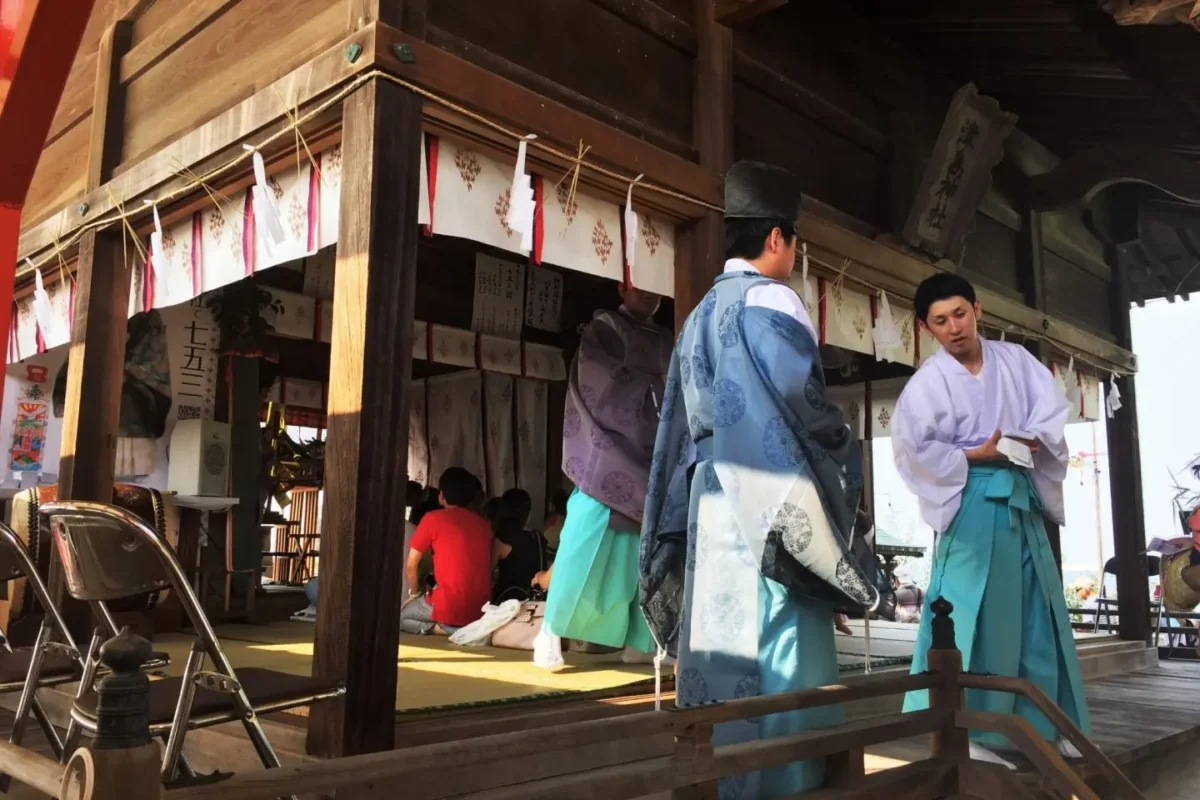
- Traditional shrine ceremonies: Worship, purification and formal offerings take place throughout the festival.
- Festival performances: Traditional dances, martial-arts demonstrations, lion dancing, mikoshi processions and other performances are part of the wider programme.
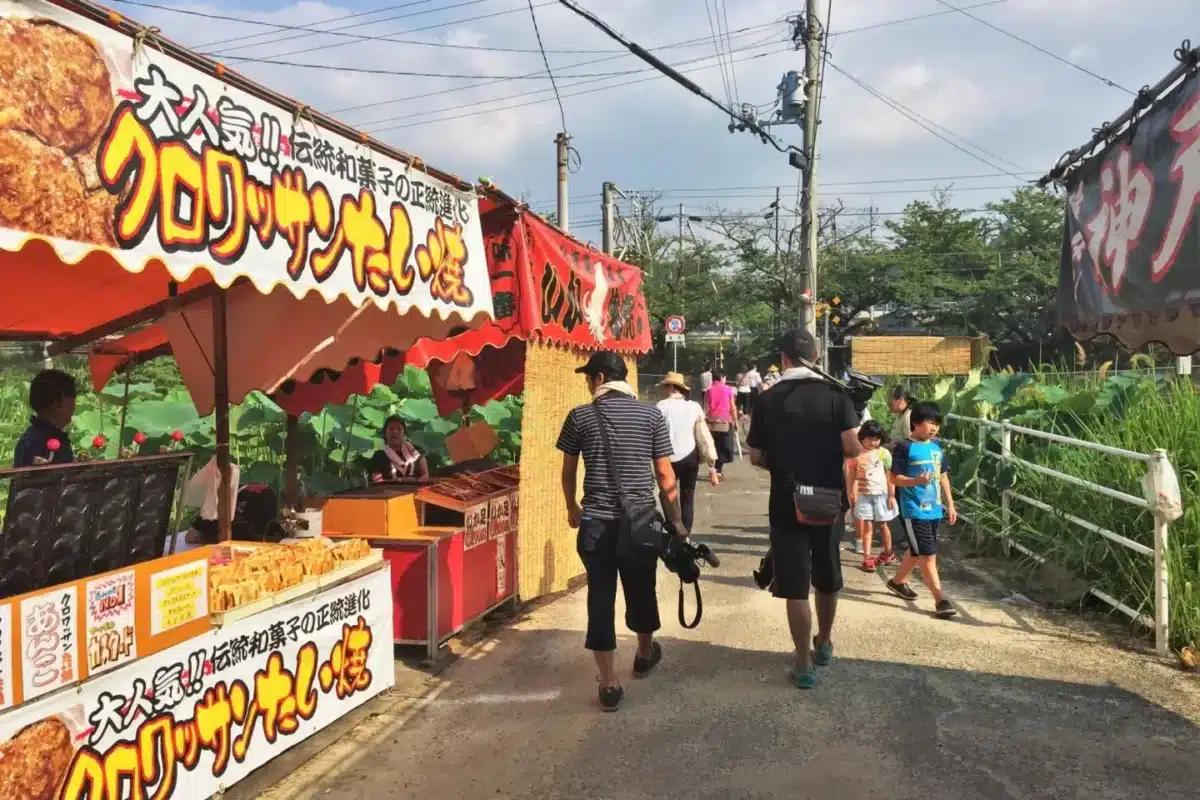
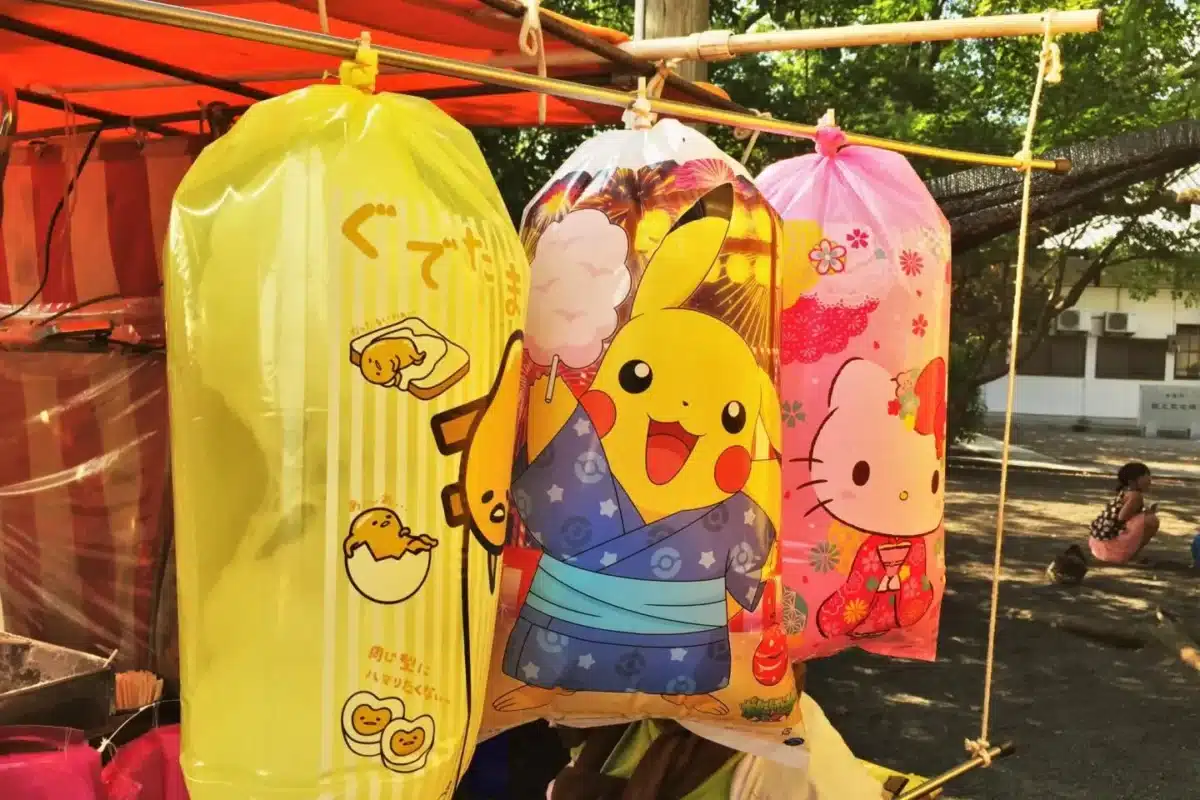
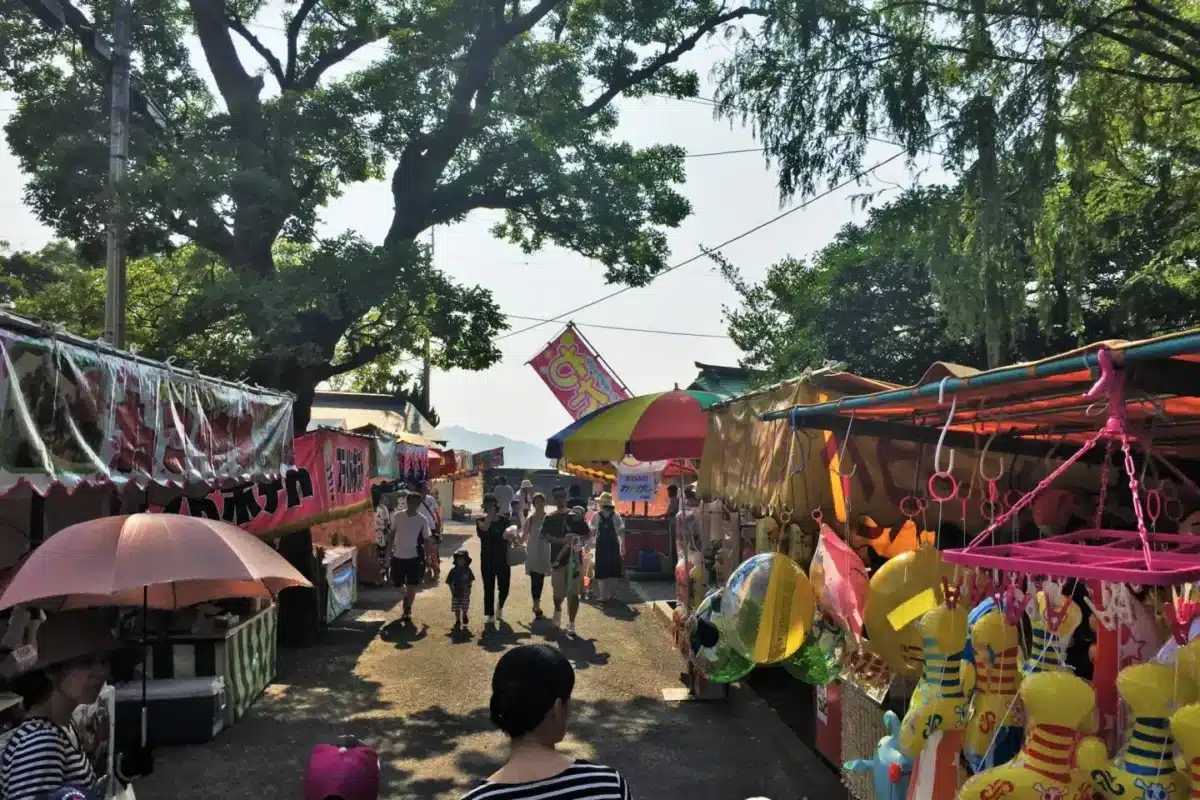
- Festival stalls: Food, drinks, games and souvenirs line the mainland approach.
- Fireworks: A major evening fireworks display provides one of the festival’s most spectacular moments.
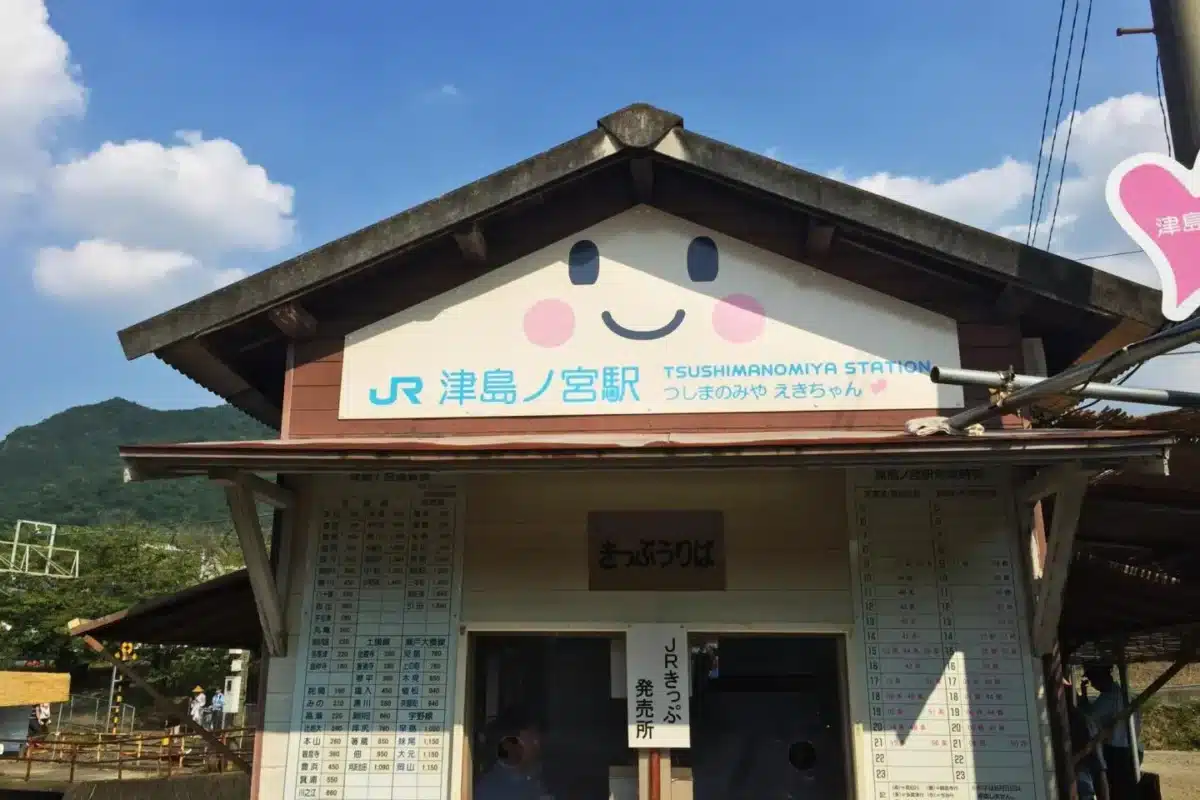
- Seasonal railway experience: Tsushimanomiya Station on the JR Yosan Line opens only for the festival period, making it a popular destination for railway enthusiasts.
- Nighttime atmosphere: Illuminated festival areas and the bridge create a particularly atmospheric scene after sunset.
The combination of a rare island pilgrimage, family-centered prayers, temporary railway service, food stalls and fireworks gives the festival a character unlike a conventional Japanese summer matsuri.
Event dates
Tsushima no Miya Festival 2027 is listed for Early August 2027 (Dates TBD).
Japan Travel currently lists the 2027 event as a two-day festival in early August and states that the official dates have not yet been confirmed.
The festival traditionally takes place during the shrine’s annual summer grand festival period. The bridge is installed only for this special occasion, and the temporary Tsushimanomiya railway station also operates during the festival.
The exact 2027 schedule should be confirmed by Tsushima Shrine before travel. Visitors should particularly check the opening hours for the bridge, prayer services, fireworks, temporary station and any traffic-control arrangements.
Visiting this event? Don’t miss out on these amazing activities and local experiences while you’re here.
Venues & festival locations
The principal venue is Tsushima Shrine, located in Mino-cho, Mitoyo City, Kagawa Prefecture.
Tsushima Shrine
6816-2 Omi Ko, Mino-cho
Mitoyo, Kagawa 767-0031
Japan
The shrine’s main sanctuary is located on a small island approximately 250 metres offshore. Normally, the bridge connecting the mainland and island does not have its walking boards installed, meaning visitors cannot simply cross to the sanctuary throughout the year. During the summer festival, the bridge is prepared specifically for worshippers.
Important festival locations include:
- Tsushima Shrine mainland worship area
- Tsushima Island and the main sanctuary
- Tsushima Bridge, also known as the Shiawase Bridge
- Mainland festival street
- Festival food-stall area
- Fireworks viewing areas
- Tsushimanomiya Station
- Nearby coastal areas
The bridge itself is one of the festival’s principal attractions. It creates a temporary connection between the mainland and the otherwise inaccessible shrine island.
Full cultural programme
The Tsushima no Miya Festival combines Shinto worship with traditional community celebrations and family activities.
The central programme revolves around visiting the shrine and crossing the temporary bridge. Families traditionally bring children to pray for healthy growth and protection. The shrine offers formal prayers and purification services during the festival period.
The broader programme can include:
- Shrine prayers and purification
- Formal offerings
- Visits to the island sanctuary
- Traditional dance offerings
- Martial-arts demonstrations
- Lion dances
- Mikoshi processions
- Children’s festival activities
- Protective charms and amulets
- Festival stalls
- Traditional food
- Games and drinks
- Evening illumination
- Fireworks
The shrine’s official event information specifically identifies prayer, offerings, dance performances, martial-arts demonstrations, mikoshi, lion dancing, protective amulets, night stalls and fireworks among its festival activities.
The festival is therefore both a religious pilgrimage and a lively summer community event.
Featured traditions & performances
The most important tradition is the annual crossing of the bridge to Tsushima Island.
The main sanctuary can normally only be reached during the festival because the walking surface of the bridge is removed outside the festival period. This makes the pilgrimage itself a rare cultural experience.
Shiawase Bridge
The temporary bridge is known locally as the “Shiawase Bridge,” or Happiness Bridge. According to the shrine, crossing it is associated with happiness for children, couples and families.
Children’s prayers
Tsushima Shrine is particularly known as a guardian shrine for children’s health and growth. Families cross the bridge to pray for their children’s wellbeing and future.
Mikoshi
Portable shrines form part of the traditional festival programme. Their presence connects the island shrine with the mainland community celebration.
Lion dance
Traditional shishimai lion dancing adds movement and spectacle to the festival programme and represents an important form of Japanese folk performance.
Traditional dance and martial arts
The shrine’s event programme includes dance offerings and martial-arts demonstrations, providing visitors with opportunities to see local performance traditions alongside formal shrine worship.
Fireworks
The fireworks are a major evening attraction. They illuminate the coastal festival environment and can be particularly striking when viewed around the bridge and shrine area.
Historical & heritage highlights
Tsushima Shrine has a long connection with the religious life of the local community and is particularly associated with the protection of children.
The shrine’s current tradition of opening the island to worshippers is deeply connected with the unusual geography of the site. The sanctuary sits on an offshore island while the mainland contains the main approach and worship facilities.
The temporary bridge has its own history. The shrine’s historical information states that a bridge connecting the mainland with the island was constructed after worshippers had traditionally relied on boats to reach the sanctuary. The present bridge is the fourth version following damage and reconstruction over the years.
The shrine also has a long railway connection. Tsushimanomiya Station was approved as a temporary station in the early twentieth century and continues to operate only during the summer festival. This makes it one of Japan’s rare seasonal railway stations.
The shrine’s religious importance is reflected in its designation as a guardian for children’s health and growth. Families have continued to visit the island to make prayers for children, helping preserve the festival as a living community tradition rather than simply a historical attraction.
The landscape has also attracted artistic attention. The shrine and its scenic surroundings have been associated with traditional depictions of the Seto Inland Sea landscape, including work attributed to Hiroshige II.
Events & activities schedule
The detailed 2027 programme has not yet been announced, but the traditional festival structure provides a useful guide to what visitors can expect.
Morning shrine visits
Families begin arriving at the festival grounds and cross toward the island to pray at the main sanctuary. The shrine offers formal purification and prayer services during the festival period.
Bridge crossing
Visitors pay the applicable crossing fee and walk along the approximately 250-metre bridge from the mainland toward the island. The bridge is the main physical connection between the festival grounds and the shrine sanctuary.
Island worship
After crossing the bridge, visitors enter the shrine grounds on the island and make their prayers. Families commonly visit with children to pray for healthy development.
Traditional performances
Dance offerings, martial-arts demonstrations, lion dancing and other festival activities take place as part of the wider programme.
Mainland festival stalls
After visiting the island, families can return to the mainland festival area, where food vendors, drinks, games and other stalls create a traditional summer-festival atmosphere.
Evening celebrations
As darkness falls, the illuminated bridge and festival area become particularly atmospheric.
Fireworks
The evening fireworks are one of the main highlights of the festival. The display traditionally forms a major part of the first main festival evening. Japan Travel and Mitoyo Tourism both identify fireworks as an important part of the event.
Ticket types & entry options
The festival itself is generally considered a free-entry event, but crossing the bridge to the island sanctuary requires a fee.
The latest published shrine information lists the following previous-edition bridge fees:
- Adults: approximately $3.20
- Elementary-school children: approximately $1.28
- Children below elementary-school age: Free
These figures are converted from the published 500-yen adult and 200-yen child fees using a September 2026 reference exchange rate.
The bridge fee is not the same as a general festival admission ticket. Visitors can experience the mainland festival atmosphere, stalls and public celebrations without purchasing a conventional festival ticket, while the fee applies to crossing the bridge to the island.
The 2027 prices have not yet been announced. The previous-edition figures should therefore be treated as reference pricing.
The shrine also offers a limited-edition festival goshuin. The latest published amount was approximately $5.11, converted from 800 yen.
Guided tours & cultural experiences
Tsushima no Miya Festival is primarily a self-guided shrine pilgrimage rather than a ticketed guided-tour event.
The most meaningful experience is to follow the same basic sequence as local worshippers:
- Arrive at Tsushima Shrine
- Learn about the shrine’s role as a protector of children
- Cross the temporary bridge
- Visit the island sanctuary
- Make a prayer for health and growth
- Return across the bridge
- Explore the mainland festival stalls
- Watch traditional performances
- Stay for the evening fireworks
Visitors interested in Japanese railway culture can add a separate experience by arriving at Tsushimanomiya Station, the temporary JR station that operates only during the festival period. The station is located close to the shrine and is itself a popular attraction for railway enthusiasts.
For a deeper cultural visit, travelers can combine the festival with other attractions in Mitoyo, including Chichibugahama Beach and the wider Setouchi coastal landscape.
Special ceremonies & celebrations
The central ceremony is the annual summer grand festival at Tsushima Shrine.
The shrine’s principal religious function is connected with prayers for children’s health and growth. Families traditionally make the pilgrimage to the island sanctuary specifically for this purpose.
Prayer and purification services are offered during the festival, allowing visitors to participate in formal shrine worship rather than simply viewing the event as entertainment.
Other traditional celebrations can include:
- Offerings at the shrine
- Dance dedications
- Martial-arts demonstrations
- Mikoshi processions
- Lion dancing
- Children’s prayers
- Distribution of protective charms
- Festival games
- Night-market activities
- Fireworks
The fireworks add a celebratory conclusion to the religious experience. The combination of illuminated water, the temporary bridge and fireworks creates one of Mitoyo’s most distinctive summer scenes.
Festival rules
Visitors should remember that Tsushima Shrine is an active religious site and that the bridge can become extremely crowded.
Follow the bridge-entry system
Visitors should pay the appropriate crossing fee and follow the instructions of shrine staff before entering the bridge.
Do not rush on the bridge
The bridge is approximately 250 metres long and can become very crowded. Visitors should maintain a steady pace and avoid stopping in ways that obstruct other worshippers.
Supervise children
The festival is strongly family-oriented, but the bridge crosses open water and can become crowded. Children should remain with accompanying adults.
Follow shrine etiquette
Visitors should observe normal Shinto shrine manners, including respectful behavior around the sanctuary and ceremonial areas.
Respect photography restrictions
Photography should never interfere with worshippers, ceremonies or the movement of other visitors.
Prepare for summer heat
The bridge and coastal festival area have limited shade. Visitors should carry water, wear suitable clothing and take precautions against heat exhaustion.
Follow traffic controls
Roads around the shrine become congested during the festival, and temporary traffic restrictions may be introduced.
Use public transportation when possible
The Mitoyo Tourism Authority specifically recommends using the temporary Tsushimanomiya Station because parking around the shrine becomes extremely crowded.
How to get there
Tsushima Shrine is located in Mino-cho, Mitoyo City, Kagawa Prefecture, on the Seto Inland Sea coast.
The easiest festival access is by train because the special Tsushimanomiya Station operates specifically for the summer festival. The station is on the JR Yosan Line and is located between Kaiganji Station and Takuma Station.
From Tsushimanomiya Station, the festival area is only a short walk away.
Visitors can also reach the area through JR Takuma Station, followed by a taxi or other local transportation. The shrine is approximately a short drive from Takuma Station.
For drivers, the area can be reached from nearby expressway exits including Mitoyo-Tottori and Sanuki-Toyonaka. However, festival congestion can make driving considerably slower.
For most visitors, the temporary railway service is the most distinctive and convenient way to reach the event.
Public transport & parking
Public transportation is strongly recommended.
The temporary Tsushimanomiya Station is one of the festival’s most unusual features. The station operates only during the annual summer festival, allowing visitors to step off the train almost directly beside the shrine approach.
This seasonal railway service is also a major attraction for train enthusiasts. Visitors sometimes travel specifically to collect or photograph evidence of the station’s rare operating period.
Parking is available in the wider shrine area, but capacity is limited and congestion can be severe. The Mitoyo Tourism Authority explicitly recommends using the temporary railway station to reduce traffic problems.
Recent event information has indicated approximately 100 parking spaces, while some temporary parking areas can require visitors to walk several kilometres to reach the shrine.
Visitors arriving by car should therefore expect possible road restrictions, crowded parking and longer walking distances.
Accommodation areas
Mitoyo is the most convenient destination for visitors who want to stay close to Tsushima Shrine.
Mino-cho and northern Mitoyo
Staying in or around Mino provides the shortest journey to the shrine and makes it easier to attend early-morning prayers or remain for the evening fireworks.
Takuma
Takuma is a practical accommodation base because it has a railway connection and is close to the Tsushima Shrine area by road.
Mitoyo City
The wider Mitoyo area offers access to coastal attractions, restaurants and scenic destinations, making it useful for visitors planning a longer stay.
Kan’onji
Kan’onji is another practical base in western Kagawa, particularly for travelers combining Tsushima no Miya Festival with other attractions in western Shikoku.
Takamatsu
Visitors seeking a larger selection of hotels can stay in Takamatsu and travel toward Mitoyo by JR train. This is less convenient for very early or very late festival activities but provides more accommodation and dining choices.
Booking ahead is recommended because the festival attracts large numbers of visitors despite taking place in a relatively small coastal area.
Food & traditional specialties
Food is an important part of the festival atmosphere, although Tsushima no Miya Festival is primarily a shrine and family celebration rather than a dedicated food festival.
The mainland streets around the shrine are traditionally lined with yatai, or Japanese festival stalls. Visitors can expect food, drinks, games and other summer-festival treats. Japan Travel specifically notes the presence of colorful stalls serving local festival favorites.
Possible festival foods and refreshments include:
- Takoyaki
- Yakisoba
- Okonomiyaki
- Grilled festival foods
- Kakigori shaved ice
- Japanese sweets
- Soft drinks
- Tea
- Other seasonal street foods
The festival’s coastal setting also makes it an excellent opportunity to explore Kagawa’s broader food culture.
Kagawa is particularly famous for Sanuki udon, and visitors staying in Mitoyo can easily incorporate local udon restaurants into their festival itinerary.
Because the festival takes place in summer, cold drinks and shaved ice can be particularly welcome after crossing the bridge and walking through the crowded festival grounds.
Accessibility
Tsushima no Miya Festival is a family-oriented event, and the shrine is designed to accommodate large numbers of parents and children.
The temporary bridge provides the only normal walking access to the island sanctuary during the festival. The shrine specifically notes that families cross while holding children’s hands and that visitors sometimes use strollers on the bridge.
However, the bridge can become extremely crowded. The 250-metre crossing may take substantially longer than expected during busy periods.
Visitors with mobility needs should allow extra time and consider travelling during less crowded periods. Early morning or later evening visits may offer a different crowd experience, although conditions can vary.
The mainland festival area is generally easier to navigate than the island approach, but temporary crowds, stalls and pedestrian controls can affect movement.
Anyone requiring specific accessibility assistance should contact Tsushima Shrine before travelling.
Best cultural experiences
The defining experience is walking across the Shiawase Bridge to Tsushima Island.
Because the bridge is only made fully accessible during the annual summer festival, the crossing feels like a temporary pilgrimage route rather than an ordinary tourist walkway.
Pray for children’s health
The shrine is particularly associated with children, making the island visit especially meaningful for families.
Visit the island sanctuary
After crossing the bridge, take time to appreciate the small island setting rather than immediately returning to the mainland.
Experience Tsushimanomiya Station
For railway enthusiasts, arriving by the seasonal station is an attraction in its own right. The station’s extremely limited annual operating period makes it one of Japan’s unusual railway experiences.
Explore the festival stalls
Return to the mainland and spend time among the food vendors, games and drinks.
Watch the traditional performances
Dance offerings, martial-arts demonstrations, lion dancing and mikoshi activities provide cultural experiences beyond the island pilgrimage.
Stay for the fireworks
The evening fireworks are one of the festival’s major attractions and create a spectacular coastal scene.
Visit at night
The illuminated bridge and shrine surroundings provide a completely different atmosphere from the daytime pilgrimage.
Previous year’s highlights
The latest published edition continued the festival’s traditional focus on the temporary bridge and family pilgrimage.
Mitoyo City reported that many visitors came from both within and outside Kagawa to cross the Shiawase Bridge and pray for children’s healthy development. Families remained the dominant visitors, while the evening period became particularly lively as the bridge remained busy and festival stalls operated around the shrine.
The latest shrine information also continued the long-standing combination of:
- Island worship
- Prayer and purification
- Traditional performances
- Mikoshi
- Lion dancing
- Festival stalls
- Protective charms
- Fireworks
The seasonal railway station remained an important part of the event’s identity, with the JR Yosan Line providing special access to the shrine during the festival.
One of the most memorable elements of recent editions has been the contrast between the daytime family pilgrimage and the evening festival atmosphere. During the day, the focus is on children, prayers and the island sanctuary. After sunset, the bridge, stalls and fireworks transform the same coastal landscape into a lively summer festival setting.
The temporary nature of the bridge remains the central reason the event attracts visitors. The shrine is not simply hosting a festival beside a permanent bridge; the annual installation creates a rare opportunity to reach the island sanctuary on foot.
Official tickets
Tsushima no Miya Festival is generally a free-entry festival, but visitors who want to cross the temporary bridge to the island sanctuary must pay a separate bridge-crossing fee.
The latest published previous-edition pricing is:
- Adult bridge crossing: $3.20
- Elementary-school child: $1.28
- Children below elementary-school age: Free
These amounts are converted from the shrine’s published 500-yen adult and 200-yen child fees using a September 2026 reference exchange rate.
The 2027 bridge fee has not yet been announced, so these amounts should be treated as previous-edition reference pricing.
The latest published limited festival goshuin had a contribution amount of approximately $5.11, converted from 800 yen.
There is no standard admission ticket for simply entering the mainland festival area or watching the public celebrations.
Visitors should check the official Tsushima Shrine information before travelling for the confirmed 2027 bridge fee, prayer arrangements, temporary railway timetable, traffic restrictions, fireworks schedule and any changes to festival procedures.
Video
Location
FAQ
What exact dates does the Tsushima no Miya Festival take place each year?
The festival is held consistently every year on August 4th and 5th at Tsushima Shrine in Mitoyo City. These two specific dates represent the only time the temporary bridge to the island is open. Travelers must plan their itineraries precisely to match this strict schedule.
How can visitors reach the remote festival location using public transportation?
Travelers can take the JR Yosan Line directly to Tsushimanomiya Station, which opens exclusively during the festival dates. From this seasonal platform, the shrine bridge is only a short, convenient walk away. This special train service helps visitors avoid heavy local traffic congestion.
Do visitors need to purchase admission tickets to cross the bridge and enter the shrine?
General entry to the mainland festival area and walking across the bridge to the island is completely free of charge. No advance booking or admission ticket is required for public access to the shrine grounds. Optional costs apply only to personal food purchases, festival goods, or specific blessing registrations.
What is the primary cultural purpose and religious significance of the festival?
The festival centers around praying for the health, safe growth, and longevity of young children. Parents bring their little ones to receive special blessings from shrine priests and acquire protective talismans. It is historically revered as a powerful guardian sanctuary for youth welfare.
Why is Tsushimanomiya Station famous among railway fans and travelers?
The station operates for only two days a year, giving it some of the shortest active operating hours in Japan. Train enthusiasts visit specifically to collect rare physical tickets and photograph the unique seasonal platform. It serves as a beloved landmark for both pilgrims and railway hobbyists alike.

Leave a Reply