
Tsushimanomiya Station & Unique Festival Experience
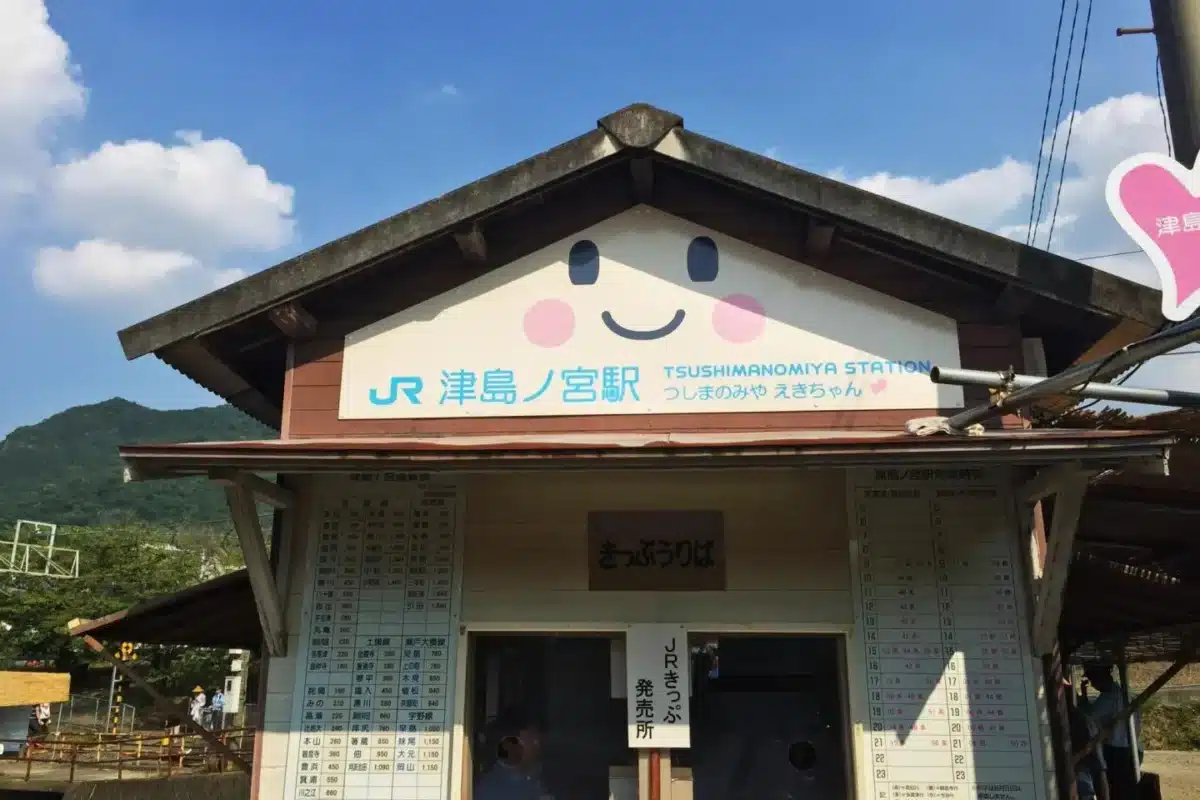
The station, 津島ノ宮駅 (つしまのみやえき), is also famous for train otaku fans who love to take pictures and save their tickets for their collections.
Operating exclusively during the two days of the summer grand festival, Tsushimanomiya Station holds the distinction of having some of the shortest operating hours of any railway stop in Japan. Railway enthusiasts and photography fans travel from all over the country just to purchase commemorative paper tickets and snap pictures of trains stopping at this phantom platform.
- Phantom Railway Stop utilizing a seasonal station that opens for only two days each year
- Train Otaku Gathering meeting passionate railway collectors photographing platform signs and schedules
- Special Souvenir Tickets purchasing rare physical train passes valid exclusively during festival dates
- Short Walk Access taking a quick, convenient stroll from the platform directly to the shrine bridge
- Special Timetable Integration relying on boosted JR Yosan Line train frequencies to handle crowds
- Platform Photography Spots capturing unique commemorative snapshots behind station nameboards
- Crowd Transit Management using rail transport efficiently to bypass severe regional highway parking congestion
- Historic Station Legacy appreciating decades of continuous seasonal operation supporting festival pilgrims
- Railway Staff Assistance receiving helpful travel guidance from seasonal station attendants
- Seamless Connection Flow moving smoothly from train doors directly into the festive mainland atmosphere
Date & Duration
- Event Date: Early August 2027 (Dates TBD)
- Event Duration: Two days of summer grand festival celebrations
Visiting this event? Don’t miss out on these amazing activities and local experiences while you’re here.
Tsushima Shrine & Sacred Island Experience
Located just offshore in the sparkling waters of the Seto Inland Sea, the tiny island housing Tsushima Shrine remains completely isolated for almost the entire year. Because the wooden planks connecting the mainland to the sanctuary are removed during off-peak months, the sacred ground can only be physically reached during this annual two-day window.
Enjoy Your Event Stress-Free with Japan Travelo
Do you know? Planning events, festivals, concerts, and cultural experiences in Japan can be overwhelming. Japan Travelo brings everything together in one place, helping you manage your itinerary, transport, and accommodation with ease—so you can enjoy Japan without the stress of planning.
Crossing the temporary bridge offers visitors a mystical sensation of walking directly across the ocean surface, surrounded by cool sea breezes and stunning coastal mountain vistas. The island itself features compact shrine architecture nestled among lush greenery, creating an intimate sanctuary of peace and natural beauty.
For the thousands of pilgrims who make the crossing, stepping onto the island represents a rare spiritual privilege tied closely to maritime folklore and ancient local traditions. The harmonious blend of blue sea, green shores, and traditional shrine structures makes this fleeting destination exceptionally picturesque.
As evening approaches, the island environment transforms into a magical landscape illuminated by soft festival lanterns reflecting off the gentle ocean waves. This ephemeral connection between the mainland and the divine island embodies the classic, transient charm of traditional Japanese summer celebrations.
Ticket Information
- How Tickets Are Sold: General shrine grounds entry and bridge access are open to the public without advance ticket purchases
- Admission Type: Free Admission for general public entry to the mainland areas and festival grounds
- Ticket Pricing: Free Admission to $0.00 for general access (Minimum $0.00 to Maximum $0.00 for public areas); specific ritual prayer registrations or shrine charms require separate traditional fees
- Special Seating Options: Unreserved open walking paths, temporary bridge walkways, and coastal viewing areas along the shoreline
- VIP Options: No official VIP seating, reserved viewing stands, or exclusive ticketed hospitality packages provided by festival organizers
Venue / Location
- City and Country: Mitoyo, Japan
- Venue Name: Tsushima Shrine
- Google Maps Address: 7463 Minocho Omi, Mitoyo, Kagawa 767-0031, Japan
Fireworks, Festival Stalls & Local Food
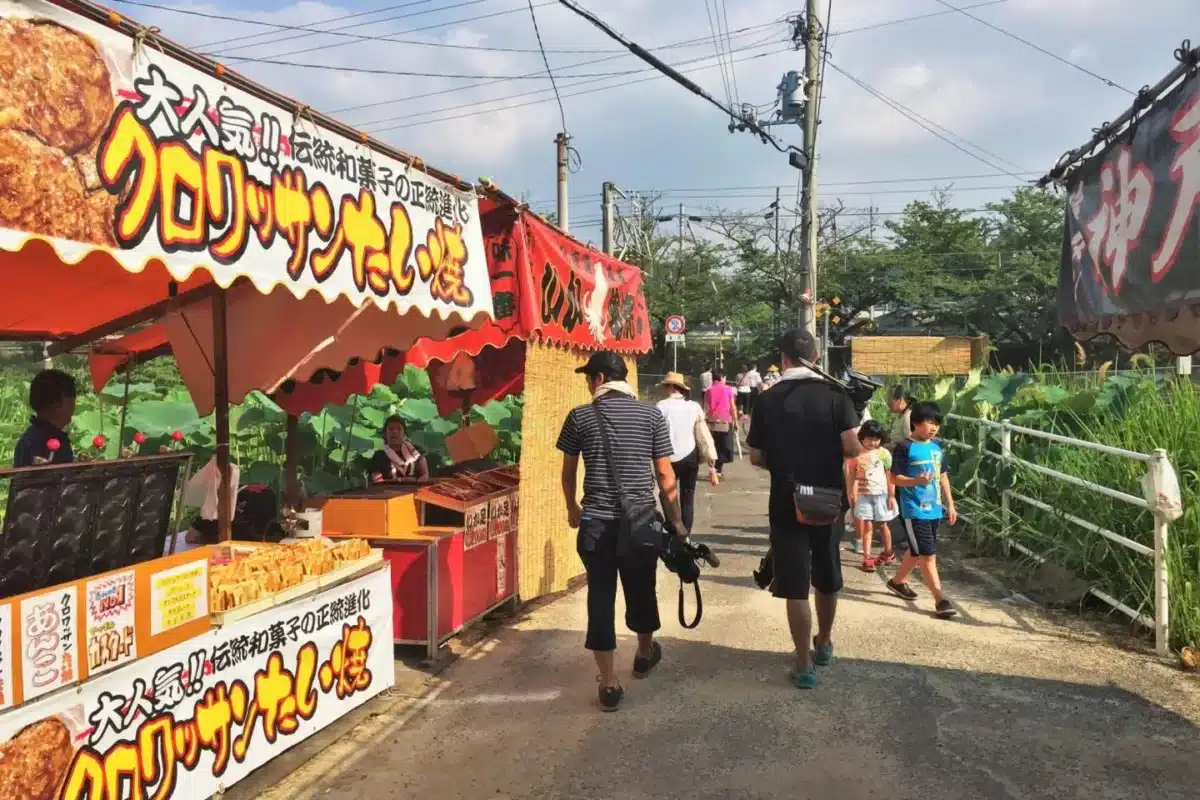
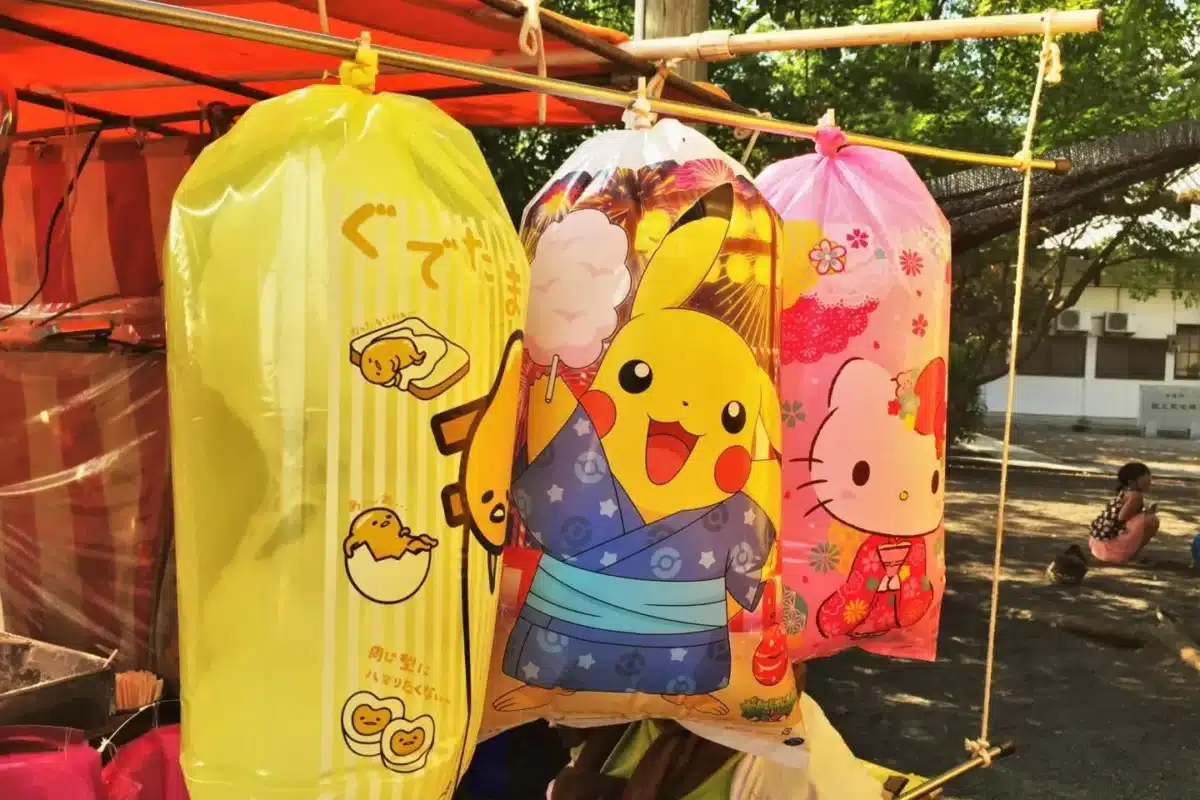
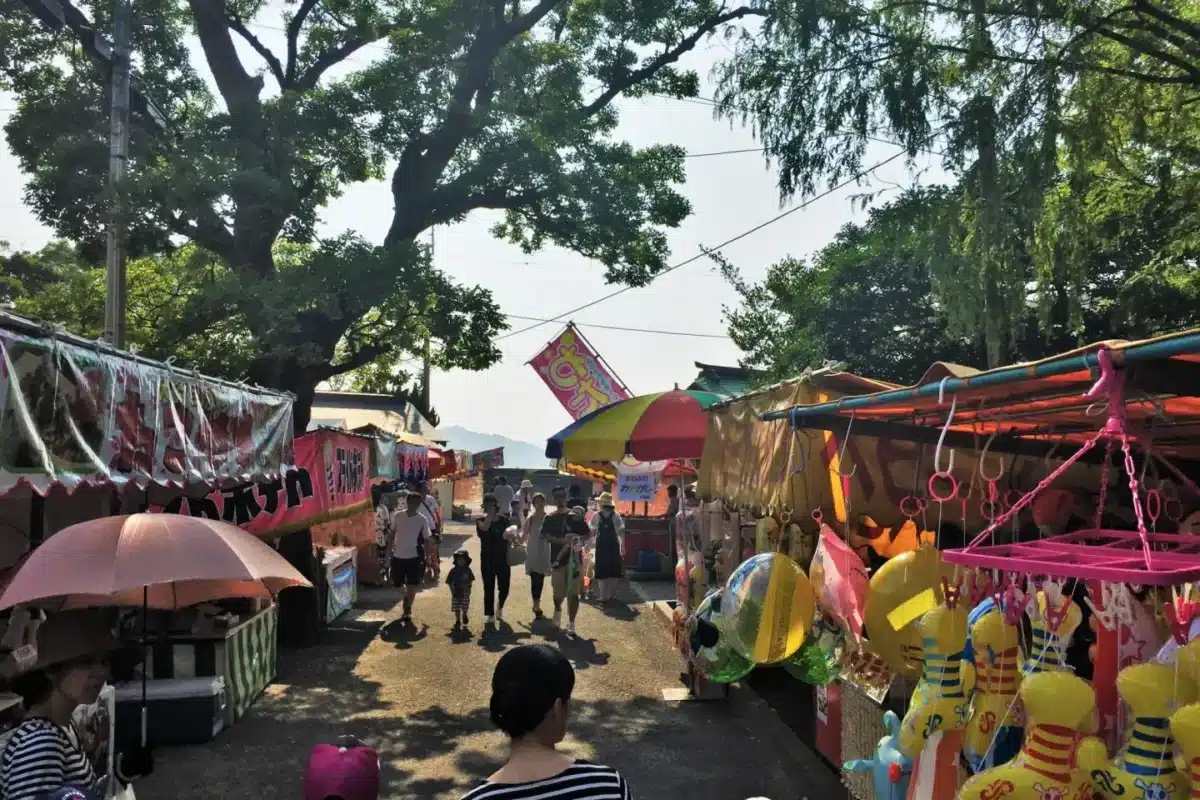
Back across the bridge on the mainland, the streets are lined with colorful stalls serving all the local favorite festival foods. There are games and drinks as well, and on the night of the fourth there is a great big firework show.
The mainland avenues bustle with vibrant energy as local vendors offer classic summer festival treats, including refreshing shaved ice, traditional tokoroten seaweed jelly noodles, and grilled street delicacies. Families and children enjoy traditional carnival games, winning small toys and prizes that add to the joyous holiday atmosphere.
As night falls, a spectacular fireworks display lights up the coastal sky, casting brilliant colors and sparkling reflections across the Seto Inland Sea. Spectators gather in large numbers along the shoreline and bridge approaches to watch the pyrotechnic show bring the vibrant day to a breathtaking close.
- Vibrant Food Stall Alleys exploring rows of colorful vendors selling regional snacks and cold summer beverages
- Shaved Ice Refreshments cooling down with flavored kakigori treats during peak afternoon heat
- Traditional Tokoroten Tasting sampling local jelly noodles made from regional sea algae
- Carnival Game Booths participating in fun skill-based games tailored for visiting children
- Coastal Fireworks Display watching brilliant aerial shells burst over the ocean waters on the evening of the fourth
- Shoreline Viewing Crowds gathering along the mainland banks to secure optimal firework sightlines
- Lantern-Lit Walkways strolling through glowing vendor areas as evening darkness settles
- Souvenir and Toy Shopping purchasing festive memorabilia and small keepsakes from local merchants
- Family Dining Spaces relaxing near food stalls while sharing casual meals together outdoors
- Evening Sea Breezes enjoying cooler coastal air after sunset during the fireworks program
- Festive Audio Atmosphere listening to cheerful crowd chatter and traditional festival music echoing near the coast
- Community Hospitality experiencing warm welcomes from regional volunteers and local shop owners
Visitor Experience, Photography & Festival Tips
Visiting the festival requires careful preparation, as the small site swells with tens of thousands of pilgrims and tourists over its brief two-day window. Because the event takes place during the peak of Japan’s hot summer season, managing hydration, sun protection, and comfortable pacing is essential for an enjoyable visit.
Photographers will find incredible opportunities capturing the mystical sea bridge, families in traditional summer attire, and glowing evening fireworks. Arriving early helps visitors avoid the heaviest midday congestion lines heading across to the sacred island and secures prime viewing spots for the evening celebration.
Utilizing public rail transport via the seasonal station is strongly recommended over driving, given that local parking options are extremely limited and subject to strict traffic regulations. Respecting local shrine etiquette and maintaining patience within dense crowds ensures a rewarding and harmonious cultural experience for everyone.
Contact Information
- Phone Number: +81 875-72-5463
- Website: https://en.japantravel.com/kagawa/tsushima-no-miya-festival/31184
Cultural Significance & Children’s Blessings
There is an island, a shrine, and a station that is only open for a short festival each year. For two days this shrine, and the tiny Tsu island on which it sits, see around 10,000 people come and go. They come for the shrine and the summer festival.
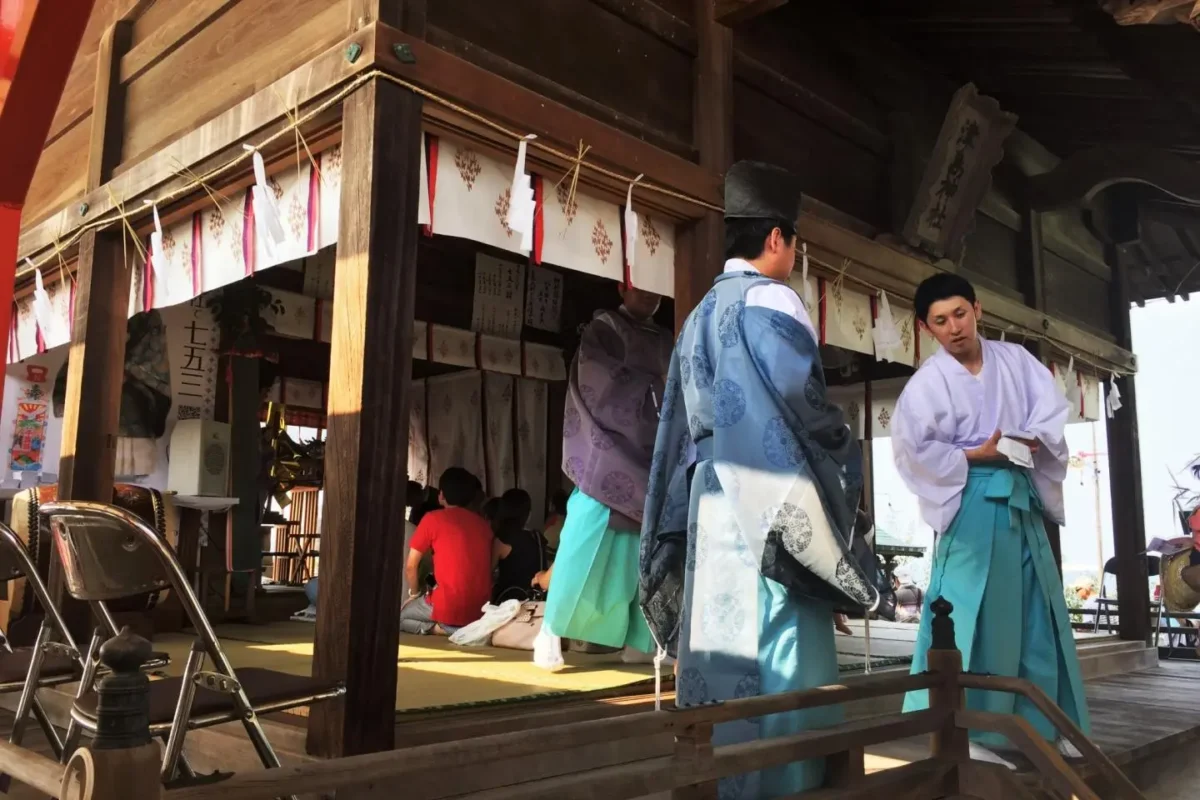
The bridge to the shrine opens early and closes late, and people come in droves throughout the day. Most people are families with children, who are brought to be blessed by the priests. Many charms are for sale as well.
Dedicated to deities that protect the health, longevity, and safe growth of young children, the shrine holds profound spiritual importance for parents across the region. Historical records note that during past epidemics, local children near the shrine miraculously survived, cementing deep community faith in its protective divine powers.
Families travel long distances to present their little ones to the priests, seeking protective talismans and participating in sacred purification rites that have endured for centuries. This heartwarming atmosphere of parental devotion defines the emotional and cultural heartbeat of the entire summer gathering.
Shrine Visit, Bridge Crossing & Traditional Rituals
- Temporary Bridge Assembly constructing wooden pathways over the sea exclusively for the two-day festival period
- Child Health Blessings presenting young infants and children to priests for sacred protective prayers
- Special Amulet Acquisition purchasing traditional omamori charms dedicated to safety, health, and family well-being
- Ocean Walk Sensation experiencing the unique thrill of walking across the narrow marine bridge suspended above shallow shoals
- Shinto Purification Rites participating in traditional cleansing ceremonies conducted within the main island precinct
- Deity Worship Protocols paying respect to maritime guardian deities enshrined on the secluded island
- Family Pilgrim Queues waiting patiently in orderly lines to access the single-file wooden walkway
- Votive Offering Placement leaving prayers and small tokens of gratitude at sacred shrine altars
- Priestly Chanting Sessions listening to solemn religious recitations echoing across the sea breeze
- Mainland Return Crossings journeying back across the bridge before evening gate closures
- Seal of Visit Preservation collecting commemorative stamp impressions available within the shrine office area
Video
Location
FAQ
What exact dates does the Tsushima no Miya Festival take place each year?
The festival is held consistently every year on August 4th and 5th at Tsushima Shrine in Mitoyo City. These two specific dates represent the only time the temporary bridge to the island is open. Travelers must plan their itineraries precisely to match this strict schedule.
How can visitors reach the remote festival location using public transportation?
Travelers can take the JR Yosan Line directly to Tsushimanomiya Station, which opens exclusively during the festival dates. From this seasonal platform, the shrine bridge is only a short, convenient walk away. This special train service helps visitors avoid heavy local traffic congestion.
Do visitors need to purchase admission tickets to cross the bridge and enter the shrine?
General entry to the mainland festival area and walking across the bridge to the island is completely free of charge. No advance booking or admission ticket is required for public access to the shrine grounds. Optional costs apply only to personal food purchases, festival goods, or specific blessing registrations.
What is the primary cultural purpose and religious significance of the festival?
The festival centers around praying for the health, safe growth, and longevity of young children. Parents bring their little ones to receive special blessings from shrine priests and acquire protective talismans. It is historically revered as a powerful guardian sanctuary for youth welfare.
Why is Tsushimanomiya Station famous among railway fans and travelers?
The station operates for only two days a year, giving it some of the shortest active operating hours in Japan. Train enthusiasts visit specifically to collect rare physical tickets and photograph the unique seasonal platform. It serves as a beloved landmark for both pilgrims and railway hobbyists alike.

Leave a Reply