
What to expect in 2027
Sendai Tanabata 2027 will bring one of Japan’s most visually distinctive summer celebrations to the center of Sendai, filling shopping arcades, public spaces and surrounding districts with elaborate handmade bamboo and paper decorations. The festival has been passed down since the era of Date Masamune, the founder of the Sendai domain, and has developed into one of the largest Tanabata celebrations in Japan. The official festival describes it as an elegant celebration built around paper, bamboo and the traditions of the star festival.
For 2027, Japan Travel currently lists the event as Early August 2027 (Dates TBD). The official festival organization traditionally holds Sendai Tanabata during the early-August season, while the exact 2027 schedule and individual programmes should be confirmed through the official event website when released.
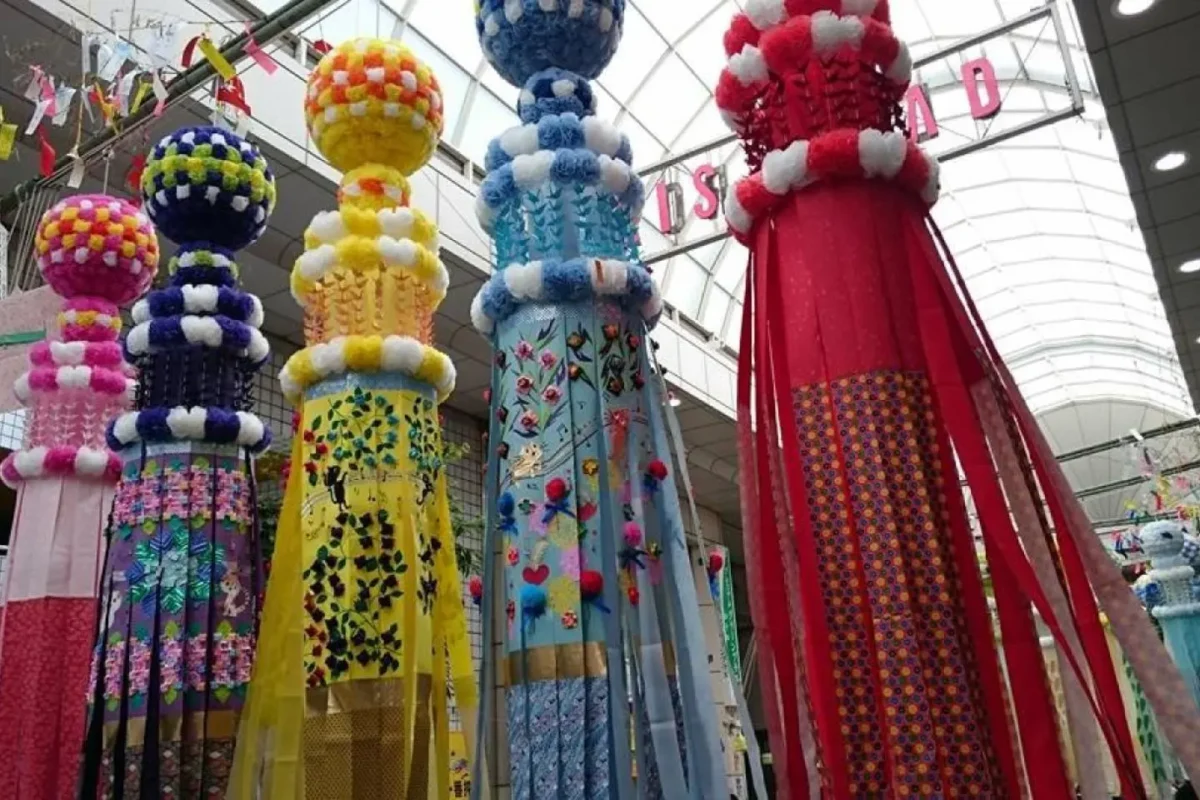
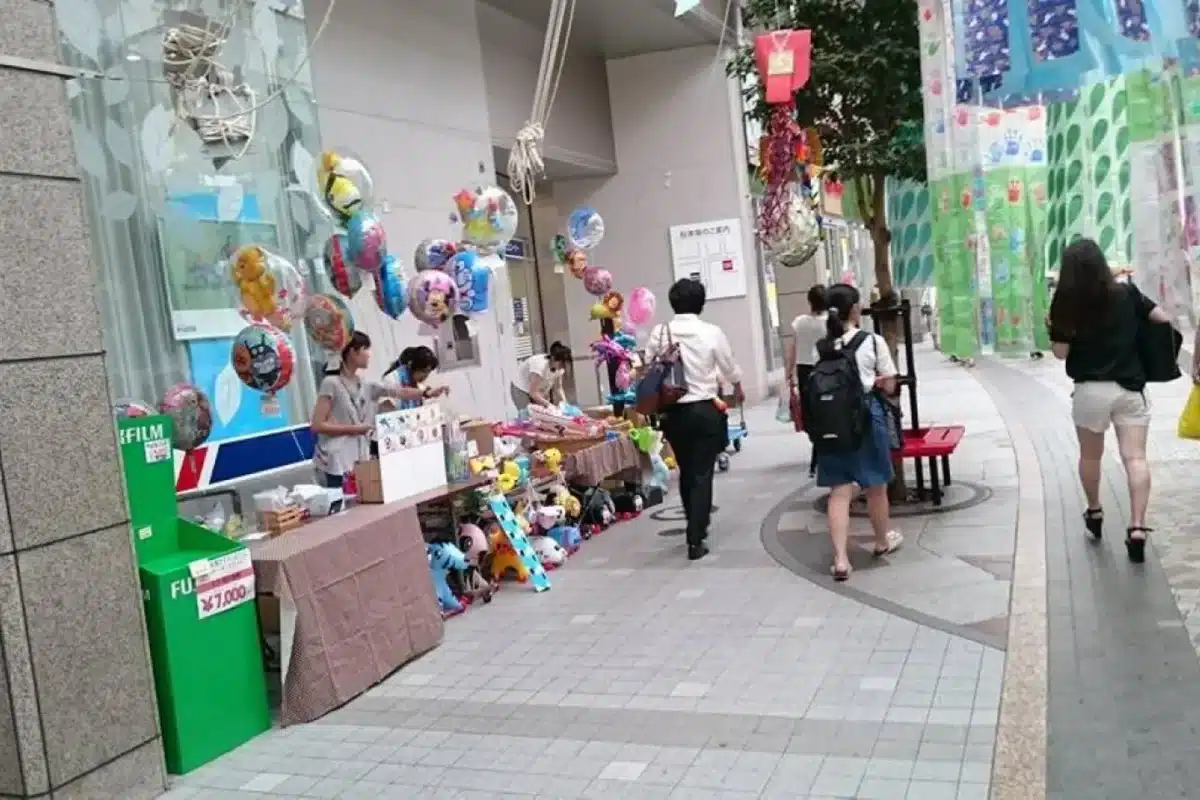
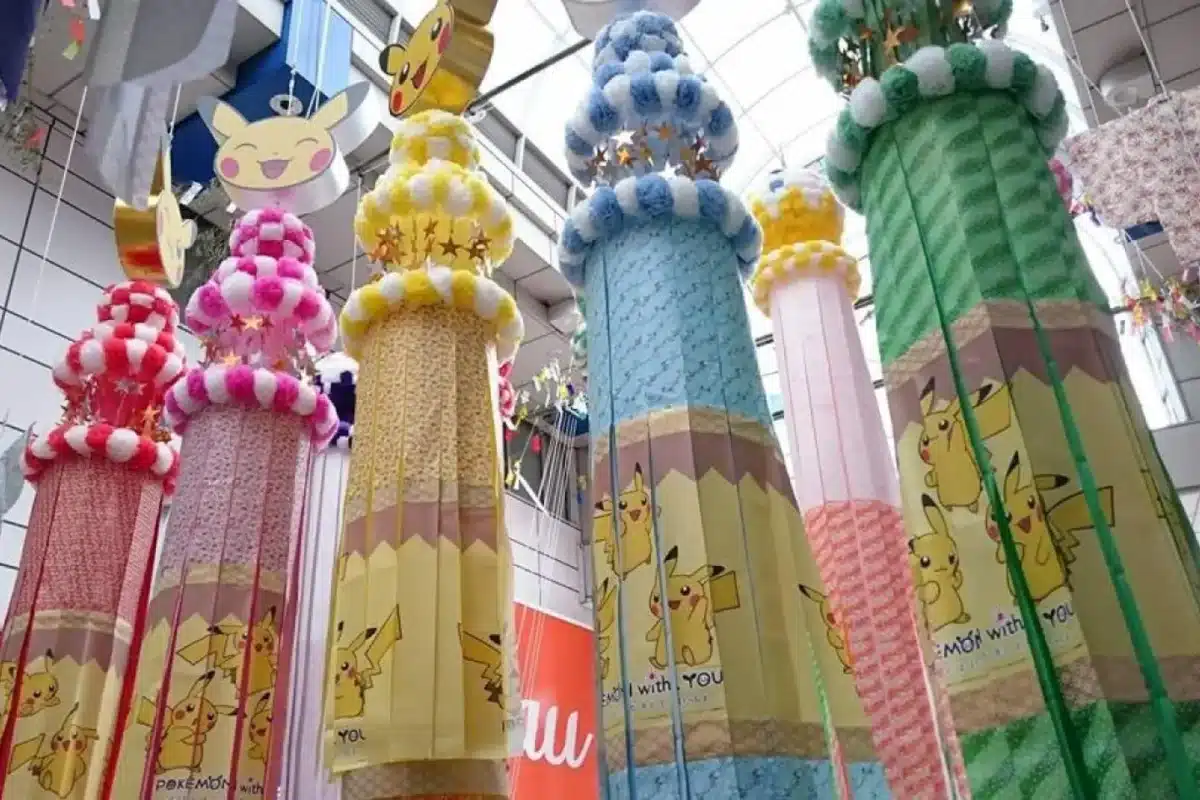
The main attraction is not a single stage or parade but the transformation of central Sendai itself. Huge bamboo poles support colorful streamers and traditional Tanabata ornaments, while shopping streets become pedestrian-friendly festival corridors filled with food stalls, activities, cultural displays and visitors.
Enjoy Your Event Stress-Free with Japan Travelo
Do you know? Planning events, festivals, concerts, and cultural experiences in Japan can be overwhelming. Japan Travelo brings everything together in one place, helping you manage your itinerary, transport, and accommodation with ease—so you can enjoy Japan without the stress of planning.
More than two million people are associated with the festival’s annual visitor scale, making it a major event for Sendai and the wider Tohoku region.
Visitors can expect:
- Giant Tanabata decorations: Handmade streamers and ornaments suspended from tall bamboo poles.
- Historic traditions: Traditional Tanabata customs connected with wishes, craftsmanship and seasonal celebration.
- Festival entertainment: Cultural performances, music, dance and public activities.
- Food and shopping: Local specialties, festival snacks, drinks and shopping opportunities throughout the central districts.
- Family experiences: Wish-writing, craft activities and opportunities to learn about the meaning of the traditional decorations.
- Citywide atmosphere: The festival extends beyond the principal square into major shopping arcades and surrounding commercial areas.
Event dates
Event period: Early August 2027 (Dates TBD)
The 2027 Japan Travel listing currently identifies the festival as an early-August event and states that the exact dates have not yet been confirmed. The official Sendai Tanabata organization should be checked for the final programme, operating information and event updates.
Sendai Tanabata traditionally follows the seasonal timing of the old Tanabata calendar rather than the more common July celebration found elsewhere in Japan. The official festival explains that Sendai uses a calendar approximately one month later than the modern July timing in order to preserve the traditional summer atmosphere of Tanabata.
Visitors planning accommodation or long-distance travel should wait for the official 2027 programme before making arrangements that depend on specific event times.
Visiting this event? Don’t miss out on these amazing activities and local experiences while you’re here.
Venue & event locations
The supplied Japan Travel listing identifies Kōtōdaikōen Shimin Hiroba, also known as Sendai Civic Square in Kotodai Park, as the festival venue. The square serves as an important public gathering area during Sendai Tanabata, while the wider festival extends across central Sendai.
Main venue: Kōtōdaikōen Shimin Hiroba, Sendai Civic Square, Kotodai Park
Address: 3 Chome-7 Kokubuncho, Aoba Ward, Sendai, Miyagi 980-0803, Japan
The festival is much larger than the main civic square. The official organization identifies the central shopping districts around Sendai Station, Chuo-dori and Ichibancho as key decoration areas. Other neighborhood shopping streets also participate, giving visitors opportunities to see both highly elaborate commercial decorations and more traditional local displays.
Major areas can include:
- Sendai Station area
- Chuo-dori shopping arcade
- Ichibancho shopping streets
- Omachi
- Clis Road
- Sunmall Ichibancho
- Brandome Ichibancho
- Ichibancho Yonchome
- Nagakecho
- Kotodai Park and Civic Square
The exact 2027 arrangement of stages, information points, activity spaces and temporary facilities should be checked when the official festival map is published.
Full holiday programme
Sendai Tanabata combines traditional Japanese holiday customs with a large city festival programme. The heart of the celebration is the decoration display, but visitors can also encounter cultural performances, workshops, public entertainment, local food and participatory activities.
A typical programme can include:
- Traditional Tanabata decoration displays
- Wish-writing activities
- Cultural demonstrations
- Local dance performances
- Music and stage entertainment
- Festival food stalls
- Craft workshops
- Shopping street activities
- Guided cultural experiences
- Public information and visitor services
- Seasonal illumination and evening entertainment
The official festival programme has recently included interactive events such as craft workshops, guided walking experiences, digital stamp activities, traditional dance performances and a festival square designed for visitors to spend time within the event area.
Because individual performances and workshops can change from year to year, the 2027 programme should be treated as provisional until the official schedule is released.
Main attractions & highlights
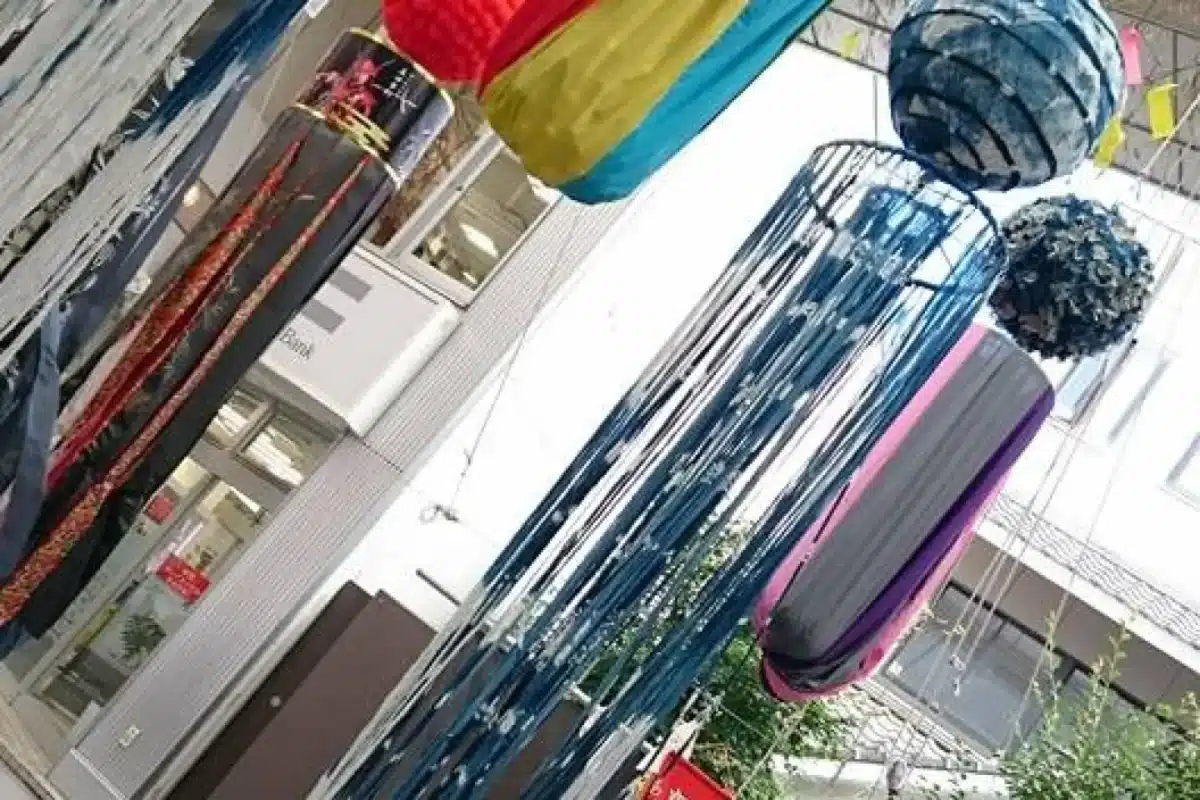
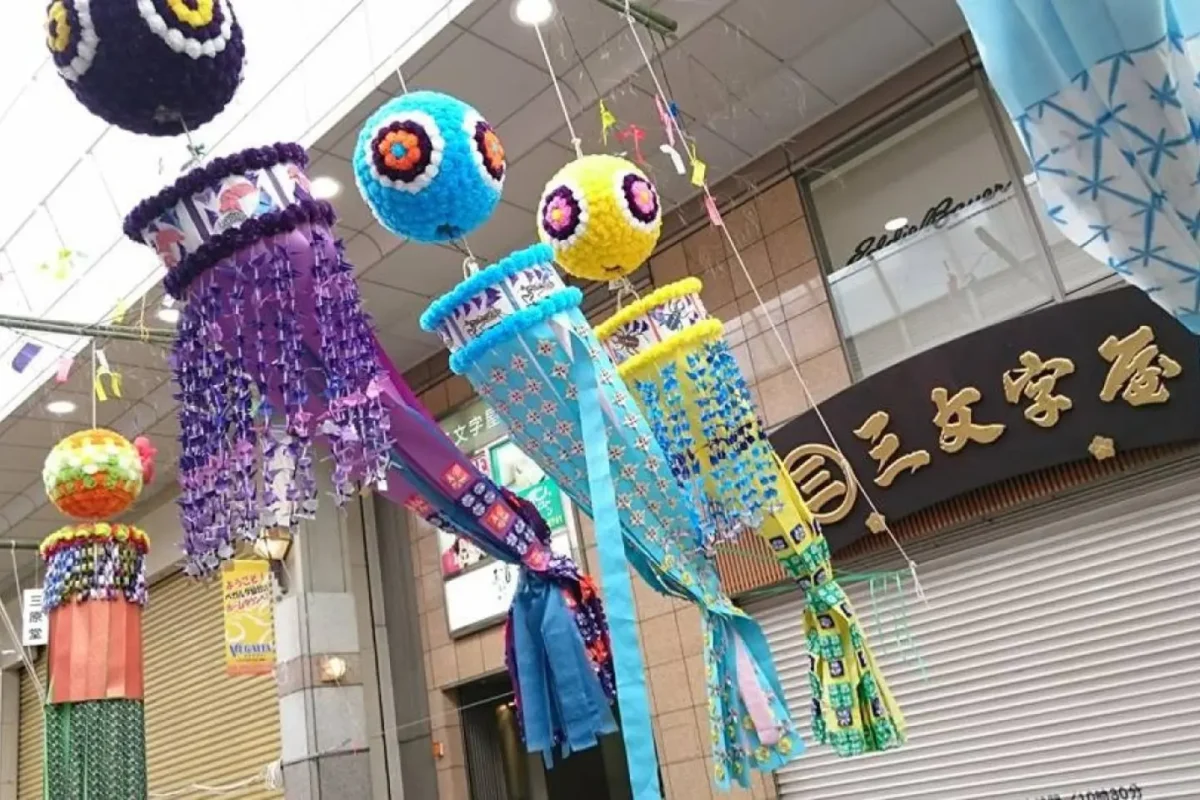
The enormous Tanabata streamers are the defining attraction. Businesses and organizations spend months preparing their decorations, and each display can have its own colors, patterns, themes and artistic details. The official festival notes that large bamboo poles are prepared specifically for the decorations and that many displays are handmade by participating businesses.
The seven traditional Tanabata decorations are particularly important:
- Tanzaku: Small paper strips on which wishes are written, traditionally associated with learning and calligraphy.
- Kamigoromo: Paper kimono decorations representing protection from illness and improvement in sewing skills.
- Orizuru: Folded paper cranes representing family safety and longevity.
- Kinchaku: Paper purses associated with business prosperity and financial good fortune.
- Toami: Fishing-net-shaped decorations representing good catches and harvests.
- Kuzukago: Paper wastebaskets symbolizing cleanliness, thrift and avoiding waste.
- Fukinagashi: Long streamers representing the weaving thread of Orihime and wishes for improvement in craftsmanship and artistic skills.
The combination of these decorations makes Sendai Tanabata different from a conventional summer street festival. Visitors are encouraged to look closely at the individual details rather than simply viewing the decorations as colorful overhead displays.
Markets, decorations & themed areas
Shopping arcades form one of the most important parts of the festival experience. Long covered streets become galleries of enormous handmade decorations, with each participating business creating its own design.
The decorations are traditionally kept under wraps during preparation and are unveiled around the beginning of the festival period. Awards are also associated with the decoration competition, creating additional interest for visitors who want to compare different displays.
Festival areas can also contain:
- Food stalls: Street food, local specialties, sweets and drinks.
- Game stalls: Traditional festival-style games and entertainment.
- Craft areas: Hands-on cultural activities and seasonal workshops.
- Shopping zones: Department stores, arcades and independent retailers.
- Festival Square: A central space for visitor activities and entertainment.
- Information areas: Tourist guidance, maps and event information.
The decorations are particularly impressive because they change from year to year. Even visitors who have attended before can find new designs, themes and artistic approaches during a later edition.
Events & entertainment schedule
The detailed 2027 entertainment schedule has not yet been released. Based on recent official programmes, visitors can expect the main festival area to combine stage entertainment, cultural performances, interactive activities and traditional Sendai experiences.
Recent programmes have included:
- Sendai Tanabata Suzume Odori performances
- Stage entertainment
- Cultural demonstrations
- Tanabata craft workshops
- Guided walking tours
- Festival Square activities
- Traditional dance
- Wish-writing activities
- Digital stamp-rally activities
- Special shopping-street programmes
The Sendai Tanabata Suzume Odori is particularly associated with the city’s festival culture and has appeared as part of recent Tanabata-related programmes. Official festival materials have also promoted activities along shopping streets and around Sendai’s central visitor areas.
A separate fireworks celebration traditionally takes place before the main Tanabata festival programme. Because you requested no specific calendar dates, the fireworks timing is not stated here; visitors should consult the official 2027 announcement for confirmation.
Admission & ticket information
Sendai Tanabata is generally a free public festival. The Japan Travel listing identifies the 2027 event as free, while the official festival presents the celebration as a citywide public event.
General admission: $0
There is normally no general admission ticket required to walk through the main decoration areas, shopping arcades or public festival spaces.
Some optional activities may have separate charges if introduced for a particular edition. These can include workshops, special experiences, food, merchandise or guided activities. Prices for optional 2027 activities should be checked once the programme is announced.
Visitors should therefore budget primarily for food, shopping, transportation and optional experiences rather than a general festival entrance fee.
Special experiences & activities
Sendai Tanabata is particularly suitable for visitors who want to participate rather than simply watch.
One of the simplest experiences is writing a wish on a Tanzaku paper strip. The activity connects visitors directly with the traditional purpose of the festival and provides a small cultural souvenir.
Craft workshops have also been part of recent official programmes, giving visitors opportunities to learn about the techniques behind Tanabata decorations. The official organization has promoted hands-on Tanabata craft experiences in recent editions.
Other experiences can include:
- Photographing the major decorated arcades
- Comparing award-winning decorations
- Joining a guided Tanabata walking tour
- Watching traditional dance
- Exploring local shopping streets
- Sampling regional foods
- Collecting digital activity stamps
- Visiting related cultural attractions around Sendai
For photography enthusiasts, the central shopping arcades are particularly rewarding because the decorations are large, colorful and different from one business to another.
Family & children’s activities
Sendai Tanabata is a family-friendly festival with activities that can be enjoyed without requiring specialist knowledge of Japanese culture.
Children can learn about the meaning of the seven traditional decorations and participate in wish-writing or craft activities when offered. The colorful decorations also make the festival visually engaging for younger visitors.
Families can plan a relaxed route through the shopping arcades, stopping at public spaces for entertainment and refreshments.
Useful family-friendly activities include:
- Wish writing: Children can write or draw wishes on Tanzaku.
- Craft workshops: Hands-on activities may be offered during the festival.
- Decoration spotting: Families can look for the seven traditional decoration styles.
- Festival food: Children can sample Japanese summer festival snacks.
- Cultural performances: Traditional dance and stage entertainment provide opportunities to experience local culture.
- Photography: The giant decorations create easy family photo opportunities.
Because the festival can attract very large crowds, families with young children should consider visiting earlier in the day and establishing a meeting point in case members become separated.
Event rules
Visitors should follow instructions from festival staff, shopping arcade operators and local authorities throughout the event.
Important considerations include:
- Do not damage decorations: The Tanabata ornaments are handmade and should not be touched unnecessarily.
- Keep pedestrian routes clear: Avoid stopping in narrow walkways for extended periods.
- Follow crowd-control instructions: Large visitor numbers can lead to temporary movement restrictions.
- Dispose of rubbish properly: Use designated waste facilities where available.
- Respect shops and residents: The festival takes place throughout active commercial and residential areas.
- Photography: Be considerate when photographing performers, shop staff and other visitors.
- Weather: Check official notices in case severe weather affects decorations or outdoor activities.
- Night viewing: Some decorations may be covered or removed later in the evening for safety and security reasons.
The official festival organization also publishes visitor guidance and transportation information as the event approaches.
How to get there
Sendai is one of the easiest major Tohoku cities to reach by rail, and the festival’s central locations are well connected to the city’s transportation network.
For visitors arriving by Shinkansen, Sendai Station is the main gateway. From the station, many of the principal decoration areas can be reached on foot.
The main civic-square area can also be reached by Sendai Subway. Kōtōdai-Kōen Station is particularly convenient for the Kotodai Park and Civic Square area. Recent visitor information places the main venue only a short subway journey from Sendai Station.
Visitors can also walk from Sendai Station through the decorated shopping districts, which makes the journey itself part of the festival experience.
For travelers staying elsewhere in Miyagi Prefecture, Sendai’s extensive rail and bus network makes the city practical as a base for exploring the festival.
Public transport & parking
Public transportation is strongly recommended during Sendai Tanabata because the central areas become extremely busy.
Subway: Kōtōdai-Kōen Station provides convenient access to the main civic-square area.
Rail: Sendai Station is the principal JR transportation hub and is within walking distance of major festival decoration areas.
Bus: City buses serve the central Sendai area, although temporary traffic controls and heavy pedestrian congestion can affect journey times.
Walking: Walking is one of the best ways to experience the main Tanabata decoration route because many attractions are distributed through shopping arcades.
Parking: Visitors driving into central Sendai should expect heavy demand for parking and possible traffic restrictions. Using a public parking facility farther from the busiest festival streets and continuing by public transport can be more practical than attempting to park directly beside the event.
The official festival organization publishes traffic information and maps for each edition, so drivers should check the 2027 information before traveling.
Accommodation areas
Staying in central Sendai makes it easier to visit the festival without relying on a car.
The most convenient areas include:
- Sendai Station: Ideal for rail connections, shopping, restaurants and access to the main decoration streets.
- Aoba-dori area: Convenient for exploring central shopping arcades and walking between festival locations.
- Ichibancho: Useful for visitors who want to stay close to major decorated shopping streets.
- Kokubuncho: Close to Kotodai Park and the Civic Square area, with numerous restaurants and evening options.
- Kotodai Park area: Particularly convenient for visitors focusing on the main festival square and surrounding activities.
Accommodation can become highly competitive during the festival season, especially for central properties. Booking early is advisable once the 2027 event period is confirmed.
Food, drinks & seasonal specialties
Food is an important part of the Sendai Tanabata atmosphere. Recent information highlights festival food stalls around Kotodai Park and Civic Square, while restaurants throughout central Sendai provide opportunities to sample regional cuisine.
Visitors should look for Sendai and Miyagi specialties such as:
- Sendai gyutan: Grilled beef tongue, one of Sendai’s best-known local dishes.
- Sasakama: A distinctive Miyagi fish-cake specialty.
- Miyagi oysters: Seafood associated with the wider region.
- Zunda: A sweet green soybean preparation commonly served with sweets and desserts.
- Local sweets: Seasonal Japanese confectionery and festival snacks.
- Regional drinks: Restaurants and festival venues may offer beverages from Miyagi and the wider Tohoku region.
Food stalls provide a casual way to eat while exploring the festival, while restaurants around Sendai offer more substantial meals and air-conditioned places to rest during the summer heat.
Accessibility
The main Sendai Tanabata areas are located in central urban spaces, shopping arcades and public facilities, making the festival relatively accessible by public transportation.
The covered shopping arcades can be useful during hot or rainy weather, while subway stations provide convenient connections to major areas.
Visitors with mobility requirements should consider:
- Checking the official festival map for accessible entrances and facilities.
- Allowing extra time because of dense crowds.
- Using elevators at subway stations where available.
- Traveling earlier in the day when pedestrian congestion may be lower.
- Confirming temporary accessible facilities through the official event information.
- Asking festival information staff for assistance when needed.
The official festival map and visitor materials identify information points and other support facilities, although the exact 2027 accessibility arrangements should be confirmed after publication.
Best days & times to visit
Because the festival attracts very large numbers of visitors, timing can make a significant difference.
Morning: A good choice for seeing the decorations with somewhat more comfortable walking conditions and for photography.
Late morning to afternoon: Best for exploring the shopping arcades, comparing decorations and visiting daytime activities.
Early evening: Suitable for combining decorations, food and entertainment, although pedestrian traffic becomes heavier.
Later evening: Can provide a lively festival atmosphere, but some decorations may be covered or removed for security, so very late visits are not ideal for decoration photography. Japan Travel specifically warns that some decorations are not visible late at night.
For first-time visitors, allowing several hours is worthwhile because the festival is spread across multiple central districts rather than being contained within a single venue.
Previous year’s highlights
Recent editions have continued to emphasize the spectacular handmade decoration displays that define Sendai Tanabata. The official organization has also expanded the visitor experience through participatory events, cultural activities, walking tours, craft workshops and digital activities.
Recent highlights have included:
- Large-scale decoration displays: Major shopping arcades were filled with handmade Tanabata streamers.
- Decoration competitions: Visitors could see decorated displays recognized through official judging and awards.
- Festival Square activities: The central public area offered visitor-oriented activities and cultural experiences.
- Suzume Odori: Traditional Sendai dance was included in festival-related entertainment.
- Craft experiences: Visitors were able to take part in hands-on Tanabata activities.
- Guided walks: Cultural and sightseeing tours provided additional context about the festival.
- Digital activities: Recent programmes included a Tanabata-themed digital stamp rally.
- Local food: Festival areas and surrounding businesses provided opportunities to sample Sendai and Miyagi specialties.
The festival’s annual nature means that the decorations and individual programmes change, while the core tradition of colorful bamboo and paper displays remains central.
Official event information
The official Sendai Tanabata Festival organization is the primary source for the final 2027 programme, event notices, maps, transportation information and any changes to activities.
Official festival website: https://www.sendaitanabata.com/
Official festival information: https://www.sendaitanabata.com/event/
Japan Travel event page: https://en.japantravel.com/miyagi/sendai-tanabata/30617
The official organization explains that Sendai Tanabata is held throughout central Sendai and neighboring shopping districts, with the principal decoration route extending through major shopping arcades.
For 2027, visitors should check the official website before traveling for the final programme, operating information, transportation arrangements and any weather-related notices.
Location
FAQ
What is the primary historical origin of the Sendai Tanabata Festival?
The festival originates from ancient Chinese star mythology blended with Japanese agricultural customs to celebrate the yearly meeting of celestial lovers. Historical records indicate that feudal lord Date Masamune heavily promoted regional arts and seasonal star traditions, shaping the modern identity of this massive cultural observance.
Are all areas of the festival completely free to access for the public?
General street walking and viewing of the downtown bamboo decorations are completely free for all attending visitors. Optional premium ticket purchases are only required if you choose to reserve specialized grandstand seating for the formal fireworks show or designated performance zones.
What happens to the massive paper decorations during the late-night hours?
Decorations are wrapped in plastic, secured, or temporarily taken down each evening to protect them from weather and security risks. This nightly maintenance schedule prevents damage from sudden summer rain or wind gusts, ensuring the handcrafted pieces remain pristine for the following morning.
How far in advance should travelers plan their accommodation for this event?
Visitors should book hotels several months ahead of time because the festival doubles the city population and rooms fill up rapidly. Early planning is essential since millions of tourists travel from all over Japan and overseas to witness the renowned downtown streamer displays.
Can international tourists participate in writing wishes on the paper tanzaku?
Tourists are actively encouraged to write personal wishes and tie them to bamboo branches set up across public festival squares. Booths located throughout the downtown area provide paper strips and writing materials specifically so foreign visitors can take part in this meaningful custom.

Leave a Reply