
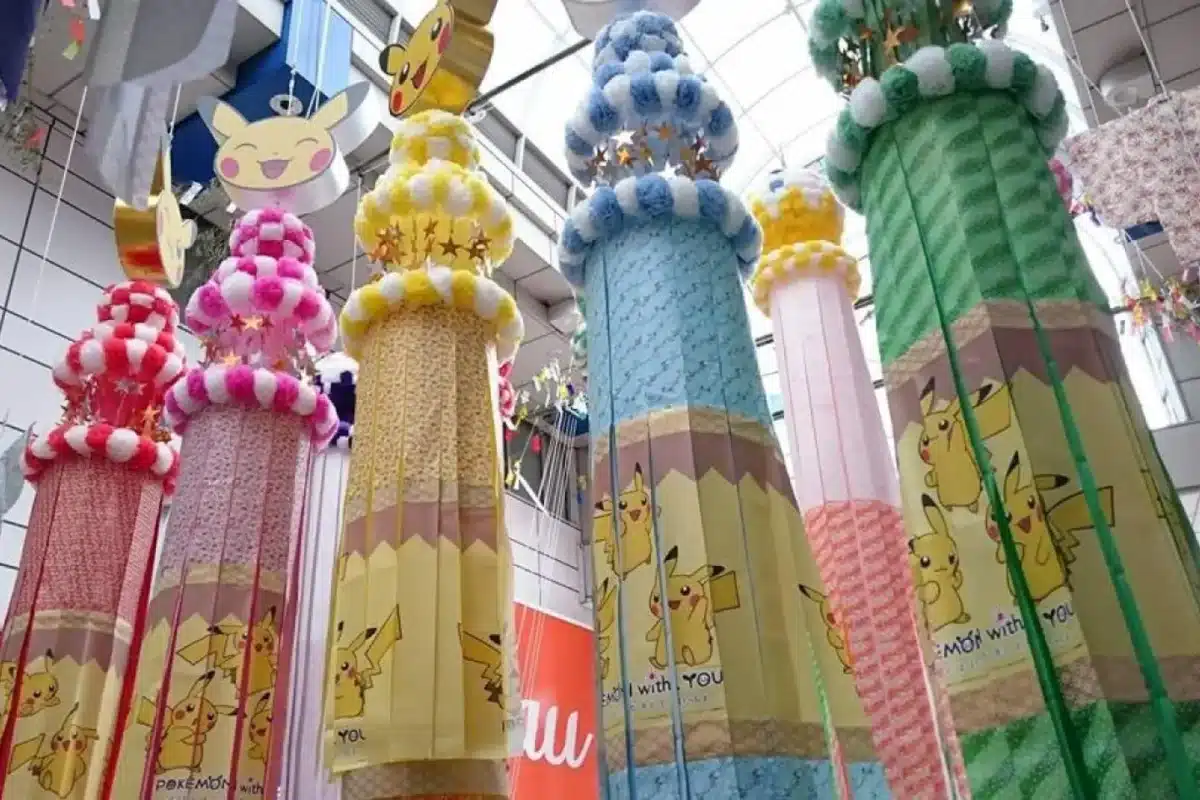
Festival Square, Food & Local Experiences
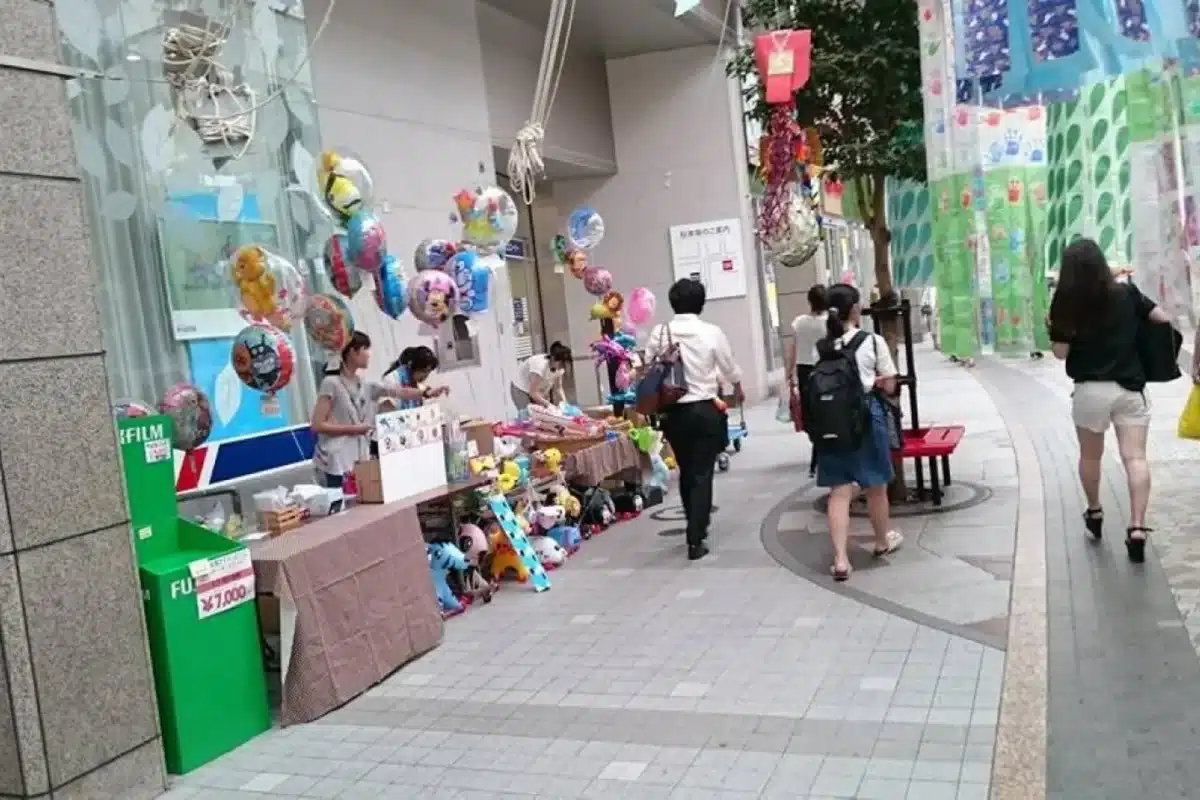
The vibrant heart of the culinary and community experience during the festival is found within the bustling plazas and vendor-lined streets of downtown Sendai. As visitors wander between magnificent bamboo decorations, they are greeted by an irresistible array of aromatic smells wafting from dozens of outdoor food stalls.
Local vendors serve up a mouthwatering selection of regional specialties, including Sendai’s famous grilled beef tongue, crispy yakisoba noodles, and refreshing shaved ice. This lively marketplace atmosphere allows travelers to sample authentic northern Japanese street food while soaking in the joyful, communal energy of the festival. Eating local delicacies while strolling under the colorful paper canopy is an essential rite of passage for every festival attendee.
When & How Long
- Event Date: Early August 2027 (Dates TBD)
- Event Duration: 3 days
Visiting this event? Don’t miss out on these amazing activities and local experiences while you’re here.
Where It Takes Place
- City and Country: Sendai, Japan
- Venue Name: Kōtōdaikōen shimin hiroba
Cultural Significance & Tanabata Traditions
The Sendai Tanabata Festival stands as one of Japan’s most historic and revered summer celebrations, deeply rooted in the ancient Star Festival legend of Orihime and Hikoboshi. According to folklore, these two star-crossed lovers, represented by the stars Vega and Altair, are permitted to cross the Milky Way to meet only once a year on the seventh day of the seventh month. Originally introduced from China during the Nara period, the festival blended with local agricultural customs to pray for rich harvests and improved weaving skills. Over the centuries, Sendai developed its own distinct traditions under the patronage of feudal lord Date Masamune, transforming the observance into a massive cultural spectacle. Today, the festival preserves ancient Japanese traditions while serving as a vibrant community anchor that brings millions of visitors together in celebration of heritage, art, and romantic mythology.
Enjoy Your Event Stress-Free with Japan Travelo
Do you know? Planning events, festivals, concerts, and cultural experiences in Japan can be overwhelming. Japan Travelo brings everything together in one place, helping you manage your itinerary, transport, and accommodation with ease—so you can enjoy Japan without the stress of planning.
- Star Crossed Lovers: Commemorates the annual celestial meeting of Orihime and Hikoboshi across the Milky Way.
- Tanzaku Wishes: Colorful paper strips where participants write personal aspirations and prayers for the future.
- Bamboo Symbolism: Represents resilience, fast growth, and strong vertical reach toward the heavens in Japanese culture.
- Date Masamune Legacy: Preserves historical traditions established by the influential regional lord of the Sendai Domain.
- Artistic Preservation: Safeguards traditional Japanese papercraft, bamboo weaving, and handcrafted textile decoration techniques.
- Seasonal Gratitude: Blends ancient star worship with agricultural prayers for bountiful harvests and community well-being.
- Generational Bonding: Encourages families and local schools to work together on collaborative artistic projects year-round.
- Spiritual Reflection: Offers a designated space for mindfulness, personal goal-setting, and hope throughout the multi-day event.
Seven Traditional Tanabata Decorations & Their Meanings
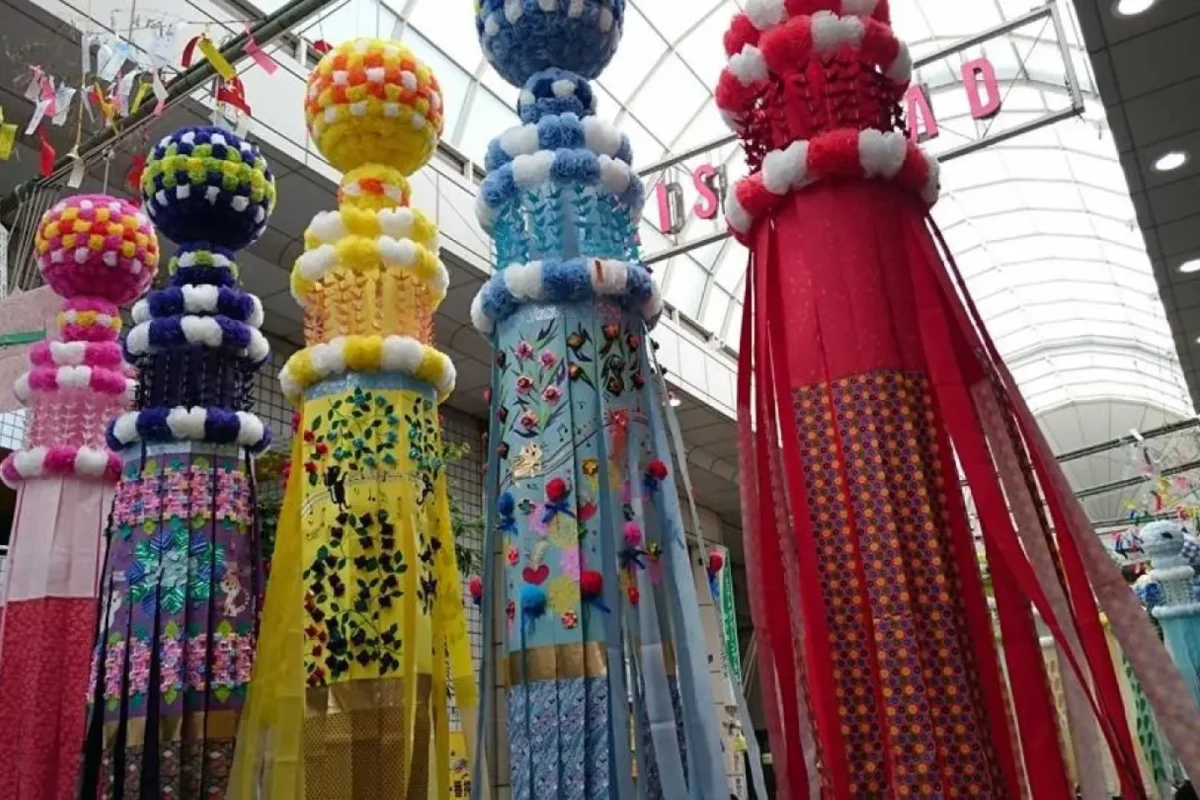
The heart of the Sendai Tanabata Festival lies in its seven traditional decorations, known collectively as Nanatsuguroido, each carrying a specific symbolic meaning and wish for prosperity. These ornaments are meticulously handcrafted from traditional Japanese washi paper and bamboo, requiring months of careful preparation by local artisans, school groups, and business organizations. The most prominent of these decorations are the fukinagashi, giant streamer balls that represent the thread-spinning craft of the weaver princess Orihime and are designed to ward off evil spirits.
Crafting these traditional ornaments is an intergenerational art form that has been carefully passed down through families and local guilds in Sendai for centuries. Senior artisans mentor younger apprentices, imparting specialized knowledge regarding paper folding, bamboo splitting, and weather-resistant assembly techniques to ensure the displays withstand summer elements. The process begins months in advance, fostering a strong sense of community pride and cooperation among residents who contribute to decorating their neighborhood shopping arcades.
Entry & Tickets
- Ticket Pricing: Free Admission for general street viewing, with paid ticketed seating options ranging from $20 to $100 depending on the specific event or venue.
Giant Bamboo Streamers & Decoration Contest
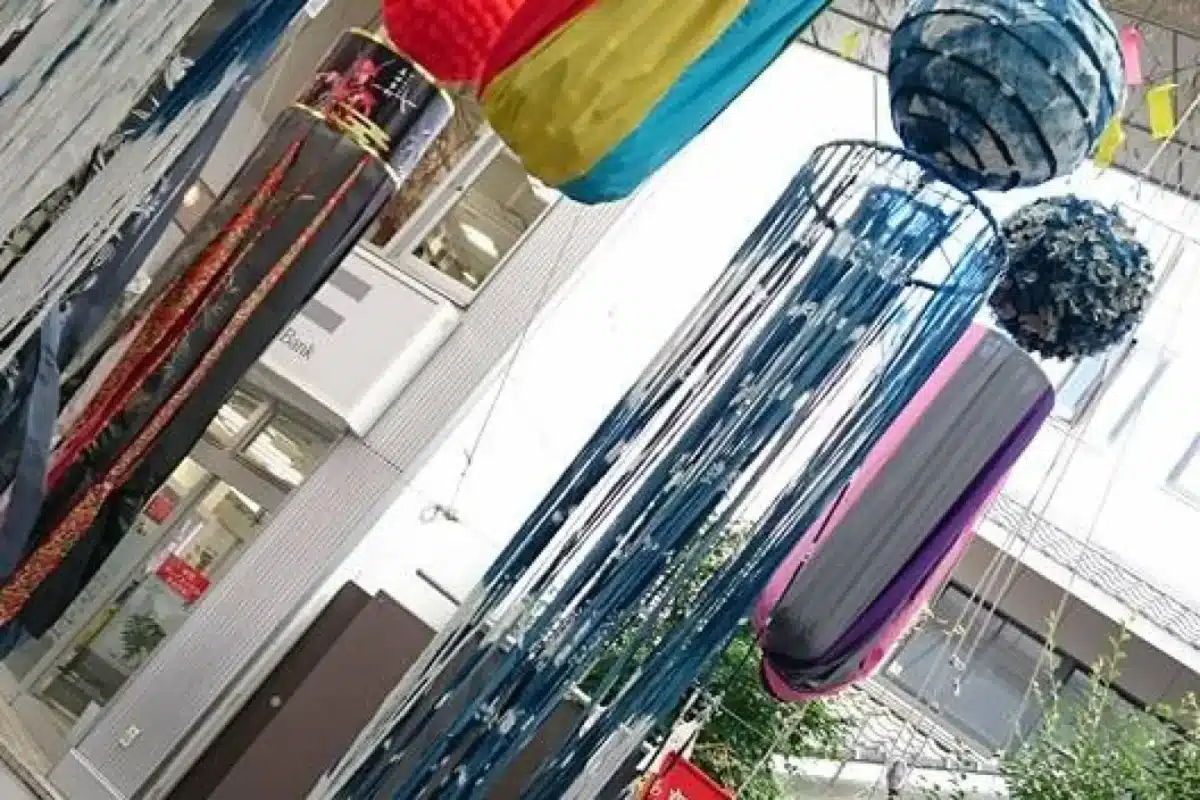
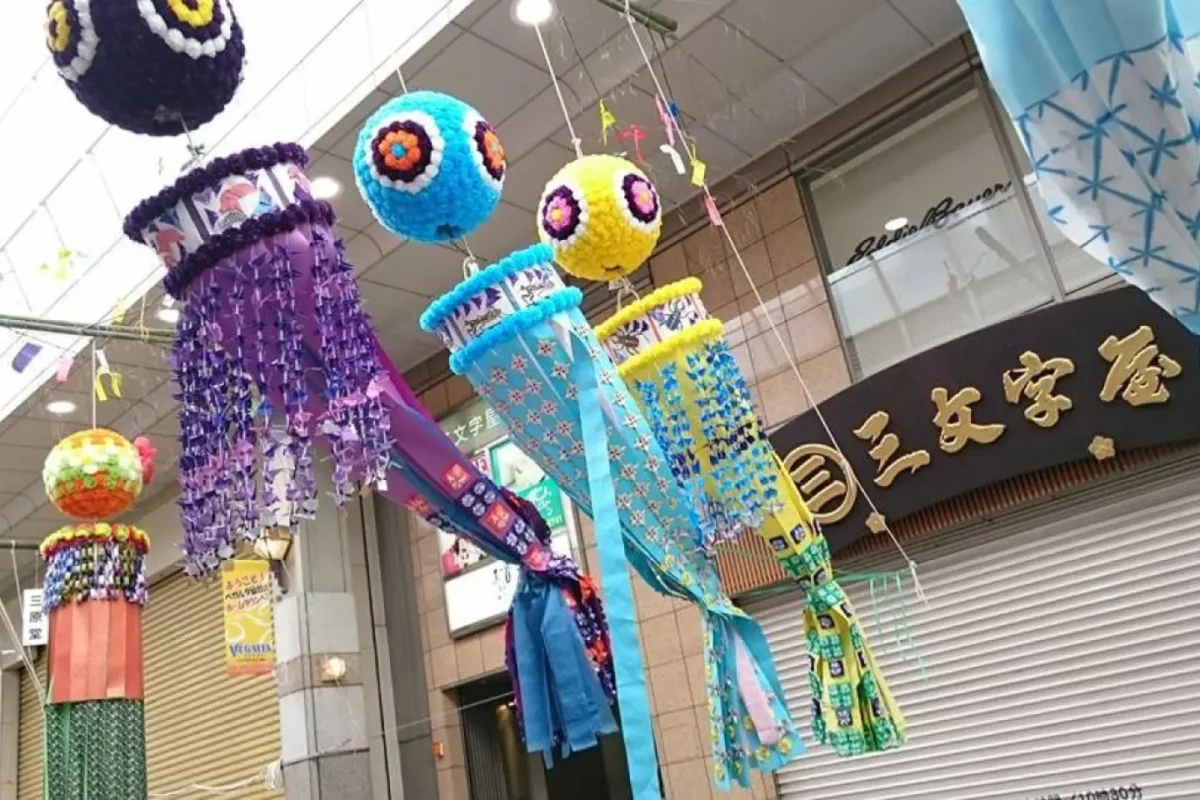
The visual centerpiece of the Sendai Tanabata Festival is the breathtaking array of giant bamboo streamers that completely envelop the downtown shopping arcades. These massive decorations, often reaching lengths of several meters, consist of large paper balls topped with cascading ribbons that sweep down just above the heads of passing pedestrians. Businesses, shopping districts, and community associations compete fiercely each year to create the most stunning, creative, and innovative displays. This competitive spirit drives participants to push the boundaries of traditional craftsmanship, resulting in breathtaking works of urban art that change entirely from one year to the next. The sheer volume of bamboo used during the festival transforms ordinary commercial streets into magical, otherworldly tunnels of color and light.
- Fukinagashi Streamers: Giant paper balls with cascading ribbons representing weaver threads and protection against evil.
- Annual Competition: Prestigious judging event where local businesses compete for top artistic and craft honors.
- Secret Crafting: Months of hidden preparation by artisans to surprise the public with innovative new designs.
- Commercial Participation: Growing involvement from private enterprises and major corporations showcasing custom brand decorations.
- Vibrant Streetscape: Complete transformation of downtown shopping arcades into immersive tunnels of colorful paper art.
- Daily Maintenance: Decorations are wrapped or taken down each night for security and weather protection reasons.
- Creative Evolution: Designs change entirely every year, featuring bizarre, unique, and avant-garde artistic interpretations.
- Photographic Haven: Endless opportunities for capturing stunning angles beneath the towering, shimmering bamboo canopy.
- Community Pride: Neighborhood associations collaborating intensely to represent their local districts with distinction.
- Daylight Viewing: Essential daytime scheduling required to fully appreciate the unmasked brilliance of the decorations.
Sendai Tanabata Fireworks & Opening Celebration
- Pre-Festival Fireworks: Spectacular kickoff display held on the evening of August 5th along the Hirose River banks.
- Massive Spectacle: Thousands of brilliant fireworks lighting up the night sky to officially herald the upcoming festival.
- Riverbank Viewing: Thousands of spectators gathering along the waterfront for optimal sightlines and atmospheric reflections.
- Live Musical Accompaniment: Synchronized soundtracks and traditional drum performances enhancing the dramatic visual explosions.
- Food Vendor Stalls: Dozens of bustling food carts lining the approach routes offering delicious festival snacks.
- Yukata Tradition: Attendees donning traditional summer cotton kimonos to add to the festive opening night mood.
- Crowd Management: Designated walking paths and security staff ensuring smooth pedestrian flow during the fireworks.
- Family Friendly: Safe, welcoming environment featuring seating zones and viewing areas suitable for all ages.
- Official Kickoff: The glowing prelude that sets the high-energy tone for the three main festival days ahead.
- Weather Contingency: Flexible scheduling plans managed by local authorities in case of unexpected summer rain.
- Photographic Highlights: Prime opportunity for capturing long-exposure shots of colorful bursts over the city skyline.
Suzume Odori Dance & Traditional Performances
The Suzume Odori, or Sparrow Dance, is one of Sendai’s most iconic cultural traditions, featuring prominently throughout the Tanabata festival celebrations. Dancers clad in vibrant costumes hold small folding fans in each hand, moving with lively, darting steps that mimic the joyful hopping of sparrows. This spirited dance originated in the early 17th century when stonemasons working on the construction of Sendai Castle improvised a celebratory dance for feudal lord Date Masamune. Today, troupes of performers of all ages fill the streets and plazas, dancing in rhythmic synchronization to the beat of flutes and drums. This infectious folk dance invites spontaneous audience participation, creating a joyous atmosphere of community celebration and shared cultural expression.
- Sparrow Dance Origin: Historical folk dance inspired by stonemasons celebrating the construction of Sendai Castle.
- Folding Fan Props: Dancers holding small fans in each hand to mimic the fluttering wings of sparrows.
- Rhythmic Accompaniment: Energetic performances driven by traditional Japanese flutes, bamboo pipes, and taiko drums.
- Public Plaza Stages: Dedicated outdoor venues hosting continuous traditional music, theater, and cultural showcases.
- Interactive Troupes: Friendly performers inviting spectators and tourists to join in communal street dancing circles.
- Tohoku Heritage: Showcase of regional artistic expressions unique to the northern Honshu prefecture of Miyagi.
- Costumed Spectacle: Dancers wearing colorful, festive attire that adds brilliant motion to the city streets.
- Intergenerational Appeal: Performances engaging audiences ranging from young children to elderly festival veterans.
- Spontaneous Joy: Unscripted moments of celebration breaking out organically across downtown plazas and street corners.
- Cultural Connection: Direct engagement allowing visitors to experience authentic local folklore firsthand.
Event Contact Details
- Email: info@sendaitanabata.com
- Phone Number: +81 22-265-8185
- Website: https://en.japantravel.com/miyagi/sendai-tanabata/30617
Night Events & Illuminated Attractions
- Evening Illumination: Strategic lighting transforming daytime bamboo decorations into glowing nighttime art installations.
- Nighttime Strolls: Peaceful evening walks through the shopping arcades before decorations are wrapped for security.
- Lantern Glows: Warm traditional paper lanterns casting soft, inviting light across festival squares and food plazas.
- Riverbank Reflections: Evening lighting effects shimmering along the surface of the Hirose River near downtown.
- Night Vendor Stalls: Food carts remaining open late to serve hungry evening crowds and night owls.
- Atmospheric Soundscapes: Evening cicadas and soft traditional flute music blending into a relaxing nighttime ambiance.
- Photography Opportunities: Capturing dramatic low-light shots of glowing paper structures before nightly teardown.
- Cooler Evening Air: Comfortable summer night temperatures offering a welcome relief from daytime humidity.
- Nighttime Safety: Well-lit pathways and prominent security personnel ensuring secure evening exploration.
- Security Wrapping: Observing the systematic process where delicate paper displays are safely secured for the night.
Location
FAQ
What is the primary historical origin of the Sendai Tanabata Festival?
The festival originates from ancient Chinese star mythology blended with Japanese agricultural customs to celebrate the yearly meeting of celestial lovers. Historical records indicate that feudal lord Date Masamune heavily promoted regional arts and seasonal star traditions, shaping the modern identity of this massive cultural observance.
Are all areas of the festival completely free to access for the public?
General street walking and viewing of the downtown bamboo decorations are completely free for all attending visitors. Optional premium ticket purchases are only required if you choose to reserve specialized grandstand seating for the formal fireworks show or designated performance zones.
What happens to the massive paper decorations during the late-night hours?
Decorations are wrapped in plastic, secured, or temporarily taken down each evening to protect them from weather and security risks. This nightly maintenance schedule prevents damage from sudden summer rain or wind gusts, ensuring the handcrafted pieces remain pristine for the following morning.
How far in advance should travelers plan their accommodation for this event?
Visitors should book hotels several months ahead of time because the festival doubles the city population and rooms fill up rapidly. Early planning is essential since millions of tourists travel from all over Japan and overseas to witness the renowned downtown streamer displays.
Can international tourists participate in writing wishes on the paper tanzaku?
Tourists are actively encouraged to write personal wishes and tie them to bamboo branches set up across public festival squares. Booths located throughout the downtown area provide paper strips and writing materials specifically so foreign visitors can take part in this meaningful custom.

Leave a Reply