
What to expect in 2027
Yushima Tenjin Ume Matsuri 2027 is a traditional Japanese plum blossom festival held at Yushima Tenmangu, also known as Yushima Tenjin, in Bunkyo City, Tokyo. The festival celebrates the arrival of early spring through the flowering of hundreds of plum trees, traditional performances, shrine ceremonies, tea experiences and local festival activities.
Yushima Tenmangu has been associated with plum blossoms since the Edo period and remains one of Tokyo’s well-known plum-viewing locations. The shrine itself is dedicated to Sugawara no Michizane, the scholar and statesman traditionally revered as a deity of learning. This connection makes the festival especially popular with students and visitors interested in Japanese cultural traditions.
The 2027 edition is expected to take place during the early-February to early-March period. Japan Travel currently lists the 2027 festival within this period while noting that the exact dates have not yet been confirmed.
Enjoy Your Event Stress-Free with Japan Travelo
Do you know? Planning events, festivals, concerts, and cultural experiences in Japan can be overwhelming. Japan Travelo brings everything together in one place, helping you manage your itinerary, transport, and accommodation with ease—so you can enjoy Japan without the stress of planning.
The main attraction is the plum garden, where visitors can see blossoms in shades ranging from white to pink and deeper red. Depending on the stage of flowering, the shrine grounds can have a very different appearance from one visit to another, making the festival especially attractive to photographers.
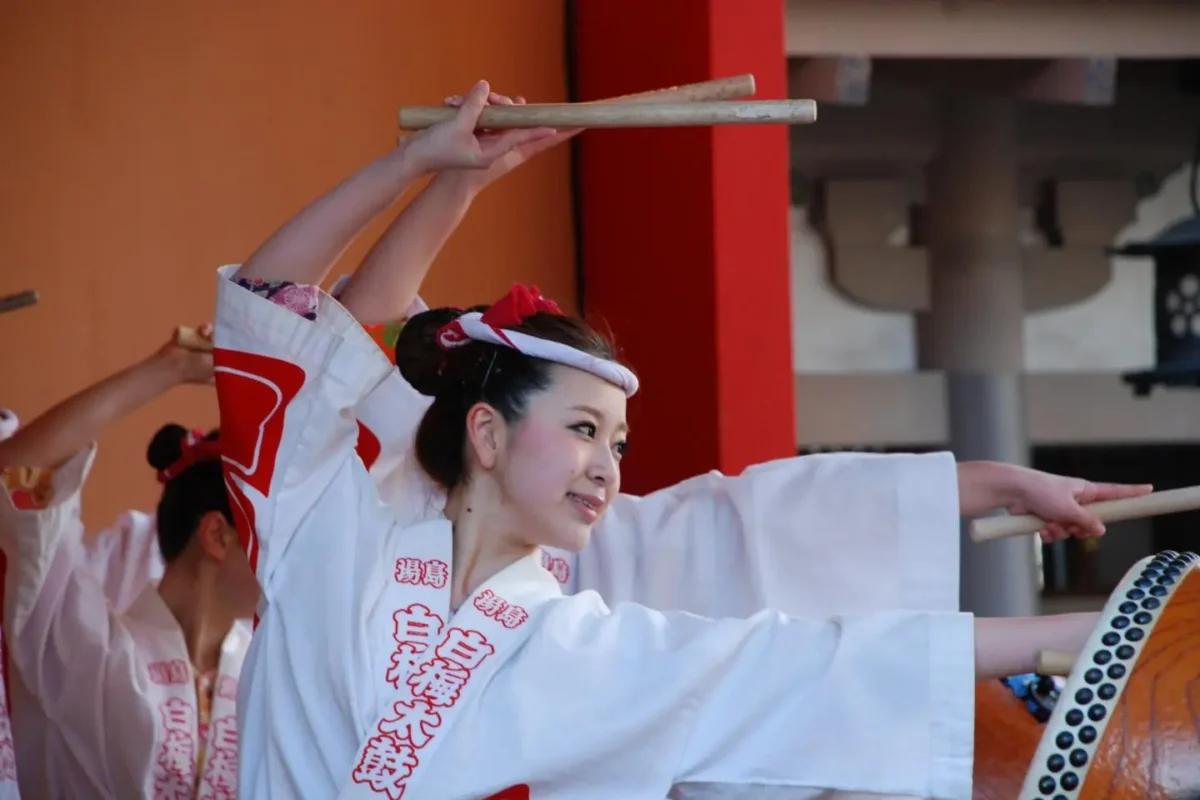
The festival is also more than a flower-viewing event. Traditional entertainment has historically included taiko performances, outdoor tea ceremonies, Japanese dance and other cultural performances. Some activities are concentrated on weekends and can vary throughout the festival period.
Visitors can combine the festival with a visit to the shrine itself, prayers for academic success, exploration of nearby Ueno and Bunkyo, and seasonal food from festival vendors.
Event dates
Yushima Tenjin Ume Matsuri 2027 is scheduled for the early February to early March 2027 period, with the exact calendar dates to be confirmed.
Japan Travel currently lists the event as “Early Feb – Early March 2027” and specifically states that the dates have not yet been confirmed by the organizers.
The festival traditionally extends across several weeks, allowing visitors multiple opportunities to see the plum blossoms as they develop through the season.
Because plum flowering is weather-dependent, the visual experience can vary considerably during the festival. Visitors interested primarily in photography should check the latest blossom information before travelling.
The shrine’s official website should be treated as the main source for the confirmed festival programme and any changes to the annual schedule.
Visiting this event? Don’t miss out on these amazing activities and local experiences while you’re here.
Venue & event locations
The main venue is Yushima Tenmangu, commonly known as Yushima Tenjin, at 3-30-1 Yushima, Bunkyo City, Tokyo.
The shrine is an important cultural and religious site in central Tokyo and has a long association with plum blossoms. The official shrine explains that it was founded in the fifth century and later became strongly associated with the worship of Sugawara no Michizane, the deity of learning.
Important festival areas include:
- Yushima Tenmangu shrine grounds
- Plum garden and blossom-viewing areas
- Shrine approach
- Main shrine area
- Festival performance areas
- Outdoor tea ceremony spaces
- Food and vendor areas
- Surrounding Yushima neighborhood
The compact shrine grounds make it possible to combine blossom viewing with traditional shrine architecture, seasonal decorations and cultural performances.
Yushima Tenmangu is also conveniently located near Ueno, making the festival easy to combine with other Tokyo attractions.
Full holiday programme
The full 2027 programme has not yet been announced, but the established Yushima Tenjin Ume Matsuri format combines seasonal flower viewing with traditional Japanese cultural activities.
The programme can include:
- Plum blossom viewing
- Shrine ceremonies
- Taiko performances
- Outdoor tea ceremonies
- Japanese traditional dance
- Other dance performances
- Traditional music
- Local cultural demonstrations
- Festival food stalls
- Seasonal products
- Shrine prayers and worship
- Plum-related decorations and displays
Japan Travel specifically highlights taiko, outdoor tea ceremony, Japanese dance, flamenco, belly dance and religious ceremonies among activities associated with the festival. It also notes that many performances take place on weekends and can change from week to week.
This changing programme gives repeat visitors different reasons to return during the festival period.
The festival’s religious character is also important. Yushima Tenmangu remains an active shrine rather than simply functioning as a flower-viewing garden. Visitors can therefore experience both seasonal celebration and traditional Shinto worship in the same location.
Main attractions & highlights
Plum blossom garden
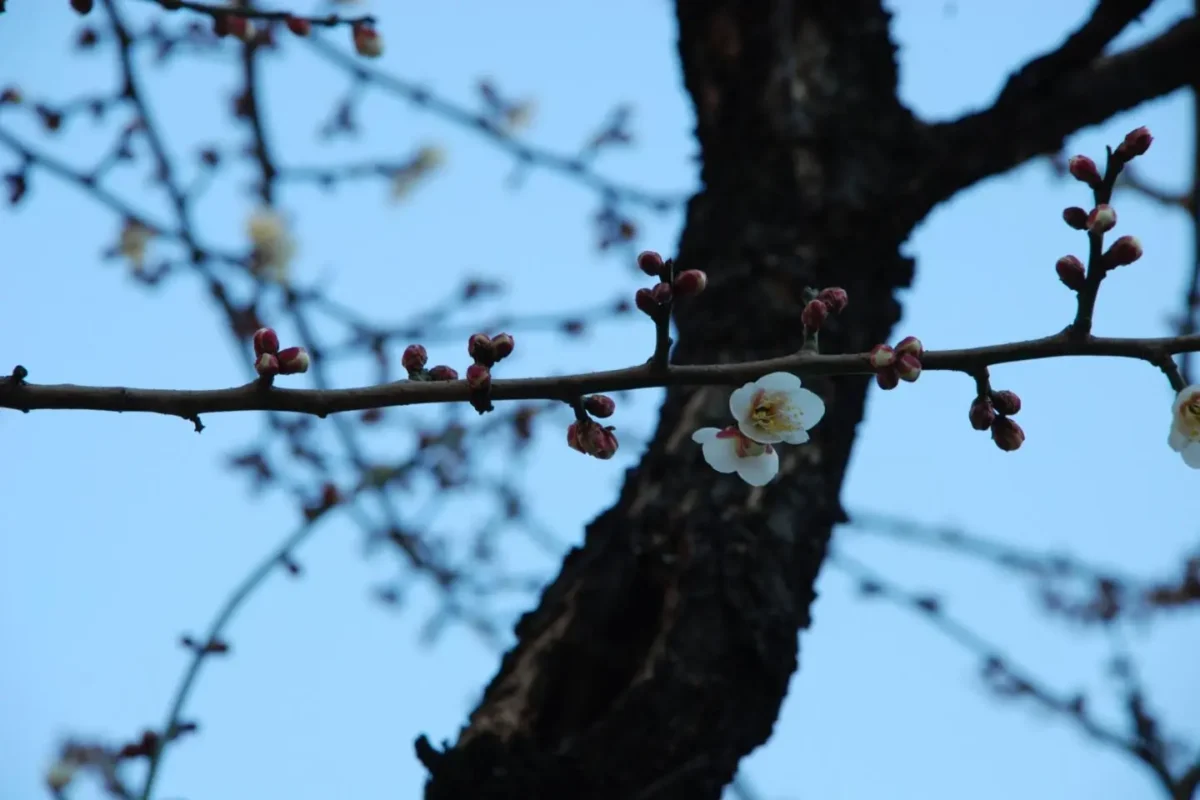
The plum trees are the central attraction. Their flowers create a seasonal display across the shrine grounds, with different varieties producing different colors, shapes and flowering periods.
Historic Yushima Tenmangu
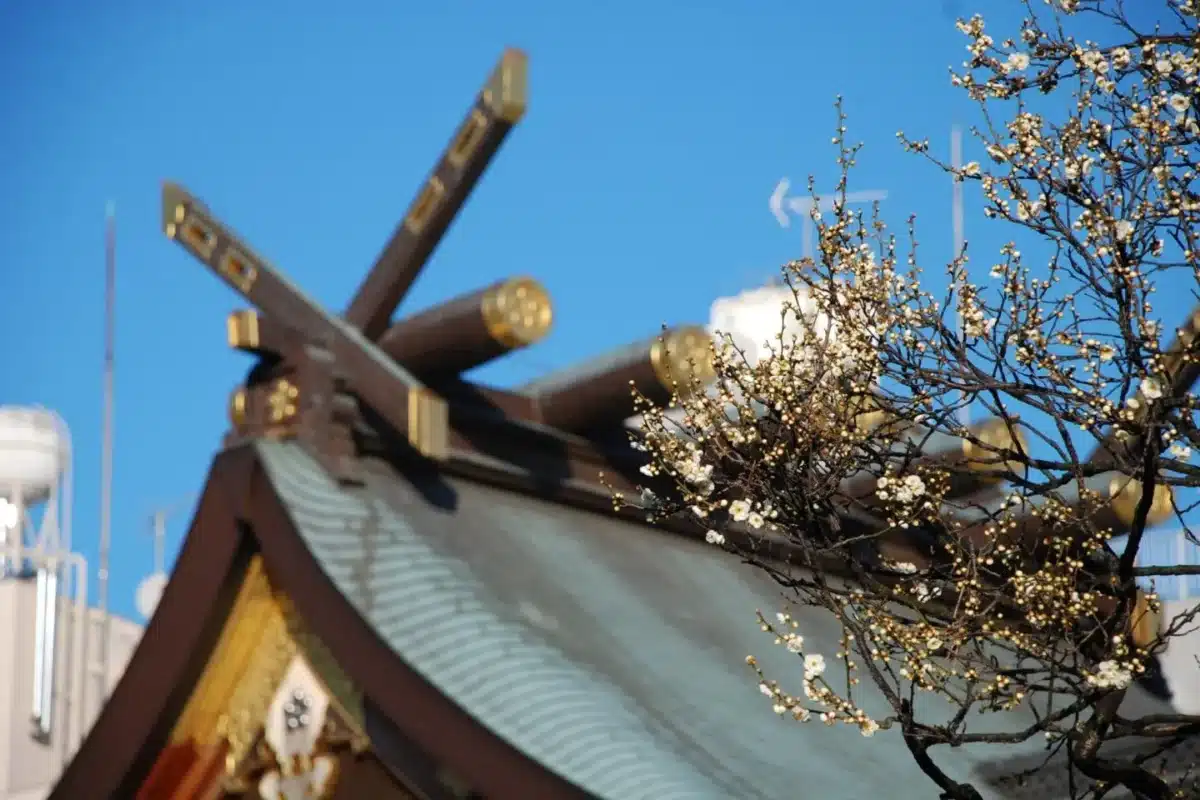
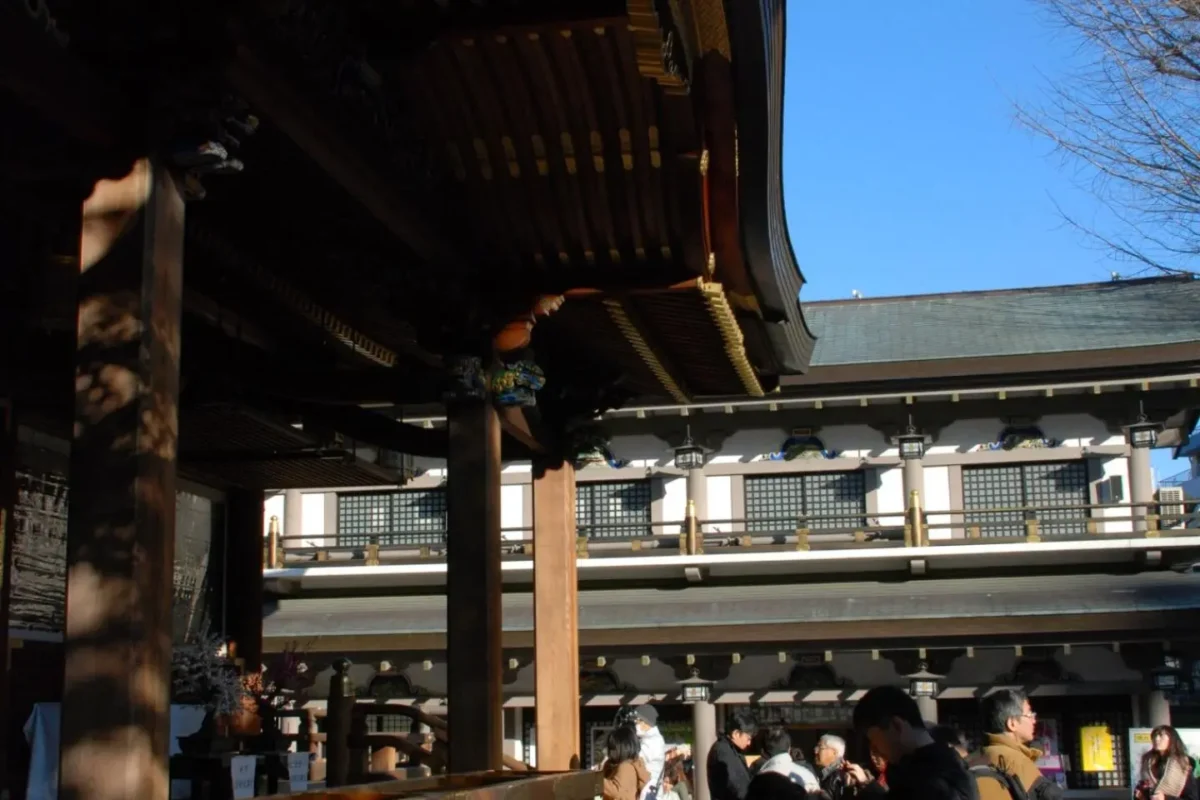
The shrine provides a traditional architectural setting for the festival. Its history and association with Sugawara no Michizane add cultural depth to the flower-viewing experience.
Traditional performances
Taiko and dance performances add movement and sound to the otherwise peaceful atmosphere of the plum garden.
Outdoor tea ceremony
The tea ceremony is one of the festival’s classic cultural experiences and provides visitors with an opportunity to observe Japanese tea traditions in a seasonal setting.
Academic prayers
Yushima Tenmangu is particularly associated with learning and academic success because of its dedication to Sugawara no Michizane. Students and families often visit the shrine to pray for success in examinations and education.
Festival food
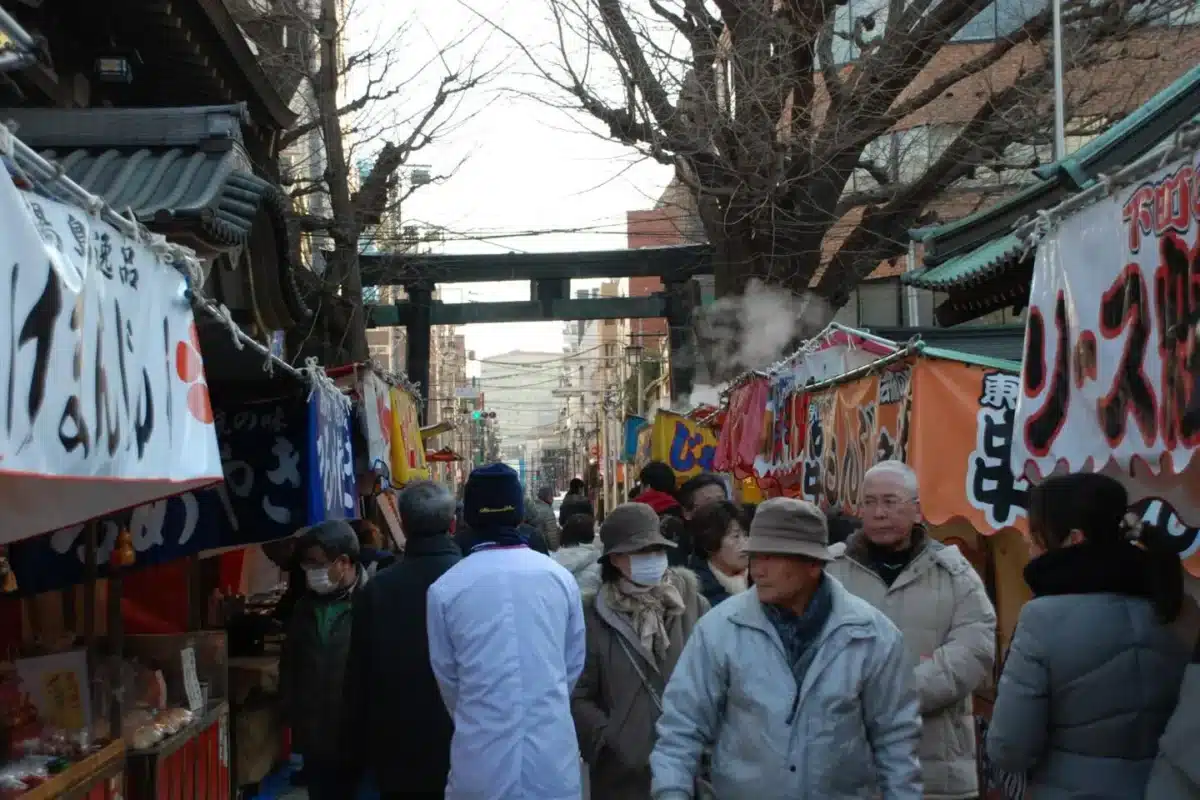
Temporary food stalls and local vendors contribute to the festival atmosphere, giving visitors opportunities to try seasonal Japanese snacks and traditional festival foods.
Markets, decorations & themed areas
Yushima Tenjin Ume Matsuri is not primarily a large commercial market, but the festival atmosphere includes food vendors, seasonal displays and areas dedicated to enjoying the plum blossoms.
Visitors can expect the shrine grounds to be visually transformed by flowering trees and seasonal decorations.
Plum-viewing areas
The plum garden is naturally divided into different viewing spaces by the shrine’s paths and landscaping. Visitors can walk between the trees rather than viewing them from a single centralized location.
Festival stalls
Food stalls and temporary vendors can contribute to the festive atmosphere, particularly during busy weekend periods.
Seasonal decorations
Plum blossoms and related motifs appear throughout the shrine environment during the festival, reinforcing the connection between the shrine and the seasonal flower.
Traditional shrine setting
The combination of trees, shrine buildings, gates and pathways creates a distinctly Japanese spring atmosphere.
Cultural performance areas
Temporary spaces may be used for taiko, dance, tea ceremonies and other performances. The exact arrangement can change from one edition to another.
Events & entertainment schedule
The detailed 2027 schedule has not yet been released. Based on the established festival format, visitors should expect activities to vary according to the day of the week and the particular weekend programme.
A typical festival visit may include:
- Arrival and shrine visit
- Plum blossom viewing
- Seasonal photography
- Shrine worship
- Traditional performance
- Tea ceremony
- Festival food
- Cultural demonstrations
- Academic prayer
- Souvenir shopping
Japan Travel notes that many of the festival activities are held on weekends and that the programme changes from week to week.
This means visitors should not assume that every performance is available every day.
The shrine’s official announcements should be checked before travelling for the confirmed programme, performance times and any special cultural events.
Admission & ticket information
Yushima Tenjin Ume Matsuri is generally a free public festival, with visitors able to enter the shrine grounds and enjoy the plum blossoms without purchasing a standard festival admission ticket.
The main expenses visitors may encounter are optional purchases such as food, drinks, souvenirs or individual cultural activities.
Typical access includes:
- Festival and shrine grounds: Free
- Plum blossom viewing: Free
- General cultural atmosphere: Free
- Shrine worship: No standard festival admission charge
- Food and drinks: Paid separately
- Souvenirs: Paid separately
- Optional cultural experiences: May have separate charges if offered
No 2027 ticket pricing has been announced because the main festival does not normally operate as a ticketed admission event.
Visitors should distinguish between free access to the festival and optional paid purchases or services available within the surrounding area.
Special experiences & activities
Outdoor tea ceremony
The outdoor tea ceremony is one of the most distinctive cultural experiences associated with the festival. Visitors can observe traditional tea preparation in a seasonal environment surrounded by plum blossoms.
Plum blossom photography
The combination of white and pink flowers, shrine architecture and traditional decorations creates numerous photography opportunities.
Shrine worship
Visitors can experience the traditional customs of visiting a Japanese Shinto shrine, including purification and prayer.
Academic prayers
Yushima Tenmangu is particularly popular with students because of its connection with Sugawara no Michizane. Visitors can pray for academic success and purchase traditional protective charms if available.
Traditional performances
Taiko, Japanese dance and other cultural performances provide opportunities to experience Japanese performing arts alongside the flower-viewing programme.
Local food tasting
Festival stalls provide a casual way to experience seasonal Japanese street food while exploring the shrine grounds.
Family & children’s activities
The festival is suitable for families because it combines outdoor sightseeing, flowers, traditional performances and an accessible shrine environment.
Children can enjoy:
- Plum blossom viewing
- Traditional music performances
- Taiko demonstrations
- Dance performances
- Festival snacks
- Shrine architecture
- Seasonal photography
- Exploring the shrine grounds
The colorful plum blossoms can be especially engaging for children interested in nature and photography.
Families should keep younger children close in crowded areas, particularly during weekend performances and around food stalls.
Parents should also remember that Yushima Tenmangu remains a religious site. Children should be encouraged to respect shrine buildings, worshippers and ceremonial areas.
The festival can also be combined with nearby Ueno attractions, making it possible to create a broader family day in central Tokyo.
Event rules
Visitors should follow standard shrine etiquette throughout the festival.
Important guidelines include:
- Respect the shrine as an active religious site.
- Follow instructions from shrine staff.
- Do not enter restricted areas.
- Avoid touching shrine objects or decorations.
- Keep pathways clear.
- Do not damage or climb the plum trees.
- Dispose of rubbish properly.
- Keep children supervised in crowded areas.
- Avoid blocking cultural performances.
- Follow photography instructions.
- Be considerate of worshippers.
- Maintain a respectful noise level around ceremonial activities.
Photography is generally an important part of the festival experience, but visitors should avoid interfering with ceremonies or blocking other people’s views.
How to get there
Yushima Tenmangu is located in the Yushima district of Bunkyo City, close to Ueno and several major Tokyo neighborhoods.
The shrine can be reached conveniently by Tokyo’s rail and subway network.
Visitors can approach through the surrounding Yushima streets and enter the shrine grounds through its traditional gates.
Because the festival can attract substantial crowds, walking from a nearby railway or subway station is generally more convenient than attempting to drive directly to the shrine.
The central location also makes it practical to combine Yushima Tenmangu with Ueno Park, museums, Akihabara and other nearby attractions.
Public transport & parking
Public transportation is recommended for visiting Yushima Tenjin Ume Matsuri.
Tokyo Metro Chiyoda Line
Yushima Station is one of the most convenient subway options for reaching the shrine.
Tokyo Metro Ginza Line
Ueno-Hirokoji Station provides another practical route into the surrounding Yushima and Ueno area.
Tokyo Metro Marunouchi Line
Hongo-sanchome Station can also be used when approaching the shrine from the Bunkyo side.
JR lines
Visitors arriving at Ueno or Okachimachi can walk toward Yushima Tenmangu through the surrounding neighborhood.
Parking
Limited paid parking is available in the broader Yushima and Ueno area, but parking can become difficult during busy festival periods.
Visitors who are driving should consider parking farther from the shrine and continuing on foot rather than expecting to park immediately beside the festival grounds.
Accommodation areas
Ueno
Ueno is one of the most practical areas for visitors attending the festival. It provides extensive rail connections, restaurants, museums and accommodation at a range of price levels.
Yushima
Staying directly in Yushima places visitors close to the shrine and provides easy access to the festival on foot.
Okachimachi
Okachimachi is another convenient area with shopping, restaurants and excellent transport connections.
Akihabara
Akihabara offers a wide range of accommodation and easy rail connections while remaining close to Yushima.
Bunkyo
The wider Bunkyo area provides a quieter alternative to central tourist districts while keeping visitors close to Yushima Tenmangu.
For visitors primarily interested in plum blossom viewing, accommodation around Yushima, Ueno or Okachimachi provides the easiest access.
Food, drinks & seasonal specialties
Food is an important part of the atmosphere around Japanese seasonal festivals, and Yushima Tenjin Ume Matsuri is surrounded by restaurants and temporary festival vendors.
Visitors may find traditional Japanese festival foods and snacks such as:
- Takoyaki
- Yakisoba
- Taiyaki
- Dango
- Senbei
- Sweet bean treats
- Grilled foods
- Japanese tea
- Seasonal sweets
The surrounding Ueno and Yushima districts also have many restaurants serving sushi, soba, tempura, ramen and other Japanese dishes.
Visitors interested in the cultural side of the festival can combine traditional food with tea and plum blossom viewing.
The festival is also a good opportunity to try Japanese seasonal sweets inspired by plum blossoms and early spring, although the exact vendors and food selection can change from year to year.
Accessibility
Yushima Tenmangu is located in a dense urban neighborhood, and accessibility can vary depending on crowd levels and the temporary arrangement of festival activities.
Visitors with mobility needs should consider arriving earlier in the day when pedestrian congestion may be lower.
Helpful planning considerations include:
- Use accessible subway stations where possible.
- Check elevator availability when selecting a route.
- Allow extra time for crowded pathways.
- Stay on designated pedestrian routes.
- Ask shrine staff for assistance if needed.
- Avoid the busiest areas during major performances.
- Consider accommodation close to a step-free railway connection.
The shrine grounds include traditional architectural features and changing surfaces, so visitors with mobility concerns may want to plan their route in advance.
Best days & times to visit
The best time to visit depends on whether the priority is flowers, performances, photography or a quieter shrine experience.
For traditional performances
Weekend periods are generally the most useful choice because Japan Travel notes that many cultural activities take place on weekends and that programmes can change from week to week.
For photography
Morning visits can provide softer light and may offer a calmer atmosphere before larger crowds develop.
For a quieter experience
Weekdays can be preferable for visitors who want to focus primarily on the plum garden and shrine architecture rather than performances.
For peak blossom viewing
The ideal blossom period depends on weather and the flowering stage of individual trees. Visitors should check recent local blossom reports before choosing when to travel.
For food and festival atmosphere
Busy weekend periods are more likely to provide the fullest combination of vendors, performances and visitor activity.
Previous year’s highlights
Recent editions have continued the festival’s established combination of plum blossom viewing and cultural performances.
Japan Travel highlights several recurring attractions, including taiko, outdoor tea ceremonies, Japanese dance and religious ceremonies. It also notes that other performances can include flamenco and belly dance, demonstrating the varied entertainment programme that has appeared during the festival.
The plum garden remains the visual centerpiece. Visitors can walk among flowering trees while also seeing the shrine’s traditional architecture and seasonal decorations.
Another important feature is the connection with academic worship. Yushima Tenmangu is dedicated to Sugawara no Michizane, and the shrine has long been associated with learning and examination success. This gives the festival a cultural dimension beyond flower viewing.
The official shrine describes Yushima Tenmangu as a historic shrine founded in the fifth century and notes its longstanding reputation as a famous plum-viewing location dating back to the Edo period.
Festival food and the changing weekend programme also contribute to the lively atmosphere, while the relatively compact shrine grounds allow visitors to move easily between blossom-viewing areas and cultural activities.
Official event information
The official venue is Yushima Tenmangu, also known as Yushima Tenjin, located at 3-30-1 Yushima, Bunkyo City, Tokyo. The shrine’s official website provides information about opening hours, shrine services, annual events and announcements.
Yushima Tenmangu’s current general visiting information states that the shrine grounds are open from 6:00 AM to 8:00 PM, while prayer reception operates during separate daytime hours. These regular hours can be subject to festival arrangements.
For the 2027 festival, visitors should check the official shrine announcements for the confirmed programme, performances, blossom information and any temporary changes.
https://www.yushimatenjin.or.jp/
Video
Location
FAQ
Is there any admission fee required to enter the plum festival?
Visitors can enter the shrine complex and view the sprawling plum gardens completely free of charge. No tickets or advance reservations are necessary for general daily public access.
When is the best time during the season to see peak blossoms?
The plum blossoms typically reach their peak display from mid-February through late February, depending on winter weather patterns. Checking local bloom reports before your trip ensures you visit when the trees are most vibrant.
What special activities happen during the weekends?
Weekends feature a rotating schedule of live taiko drumming, outdoor tea ceremonies, and diverse dance performances. These lively cultural events draw larger crowds compared to quieter weekday morning strolls.
How do travelers reach Yushima Tenjin using public transit?
The shrine is easily accessible via a short two-minute walk from Yushima Station on the Chiyoda Line. Visitors can also walk from nearby Ueno Park or Ueno-Okachimachi stations within a few minutes.
Are there food and dining options available inside the shrine?
Numerous traditional food stalls operate throughout the festival grounds, offering hot snacks, sweets, and warm drinks. Visitors can also find diverse dining choices in the surrounding Ueno and Yushima neighborhood streets.

Leave a Reply