
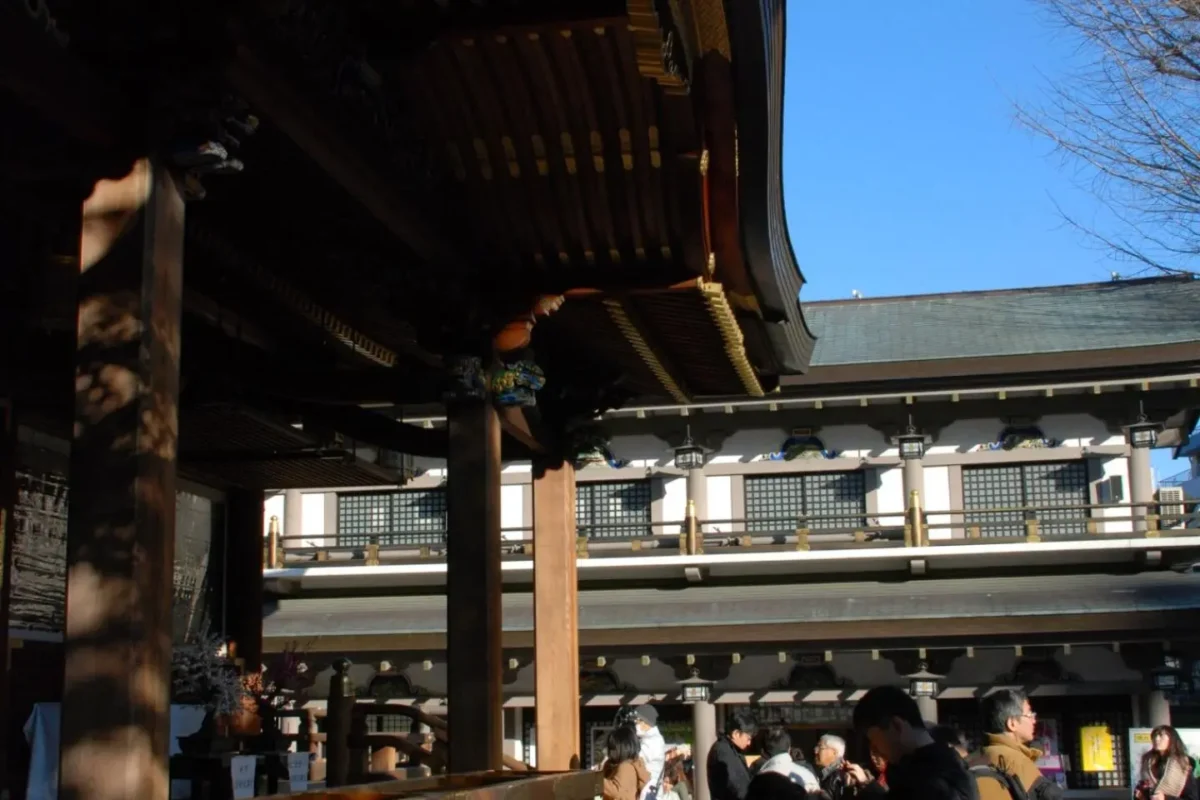
Cultural Performances & Festival Programme
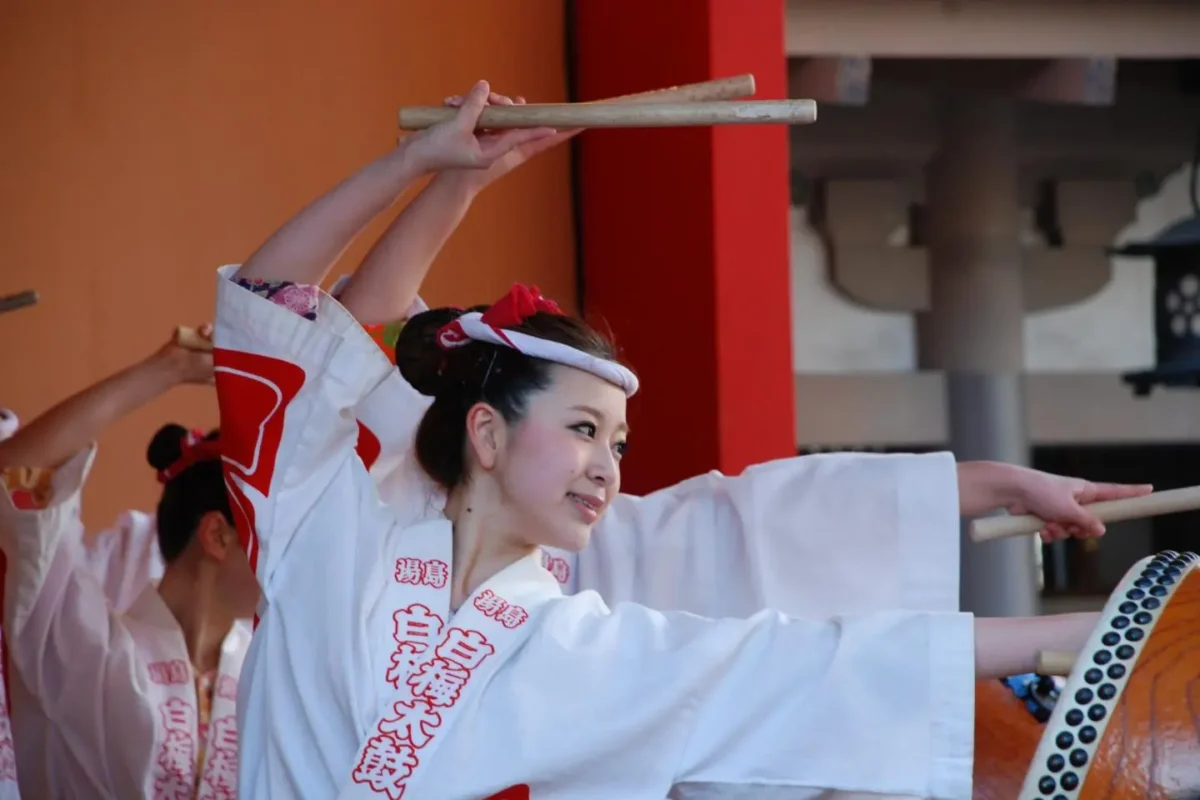
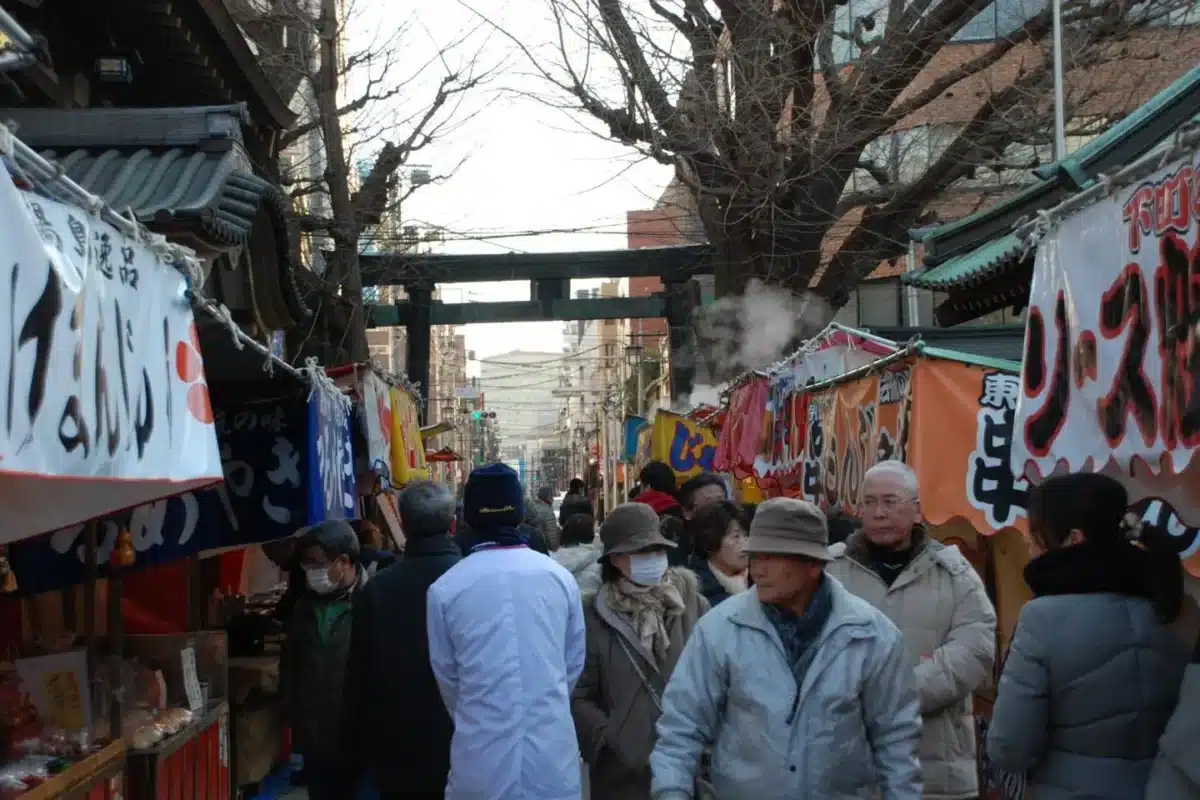
The Yushima Tenjin Ume Matsuri is a festival that starts in the first week of February and finishes in the first week of March. It is possible to see different events like taiko, outdoor tea ceremony, various dance shows (Japanese dance, flamenco, belly dance), as well as religious ceremonies that are connected with the festival. Most of the activities are held on the week-end and change from week to week. This festival is also associated with street food, giving it a festive vibe. If you like to enjoy the Ume Matsuri, or to pray for the success in your studies, don’t forget to go to Yushima Tenjin the next time you pass by Ueno.
The dynamic weekend schedule ensures that returning visitors experience fresh artistic showcases throughout the month-long celebration. Traditional music and modern folk interpretations blend seamlessly to honor the historical deity in an engaging public format.
- Rhythmic traditional taiko drumming performances echoing across the shrine courtyards
- Classical Japanese traditional dance presentations showcasing elegant period choreography
- Vibrant international dance showcases including energetic flamenco and belly dance routines
- Solemn Shinto religious ceremonies and prayer rituals conducted by resident priests
- Weekend-exclusive special events changing dynamically from week to week
- Live musical accompaniment featuring traditional flutes and string instruments
When & How Long
- Event Date: Early Feb – Early March 2027 (Dates TBD)
- Event Duration: Approximately one month of continuous seasonal garden exhibitions and weekend cultural programs
Visiting this event? Don’t miss out on these amazing activities and local experiences while you’re here.
Best Plum-Viewing Times & Photography
Morning hours offer a quiet, contemplative environment with soft natural lighting filtering through the blossoming tree branches. Visiting early on weekdays helps photographers capture clear shots of the red bridges and stone lanterns without heavy crowds.
Enjoy Your Event Stress-Free with Japan Travelo
Do you know? Planning events, festivals, concerts, and cultural experiences in Japan can be overwhelming. Japan Travelo brings everything together in one place, helping you manage your itinerary, transport, and accommodation with ease—so you can enjoy Japan without the stress of planning.
As afternoon approaches, the atmosphere grows lively as weekend visitors fill the garden paths to enjoy the vibrant festival energy. Golden hour sunlight highlights the rich colors of the plum petals against traditional shrine architecture.
- Early morning quiet hours providing ideal lighting for serene landscape shots
- Midday weekend buzz capturing the lively human element of the festival crowds
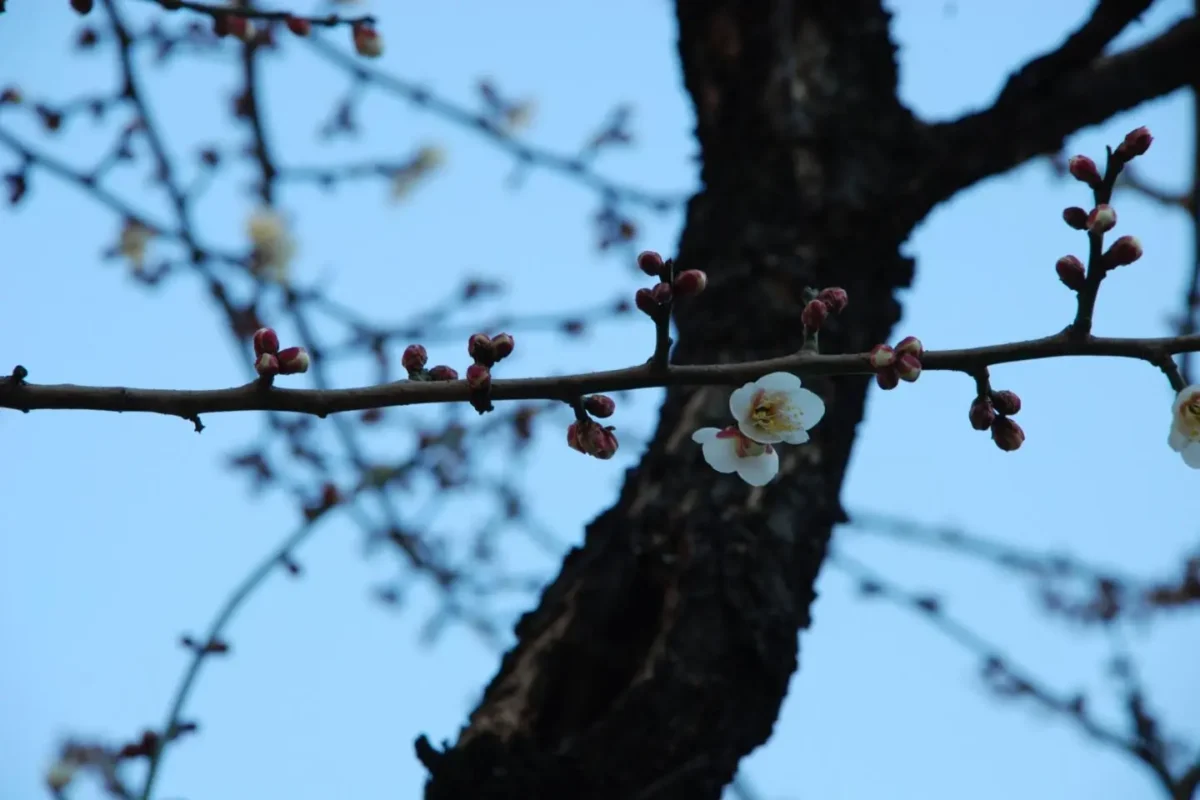
- Macro photography opportunities focusing on individual pink and white plum petals
- Wide-angle framing combining stone monuments with blooming canopies
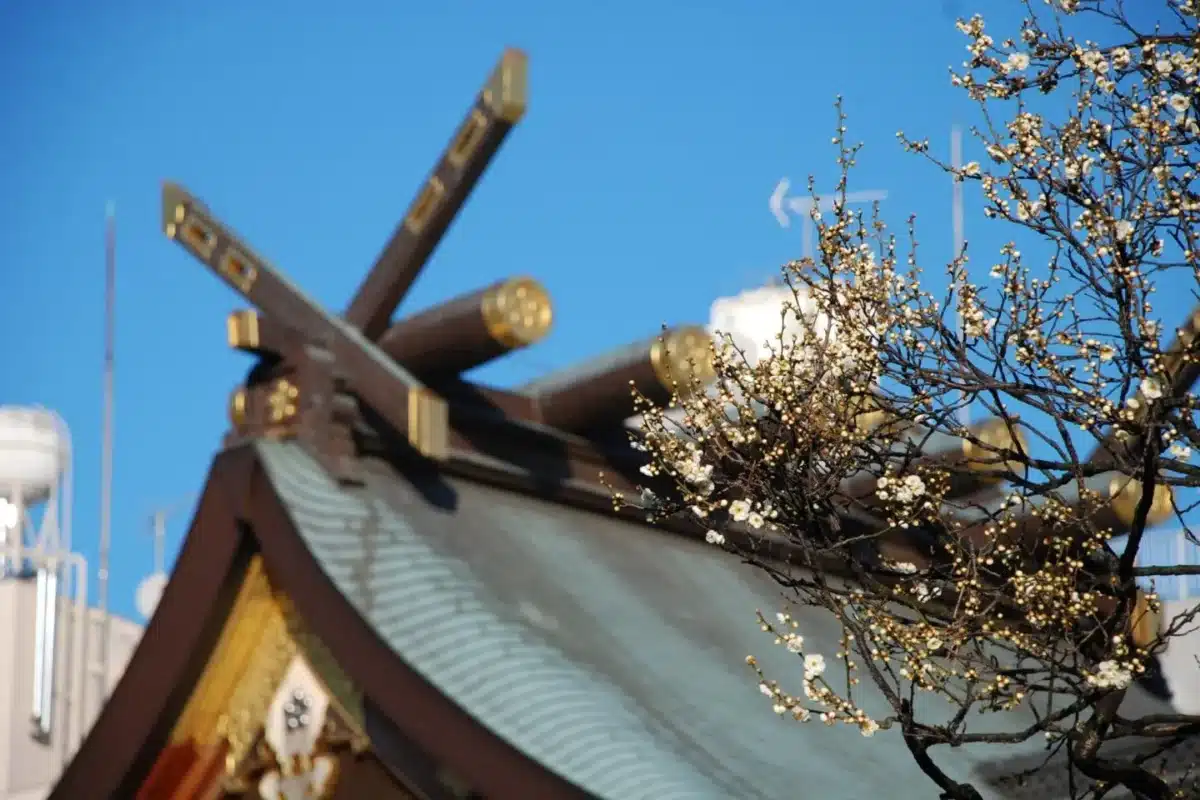
- Sunset golden hour casting warm glows across traditional tiled shrine roofs
- Strategic positioning near historic red fences and arched garden bridges
Visitor Experience, Etiquette & What to Bring
Dress in warm winter layers because February temperatures in Tokyo can remain brisk and chilly, especially during outdoor garden strolls. Wearing comfortable walking shoes is essential for navigating the stone paths and sloping shrine grounds safely.
- Pack warm coats, scarves, and gloves to stay comfortable in cold February weather
- Wear sturdy walking footwear suitable for uneven stone and gravel paths
- Maintain respectful quiet behavior near active prayer halls and sacred altars
- Carry cash currency for purchasing food, tea tickets, and festival amulets
- Respect local crowd flow directions during peak weekend performance hours
- Keep personal trash with you or dispose of it in designated recycling bins
- Follow all posted guidelines regarding restricted photography zones
Entry & Tickets
- How Tickets Are Sold: No tickets, advance registrations, or reservations are required to enter the shrine grounds and view the gardens.
- Admission Type: Free Admission
- Ticket Pricing: Free Admission (Minimum price range: $0.00 USD, Maximum price range: $0.00 USD)
- Special Seating Options: Open public walking paths and unreserved resting spaces are available throughout the shrine grounds.
- VIP Options: No VIP ticket tiers, exclusive fast-track passes, or paid private viewing enclosures are offered.
Sugawara no Michizane & Shrine Significance
It is said that in the 10th century, a poet and scholar named Sugawara no Michizane died in exile after being the victim of a plot made by a member of the Fujiwara family. After his death, a tempest struck in the capital, killing many members of the Fujiwara family in the fire and flood that destroyed their house. The court concluded that the catastrophe was caused by the spirit of Michizane. To counter the bad omen, the court restored his honor, and he became a spirit named Tenjin, the God of the sky.
At first, he was worshipped to protect from natural disasters, but with the time, poets and scholars also started to worship him and to pray in the sanctuary dedicated to him. Those shrines are now visited by students and their parents, which come to pray for their success during the exam time. It is said that Michinaze liked plums, and for that reason, those trees are often present in the grounds of Tenman-gū shrines, which are dedicated to Tenjin. Many stories also talk about the link between Michizane and cattle, and this is the reason why there is often cattle statues at these shrines.
Outdoor Tea Ceremony & Traditional Experiences
Open-air tea gathering stations are established within the shrine grounds, offering guests a chance to experience authentic matcha hospitality surrounded by blossoming plum branches. Expert hosts whisk frothy green tea paired with seasonal confectioneries, creating a serene moment of reflection amidst the lively festival atmosphere.
Participating in the traditional tea ritual allows visitors to connect deeply with classical Japanese aesthetic principles. The harmonious pairing of warm green tea and vibrant floral views encapsulates the essence of spring appreciation.
- Open-air matcha green tea service hosted beneath blooming plum trees
- Traditional seasonal wagashi sweets crafted to reflect spring motifs
- Expert demonstrations of formal tea preparation etiquette and hospitality
- Quiet communal seating areas designed for peaceful cultural immersion
- Historic artifact displays highlighting local shrine heritage and art
Where It Takes Place
- City and Country: Tokyo, Japan
- Venue Name: Yushima Tenmangu
- Google Maps Address: 3 Chome-30-1 Yushima, Bunkyo City, Tokyo 113-0034, Japan
Food Stalls, Local Products & Festival Market
- Rows of vibrant street food stalls serving hot regional snacks and savory treats
- Specialty plum-flavored delicacies, beverages, and festival sweets unique to the event
- Artisanal craft booths offering handmade souvenirs, local pottery, and trinkets
- Traditional amulet and talisman stalls providing protective good-luck charms
- Bustling market lanes filled with cheerful vendor calls and aromatic food scents
- Warm sweet amazake rice wine servings ideal for chilly winter afternoons
Event Contact Details
- Phone Number: 03-3836-0753
- Website: https://en.japantravel.com/tokyo/yushima-tenjin-ume-matsuri-1/27556
Plum Blossoms & Ume Garden
Located a short distance from Ueno Park, the Yushima Tenjin shrine, also called Yushima Tenman-gu, might be unnoticed compared to other well-known shrines in Ueno Park. However, you will not regret the visit, especially if you go in February, during the plum festival that takes place during the whole month. Hundreds of blooming apricot trees perfume the air, creating a breathtaking sea of pink and white petals against the historic urban backdrop.
The brilliant floral display marks the welcoming transition from deep winter into early spring across the capital. Visitors wander through meticulously maintained garden paths, enjoying the delicate fragrance and visual splendor of the blossoms at peak season.
- Hundreds of traditional ume apricot trees bursting into vibrant pink and white blooms
- Sweet, delicate floral fragrances drifting across the historic shrine courtyards
- Carefully manicured garden layouts providing stunning natural photography backdrops
- Peak blossom variations ranging from pale snowy whites to deep crimson shades
- Peaceful seating alcoves nestled right alongside blooming branches for quiet contemplation
- Early spring botanical displays symbolizing endurance, beauty, and renewal
Video
Location
FAQ
Is there any admission fee required to enter the plum festival?
Visitors can enter the shrine complex and view the sprawling plum gardens completely free of charge. No tickets or advance reservations are necessary for general daily public access.
When is the best time during the season to see peak blossoms?
The plum blossoms typically reach their peak display from mid-February through late February, depending on winter weather patterns. Checking local bloom reports before your trip ensures you visit when the trees are most vibrant.
What special activities happen during the weekends?
Weekends feature a rotating schedule of live taiko drumming, outdoor tea ceremonies, and diverse dance performances. These lively cultural events draw larger crowds compared to quieter weekday morning strolls.
How do travelers reach Yushima Tenjin using public transit?
The shrine is easily accessible via a short two-minute walk from Yushima Station on the Chiyoda Line. Visitors can also walk from nearby Ueno Park or Ueno-Okachimachi stations within a few minutes.
Are there food and dining options available inside the shrine?
Numerous traditional food stalls operate throughout the festival grounds, offering hot snacks, sweets, and warm drinks. Visitors can also find diverse dining choices in the surrounding Ueno and Yushima neighborhood streets.

Leave a Reply