
-
September 19, 2026
Event date:
-
September 21, 2026
Event end:
What to expect in 2026
The 2026 Aizu Festival will take place across three consecutive days, with a different combination of events each day. The official programme includes the Lantern Procession and Aizu Bandaisan Dance on September 19, the Ancestors Appreciation Ceremony and Aizu Clan Lord Procession on September 20, and the Nisshinkan Children’s Procession and Bugle Band Parade on September 21.
The festival is particularly suitable for visitors interested in Japanese history and traditional culture because many of its events are connected to Aizu’s samurai-era heritage. Historical costumes, ceremonial rituals, traditional dance and organized processions transform parts of the modern city into a large-scale cultural stage.
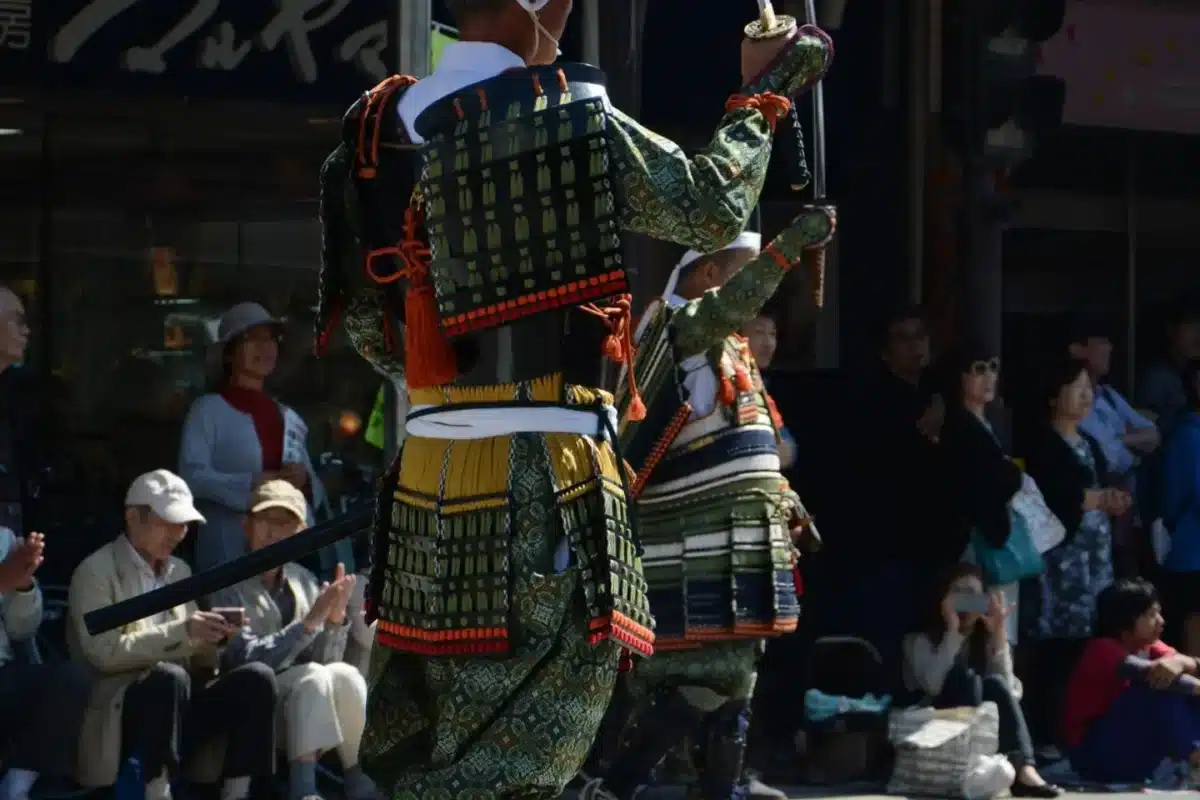
The most important day for many visitors is September 20. The day begins with the Ancestors Appreciation Ceremony at Tsurugajo Castle, followed by preparations for the Aizu Clan Lord Procession. The procession then travels from the castle through central streets before returning to the castle.
Enjoy Your Event Stress-Free with Japan Travelo
Do you know? Planning events, festivals, concerts, and cultural experiences in Japan can be overwhelming. Japan Travelo brings everything together in one place, helping you manage your itinerary, transport, and accommodation with ease—so you can enjoy Japan without the stress of planning.
The festival is not simply a spectator event. Some activities, particularly the Aizu Bandaisan Dance, allow individual visitors to join. The official tourism information specifically notes that individual participants do not need to register in advance for the dance.
Because many activities take place outdoors, visitors should allow additional time for walking between viewing areas. Roads can also become congested or temporarily restricted during the major processions.
Event dates
The 2026 Aizu Festival runs from Saturday, September 19 through Monday, September 21, 2026. The official organizer confirms that the festival is free and that individual event times vary.
Saturday, September 19
The opening day features the Lantern Procession and Aizu Bandaisan Dance. The Lantern Procession traditionally travels from Tsurugajo Castle toward the central city, while the evening dance takes place around a traditional yagura in Shinmei-dori.
The city has also announced a 2026 Aizu Bandaisan Dance programme beginning at 7:00 PM, with activities centered around Shinmei-dori.
Sunday, September 20
This is the principal day of the festival. The Ancestors Appreciation Ceremony is scheduled for approximately 8:30–9:10 AM at Tsurugajo Castle’s main enclosure. The Aizu Clan Lord Procession follows, with the departure planned for approximately 10:30 AM. Aizu Bandaisan Dance returns in the evening.
Monday, September 21
The final day features the Nisshinkan Children’s Procession and Bugle Band Parade. The planned departure is around 10:00 AM, with the events using central streets between the First Junior High School area, Chuo-dori and Shinmei-dori.
Visiting this event? Don’t miss out on these amazing activities and local experiences while you’re here.
Venues & festival locations
The festival is spread across Aizuwakamatsu rather than being confined to a single enclosed venue.
Tsurugajo Castle
Tsurugajo Castle, also known as Aizuwakamatsu Castle, is the central historical setting for several major ceremonies and the beginning and end point of the main procession. Its address is 1-1 Otemachi, Aizuwakamatsu, Fukushima.
Tsurugajo Castle Main Enclosure
The main enclosure contains the temporary stage used for the Ancestors Appreciation Ceremony and the opening activities associated with the Aizu Clan Lord Procession.
Shinmei-dori
Shinmei-dori is one of the principal downtown locations for the Aizu Bandaisan Dance. It provides an opportunity to see local traditional dancing in a lively street setting.
Central Aizuwakamatsu
The main procession passes through several downtown streets, including Kitademaru Odori, the street in front of Aizuwakamatsu City Hall, Shinmei-dori, Chuo-dori, Nanokamachi-dori, Keirindera-dori and Honmachi-dori.
First Junior High School area
The final-day children’s procession and bugle band activities begin around the First Junior High School and continue toward the central streets.
Full cultural programme
The 2026 programme brings together ceremonial, historical and community-based activities.
Lantern Procession
The Lantern Procession opens the festival on September 19. Participants carry lanterns as the procession moves from the castle area toward the city center. The tradition dates back to the 1928 procession associated with the marriage celebration of Prince Chichibu and Setsuko Matsudaira.
Aizu Bandaisan Dance
This traditional dance is held on September 19 and 20. Dancers gather around a central yagura and perform together in the streets. Visitors can participate, making this one of the more interactive parts of the festival.
Ancestors Appreciation Ceremony
Held at Tsurugajo Castle on September 20, this solemn ceremony expresses appreciation for Aizu’s predecessors and commemorates those who died during the Boshin War and people affected by the fighting.
Aizu Clan Lord Procession
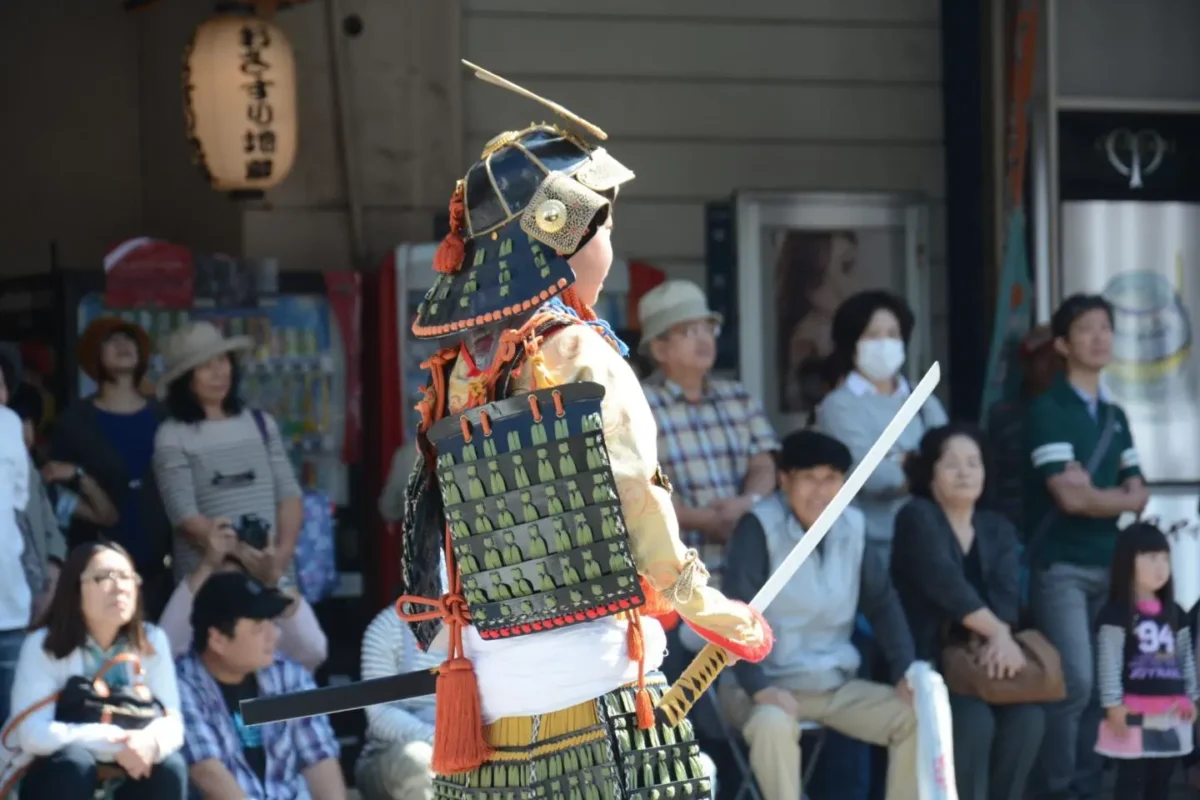
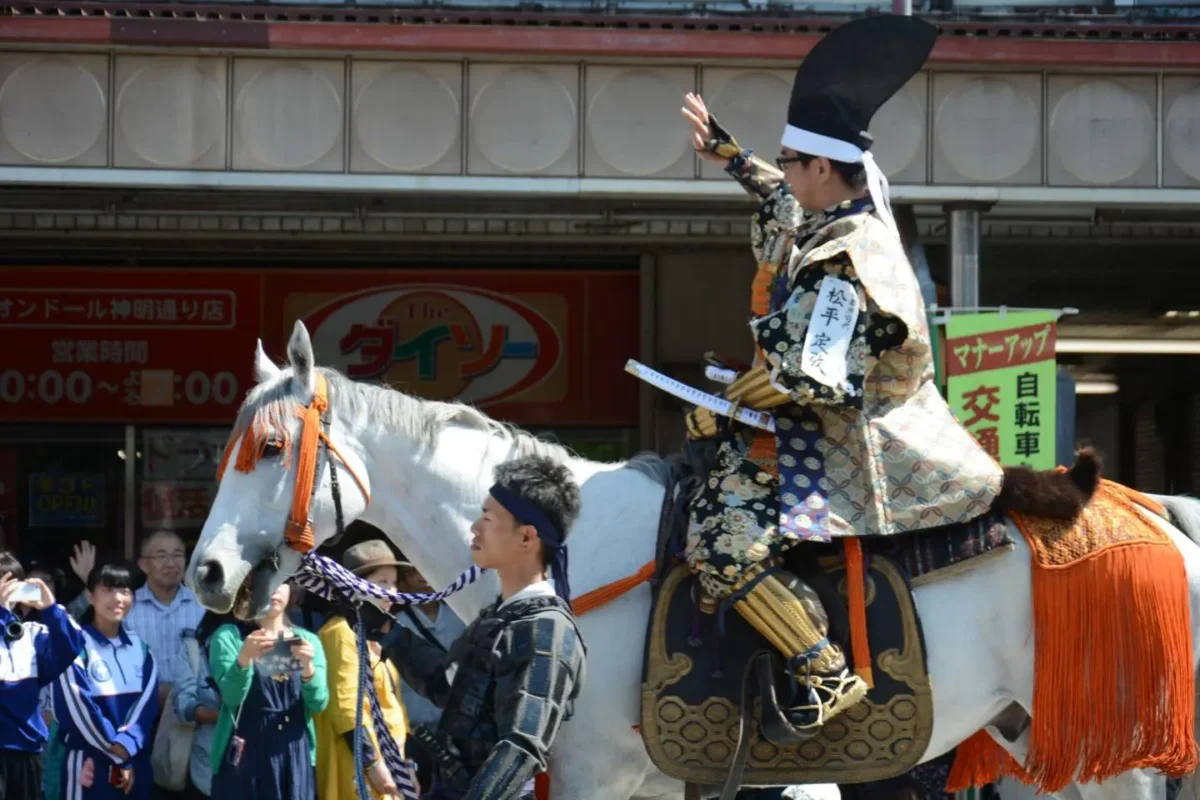
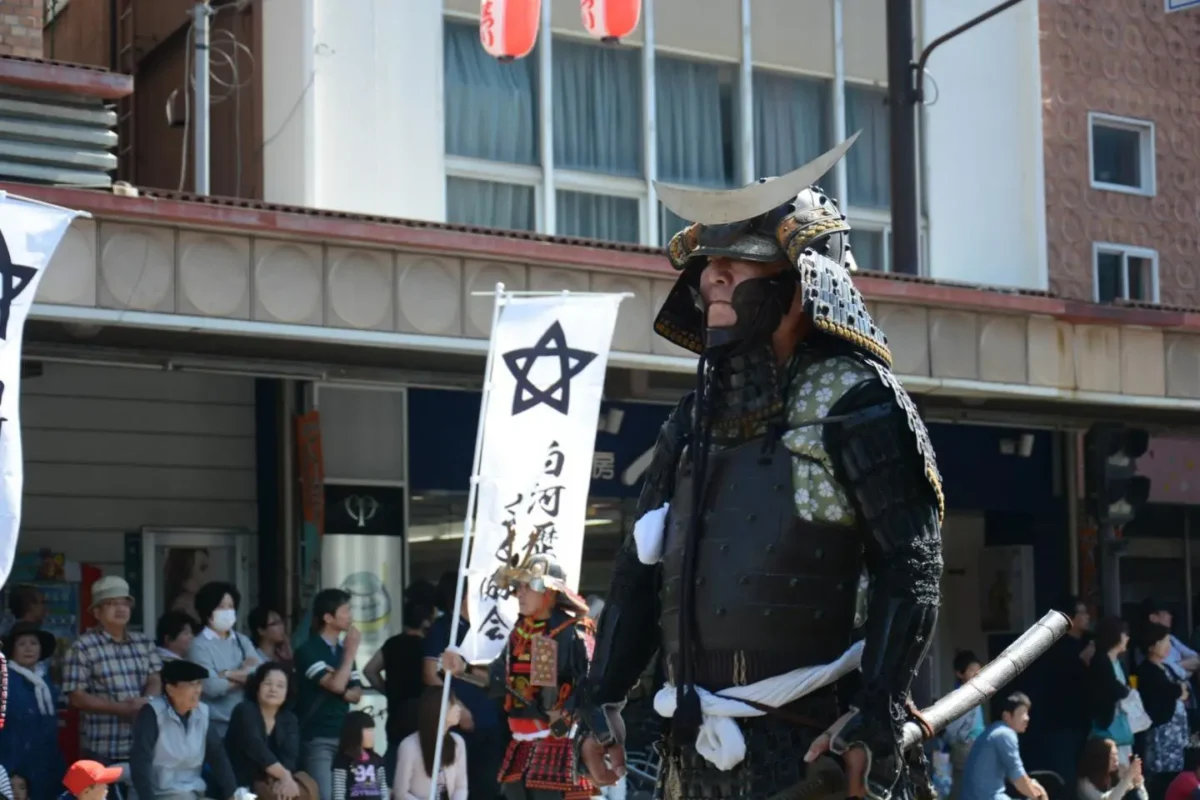
The main historical procession features approximately 600 participants and is organized around the historical succession of Aizu’s lords. For 2026, the procession is presented as the “Historical Lords” format, covering the development from the Ashina period through the Matsudaira period.
Nisshinkan Children’s Procession
Children dress in samurai-inspired costumes and recreate the spirit associated with Nisshinkan, the former Aizu domain school.
Bugle Band Parade
Schoolchildren perform in a large organized parade, providing a modern community element alongside the festival’s historical events.
Featured traditions & performances
The Aizu Festival is strongly connected with the historical culture of the Aizu domain.
Samurai-style processions
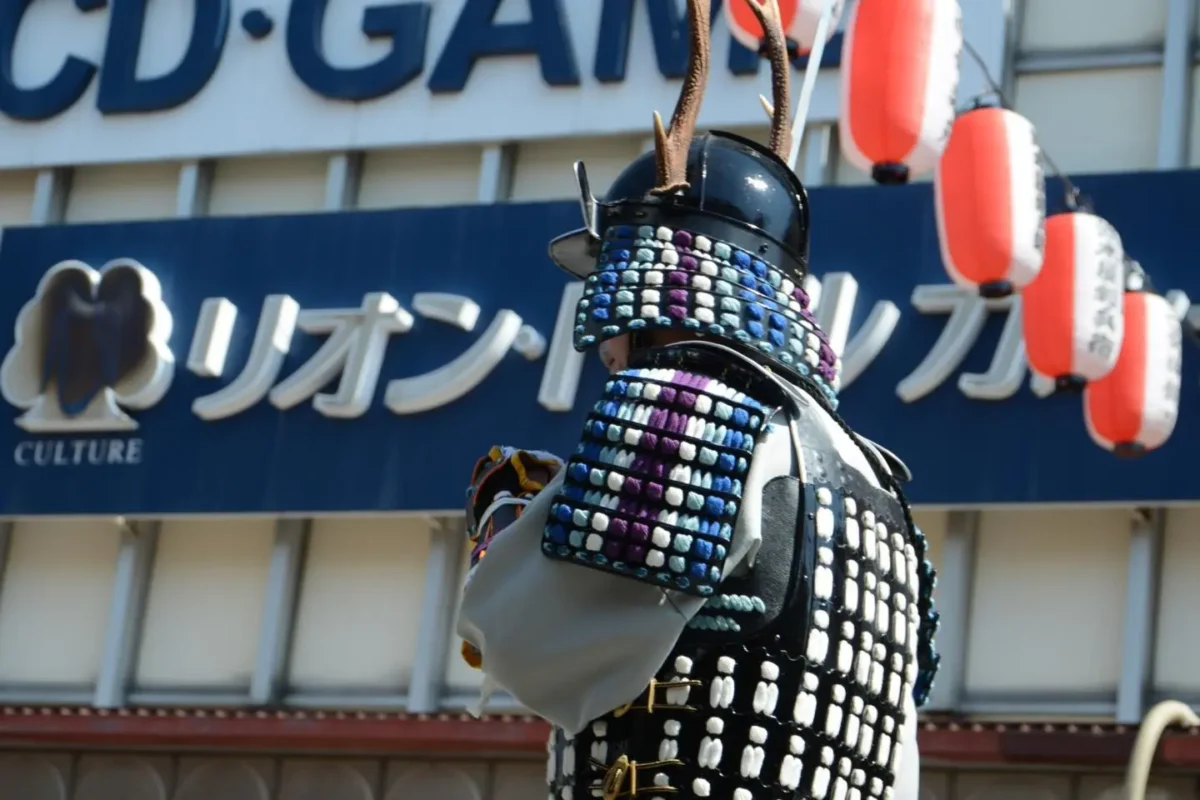
The Aizu Clan Lord Procession is the festival’s central historical spectacle. Participants wear period-inspired costumes representing different figures and groups associated with Aizu’s historical rulers.
Hatamoto and servant formations
Among the procession’s visual highlights are traditional formations and performances involving groups carrying long ceremonial spears. The official festival information notes that spear-handling movements are demonstrated at locations along the route.
Traditional dancing
The Aizu Bandaisan Dance provides a contrast to the formal historical procession. Rather than simply watching, visitors can join the dancing around the yagura.
Children’s historical performances
The final day connects younger generations with Aizu’s history through the Nisshinkan Children’s Procession. Children dressed in historical costumes take part in the procession toward Tsurugajo Castle.
Bugle band performances
The school parade fills the central streets with coordinated marching and music, reflecting the community role of the festival.
Historical & heritage highlights
A major reason to attend the Aizu Festival is the opportunity to understand Aizuwakamatsu’s historical identity while seeing the city itself used as a festival stage.
Tsurugajo Castle is central to this experience. The castle traces its origins to a fortified settlement associated with the Ashina clan and became particularly famous for its resistance during the Boshin War. The present castle was reconstructed, and its red-tile roof is an important feature of the landmark.
The festival also reflects the legacy of the former Aizu domain and its warrior culture. The 2026 procession specifically presents a historical sequence of rulers from the Ashina period through the Matsudaira period.
Nisshinkan, the former domain school, is another important cultural reference. The children’s procession is connected with the school’s educational heritage and the principles associated with Aizu’s traditional education.
The festival’s commemorative dimension is equally important. The Ancestors Appreciation Ceremony recognizes earlier generations and remembers people who died during the Boshin War and others affected by the conflict.
Events & activities schedule
September 19
- Lantern Procession from Tsurugajo Castle toward the central city
- Lantern procession departure ceremony at the castle
- Aizu Bandaisan Dance from approximately 7:00 PM
- Traditional dancing around the yagura on Shinmei-dori
- Autumn Marche activities in the central information area, including food trucks during the festival period
September 20
- Ancestors Appreciation Ceremony at Tsurugajo Castle
- Ceremonial activities before the main procession
- Aizu Clan Lord Procession departure from Tsurugajo Castle
- Historical procession through central Aizuwakamatsu
- Return procession toward Tsurugajo Castle
- Aizu Bandaisan Dance in the evening
September 21
- Nisshinkan Children’s Procession
- Bugle Band Parade
- Marching through central Aizuwakamatsu
- Return ceremony for the children’s procession at Tsurugajo Castle
- Historical performances associated with the children’s return ceremony
Times are subject to change, so visitors should check the official festival programme shortly before attending.
Ticket types & entry options
The Aizu Festival itself is free to attend. The official Aizu Festival Association lists the 2026 festival price as free, and the major outdoor events do not operate as conventional ticketed concerts or exhibitions.
General festival entry
There is no general admission ticket required for the outdoor festival programme.
Street viewing
Visitors can watch the public processions from appropriate areas along the route.
Aizu Bandaisan Dance
Individual visitors can participate without advance registration. Groups of 10 or more are asked to complete participation arrangements with the festival organizers.
Separate attractions
Tsurugajo Castle’s interior museum is a separate attraction from the free outdoor festival programme, so normal castle admission arrangements may apply if you want to enter the castle keep.
Guided tours & cultural experiences
A visit during the festival can be combined with several cultural experiences around Aizuwakamatsu.
Tsurugajo Castle offers volunteer guide services, with reservations given priority. The castle itself provides historical context for understanding the processions and ceremonies taking place during the festival.
Walking through the castle park before the procession is another useful way to understand the relationship between the historic site and the modern festival.
Visitors can also explore the city’s traditional streets, including the Nanokamachi area, which appears along the route of the main procession.
The Aizu Bandaisan Dance is particularly valuable as a participatory cultural experience. Instead of remaining an observer, visitors can learn the basic movements and dance alongside local participants.
Special ceremonies & celebrations
The Ancestors Appreciation Ceremony is the most solemn element of the 2026 programme. Scheduled for the morning of September 20, it takes place at the temporary stage in Tsurugajo Castle’s main enclosure.
Before the Aizu Clan Lord Procession, ceremonial activities are also held at the castle. The festival programme includes the firing of a kaburaya ceremonial arrow as a symbolic prayer for the safe completion of the procession and the well-being of participants and spectators.
The procession’s departure ceremony then introduces the historical sequence of Aizu’s former rulers before the approximately 600-person procession enters the city streets.
On the final day, the children’s procession concludes at Tsurugajo Castle with a return ceremony. Historical performances connected with the Byakkotai and Joshitai traditions are included in the programme.
Festival rules
The Aizu Festival is a public outdoor event, so visitors should follow instructions from festival staff, police and traffic-control personnel.
Respect the processions
Do not enter the procession route or obstruct participants. Follow barriers and temporary pedestrian restrictions.
Photography
Photography is generally an important part of the visitor experience, but spectators should avoid blocking roads or standing where they interfere with performers.
Follow traffic restrictions
Central roads can be closed or restricted during processions. Visitors arriving by car should follow temporary signs rather than relying on normal routes.
Respect ceremonies
The Ancestors Appreciation Ceremony is a commemorative event. Visitors should remain quiet and respectful during formal proceedings.
Check weather updates
Festival schedules may change because of weather or other circumstances. The organizer specifically advises that programme details can be modified.
How to get there
Aizuwakamatsu is accessible by rail and road, with Aizuwakamatsu Station serving as the main transport hub.
For Tsurugajo Castle, local sightseeing buses provide a convenient option from the station. The official tourism information states that the Haikara-san sightseeing bus takes approximately 20 minutes from Aizuwakamatsu Station to Tsurugajo Iriguchi, followed by about a five-minute walk to the castle area.
The castle is also served by the Haikara-san and Akabe sightseeing buses, with the Tsurugajo Iriguchi stop approximately seven minutes on foot from the castle.
For the downtown procession routes, walking from the central city areas can be practical, but visitors should expect substantial pedestrian activity and temporary road restrictions.
Public transport & parking
Public transport is recommended during the busiest festival periods because the main procession uses central streets and temporary traffic restrictions are expected.
Bus
The Haikara-san and Akabe sightseeing buses connect central Aizuwakamatsu with the Tsurugajo area. The castle stop is within walking distance of the main festival site.
Train
Aizuwakamatsu Station is the principal rail arrival point. The First Junior High School, which is used for final-day parade activities, is also close to Aizuwakamatsu Station according to the official festival information.
Parking
Temporary parking is provided around Tsurugajo during the festival period. For 2026, the Aizuwakamatsu Tourism Bureau lists a temporary free parking area and temporary paid parking areas, with the paid parking listed at $2.00 per standard car.
Because parking areas and road access can change during the festival, visitors should check the latest official parking map before driving.
Accommodation areas
Staying in central Aizuwakamatsu is convenient for visitors who want to attend multiple festival days.
Aizuwakamatsu Station area
This area is practical for travelers arriving by train and provides access to local buses and downtown facilities.
Central Aizuwakamatsu
Accommodation around the central streets puts visitors closer to the Aizu Bandaisan Dance and several sections of the main procession.
Tsurugajo area
Staying nearer the castle can be convenient for visitors planning to attend the morning ceremonies and the beginning of the Aizu Clan Lord Procession.
Nanokamachi area
Nanokamachi is another useful base for combining festival viewing with sightseeing in one of Aizuwakamatsu’s traditional commercial areas.
For the three-day festival, booking accommodation early is advisable because the major procession attracts visitors to the city.
Food & traditional specialties
The festival period is a good opportunity to combine cultural sightseeing with Aizu cuisine.
Aizu miso dengaku
Miso dengaku is a traditional local dish featuring ingredients such as tofu, konnyaku, shiitake mushrooms, taro and dried herring served with a seasoned miso sauce. The official tourism information describes Aizu miso dengaku as a traditional rustic dish often grilled over charcoal.
Sauce katsudon
Aizuwakamatsu is known for sauce katsudon, a local style of pork cutlet served with sauce and rice.
Kozuyu
Kozuyu is a traditional Aizu soup associated with important occasions and local cuisine.
Nishin no sansho-zuke
Herring preserved with Japanese pepper is another traditional Aizu food product.
Aizu rice and sake
Aizu’s rice-growing culture and sake production are important parts of its food identity. Local restaurants and producers provide opportunities to sample regional ingredients and drinks.
During the 2026 festival, visitors can also find food trucks and market-style food around the central city as part of related autumn activities.
Accessibility
The festival takes place across streets, public spaces and the castle grounds, so accessibility can vary by location.
Tsurugajo Castle and the central city areas are connected by public transport, but visitors should expect crowds, uneven outdoor surfaces and periods when pedestrian routes are altered because of the processions.
Visitors with mobility requirements should arrive early, identify less crowded viewing areas and confirm the latest access information with the festival organizers before travelling.
The main procession travels through a long urban route, so visitors who have difficulty walking long distances may prefer to select one viewing location rather than follow the entire procession.
Best cultural experiences
Watch the Aizu Clan Lord Procession
For a first visit, the main procession provides the broadest introduction to Aizu’s historical culture. Approximately 600 participants recreate a historical procession through the city.
Visit Tsurugajo Castle
The castle provides the historical backdrop for the festival’s ceremonies and the starting point for the main procession. Its museum also offers additional context about Aizu’s history.
Join the Aizu Bandaisan Dance
This is one of the easiest ways to participate rather than simply watch. Individual participants can join without advance registration.
See the Lantern Procession
The evening lantern procession provides a quieter and more atmospheric introduction to the festival’s opening traditions.
Experience the final-day children’s parade
The Nisshinkan Children’s Procession and Bugle Band Parade show how Aizu’s historical traditions are passed to younger generations.
Explore the city between events
Walking between sections of the procession route allows visitors to combine the festival with Aizuwakamatsu’s traditional streets, historic sites and local food.
Previous year’s highlights
Previous editions have consistently centered on the same core traditions that define the Aizu Festival: the Lantern Procession, Aizu Bandaisan Dance, Ancestors Appreciation Ceremony, Aizu Clan Lord Procession, Nisshinkan Children’s Procession and Bugle Band Parade. The official festival programme describes the Aizu Clan Lord Procession as the festival’s largest event, with approximately 600 participants in historical costume.
The main procession has also featured traditional performances along the route, including spear-handling demonstrations by the accompanying groups. Historical performances associated with the Byakkotai and Joshitai traditions have appeared during the return ceremony at Tsurugajo Castle.
The festival’s continuing emphasis on participation is also important. The Aizu Bandaisan Dance remains an opportunity for visitors and local residents to gather around the yagura and dance together, while the children’s events demonstrate how local historical traditions are introduced to younger generations.
For 2026, the organizer has retained this established three-day structure while presenting the Aizu Clan Lord Procession in the historical-lords format covering Aizu’s succession of rulers.
Official tickets
The Aizu Festival is free to attend, and the official festival association lists the 2026 admission price as free. There is therefore no general festival ticket that visitors need to purchase in advance.
For official dates, programme updates, participation information and any last-minute changes, visitors should use the Aizu Festival Association official information.
The festival is also presented through the official Aizuwakamatsu tourism website, which provides detailed information about the individual events and the procession route.
The supplied Japan Travel event page (https://en.japantravel.com/fukushima/aizu-festival-in-fukushima/23485) can also be used as a visitor-oriented reference, while information about the castle is available through the supplied https://en.japantravel.com/places/fukushima/tsurugajo-castle/152.
Location
FAQ
What is the historical significance of the Aizu Festival?
The event commemorates the tragic sacrifices of the 3,000 members of the Aizu Clan who perished defending their domain during the 1868 Boshin War. It preserves local samurai heritage and honors regional ancestors through solemn rituals and massive public historical reenactments.
Where do the main parade and procession take place?
The grand samurai procession officially departs from the historic grounds of Tsurugajo Castle and winds its way through the central streets of Aizuwakamatsu City. Various evening dances and children's parades additionally activate key commercial corridors like Shinmei-dori.
Do visitors need to purchase tickets to watch the festival events?
General public viewing along the castle park grounds and public city sidewalks is entirely open-access and free of charge for all spectators. Paid participation is only required for travelers booking specialized, all-inclusive multi-day samurai immersion packages or official parade-marching slots.
Can international tourists actively participate in the folk dances?
Travelers are actively encouraged to step out from the sidelines and join the Aizu Bandaisan Odori folk dancing circles held every evening. The steps are simple and repetitive, allowing newcomers of all backgrounds to easily learn and dance alongside local residents.
How should visitors prepare for the weather and walking conditions?
Autumn weather in the Fukushima region can shift rapidly from warm daytime sun to chilly evening temperatures requiring light layers. Attendees should wear durable, comfortable walking shoes because navigating the extensive castle stone grounds and urban parade routes involves heavy walking.

Leave a Reply