
-
September 19, 2026
Event date:
-
September 21, 2026
Event end:
Byakkotai & Samurai Historical Performances
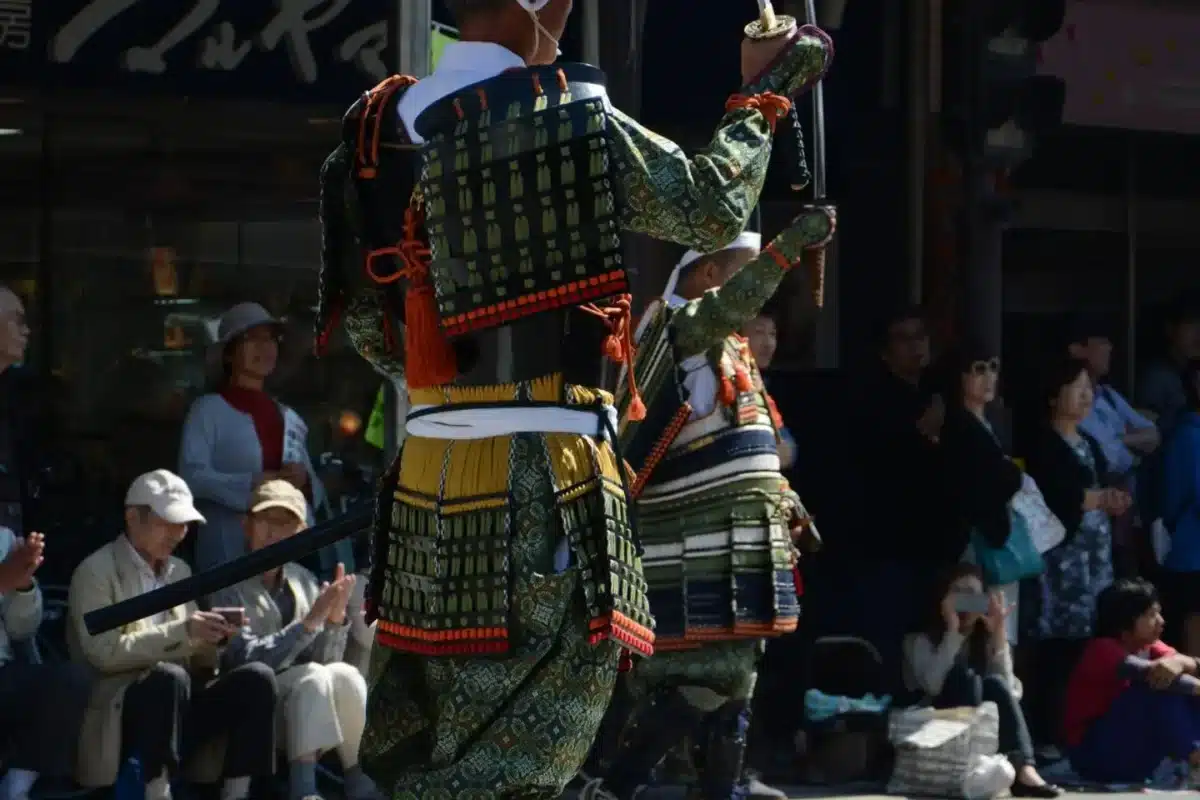
The legacy of the Byakkotai, or White Tiger Corps, occupies a deeply emotional space within Aizu’s historical identity. Throughout the festival grounds, specialized theatrical troupes and martial artists present dramatic historical performances detailing the bravery of these young samurai. These reenactments shed light on the sacrifices made during the defense of the domain in the turbulent late 19th century.
Performances frequently feature intense sword-fighting demonstrations, dynamic katana choreography, and traditional martial arts forms. Skilled practitioners wield genuine steel and wooden practice swords, displaying master-level precision and theatrical grace. The physical intensity of the demonstrations transports viewers straight into the heart of the Shogunate-era conflicts.
These presentations go beyond mere entertainment, serving as educational touchstones that explain the complex sociopolitical dynamics of the Boshin War. By combining dramatic storytelling with physical martial prowess, the festival successfully communicates the profound ethos of honor, duty, and sacrifice that defined the samurai class.
Enjoy Your Event Stress-Free with Japan Travelo
Do you know? Planning events, festivals, concerts, and cultural experiences in Japan can be overwhelming. Japan Travelo brings everything together in one place, helping you manage your itinerary, transport, and accommodation with ease—so you can enjoy Japan without the stress of planning.
- Historical Symbolism: Performances honor the tragic bravery and unwavering loyalty of the teenage Byakkotai warriors.
- Sword Dancing: Artists perform rhythmic, stylized sword dances that reflect classical martial philosophy and artistry.
- Combat Demonstrations: Choreographed sword-fighting displays showcase tactical movements and authentic weaponry handling.
- Atmospheric Re-creation: Specialized staging helps recreate the intense psychological atmosphere of Aizu’s samurai era.
- Educational Value: Narrative elements offer viewers deep context into the historical conflicts shaping modern Fukushima.
When & How Long
- Event Date: September 19th – September 21st 2026
- Event Duration: Three days
Visiting this event? Don’t miss out on these amazing activities and local experiences while you’re here.
Best Viewing Areas & Photography Opportunities
Finding the ideal vantage point is essential for capturing the best views and photographs of the Aizu Festival’s major highlights. The stone walls and wide plazas of Tsurugajo Castle provide a stunning natural framework for photographing the departure ceremonies, morning formations, and costumed participants in authentic settings. Early arrival is recommended to secure spaces near the castle gates.
Along the main urban procession routes, street-level sidewalk zones offer incredible opportunities for close-up portraits of armor, banners, and horseback lords. Photographers looking for dynamic movement shots can position themselves near the corners of Shinmei-dori, where the marching columns shift direction and pause for demonstrations. The evening lantern procession also presents striking low-light photography opportunities against darkening autumn skies.
For the folk dance events, standing near the perimeter of the central tower on Shinmei-dori allows observers to capture wide-angle shots of the swirling dancers and glowing lanterns. Respecting boundaries and maintaining clear pathways for participants ensures a smooth experience for both photographers and event organizers.
- Castle Bailey: The stone foundations and wide pathways of Tsurugajo provide scenic, historically accurate photo backdrops.
- Street-Level Sidewalks: Urban viewing zones along the main procession path offer excellent close-up angles of armor and weapons.
- Corner Vantage Points: Intersections along the parade route allow photographers to capture turning formations and pauses.
- Evening Glow: Shinmei-dori provides vibrant low-light photography settings during the lantern parade and folk dances.
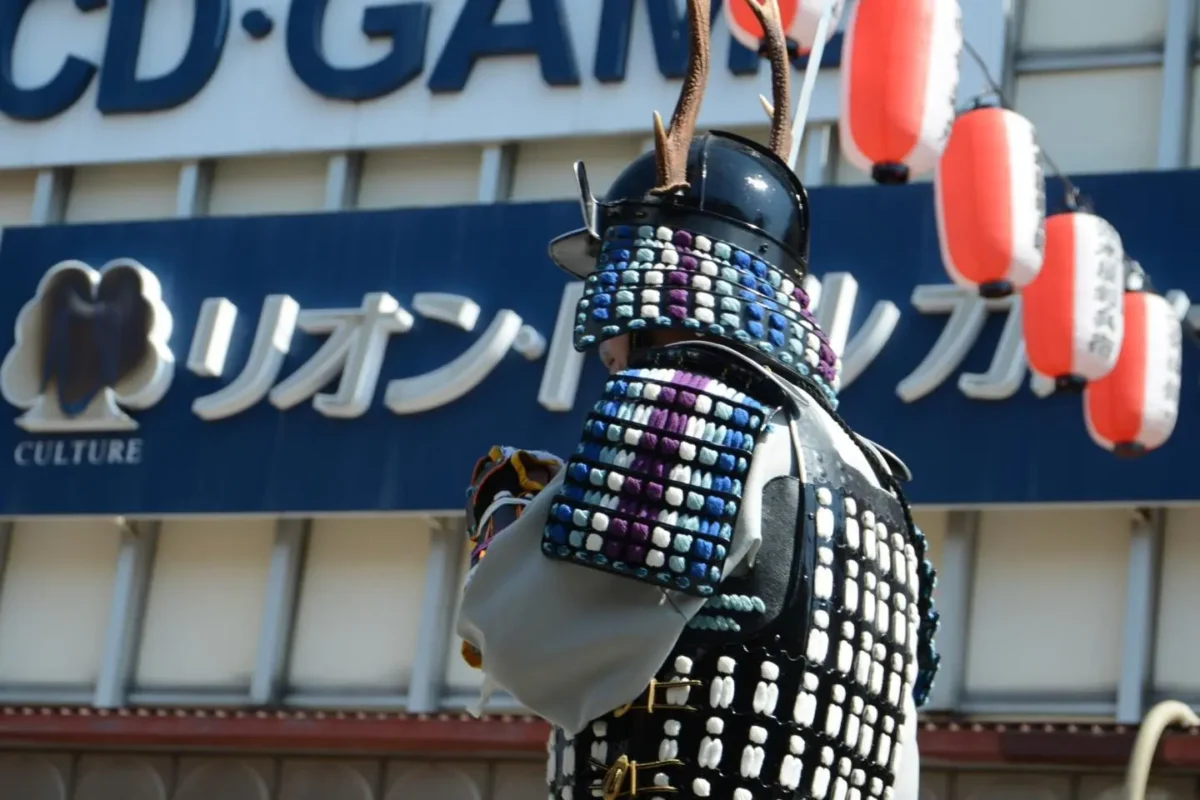
- Costume Details: Clear daytime lighting enables sharp, detailed captures of traditional helmets, silks, and crests.
- Crowd Management: Securing spots early along barrier lines guarantees unobstructed views of major performances.
- Respectful Framing: Photographers must balance creative angles with polite etiquette around solemn memorial zones.
Entry & Tickets
- How Tickets Are Sold: General public attendance for viewing the streets, castle grounds, and dances is completely free, while optional immersive packages and participant parade slots can be booked online or via regional tourism bureaus.
- Admission Type: General viewing areas along the streets and castle park are open access for free, though specific premium cultural immersion tours and participant registration require pre-booked passes.
- Ticket Pricing: Free Admission for public spectators, with specialized paid packages ranging from approximately $95.00 to $765.00 for structured multi-day samurai experiences and warrior parade slots.
- Special Seating Options: Open public standing along the sidewalks and viewing zones, alongside designated hospitality areas for official guests and tour participants.
- VIP Options: Comprehensive multi-day packages featuring traditional ryokan lodging, guided English interpretations, private swordsmanship classes, and guaranteed roles inside the main festival procession.
Tsuruga Castle Ceremonies & Opening Events
Tsuruga Castle serves as the majestic historical backdrop and symbolic heart for the festival’s commencement. The opening ceremonies take place within the shadow of the reconstructed white-walled keep, honoring the fortress’s legendary resilience during the Boshin War. Dignitaries, local leaders, and historical preservation societies gather here to formally launch the multi-day commemoration with solemn rituals.
The morning departure ceremony at the castle grounds marks the official rollout of the samurai lords and their retainers. Before stepping out into the city, participants engage in blessing rituals, traditional speeches, and focused preparation. Expert martial artists also perform intense sword demonstrations on the grounds, utilizing live steel and wooden models to display disciplined craftsmanship and focus.
Because Tsurugajo Castle endured intense sieges and heavy artillery bombardments in 1868, holding the opening ceremonies here carries immense emotional weight. It acts as a bridge of remembrance for modern generations, uniting the community’s architectural identity with its heroic past. The opening events set a respectful, reverent tone before the festivities expand into energetic street celebrations.
- Castle Fortress Setting: Events unfold directly around the iconic red-tiled roofs and white stone walls of historic Tsurugajo Castle.
- Opening Rituals: Shinto-inspired purification and blessing ceremonies inaugurate the festival proceedings safely and respectfully.
- Departure Ceremony: The grand samurai columns assemble on the castle bailey before beginning their march into the city.
- Sword Performances: Professional martial arts troupes showcase high-speed katana slashing and defensive forms for gathered visitors.
- Historical Significance: The venue underscores the tragic yet resilient narrative of the Aizu Clan during late-shogunate conflicts.
- Official Speeches: Local government figures and cultural preservation heads deliver remarks emphasizing unity and regional heritage.
Where It Takes Place
- City and Country: Aizuwakamatsu, Fukushima Prefecture, Japan
- Venue Name: Tsurugajo Castle and surrounding city streets (including Shinmei-dori)
- Google Maps Address: 1-1 Otemachi, Aizuwakamatsu, Fukushima 965-0873, Japan
Chochin Gyoretsu Lantern Procession
Opening the festival’s evening schedule, the Chochin Gyoretsu lantern procession creates a mesmerizing visual display across Aizuwakamatsu. Local schoolchildren and community members gather at dusk carrying glowing paper lanterns, casting warm amber light across the ancient pathways. This glowing river of light winds its way outward from Tsurugajo Castle toward the bustling Shinmei-dori district.
The procession carries profound historical meaning, symbolizing peace, community continuity, and the remembrance of past generations. Children clad in traditional light cotton yukata or festival wear walk in orderly groups, their small voices singing traditional folk chants. The gentle sway of hundreds of lanterns illuminates the evening air, creating a serene contrast to the daytime military pageantry.
As the column progresses toward the downtown core, families, locals, and visitors line the sidewalks to watch the comforting scene unfold. The soft glow reflects against historic storefronts and modern architecture alike, enveloping the city in a nostalgic atmosphere. This evening tradition highlights community involvement, ensuring that younger generations actively connect with their local ancestry.
- Evening Setting: The procession kicks off after sunset, filling the night streets with the warm glow of traditional lanterns.
- Participating Children: Local elementary and junior high students form the core body of marchers, carrying custom-painted paper lanterns.
- Scenic Route: Walkers travel from the historic castle grounds down toward the vibrant Shinmei-dori commercial corridor.
- Historical Meaning: The ritual honors the resilient spirit of the city while welcoming peace and communal harmony.
- Chants and Songs: Participants voice traditional local refrains as they march through the quiet evening streets.
- Community Bonding: Families gather along the illuminated pathway to support the young marchers and celebrate local identity.
Event Contact Details
- Email: info@add-dream.co.jp
- Phone Number: 0242-23-4141
- Website: aizukanko.com
Aizu Hanko Gyoretsu – Samurai Lord Procession
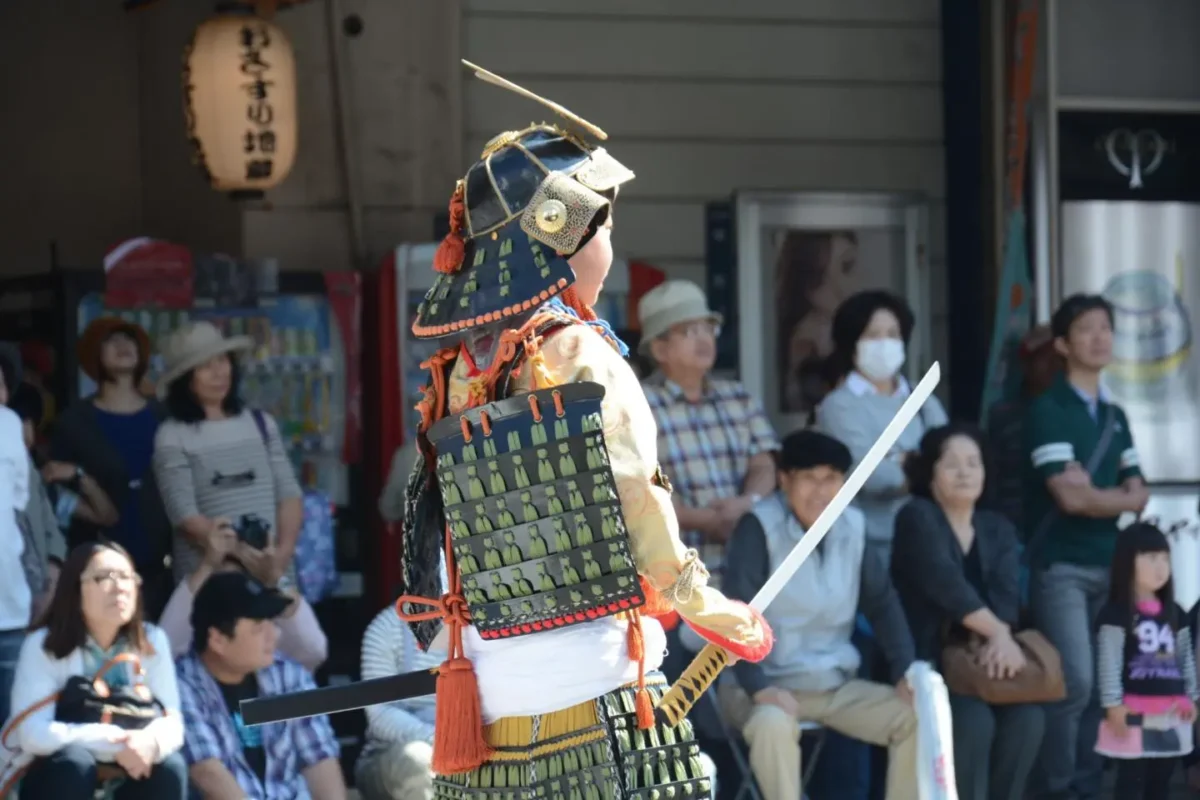
The Aizu Hanko Gyoretsu, famously known as the Samurai Lord Procession, stands as the grand cultural pinnacle of the entire three-day festival. Bringing history vividly back to life, this magnificent parade features an impressive gathering of approximately 500 participants dressed in authentic period attire. The procession recreates the majestic movements of the ancient Aizu Domain lords, noble retainers, and loyal retainers.
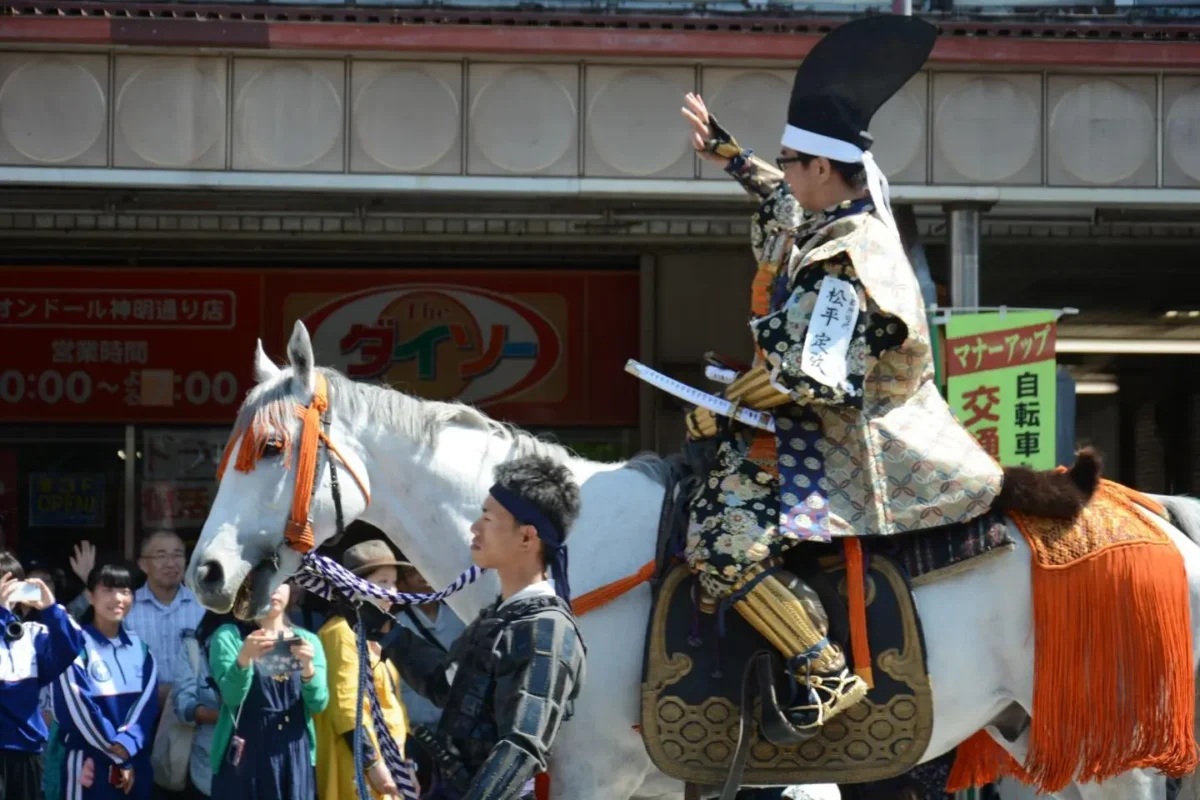
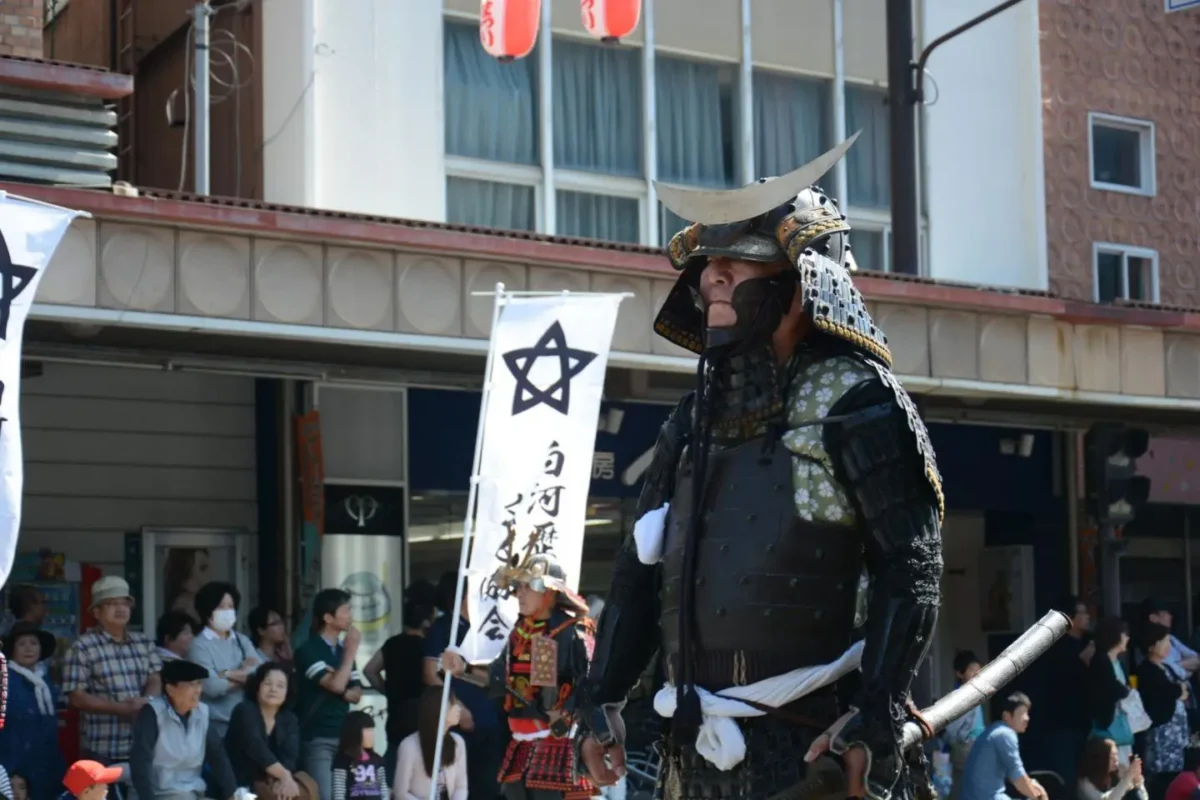
The visual spectacle is enhanced by groups of foot soldiers, skilled archers, and armed guards carrying traditional banners that ripple in the autumn breeze. Prominent figures portrayed by local actors and dignitaries lead the column on magnificent horseback, projecting the authority and dignity of the historical shogunate era. Throughout the route, units perform synchronized weapons demonstrations and ceremonial drills, offering spectators a rare glimpse into classical military arts.
As the column weaves its way from the historical grounds of Tsurugajo Castle straight into the heart of the urban streets, thousands of spectators line the route to witness the grandeur. The rhythmic sound of marching sandals, heavy armor clinking, and echoing commands fill the air with palpable tension and excitement. This massive enactment transforms modern Aizuwakamatsu into a living canvas, honoring the enduring pride and martial heritage of the former domain.
- 500 Participants: A massive cast of roughly 500 costumed individuals brings the historical domain military hierarchy back to the modern streets.
- Daimyo Leadership: Portrayals of feudal lords ride at the head of the formation, flanked by high-ranking samurai nobility and advisors.
- Authentic Armor: Participants wear meticulously crafted replicas of historical armor, helmets, and traditional heraldic surcoats.
- Banners and Insignia: Scores of traditional clan banners, flags, and pennants flutter down the procession route to identify different historical units.
- Horseback Riders: Equestrian performers command trained horses outfitted with period-accurate saddles and decorative trappings.
- Weapon Demonstrations: Periodic stops feature choreographed sword displays and matchlock gunnery formations executed by trained preservation groups.
- Urban Route: The parade travels extensively from the castle base through central city thoroughfares, connecting past and present cityscapes.
- Spectator Engagement: Deep crowds line the designated pathways, capturing photographs and cheering for the marching historical units.
Aizu Bandaisan Odori Folk Dance
The Aizu Bandaisan Odori is a joyful and inclusive folk dance tradition that anchors the evening schedules of the festival. Held primarily around the central tower structures erected on Shinmei-dori, this lively dance draws large crowds of participants and spectators alike. The air fills with the infectious rhythms of traditional folk music, taiko drumming, and distinctive local vocal styling.
Visitors are heavily encouraged to step out of the spectator lines and join the grand moving circle of dancers. The choreography features simple, repetitive steps that mimic regional tasks like mining, farming, and celebration, making it easy for complete beginners to learn on the spot. Experienced local dancers gladly guide newcomers, fostering an atmosphere of shared laughter and cultural exchange.
This lively street dance transforms urban asphalt into a communal living room where boundaries between locals and tourists dissolve entirely. Underneath strings of festival lanterns, the collective movement honors Mount Bandai and expresses gratitude for bountiful harvests and community survival. It provides a high-energy counterpoint to the daytime’s solemn historical reenactments.
- Traditional Folk Dance: Dancers perform the historic Aizu Bandaisan Odori steps in large, flowing concentric circles.
- Evening Performances: The dance sessions take over Shinmei-dori during prime evening hours, running for over an hour.
- Live Musical Accompaniment: Performers play traditional folk tunes utilizing flutes, shamisen, and echoing taiko drums.
- Open Participation: Anyone from the crowd is welcome to jump into the circle and learn the steps firsthand.
- Community Integration: Locals and international travelers dance side by side, creating an engaging, welcoming cultural bridge.
Festival Atmosphere, Visitor Tips & Etiquette
Experiencing the three-day Aizu Festival requires a blend of cultural awareness and practical preparation to navigate large crowds comfortably. Tens of thousands of visitors descend upon Aizuwakamatsu during this peak autumn weekend, making early accommodation bookings and transit planning crucial. Pedestrian zones expand significantly, so exploring the city entirely on foot or via local shuttle buses is recommended.
- Crowd Expectations: High attendance volumes mean heavy foot traffic and busy public transit throughout the three-day event.
- Respectful Behavior: Maintain quiet decorum and solemn respect during memorial services and historical commemorations.
- Photography Etiquette: Avoid intrusive flash photography and secure polite verbal consent before taking close-up portraits of costumed participants.
- Clothing and Footwear: Pack comfortable walking shoes for navigating extensive stone paths and layered clothing for cool autumn evenings.
- Joining the Dance: Step into the folk dance circles with an open, polite attitude to fully experience local community culture.
- Waste Management: Carry a small trash bag, as public bins can be scarce along crowded festival streets.
- Advance Planning: Book hotels and transit connections well ahead of time due to high regional demand during festival dates.
Location
FAQ
What is the historical significance of the Aizu Festival?
The event commemorates the tragic sacrifices of the 3,000 members of the Aizu Clan who perished defending their domain during the 1868 Boshin War. It preserves local samurai heritage and honors regional ancestors through solemn rituals and massive public historical reenactments.
Where do the main parade and procession take place?
The grand samurai procession officially departs from the historic grounds of Tsurugajo Castle and winds its way through the central streets of Aizuwakamatsu City. Various evening dances and children's parades additionally activate key commercial corridors like Shinmei-dori.
Do visitors need to purchase tickets to watch the festival events?
General public viewing along the castle park grounds and public city sidewalks is entirely open-access and free of charge for all spectators. Paid participation is only required for travelers booking specialized, all-inclusive multi-day samurai immersion packages or official parade-marching slots.
Can international tourists actively participate in the folk dances?
Travelers are actively encouraged to step out from the sidelines and join the Aizu Bandaisan Odori folk dancing circles held every evening. The steps are simple and repetitive, allowing newcomers of all backgrounds to easily learn and dance alongside local residents.
How should visitors prepare for the weather and walking conditions?
Autumn weather in the Fukushima region can shift rapidly from warm daytime sun to chilly evening temperatures requiring light layers. Attendees should wear durable, comfortable walking shoes because navigating the extensive castle stone grounds and urban parade routes involves heavy walking.

Leave a Reply