

What to expect in 2027
Shosan-ji Summer Festival is a traditional summer Buddhist celebration held at Shosanji Temple in the mountain town of Kamiyama, Tokushima Prefecture. The event is associated with the temple’s annual summer memorial service, known as Komori Hoyo, and combines Buddhist observances with local summer-festival traditions, lanterns, food stalls, dancing, entertainment and fireworks. Tourism Shikoku lists the temple’s Summer Festival as one of its annual events.
The 2027 edition is expected to follow the established character of the festival, although the exact programme and official schedule have not yet been announced. The event is traditionally held in late August, and the supplied 2027 listing should therefore be treated as a future event with dates still to be confirmed.
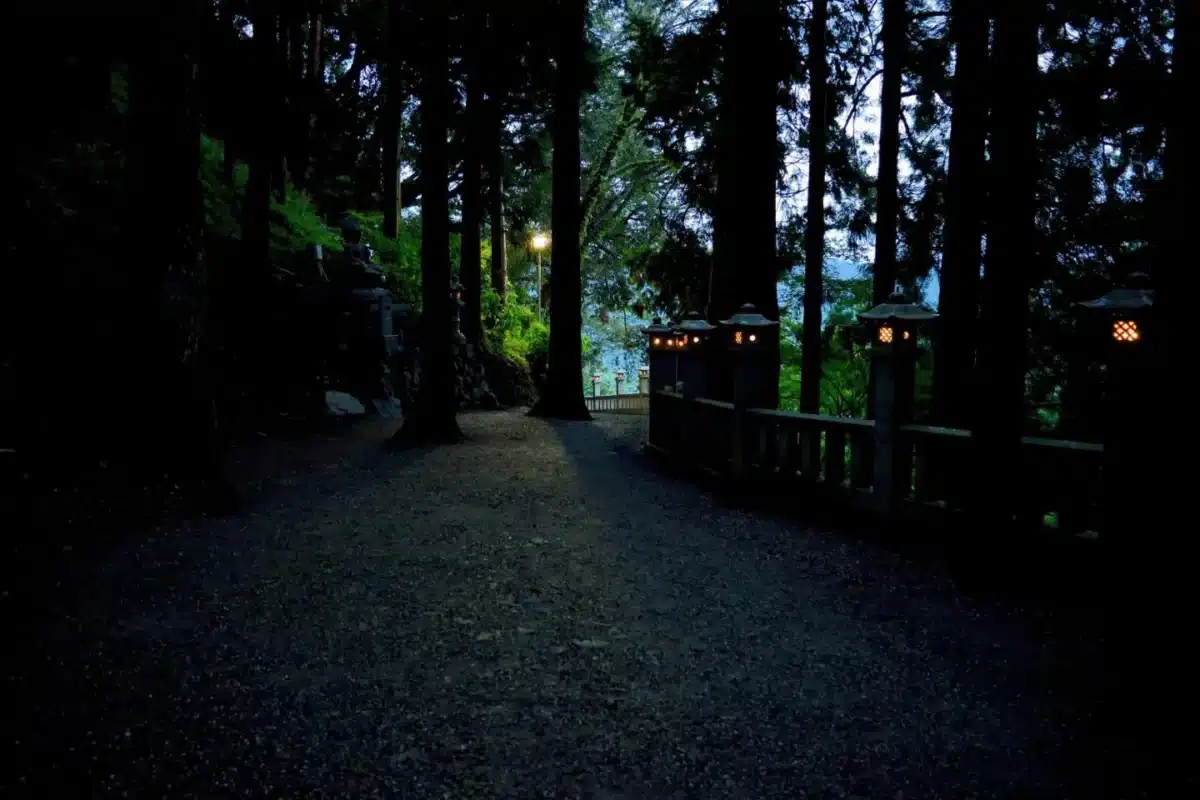
The festival takes place at Shosanji Temple, the 12th temple of the 88-temple Shikoku Pilgrimage. The temple sits in a mountainous setting surrounded by large cedar trees, creating a very different atmosphere from the major urban summer festivals of Tokushima.
Enjoy Your Event Stress-Free with Japan Travelo
Do you know? Planning events, festivals, concerts, and cultural experiences in Japan can be overwhelming. Japan Travelo brings everything together in one place, helping you manage your itinerary, transport, and accommodation with ease—so you can enjoy Japan without the stress of planning.
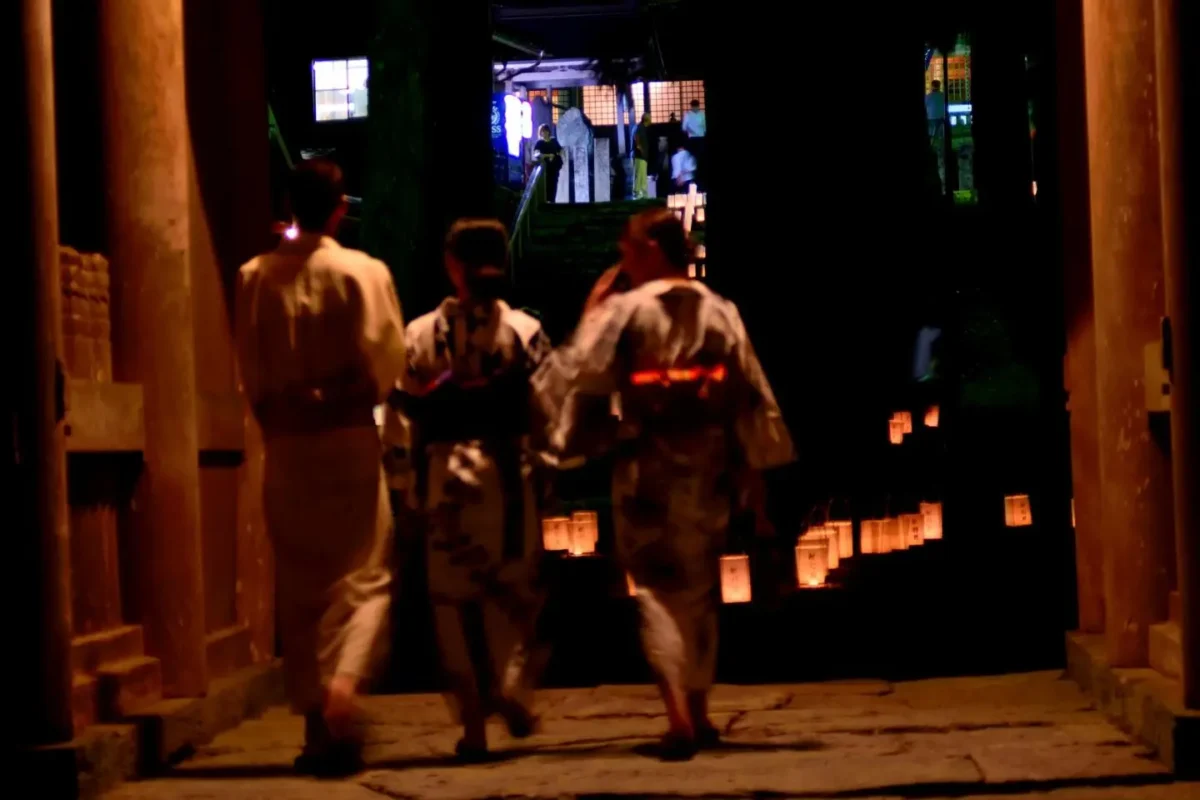
Visitors can expect the approach to the temple to become illuminated by lanterns, while food stalls and family groups create a lively atmosphere inside the grounds. Traditional dancing is an important part of the evening, and visitors have historically been able to participate rather than simply watch.
The evening traditionally concludes with entertainment and a small fireworks display above the temple. Previous festival information describes approximately 150 fireworks, making this a relatively intimate fireworks experience compared with the large-scale displays held in Japanese cities.
Event dates
The 2027 Shosan-ji Summer Festival is expected in late August 2027, but the exact date has not yet been officially confirmed.
The event traditionally forms part of Shosanji Temple’s annual religious calendar. Tourism Shikoku identifies the Summer Festival as the temple’s Komori Hoyo and lists it as an annual event.
Visitors planning a trip around the festival should therefore avoid booking travel around an assumed exact day until the temple or local tourism authorities publish the 2027 schedule.
The established festival format generally develops from the daytime or evening Buddhist memorial observance into a community summer celebration. The later part of the programme traditionally includes dancing, entertainment and fireworks.
Visiting this event? Don’t miss out on these amazing activities and local experiences while you’re here.
Venues & festival locations
Shosanji Temple
The primary and central venue is Shosanji Temple in Kamiyama, Tokushima Prefecture. The temple address is 318 Shimobun, Kamiyama, Myozai District, Tokushima 771-3421.
Shosanji is Temple No. 12 on the Shikoku 88 Temple Pilgrimage. It stands at a high elevation in a forested mountain environment and is surrounded by centuries-old cedar trees that are designated as a prefectural natural monument.
Temple approach
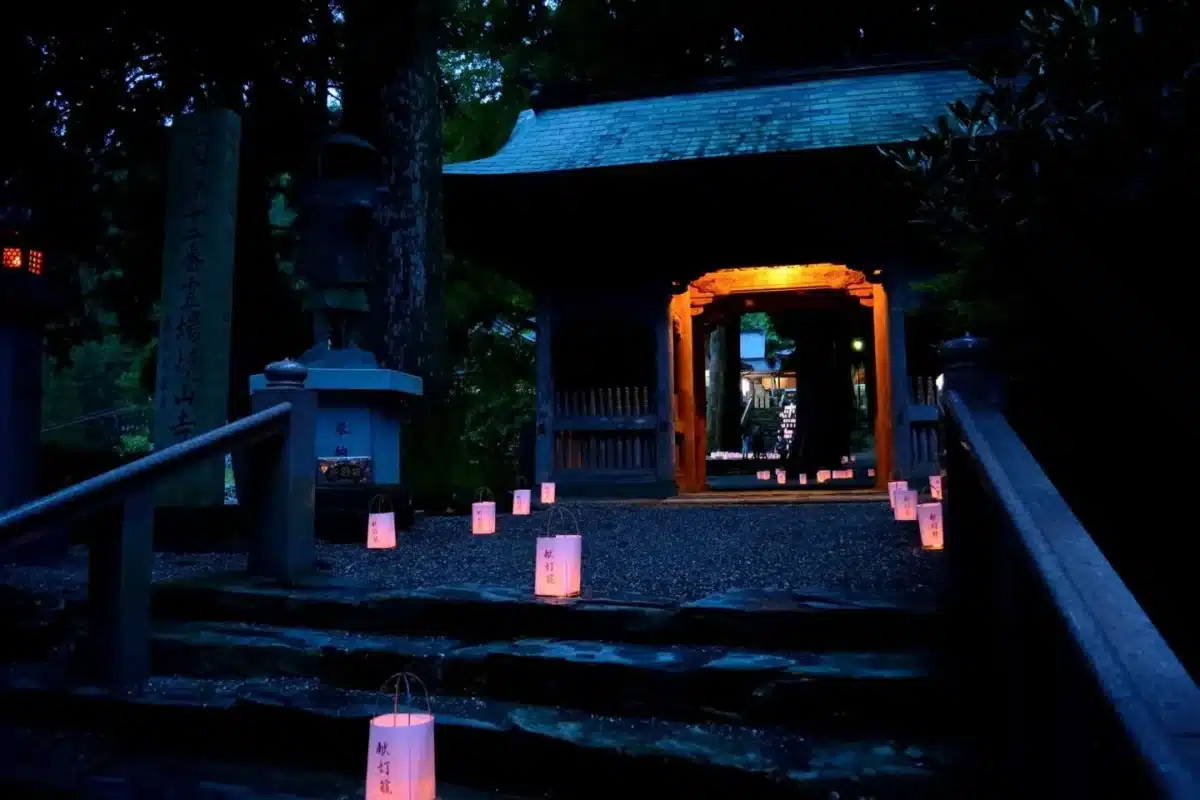
The path leading toward the temple is traditionally decorated with lanterns during the summer festival. At night, these lights create one of the event’s most distinctive visual features.
Temple grounds
The temple grounds host the festival gathering, food stalls, dancing and other community activities. Families traditionally gather here during the evening.
Daishido area
The fireworks are traditionally launched into the sky above the temple grounds, with the Daishido and its statue of Kobo Daishi providing a distinctive backdrop.
Full cultural programme
The full 2027 programme has not yet been released, but the established festival format provides a useful indication of what visitors can expect.
Buddhist memorial service
The religious foundation of the festival is the Komori Hoyo, a Buddhist memorial service held at Shosanji. It forms the ceremonial core of the event and connects the summer celebration with the temple’s religious traditions.
Lantern illumination
Lanterns are traditionally arranged along the approach to the temple and throughout the grounds. As daylight fades, the illuminated path becomes one of the festival’s main atmospheric features.
Food stalls
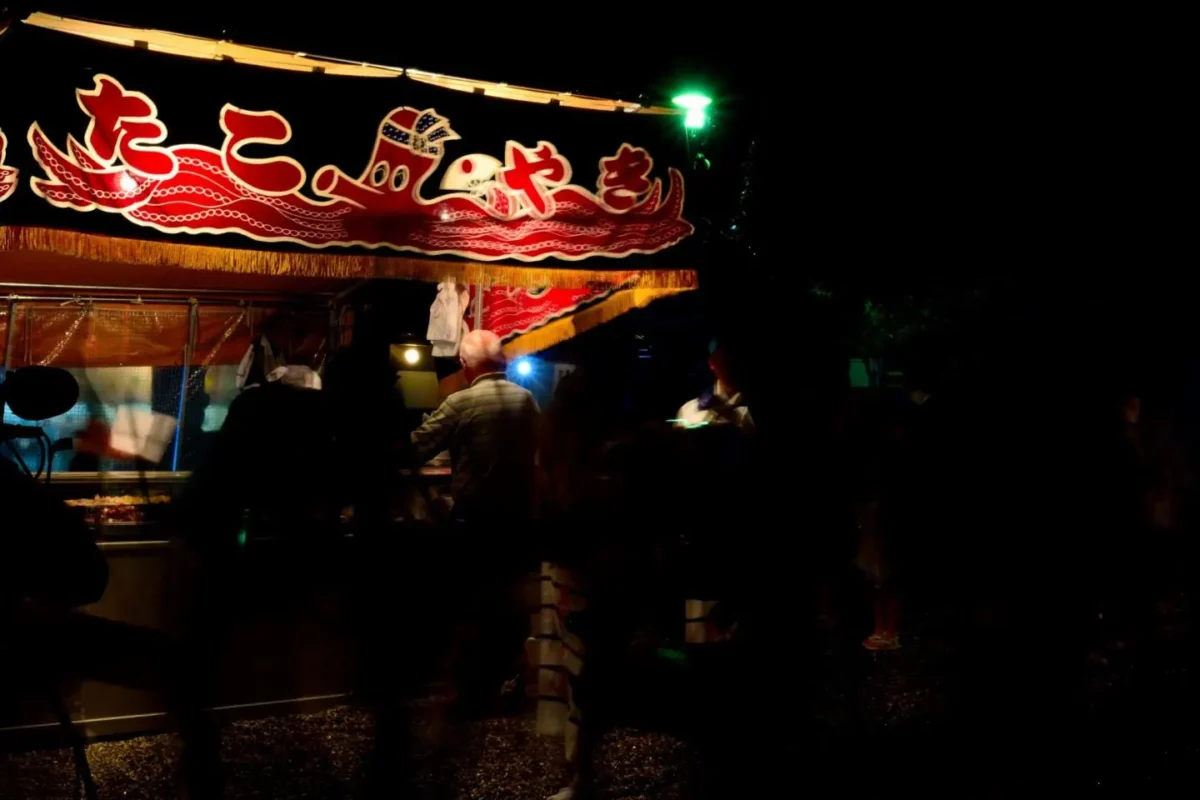
Temporary festival stalls traditionally serve popular Japanese festival foods. Previous coverage specifically mentions grilled food, including grilled squid, alongside other stalls.
Traditional dancing
The festival has traditionally included Awa Odori and local Bon-style dancing. The dancing is participatory, giving visitors an opportunity to join the celebration rather than remain spectators.
Community entertainment
After the principal dancing, previous editions have included a karaoke event. This gives the festival a distinctly local and family-oriented character rather than functioning solely as a religious ceremony.
Fireworks
The evening traditionally concludes with a fireworks display. Previous descriptions state that approximately 150 fireworks are launched over the temple area.
Featured traditions & performances
Awa Odori
Awa Odori is one of Tokushima Prefecture’s best-known traditional performing arts. At Shosan-ji Summer Festival, local Awa Odori performances have formed part of the evening programme, bringing regional dance traditions into the temple setting.
Bon dancing
The festival also reflects the tradition of summer Bon dancing, with community members gathering in a circle and dancing together. Visitors have historically been able to participate.
Lantern traditions
The illuminated lanterns along the temple approach create a connection between the religious setting and the evening festival atmosphere. The lanterns are especially striking once the surrounding mountain landscape becomes dark.
Karaoke entertainment
The karaoke programme is a lighter community element traditionally held after the dancing. It demonstrates how the festival combines formal Buddhist observance with informal local entertainment.
Fireworks
The closing fireworks are relatively small in number but particularly atmospheric because they are viewed from a mountain temple surrounded by darkness and forest. Previous descriptions emphasize the way the fireworks appear to fill the sky above the temple.
Historical & heritage highlights
Shosanji has a significant place in Japanese Buddhist and pilgrimage history. It is Temple No. 12 of the Shikoku 88 Temple Pilgrimage and belongs to the Koyasan Shingon tradition. The temple’s principal image is Kokuzo Bosatsu.
The temple was founded in the early ninth century and is traditionally associated with Kobo Daishi, also known as Kukai. Temple traditions connect the mountain’s name and the temple’s history with legends involving a fiery serpent and the religious founder.
The mountain location is an important part of the heritage experience. Shosanji is surrounded by giant cedar trees that are several hundred years old and collectively recognized as a prefectural natural monument.
Another notable site connected with the temple is Josugian, located farther down the mountain road. It stands at a site associated with Emon Saburo, a figure traditionally connected with the origins of pilgrimage in the Shikoku region.
The festival therefore provides more than a conventional summer-night experience. Visitors encounter a combination of Buddhist heritage, pilgrimage culture, mountain scenery and regional performing arts.
Events & activities schedule
Because the 2027 programme has not yet been published, the following reflects the established format rather than a confirmed timetable.
Temple memorial observance
The festival begins around the temple’s Buddhist memorial service. Visitors should treat this portion of the event as a religious observance and behave respectfully.
Lantern-lit evening
As the festival develops, lanterns illuminate the temple approach and grounds. This is one of the best opportunities for photography and quiet sightseeing.
Food stalls
Festival food stalls traditionally operate around the temple grounds, creating an informal area where visitors and local families gather.
Awa Odori and local dancing
Traditional dancing forms one of the main entertainment sections. Visitors have historically been able to participate in the dancing.
Karaoke
The programme has traditionally continued with karaoke after the main dancing.
Fireworks
The evening concludes with fireworks above the temple. Previous festival descriptions identify approximately 150 fireworks, although the 2027 display should not be considered confirmed until the official programme is released.
Ticket types & entry options
The festival has traditionally been a free public event. The available Japan Travel information lists the festival as free, and there is no indication of a general admission ticket for the outdoor celebration.
General festival entry
Visitors can attend the festival without purchasing a standard festival admission ticket.
Temple grounds
The summer celebration takes place within the temple environment, so visitors should follow any instructions from temple staff concerning areas reserved for religious activities.
Food stalls
Food and drinks sold at temporary stalls are separate purchases and are not included in general festival attendance.
Parking
Parking charges may apply. Tourism Shikoku currently lists parking for standard cars at approximately ¥300, which is about $2.00, although visitors should verify the applicable charge for the 2027 festival before travelling.
Guided tours & cultural experiences
The strongest cultural experience is exploring Shosanji itself as part of the Shikoku pilgrimage.
Visitors can examine the temple’s Buddhist architecture, pilgrimage atmosphere and large cedar trees before experiencing the festival after dark. The combination of pilgrimage heritage and a local summer celebration gives the event its distinctive character.
Temple and pilgrimage experience
Shosanji is officially recognized as Temple No. 12 of the 88-temple pilgrimage. Visitors who are following the pilgrimage can incorporate the festival into a wider route through Tokushima.
Mountain walk
The temple can be approached through the mountain pilgrimage route. The route from Temple No. 11 is considered a demanding section of the Shikoku pilgrimage, so visitors should assess their fitness, weather conditions and daylight carefully before attempting it.
Local cultural experience
Joining the traditional dancing provides a more interactive experience than simply watching the programme.
Special ceremonies & celebrations
The principal special ceremony is the Buddhist memorial service associated with the festival. This religious observance is known as Komori Hoyo and is included among Shosanji’s annual events.
The celebration then moves into a more informal summer-festival atmosphere, with lanterns, food stalls, dancing and community entertainment.
The transition from religious observance to local celebration is an important feature of the event. Families gather at the temple, traditional dances are performed, and the evening concludes with fireworks.
Visitors should remember that the temple remains an active religious site throughout the event. Quiet and respectful behavior is appropriate around Buddhist halls, statues and formal ceremonies.
Festival rules
Visitors should follow temple instructions and any temporary rules announced for the 2027 festival.
Respect religious areas
Do not enter restricted areas or interfere with Buddhist ceremonies, worshippers or temple activities.
Follow staff instructions
Festival staff and temple personnel may introduce temporary pedestrian routes, viewing areas or safety restrictions.
Photography
Photography is generally part of the visitor experience, but visitors should avoid obstructing paths or photographing religious ceremonies inappropriately.
Fireworks safety
Stay within designated viewing areas during the fireworks and follow instructions concerning movement around the temple grounds.
Mountain conditions
The temple is located in a mountainous environment. Visitors should wear suitable footwear and take care when walking after dark, particularly on slopes and stone paths.
How to get there
Shosanji Temple is located in the Shimobun area of Kamiyama, Myozai District, Tokushima Prefecture. Its address is 318 Shimobun, Kamiyama, Myozai District, Tokushima 771-3421.
By public transport, Japan Travel information describes taking a bus from Tokushima Station toward the Yorii-naka area and then transferring toward Shosanji. From the Shosanji bus stop, the remaining walk is substantial.
Another option is to approach Shosanji as part of the Shikoku pilgrimage. The walking route from Temple No. 11, Fujii-dera, is a demanding mountain section and requires considerably more time than arriving by vehicle.
For festival visitors who are primarily interested in the evening programme, travelling by car or arranging local transport is generally more practical than attempting the mountain pilgrimage route after dark.
Public transport & parking
Bus access
Public transportation to Shosanji requires transfers and a final walk. Japan Travel notes that visitors can travel from Tokushima Station by bus and then change for Shosanji.
Walking pilgrimage route
The route from Fujii-dera, Temple No. 11, is a well-known pilgrimage section. It is mountainous and considerably more demanding than a normal tourist walk.
Temple parking
Tourism Shikoku lists parking capacity for approximately 70–80 vehicles. Current published rates are about $2.00 for a standard car, $3.00 for a van and $7.00 for a bus, converted from the listed Japanese yen amounts.
These prices are current reference information rather than confirmed 2027 festival parking prices.
Festival-night travel
Because the event takes place after dark in a mountain setting, visitors should plan their return journey before arriving. Public transport options may be limited, and visitors should not assume late-night bus services will be available.
Accommodation areas
Kamiyama is the most natural base for visitors who want to experience Shosanji and explore the surrounding mountain region.
Kamiyama town
Staying in Kamiyama provides access to the temple area as well as the town’s rural scenery and local food culture.
Tokushima city
Visitors seeking a larger selection of hotels can stay in Tokushima and make the journey to Kamiyama for the festival.
Pilgrimage accommodation
Shosanji has historically been associated with temple lodging, although current tourism information indicates that temple lodging is not presently operating. Visitors should therefore confirm availability before relying on temple accommodation.
Because the festival takes place in a mountainous area, accommodation should be arranged in advance, particularly if the 2027 programme attracts visitors from outside the region.
Food & traditional specialties
Food is an important part of the summer-festival atmosphere at Shosanji.
Grilled festival foods
Previous descriptions specifically mention grilled foods at stalls around the temple, including grilled squid. These temporary food stalls contribute to the informal matsuri atmosphere.
Kamiyama specialties
Kamiyama is known for local agricultural products including ume, or Japanese plums, and sudachi, a small green citrus fruit strongly associated with Tokushima.
Tokushima cuisine
Visitors can also use the festival trip as an opportunity to sample regional Tokushima dishes and products in Kamiyama and elsewhere in the prefecture.
Festival snacks
The evening stalls traditionally provide casual foods suitable for eating while walking around the temple grounds. Visitors should carry cash because temporary rural festival vendors may not accept international cards.
Location
FAQ
When is Shosan-ji Summer Festival held?
The festival traditionally takes place in late August as part of Shosanji Temple's annual summer Buddhist observance. The 2027 edition is expected during the same seasonal period, but the exact date and programme have not yet been announced.
Where is Shosan-ji Summer Festival held?
The festival is held at Shosanji Temple in Kamiyama, Tokushima Prefecture, at 318 Shimobun. The temple is Temple No. 12 of the Shikoku 88 Temple Pilgrimage and is surrounded by a mountainous cedar forest.
What can visitors see at the festival?
The traditional programme combines a Buddhist memorial service with lanterns, food stalls, Awa Odori, local Bon dancing, community entertainment and fireworks. Previous editions have also included karaoke before the evening fireworks.
Can visitors participate in the traditional dancing?
Yes, previous festival information states that visitors can participate in the dancing rather than simply watch the performances. This makes the event particularly suitable for travelers who want a more interactive experience with local summer traditions.
Is Shosanji Temple part of the Shikoku Pilgrimage?
Yes, Shosanji is the 12th temple in the 88-temple Shikoku Pilgrimage and is associated with the Koyasan Shingon Buddhist tradition. Its mountain setting, ancient cedar trees and pilgrimage history are important parts of the cultural experience.

Leave a Reply